Transpose brings established artists together with trans+ songwriters and producers for a songwriting and production camp designed to equalise opportunities in music. Run by SongTeller and founded by songwriter SATCH, it gives trans+ creatives dedicated space to collaborate with leading artists, while introducing those artists to writers and producers whose work deserves wider recognition. The trans+ participants already have professional track records; the camp addresses the barriers that can limit their access to opportunities.
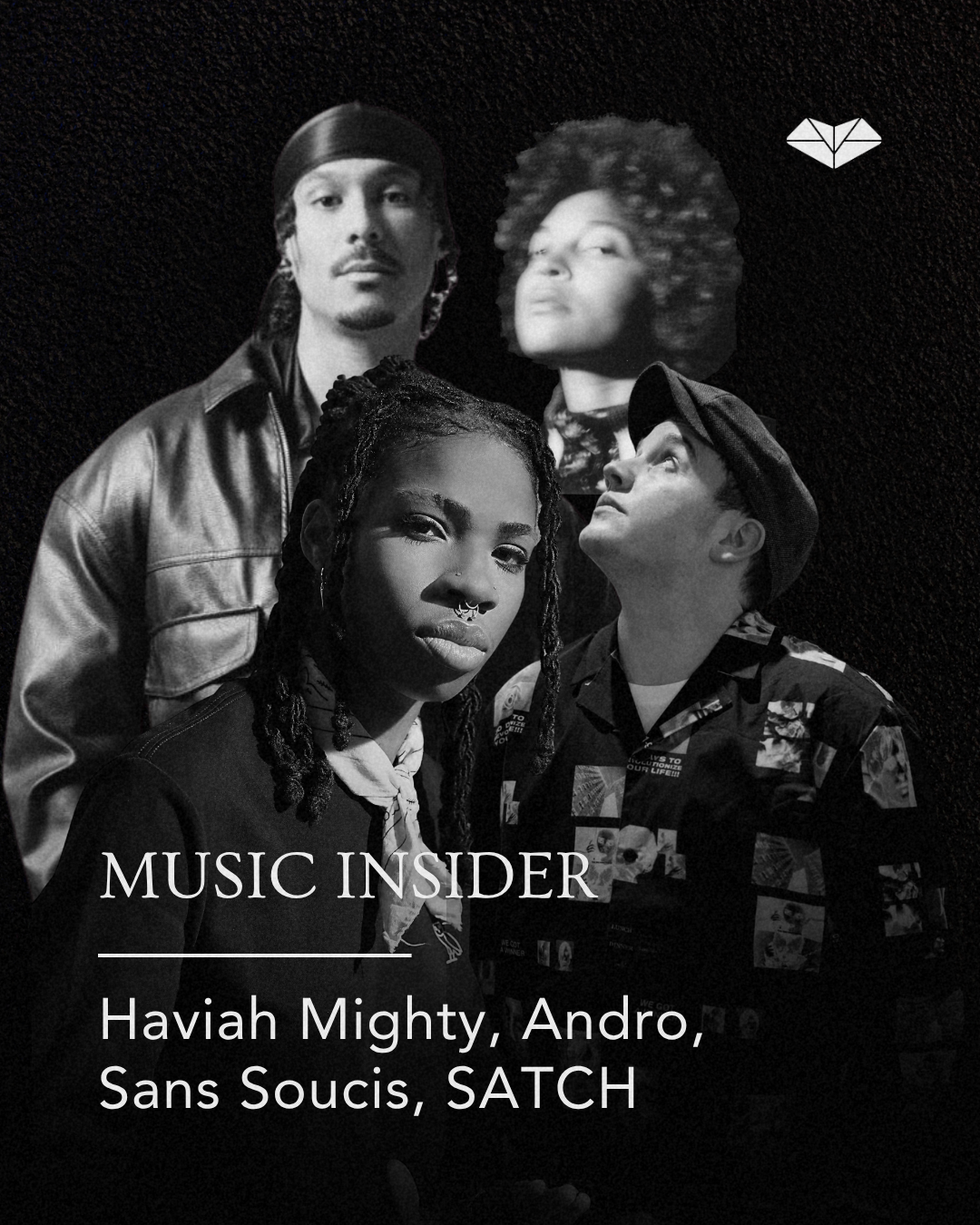
Taking place in London from 12–14 October 2026, this edition pairs nine artists with a trans+ songwriter and a trans+ producer across three days. Among them are Olly Alexander, the former Years & Years frontman with two UK Number 1 albums and six BRIT Award nominations, who returns after participating last year, and jasmine.4.t, the first UK artist signed to Phoebe Bridgers’ Saddest Factory Records, whose debut album You Are The Morning was produced by boygenius. They join a line-up that includes Polaris Music Prize-winning rapper and producer Haviah Mighty, Ivor Novello Award-winning singer-songwriter Sans Soucis, Porij, Tom Rasmussen and Andro.
The camp comes at a time when recognition of trans+ songwriting talent sits alongside persistent inequalities. According to Musicians’ Union research, only 15% of trans musicians earn all their income from music, and more than half of trans+ respondents have experienced discrimination based on their gender identity. Access to paid work, professional networks and creative spaces where people feel safe to express themselves remains central to building a sustainable career.
Following previous editions in London, at The Great Escape and in Toronto, Transpose also aims to build relationships that continue beyond the camp. Participants in its Canadian edition described leaving with new collaborators, plans to work together again and songs shaped by the freedom to bring more of themselves into the room.
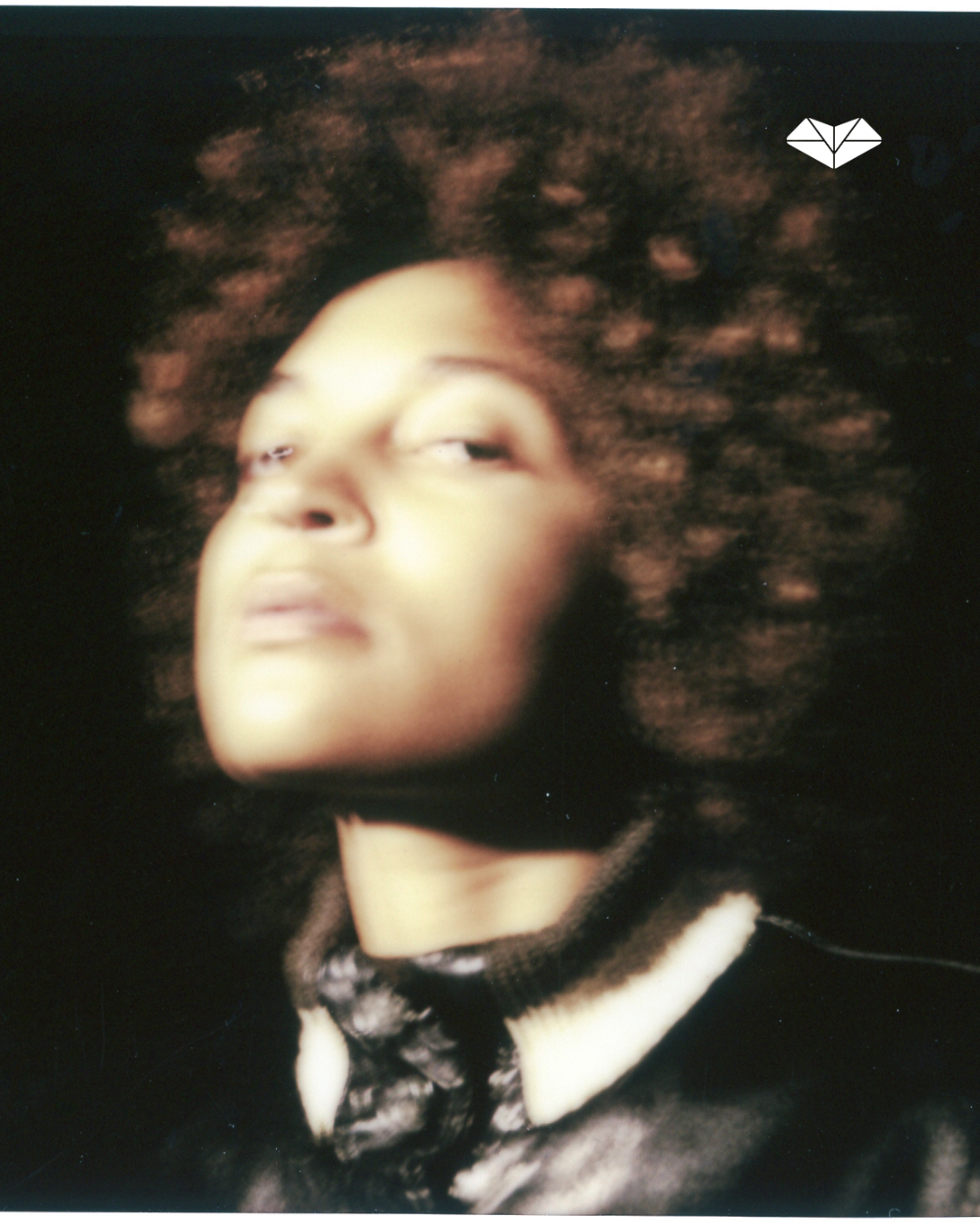
Sans Soucis
Transpose was founded to equalise opportunities for trans+ songwriters and producers. What experiences in your own career have shown you why a space like this is needed?
One of the most impactful experiences I had while being on transpose was the feeling of being the majority in the room. This is something that I rarely get to experience in my professional life, which inherently has an impact on my creative output. More often than I would like, I end up compartmentalising or hiding (in most cases for safety reasons) aspects of my identity that in fact represent some of my greatest qualities as a songwriter, producer and thinker.
Spaces like Transpose can truly foster a creative environment meant for trans+ people to thrive in community, as well as being celebrated not only by our peers but from the wider community of allies.
Musicians’ Union research found that only 15% of trans musicians earn all their income from music. What needs to change to make a sustainable music career more accessible?
We simply need more holistic support and funding. We face a compounding amount of barriers to our individual backgrounds and intersections that often don’t get to be addressed from a systemic lens and with more practical approaches that move beyond advocacy.
Medical expenses, mental health struggles, systemic discrimination and often forward-thinking creative practices make it difficult for us to have a fair chance at having a sustainable career in music, make progress and garner support, especially on a mainstream scale.
What is your best advice for someone entering their first professional songwriting or production session?
My advice would be… have your heart open and assess how you can trust the people in the room to hold space for your vulnerability (and vice versa). One thing I wish someone told me when starting out is: safety comes first.
Ah and most importantly, have fun… even getting through a sad song.
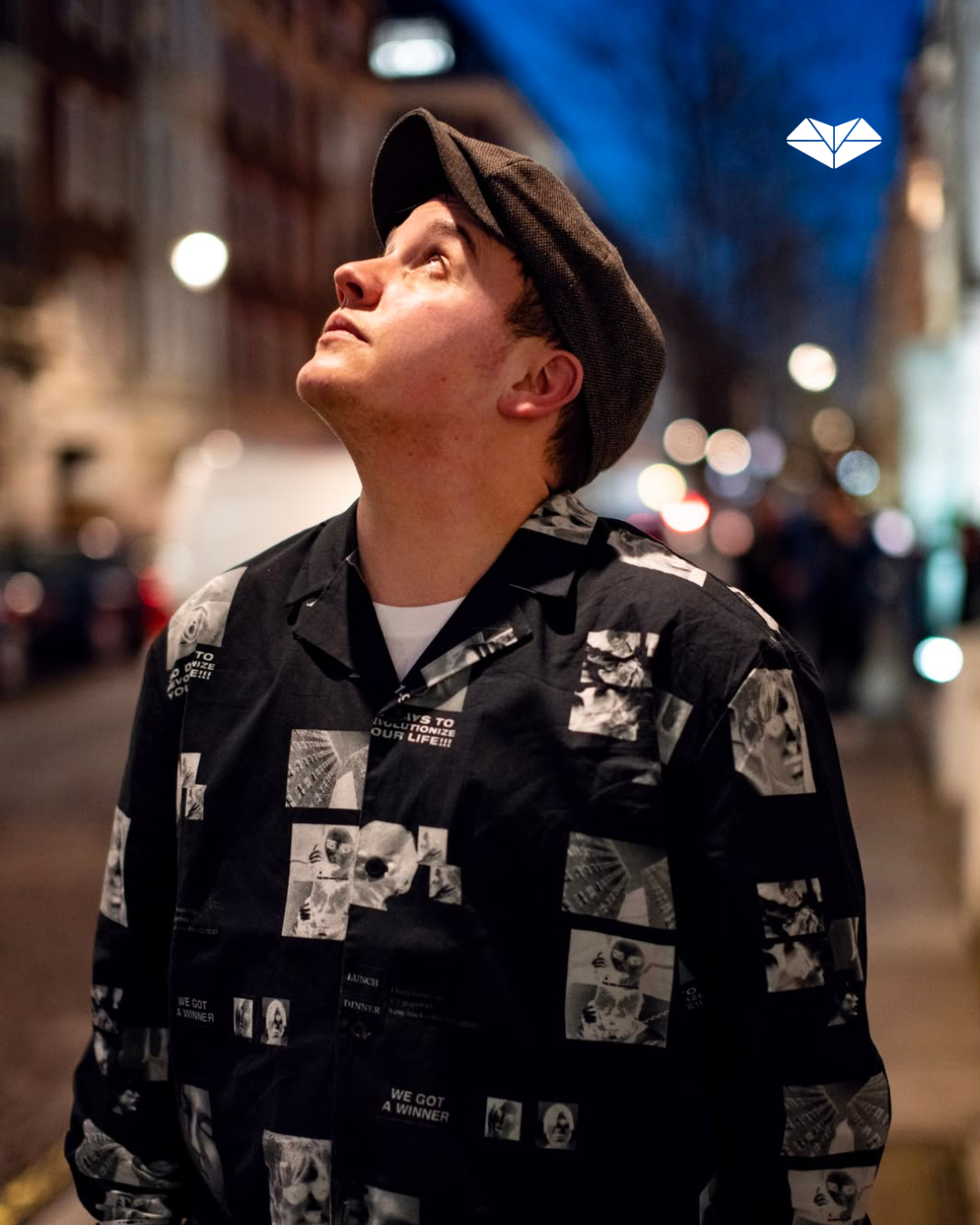
SATCH
Founder Transpose & SongTeller
What needs to change to make a sustainable music career more accessible?
We need our leaders to hold music thieves accountable to plug the huge amount of money that is being siphoned from our music industry into A.I. tech firms such as SUNO etc. Then to help our music industry recover from the impact of those crimes, we need to support songwriters with a basic living wage such as has been proved to be so effective for our neighbours France and Ireland.
We also need to create a queer music fund alongside the funds for other songwriters at higher risk of discrimination from open funds, so that we can ensure every creator has a chance to have their music supported.
It’s also on us to fight for a fairer industry so joining organisations such as The Ivors who advocate for songwriters, Writing to our MPs, and supporting each other as songwriters can all have a butterfly effect.
What do you do when a session is not working or creatively stuck?
I have a three point check list to review if the song is feeling slow to write… Is the idea strong? Is the concept clear? Is the vulnerability felt? If the answer to any of these is no, the next question to answer is why!
What are you listening to at the moment?
The last album I listened to was Foy Vance - The Wake, and the next queued is MNEK - Bulldozer.
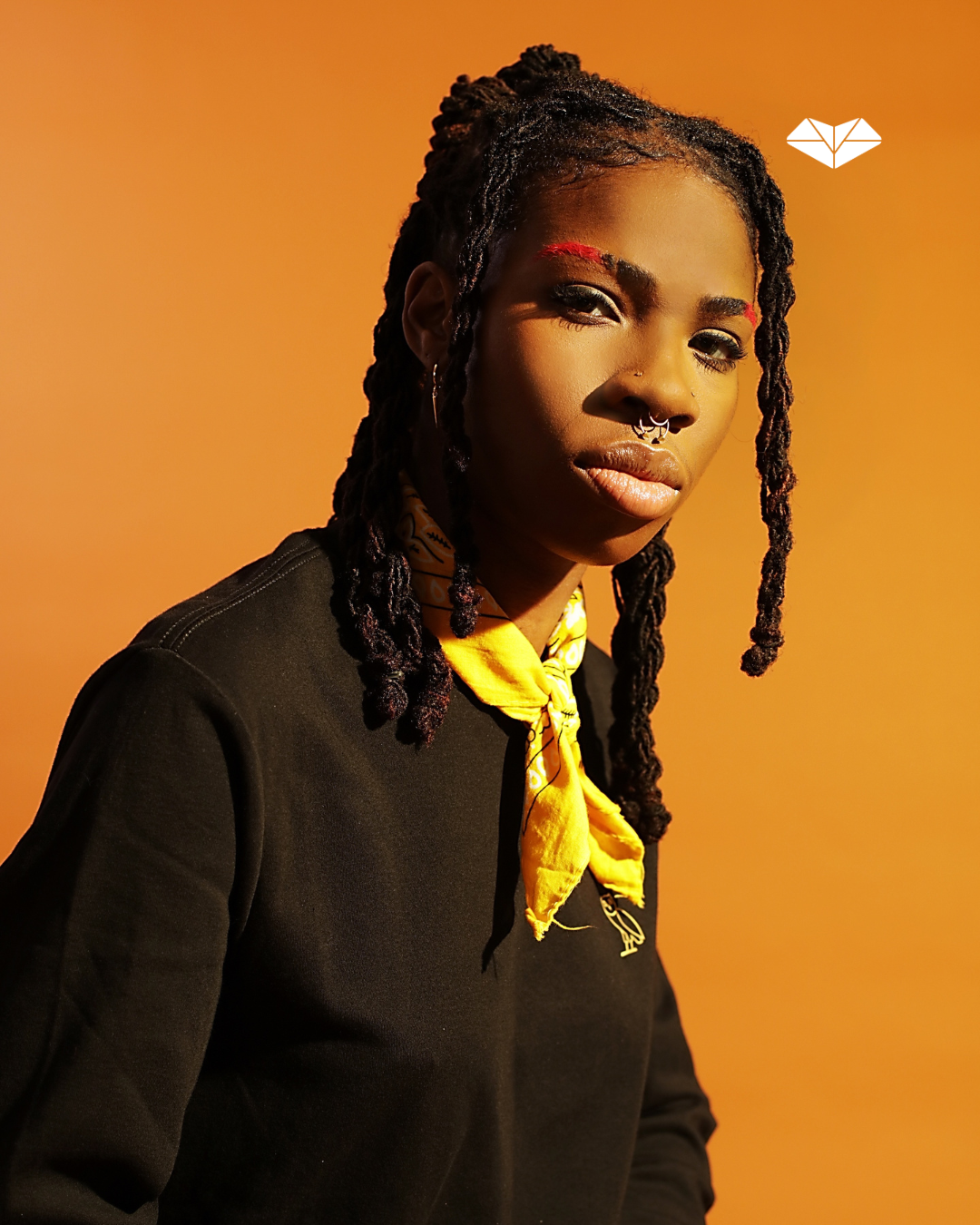
Haviah Mighty
Transpose was founded to equalise opportunities for trans+ songwriters and producers. What experiences in your own career have shown you why a space like this is needed?
As a Black woman in hip-hop, I’ve experienced what it’s like to navigate spaces where people have already made assumptions about who you are, what you’re capable of, and what your contribution should or could look like. In an industry that likes to celebrate individuality, how often are we fostering the spaces where individuality is truly able to be explored?
Spaces like ‘Transpose’ are important because opportunity often doesn’t reach talent, promise and hustle on its own - not unless it fits into a predetermined box we already agreed we accept. By facilitating more spaces that truly celebrate individuality and, in this case, the vast nuance of trans identity, those that identify can valued, respected and safe to not only exist, but express their deepest truths, often creating a necessary exchange for the creator and listener to connect, and/or heal.
Musicians’ Union research found that only 15% of trans musicians earn all their income from music. What needs to change to make a sustainable music career more accessible?
Opportunities are great, but are these opportunities coming with tools? Do these opportunities lead to more access to resources, mentorship, networks and funding? Is there an ROI for the visibility exchange; how does one pay their bills with said opportunities? These are necessary for sustainability.
Sonic art is baked into society; music is played at events and excursions that are ticketed and profiting on every aspect of everything that is consumed; the creators made the soundtrack of those experiences and shouldn’t be exempt from the livability it should afford.
Therefore, opportunities that afford the artist to express their art AND continue to make art is the balance required for sustainable music careers.
What is your favourite part of making music, and what is your least favourite part of the process?
My favourite part of making music is that I get to do it for a living! To explore your passion as your livelihood puts an emphasis on it that you otherwise can’t fathom; it gives you the freedom to ‘research’ with intention - it makes art as valuable as survival.
My least favourite part of making music is that I have to do it for a living. When your passion becomes your obligation, how do you know when your ‘why’ changes? Will you have the discipline to put the integrity of your art above the ‘success’ of it?
Two sides of the same coin.
Still, I would choose this path every time!
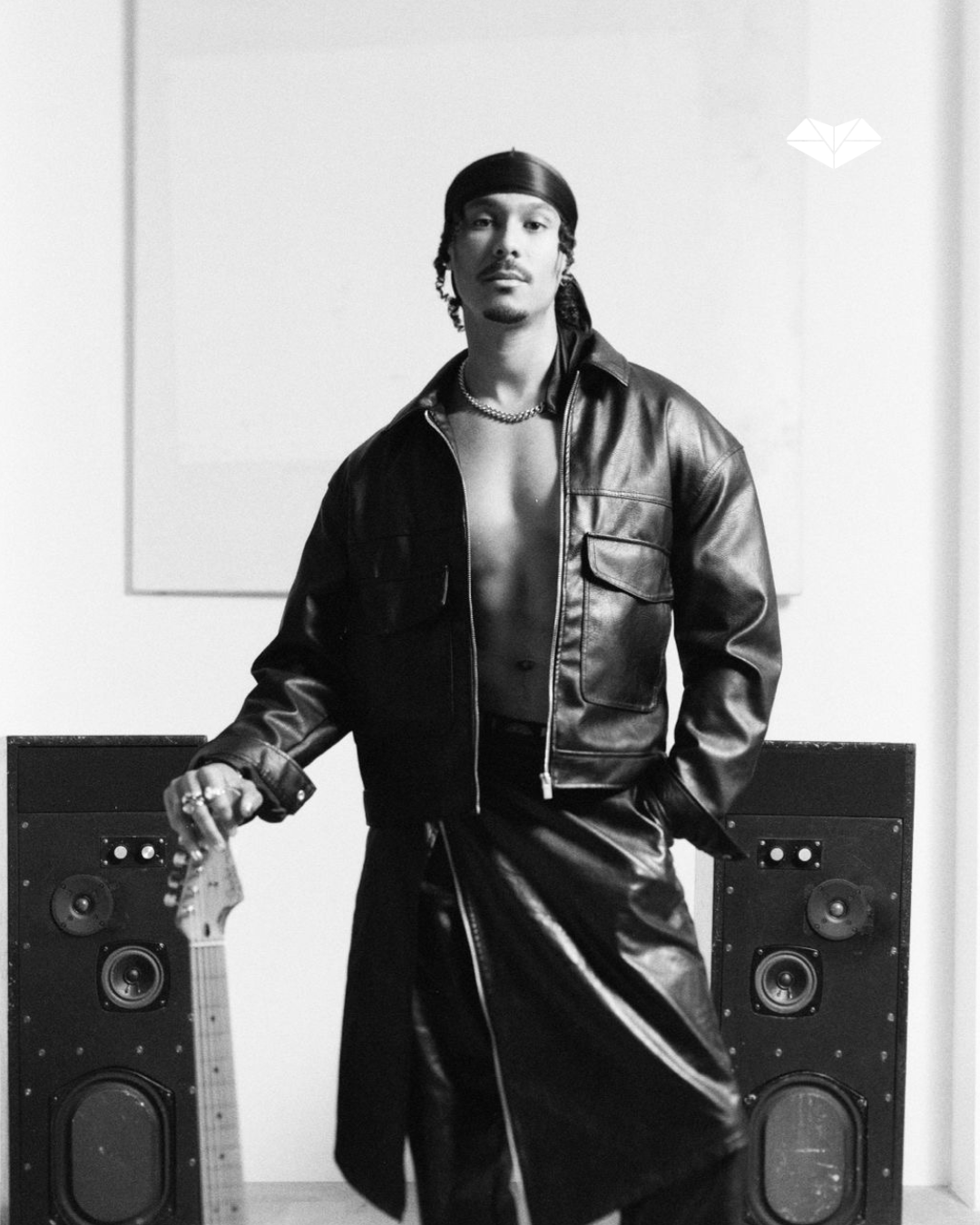
Andro
Transpose was founded to equalise opportunities for trans+ songwriters and producers. What experiences in your own career have shown you why a space like this is needed?
Not everyone in our industry gets equal opportunity. Especially those from marginalised groups. It's absolutely imperative that these spaces exist so that our shared experience as human beings and our love for art and music is shared!
Musicians’ Union research found that only 15% of trans musicians earn all their income from music. What needs to change to make a sustainable music career more accessible?
Hire more trans and non binary musicians, producers, writers and STARS!!
How can studios, songwriting camps and other creative spaces move beyond representation and provide meaningful support for trans+ artists?
I think meaningful support for trans+ artists literally IS representation. Moving beyond that might mean, lectures, support lines and posters which are GREAT. But unless you have these diverse groups and individuals in your creative spaces, then signposting isn't enough. We are creative social creatures. Representation matters.
What does a productive songwriting or production session look like to you?
A finished song. Lyrics, melody, vocal takes and harmonies. And having fun whilst doing it. Even if the song stinks, and goes nowhere. It's collaboration.
What is your favourite part of making music, and what is your least favourite part of the process?
My favourite part of making music if I'm working with others, is the energy exchange between writers-producers. And being open to change. My least favourite part is listening to the awful voice notes I recorded at 3am because I thought I came up with a Number 1 hit.
What is your best advice for someone entering their first professional songwriting or production session?
Have something to talk about relating to your life...a story. Don't be afraid to be vulnerable, as much as you feel safe to do so in that room. That's where the magic happens.
What’s your best networking tip to connect with the right people in the industry?
Have a scannable picture QR code that contains all your links/EPK.
What do you do when a session is not working or you feel creatively stuck?
Some days just aren't the right day. I ride with it for as long as my body physically can. Take an ear break and go for a walk. Come back and listen. Cast a vote. If we ain't feeling it, we start something new.
What are you listening to at the moment?
Almost finished tracks for my debut Album ......and Corto Altos new album; Some Small Fortune.