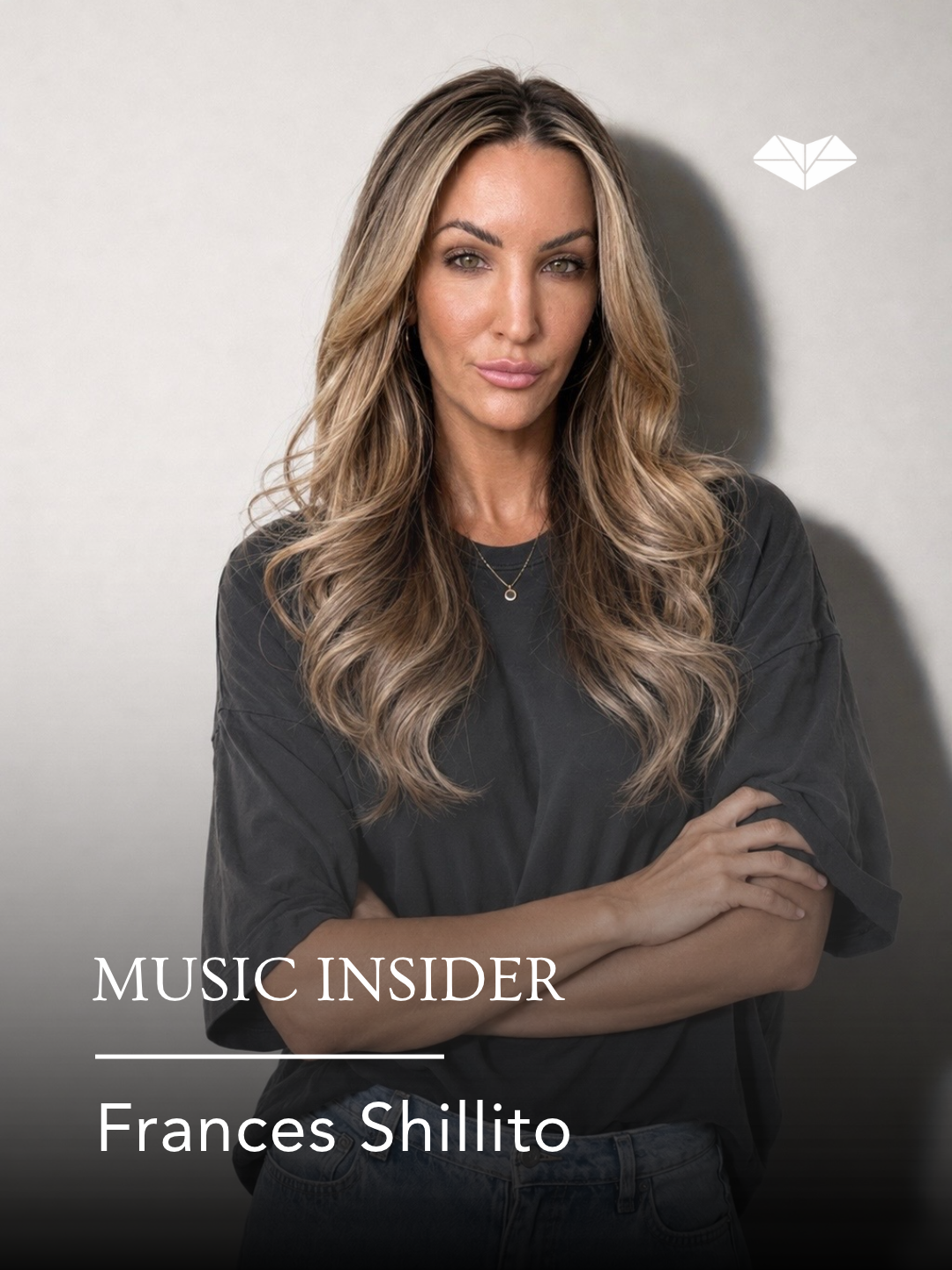
Frances Shillito is an artist manager at Night Department, music industry consultant and founder of The Standard, which offers safeguarding and safety training for the music and events industry. She launched The Standard after requests for support with safeguarding incidents highlighted a need for accessible resources tailored to people working in music.
As Venue Relations Manager for KUVO/AlphaTheta, Frances works with venues to introduce technology that identifies music played in DJ sets, helping ensure artists are recognised and paid when their tracks are played.
Frances is an AFEM member and also provides business advice and leads masterclasses through Help Musicians, supporting emerging artists in building sustainable careers.
How did you get your start in music?
I originally started out as a makeup artist! When I left school I went straight into makeup school in London, and then from there I worked for MAC Cosmetics for two years whilst building up my portfolio in music and TV.
My first big client was Paul Van Dyk and Anthony from Blue! Haha. I did that for 10 years before moving into management at the age of 30, I realised I wanted to stay in music but not in the styling side. I took myself to ADE and networked there, which led me to being offered a job in artist management.
What led you to launch The Standard? What gaps in the music and events industry’s approach to safeguarding did you want to address?
There were a few instances where people who knew me for my safeguarding and training work came to me when incidents happened in the industry.
I needed to come up with tailor-made resources for them, and from there I wanted to create a hub for it all, which is when The Standard was born. I wanted to address the lack of readily available resources designed to speak to the industry in a relatable way, and provide a platform that made the conversation around safeguarding less taboo.
There’s a clear need for solutions in the industry when it comes to safeguarding, so I wanted to normalise the conversation and make it accessible for everyone to do better.
For a small venue, promoter or artist management team with limited resources, what are three practical steps they can take to improve safeguarding?
1. Become a member of CIISA - Engage with an established industry body, access guidance and resources, and demonstrate a commitment to improving standards of welfare and safeguarding across the creative industries. The CIISA are perfect for this!
2. Engage with specialist organisations and individuals – Reach out to people and organisations such as AFEM and independent safeguarding specialists (such as myself) who already have the knowledge, experience and resources to support them. Don't feel you have to reinvent the wheel.
3. Introduce a basic safeguarding framework – Put some simple foundations in place, such as having a named safeguarding lead, a clear process for reporting concerns, an accessible code of conduct, and ensuring staff know what to do if someone discloses an issue. Safeguarding doesn't have to be expensive or complicated to be effective.
Through your work at Night Department, what’s one common mistake you see artists make early in their careers, and what would you advise them to do instead?
Quit their jobs too early! I always encourage artists who are still working their day jobs, to stay in them for as long as possible. As tempting as it is when the money begins to trickle in to quit your job, this industry isn't linear, and cash flow can come in ebbs and flows. The last thing your creativity needs is to be crushed by the stress of financial worries. My advice is to always keep that job for financial security so they can relieve the external pressure of when the next paycheck will arrive.
What’s your best networking tip, particularly for someone who finds approaching new people intimidating?
I did a lot of my early networking in covid so the majority of it was online, so if approaching new people isn’t your thing, it’s ok to find these people on social media and interact with them that way, same on email - making it easier when you do meet them in person!
What’s one thing you wish you’d known earlier in your career?
I think I’d answer this as less what I wish I’d known earlier and more what I wish other people knew earlier in their career/when they are starting out…and that is that you don’t have to drink etc and go to every party/after party to network!!
The best deals aren’t done around someone's kitchen table at 5am, the best deals are done when someone remembers what they’ve said to you and had a genuine connection with you, in an environment that doesn’t cause you burn out.
How do you unwind after a challenging day?
Usually by having a nice dinner on the sofa with my partner, a sweet treat, trying not to look at my phone, and getting an early night (with a melatonin thrown in). Sounds dull but it’s the simple things in life for me these days and a nice early bed time.
What are you listening to at the moment?
I am loving Ruze at the moment, big fan of theirs, and Robbie Doherty. Also recently discovered Blondshell who I think is great. Outside of that I’m a hardcore Bring Me The Horizon fan so they are always on my playlist somewhere!