
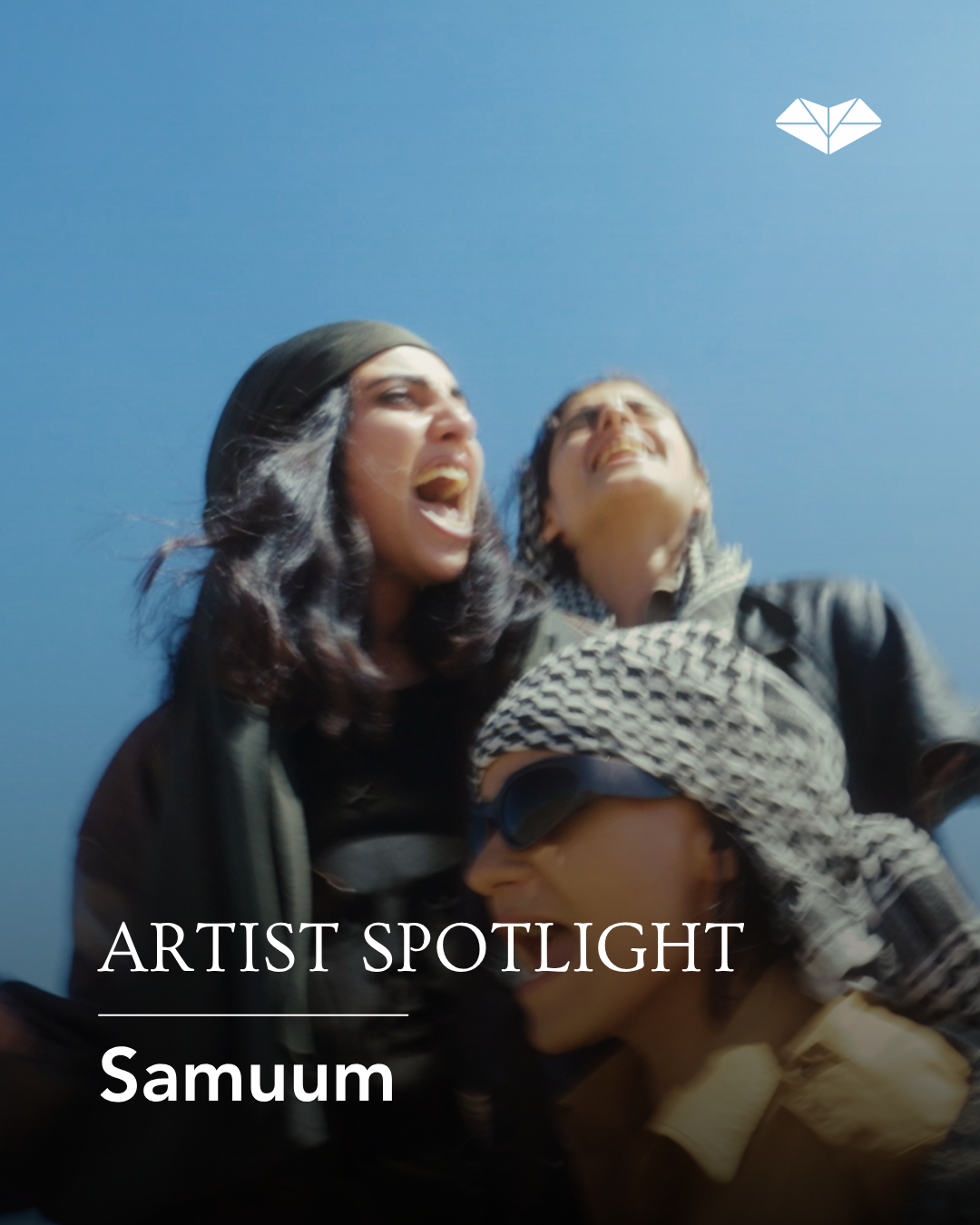
American-Armenian art-rap duo Samuum was founded by filmmaker and musician Ando Berberian and vocalist Lusine Kocharian, but the project really began with an accident.
During a rehearsal, a heavily delayed vocal effect transformed Kocharian's voice into what she describes as "a witch screaming somewhere in the middle of a desert." In that unexpected moment, the pair realised they had stumbled across the sound they'd been searching for after years of playing in other bands together.
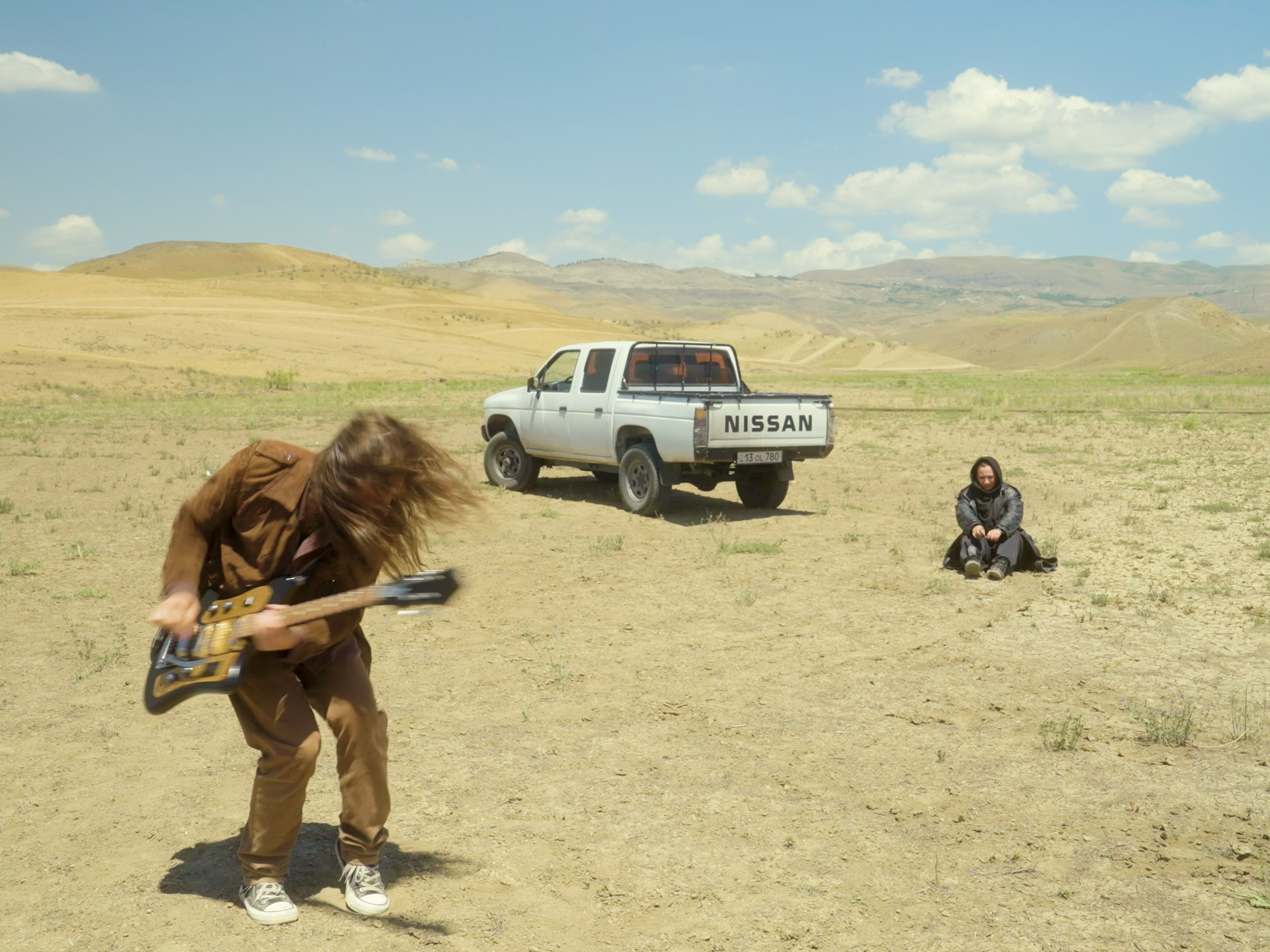
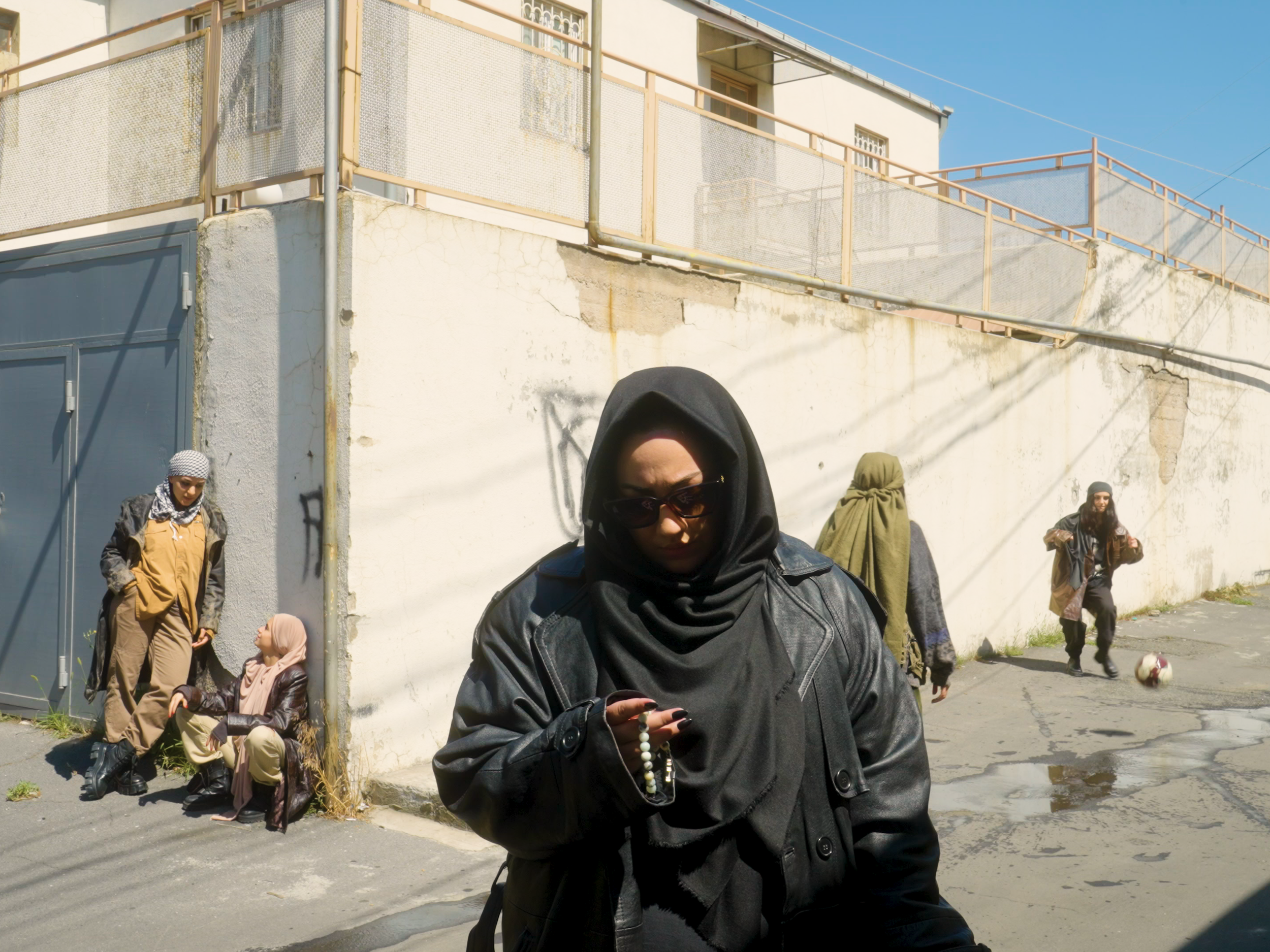
Blending rap, punk, rave and Middle Eastern musical traditions, Samuum write songs shaped by the realities of life across the region, where conflict, displacement and uncertainty exist alongside everyday rituals that endure.
Their latest single, Coffee Cup Reading (Yaman, Pt.2), takes inspiration from the tradition of reading fortunes from coffee grounds, exploring how ordinary customs can become a source of comfort when little else feels certain.
For readers discovering Samuum for the first time, how would you describe the band, and what inspired you to create this project together?
You know, first of all, Samuum is the band we always dreamed of having when we were teenagers.
When I was young, I always imagined a band that felt incredibly powerful—something with the raw energy of System of a Down at its core—but at the same time something sophisticated and spiritual, almost like Krishna Das.
Before Samuum, Ando and I had played in quite a few bands together. They were good bands, but none of them ever felt complete.
Everything changed when we started working on what would eventually become Samuum. We didn't even have the name yet back then. I still remember the day we wrote our very first song, Asel. It happened completely by accident.
During one rehearsal, we accidentally put these long, distorted vocal delays on my voice while I was singing in Armenian. Suddenly I sounded like a witch screaming somewhere in the middle of a desert—and definitely not like the proper jazz singer I'd always been.
It may sound naïve, but that was the moment we realised we'd found something very special—almost like the universal language we'd been looking for to communicate with people.
Your new single Coffee Cup Reading (Yaman, Pt.2) explores anxiety through the tradition of reading coffee grounds. What's the story behind the song, and why did this feel like the right way to tell it?
You know, we're from the Middle East, and here almost nothing lasts forever.
Governments change, wars begin, borders move—it's simply part of the daily routine here. Everything around you can disappear overnight.
The only things that seem immortal are the everyday traditions: making coffee, smoking a cigarette together on the balcony, reading coffee grounds with your grandmother, eating khash (a traditional Armenian pork soup) with apricot vodka during family gatherings.
Also weddings! And taking out bank loans to make them huge! All these things may seem insignificant at first glance, but in reality they're the only things that truly last. They're the pillars that hold everything together when everything bigger falls apart.
Coffee Cup Reading is completely about that insight.
Musically, we also wanted the song to reflect what life here actually feels like. It begins almost playfully, almost peacefully... and then suddenly explodes in the chorus.
You've spoken about coffee cup reading as a ritual that brings comfort during uncertain times. Are there other traditions or everyday rituals that help keep you grounded?
Lusine: Definitely ayahuasca. (laughs) I do it often enough to consider it a ritual.
I've had some incredibly powerful experiences with it. It felt like meeting my ancestors, confronting parts of myself I'd never understood before, and opening a completely new chapter in my life.
Ando: I'm much less mystical. I just do 40–50 push-ups a day. I also do them in the middle of any boring process—while a track is rendering, while a video is rendering, or even in the middle of a dumb date.
Looks like I've found the ultimate cure for boredom.

Your music brings together Middle Eastern influences with rap, punk, rave and electronic music. How did you find a sound that reflects both your heritage and your own artistic identity?
We grew up listening to bands like Blink-182, Nine Inch Nails, The Cure and Radiohead. Later we discovered more experimental artists like Emerson, Lake & Palmer, Lou Reed and The Mars Volta…
The interesting thing is that most of the music we loved had one thing in common: it wasn't giving answers—it was asking questions. We think that's the best approach when it comes to complicated topics in art, like heritage, traditions or identity.
We were constantly trying to understand ourselves and everything we saw around us in our society and in the Middle East in general. So we wanted to find a musical language that could fully reflect that constant state of questioning. That's how we ended up packaging Samuum's vision of life into punk, noise and rave.
We were also sonically shaped by a couple of random but incredibly powerful events. The first was a Young Fathers concert in Kyiv back in 2015. It was probably one of the most intense concerts we've ever experienced. Everyone was sweating, everything felt tribal and incredibly human.
The second was Yasmin Hamdan's album Ya Nass. Those two experiences made us jealous—in the best possible way. We thought, "We want to sound like this. We want to jump on stage like this."
You've spoken about giving a voice to emotions that often go unspoken, particularly for women in Armenian culture. Why is creating space for those conversations so important to you?
Because I think artists have something many people don't—the chance to be heard. And that's both a privilege and a responsibility. The people we write about often don't have the opportunity to express everything they're carrying inside.
So I feel responsible for translating those emotions. I've always seen myself as some kind of transmitter.
I grew up in Armenia during the difficult years of the 1990s. There was war. No electricity. No gas. No water. Cold. Darkness. And I grew up surrounded by incredibly strong women carrying enormous responsibility while many men were away at war. I saw women who lacked opportunities, security and emotional support. I've carried those experiences with me ever since.
So in many ways I feel like those women are still speaking through me. I'm simply trying to give shape to emotions that were always there.
Many artists worry about being "too political" or "too personal". Have you ever felt pressure to tone down your message, and how do you stay true to your voice?
We've definitely been criticized. But honestly, we've received much more love than hate.
I think that's because we don't present difficult topics aggressively. Mostly through irony. And, you know, it's much harder to argue against something said through irony than against something said through aggression.
Networking can feel intimidating, especially for emerging artists. What's the best networking advice you've ever received?
One of the best conversations we ever had was with Tony Duckworth. He was one of the heads of PIAS, and unfortunately he passed away shortly after Covid.
We met him at a music conference in Kyiv. At that point, getting signed to a label felt like the ultimate goal. We kept, probably quite annoyingly, insisting that industry professionals listen to our music.
Tony listened to our music carefully, said a couple of warm words about our songwriting, and then added:
"Guys, don't chase a label. Chase joy. Play more shows, make more videos, and we'll find you much faster than you think."
We didn't leave with a record deal that day.
But we left with something far more valuable: a huge boost of confidence and much stronger self-esteem.
Thank you, Tony.
What's one piece of advice you wish someone had given you when you first started making music?
Now that I'm getting closer to my mid-thirties, I realise I've probably lost quite a lot of time. Nobody ever told me how deeply success is connected to faith.
I grew up hearing things like: "Try it first. See if it works. But even if it works, keep a backup plan. Better yet, get yourself a good 9-to-5."
Today I think completely differently. If you genuinely feel that music is your calling—if every part of your soul resonates with it—don't wait until you're thirty to commit. Commit while you're still seventeen.
Don't split your energy between five different careers out of fear.Go all in.
I really wish someone had told me that with enough confidence back then.
Maybe that's one of the reasons why I regret never reading the Bible properly.
Because that advice has been there for two thousand years already. It says:
"According to your faith, it shall be done unto you."