
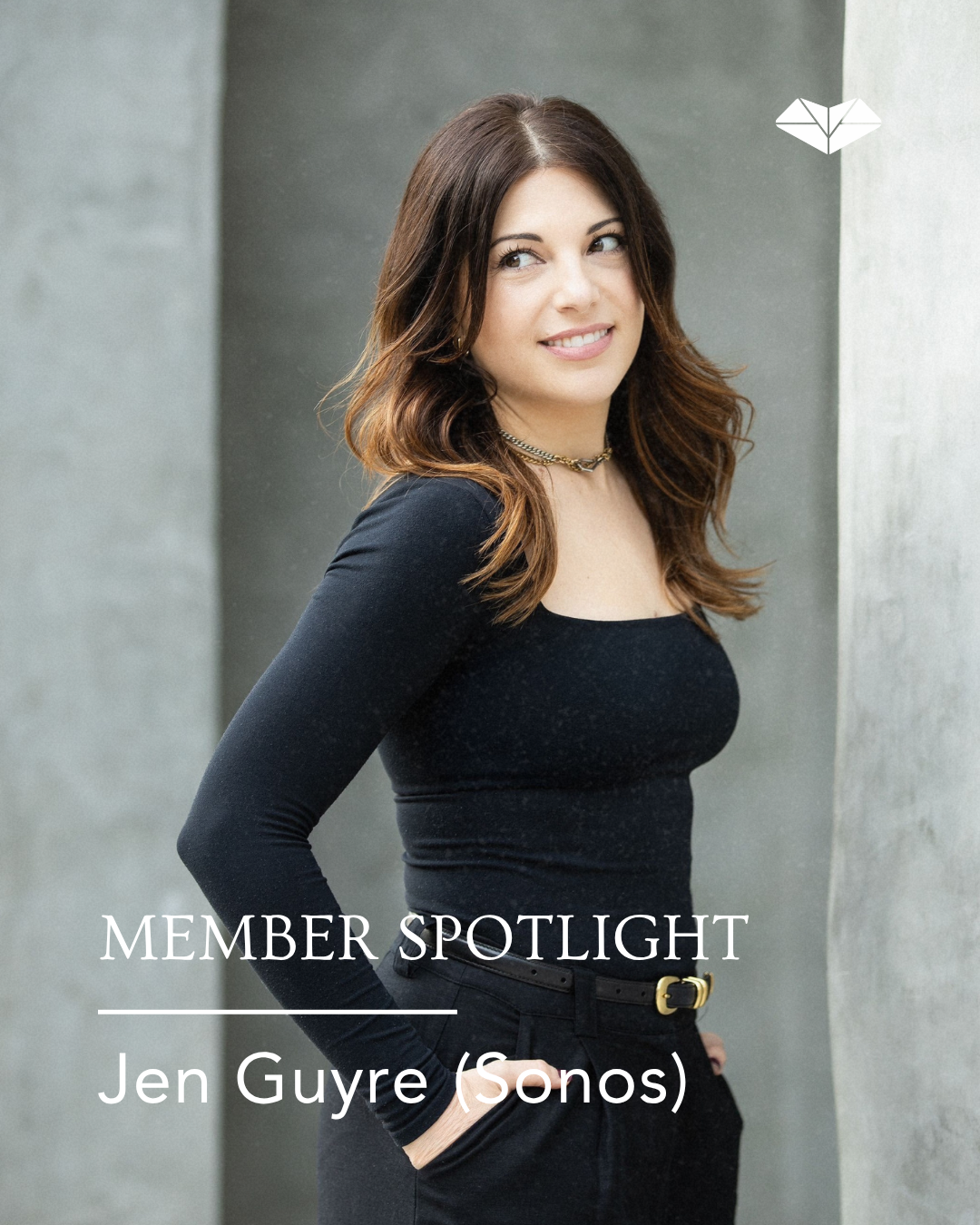
Jen Guyre is Head of Music Curation & Industry Relations at Sonos, where she leads music curation strategy for Sonos Radio and works closely with artists, labels and partners across the industry.
Growing up in New Jersey's DIY punk scene, Guyre was booking local shows while still at high school, an experience that led to work with concert promoters and eventually music journalism, writing features, reviews and interviews for The Aquarian. She later balanced college with concert work, college radio and an internship at MTV.com, laying the foundations for a career that has spanned music journalism, streaming, artist relations and curation.
Before joining Sonos, she held senior curation and editorial roles at Amazon Music, Google Play Music, Rhapsody and MTV, contributing to everything from playlist programming and editorial strategy to artist content and global music launches. At Google, she was part of the team that helped build Google Play Music from the ground up before overseeing curation across the Americas, while at Amazon Music she led multi-genre programming and launched playlists spotlighting emerging scenes, including the shoegaze revival and hardcore resurgence.
You started out booking DIY hall shows in New Jersey as a teenager before eventually leading music curation and industry relations at Sonos. How did those early DIY experiences shape the way you approach music and curation today?
More than I think I realized until I stopped to consider it! I learned so many principles from that pre-college experience, but I think the biggest ones are: first, that music is a social currency, and nothing is more powerful than word of mouth. So don’t gatekeep! When you’re a curator, that’s the trust you’re holding. You want to both lead people somewhere they’re looking for, and somewhere they didn’t even know they wanted to go.
When my friends and I were doing hall shows, we didn’t have a lot of online tools at that time, and we definitely didn’t have a marketing budget, but we had our scene and community and that trust. The second point - and one I know for sure that I’ve taken throughout my career is: Always be out there experiencing it and seeing it in context – that’s how to truly know how to translate it back. Curation isn’t always about taste, but it’s almost always about context.
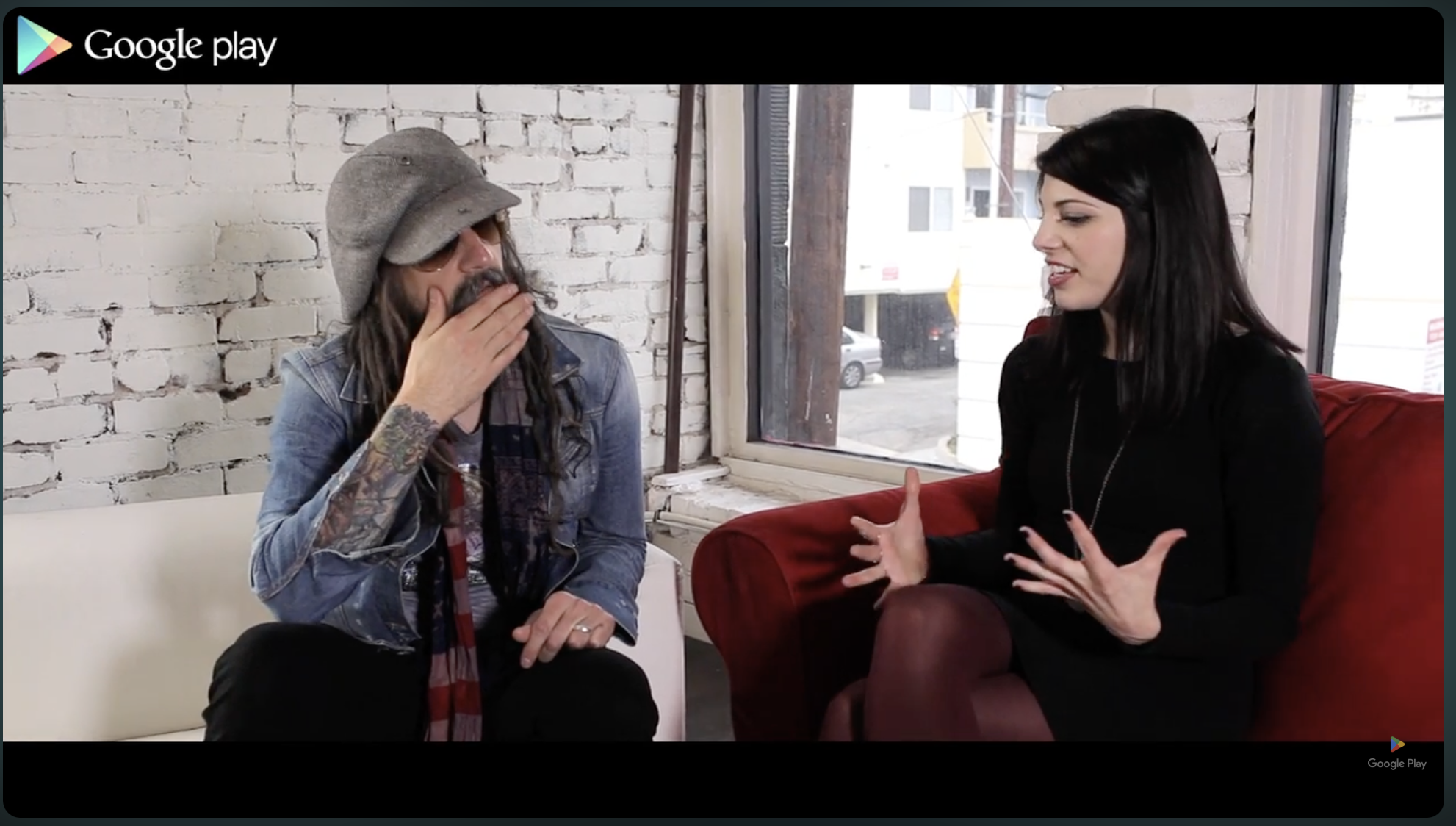
Jen Guyre/Rob Zombie Interview, 2013
You’ve worked across almost every major era of digital music — from MTV and Rhapsody to Google Play, Amazon Music, and now Sonos. What have been the biggest shifts you’ve witnessed in how audiences discover music?
I think the biggest shifts have been that audiences are not one-genre listeners and mood is important to them, that “discovery” means something new to them and not just new music from up-and-coming artists, and that at the end of the day, they do want guidance when they have all the world’s recorded music at their fingertips!
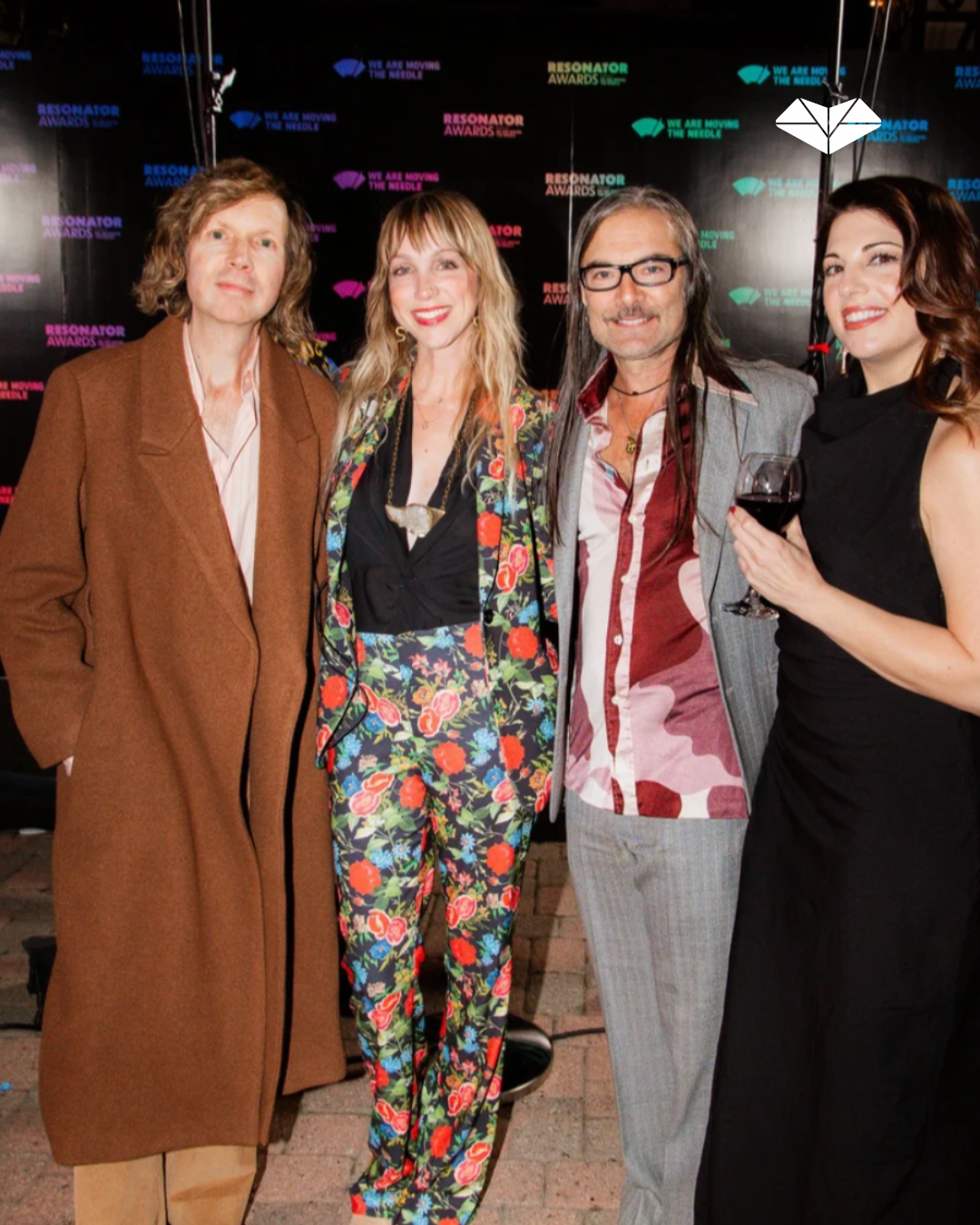
Resonator Awards 2026
A lot of people dream of working in music curation or streaming platforms. What practical advice would you give to someone trying to break into that side of the industry today?
Go back! (Just kidding, I’m quoting Say Anything). My advice is to start small and stay consistent about curating. It’s not just about “I like music and making playlists,” it’s also about being able to stick the landing among an audience: They’re the other side of the coin. There’s you and your taste, but the job is also about how you can resonate with them and theirs.
It’s a difficult space to break into because the biggest misnomer is that it’s not a skillset, it is, and just like anything, you have to hone that. Maybe you start hosting an hour at your college radio station, start a substack, make public playlists, utilize platforms like TikTok or YouTube, or just simply make playlists for friends and family and their parties and gatherings.
In all of the above, see if you can exercise a POV but still curate for them (or the occasion) not for you, and get some feedback. Then see if you can intern at a company that does curation where you can learn more. My own skills were honed making playlists as a hobby since I was a kid, but then I helped curate a music fest in NJ as a teenager, co-hosted a college radio show with friends, DJ’ed between bands at shows, and wrote for a music weekly called The Aquarian. I landed an internship in music journalism and that lead to a job in digital, and the rest is history. But I wasn’t doing all that legwork because I wanted the job, I was doing it because I loved it, and it just kind of came together.
You’ve consistently championed emerging scenes and subcultures, from punk and hardcore to shoegaze revivals. Why do you think it’s important for streaming platforms to support underground or developing scenes rather than only focusing on mainstream trends?
For many reasons! But mainly because the big picture of music is so important: what’s above boards and below boards is all part of music culture as a whole. Audiences are everywhere and music is a lifestyle for a lot of them; sometimes you don’t see them if you’re not serving them. Especially in our data-driven worlds. Plus that’s the world that gave me my start, so there’s for sure an element of paying it forward.
What advice would you give to younger music professionals trying to build genuine industry connections?
Be authentic, be patient, and be humble. And remember that the industry itself is a community too! You will meet a lot of people and find the folks who share commonalities or are interested in the same or similar corners of the biz you’re interested in, and that will eventually start to open doors naturally. But you can’t force it, and it might not happen quickly, but if you’re looking for genuine connections, you have to be genuine too.
What are you listening to at the moment?
Oh man, I go down a lot of random rabbit holes, and sometimes get stuck on songs I just want to play on repeat. In my personal listening, I think I operate a little in the shadows since so much of my professional life requires being more out in the open. So with that disclaimer!
Lately I’ve been obsessing over some heavy synth in all directions. Like, the album tracks - not the singles - on Bjork’s album Debut, and the big, emotional feel of “Learning to Fly” by Pink Floyd and “You Take My Breath Away” by The Knife.
I’ll listen to The Chameleons or Kitty Craft in my Sunday morning playlist, but today I was feeling more Arima Ederra and ultimately love that space where alt/ indie R&B crosses into jazz. For newer music, I listen to everything R. Missing puts out, love Violet Grohl’s new album, am excited for new Steve Lacy, new Kelela, and here for all the buzz/ momentum Die Spitz have going on right now.
How do you unwind or reset after a challenging day?
I like to do something active to decompress, even if it’s just going for a walk and getting some air, and on extra challenging days, I like making dinner at home and honestly, even if it’s a little grandma-y, having a cup of tea before bed! Your time isn’t yours during the work day anyway, but when it’s tougher than usual, it helps to sort of take that back and do something nice and calming for yourself.
3 things you can’t live without in your bag
Ear Plugs, Gum, Lip Gloss – and I’m laughing because that has never changed!