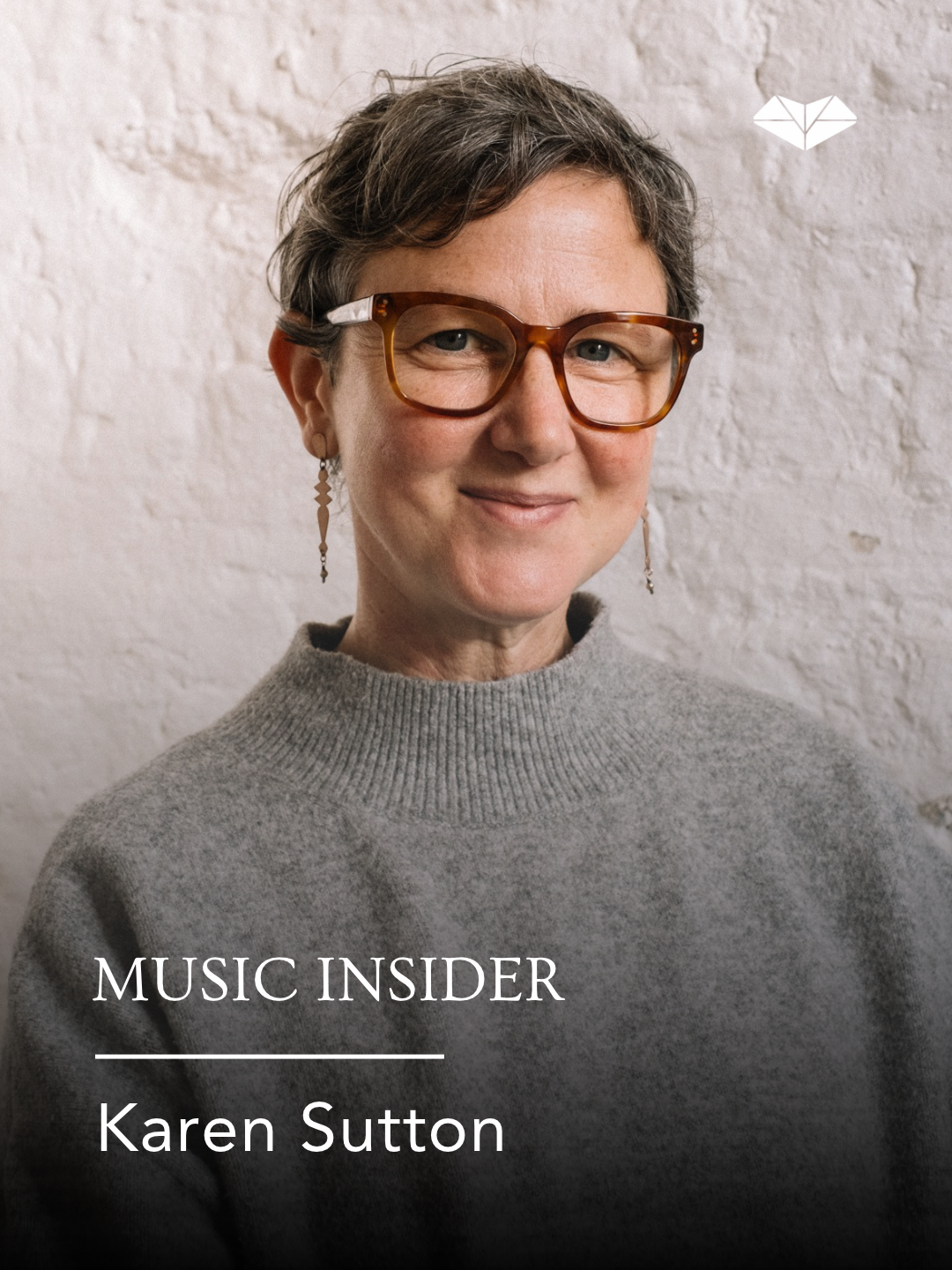
Karen’s interest in music began behind the scenes, helping her father, a bus driver by day and musician by night, with his gigs. It was an early introduction to the work that makes a performance possible, something she has since approached from almost every angle: as a sound engineer, label manager, finance manager and creative producer.
Today, she is director and executive producer of The Oram Awards, supporting women and gender-diverse artists working in music, sound and technology. She also oversees finance and operations for Matthew Herbert, a role that draws together her two enduring interests: music and maths. Over 15 years, their work together has encompassed film, television, art projects and a family of record labels.
Before that came an assistant role with Seymour Stein at Sire Records, sound engineering training at the South Bank Centre, managing Carl Cox’s Intec Records and working in finance at Solar Management. It’s a career that has given her a close understanding of how artists sustain their practice, and how much depends on the people working alongside them.
That understanding runs through her approach to the Orams. Taking the programme into grassroots venues has brought new collaborators and a clearer picture of the barriers facing artists and audiences across the country.
How did you get your start in music?
I would say my dad, who was a bus driver by day and a trad musician by night. I used to be his roadie. That gave me real insight into the behind-the-scenes work I wanted to be part of and opened a few doors for training and work experience. I then worked for Warner Brothers Records for my school work experience at 16 and later got a job there after university.
Although PR was not for me, it gave me an understanding of how the PR world works. I worked with freelance journalists and went to lots of gigs I wouldn’t have had the opportunity to go to otherwise.
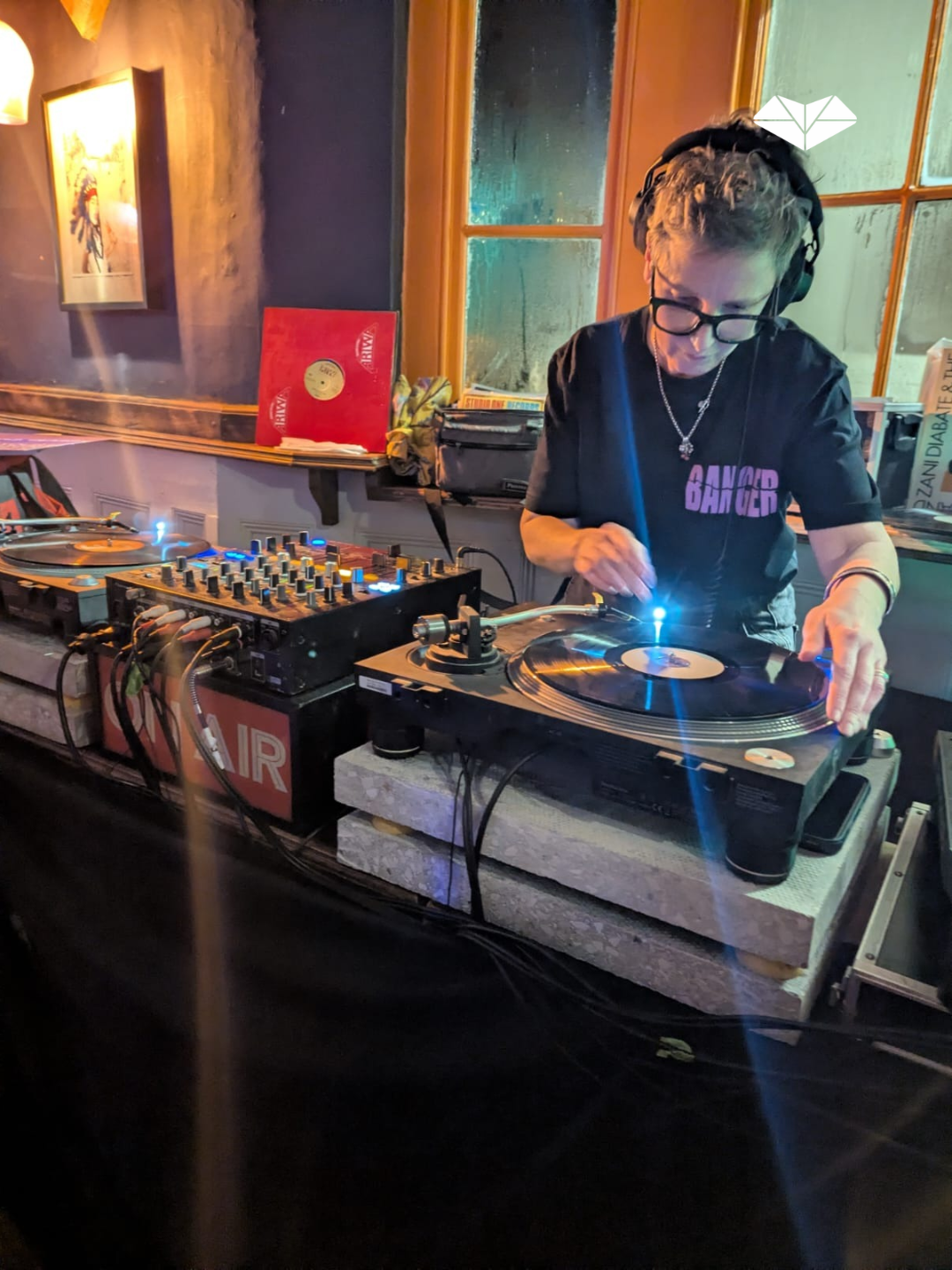
Your career spans sound engineering, running Carl Cox’s Intec Records and overseeing finance and operations for Matthew Herbert. What has working across creative, technical and business roles taught you about what artists need to sustain their work?
My love is music and maths. Most of the people I have worked with are self-employed, so I understand how important it is to support not only the artists on stage but the teams behind them. From freelance designers, sound & lighting engineers to tour drivers and bookkeepers.
They are all as important as each other, and they all make the work possible. Treating everyone with genuine care & respect goes a long way in this industry.
Daphne Oram challenged conventions in music and technology. How does that spirit influence the way you run the Awards? What would you like the platform to do differently in the years ahead?
Daphne’s approach was to challenge conventional thinking around composition and audio technology. She was way ahead of her time and misunderstood on many levels. We always keep this alternative spirit alive not only through the artists we support but also in our way of working. As a team we take time to reflect on the work we do and challenge ourselves to change it up, flip it on it’s head and do things differently.
In the years to come, I would like more financial support for what we do and the artists we support from the wider music industry, patrons and artists. We have been fortunate to be supported by ACE and PRS Foundation, but after 10 years and supporting 60 of the most innovative artists in sound, music & technology, we need the music & audio industry to really help platforms like us.
2026 ORAM AWARDS WINNERS
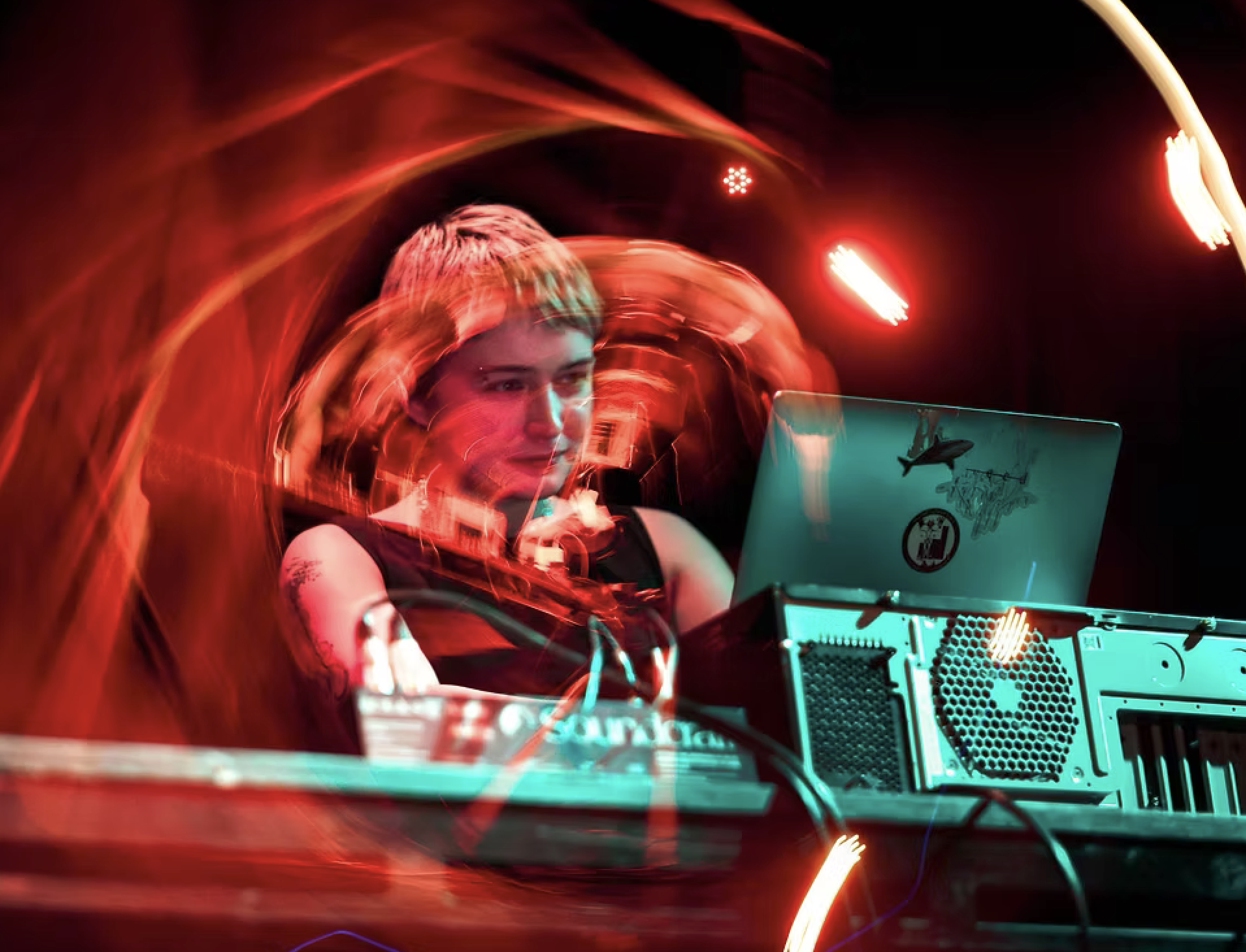
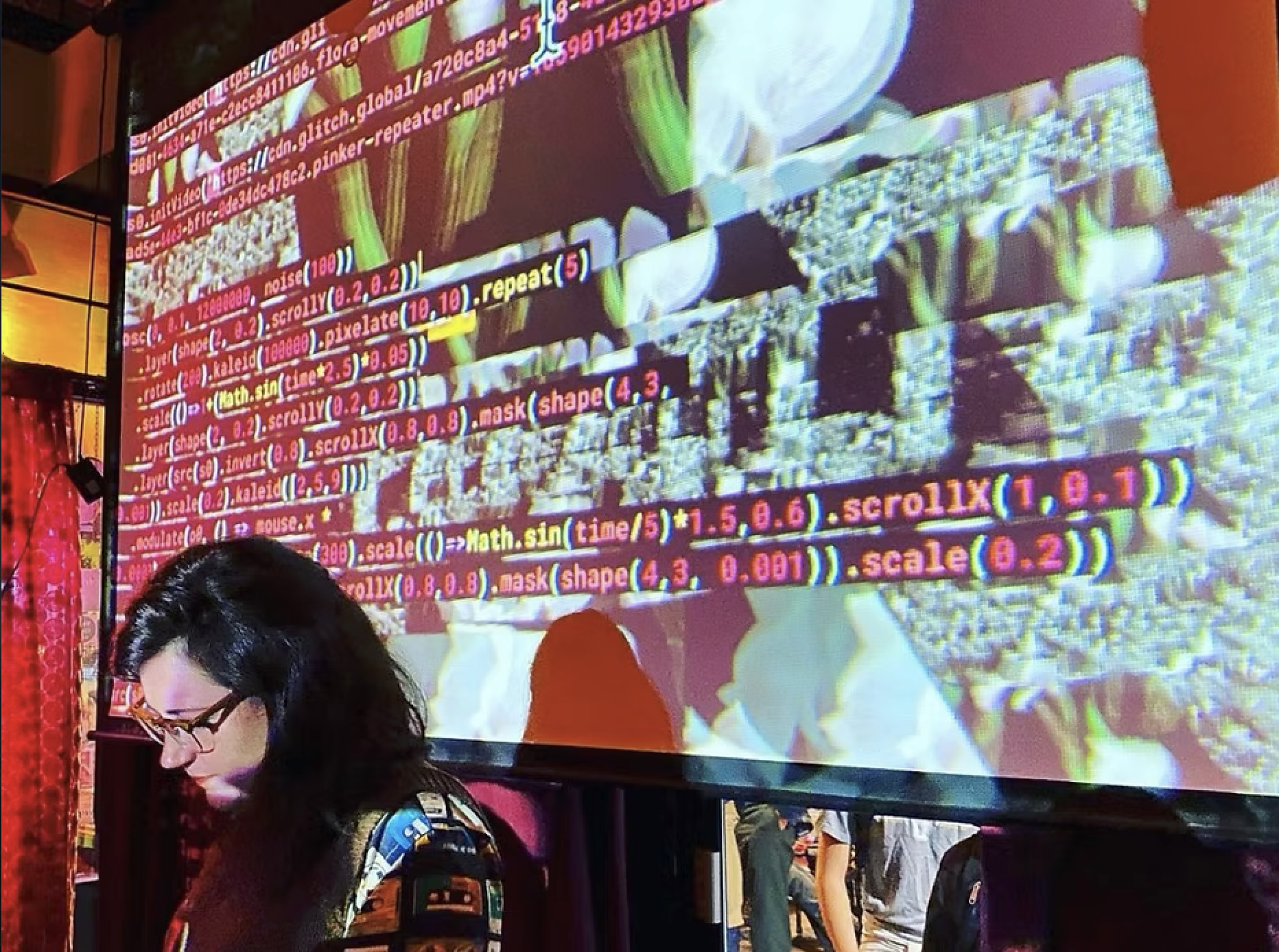
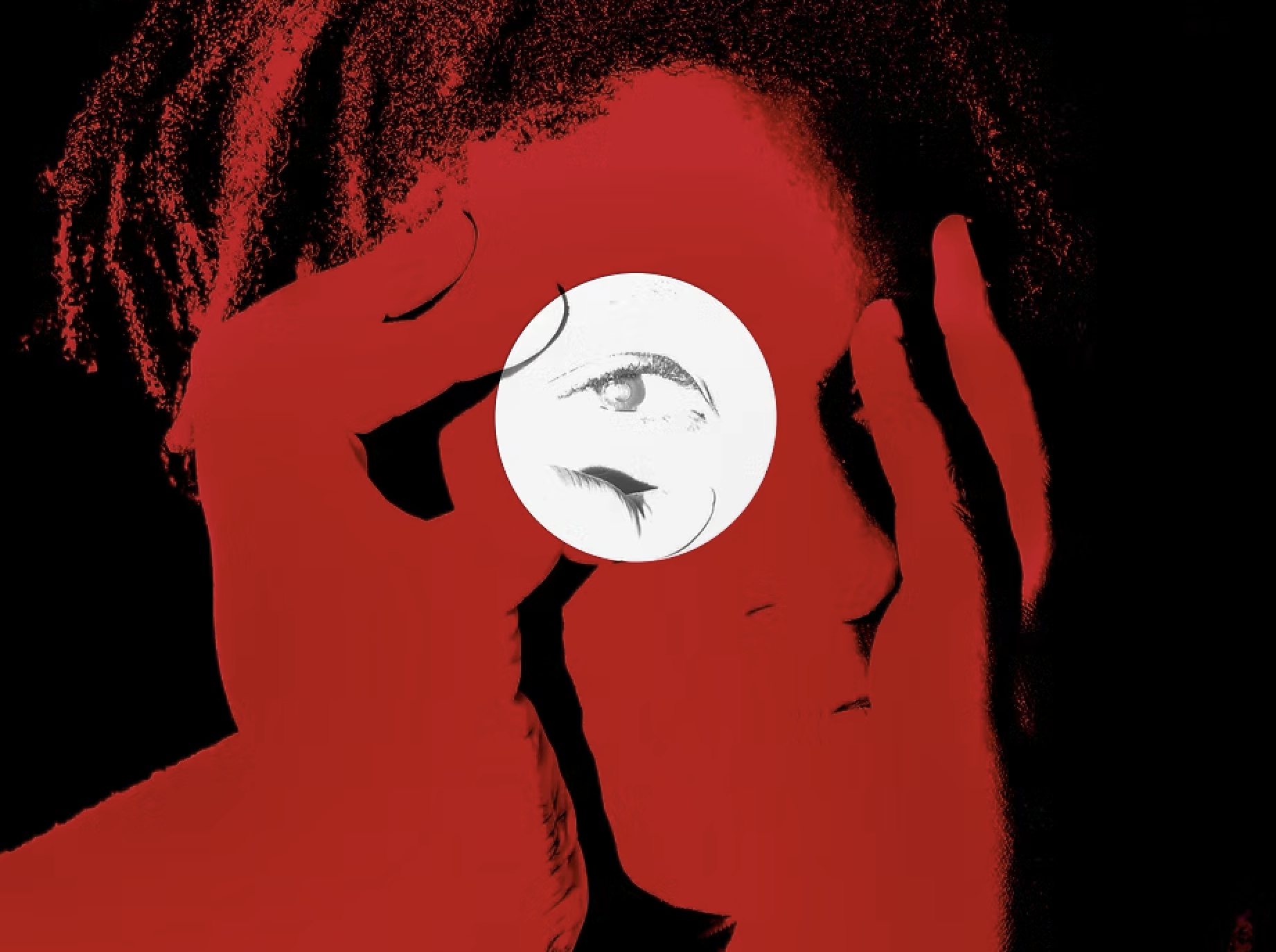
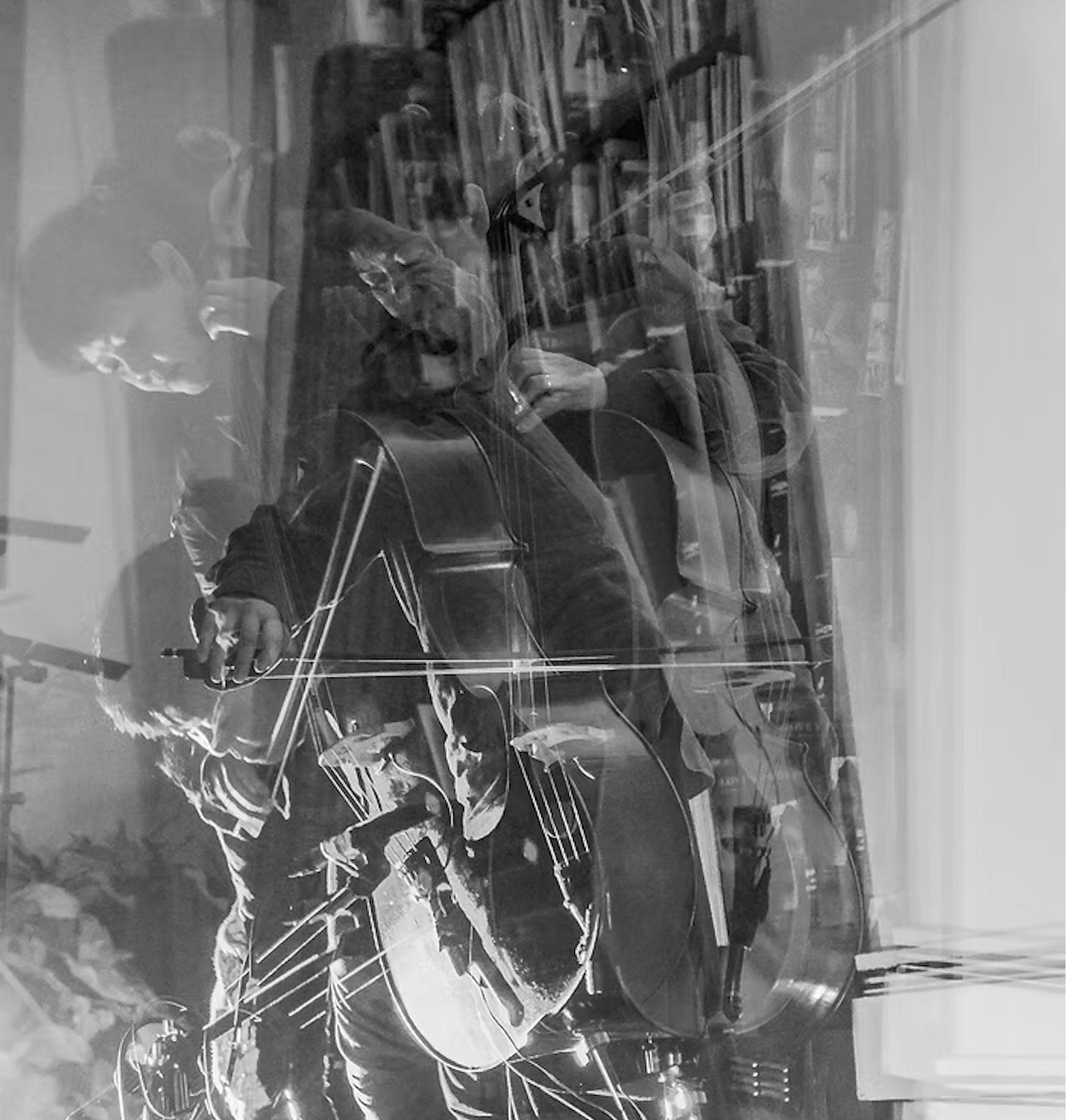
Taking the programme on the road helped you reach places it hadn’t previously connected with. What should organisations change if they want to support artists beyond their existing networks?
Touring grassroots venues across the country has made a huge impact for us. We’ve made so many new friends, connections and collaborations, but ultimately now have a real understanding of the barriers still faced by artists, audiences and venues from ground level and up.
Reaching out to those grassroots venues that are doing interesting stuff like you, making those connections and seeing how you can make something work where there is a true collaborative spirit, showcasing local artists alongside your projects is key.
A bursary or award can open a door, but what helps turn that recognition into lasting opportunities?
Community. The Orams is not just an awards program. We are a movement for the wider community, not just the award recipients. We are nomadic, working across the UK and beyond with local artists, organisations and venues who, like us work in innovative ways to bring people together.
DIY artists do everything themselves - from promotion to learning/ building new tech for projects they want to realise. Being part of the Orams nurtures that experimental spirit while making you feel like you're part of something bigger.
What’s your best advice for someone trying to find collaborators and build industry relationships?
Connecting in real life is so much more effective than any social media platform.
What do you wish you’d known earlier about building a career in music?
I’ve done a lot of roles in music, so it never felt like a straight career path to me. But I guess, like so many of us, our careers in music are unconventional. You say yes to exciting opportunities as they arise.
Being confident that taking an alternative route that feels right for you is always the best decision. I’ve worked in the independent music scene for 30 years, had two children and been part of so many exciting and extraordinary projects. Everyday is different.
How do you switch off after a challenging day?
I cold-water swim throughout the year. It’s the best way to recharge and reset.
What are you listening to at the moment?
Triswch Y Fenywod - I saw them play at Llais Festival, Cardiff, in October when we were there with the 2026 Oram winners.
Also Matthew Herbert’s The UK has More Food Banks Than Branches of McDonalds on Bandcamp.