

Alma Ernst has worked across record stores, media, artist management and booking, building a career that spans more than three decades in electronic music. She began in the late 1980s touring with punk and hardcore bands while independently organising concerts, before moving into Frankfurt’s record store and club ecosystem in the early 1990s — a period that placed her at the centre of a rapidly evolving scene.
In 1994, she founded her first agency, Infect Entertainment, later rebranding it as Backroom Entertainment in 1999. Alongside her work with Groove Magazine, where she curated and organised club tours, she developed early relationships with artists including Daft Punk, Moodymann, Cajmere and Adam Beyer, working with them before wider industry recognition.
She later managed Ian Pooley during his international touring period on V2 Records and co-founded a record label, gaining experience across both the creative and operational sides of the industry. Through Backroom Entertainment, she went on to represent artists such as Âme, Metro Area, Todd Terje and KiNK, contributing to the development of a generation of electronic artists.
Ernst is currently a Senior Agent at LittleBig Agency and the founder of quietloud, an education and consulting platform through which she mentors emerging booking agents and supports artists in building long-term careers in music.
You’ve worked across record stores, media, management, and booking. At what point did you realise booking and artist representation was where you could have the most impact?
it was after I actually dipped into every other position and found myself too alienated with the codex / language or behaviour in those ecosystems. I realised that the biggest freedom to choose who I want to work with was within the booking context.
I liked to feel “we are in this together and got each others back“ instead of comparing, competing and being overwhelmed by egos.
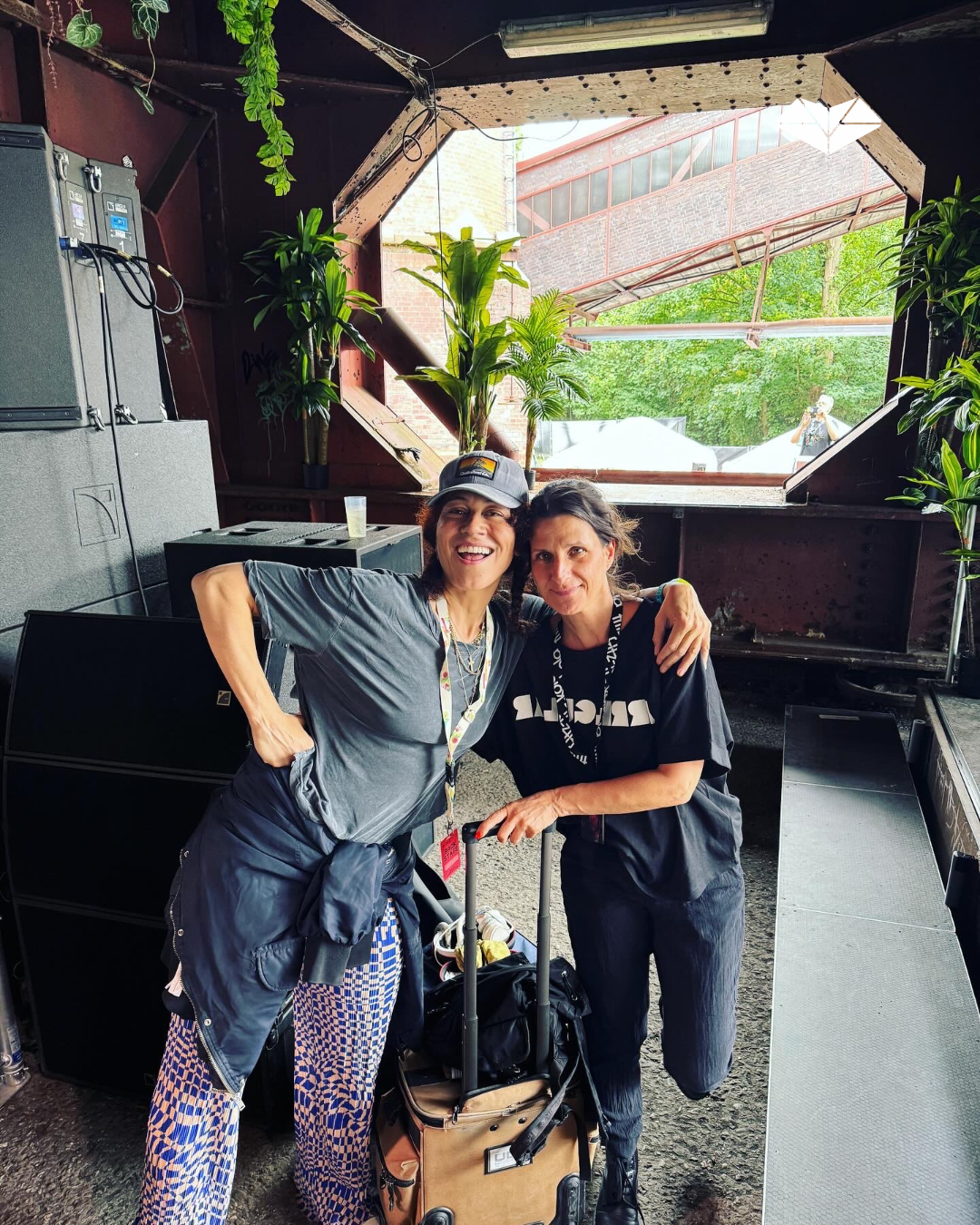
You were working with artists like Daft Punk, Moodymann and Adam Beyer early in their journeys. What helped you recognise and support artists before wider industry recognition?
The fact that this is a path with steps you follow through and learn from each other, instead of having someone at their peak or already long established, where you need to meet their expectations.
Booking agents play a crucial role in shaping artists’ careers, yet the role is often misunderstood. What does a great agent actually do beyond securing shows?
They play chess every day and are a few steps ahead of what is actually happening. They envision the bigger picture while also understanding the artist’s potential in relation to their personal limitations — whether that’s family circumstances, mental health, or wider political and social factors.
A great agent needs to know when it’s right to push an artist a bit further, and when it’s more important to have their back and protect them from burnout.
Networking is essential in music, but it can feel opaque to newcomers. What practical advice would you give to professionals trying to build meaningful, long-term relationships in the industry?
You need to work on your own personal growth in order to feel confident enough to appear in networking situations. Going to a place where you have to “network” shouldn’t feel like: I need to find the right people to talk to who can help me with what I need. Instead, you should be in whatever state you are in, whatever mood — either active, nice and clear, or rather observing and inspired by what you see.
The right people will find their way to you, and you to them, once you lean back and stay with what you are and who you are in that actual moment.
You founded quietloud to mentor the next generation of agents and artists. What gaps in industry knowledge or support motivated you to create this platform?
The gap is that more artists who are actually totally amazing suffer from not fitting into any agency format or seem to not tick the right boxes, and agents who have all just randomly made it into this profession.
Since there is no real chance to study the field of becoming an agent in our music industry, I thought, why not teach people and make sure the next ones also come in with the right ethos and understanding that you can build a sustainable, healthy living from this.
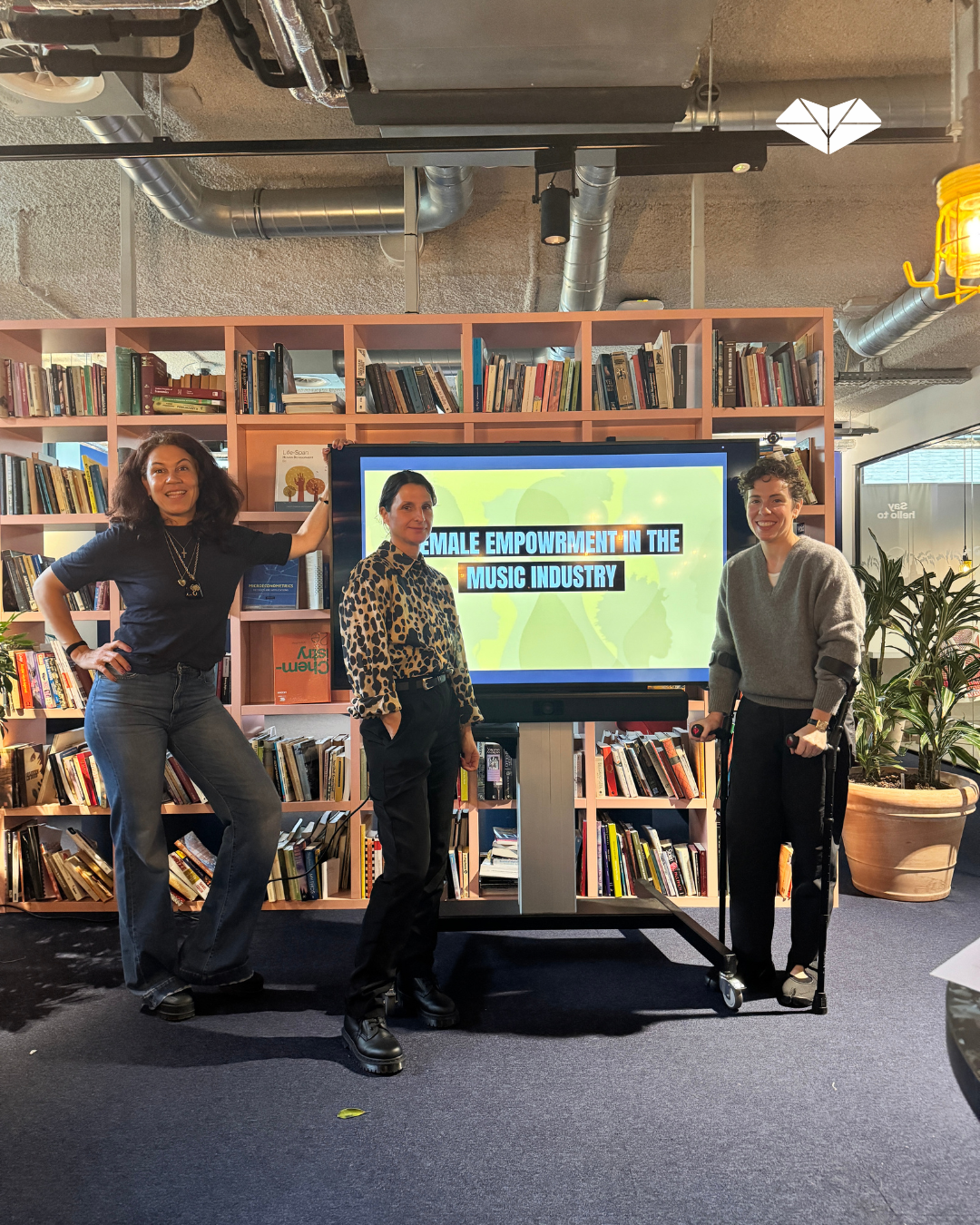
In 2025, you co-created a number of empowerment and leadership workshops, including at ADE. What are the key conversations or changes you feel the industry urgently needs right now?
We are exchanging knowledge with other women globally on positive developments for women in the industry and how to navigate still challenging issues.
It is definitely meant to feel empowering, knowing we are one and can support each other.
For someone at the very beginning of their career who dreams of working in booking, management, or artist development, what practical first steps would you recommend?
Check yourself: are you someone who is good at just selling a product, or do you need to feel aligned with the artist’s musical identity?
These are two ways to go in this business. Both are legit and both can be very successful.
The key is: don’t try to be a salesperson if you can’t sell what you don’t like. And don’t try to be so dedicated and enthusiastic that you won’t be taken seriously enough to do this professionally.
I would research artists and agents/managers and see if I can find interviews, documentaries, etc. about what I need to learn.
Next, I would see if I can understand what it is about and maybe find an artist within my community who I can try to help with a few things.
What I also think is a good step is to volunteer at festivals/events in certain positions (artist care, runner, production), as this will really help you to gain insights and is always well received by agents in the scene to see that you have already done some groundwork.