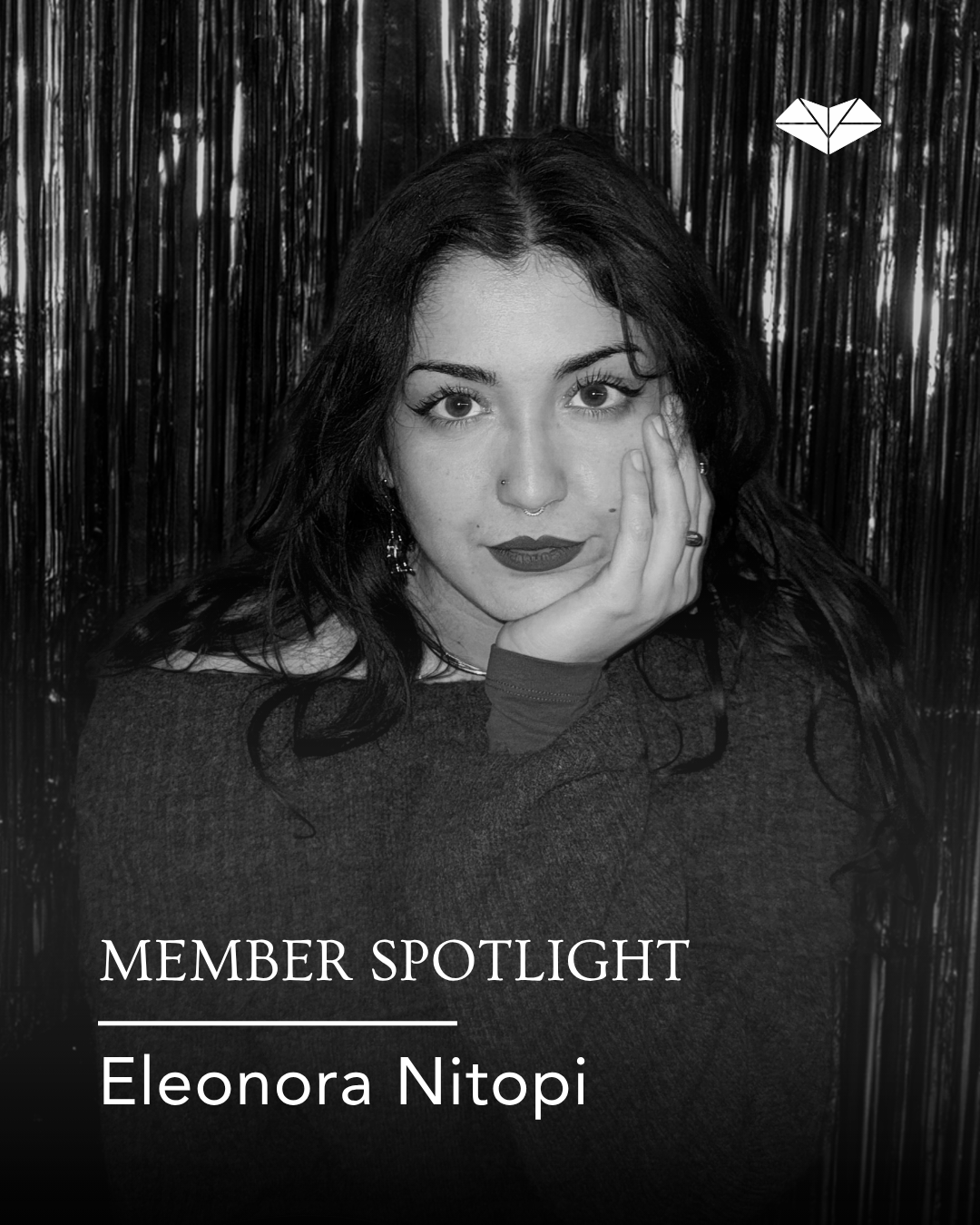
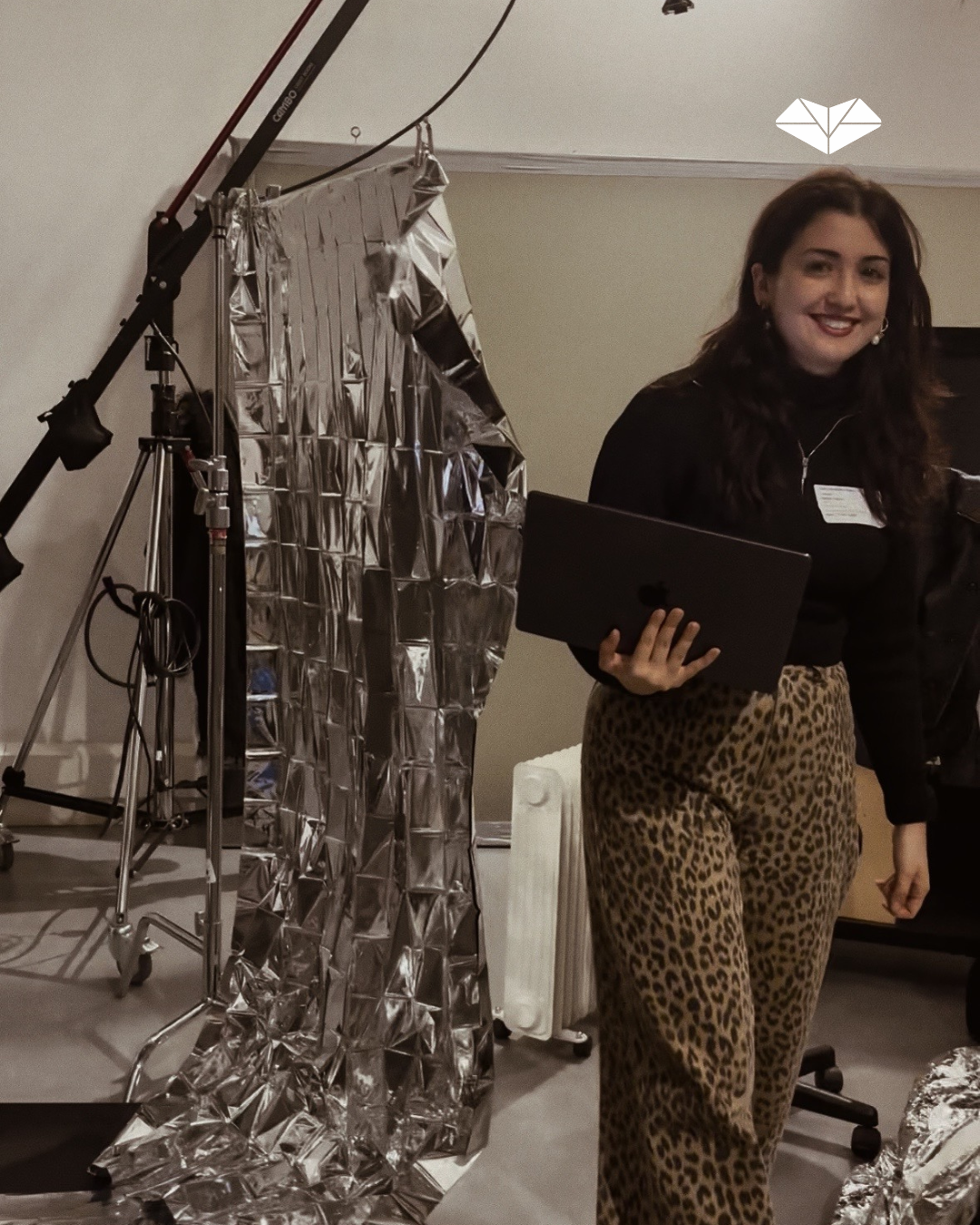
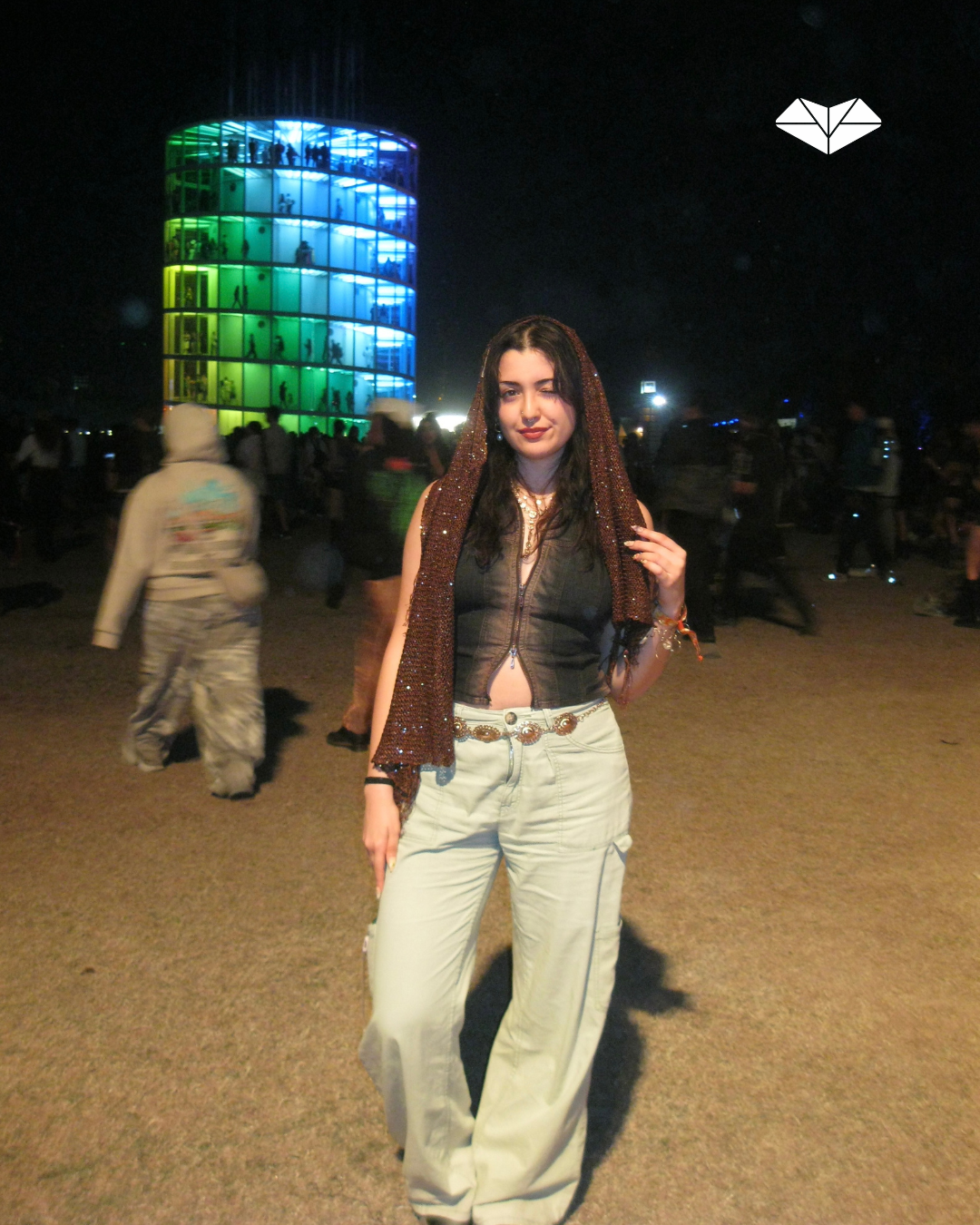
Eleonora Nitopi is a London-based Art Director and multidisciplinary creative working across graphic design, photography, motion, and creative direction. Originally from Italy, she moved to London to study Art Direction at UAL, with the ambition of building a career in music and entertainment.
After recently leaving her role at Roc Nation’s Sports International team, where she worked across athlete branding, presentations, billboards, and event campaigns, she is now focusing more fully on creative work within music and artist development.
Alongside her background in sports and entertainment, Eleonora has been collaborating with emerging UK artists on album artwork, merchandise, and visual identity, translating music into immersive visual worlds. Drawing from both fandom culture and professional experience, her work explores how visuals can strengthen the emotional connection between artists and their audiences.
You had worked at Roc Nation on the Sports International team while collaborating with emerging artists. How have those experiences helped you develop skills that translate into the music world?
I had the luck of starting my career in a company that intertwines sports, music and culture. Even if I worked in the sports team and didn’t deal with artists and music directly, there is constant collaboration across areas of the business. Roc Nation has an incredible track record on both the artist and athlete side when it comes to brand development, and being in that environment and seeing those strategies come to life up close, really taught me a lot about positioning in the entertainment business.
I think all the skills I learned while working on the sports team and the athlete side translate easily into the artist side: understanding talent, managing relationships at a high level, building personal brands and knowing how to make someone stand out. An athlete and an artist both have a story to tell, a fanbase to grow, and an incredible talent.
When I started working with emerging music talent, I had on my side a creative skillset developed over the years, a deep understanding of fandom, and all the knowledge gained from working with professional athletes. Working on the athlete side taught me to always be strategic and intentional, and I carried those same principles into how I approach working with artists.
Many early-career creatives struggle to find their first opportunities in music. What practical steps helped you begin working with artists and building your portfolio?
Everyone who wants to work in the music industry has artists they love. Reimagining their existing visuals with your own spin is a great way to start building your portfolio. But if that's not your thing and you want to work on real life projects, there are so many talented young artists out there who would love to collaborate with emerging creatives.
Social media has made it so easy to connect and everyone is just one DM away. Music will always need visuals, so find a young artist whose world speaks your creative language and start making things together.
Don’t rely only on social media though, if you want to work in music and meet people in the industry, go where music is in your town. Don’t wait around music networking events, go check out open mics in your city and meet people in real life in a more relaxed environment.
You mentioned discovering shesaid.so while researching roles after graduating. What role do communities like this play in helping early-stage professionals navigate the industry?
I think communities like shesaid.so are truly vital to this industry. Through this community I've met artists I now work with, collaborators and even new friends. It creates a space where everyone is on the same level, no matter how experienced you are. When you see senior people in the industry taking part in these communities, you know that they are the ones who genuinely care about the next generation of music professionals, and those are exactly the rooms you want to be in.
The entertainment industry can feel intimidating, especially when you come from a different country with no experience or connections. But in communities like shesaid.so, people are here to listen to your story, get to know you and see your passion, and that's where doors start to open!
Networking can feel intimidating at the beginning. What has helped you connect with collaborators, mentors, or artists in an authentic way?
The most important thing to remember is that anyone you connect with is just a person, with their own fears and insecurities, just like you. The key is shifting the mindset from "networking" to simply meeting people who do cool things and building genuine connections with them as people, not for what they do or what they can offer you.
I know everyone says it, but being truly yourself really does make the biggest difference. Be kind and humble, and never be afraid to let your passion show!
Coming from a background rooted in fandom and audience culture, how has that perspective influenced the way you approach creative direction today?
Personally, I think it's all about the fans. My creative approach is to always put myself in the shoes of the people who created the campaigns, artworks and visuals that shaped my younger years. I imagine myself back in my fandom days and think about what resonated with me. Times have changed with new platforms and marketing strategies, but the way music connects artists, fans and communities never does.
Now more than ever, with all these conversations around where the industry is headed and how much fandom matters, it's important to remember that on the other side of each piece of work there is a real person who might find comfort, joy or belonging in that artist's world.
There's something really special about the bond between artists and fans, and when that is referenced creatively through an inside joke, or something that only their fandom would catch it is a moment of beautiful recognition that makes both parties feel understood. And that's what I try to hold onto when helping artists create their own worlds!
What is the most important lesson you’ve learned so far about building a creative career in the music and entertainment industries?
That unless you have the luck to come from a more privileged background, everyone you see at the top of the music & entertainment industry has worked hard for their spot. So when you take on all the free work, extra work hours after your 9-5 and ask yourself if it is worth it, it is good to remember that everyone you admire has been there and done that.
What helps you reset or find inspiration when you’re feeling creatively stuck?
This is something I still work on, but it comes with the territory of being a creative. I'm big on getting off the screen and going outside, I love the outdoors and I draw from a lot of different art forms beyond my own practice, a huge example being theatre and art galleries.
I also try to look at everything around me as a potential source of inspiration, even the most mundane things. That said, there's a point where too much creative input becomes overwhelming, and when that happens the best thing that works for me is to step away entirely. See friends who have nothing to do with my industry. Go outside with no agenda. We as creatives are prone to getting trapped in our own heads, so I find it important to spend time with people who have no connection to my discipline.
What are you listening to at the moment?
BTS Arirang!!!!