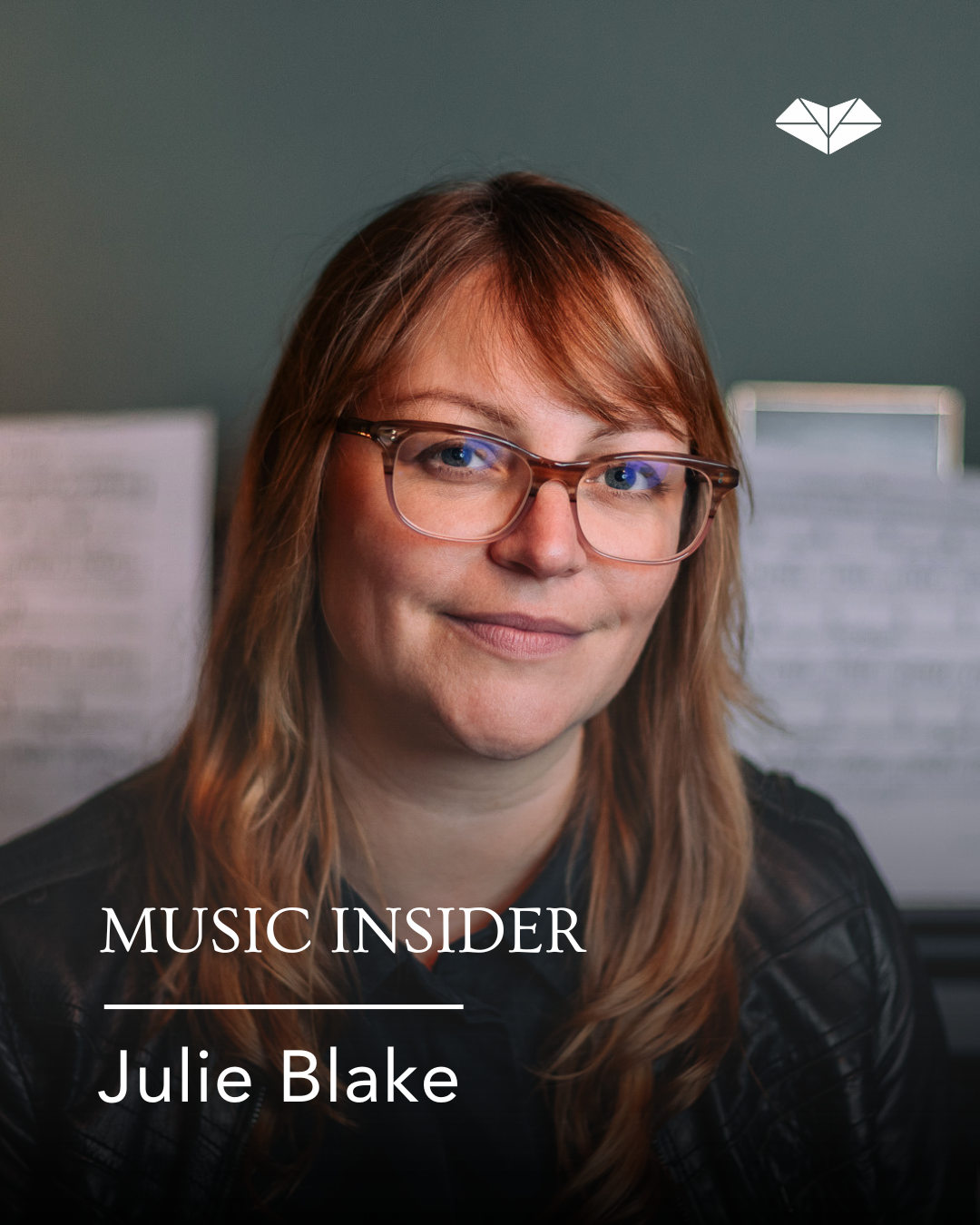
Photo credit: Joe Watson
With more than two decades shaping how music meets moving image, Julie Blake has built a reputation as a leading creative voice in music supervision, working across film, television, theatre, and immersive projects. She was previously a partner at Third Side Music and led the sync and publishing operations for influential independent organisations including Ninja Tune and Erased Tapes, building a career at the intersection of creative storytelling, catalogue strategy, and sync licensing.
At the centre of her current work is AURA, the UK-based music agency she founded to bring a more curator-led approach to music supervision and licensing. Working closely with a roster of contemporary composers, AURA pairs distinctive musical identities with screen and stage projects while ensuring streamlined rights clearance and tailored creative direction. The agency’s newly announced independent sync collective further expands this vision, assembling hand-picked catalogues from leading independent labels and composers across Europe and North America to provide music supervisors with deeply curated, sync-ready repertoires.
Following the announcement, we spoke with Julie Blake about her path into music supervision, building AURA’s supervisor-first model, and what artists should understand today about preparing their music for sync opportunities.
What does a typical day look like for you at the moment?
My day always starts with a massive cup of tea. I have a saying: “no decisions before tea”. I like to ease into the morning and strategize, identifying my top two or three priorities for the day before the outside world sets the pace. I try to tackle those immediately, which usually involves creative work like reviewing artists’ new mixes, demos, or upcoming releases.
The rest of the day involves playlisting, searching for interesting tracks for particular scenes or projects, and then I try to reserve any meetings and admin (like reviewing contracts) for the afternoon. Because I work across timezones from GMT to PST, I have the odd video call in the evening, but I’m pretty strict about my schedule and “life/work” balance is really important to me. There are way too many burnt-out leaders out there, and you can’t captain a ship if there’s no gas in the tank.
Can you tell us how you first started working in music and the key early experiences that shaped your career path?
My career began in the '90s record store era. It was a nostalgic time when shops were the true gatekeepers of new music discovery. I managed both a record store and a musical instrument retailer early on, which gave me a broad knowledge of genres, gear, and experience managing teams. I also learned a lot about listeners and musicians - how to genuinely connect with them and fuel their curiosity to check out that new album or effects pedal.
A major turning point in my career was when I moved to Montreal in 2004 and became an intern at the record label Ninja Tune. That role evolved into leading the startup of their new publishing venture (Third Side Music) in 2006.
Helping to build that company from the ground up set the tone for all of my future work in business development. Looking back, it taught me the value of learning through observation, being highly agile, and that a determined, hardworking attitude is the foundation of success.
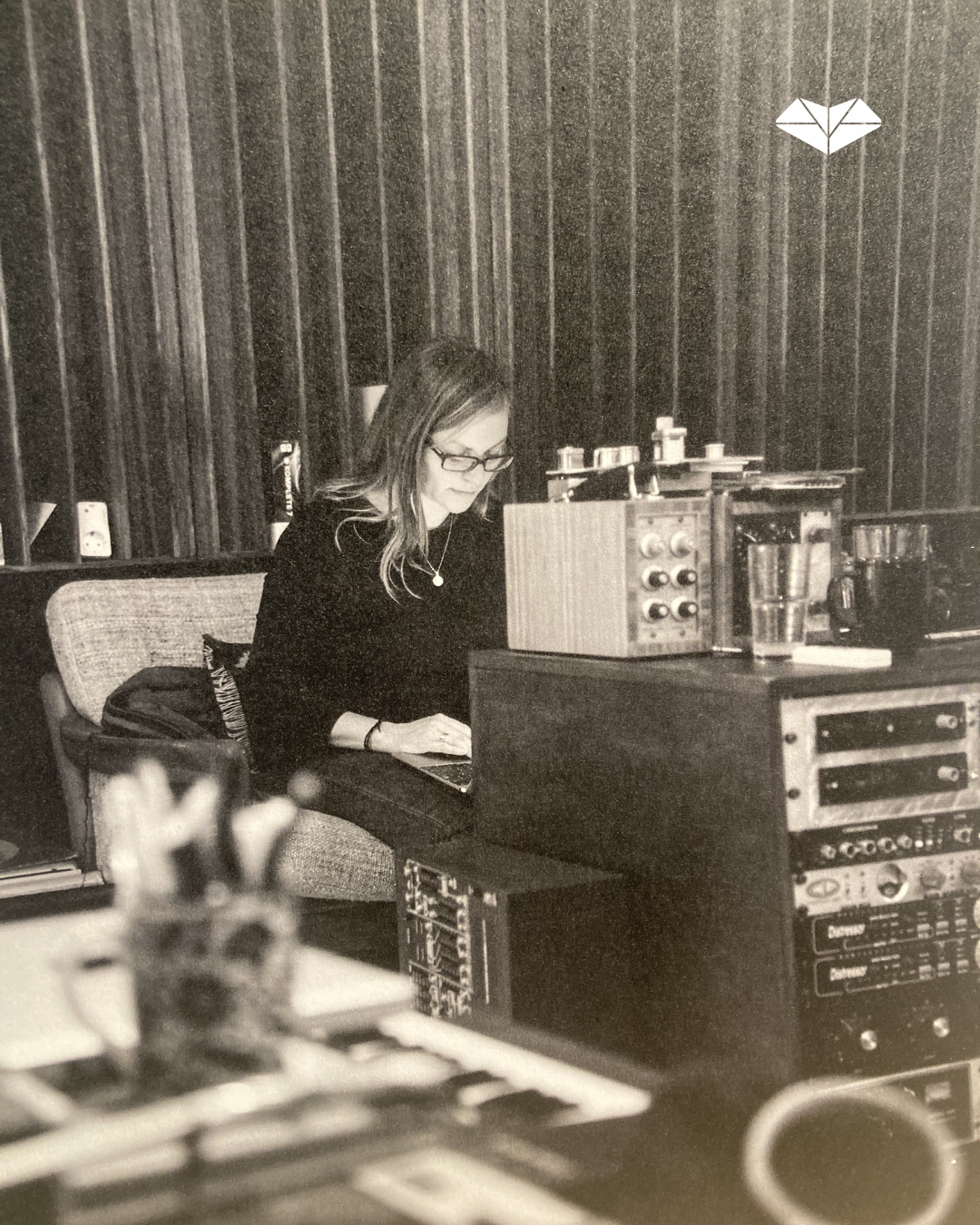
Vox-Ton Studios - Photo credit: Claudia Goedke
From your perspective, what practical steps can artists take now to make their music easier to license, both creatively and administratively?
There are a few basics that you need to get right if you’re pitching music for sync. Make sure the music has good production value (i.e. is properly mixed and mastered, broadcast quality is usually 24-bit 48 kHz WAV), provide lyrics, instrumentals (and clean versions for anything explicit), have stems ready, and ensure that audio files are tagged with metadata like mood keywords, contact information and ownership details.
Think about how many mp3s a music supervisor might have in their music library - you don’t want yours to be “track 1” by “unknown”.
Don’t pitch music you don’t own, control, or that contains uncleared samples from someone else’s work. It makes a music supervisor’s work much more difficult if they have to go to more than 2 or 3 rightsholders to clear your music. They have to really like that track and have ample budget and time to want to do that.
So if you’re working with a variety of collaborators or partners, try to make an internal agreement that allows you to offer streamlined sync approvals. Any publisher or label you work with should be your proactive partner, helping secure opportunities, and responding quickly to licensing requests. Ask about their track record.
Creatively, my top tip when writing music for sync is to make sure the song has a very clear mood and vibe. It should give you an immediate feeling and sense of place - we’re on a beach sipping cocktails, we’re in an industrial nightclub on a big night out. Songs that build are fine, but a sudden shift, like a song that starts off sad and becomes happy, or a song that is too short (less than 2 minutes) can make it difficult to place within the context of a scene.
For people hoping to enter the music industry today, what is the most important piece of advice you would give them?
Music is a creative industry, but it’s still a business. I think people starting out in music get impatient and want to skip right to the “glamourous” roles like A&R, producing, or music supervision. I’ve also found a lot of musicians in junior roles who then got frustrated to be supporting creatives rather than creating music themselves.
Be clear about why you want to work in the music business, and appreciate that there is a lot of administration and marketing work to do, especially in entry-level positions.
I highly recommend interning before applying at a company to see what roles are available, and which ones genuinely appeal to you. Be an avid listener of all kinds of music, a hard worker, and keep up to date on relevant trends which are constantly changing the landscape of how listeners connect to our product.
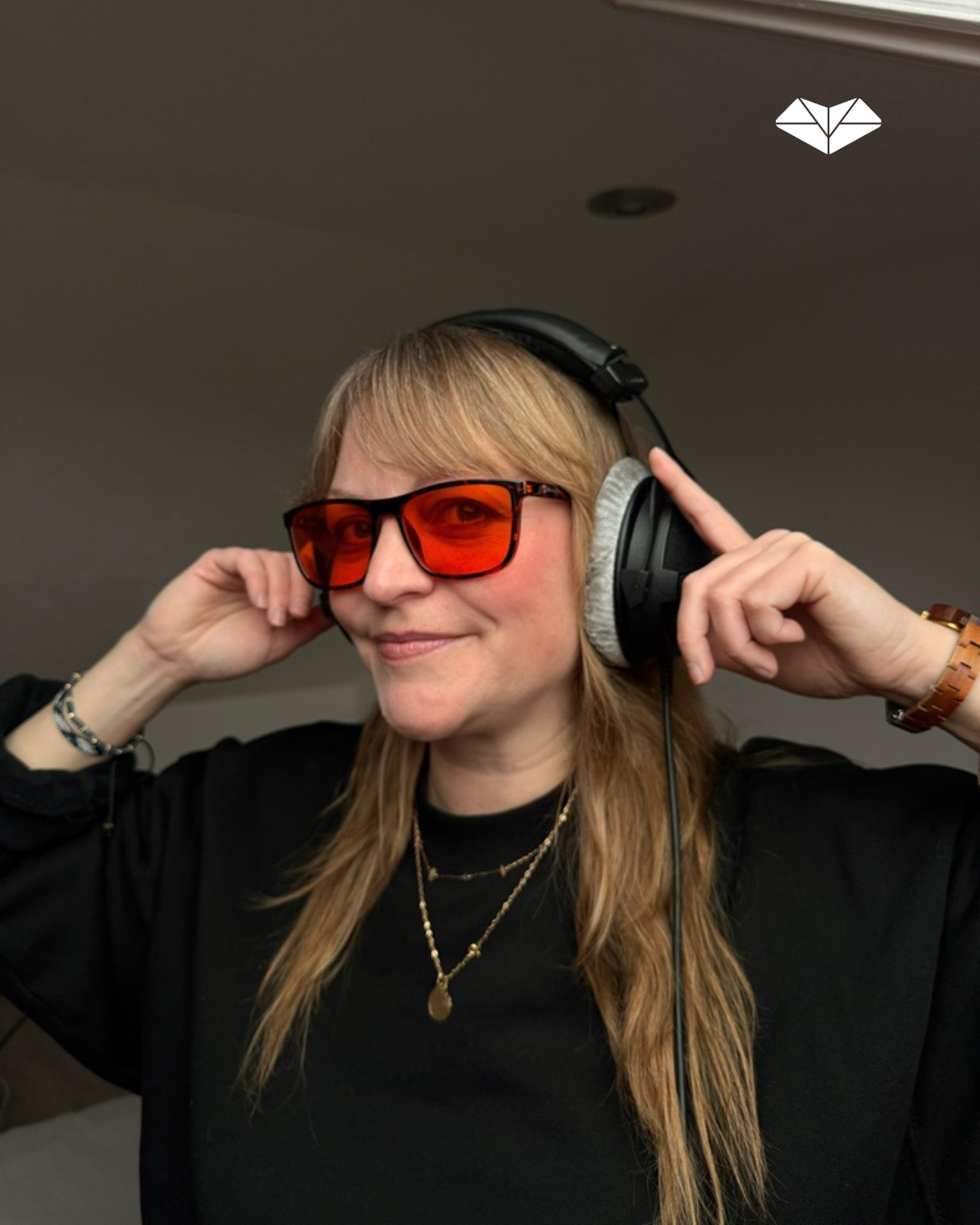
Photo & Styling credit: Meriana Crespo @streetsugar
What is one habit or mindset that has helped you sustain a long-term career in the industry?
I think my brutal honesty has been what has allowed me to create both very high quality relationships and music over the years.
You can’t be afraid to mention it when a violin is slightly out of tune, even if it’s on a recording that has already been mastered… Or to say a song just isn’t good enough (yet, or ever). Or to fight for one that you believe is too good to cut from a project. When people aren’t being fair, good, or trying hard enough, I’m also not afraid to call that out and/or stop working with them. I’ve had to let go of some talented people and partners over the years.
There’s a bit of tough love that has to happen to create high value work, and to constantly push boundaries, or people’s capabilities. Honesty for me is also just about being an authentic, genuine person.
When I walk into meetings with clients, I’m the one asking about their kids, dogs and what matters most to them in life right now, before diving into the project. Once I know where they’re truly at, I can meet them there, and I’m much better positioned to offer something of true value.
What are you currently listening to?
Just for fun, I’ve been doing a deep dive into all of the music released in 1999. It was a mind-bogglingly huge year in pop and electronic music, with Moby Play, Genie In A Bottle, Hit Me Baby One More Time, Backstreet’s Back, Slim Shady, Livin’ La Vida Loca, Say My Name, and tons of amazing hip-hop releases.
That exercise lead me to rediscover Sakura by Susumu Yokota which has been on repeat this month. I’ve also been listening to a lot of music by a harpist I work with, Nailah Hunter. Her albums ‘The Pavilion Of Dreams’, ‘Sleeping Sea’ and ‘IYUN’ are a wonderfully relaxing way to start or finish the day.