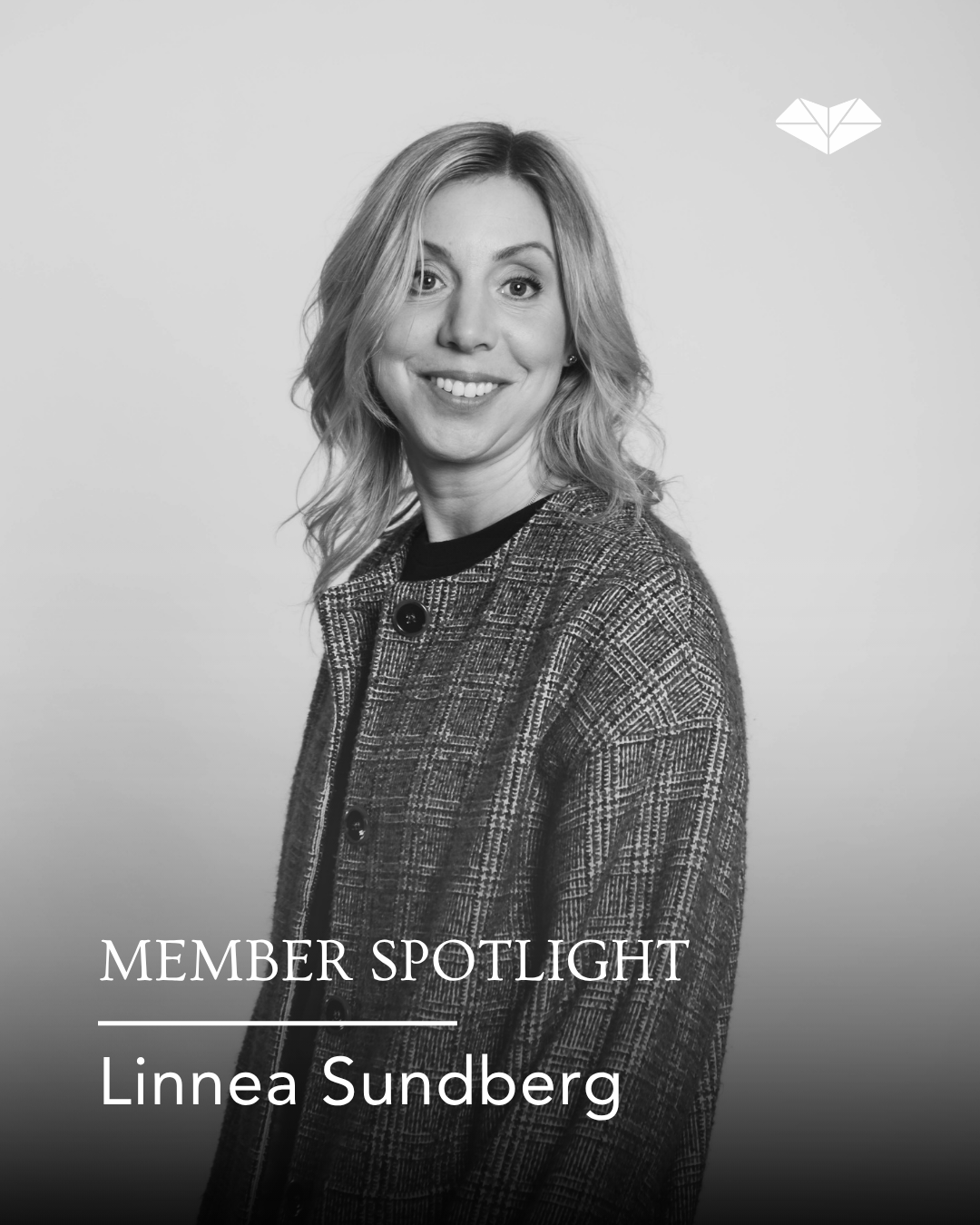
Linnea Sundberg did not come into music through the most obvious door. With a background in finance and a lifelong passion for music, she was drawn to the industry by a problem she kept seeing up close: incredibly talented artists struggling to build sustainable careers from their work.
Over the last 15 years, Sundberg has worked across nearly every part of the modern music ecosystem — creation, streaming, artist tools, distribution, promotion, monetization, rights, data, fan engagement and music-tech investment. Across roles at Spotify, Splice and UnitedMasters, her work has focused on how technology can become a practical equalizer for artists, helping creators access the tools, infrastructure and opportunities they need without giving up ownership or creative control.
At Spotify, Sundberg helped develop artist-facing products and commercial strategies during a transformative period for streaming, including go-to-market plans for Spotify for Artists. At Splice, she worked closer to the creative process itself through Corporate Development. Today, as Head of Label Services at UnitedMasters, she works with independent artists navigating a fast-changing landscape shaped by distribution, data, AI-powered tools, brand partnerships, direct-to-fan relationships and new models for monetization.
What makes Sundberg’s perspective especially valuable is that she does not see music through one narrow industry lane. She understands the creative process, the business mechanics, the technology layer and the emotional relationship between artists and fans. For her, the future of music is not just about more tools or more platforms. It is about building systems that remove friction, protect artists’ rights, deepen fan connection and help creators build careers that can last.
How did you first get your start in music, and what pulled you toward the intersection of music and technology?
Even though my background is actually in finance, I’ve always been deeply passionate about music. Early on, I realized there was a huge disconnect: incredibly talented artists were struggling just to make ends meet. I gravitated toward technology because I saw it as the ultimate equalizer—a way to build practical, scalable tools that put power and money back into creators' hands so they can actually make a living doing what they love.
Having spent the last 15 years across companies like Spotify and now UnitedMasters, what are the most significant shifts you’ve seen in how artists build careers today?
It’s been amazing to watch the power dynamic completely flip. When I was at Spotify, we were focused on changing how the world accessed music through streaming. But today, especially at places like UnitedMasters, the most exciting shift is absolute independence. Artists no longer have to wait to be "picked" by a major label. They can build a global community, own their art, and run their entire business right from their phones. It’s incredibly empowering.
At UnitedMasters, you’re working closely with independent artists. What does “label services” actually mean in 2026, and how is that model evolving?
Honestly, "label services" used to mean giving up a massive chunk of your rights just to get your foot in the door. In 2026, it means something entirely different—it’s about being a true partner to the artist. It’s giving them the exact same high-end tools the majors have—like AI-powered mastering, data insights, and brand partnerships—but letting them keep 100% of their royalties and creative control. We’re here to be their infrastructure, not their boss.
There’s a lot of conversation around ownership, rights and long-term value. What should artists understand about IP and copyright that they often overlook early on?
I totally get why artists sign early deals—when you're grinding, an upfront check or a promise of exposure feels like a lifeline. But the most important thing I try to share is that your music is your long-term wealth.
Giving away your masters or publishing too early is like selling the house you just built. Retaining your rights means you get to benefit from every sync placement, every viral moment, and every stream for the rest of your life.
You’ve worked across product, strategy and corporate development. How important is it today for music professionals to understand the tech side of the industry, not just the creative?
It’s super important, but it doesn't mean you need to be a coder! The reality is that music and tech are completely intertwined now. Understanding the tech side—whether it’s how algorithms find listeners or how new production tools can save you money—just means you understand the board you're playing on. When music professionals bridge that gap between creative magic and smart technology, they can advocate so much better for the artists they represent.
The creator economy is often framed as empowering, but also increasingly complex. Where do you see the biggest opportunities for artists right now and where should they be more cautious?
The best opportunity right now is the ability to build a direct, meaningful relationship with your core fans—they are the ones who will sustain your career over the long haul. There are also amazing new AI tools that make professional-level production much more accessible. But my biggest caution is to protect your mental energy. It’s so easy to get caught up in the "noise," chasing every fleeting viral trend. Focus on what actually serves your art and your true community.
From your perspective, what separates artists who build sustainable, long-term careers from those who struggle to maintain momentum?
The artists who really go the distance are the ones who find a balance between their creative soul and a grounded, business-savvy mindset. It’s heartbreaking to see artists burn out because they're solely chasing a viral streaming moment.
The ones who build lasting careers focus on the marathon: they pay attention to their audience, protect their rights, surround themselves with a great team, and consistently put out high-quality work.
You’ve led go-to-market strategies for artist tools. What makes a platform or product genuinely valuable for artists rather than just adding more noise?
Artists are already doing a million things at once, so a tool is only valuable if it genuinely removes a headache for them. If it requires a massive learning curve, it’s just adding to their plate.
When we build products—like integrating AI mastering into the UnitedMasters app—the goal is always to ask, "How can we make this process invisible, easy, and instantly rewarding for the creator?" It has to serve the artist, not the other way around.
When it comes to streaming, distribution and audience growth, what are the most common strategic mistakes you see artists making today?
A really common pitfall is treating release day as the finish line, rather than the starting line. Once the song is out, that's when the real work begins! I often see artists miss out because they aren't using the data right at their fingertips to find where their fans are, or they forget to pitch for sync and brand deals. Also, never underestimate the power of great sound quality—there are so many easy tools out there now to make sure your tracks sound sonically competitive before you hit publish.
For anyone looking to build a career in music-tech, what skills, mindsets or experiences are becoming essential?
The absolute number one requirement is deep, genuine empathy for artists and the creative process. Without that, you're just building empty tech. Beyond that, it’s about being a translator—someone who can take a real-world problem an artist is facing and use business strategy and product design to fix it. My finance background taught me how to look at the numbers, but it’s the passion for music that drives why we build these tools. Stay curious, stay adaptable, and always keep the artist at the center of your work.