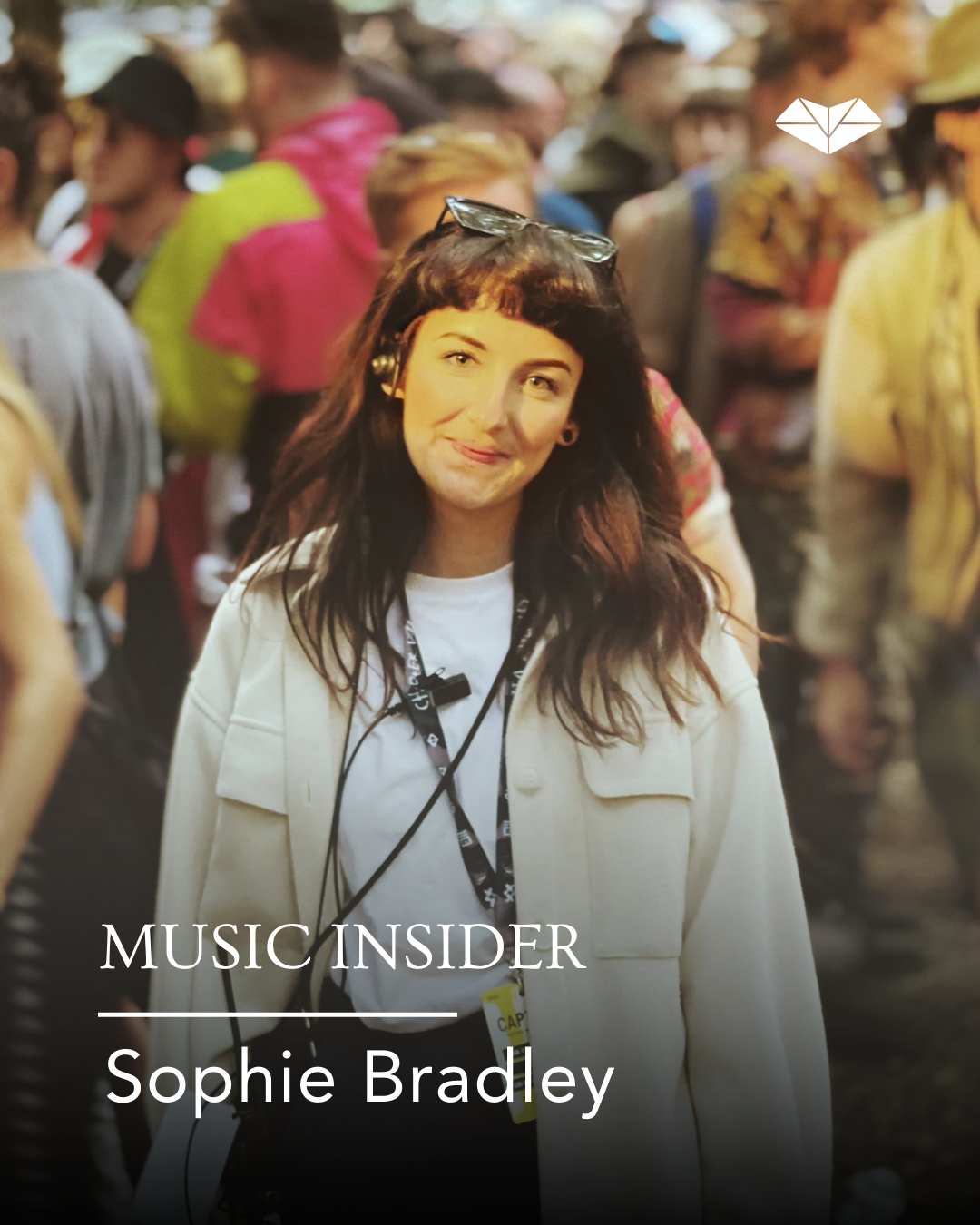
Sophie Bradley is a senior programmer and event producer working at the intersection of music, culture and live events. As Senior Booker at Lost Village, she plays a central role in shaping one of the UK’s most distinctive festivals, overseeing artist programming, cultural curation and the complex logistics that sit behind large-scale productions.
Her path into festival programming began in touring, where early experiences on the road offered an unfiltered view of the realities artists and crews face. That perspective continues to inform her approach today — one grounded not only in musical instinct but in an awareness of the human and logistical dimensions that underpin live performance.
Since joining Lost Village in its inaugural year, Sophie has helped develop a programming ethos centred on discovery, representation and long-term relationships with artists and collectives shaping progressive dance music culture. Alongside her work with the festival, her experience spans major events and venues including Glastonbury, Labyrinth Events and Printworks, as well as programming for NME and producing sold-out London shows for artists such as Olivia Dean.
Now navigating senior leadership in the music industry alongside new motherhood, Sophie brings a thoughtful, people-first perspective to her work — balancing ambition, care and creativity while continuing to shape spaces where culture and community can thrive.
You started your career in touring before moving into festival programming. What did life on the road teach you that still shapes how you book artists and build lineups today?
Starting out in touring gave me a real, unfiltered glimpse into what life on the road looks like — the long days, crazy working hours, constant travel and the physical and emotional toll that can take. I gained a super strong work ethic, but it also showed me that the industry can ask way too much of people.
Because I’ve worked shows from an artist/tour manager perspective, I’ve seen firsthand how backstage operations, hospitality, and communication can directly affect the artist’s experience. That knowledge stays at the forefront of my mind now that I’m on the other side.
I’m always thinking about how decisions land logistically — from set times, to travel, to level of care and comfort on site. For me, it's shaped a more considered, humane approach to my role where I value the artist's experience just as much as anything else.
Lost Village has grown into one of the UK’s most distinctive festivals. Looking back, what decisions were most defining in shaping its identity?
It goes without saying that the creative set design, production, décor, theatrics, storytelling and immersive experiences at Lost Village are second to none. But when I think about my role and the impact I’ve had in shaping its identity, there are a few things that I’m particularly proud of.
First and foremost, one of the most important decisions was committing to at least a 50/50 balance of female and male artists across the lineup — something we’ve maintained since 2019. When I first began programming, my main aim was to equalise lineups and create more space to platform talent from marginalised communities. That focus continues today and remains front of mind when I’m working with new artists and collectives.
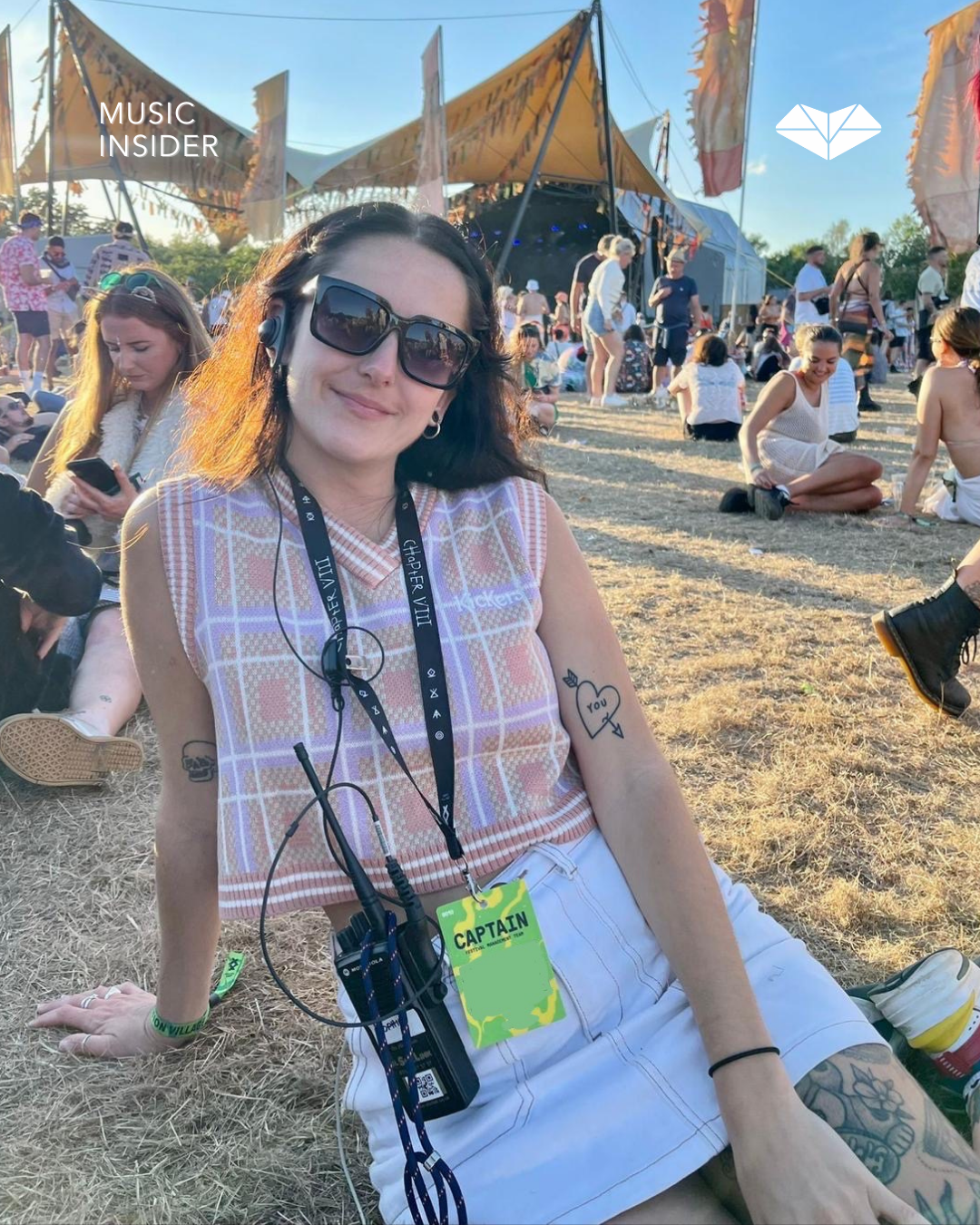
Our booking ethos is one of the things I believe truly sets us apart. Alongside a conscious commitment to diversity and representation, we actively champion emerging talent — something Lost Village has become known for. Discovering, nurturing and propelling new artists is central to how we programme.
Beyond the lineup, I was keen for these values to reflect in the wider festival culture. When I first entered the live events world, I was tired of going out and feeling unsafe and underrepresented. I wanted to be part of something that celebrates people equally, in a way that’s genuinely inclusive and open-minded. That’s why building long-lasting partnerships with allied collectives like HE.SHE.THEY. has been so important to me.
The same mentality led me to help launch the Village Guardian movement at Lost Village — a roaming taskforce - now fronted by UN Women, there for anyone who feels uneasy in any way. Prioritising audience care felt like a natural extension of everything else we were building. It is incredibly important to me that everyone feels welcomed, free to be themselves and truly at home in the Village.
And these aren’t projects in their own little silo; they’ve become bricks in the wall of the wider festival culture. As a team, we are constantly pushing each other and sharing our perspectives, always looking at how we can improve, and that creates a butterfly effect throughout everything we do.
Balancing senior leadership with new motherhood brings a different set of pressures. Has that shifted how you approach your work or leadership style?
Motherhood has completely shifted my perspective on work. The endurance you need to balance a full-time role while raising a child, running a household, commuting back and forth to London and juggling freelance projects on top — all while recovering from childbirth — is next level!! It’s forced me to become more focused, more intentional, more productive and a master at time management.
Above all, it’s shown me just how strong and resilient I am. I didn’t fully realise that before. Now, I lead with confidence and clarity, knowing that if I can navigate this chapter, I really can achieve anything.
Beyond streaming numbers/socials etc, what tells you an artist is ready for a platform like Lost Village?
Stats do play a part in the process, but it’s not the be-all and end-all for us. As a team, we’re constantly listening to music. We listen to everything that’s sent to us, and we go on our own discovery journeys too. If we like what we hear and feel passionate about it, then we’ll make space for it on the lineup.
You’re known for building long-term, values-aligned relationships with artists and collectives. What does a healthy artist–festival relationship look like in practice?
For me, a healthy artist–festival relationship is built on mutual respect and support, not transactions. It’s about backing one another as you evolve and grow, working collaboratively, investing time in each other, bouncing ideas back and forth and never cookie-cutting the same thing.
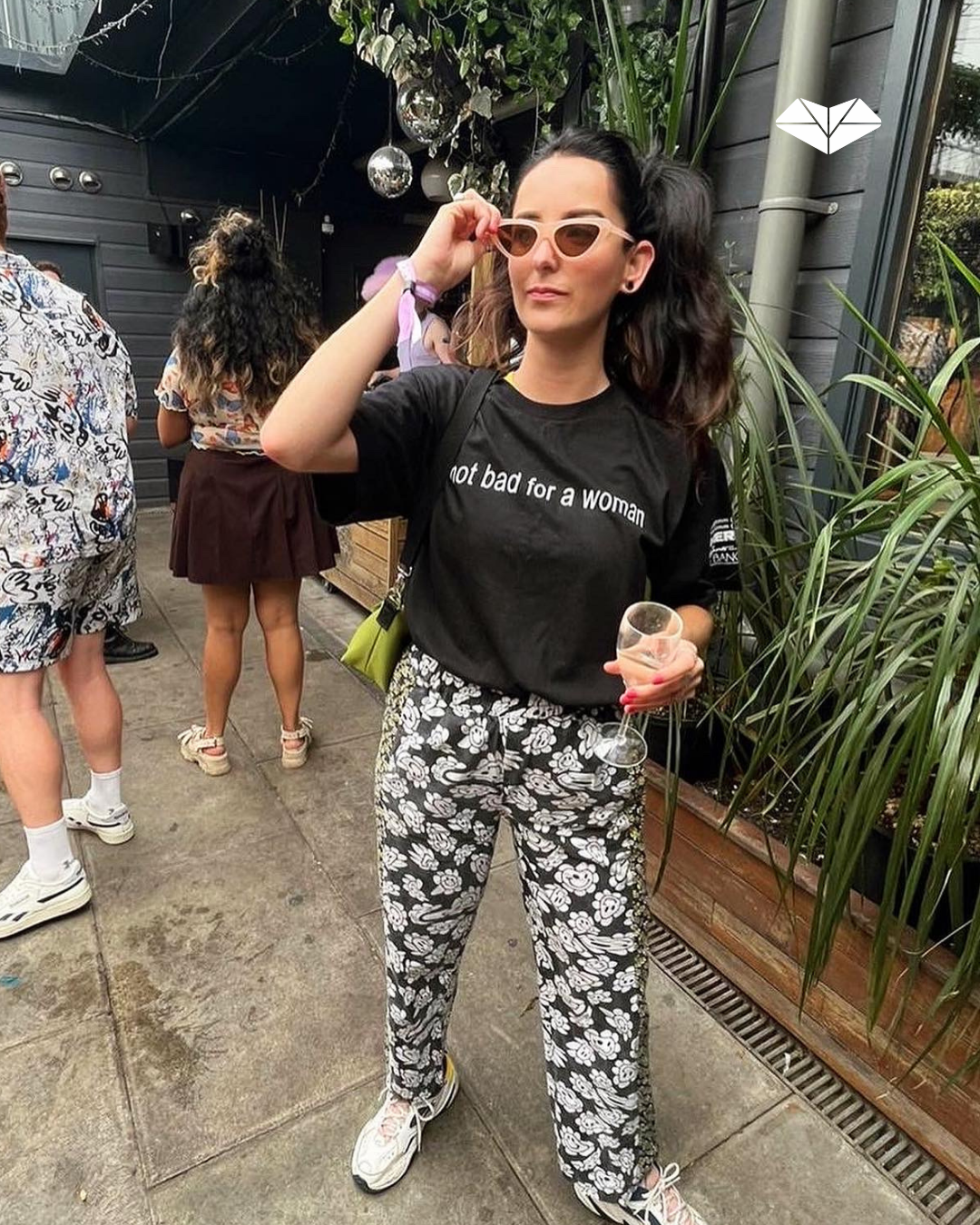
What’s the most useful networking advice you’ve learned that goes beyond visibility or chasing contacts?
Be yourself — as cliché as it sounds! It’s easy to feel like you need to act or think a certain way in the music industry - maybe be more hard-nosed than you are naturally - but if you’re mimicking other people, there’s nothing that truly sets you apart.
We can learn from each other, of course, but backing yourself and your personality is what makes people remember and respect you. That’s what lays the foundation for real, lasting relationships in my eyes.
Equally important is listening. Remember people, their stories, insights and small details. It always works in your favour. I work hard to make meaningful, professional relationships in the industry, which over time has blossomed into reciprocal friendships & genuine interests in one another.
And above all, be kind and honest. We don’t need to play poker games; being upfront and genuine, not wasting each other's time, goes a long way in my opinion!
On a difficult or high-pressure day, how do you unwind, and what helps you reset?
We took the leap out of London and moved to Margate last year, and living by the sea has been a real reset for me. It makes me feel cut off from the rest of the world — in the best possible way. After a day in the London office, I’ll read a book on the commute back to the coast, using that time to decompress and switch off from devices. Stepping off the train and taking a deep breath of fresh sea air helps me properly reset and reminds me there’s a world beyond the laptop screen.