Music Insider

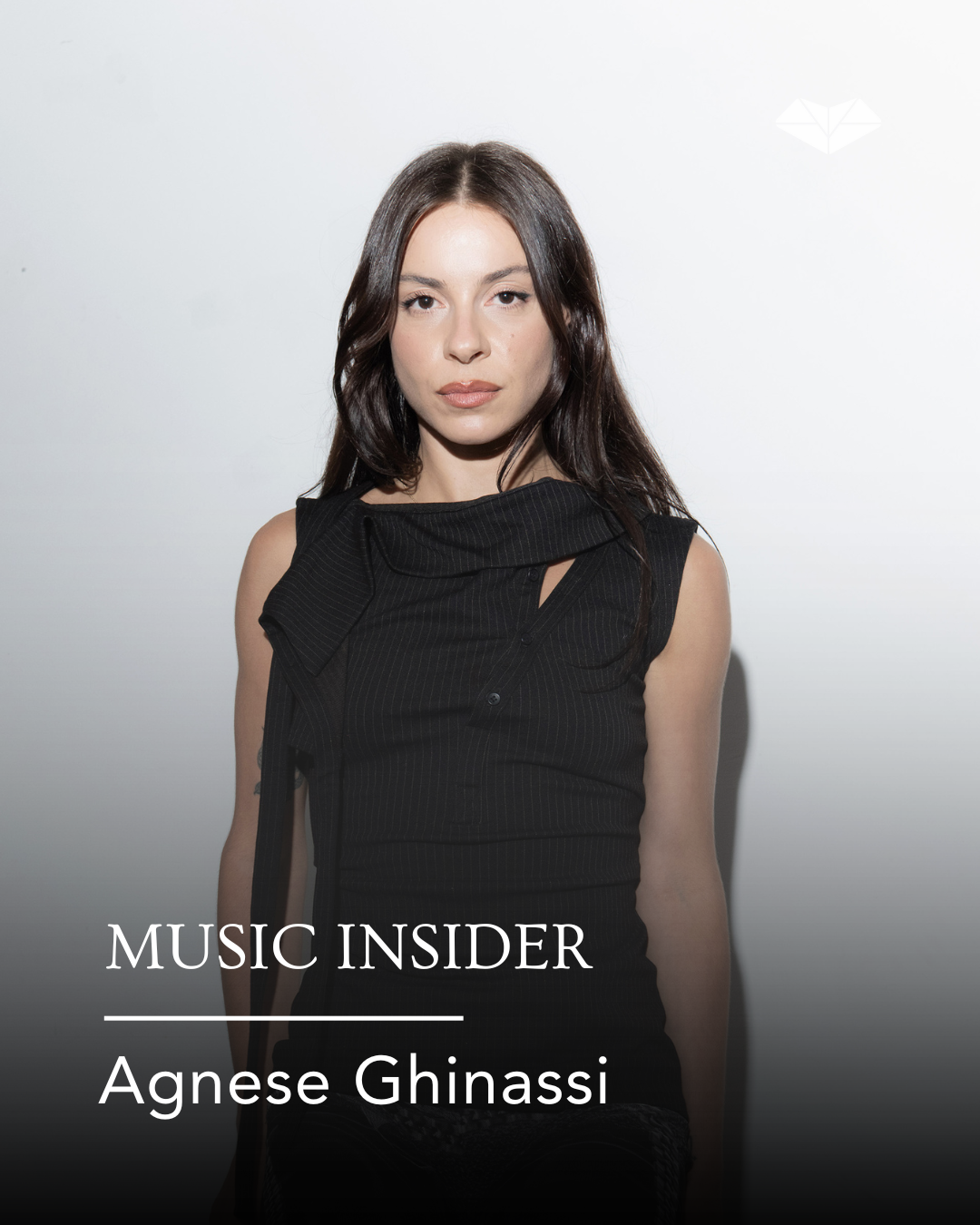
Artist Manager and Newspaces Studio Founder Agnese Ghinassi on Aiming to Build Longevity in Artist Careers

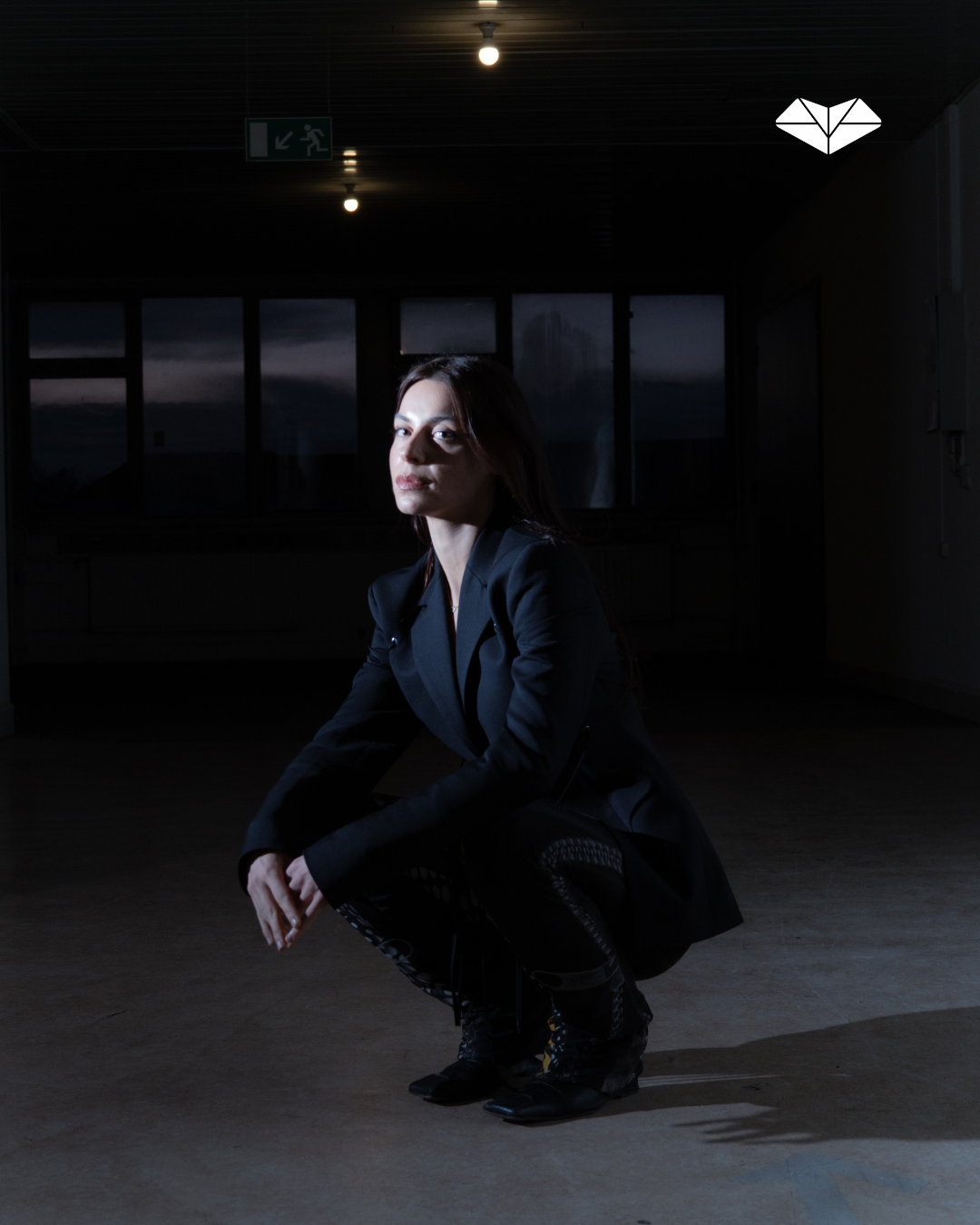
Photo credit: Johanna Kirsch

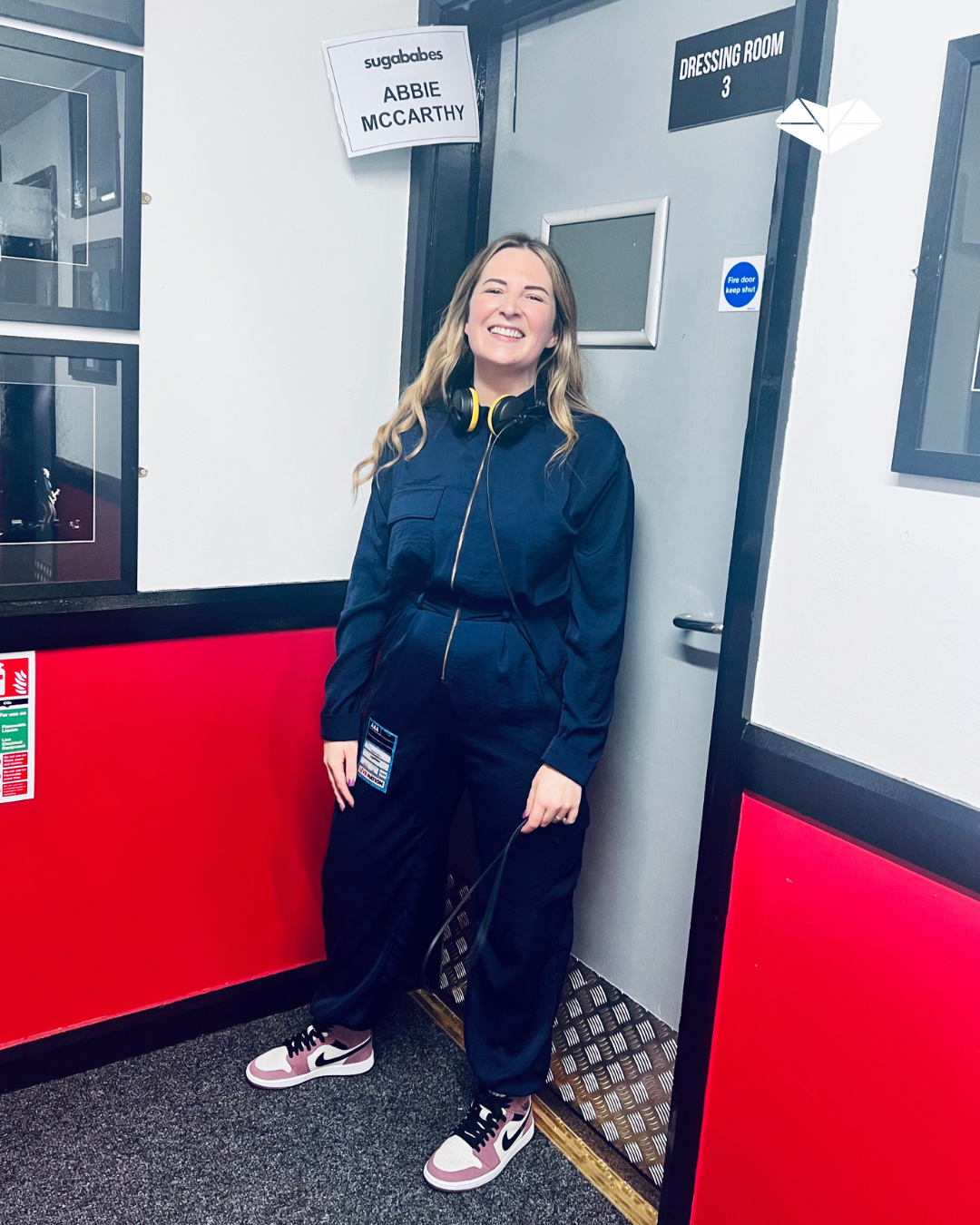
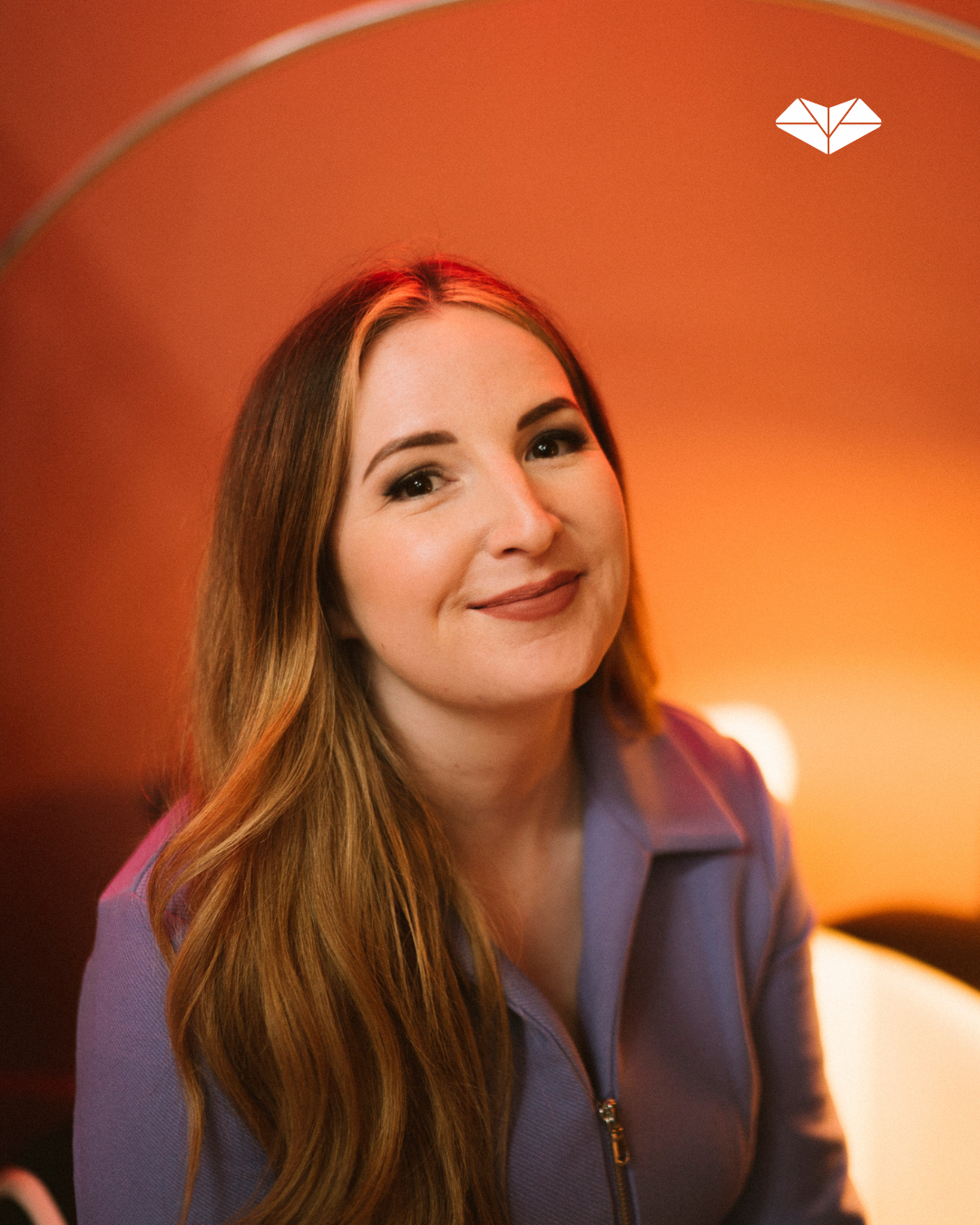
Agnese Ghinassi is part of a new generation of managers whose work moves fluidly across music, fashion, and contemporary art.  Based in Berlin and originally from Rome, she launched Newspaces Studio in 2025—a management and creative consulting agency shaped by her experience in artist development, creative strategy, PR, and fine arts project management. 

Ghinassi’s professional grounding was formed during her years at Modern Matters, where she progressed from intern to assistant and eventually into a key role as Artist Manager. During this time, she developed a broad operational and strategic skill set spanning artist management, PR and press, project and label management, alongside day-to-day management. Her work included supporting artists such as VTSS and LSDXOXO, handling press for clients ranging from composer Danny Elfman to producer and DJ GiGi FM, and overseeing label management for Klockworks alongside PR for Ben Klock.

Today, Ghinassi manages NYC-based transdisciplinary artist Agnes Questionmark, producer SALOME and Cuban-Spanish DJ TOCCORORO. Ghinassi’s practice also extends into the contemporary art field through her management of Agnes Questionmark — a contemporary artist working across installation, sculpture and performance. In this role she has overseen complex works including the 13-day performance CHM13hTERT & Cyberteratology presented at the 60th Venice Biennale, to name a few. This experience, together with her background in music management, PR and artist development, provided the groundwork for Newspaces Studio, which represents a curated roster of artists whose practices develop across different creative contexts rather than within a single industry lane. 

Your background spans artist management, PR, creative consultancy and large-scale art project management. How did you get your start in music?

I started as an intern at Modern Matters during my studies in Berlin. I was about to finish university, and in order to be able to write my thesis, I had to complete six months of practical work “Pflichtpraktikum”. I was studying Media and Business Psychology at the time, in German, (tough one). I’ve always been passionate about music, and one of my mentors, someone I really respect in the industry, suggested a few different companies for me to consider.

I remember telling her that I didn’t want to “just bring coffees or watch from behind” (very 23-year-old me ready-to-take-on-the-world phrase). The truth is, I wanted to actually do the work. That’s when she suggested I look into Modern Matters. I ended up leaving university without finishing my degree and stayed at Modern Matters for five years. I began as an intern, quickly became an assistant, and gradually worked my way up.

Assisting roles are often underestimated, but they’re where you build an incredibly broad and practical skill set. Working closely with my former boss allowed me to define myself early on as a generalist. I was exposed to many different sides of the industry from PR, press and label management, royalties, record deals to more administrative tasks like invoicing, tax systems, artist statements. That hands-on experience helped lay the foundation for what I’m looking to do at Newspaces Studio. I will always cherish that opportunity. 

Photo credit: Johanna Kirsch

From intern to founder in just over 6 years is a big achievement. Looking back, what skills or instincts proved most transferable as you moved from assisting to leading, and which ones did you have to actively unlearn?

As wild as it sounds, the biggest skill I had to unlearn was multitasking. When you launch your agency and start working independently, you want to do everything at 100% and feel in control of your business, your tasks, and practically everything around you. But multitasking doesn’t necessarily equal control; more often, it means doing many things at once and delivering them at 60, 70, or 80 percent instead of fully.

In assisting roles, multitasking is a powerful skill because the tasks are less decision-heavy. When you go independent, though, learning when to slow down, prioritize, and focus is what ultimately allows you to lead with clarity and intention. That doesn’t mean I don’t multitask at all, I just aim to execute faster and more efficiently. It’s a learning curve.

The most transferable skill, for me, was learning how to read a room and communicate with people coming from various professional backgrounds, from artists to agents, label owners, creative directors, business managers, and editors, etc. It taught me how to adapt fast, translate ideas across different worlds, and move quickly between creative and business spaces.

You’ve spoken about the importance of understanding an artist’s “message.” Practically speaking, how do you intend to help artists articulate what they stand for when that clarity isn’t there yet?

In my approach, I will aim to give artists a safe space where they feel supported enough to explore what they want to express, without pressure to adapt to a standard.

A lot of that can start with conversations, understanding their references, instincts, and characters, and what feels natural to them. I intend to help them through the process of individualising their strengths and how they want to convey who they are to the world around them. Once that starts to take shape, I work with them to find a structure that feels intentional and purposeful. 

I wouldn’t say it has to be a specific “message” , it's more about understanding what differentiates you as an artist from others, what you bring to the table, what you do differently, and leaning into that.

Practical examples of questions I would ask:

– What moves you?

– Why?

– Who inspires you, and who do you see as your peers?

– If you’re thinking big, where would you like to be in five years?

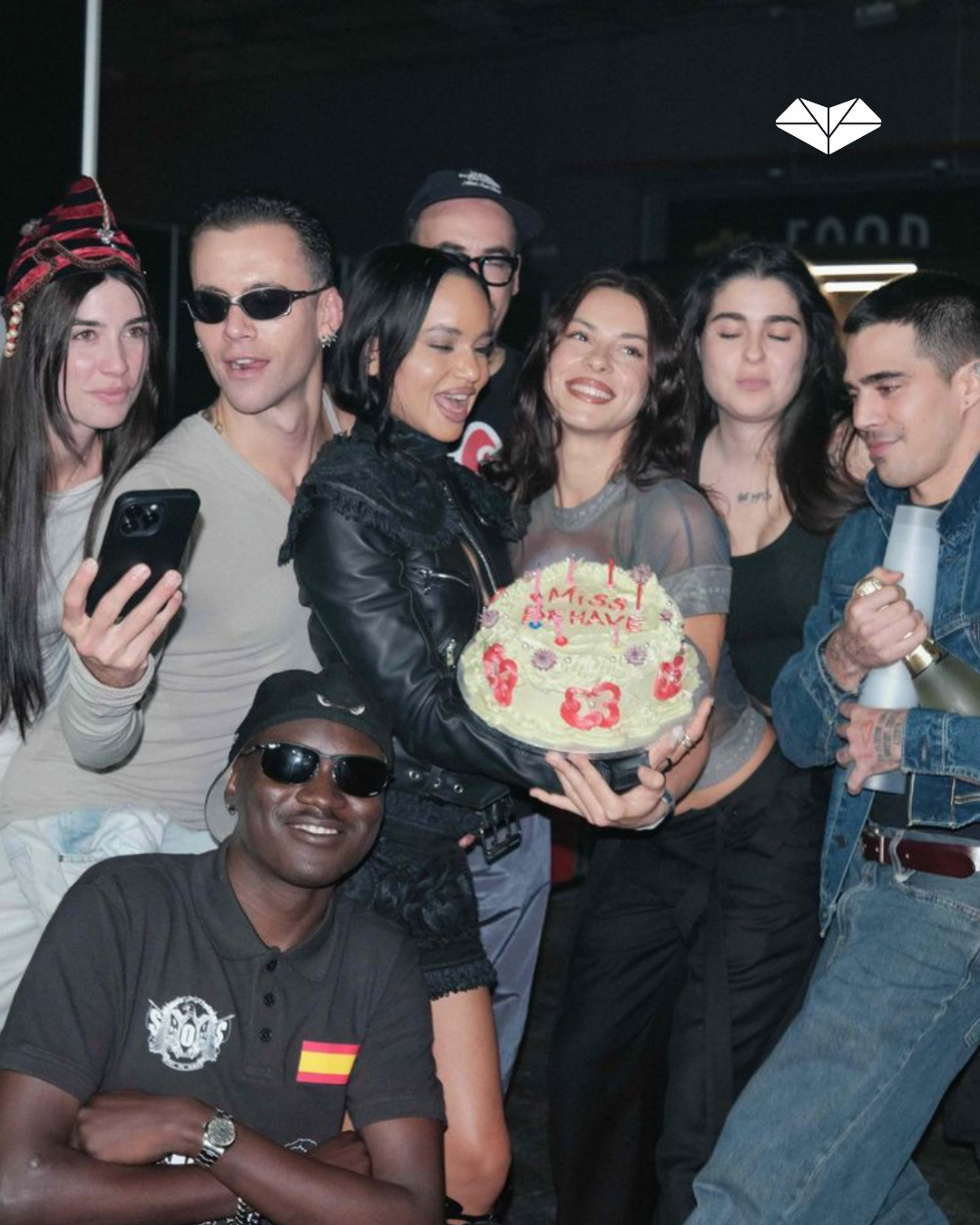
TOCCORORO Birthday During Fred again.. Event

Many artists struggle with brand collaborations for fear of diluting their identity. From a management perspective, how do you evaluate when a brand partnership adds depth to an artist’s profile rather than noise?

From my point of view, a brand collaboration adds depth when it’s genuinely aligned with the artist and develops in an organic way.

One way to ensure this is by building connections with brands the artist is already passionate about, whether that’s clothing brands they already wear or designers they admire, or production tools and platforms they already use in their creative process. The goal is for the collaboration to feel like a natural extension of who the artist already is, what they like, and what they want to represent, rather than something imposed.

Additionally, to make a brand partnership more meaningful and to ensure it feels like a true collaboration rather than just a ‘branded deal’, I always make sure that the teams involved, especially on the brand side, understand that they’re working with a talent who has a clear vision, aesthetic, and personal taste that needs to be respected and conveyed for the collaboration to be successful on both sides.

Newspaces Studio aims to establish itself at the intersection of music, art, and fashion. What do you think sustainable growth looks like in that cross-disciplinary space, especially when visibility can arrive faster than infrastructure?

As I start building my own agency, I’m realizing that sustainable growth often comes from learning, as a manager (together with your artist), when to say “no” to certain opportunities and trusting that the right ones will come back around. There’s so much pressure to move fast and capitalize on momentum, especially when visibility starts picking up and it feels like there’s a clock ticking in the background. But you don’t actually need to do everything at once.

Sometimes it’s more effective to slow things down, be intentional, and focus on what really needs attention at a specific moment in an artist’s journey, especially when working across music, fashion, and art, where opportunities can multiply very quickly.

Something I aim to work toward in my approach is longevity. Doing everything and being everywhere over a short period of time can result in being counterproductive and sometimes, maintaining a sense of exclusivity around an artist’s profile is actually one of the strongest things you can build. The goal I’m aiming for while building artists’ careers alongside them will be to keep things interesting and evolving in the long run.

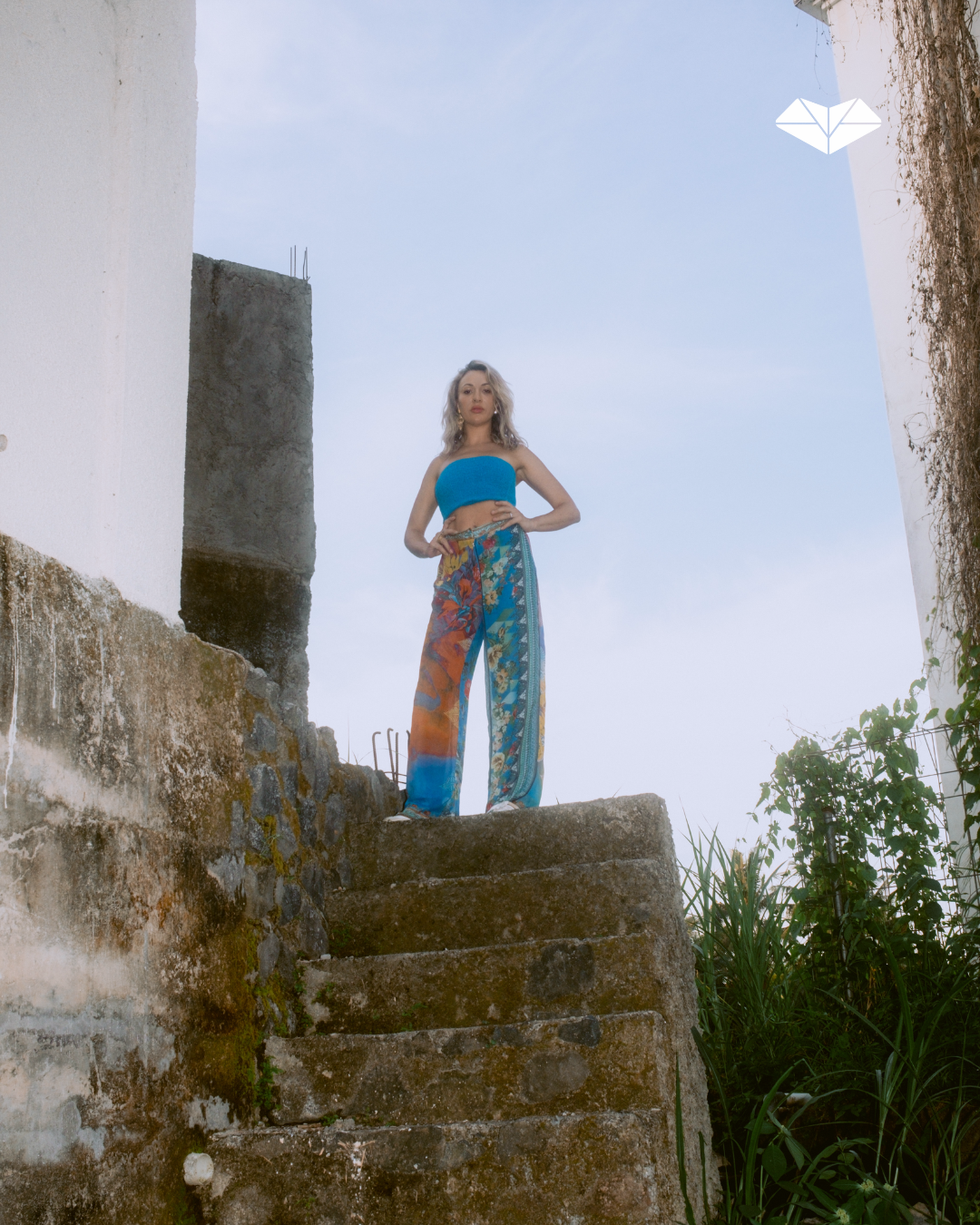
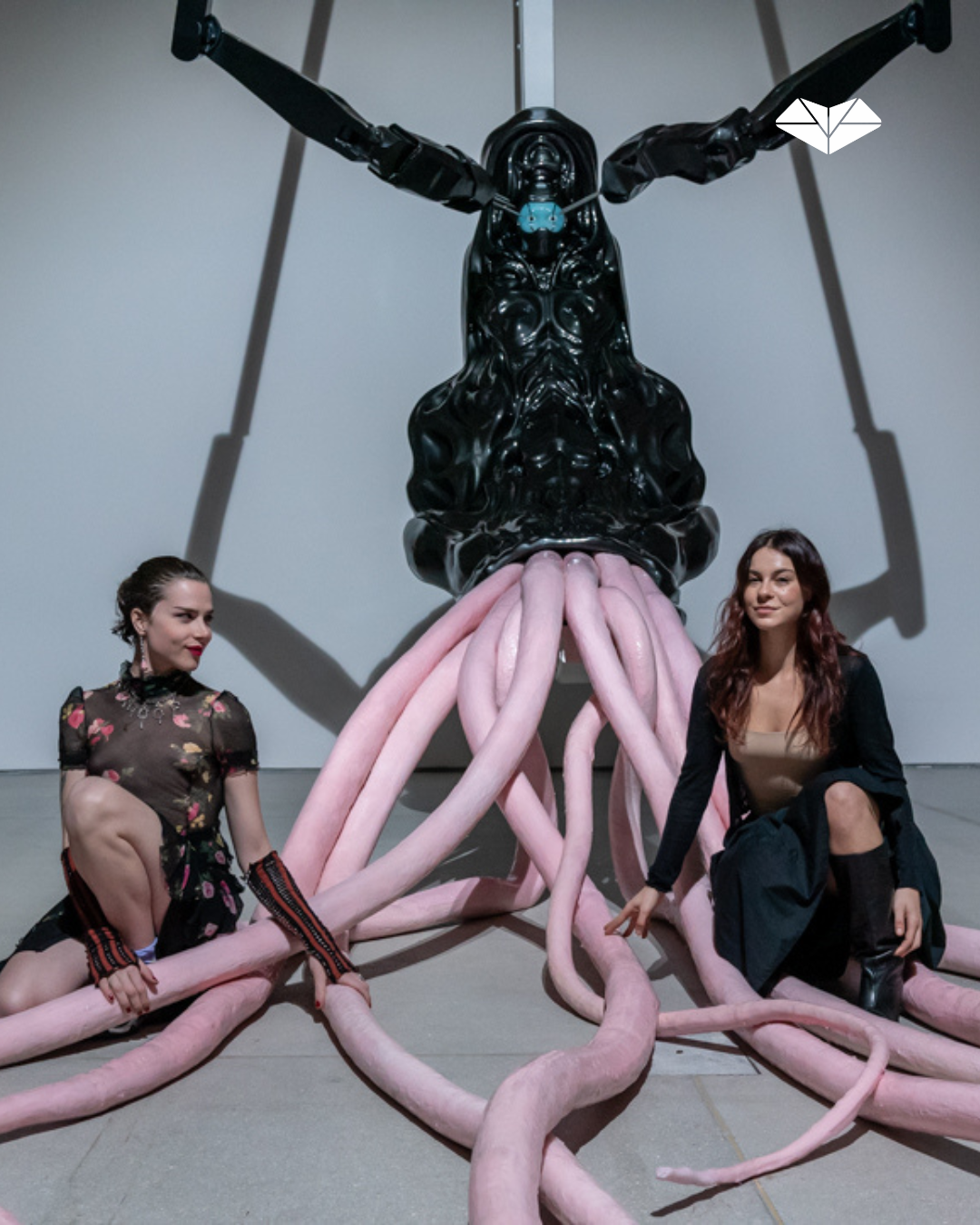
Agnese & Agnes Questionmark

Mental health is often discussed, but less often operationalised. What does care actually looks like inside a working artist–manager relationship, especially during intense touring or production periods?

During intense touring and production periods, it’s all about streamlining communication and setting designated days off so the artist has time to properly rest. We try to organize the calendar in a way that allows for enough time off between work commitments, and if that isn’t possible, we make sure the artist can take a larger break afterward for example, three weekends of stressful touring followed by one week of no communication/deadlines & weekend off from touring.

In general, I usually avoid communicating with my artists on Mondays after a touring weekend. If something is really urgent, I’ll send an email. If it truly can’t wait and is career-changing or there’s a hard deadline, I might text, but Monday is a day off. We also try to lock in catch-ups once a week and avoid unnecessary WhatsApp communication.

It’s very easy to end up talking 24/7, so it’s important to agree on designated times, days, and channels for communication. Not only for them but also for you. The hows and whens however, is also something that needs to be discussed with each artist individually, as everyone is different and requires different kinds of care.

For managers or artists considering going independent, timing is everything. What signals tell you that it’s the right moment to make a structural move, rather than an emotional one?

When you outgrow things and realise that the places you’re in are no longer aligned with your principles or your view on things, that’s when your vision starts to sharpen and you’re ready to take the lead for yourself.

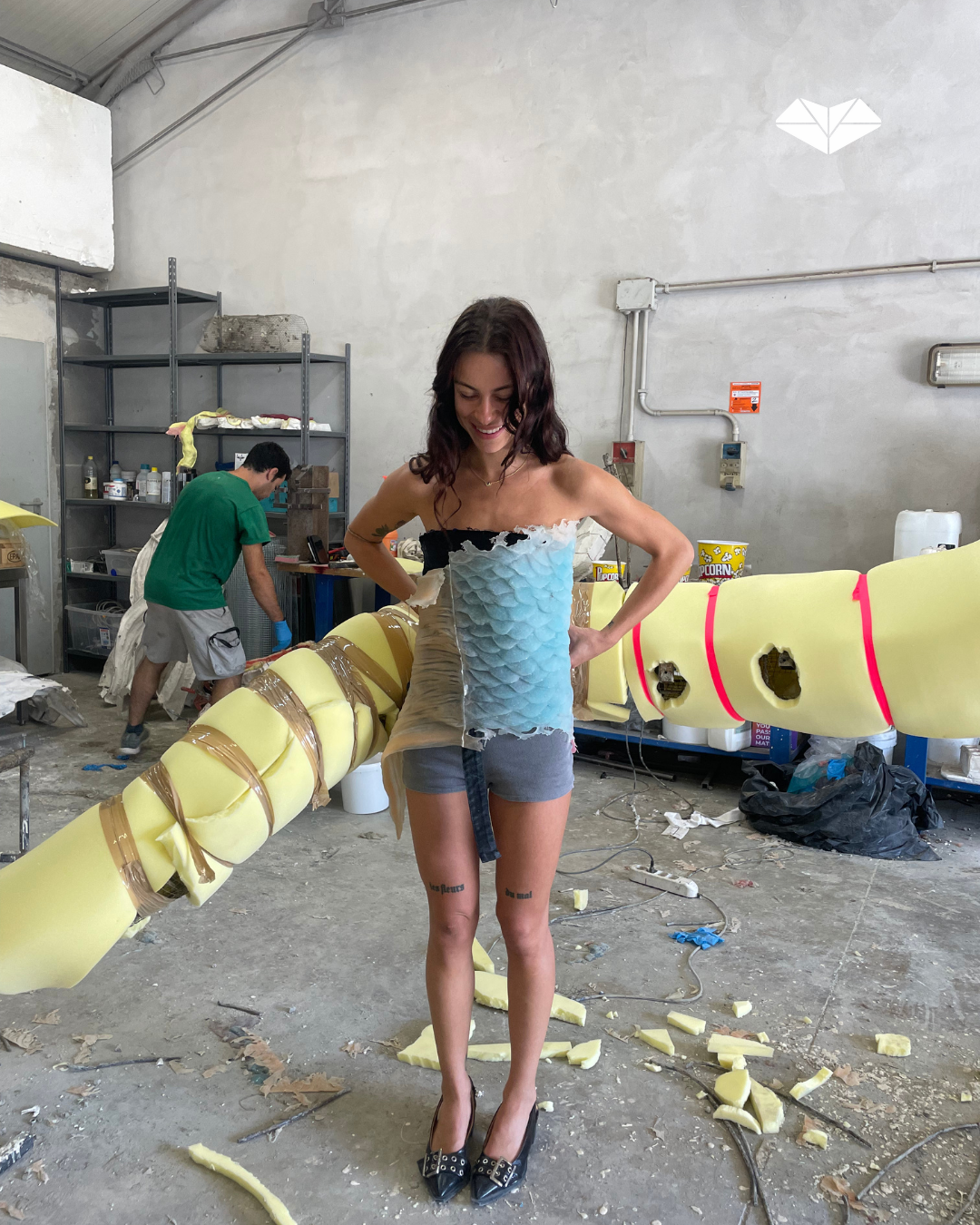
Agnese at Agnes Questionmark studio

In more practical terms, it’s when you realise you’ve learned and taken everything you could from an experience, and are ready to shape your own. 

What inspires you at the moment?

Industry: the way marketing has evolved over the past few years has been incredibly impactful. Looking at the campaigns behind albums like Charli XCX’s “Brat” or Doechii’s “Alligator Bites Never Heal”, Rosalia with “Lux” (her hair!!!!!) still stands out to me.

It really shows how powerful thoughtful marketing can be, especially when it’s connected to a clear artistic vision. You can feel when someone knows exactly what they’re doing and there’s something magnetic about it. 

Life: the concept of neuroplasticity. I’ve been reading a lot about it, and it’s been particularly relevant for me at this stage of my career. Books like Atomic Habits and podcasts (Huberman Lab) around the topic have genuinely influenced how I think about growth, habits, and long-term development. It has also helped me discover new structures and workflows that I now rely on in my work.


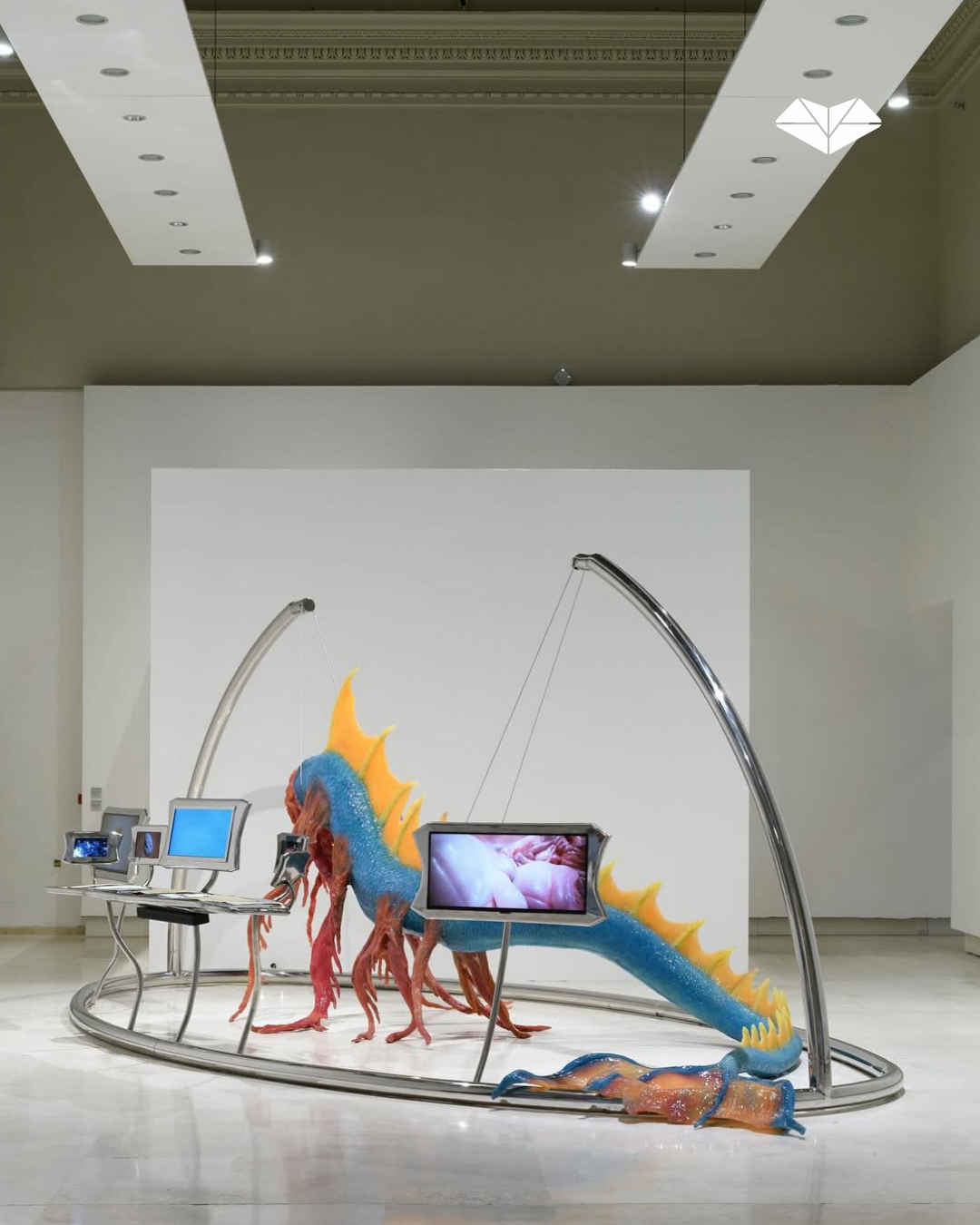
Agnes Questionmark Exhiled in Domestic Life installation

Connect with Agnese Ghinassi on LinkedIn

Newspaces Studio | Agnes Questionmark

TOCCORORO | SALOME

Ms Mavy: Building a 100K+ Global Community with Afroplug

Harvard certified, MBA in marketing, and founder of Afroplug—a groundbreaking music tech platform with 100K+ users worldwide, built independently with no outside investment—Ms Mavy is shaping the future of Afro-diasporic music and culture.

“I’m originally from Guadeloupe and Cameroon, but I was born in France. At the age of 6, I moved back to Guadeloupe with my parents, and that’s where I truly built my first musical roots.” Her journey began with classical music—studying flute at 3 and piano at 6—eventually representing Guadeloupe in international competitions. But it was the sounds of Timbaland, Aaliyah, Afrobeats, and soulful electronics that pulled her into DJing and music production.

With a distinctive sound blending Afro, Future Beats, Latin, and Caribbean rhythms, Ms Mavy now captivates global audiences—and powers a community of creators through Afroplug. The platform has secured major partnerships with Splice, BandLab, LANDR, and more, offering tools, visibility, and opportunity to underrepresented artists worldwide

How did you get your start in music?

I started with flute at 3,  classical piano at 6 in Guadeloupe and was competing internationally representing Guadeloupewhen I was young. That world taught me discipline, but I needed more freedom. I fell in love with Local Music, Afro-Amercican Music (Timbaland, Aaliyah, Missy Elliot) lAfrobeats, hip-hop, and soulful electronic sounds—music that spoke to my identity. That’s how I naturally shifted into DJing and producing.

Your journey from a classical pianist in international competitions to a DJ, producer, and music-tech innovator is extraordinary. What was the defining moment that led you to create Afroplug?

The moment I realized there were barely any music tools that reflected our Afro-diasporic sound, I knew something was wrong. We were shaping global music culture but not being represented in the tech behind it. Afroplug was born out of that gap—with a clear mission: make our sound visible, valuable, and accessible : now we have 100 K + Clients organically in 4 years worldwide. including Producers of Beyoncé, Davido, Drake, Sean Paul & More.

What excites you most about how Afro-diasporic music is evolving on a global scale?

It’s finally being recognized for its true influence. Afro-diasporic music is not a trend—it’s a foundation. What excites me is how artists from different parts of the world are blending genres and building bridges between continents. The sound is becoming more diverse, innovative, and proud.

The intersection of music and technology is constantly shifting. What innovations or trends in music tech do you believe will have the biggest impact on artists in the next five years?

AI-assisted tools for creation are already changing everything. They help artists move faster, stay inspired, and collaborate globally. I also believe tools that support better rights management, mobile creation, and fairer revenue models will deeply shift the power back into the hands of artists.

What’s the most valuable lesson you’ve learned that artists and producers should apply to their own careers?

Be yourself and show up consistently. People connect with energy, not just products. You don’t need to be viral—you need to be real. Your audience will grow if you speak to them with purpose and give them something valuable they can feel.

For artists and producers looking to break through in 2025, what’s the one piece of advice you wish someone had given you at the start of your career?

Don’t wait for permission. Create your own lane, your own platform, and your own rules. Everything doesn’t have to be perfect—start where you are with what you have. And study how the music business works. That knowledge protects your art.

Tips for anyone who wants to get into your industry

* Learn both the creative and the business side.
* Build something people need, not just something cool.
* Protect your mental health—it’s a marathon.
* Be patient, but stay visible.
* Don’t just follow trends—start movements.

3 things you can’t live without in your bag


My iPhone, my ideas, and my MAC lipstick. That’s all I need to make things happen—wherever I am.


Afroplug: Music Tech Startup | Samples Label | Events

Founded by Maëva / Ms Mavy – DJ, Artist & Producer

The Godmother of House: Stacey 'Hotwaxx' Hale on Mentorship, Detroit and Building Space for Women in Dance Music

Stacey “Hotwaxx” Hale is a foundational architect of American dance music. Known as the Godmother of House, she was the first woman to play house music on Detroit radio, establishing a presence that would influence generations of artists and audiences alike. From the late 1980s onward, Hale has shaped the landscape of electronic music through a career that spans radio, clubs, education, and activism.

A versatile DJ and producer, Hale moves fluidly between house, techno, funk, hip hop, and orchestral forms, bridging Detroit’s musical traditions with global currents. Her résumé includes landmark venues such as the Apollo Theater in New York, Detroit’s Fox Theatre, and underground sites like Studio 54 and The Warehouse, underlining her reach across both mainstream and subcultural spaces.

Today, she continues to anchor Detroit’s dance music scene with residencies at Spotlite and Marble Bar, while also maintaining an international profile with performances in cities including London, Berlin, and Toronto. Outside of performance, Hale’s work on Deepspaceradio’s Twisted Tuesdays, and her involvement in mentorship initiatives like Girls Rock Detroit and Give a Beat, underline a long-standing commitment to community building and education.

Hale is not only a DJ but a founder and advocate, co-creating Sheometry Festival alongside DJ Minx to amplify female and non-binary voices across the music and arts ecosystem. Across four decades, her work reflects a sustained engagement with sound as both a cultural and political force.

How did you get your start in music?

My musical journey began at age 3, immersed in the rich sounds of jazz through my parents and older brothers. They were avid music lovers who exposed me to jazz first, then R&B, rock, and fusion. Looking back, I realize this early exposure was instrumental in developing my ear and laying the foundation for my career in music. This diverse musical upbringing shaped my ability to understand and blend different genres, which became crucial in my development as a house music DJ.

You are known as the ‘Godmother of House Music,’ but in a scene that still skews male-dominated, what does real progress for women in house and techno look like to you?

The title 'Godmother of House Music Detroit' came from the community, and I've grown to embrace it with deep respect. It's important to acknowledge my contemporaries like Sharon White in NYC and Celeste Alexander in Chicago, who also pioneered house music in their respective cities.

Together, we broke ground in a male-dominated industry, proving that women could not only participate but excel and innovate. This disparity in gender representation inspired the creation of Sheometry Music & Art Festival, which continues our mission of creating space for women in electronic music.

Dance music is often seen as a culture of celebration, but it’s also a form of resistance. Looking back on your career, how has house music been a tool for freedom and empowerment, especially for women and Black artist

House music represents a perfect fusion of celebration and cultural significance. What particularly draws me to this genre, especially Gospel House, is its ability to convey profound messages through rhythm and melody.

In Detroit, our community embraced both Techno and House as vehicles of artistic expression. This music created an inclusive space where authenticity thrived, particularly significant for Black artists and women in the industry.

Through my performances at spaces like the Boiler Room: Detroit and Sónar Festival, Movement Festival,  I've witnessed how this music continues to break barriers and unite people.

The relationship between DJs and live musicians is something you’ve explored deeply with Nyumba Muziki and Black Women Rock. How does performing with live musicians change the energy of a house set?

The synergy between DJs and live musicians creates an unparalleled musical experience. My appreciation for instrumental music, particularly piano, has deepened through collaborative performances that bridge electronic and acoustic elements. Working with musicians who share this vision of musical fusion has led to remarkable moments of creativity. These collaborations, whether through Beatport Live or at international festivals, demonstrate the endless possibilities when traditional and electronic music converge.

You’ve played everywhere—from Studio 54 and The Warehouse to Marble Bar and Spotlite Detroit. Out of all those legendary dance floors, what’s your favourite memory from behind the decks?

Each venue has gifted me with unforgettable moments, but two particularly stand out: The Zoo Project in Ibiza and The Apollo Theater. Beyond those, some defining moments include:

Studio 54: The night I needed security because the crowd was so energized by the music, they wanted to personally express their appreciation. Having the Clark Sisters present me with the 12" of 'You Brought The Sunshine' made it even more memorable.

The Warehouse: The 1st live Broadcasting on FM 98 WJLB also with singing recording artist ADEVA surprised me with a birthday serenade – a perfect fusion of radio and live performance.

Marble Bar: This venue set the standard for sound quality in progressive House/Techno, showing that perfect acoustics are essential for this genre.

Spotlite Detroit: A powerful return to live performance post-pandemic, reinforcing music's ability to heal and unite communities.

You’ve mentored and taught DJing and production to young artists through SPIN INC, Girls Rock Detroit, and more. What’s the most important piece of advice you give to the next generation stepping into this world?

Through my work with SPIN INC, Girls Rock Detroit, and other organizations, I've discovered that the most fundamental lesson isn't about technology or technique – it's about truly listening. I always tell my students: 'Don't just hear the music, listen intentionally.' Understanding how to create specific emotional responses in your audience is crucial. This deep listening skill becomes the foundation for everything else in music production and DJing. It's about developing the ability to curate experiences and connect with your audience on an emotional level.

What is it about Detroit that continues to fuel the most influential sounds in dance music?

Detroit's influence on dance music stems from our authenticity as both an industrial and technological hub. Our musical legacy spans Motown, Jazz, Hip Hop, Funk, Soul, House, and Techno – each genre reflecting our city's evolution.

What makes Detroit special is that our sound isn't manufactured; it's born from real experiences and innovation. The 'Detroit sound' has become so influential that artists worldwide incorporate our city's name in their work, hoping to capture some of that authentic innovation that's uniquely Detroit.

We don't just create music; we pioneer sounds that continue to shape global musical landscapes.

  • Interview by @ninakeh


Stacey “Hotwaxx” Hale on Instagram | Website

Liaison Artists’ Mariesa Stevens & Emma Hoser Talk Coachella, Festival Bookings & Mentorship in Music

For Women’s History Month, we’re highlighting two incredible women making an impact in the electronic music industry—Mariesa Stevens, Partner & VP at Liaison Artists, and Emma Hoser, Senior Agent at the agency.

With years of experience in artist bookings, festival placements, and mentorship, Mariesa and Emma have played key roles in shaping the careers of some of the most influential house and techno artists. But their work goes beyond talent representation—they are committed to supporting and mentoring the next generation of women in the music business.

In this Q&A for shesaid.so, they share their journeys, biggest career milestones, and advice for women looking to break into the industry. From overcoming industry challenges to securing major festival slots, their insights provide valuable lessons for anyone looking to grow in music.

Mariesa Stevens (Partner/VP), Liaison Artists

Mariesa Stevens serves as Partner and Vice President at Liaison Artists, a prestigious San Francisco-based booking agency. Since joining as the agency's 3rd employee in 2008, Mariesa has been instrumental in establishing Liaison Artists as the foremost destination for securing top-tier electronic music talent. Inspired by San Francisco's dynamic underground electronic scene, she acknowledges iconic SF figures and events for shaping her passion for music, including Mark Farina, Doc Martin, the Sunset Campout, the monthly [Kontrol] party at The EndUp, and the Dirtybird BBQ in Golden Gate Park.

Throughout her 16-year tenure, Mariesa has significantly influenced the agency's trajectory by meticulously curating a roster of exceptional, yet undiscovered, house and techno artists. Renowned for bridging the gap between US and European talents, Mariesa has introduced numerous artists, such as Maya Jane Coles, Maceo Plex, Bruno Pronsato, Sammy Dee, Hot Since 82, and Ash Lauryn, to audiences in North and South America. She has also played a pivotal role in expanding Liaison Artists' presence at the Coachella music festival, from securing the agency's first artist slot in 2013 to commanding 7% of the festival's entire roster in 2022.

As a black woman, Mariesa places utmost importance on representation, which constantly drives her endeavors within the agency. Recognizing the scarcity of black women in the electronic music scene, both as artists and agents, she remains committed to providing platforms for women, particularly women of color, to flourish in previously underrepresented spaces. Her greatest source of pride in her career stems from mentoring young women in the industry and witnessing their growing achievements.

What was your start in music, and what inspired you to pursue this path?

I was always a huge music nerd I would consume as much as I could.  It was big in my house.  My Dad had a huge record collection and we’d sit around and discuss and listen together.  Artists like Stevie Wonder, Earth Wind and Fire, Aretha Franklin and my Dad’s favorite artists The Temptations and Aretha Franklin really shaped me. 

On a visit to San Francisco in the early 2000’s with some friends they convinced me to go out to Club Mighty where Miguel Migs and Mark Farina were playing and I just fell in love immediately.  The sense of community on the dancefloor that night was something I’d never seen before. 

I was hooked and ended up moving to San Francisco  in 2008 and was working as an intern at a tiny start-up agency, but never felt like I fully belonged there.  I was a regular at the infamous KONTROL parties at The EndUp and made friends with their incredible DJ and resident, Nikola Baytala who went on to introduce me to Andrew Kelsey and the rest is history. 

Liaison Artists has had a big presence at festivals like Coachella. Could you share a couple of top tips on how artists can stand out and make an impact on such big stages?

As you can imagine a festival like Coachella is incredibly competitive and only so many slots.  As agents we’re pitching them all year long.  We use content like video clips of past performances and relevant press.  IN addition to that the artist will need a solid history of playing in the Los Angeles market often times will play a part in getting on Coachella.  

With social media and streaming being so important today, what advice do you give artists to stay authentic while building a strong connection with their fans online?

Authenticity is the key word here, I think that is something that fans can see immediately.  

I think giving fans a glimpse into your creative process, daily life, and the journey of your artistry. This transparency can help foster a deeper connection. 

I’d stick to what matters to you, as that will attract like-minded fans who resonate with your message. While it's important to showcase your music, sharing other interests and aspects of your life that reflect who you are and provide fans with more to connect with. It’s all about telling YOUR story. 

My biggest piece of advice is simply to stay true to your values and  don’t compromise your beliefs or artistic vision to fit trends.

Looking back at your career, what are some of the moments you’re most proud of?

There have been so many moments over the years but some that come to mind, booking my first artist on Coachella, selling out my first tour, 

I think the thing I am most proud of is helping to mentor our young staff many of whom started as interns / assistants and are now incredibly successful and hard working agents. 

Playing a part in helping them build their careers is just as rewarding as what we do for our artists 

What am I listening to these days? 

My taste is all over the place and I tend to have 10 or so artists that never leave my rotation like Erykah Badu, Frank Ocean,  Portishead, Aaliyah,  DMX, Mariah.

Wizkid’s Made in Lagos has been a constant as well.

Love what a lot of the rap girlies are doing at the moment Flo, Doechii, Megan and GloRilla - way too many to list!


Emma Hoser

Emma Hoser is a senior agent at Liaison Artists, representing a diverse roster of electronic DJs and producers with a heavy focus on the underground house and techno sound. Emma’s roster includes clients Adam Beyer, CirezD, Eli & Fur, Nicole Moudaber, Paco Osuna, Pawsa, Sasha, and many more. Emma volunteers as a mentor for young adults at local organizations including the Lower East Side Girls Club and The LGBTQI+ Center in NY.

Emma began her journey in music as a club promoter in Florida during college. She later moved to San Francisco to finish her degree, and continued pursuing her love for music by selling mixtapes to stores all over the USA. Through these endeavors she met many DJs, promoters, and agents.

Upon finishing college she moved to New York to start working in the agency business. After stints at several different agencies, she found her home in 2008 working for Paul Morris at AM Only. AM Only partnered with Paradigm in 2012 and fully merged into Paradigm in 2017. In 2020, she started at Liaison Artists, the best independent agency in the US and who specialize in cutting edge international talent with a laser focused personalized touch.


What was your start in music, and what inspired you to pursue this path?

I fell in love with electronic dance music and the DJ culture during my college years in Gainesville, Florida. There’s this incredible club there called Simon’s that hosted some of the biggest names in the industry, like Sasha, John Digweed & Laurent Garnier. I knew I wanted to pursue a career in music, but I wasn’t sure what path to take. So, I decided to throw a few parties to see if that was something I genuinely enjoyed.

After finishing my first two years of college in Florida, I moved to San Francisco to complete my remaining studies. There, I worked for a couple of DJs, helping them sell their mix tapes across the United States. These experiences exposed me to a diverse network of DJs, promoters, and agents, which ultimately led me to an exciting opportunity.

I was offered a summer job at an agency in New York City. After the summer, I finished my studies and relocated to the Big Apple to join the agency full-time. From that moment on, I knew that this was the career I wanted to pursue. 

Emma, you’re also involved in mentoring young adults. What advice would you give to young women hoping to enter the music business?

Breaking into the music industry as a woman can be challenging, but with persistence, self-belief, and the right strategies, you can carve out a fulfilling career. It involves continuous learning, networking, advocating for yourself, and uplifting other women. Be prepared for criticism and setbacks, but don’t let them derail your confidence or your goals.

The music industry can be tough, with challenges and rejections being a part of the journey. The key is to learn from these experiences and use them as fuel for your growth. Focus on your abilities and be ready to listen and learn, but also don’t hesitate to speak up.

Embrace failure as a stepping stone to success. The most successful individuals learn from their mistakes and use them as catalysts for future success. Building strong, authentic relationships with artists, managers, promoters, and your co-workers is a powerful way to gain respect. Learning to assert yourself in meetings, take initiative, and ensure your voice is heard, and over time that earns you trust and credibility in the industry.

What have been some of the challenges you’ve both faced as women in the industry?

Like many women in the music industry, I’ve personally witnessed how male dominance can sometimes pose challenges, such as being underestimated, overlooked, or having to prove myself more than my male counterparts. Despite the challenges of navigating a business where women are underrepresented, I’ve consistently found that staying true to myself, maintaining resilience, and collaborating with like-minded individuals, including artists, managers, and my company’s representatives, is imperative for success. 

Looking back at your careers, what are some of the moments you’re most proud of?

I absolutely thrive on the success of my artists, especially when I start from the very beginning with them and witness their growth from performing at small venues to selling out big venues and headlining festivals. However, what fills me with the greatest pride in my career is mentoring young individuals, whether it’s in educational settings,

LGBTQ+ centers, or the Lower Eastside Girls Club. I take great pleasure in providing advice to other women in the music industry and the people I work with.

I enjoy helping them navigate the next steps in their careers and guiding them through the intricacies of the business. My passion lies in elevating young women from the early stages of their music careers to becoming successful agents!


Connect with Mariesa Stevens & Emma Hosser | Liaison Artists

Olivia Shalhoup: From Assistant to CEO, Helping Artists to Grow

As an early believer in the power of social media for artists, Olivia Shalhoup is the Founder and CEO of Amethyst Collab, one of the music industry's most cutting edge social media marketing agencies. There, she has led digital marketing and PR campaigns for chart-topping artists such as Ashanti, Trippie Redd, DaniLeigh, and more, as well as working alongside label clients Interscope, Universal Music Group, Def Jam Recordings, Warner Music, Sony Music, 300 Ent, and others.

Going from assistant to renowned CEO in just 2 years, Olivia began her journey in music as a concerts assistant at ICM Partners in Los Angeles. After experiencing the corporate world of music, Olivia decided to create a company that challenged the norms of how business and rising through the ranks of the music industry occurred. Since, Olivia has been an outspoken advocate of entrepreneurship in the music industry, especially for young women.

How did you get your start in music?

I began interning at Carpark Records in Washington DC. I cold emailed the founder and offered to intern, met them for an interview, and a few weeks later I was part of the team. I really enjoyed working with Carpark, it definitely sparked my love of the music industry and my appreciation for independent record labels. 

Describe a day in your life as the founder of Amethyst Collab.

A lot of computer time! Ha. It’s a lot less fancy shoot days and a lot more time spent emailing, editing, and scouring the internet. The less glamorous side is what leads to results though. 

Not every artist has a big budget for marketing. What are some of the most effective ways independent artists can grow their audience online without a big budget?

Social media is the best resource we have - and it just so happens to be free! Consistency will get you far. 

What advice would you give to young professionals who want to start their own business in music?

Make sure you’re as excited and prepared for the business side of things as you are for the music side.

There will be days when you’ll have to chase down payments from big record labels while fronting your employees the money out of your own pocket. There are countless uncomfortable conversations that you’ll need to have on a daily basis.

Entrepreneurship is highly glamorized without acknowledging all the hardships we face. If you’re doing this because you don’t want a 9-5, you’re going to hate a 24/7. 

A lot of artists blow up on TikTok but struggle to turn that into long-term success. What do you think makes the difference between a viral moment and a sustainable music career?

The ability to create great music, first and foremost. Your marketing can only take you as far as your music goes. 

Running a company in such a fast-moving industry must come with a lot of challenges. What’s been the hardest part of growing Amethyst Collab?

That’s hard to say, because I truly enjoy every aspect of running Amethyst Collab. Probably attempting to have a personal life balance, lol. 

Tips for anyone who wants to get into your industry

Be overly passionate! Be a little crazy! Use too many exclamation points! Pitch that big idea! 

3 things you can’t live without in your bag 

  1. Ami Cole lip gloss

  2. A portable phone battery, as every social media professional knows 

  3. Sunglasses that double as prescription glasses, cause sometimes a girl’s gotta see  

What are you listening to right now?

Bad Bunny’s DTmF album on repeat, my favorite songs right now are WELTiTA and VeLDÁ but they tend to change every week. 


Connect with Olivia Shalhoup on Instagram | Amethyst Collab