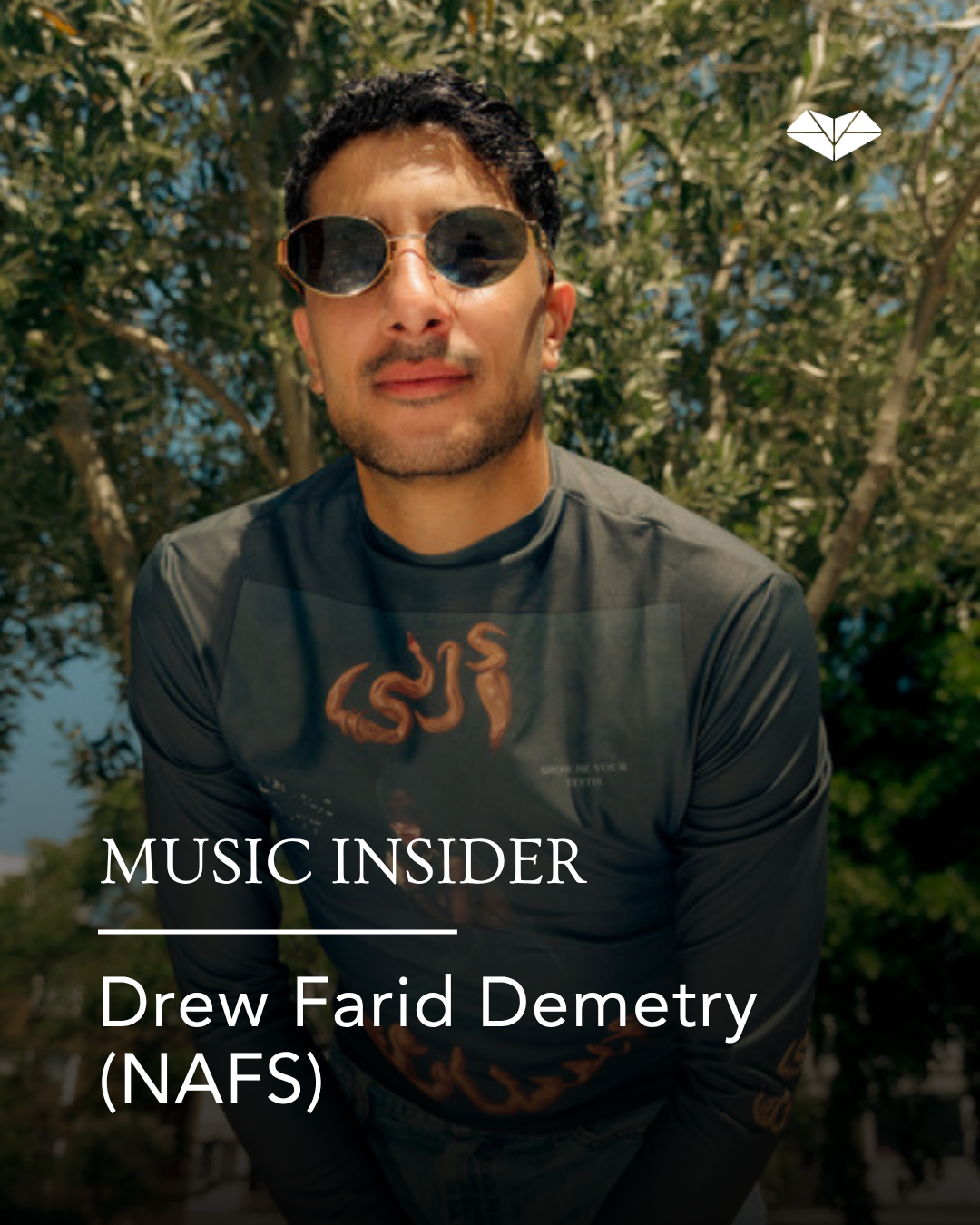
Founded in 2019, NAFS نَفْس is a London-based platform dedicated to celebrating and uplifting Queer SWANA (South West Asia and North Africa) creatives.
Created in response to a need for more authentic representation within the creative industries, NAFS curates exhibitions, workshops and cultural events where members of the community can connect, express themselves and advocate for change.
Bringing together joy, resistance and empowerment, NAFS is committed to ensuring that Queer SWANA artists are supported and valued.
NAFS Collective was created out of a need for more authentic representation of Queer SWANA creatives. What was missing from London’s cultural and creative spaces when you started?
I never saw anything that was really for our community. I couldn’t be Queer in SWANA spaces, and I couldn’t be SWANA in white spaces. I was constantly having to choose which part of myself I was allowed to bring into a room.
Growing up in Copenhagen, I would often go to Nigerian or Latinx clubs because they were the closest thing I had to finding that feeling of community. There was something about being around other people of colour, hearing music that wasn’t necessarily mine but still felt familiar, and being in spaces that understood something about what it meant to exist outside of whiteness.
We were always being asked to fight our way into other people’s cultures, without being given the opportunity to explore and celebrate our own. There was also a lot of internalised Arabphobia within our own communities, as if everyone was wearing a costume of another identity before their own.
NAFS came from wanting to change that. I wanted us to have a space where we didn’t have to choose between our queerness and our SWANA identity. Where we could exist as our whole selves.
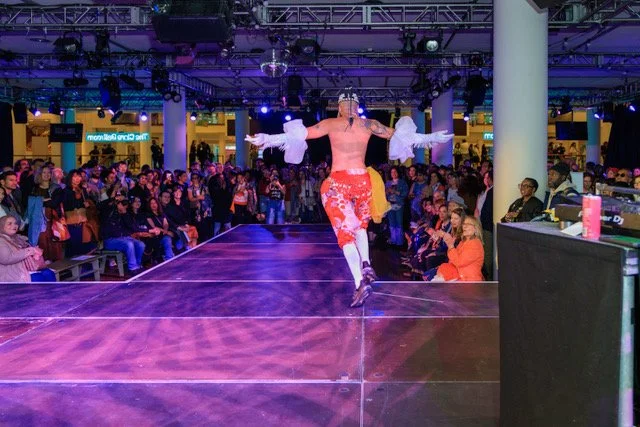
Supporting artists is an important part of NAFS Collective’s mission. Beyond giving someone a platform, what does meaningful support for Queer SWANA creatives look like to you?
I believe we need a strong financial ecosystem around creativity. Music, art, fashion, performance, these things are not luxuries. Humans need the arts to survive, to be inspired, to enjoy, to connect and to share.
But with cuts across the arts, it is becoming increasingly difficult for creatives to focus solely on their craft. There is very little support from governments and established institutions, which means artists are increasingly expected to rely on their audiences to fund their work through ticket sales, merchandise and donations.
Even at NAFS, we make a point of paying our creatives fairly and ensuring that the venues and spaces we work with are also paid properly (when we have budget). That often leaves us with very little, but it is something I refuse to compromise on. We need to prioritise talent. The last thing I want is for someone to stop making art because they can’t afford to continue.
It has been done before, and we can do it again. Rather than spending £300 to see Beyoncé or £45 on a rave, support your community. Buy the £20 ticket. Buy the book. Buy the artwork. Buy a damn t-shirt. Pay the artist.
For creatives discovering NAFS Collective for the first time, how can they get involved with the community or share their work with you?
Reach out to us. You can always message us on Instagram or email us directly. We are always interested in discovering new people, new ideas and new work.
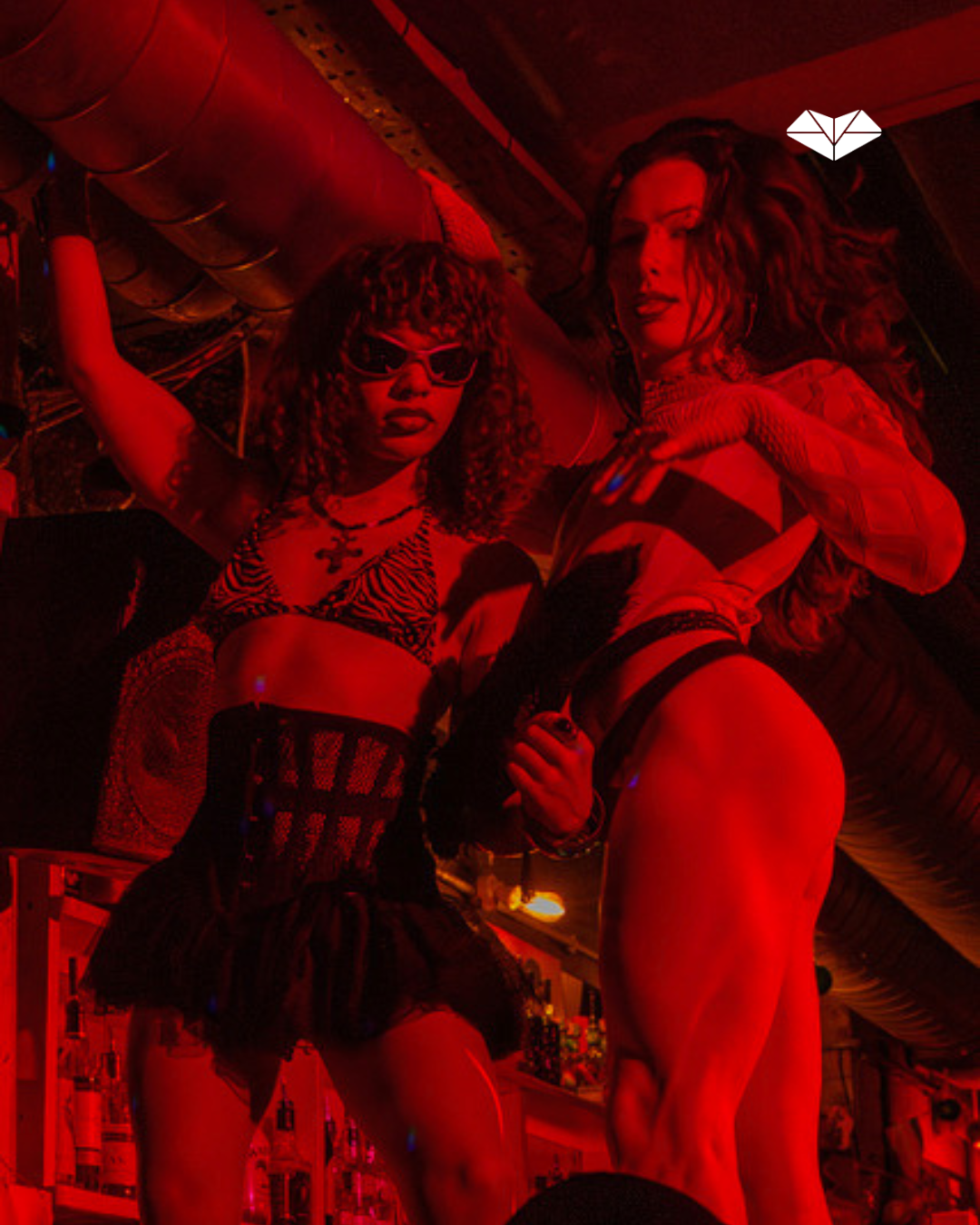
What have you learned through building NAFS that you wish you’d known when you started?
I’ve learned a lot about the different stages of healing within our community. Not everyone is in the same place, and there is still a lot of work to be done. We are still confronting transphobia, internalised homophobia, misogyny, internalised racism and classism.
As much as I love creating events that bring people together through dance, music and celebration, I genuinely love our workshops and symposiums where the difficult conversations happen.
We can talk honestly, without judgement, while still challenging each other and holding each other accountable, but doing so softly. That balance is really important to me. There are still things I am learning and unlearning.
What are you working towards with NAFS Collective now?
We need a space, but not just for NAFS.
I’ve been speaking with a number of other POC queer collectives about creating a community centre together. Something that could include a coffee shop, restaurant, bookshop, clothing shop, bar, club, artist studios and more.
The idea is to create a financial ecosystem that gives our community jobs while allowing people to bring their own talents to the table. We can buy directly from our creatives, support each other financially and keep money circulating within the community.
As much as I hate capitalism, it is real, and it isn’t going anywhere anytime soon. So we have to become smarter about how we operate within it. We need to really challenge ourselves about where our money is going and who benefits from it.
Queerness, or being a person of colour, shouldn’t be celebrated once a month. Our skills, our businesses, our creativity and who we are should be celebrated, and supported, all year round.
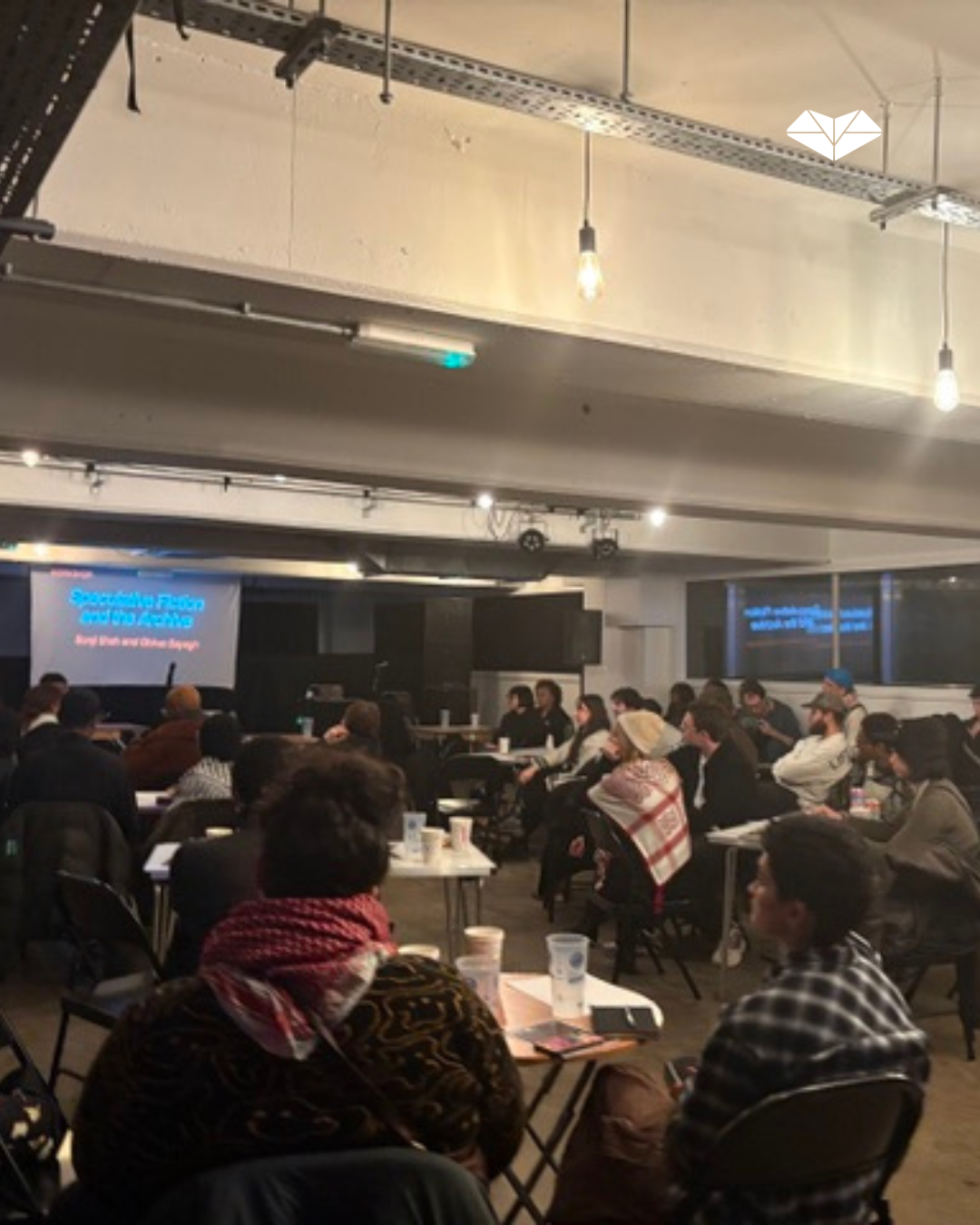
A lot of emerging creatives struggle to find spaces where they feel represented or understood. What would you suggest to someone who hasn’t found that community yet?
Your community is out there, but you have to look for it.
You won’t find your people sitting at home. You have to actively seek them out. Go to events. If you’re too scared to show up alone, bring a friend, allies are welcome too. Or reach out to the collective you want to join. More often than not, they will happily welcome you and find someone to meet you when you arrive.
You have to take the first step.
What advice would you give to someone who wants to create an independent cultural platform for their own community but doesn’t know where to begin?
I didn’t know where to begin either. I just did it.
But you also have to understand why you want to do it. Is it for yourself, or is it genuinely for your community?
I’ve been writing and speaking a lot about community lately, and I see people using the word to extract from others, building businesses that exploit their own people under the language of identity and representation. To me, that isn’t community.
When you start something like this, you quickly become the figurehead. You become everyone’s therapist. You help people find jobs, sometimes house them, connect them to resources, and do whatever you can to help them thrive, all while trying to maintain your own life and needs.
But community also means that everyone has a voice. Everyone’s opinion should be just as valid as the founder’s.
One thing I wish I had done differently is starting NAFS with other people. Sharing the stress, workload and financial burden would have made a huge difference. I think there is something important in remembering that a community platform shouldn’t depend entirely on one person.
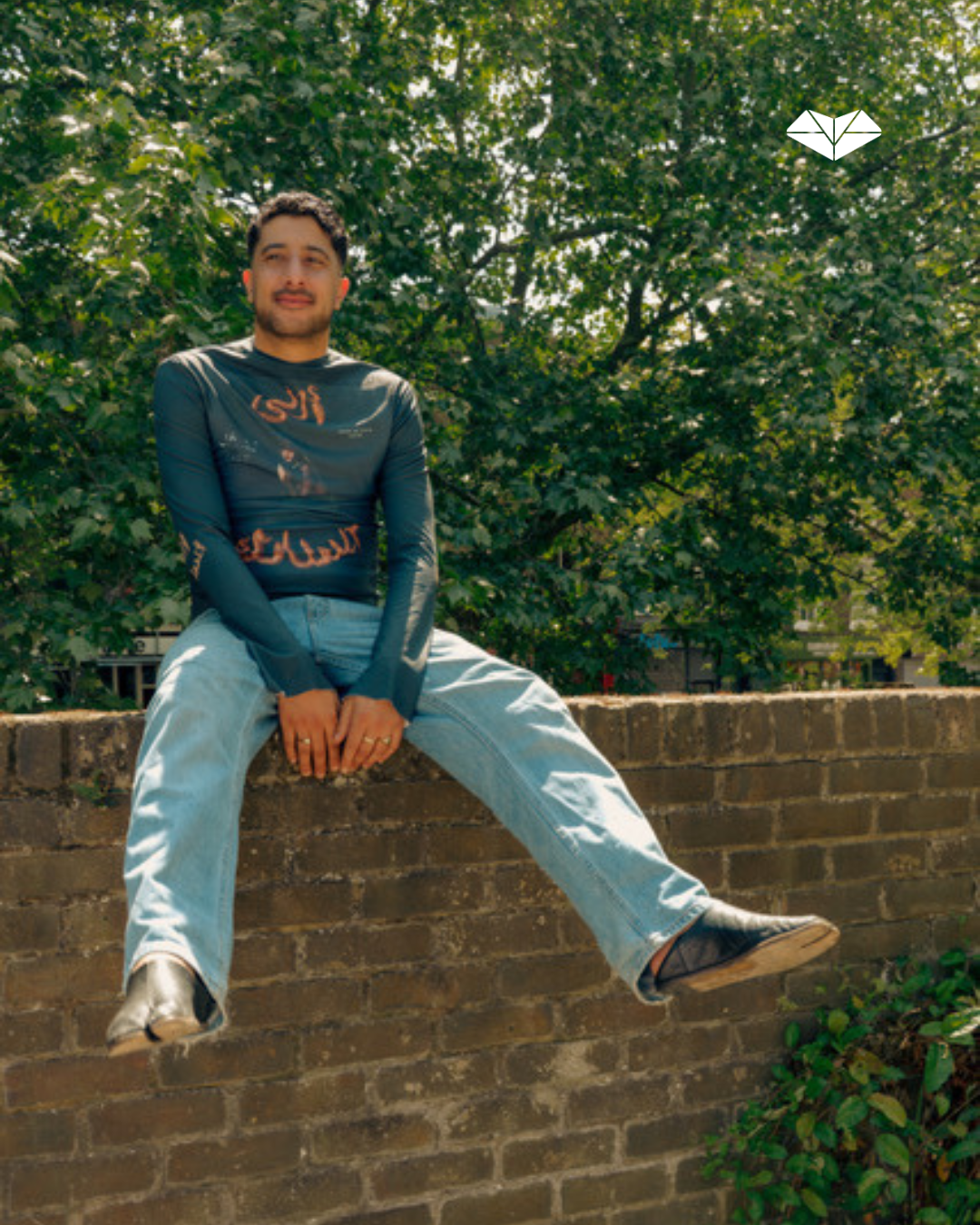
What have you learned about creating spaces where people feel comfortable participating and expressing themselves?
I’ve realised how much I needed this growing up.
A part of me heals every time I see how many people show up to our events. And my heart flutters when I hear that people have met their partners, made friends or found their people through NAFS.
That is the real success for me. It’s not just about putting on an event. It’s about creating the conditions for people to find each other.
What have you been listening to at the moment?
I’ve been revisiting the old ’90s R&B albums I loved growing up, Brandy, Toni Braxton, Mariah, Whitney, Common, Boyz II Men, Eternal, SWV, mixed with a little pop, house and, I have to admit, I’m going through a bit of a K-pop moment.
I’m also constantly listening to DJ sets to discover new talent, so through NAFS I listen to a lot of techno and experimental music mixed with SWANA sounds.
And as an emotional Pisces, my mood changes, so my music choices change too. One day I’ll be completely immersed in Chet Baker and jazz; the next I’ll have a sudden urge to listen to Slipknot.
I think it’s important to be nuanced. We contain multitudes, and our cultural identities shouldn’t dictate a single soundtrack.