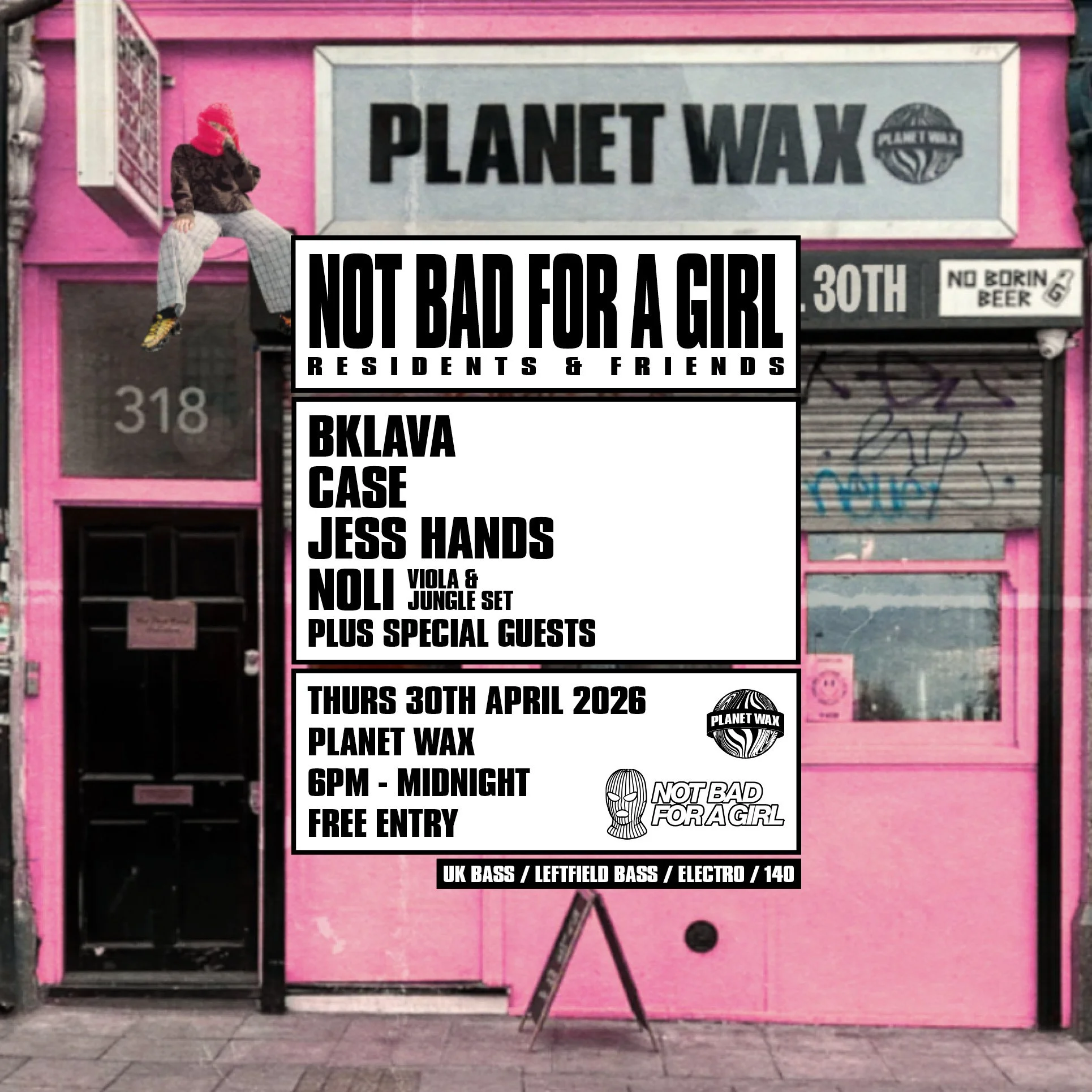
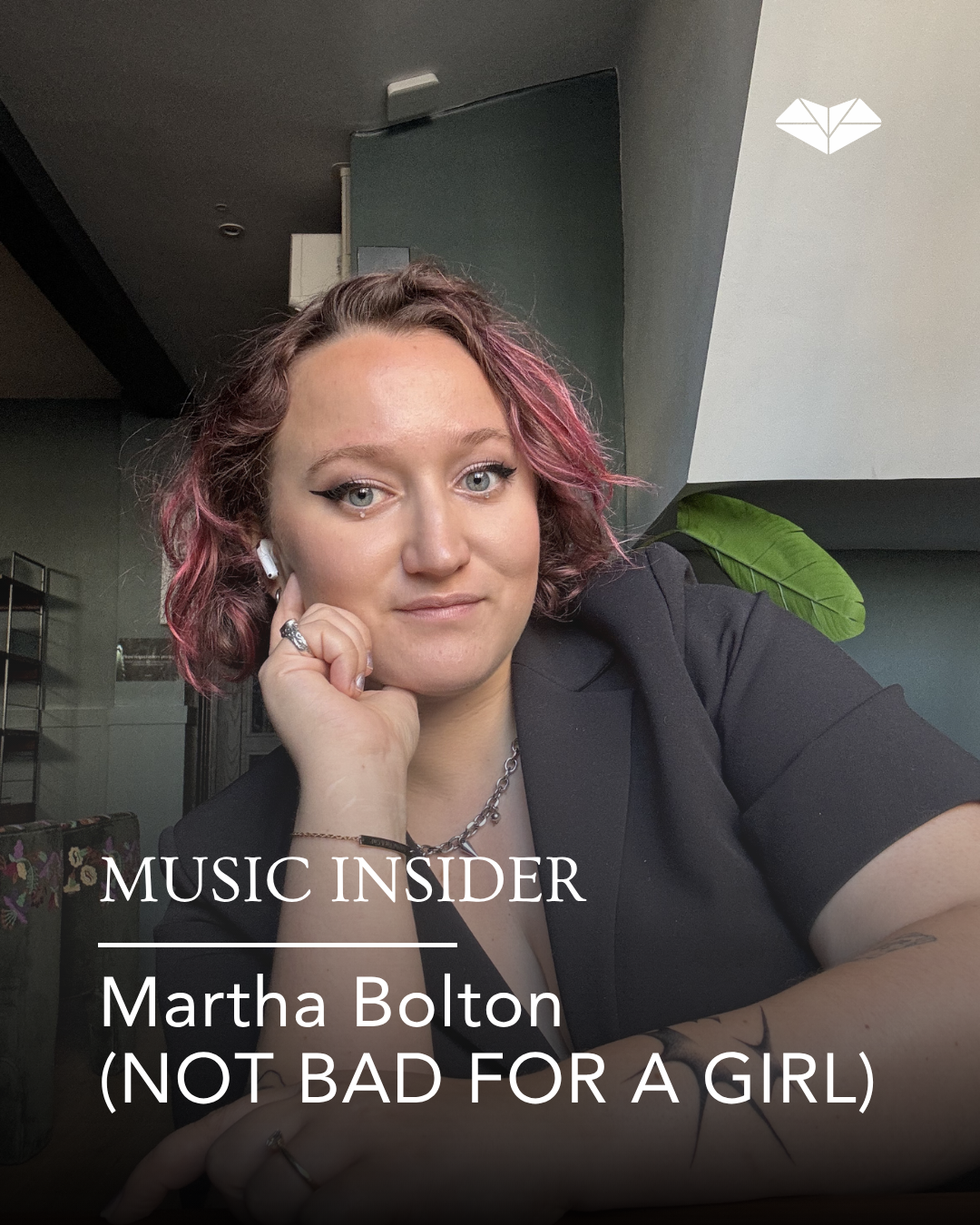
Martha Bolton is a champion of grassroots electronic music, a campaigner for gender equality, and an entrepreneur shaping a future for underrepresented artists. As the founder and director of NOT BAD FOR A GIRL (NBFG), she has built a platform that supports women and gender-diverse artists while pushing for better representation across line-ups, teams and opportunities.
Martha’s career spans the full spectrum of the industry, from grassroots venues to global brands. Starting out with an internship at The Cause, she went on to hold roles at Fuse FM, Critical Music, UKF and Defected Records, where she led digital strategy across major brand partnerships and campaigns, developing a strong understanding of how the industry operates across events, operations, labels and marketing.
Alongside this, NBFG has grown from a small collective into a recognised force in UK dance music — delivering events, building a roster of DJs, reaching millions through digital content and launching the EQUAL PARTS imprint, which has already received support from BBC Radio 1. Its artists now play at festivals and venues including The Warehouse Project, Glastonbury and Boomtown, while the collective has partnered with brands such as Converse and Schuh and featured in Mixmag, DJ Mag and UKF.
In 2025, Bolton stepped away from full-time roles to focus entirely on NBFG, as it continues to expand its work across events, releases and advocacy.
Through NBFG and your EQUAL PARTS imprint, you’ve supported emerging artists at early stages of their careers. What are the biggest barriers you see underrepresented artists facing -e .g. when trying to access live opportunities?
Currently the market favours artists who are releasing music and DJing, it’s often not enough to be doing just one or the other. Agents require streaming or monthly listener stats in order to build a strong case for a DJ. But there are various barriers for women and gender-diverse artists to access studio space in a significant way in order to refine their production skills.
These are typically male-dominated environments, not to mention there’s a 51% chance that they will experience gender discrimination in the workplace, with 33% of them experiencing sexual harassment. The world of production was not built with women in mind and is even less welcoming for women of colour, and trans women.
So not only do underrepresented artists have to beat the stats to secure bookings on line-ups, but in order to be considered for those gigs, they need to beat the stats to occupy studio space so they can fulfill the ‘producer’ requirement that the industry demands, in order to keep up a competitive edge.
You’ve worked across multiple areas of the industry, from grassroots venues like The Cause to global brands at Defected. What skills or experiences proved most valuable in helping you build a sustainable career?
I got my first job in music (at The Cause) via a Facebook message - it was the only ‘yes’ I received from around 100 clubs and promoters I’d contacted looking for work. In that and other jobs I had early on, the teams were small and scrappy meaning I had a lot of free reign.
I made the absolute most of that freedom, trying my hand at new things and being really ambitious. So I got really good experience in all sorts of areas of the industry very quickly. My two mottos are ‘fake it until you make it’, and ‘don’t ask don’t get’ - I can’t recommend those mindsets enough. Since I’ve started applying them to every area of my life I’ve achieved things that used to feel like unattainable dreams.
Something that’s consistently served me well is a good grasp of digital marketing. I’ve kept on top of changes in the marketing landscape and applied them in every role - from building a website from scratch in my first job, to owning digital strategies for brand partnerships at Defected. NOT BAD FOR A GIRL now reaches up to 4M people a month with our content, and growing!
NBFG published an open letter highlighting the regression in line-up diversity across festivals and clubs. What motivated you to speak out and what response have you seen from the industry so far?
I was motivated to publish the open letter after seeing a number of 2026 line-up announcements. My heart was sinking and it tapped into an intangible feeling a lot of us in the community were having. When I looked into it in detail to come up with some stats and compared them with previous years, it became very real - the industry has taken some enormous steps back with gender representation.
With the letter, it seems that I put into words what a lot of people were thinking and feeling. So we quickly received a lot of support from likeminded people in the industry, including CEOs from Association For Electronic Music, Featured Artist Coalition and Directors from PPL, Anjunadeep, Body Movements Festival as well as booking agents, nightclub owners and high profile artists like Mall Grab, Romy, HAAi, Dixon and more.
Their support is much needed of course, but actually the responses we’ve been most excited to receive were from bookers who were reconsidering their line-ups after reading it, or have said they’re not comfortable signing it yet until they’ve made some improvements, and want to work with us to see how we can help them do that. Directly influencing change was the goal!
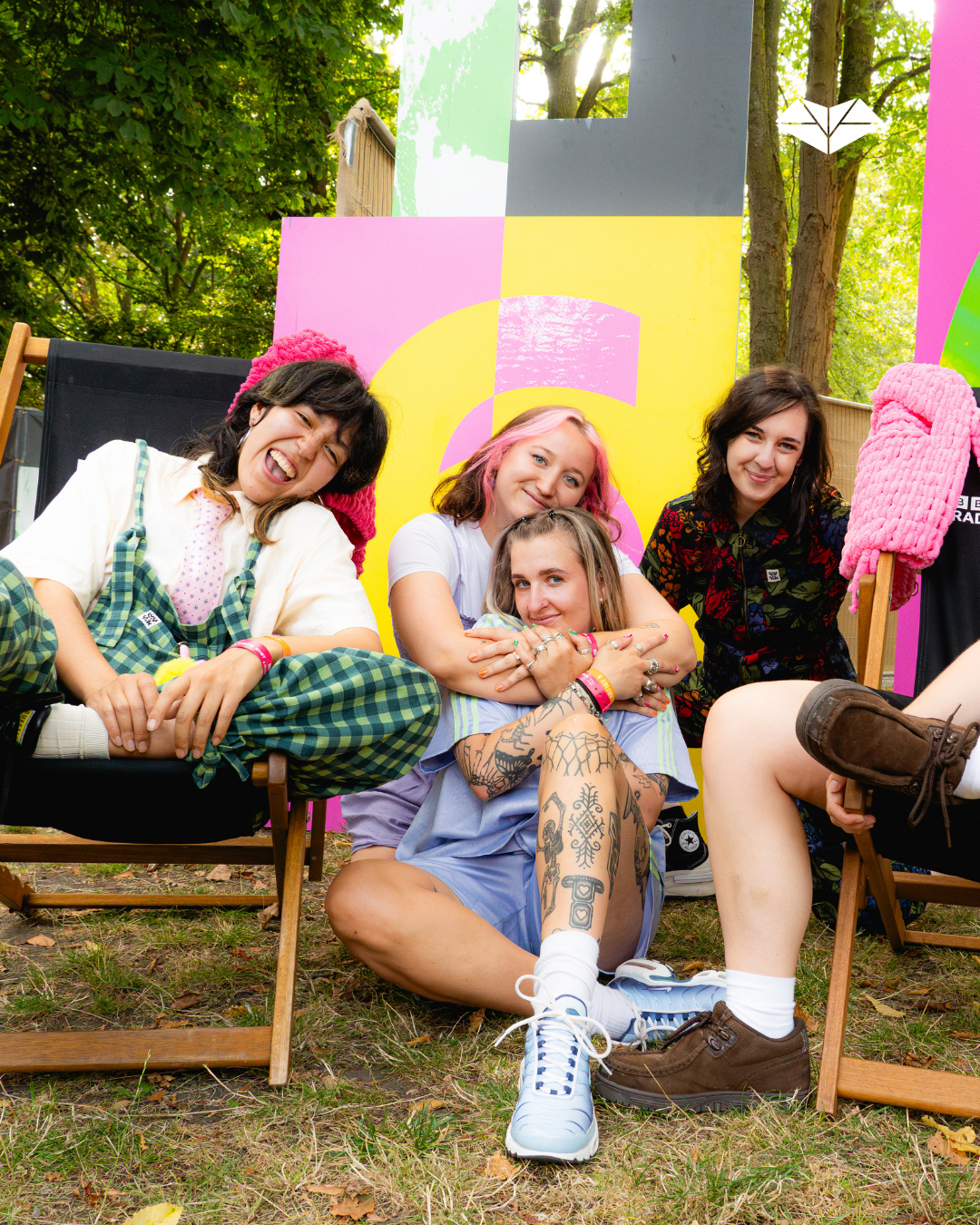
For promoters, bookers and artists who want to improve representation but don’t know where to start, what are some practical actions they can take immediately?
Engaging with organisations like us and other champions of gender-diverse talent online to broaden your booking pool is a good place to start. What we hear a lot is “but there just aren’t that many women DJs!” and this is just simply not the case if you are looking in the right places. Social media platforms can do a lot of the research for you - and it’s free!
Start engaging with gender-diverse artists and you will be fed more similar content/profiles by the algorithm.
Also, review who it is that’s making your booking decisions. If you are lacking diverse perspectives in the team, it’s likely that your bookings will skew less diverse and just being aware of that is a step in the right direction.
Of course I understand that immediately restructuring the team might be unrealistic - in which case, connect with your peers that are getting it right, or hire a consultant. They will suggest some fresh approaches and maybe even connect you with some suitable talent. I know there’s discomfort in asking for help, but in my experience, people who are making good progress are generally open to sharing and bringing others along with them. That’s one of the reasons we exist - to call people in, not call them out.
Networking can often feel inaccessible or opaque, especially for newcomers. What helped you connect with the right people, and what advice would you give to artists or professionals trying to build meaningful industry relationships?
If in-person ‘networking’ feels inaccessible or daunting, start by finding communities online. Maximise on your social media feeds. It makes starting a conversation or feeling connected super accessible - and free! Follow fellow artists, professionals or companies you’re interested in, send them a DM, celebrate their wins and learn from their achievements. This could make meeting in-person feel less scary.
There are organisations like NOT BAD FOR A GIRL, shesaid.so and more that also organise regional events or advertise networking opportunities so following the right people online could open up a world of new connections for you.
I think it’s important to say that our NOT BAD FOR A GIRL residents don’t all live in London, and most of them are part of really active dance music communities in their areas. Not living near a big city can sometimes feel like a disadvantage, but there are local scenes that thrive around radio stations, clubs, studios etc.
In fact, because we know how crucial these local scenes are, we're working on a series of regional events, and encouraging people from cities and towns outside of Manchester and London to get in touch if they want us in their area.
How do you stay motivated and protect your energy while continuing this work?
Maintaining a sense of humour has proved important! It can be draining work, because I hold myself and the rest of the team to a high standard. And the fight can feel relentless. But that’s why NOT BAD FOR A GIRL exists as a collective - we have each other to lean on and I wouldn’t be able to do this work without them. I have a safe space to offload.
Plus I have so much love for nightlife which keeps me going - our motto is ‘Equal Opportunity, Equal Pay and Equal Parts Spirit and Mixer’.
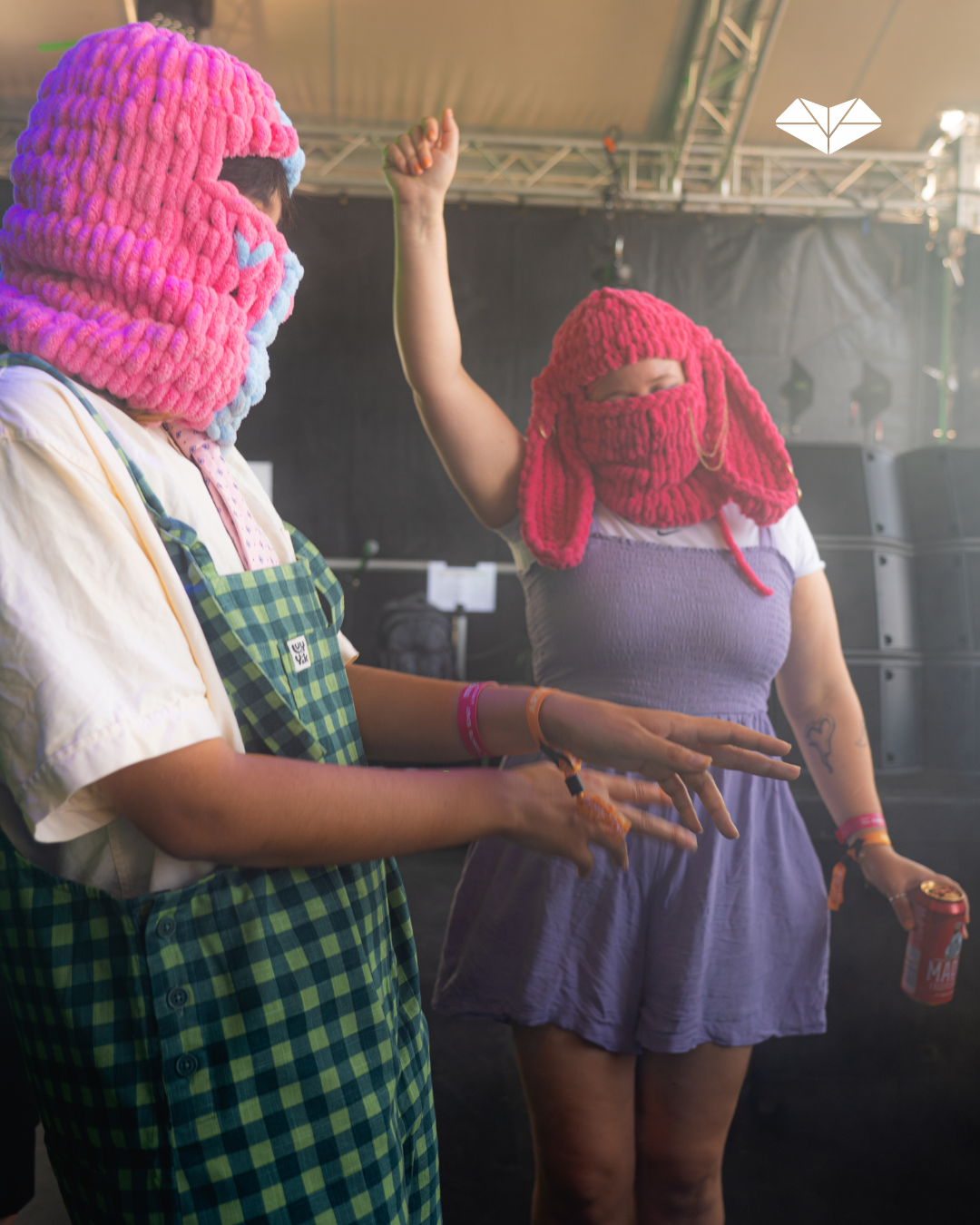
What do you think artists often misunderstand about how bookings and opportunities actually happen?
Show up to the events that you want to play at, don’t just expect them to come to you. There’s nothing wrong with being a fan first - support the scene that you want to be considered part of.
Also, what’s often misunderstood is how much graft it takes to be visible and attract the opportunities that you want! Let’s not understate how hard emerging dance artists have to work to be successful. In the current market, not only do you have to be making music, recording mixes and DJing, you have to be a digital marketing specialist producing regular content for multiple channels, a confident networker, a manager and agent negotiating bookings and navigating deals, all while also being active in nightlife which often means travelling and recovering from late nights. Add to that the additional barriers that intersections like race, age, class and gender have on people, and it can be truly exhausting.
That’s why NOT BAD FOR A GIRL’s fundamental values of friendship and solidarity are so important to us - we need a place to vent, sustain and inspire each other through it all. Everyone should build that for themselves.
3 things you can’t live without in your bag.
I have ADHD so if I only ever have three things in my bag my partner would probably perform a welfare check!
But my answer would have to be airpods, my laptop and a really good book. I am the kind of person who spends 5 minutes finding the perfect soundtrack for a 30 second walk. I’m also CEO of joining meetings from ridiculous locations - much to the amusement of my team. A few weeks ago I told my partner I was climbing the O2 and he replied “bet that’s a lovely spot to check your emails”. My ability to work on the go gives me so much freedom, which I love.