
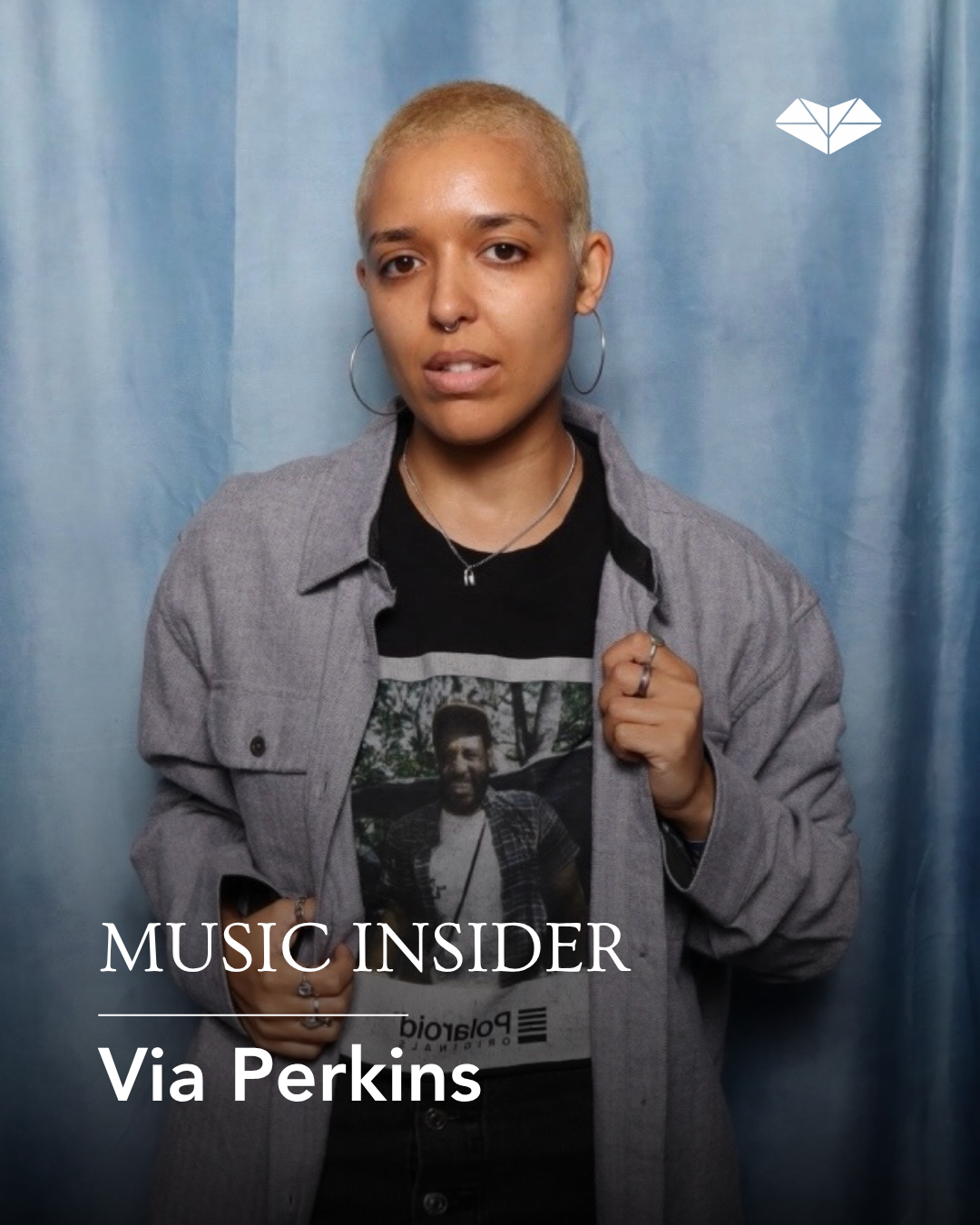
Via Perkins is a music marketing leader, independent artist and community advocate whose career spans brand services, startups and music-tech. Currently serving as Marketing Lead at Fave and SVP of Content & Community Marketing at Feeture, she previously helped lead international content marketing at CD Baby, one of the most influential names in independent music distribution.
Alongside her work in marketing, Via releases music as vialiveshere and is a frequent speaker, moderator and mentor, having contributed to organisations and events including Women In Music, The Digilogue, jump.global and Music Biz. Known for her perspective on the distinction between artist and brand marketing, she is also a vocal advocate for greater investment in women- and minority-led music businesses. In this interview, Via shares insights on music marketing, networking, creativity, artist support and building a more sustainable future for the music industry.
You’ve worked across legacy music companies, startups, artist marketing, and brand strategy while also being an independent artist yourself. How did your journey into music marketing first begin?
I entered music brand marketing by way of writing. I’ve been journaling since I could hold a pencil, and started writing songs in middle school. It felt like a natural skill to build a career on once I graduated college, and I thought I would “make it” when I landed a full-time role as a writer, but once I got there, I realized there was plenty more I wanted to explore. That’s what led me to apply to the Senior Communications & Content Marketing role at CD Baby. As a CD Baby artist myself for over a decade, it was the perfect fit in terms of alignment and mission.
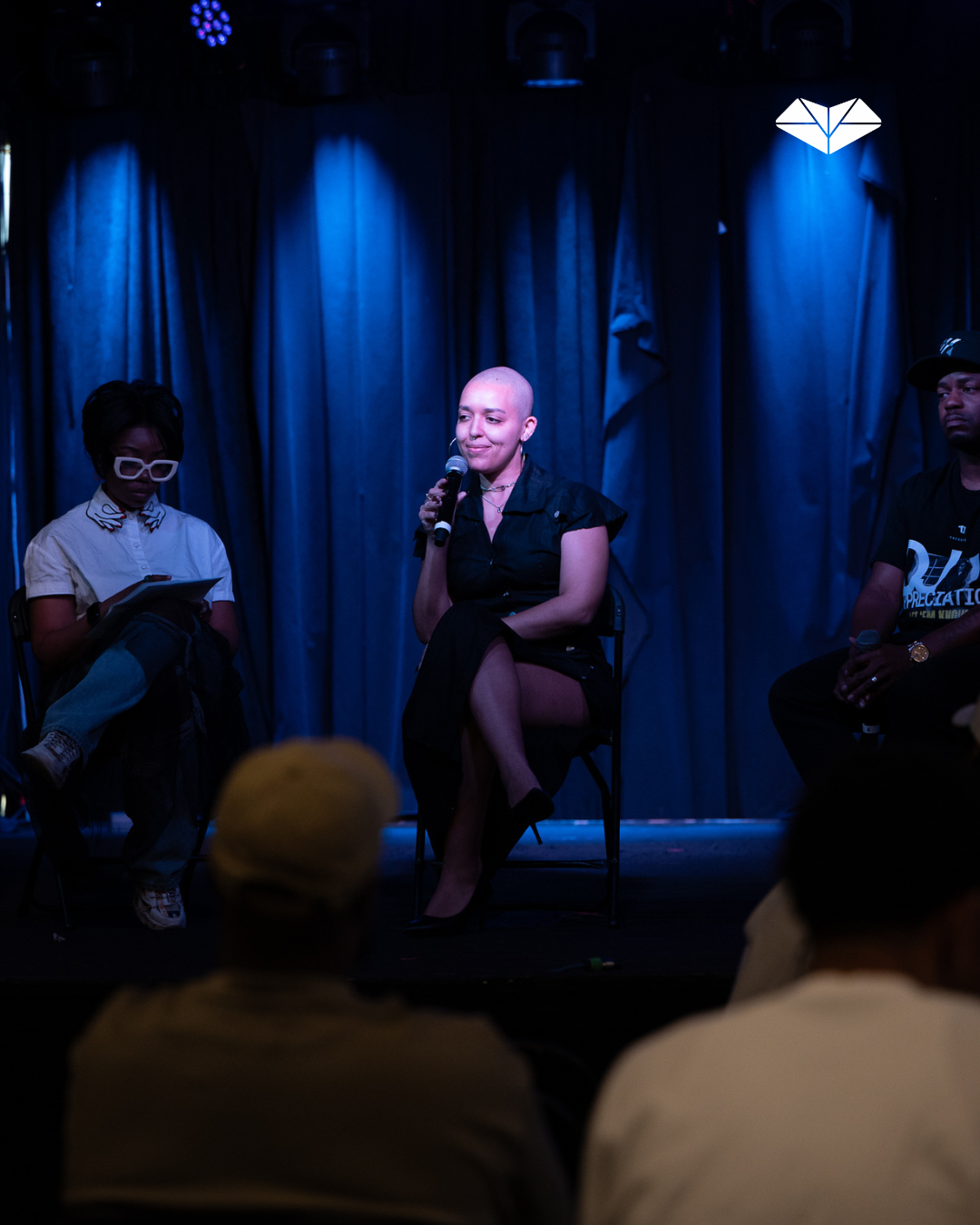
Photo credit: Stephanie Heath
You often speak about the difference between artist marketing and brand marketing — two areas that are frequently treated as the same thing. What are the biggest misunderstandings you see in the industry around this?
Whenever I meet someone new in the industry, I always clarify that I’m a brand marketer rather than an artist marketer, because people always assume it’s the latter. It’s understandable, because artist marketing is considered one of the “sexier” paths in music, and many folks looking to get into music want to work with their favorite musicians.
Lots of people aren’t even aware that the brand marketing path in music exists — and how cool it is. What I love most is the scalability aspect. Instead of working on individual artist campaigns, if you get to work with a company that has a great product and values, ideally the result is a better industry for many artists and music workers.
3 tips for emerging professionals who want to work in music marketing but don’t know where to start.
Tip #1: Learn as much as you can about the different types of music companies, nonprofits, and startups that exist. The more you understand about how the industry works at large, the more equipped you’ll be to discover what interests you and what area you might like to work in.
Tip #2: Once you’ve narrowed that down, check out virtual or in-person events that are held by those organizations (if they exist) to take a deeper dive, and potentially meet members of the team — just remember to be respectful of them and their time if you get the chance to chat one-on-one.
Tip #3: Once you’re ready to apply for roles, make sure that your LinkedIn profile and portfolio showcases why you’re the right choice to elevate a music brand, whether that’s through spec work, freelance work, or personal projects.
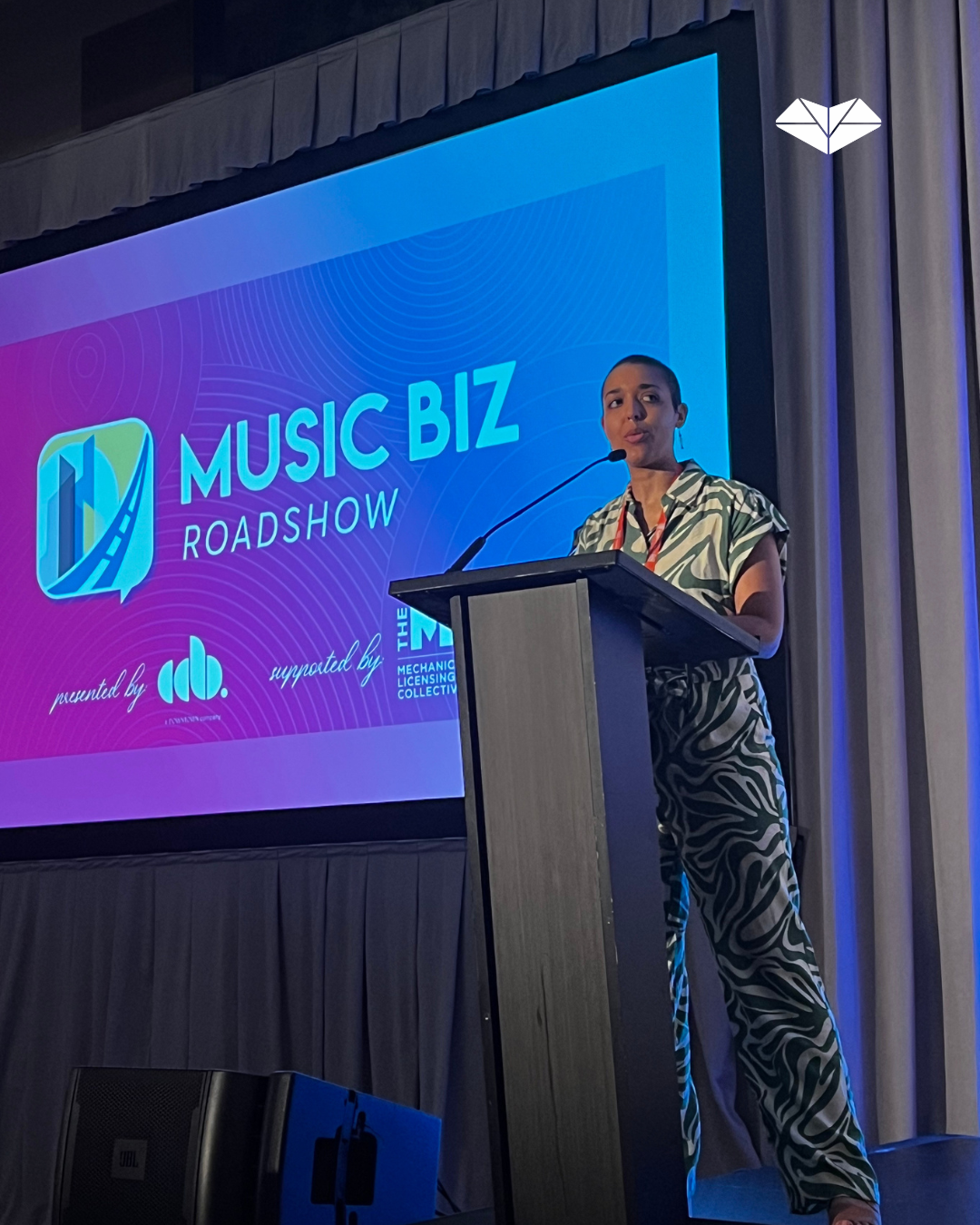
Networking can feel overwhelming. What advice would you give to people trying to build meaningful professional relationships?
First, remember it’s totally normal to feel overwhelmed within a group of people, especially ones you don’t know. Everybody in the room, regardless of how long they’ve been in the industry, is more than likely feeling some nervousness or self-consciousness.
One thing that can help you ease into networking is to first seek out a group of people who have similar work or lived experiences to you. For instance, join a Women In Music event and speak to other women about what it’s like to navigate music.
Or, if you have a tech background, join a music tech event to meet other folks that are building in that space. It makes it a bit easier to break the ice when you’re first starting out.
You’ve spoken openly about the funding gap facing women and minority-led music businesses. What structural changes do you think the industry still urgently needs to make?
My answer to this is twofold: First, creating networks of marginalized professionals in music that enable us to support each other in every way — from hiring and financially investing in each other, to making meaningful intros across different parts of the industry, and more — will shore us up when difficulties like economic downturns and layoffs inevitably arise. Second, we need more allies to hold folks in our industry accountable to bridge that gap.
If you’re not a marginalized person, consider what you can do personally to support a minority-owned music company or colleague, and follow through. This could be anything from connecting marginalized business owners to potential sources of funding, to ensuring a music industry panel you’re putting together is diverse, to just sending a word of praise or encouragement to someone of a different identity than you who is killing it in the business.
As someone balancing leadership roles, public speaking, community work, and your own music project, how do you protect your creativity and avoid burnout?
It’s challenging for sure, and I don’t have it all figured out. Lately, I’ve been wanting to prioritize my creative work more, because I can’t get the visions and sounds of what I want to release and how I want to release it out of my head.
One thing I’ve learned this year is that my physical surroundings matter when it comes to making music; for instance, it’s hard for me to focus in a space that’s small or cluttered. Sometimes I go out to a cafe to switch things up, stretch my legs, and refocus on what’s important that day, whether that’s music or something else.
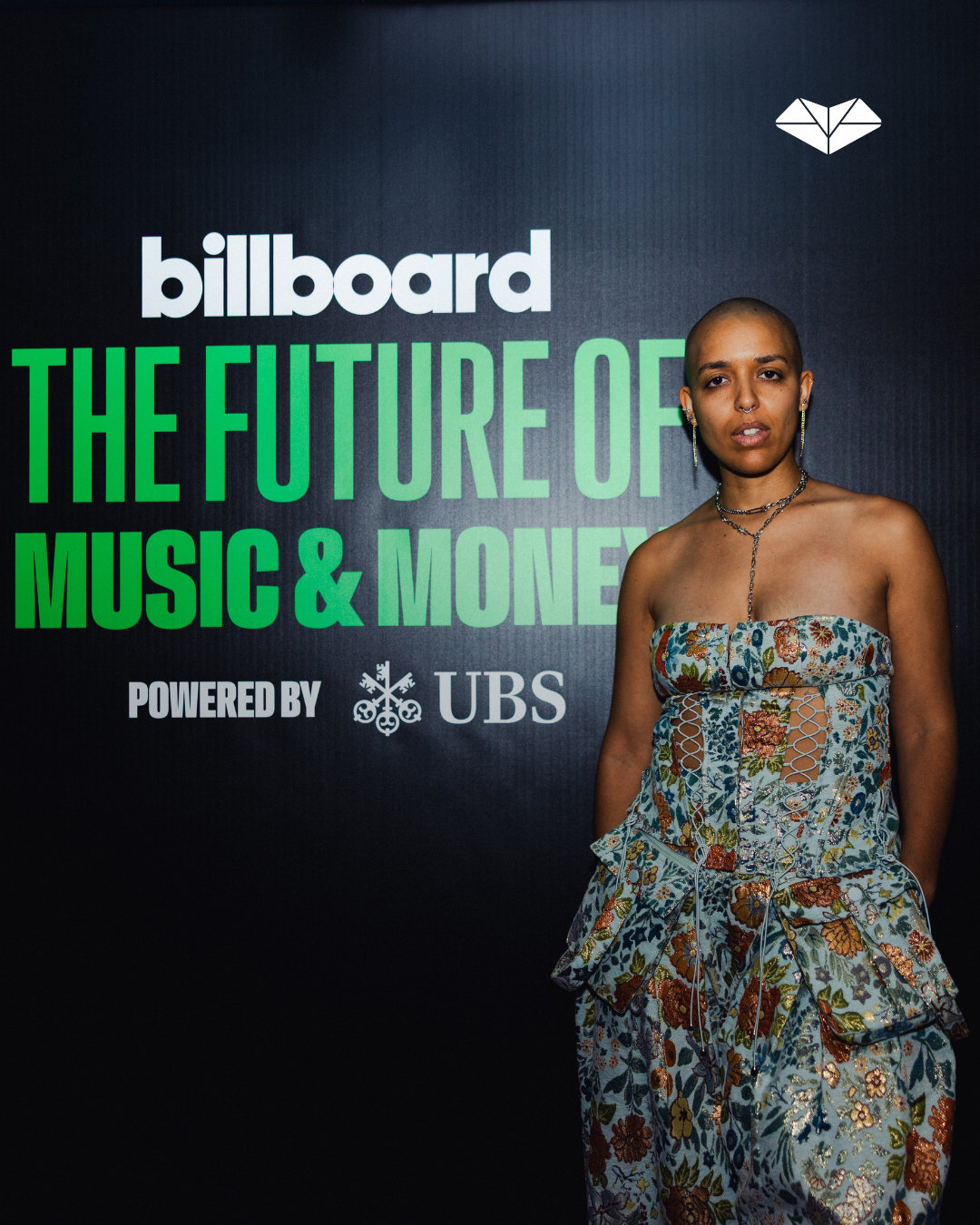
You’ve worked both inside established companies like CD Baby and within newer startup environments. What are the biggest differences between those worlds, especially when it comes to innovation and artist support?
There are usually big differences, both in the responsibilities you take on as a marketer, and in the ways you think about and drive success for the business. First, music companies have diverse target audiences — some may be selling to artists, some to other music companies, some to companies or creators outside the music space.
That means providing artist support may be key for one company, but not for another. And, if you’re working for a startup, you’re more than likely creating or scaling something that hasn’t been built yet. An environment like that typically requires more innovation than an established brand, and there are both challenges and exciting aspects that come with a business at that stage.
Your top independent artists and emerging music professionals trying to build sustainable careers.
There are so many, and I’m constantly inspired by them. I seek them out and amplify them where I can, often on LinkedIn and Instagram. Cathy Cao comes to mind as an emerging music professional on the artist marketing side, and she’s grown exponentially in the past two years since I first met her at an M for Montreal event in New York.
I’m always cheering her on from the sidelines as I see her drive results at major music companies and speak on industry panels. On the artist side, gentle mothh is making amazing music along with living out and sharing her values across creative disciplines, from streaming ethics to workers’ rights.