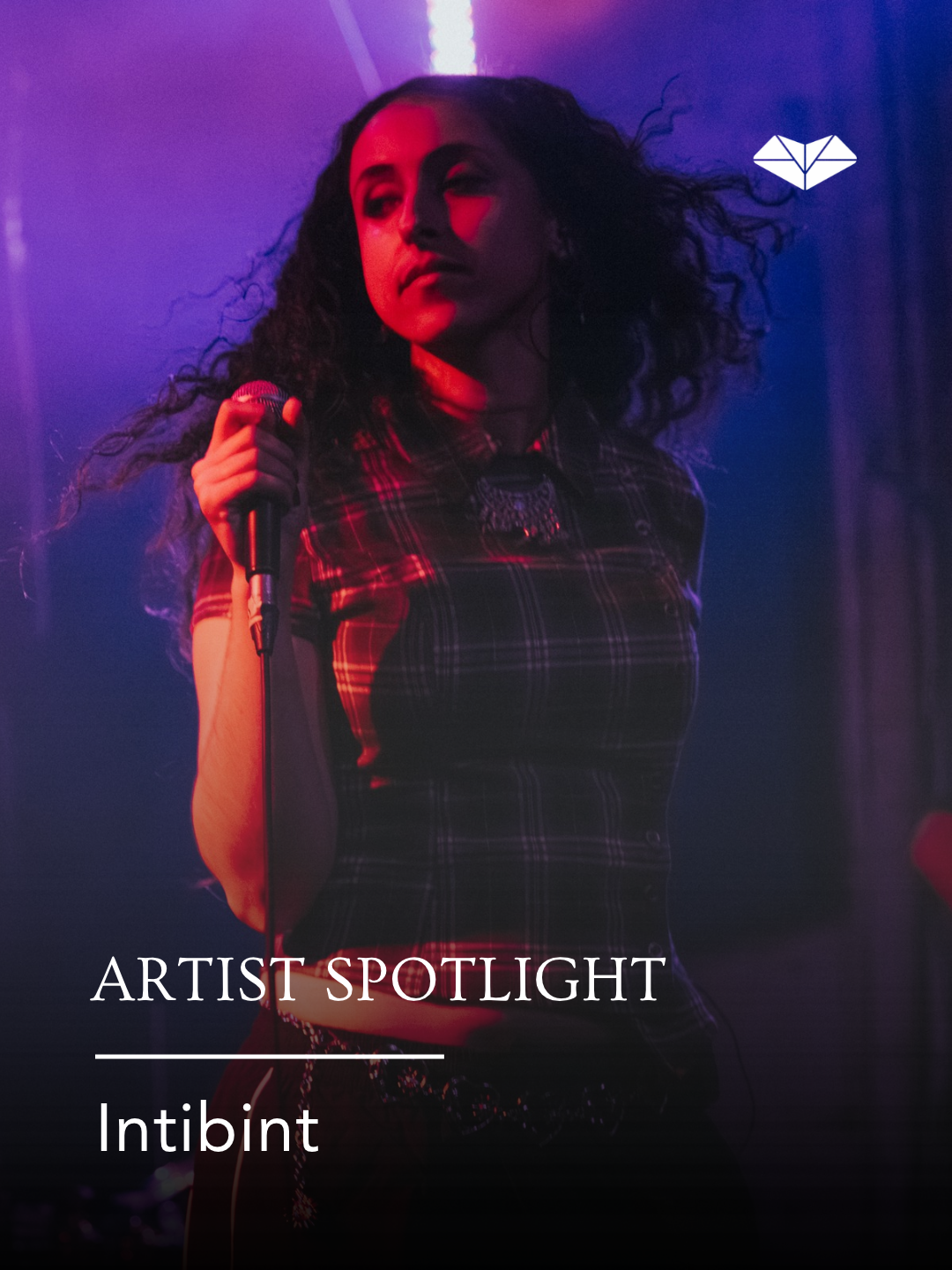
Intibint began learning to produce after finding herself repeatedly encouraged to pursue music as a singer. For the UK-based Yemeni artist, whose name is Noha, making her own tracks offered the freedom to follow ideas she couldn’t realise within other people’s expectations.
Her debut album, Half Moon Eyes, emerged from four years of that process. Released in September, it brings together downtempo, alt-R&B, EBM and experimental pop with influences from Yemeni musical traditions and the UK underground. On “DISRESPECTFUL AF”, grime-inspired production meets Yemeni field recordings, reflecting an upbringing in which both musical worlds were familiar.
Having written, produced, recorded and mixed almost the entire album herself, Intibint also chose to release it exclusively through Bandcamp and SoundCloud.
You grew up between the UK and Yemen, surrounded by traditional Yemeni and classical Arabic music as well as UK sounds like grime and DnB. How have those different musical worlds shaped the way you make music today?
It’s made my music palette quite varied; I find myself inspired by artists who come from totally different worlds, but ultimately all share the same love and deep appreciation for music. I think you can hear these influences in the songs, such as in DISRESPECTFUL AF, a beat heavily inspired by Grime but has samples of Yemeni field recordings in it. However, I feel like this experience shaped me not only sonically but in my approach to music-making, and as an artist in general.
I’m inspired by Grime not only due to the heavy bass sounds and witty lyrics but because it originated from people making music with whatever they had at hand; some of the earliest grime beats were made using game consoles, and were mostly made at 140 BPM because the people making them did not yet know how to change the BPM on the software they were using and therefore stuck to the default BPM. I coincidentally had the same experience; a lot of my earlier tracks are all at 120 BPM because I didn’t know yet how to change the BPM on the software I was using;
I just wanted to make stuff. They were not trained musicians but rather musicians built out of passion and a need for self-expression. Similarly, much of the early Yemeni music I’m inspired by was made for the purpose of bringing communities together and preserving culture through sound and storytelling. These approaches to making music have made me feel more welcome in the space and less like I have to step aside because I don’t have a music degree or didn’t learn to play an instrument growing up.
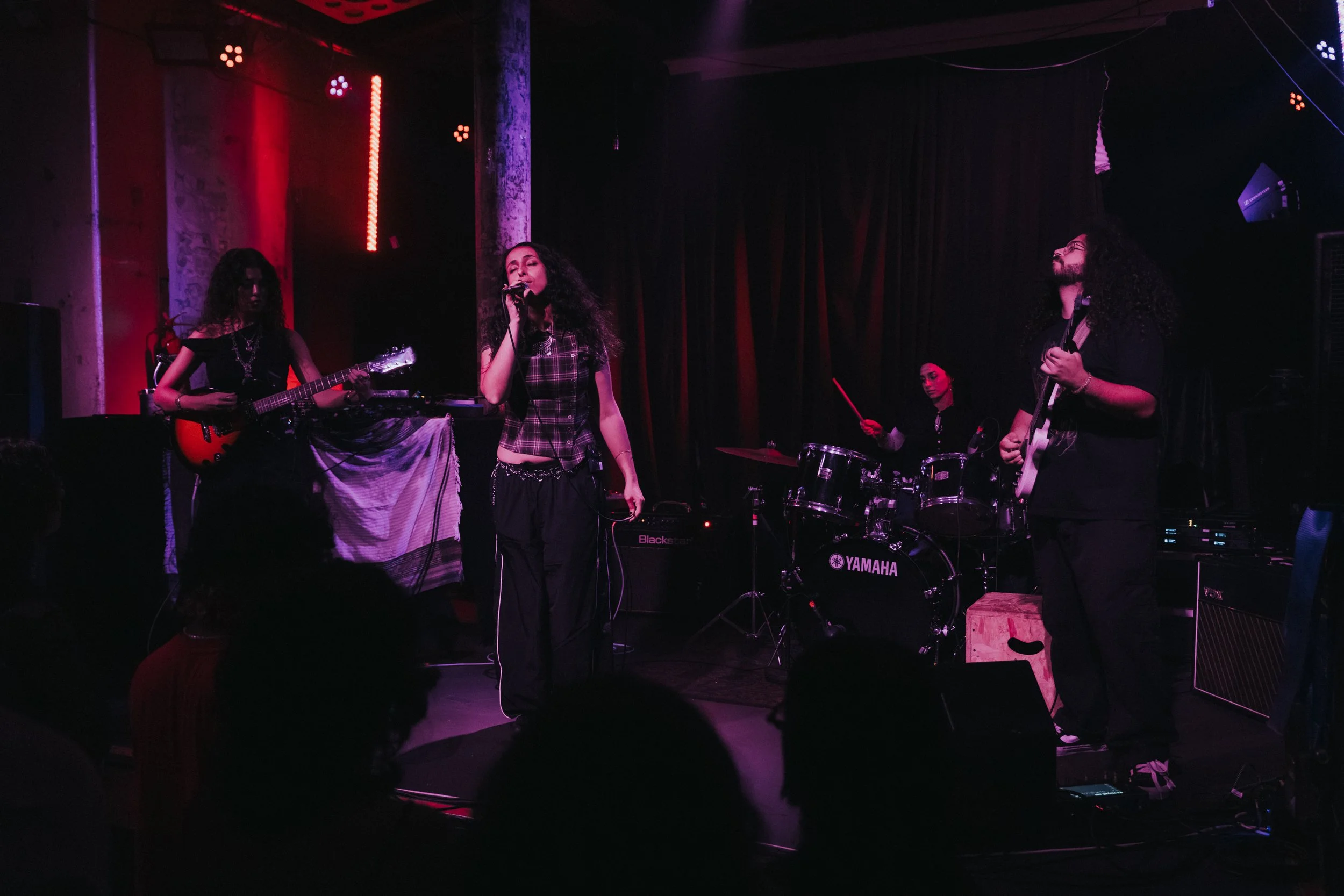
Half Moon Eyes was four years in the making and was shaped across different countries, experiences and periods of your life. What’s the story behind the album, and what brought all of those pieces together?
This album tells so many of my stories and experiences… It’s been with me throughout so much of my journey as a person first, then as an artist. So not really one story, but it all started with me deciding that I was going to dive into music in ways that felt right to me, and not by what I was being told was the right way. As a female singer, well, at least for me, I was constantly pulled into spaces and around people who wanted me to be a singer only, and saw opportunity in that.
For some people, this works well, and that is okay. However, this was never what I wanted, and deep down I knew that, but it was difficult to navigate at times, especially as someone whose highest level of experience in music was singing at a few talent shows at school as a kid. Whilst this was not the fitting route for me, I’m so grateful I had these experiences because they taught me what I didn’t want. This is where my journey as a producer began, and also where the journey of Half Moon Eyes started.
There’s so much more that I experienced whilst I was learning to produce: I moved out of my family home, I experienced heartbreaks, I witnessed a genocide from my phone screen, I saw my country continue to be destroyed, I found myself in community with people who cared about changing the world as much as I do, I lost touch with people I love, I met new people that I now love… and much, much more, and throughout all of that, the one thing I kept coming back to was my music.
Once life settled down a bit, in late 2025, I began to go back to all the music I’d made, and started to realise that I actually had a whole project sitting in my hard drives that could be my debut album. I was reluctant at first; it all felt very personal, so deciding which songs I wanted to share was a process in itself, but in the end I feel like everything fell into place so perfectly.
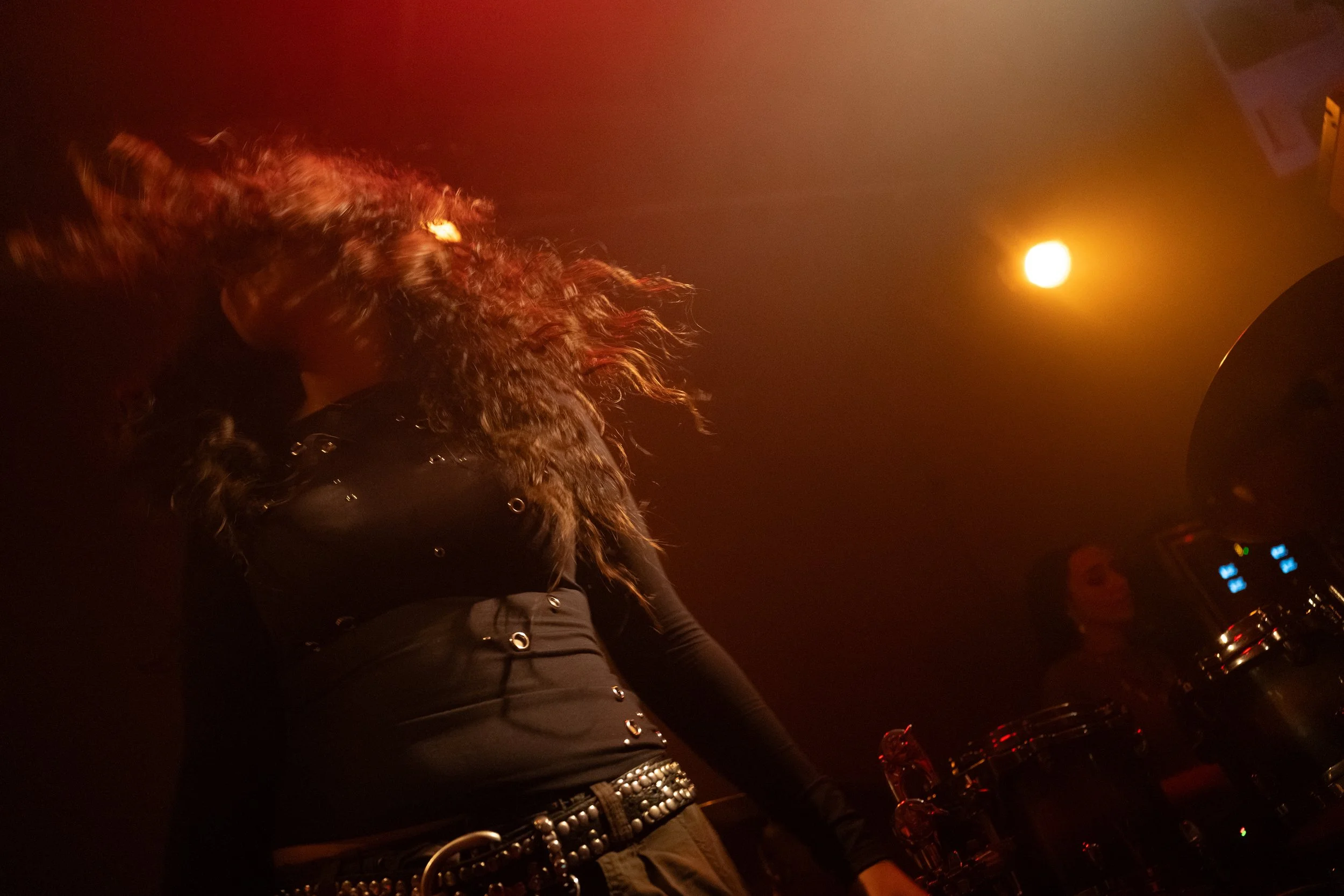
You produced, wrote, recorded and mixed almost the entire album yourself. What’s your favourite/least favourite part about making music?
Making music is really my favourite thing in the world. I’m so grateful for it; it has helped me in so many ways, even from a young age. I remember being a shy and tbh weird kid at school, and the one thing that made people actually see me as anything other than that was when I would sing at the school end-of-year shows and things like that. Now as an adult, it’s still what I turn to when I feel out of place in the world; I can at least have my music, and that will always be a space where I can be totally free.
My least favourite thing is capitalism…(haha). I’m an independent musician, and I work jobs on the side because it’s really quite impossible to make a living out of playing gigs or streams. This isn’t an experience unique to me, of course; it’s common amongst so many musicians, but at times it’s quite rough: long days, lots of exhaustion, playing a gig at 10 pm after I started work at my other job at 7 am that day can sometimes be a little overwhelming. I wish there was a little more support from our government for artists because I genuinely think it would solve many problems, including but not limited to: mental health, homelessness, cultural development etc…
You’ve chosen to release the album through Bandcamp and SoundCloud rather than major streaming platforms. What advice would you give to independent artists thinking about how and where to release their music?
Yes, my album is available on Bandcamp and SoundCloud only. Every artist is on their own journey, and our realities can look very different depending on our given circumstances. In terms of advice, I’d say, just stay true to yourself; don’t worry too much about what other people are doing. Just because everyone’s putting their music on Spotify doesn’t mean that’s the only way to do things; stay informed and do what feels right to you. You won’t always get it right, and that’s okay!
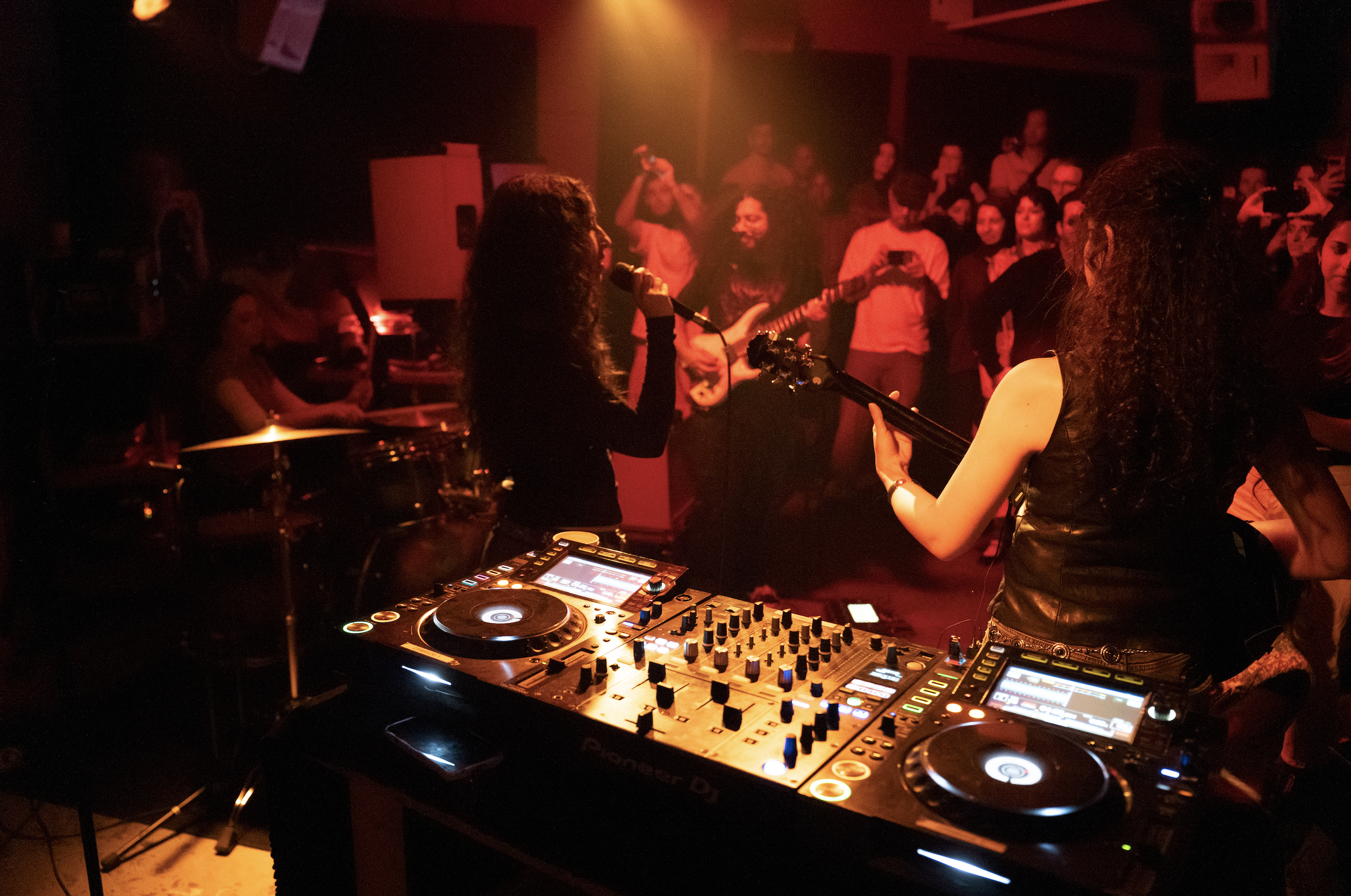
How do you unwind and reset after a challenging day at the studio?
I live around 45 mins cycle away from the rehearsal studio I go to, and my favourite way to unwind is to cycle home on a Lime bike and listen to some Grime or heavy metal.
What advice would you give to artists who are trying to find their own voice without feeling confined by other people’s expectations of their identity?
Take some time away, go to a different city, away from people who have had any expectations of you. The people aren’t always the problem; sometimes people have expectations because they want the best for you, but the reality is it doesn’t really matter; it’s all noise. Go somewhere where the noise isn’t so loud, and there you might be able to hear the little voice inside you much better.
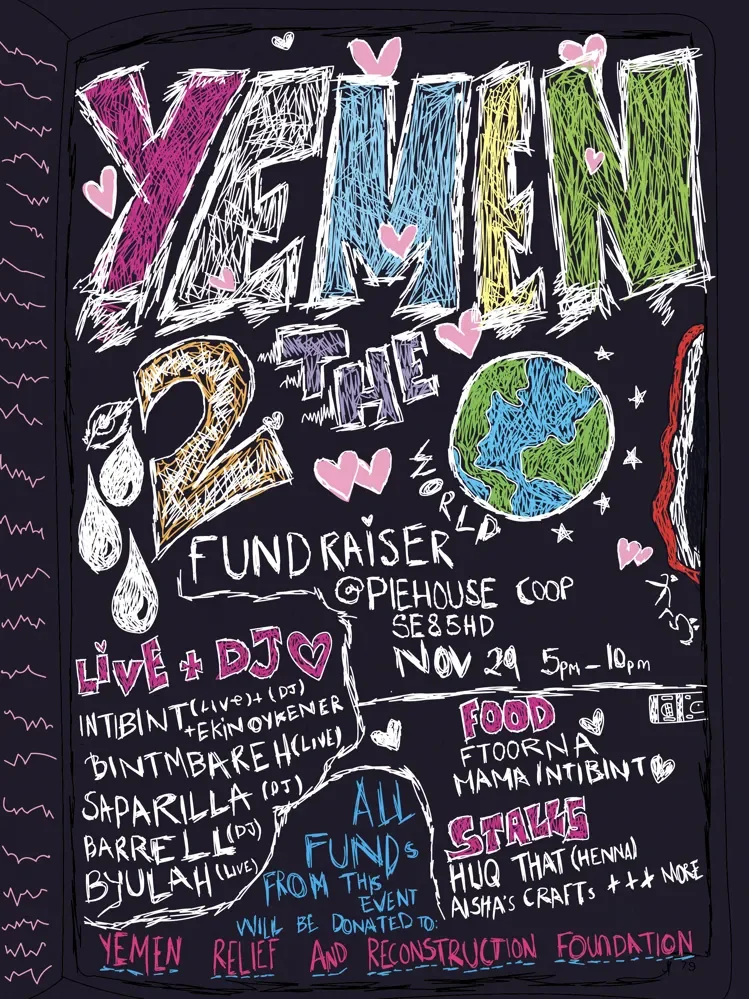
Sunday the 29th of November join Intibit and friends for an evening of music, love and community as they come together at Piehouse Co-Op to raise funds for Yemen that has been attacked relentlessly. This stunning line up of artists, creators and creatives are all coming together to offer their time and creations to help raise funds for the Yemen Relief & Reconstruction who are providing life saving support to people in some of the most remote areas in the country.
GET TICKETS HERE