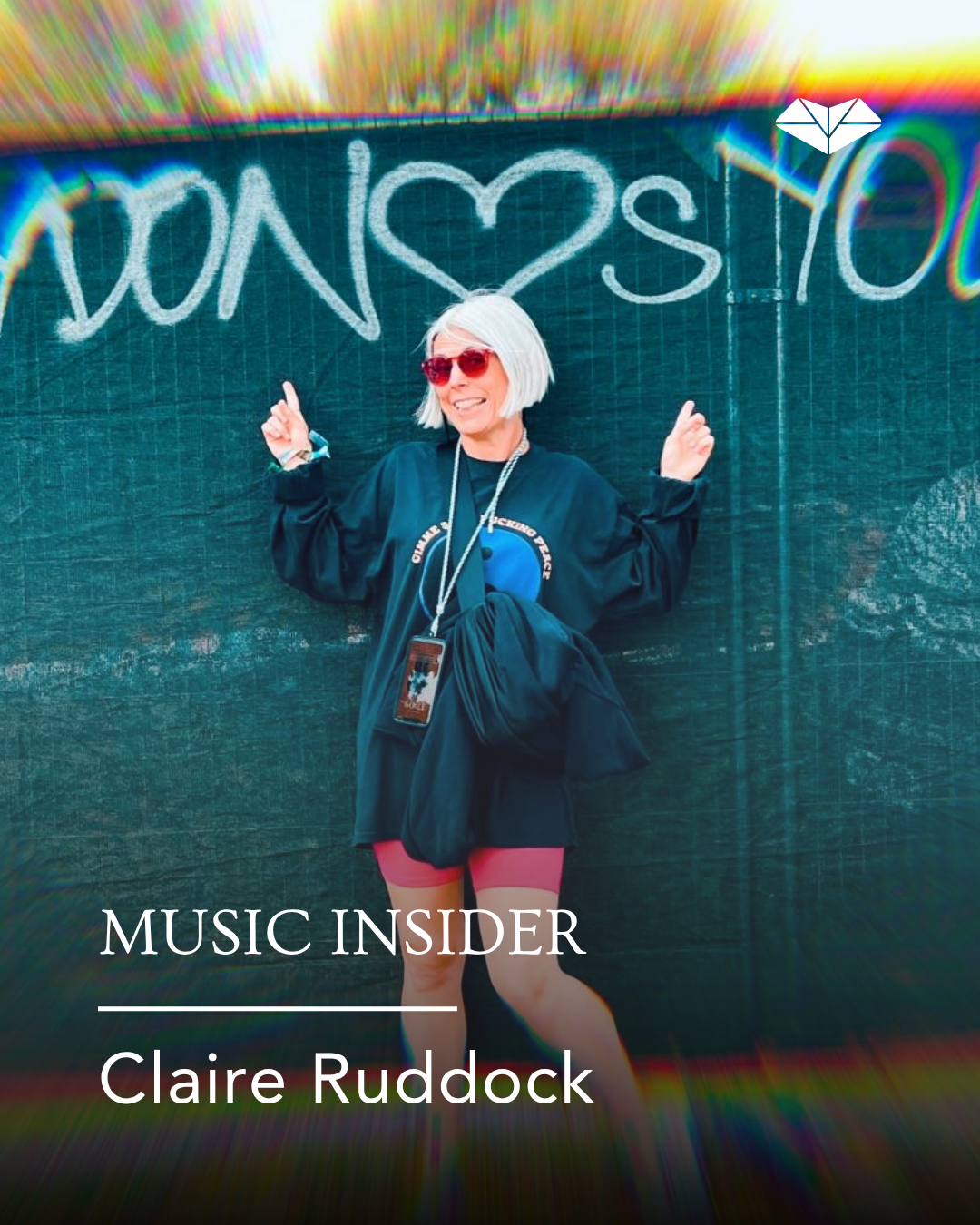
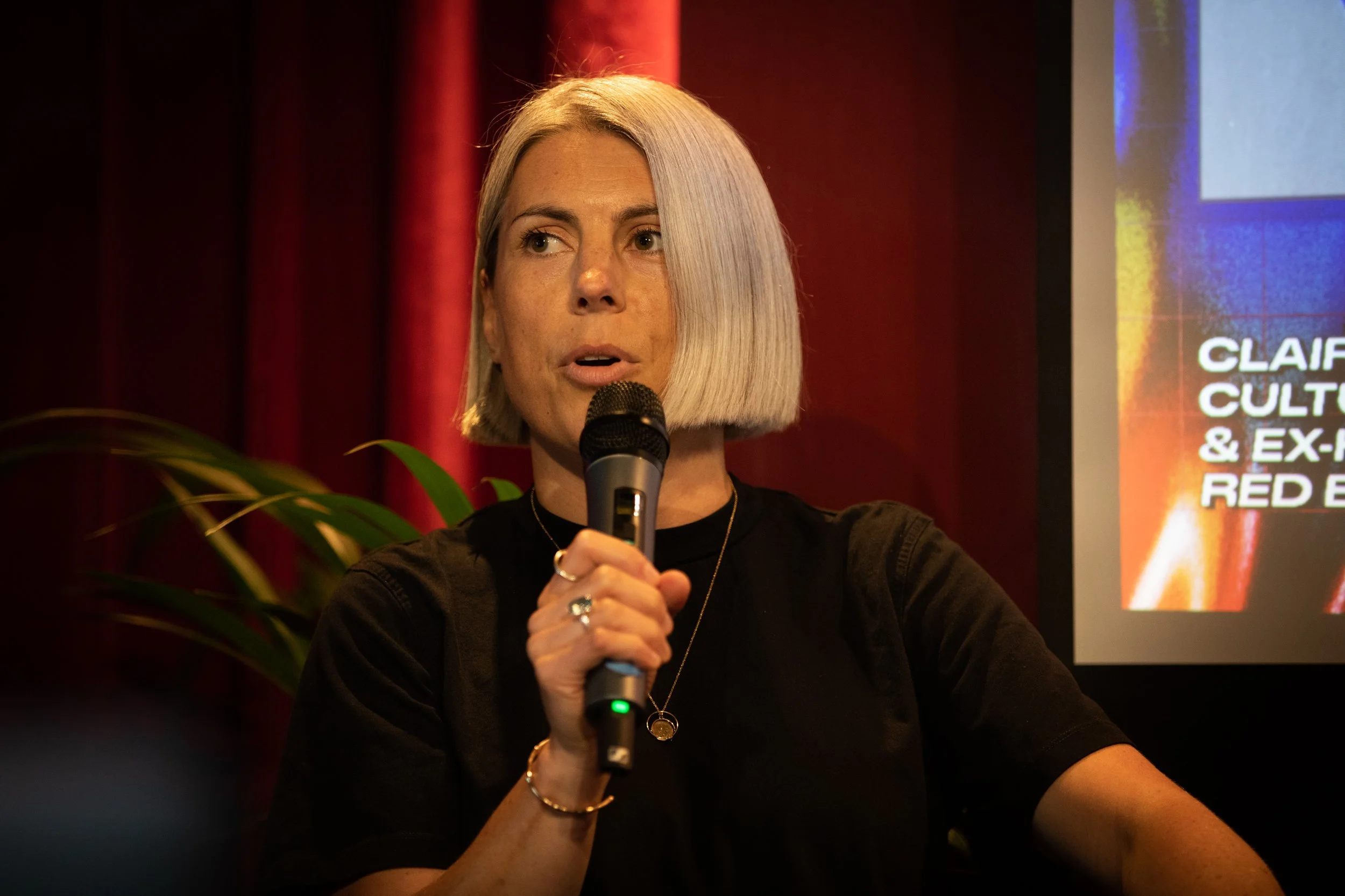
Claire Ruddock is a brand, marketing and culture specialist with more than 25 years’ experience across music publicity, festivals and brand partnerships. Beginning at independent PR agencies, she worked on campaigns for Radiohead, Britney Spears, Massive Attack and Oasis, alongside regional press for Reading & Leeds.
Travelling between venues and tour stops across the UK, she became increasingly interested in the production behind live shows and the audiences experiencing them. Her move into festival marketing included leading campaigns for T in the Park on behalf of Tennent’s Lager, with headliners including Eminem, Blur and The Killers. She later spent nearly seven years at Red Bull, progressing to Head of Culture and working across Culture Clash, Red Bull Music Academy and events at Notting Hill Carnival.
Following a freelance period spanning consultancy, leadership coaching and a partnership between TED and PwC, Ruddock has returned to live music events at BWL. Her experience on both sides of brand partnerships informs a practical understanding of what makes them work and where priorities can clash.
How did you start your career in music?
Writing for a magazine in Bournemouth while I was at uni in Southampton. That got me music PR contacts, those became work experience opps at indie PR agencies and label press departments, and a recommendation from someone at one of those, got me my first proper job. It was a small pop PR agency, just the two owners and me.
Back then you physically ran press shots round to the Smash Hits office, faxed through guest lists, and did the press cuttings with scissors and glue.
Business Of Culture
Your early career took you to venues and tour stops across the UK. What did you learn about regional audiences that music marketing teams still overlook?
Every city has its own personality, and the crowd shows it. The same tour or event lands completely differently in Bristol, Manchester or Glasgow. But the bigger lesson was about audience diversity in general, not just location.
This industry can have an echo chamber problem; programming and production decisions based on lived experience and personal taste of people in a handful of London postcodes. Those decisions should be informed by the people who’ll actually be in the room. Also, Glasgow is hands down the best place to watch live music in the UK (Barrowlands holds a special place in my heart).
Having worked on both sides of brand partnerships, what should an artist, promoter or music organisation understand before approaching a brand for funding?
That a brand isn’t simply a cheque, it’s a partner with its own objectives. Your project is a means to their end, so start with what they need – an audience, credibility, content, a story to tell – and show how you deliver it. Get to grips with how they work: briefs, KPIs, sign-off chains. And be clear upfront about what you will and won’t compromise on.
The partnerships that work are the ones where the brand adds something to the culture, rather than just putting a logo on it. Having worked on both sides, I’ve found parties often want the same thing, but they speak different languages and interpret things differently so learn to navigate that.
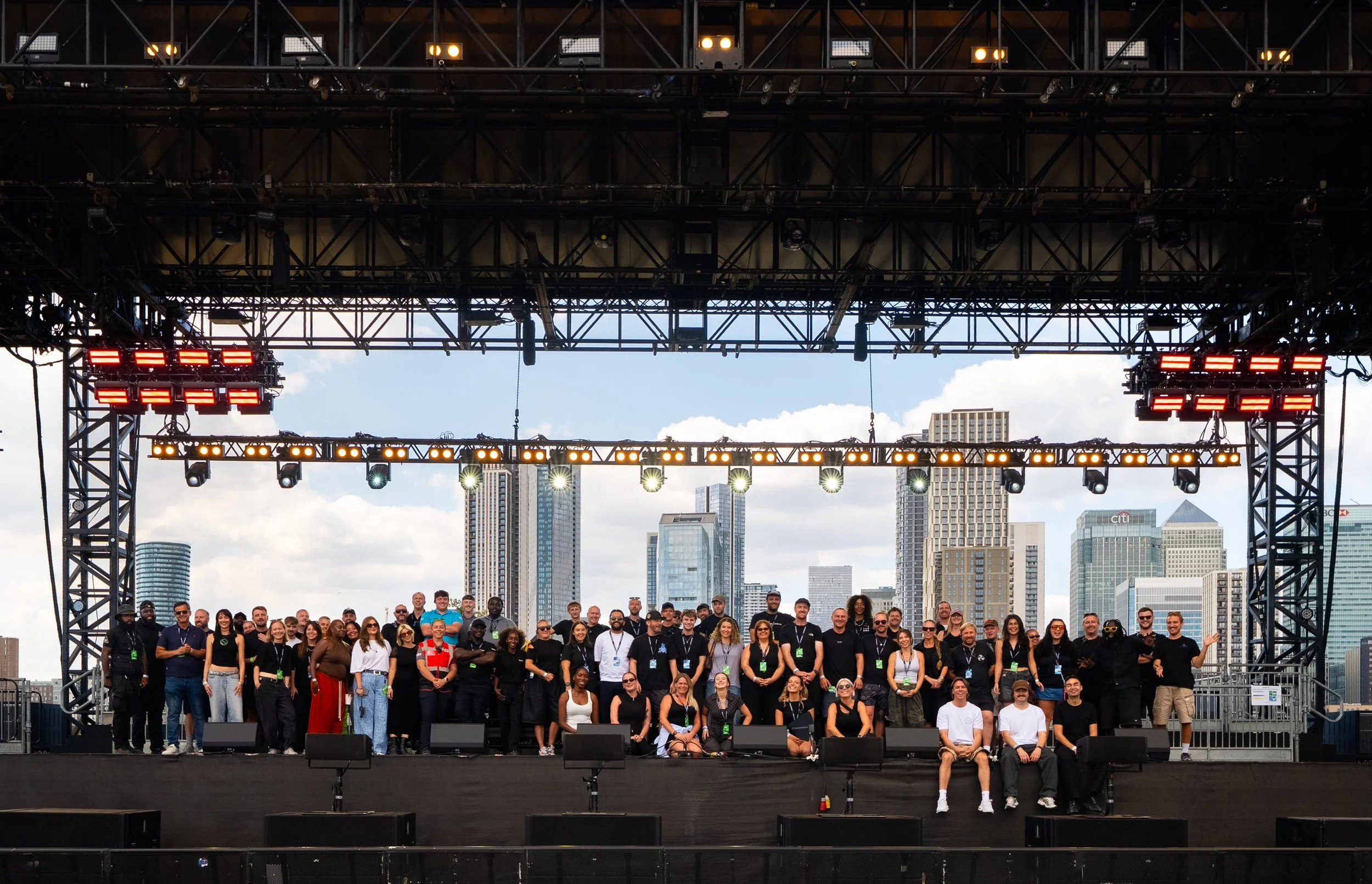
MOA Team Photo 2026
You’ve led small teams and worked within global businesses. What can smaller music organisations realistically learn from bigger companies?
Proper business planning. Big companies are good at it because they have to be: build the plan, share it so the whole team knows what they’re working towards, stick to it, and report back on how it’s going. Smaller organisations often run on instinct and goodwill, which works brilliantly until it doesn’t.
The other is stakeholder management; knowing who needs to know what and when, and bringing people with you rather than surprising them. None of that needs a big budget, just discipline.
You’ve changed direction several times in your career. How do you recognise when it’s time to move on, and work out what to do next?
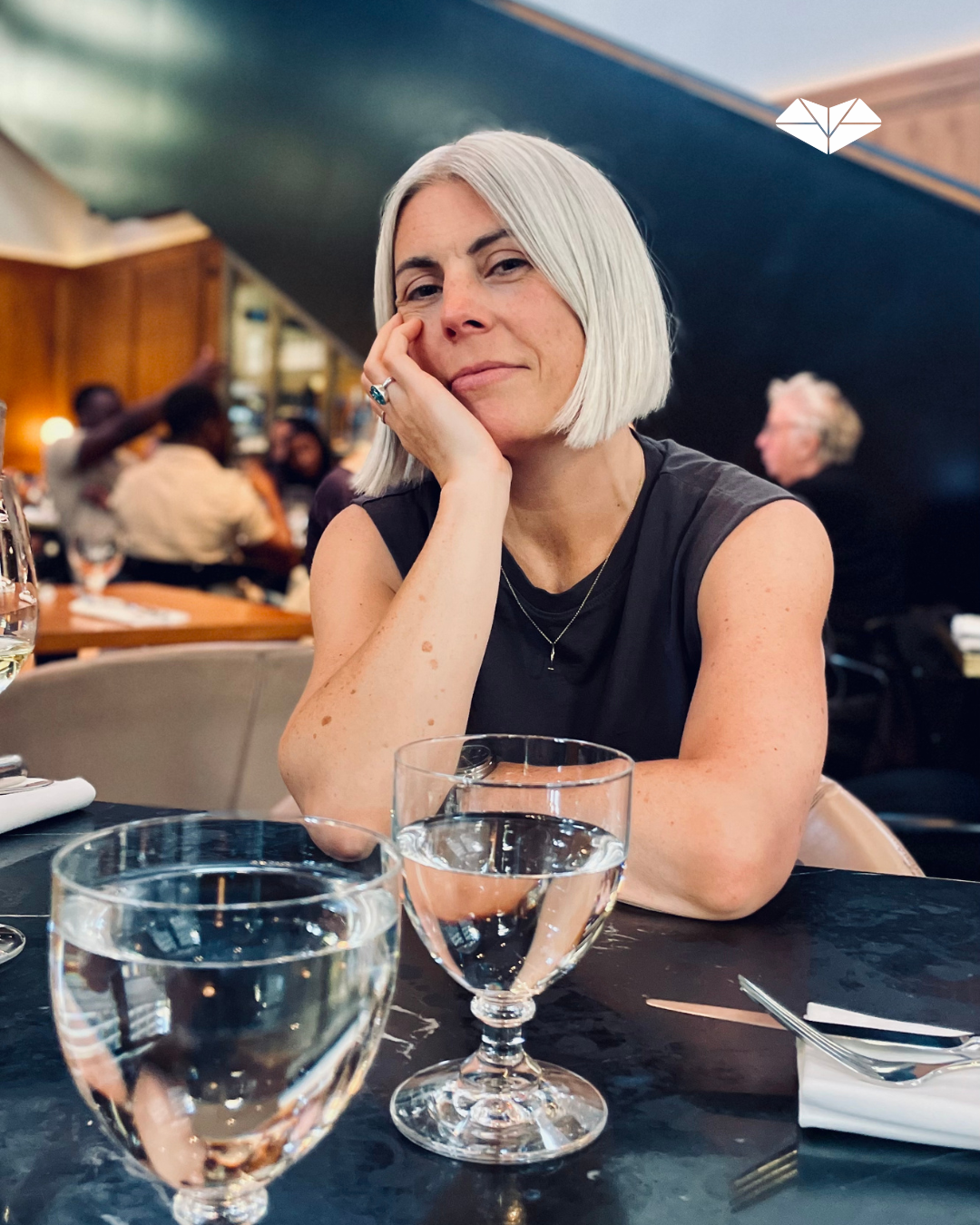
When I’m doing the same thing over and over – same conversations, same campaigns, same cycle. The definition of madness. I’ve never had a career game plan. Sometimes the universe makes the call for me. Every job has come to me one way or another: a recommendation, a headhunt, or an organic conversation that turns into a role built just for me.
I’ve tried to be open to opportunities, trust my gut, and I don’t stick around when something feels off. I’ve left things without the next thing guaranteed, and that’s meant periods of real insecurity – financial and personal – but I needed space and time to get clarity.
I don’t focus on the title or the clout that comes with a job, I focus on the who and the what. Do the people I’ll work with really graft and care? And will there be big moments when I’ll be buzzing from seeing the work come to life?
What’s your best tip to connect with the right people in the industry?
I don’t believe in networking, or connecting with people specifically to “further my career”. First, define ‘right’. For me, the right people are the ones you’d want to hang out with outside of work. My best work has come through friends, and some of my best friends have come through work. So look for friends, not strategic connections.
Build relationships with the people you meet at a gig or on a dancefloor. Don’t talk shop – talk life. Be yourself, be sincere, and help people before you ask them to help you. Do your job well and people will notice – and they’ll tell other people. And just don’t be a dick.
How do you wind down on a challenging day?
Get in the bath. There’s no ailment I don’t think can be fixed by hot water.
What are you listening to at the moment?
Dopamine Chamber by Fontaines D.C. On repeat since release day.