For Refugee Week 2026, we spoke to four artists whose work is informed by heritage, migration, community and belonging. Basma, Habibtati, Bushbby and Jodie Yates draw on personal experiences, family histories and the communities around them to shape their creative practice.
Their stories span Sudan, Jamaica, Colombia, Armenia, Iraq and Iran, as well as the diasporic communities that continue to influence cultural life in Britain and beyond. While their perspectives differ, each reflects on the role music plays in carrying memory, preserving culture and creating a sense of home.
This year's Refugee Week theme is Courage. Across these conversations, courage takes many forms: protecting cultural heritage, creating space for others, building community and continuing to make work in uncertain times.
This year also marks the launch of Clubs & DJs for Refugee Week, a new grassroots initiative inviting clubs, DJs, promoters, sound systems and collectives to take part in Refugee Week through events, takeovers, fundraisers and community gatherings. Rooted in the belief that dancefloors can be spaces of connection, belonging and solidarity, the initiative encourages people across the music community to get involved, whether by supporting an existing event or creating one of their own. You can find events taking place near you, or learn more about how to participate in future editions, via Refugee Week.
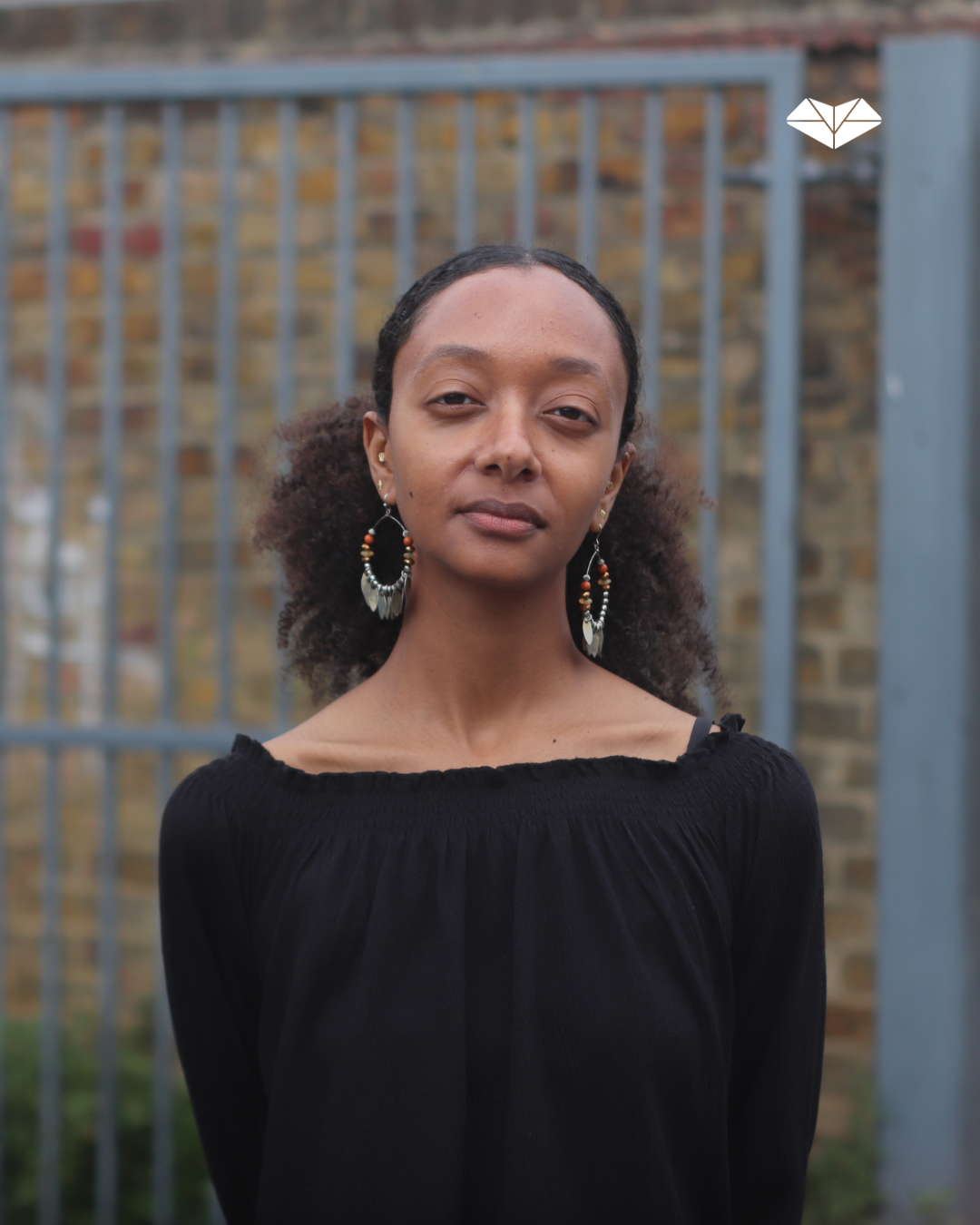
Basma
Basma
Basma is the co-host of radio show and record label Hear, Sense and Feel, and the host of Khartoum Arrivals on NTS Radio. Born in the UK to Sudanese immigrants, she shares songs and stories of passings through her motherland - playing music inspired by the long road, and drawing from the wedding anthems and eclectic folk of Sudan, the Sahel, the Horn and beyond.
How do you define yourself as an artist?
Looking for connections. Finding them, usually on a speedy sweaty bus (autotunes!) Sharing through sounds and stories.
How has your cultural heritage influenced your artistic practice?
I think they are the same to me, my heritage and practice. I think all I'm ever really doing is processing and playing with my heritage, and inviting others to tune in for the ride.
How does your artistic practice connect to place or placemaking?
Sudan is the place. I sense it everywhere (maybe I'm placemaking believe a bit too). Still I'm always searching for Sudan, so what I hope to do is come together with listeners for a search party of sorts!
This year’s Refugee Week theme is “Courage” — what does this mean to you?
As I'm writing this on June 3, seven years on from the Khartoum Massacre, courage means the Sudanese Revolution, the People's Choice. To reject all warlords and warmongering, to remember all martyrs and their call for freedom, peace and justice.
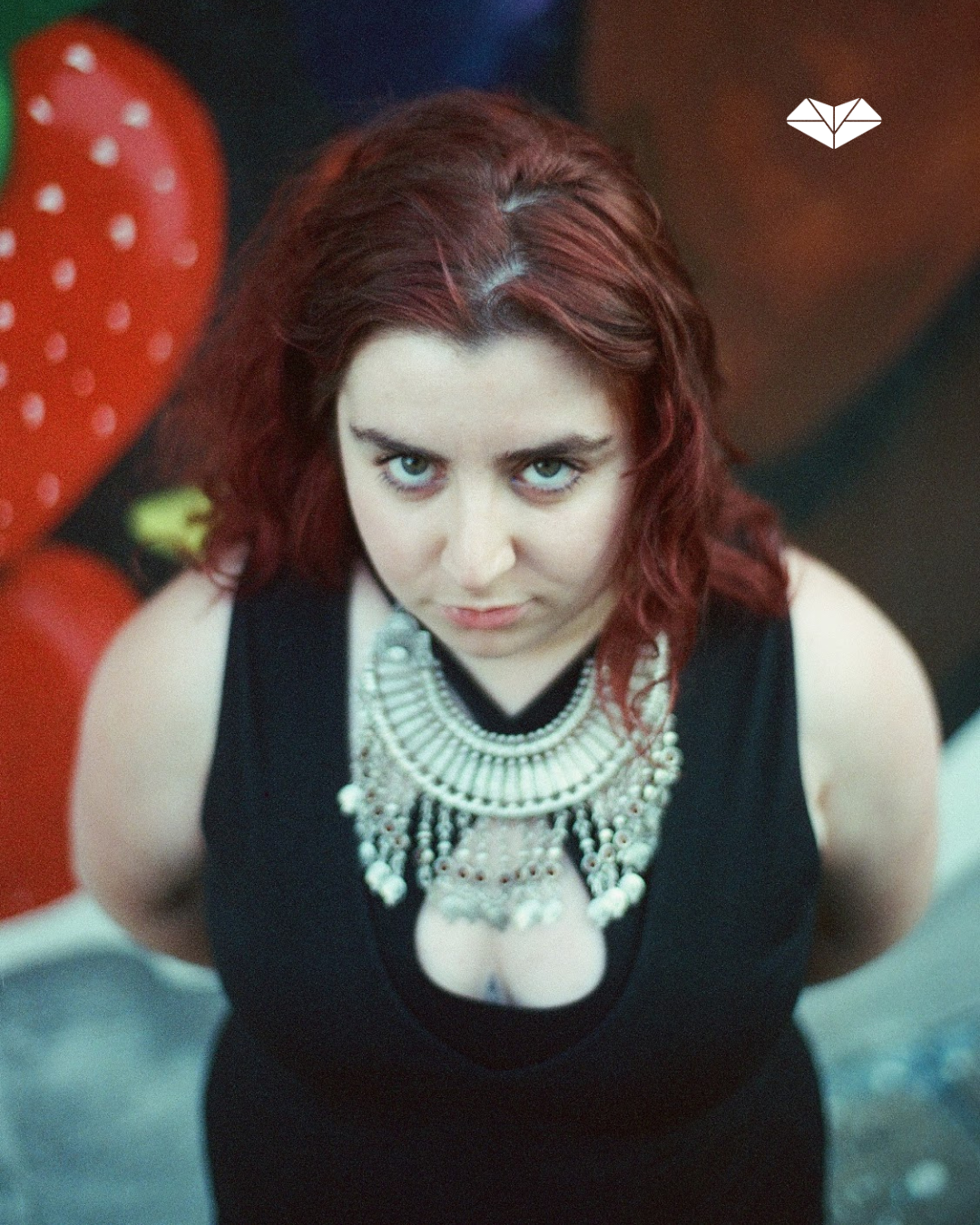
Habibtati
Habibtati is a London-based DJ and producer whose sound sits at the intersection of SWANA club culture, diaspora storytelling and underground nightlife. Drawing from their Western Armenian/ Iraqi, and Iranian Armenian heritage, they blend percussive electronic music, garage, experimental club sounds and emotionally charged samples to create sets rooted in both resistance and release, Habibtati approaches music as a form of cultural preservation, collective memory and community-building.
A regular within London’s grassroots nightlife scene, Habibtati has appeared at venues including Corsica Studios, Fold, Colour Factory and many more. Their practice is deeply rooted in DIY and community-led spaces, centring sounds and stories from their region and wider London community through dancefloors built on connection, inclusivity and political consciousness.
Alongside DJing, Habibtati is currently working on their debut EP — an intimate project exploring memory through field recordings, textured production and storytelling
How do you define yourself as an artist?
I’m a DIY producer and DJ rooted in grassroots nightlife, community and collective experience. Whilst I’ve been DJing for most of my career, I’ve always experimented with samples, field recordings and production as a way to tell stories beyond the dancefloor. I’m currently working on my first EP, which draws from my culture, personal memories and the people and places around me. Sonically, I’m inspired by artists who use sound as a form of resistance, preservation and storytelling. I’m interested in the tension between club music and emotion, and in creating work that feels both political and deeply personal.
How has your cultural heritage influenced your artistic practice?
Growing up between cultures has completely shaped the way I experience music, community and storytelling. A lot of my inspiration comes from diaspora spaces, protest movements, family gatherings and the emotional weight carried through sound and memory. I’m really interested in how music can preserve feelings of longing, grief, displacement and joy all at once.
I take a lot of influence from revolutionary sound systems and artists from the SWANA region and the Caucasus who use electronic music to challenge borders, archive lived experiences and create spaces for collective release. Even when I’m playing club music, there’s always an emotional and political thread running through it. My heritage has taught me the importance of resourcefulness, resistance and creating spaces where people feel held, visible and connected.
How does your artistic practice connect to place or placemaking?
For me, music has always been about creating spaces where people can gather and feel free, safe and fully present. Whether through DJing, producing or community-led events, I care deeply about building environments that feel intentional and rooted in connection. A lot of the spaces that shaped me were DIY, grassroots, and born out of necessity.
The spaces created by communities, refugees + queer communities and people carving out somewhere to exist on their own terms. That energy really informs my practice. I think placemaking is as much about memory, resistance and collective feeling as it is about physical space. Through sound, I’m interested in creating temporary worlds where people can feel release, recognition and belonging. I also like to note that, as much as art can be a way of healing for many of us, it is the direct action and sacrifice of resistance and the resistance that has channelled us. I am for indigenous rights and preserving culture and land.
This year’s Refugee Week theme is “Courage” — what does this mean to you?
To me, courage is continuing to create, connect and take up space despite displacement, fear or instability. Coming from diasporic and displaced communities, I’ve seen how courage often exists in quiet and everyday ways, preserving language and culture, rebuilding community, sharing stories, surviving migration, or simply allowing yourself to be visible.
I think a lot about the role sound has always played in resistance movements: protest chants, revolutionary music, pirate radio, sound systems, underground nightlife. Music can hold memory and act as a form of survival. Courage, to me, is vulnerability as much as strength — refusing erasure, honouring where you come from and continuing to imagine joy and freedom even in difficult circumstances.
Habibtati on Instagram
**Habibtati was nominated for this feature by NAFS (@nafs.space), a Queer SWANA cultural platform creating space through exhibitions, workshops, film screenings, music and community programming, while supporting and amplifying underrepresented artists, creatives and cultural practitioners across the UK and beyond.
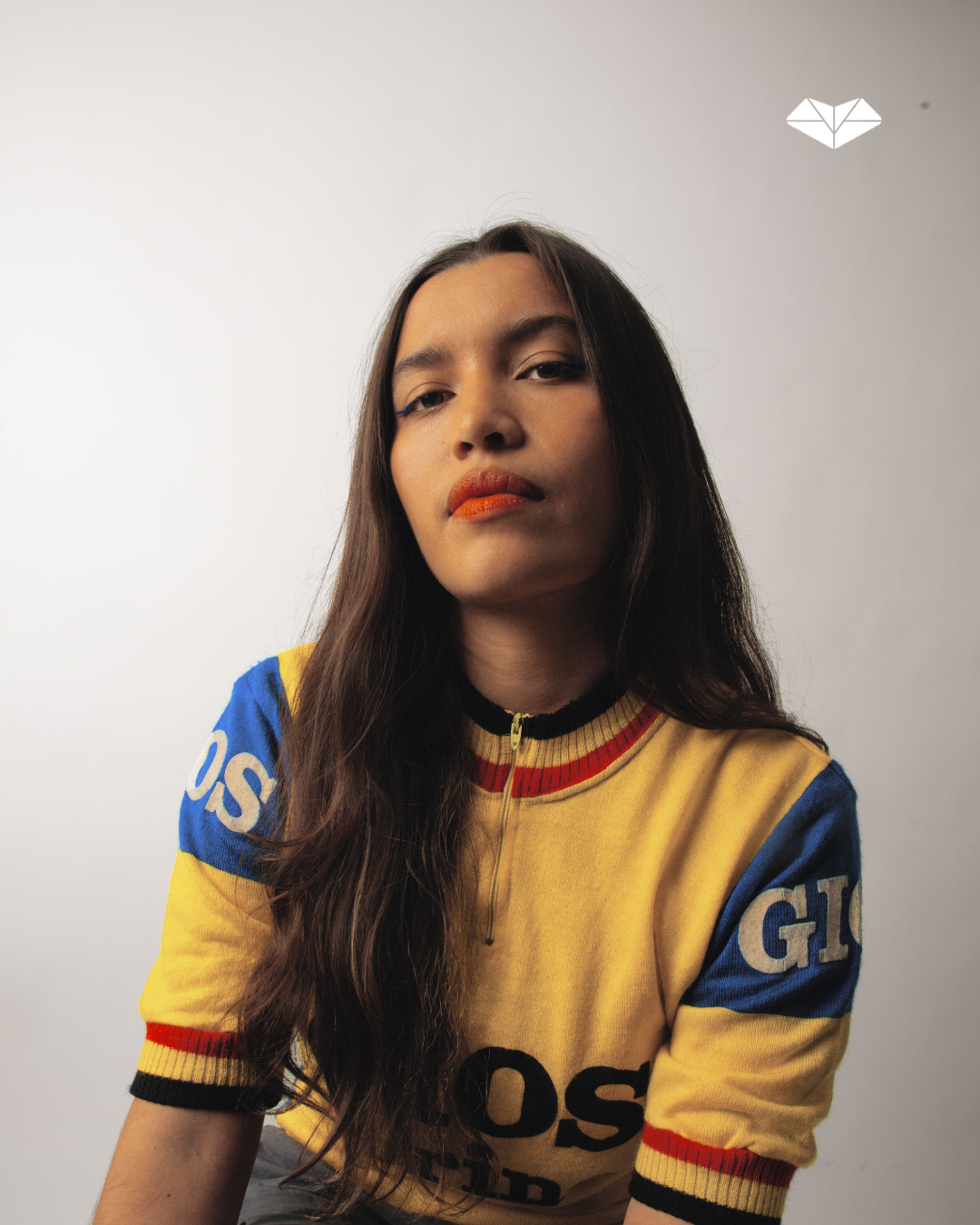
Bushbby Photo by Melissaa
Bushbby
Bushbby is a UK-Colombian DJ, born with a deep connection to both Latin America and the UK club scene.Primarily based in London, her sets deliver an explosion of Reggaeton, Dancehall and Dembow, expertly woven amongst the timeless Latin rhythms of Cumbia, Champeta and Salsa.
Community is at the heart of Bushbby’s contribution to music, intensifying the unique UK-Latinx presence across the map whilst enabling the reconnecting of diasporas in a celebration of roots and rave culture.
How do you define yourself as an artist?
I’m a London born Colombian DJ, event promoter and curator, with a deep connection to both Latin America and the UK club scene.
I was shaped by the sounds I grew up around in both the UK and Colombia; raves and house parties in Leeds, ‘La Factoria’ CDs playing in my mum's kitchen, my grandads Salsa records, and the sound systems of Notting Hill carnival and Barranquilla.
These influences come together in my sets in a celebration of roots and culture. DJing has become a tool for me to connect with the diaspora and showcase the rich and vibrant rhythms of Latin America at home and internationally.
Since becoming a DJ in 2019, I quickly noticed a need for greater Latinx and femme representation within the UK scene. This has become one of the core reasons why I do what I do. Through my club nights and radio residencies, I aim to amplify Latin American artists from marginalized communities across the world, making connections across the diaspora and creating spaces where our stories, sounds, and identities can be heard and felt.
How has your cultural heritage influenced your artistic practice?
It’s in everything I do because it’s such a big part of who I am. The voices and stories carried in the music, rhythms and sounds that I play are a way for me to stay connected to a cultural heritage rooted in a land so far away. The lineage of a lot of this music is black and indigenous, they tell stories of struggle, resistance, pain and joy and I feel immense privilege and pride at keeping it alive through my job.
In an industry that seeks to label and commodify everything, remembering the revolutionary role music and art has played in my culture, helps recentre myself and motivates me to keep learning how to honor this in my practice as best I can.
How does your artistic practice connect to place or placemaking?
Like many other people of dual or multiple nationalities, we are constantly navigating the wonders and complexities of existing in various worlds. The main reason why I started DJing was to find a sense of belonging, within myself and as part of a community. I feel that through my sets, multiplicity can exist and makes total sense, it allows for the colliding of worlds which I feel words fail to describe.
A lot of people who come to my sets feel seen in that way and are able to find a sense of collective nostalgia and (non)belonging that we can express through being physically present together in sound and movement. For me placemaking is the creative process as a whole. It’s the digging for music, the research and learning, the conversations with your community, the organising and mobilising, the coming together to occupy space, the dance - it’s the ritual.
This year’s Refugee Week theme is “Courage” — what does this mean to you?
Courage to me is living with integrity. It exists in the way you act towards yourself and others day to day. Social media can be a tool for collective action but I feel it has promoted an unhealthy individualism that distorts reality and doesn’t truly hold us accountable for how we act in real life, live our politics and engage in community offline. It’s in the acts of love and resistance, big and small, that break the choke hold capitalism has on us that I feel makes us act against our nature which is against each other.
Bushbby on Instagram
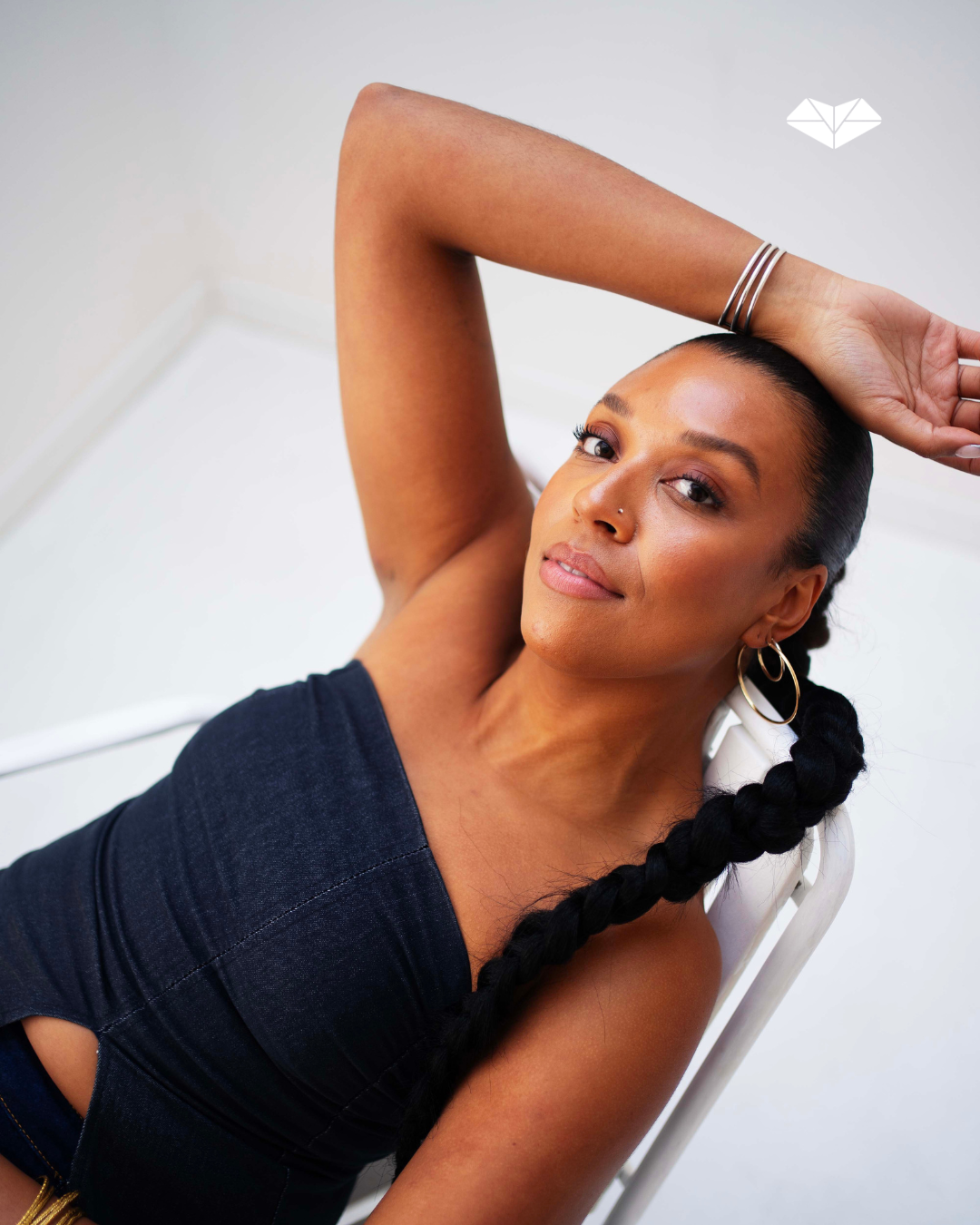
Jodie Yates
Jodie Yates is a filmmaker, researcher and DJ (moonlighting musically as the latter under the name Mama Jo). Joining the dots between afro-diasporic experiences, her practice explores memory vs. imagined futures, community building and joyful resistance.
As a DJ, Mama Jo is a master quester whose sets encourage curiosity, self-expression and community closeness. R&B or polyrhythmic, Mariah Carey or coupé décalé, bringing light to the dark dancefloor is her M.O.
How do you define yourself as an artist?
I’m an explorer and connector first and foremost, using different art forms as vehicles for discovery, community-building and joy. As a DJ, filmmaker and researcher, my practice stretches over moving image and sound primarily, looking at the new worlds created where different ones meet.
How has your cultural heritage influenced your artistic practice?
Joy, innovation and resilience are things I see as intrinsic to Jamaican culture, and qualities I keep at the centre of my practice. Jamaica and music are, of course, inextricably linked, and this heritage has thus had a huge impact on my musical practice in particular. Musically, dub/bass music permeates the sounds I listen to, even if the styles come from further afield.
Soundsystem culture and its DIY nature - creating from limited resources or just the materials that are available to you in order to make new technologies to bring together communities and strengthen resistance - is a model that I always reference and look to transpose in different contexts. Music was one of the greatest things to help me connect to my culture and, generally, I believe music is one of the most accessible ways to understand the worlds around us.
How does your artistic practice connect to place or placemaking?
My practice is about understanding, interpreting and sharing different worlds. Be it storytelling through musical genre when I DJ, or using historical context to frame a narrative, I am consistently asking ‘How does an understanding of a physical or conceptual place build an identity?’.
Place is omnipresent in my practice, but I am particularly interested in the new place(s) built at the cross-section of these identities. My understanding of place as a British-born 2nd gen Jamaican is different to that of my mother having been raised there. Outside of the physical place, what is the new place built where our two experiences meet?
This year’s Refugee Week theme is “Courage” — what does this mean to you?
Courage to me means taking the necessary risks to experience and live freedom.
Jodie Yates on Instagram
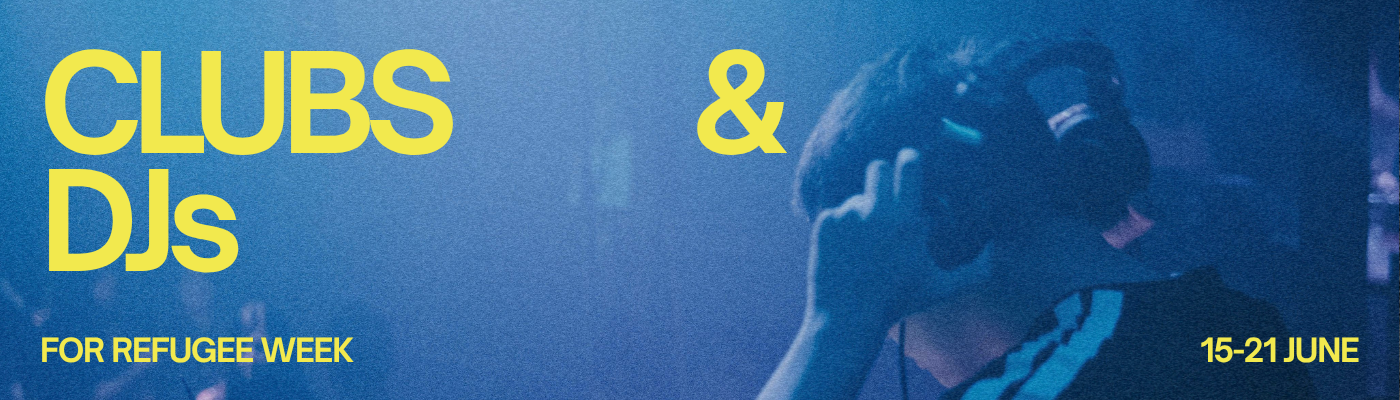
Clubs & DJs for Refugee Week: An Open Invitation to the Dancefloor
May 12 @ 8:00 am - July 20 @ 5:00 pm
For the first time this year Refugee Week has launched a Clubs and DJs for Refugee Week initiative with a series of grassroots events unfolding on dancefloors across the world. From protest to celebration, nightlife has always been a space of courage - where communities gather, identities are expressed, and new futures are imagined together. Find out how you can join an event near you or take part.
More Info HERE
About Refugee Week
Refugee Week 2026 takes place from 15–21 June 2026. It is the world’s largest arts and culture festival celebrating the contributions, creativity and courage of refugees and people seeking sanctuary. It brings people together through thousands of events and activities, from performances and talks to exhibitions, community gatherings and creative projects.
A community-powered festival, it is shaped by individuals, artists, schools, libraries, venues, local authorities, cultural institutions and grassroots organisations. Founded in the UK in 1998, it takes place every June alongside World Refugee Day (20 June) and has since grown into a global movement with over 2 million participants, across over 20 countries. Refugee Week UK is a partnership project coordinated by Counterpoints Arts, working with a wide network of national partners and organisations.
refugeeweek.org.uk | Instagram | FacebookRefugee week UK is coordinated by Counterpoints Arts