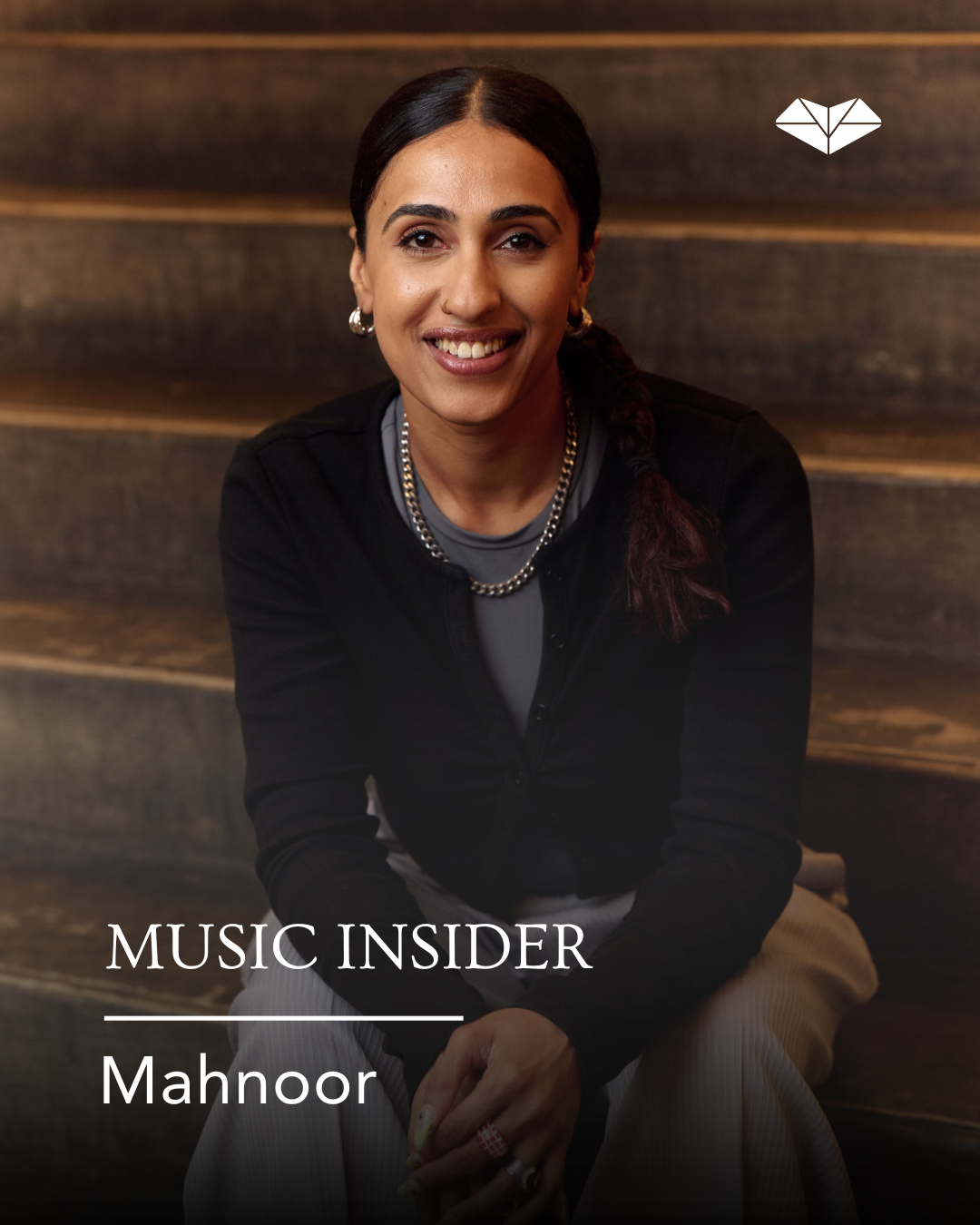
Mahnoor Hussain is a culture marketing strategist, DJ and the founder of SUP SUPPER CLUB, a non-profit platform using food and music to support displaced communities through storytelling, solidarity and cultural exchange.
Mahnoor’s cross-functional career spans music, social impact, travel, live events, lifestyle and night-time hospitality. She has held roles across major cultural institutions including Ministry of Sound, where she worked on global club culture campaigns, and most recently on the 2025 edition of Red Bull Culture Clash at London’s Drumsheds.
She is currently Head of Marketing at Dialled In, where she leads culturally rooted experiences centred on South Asian identity while developing brand partnerships that prioritise authenticity, community and long-term cultural value. Alongside her commercial work, she is increasingly focused on advocacy around ADHD, particularly for women working in dance music.
How did you first find your way into music and culture marketing?
I was always doing music bits on the side while working full-time in travel marketing. I loved being able to tell fun stories about exploring new worlds through a global lens. It felt really fresh at the time. But then Covid hit just as I became more senior in that career, which tanked things a bit.
When I pivoted into corporate marketing, I just wasn’t enthused by it. I struggled to stay motivated because the creative alignment wasn’t there. After being diagnosed with ADHD, I realised this made sense. People with ADHD are usually highly motivated when they’re genuinely passionate about something. So I decided to redirect my skills into something that felt purposeful to me: cultural marketing.
I self-funded my Marketing Week Mini MBA in Brand Management, applied for a couple of jobs, and landed my first brand manager role at one of London’s most iconic venues. That’s where I combined my traditional experience with my “creative lens” to help rebuild the venue’s cultural resonance. I didn’t initially think of it as culture marketing specifically - for me, it was about making campaigns as effective as possible by applying solid marketing and branding principles in ways that resonated culturally, made people care about our stories, and built a real connection with the brand.
What experiences shaped the way you now approach brand partnerships and creative strategy?
A lot of my foundational knowledge around partnerships comes from my time in a very corporate role at American Express, working on multi-million-pound airline partnerships. It taught me the value of strong relationships and having proper data and proof of concept behind proposals. It sounds elementary, but since crossing into the creative industries, I’ve realised we often prioritise “vibes-based” proposals over data.
My time working on airline and travel partnerships showed me how important data actually is. It helps brand partners sell the proposition internally, and with brand budgets becoming more competitive, that’s essential. You can then use that data alongside other audience research to build a creative strategy that genuinely responds to your audience’s or your partner’s needs.
My broader approach to creative strategy stems from a kind of cultural symbiosis: my experiences, my perspective, and my desire to try new things, hoping they will inspire me in return.
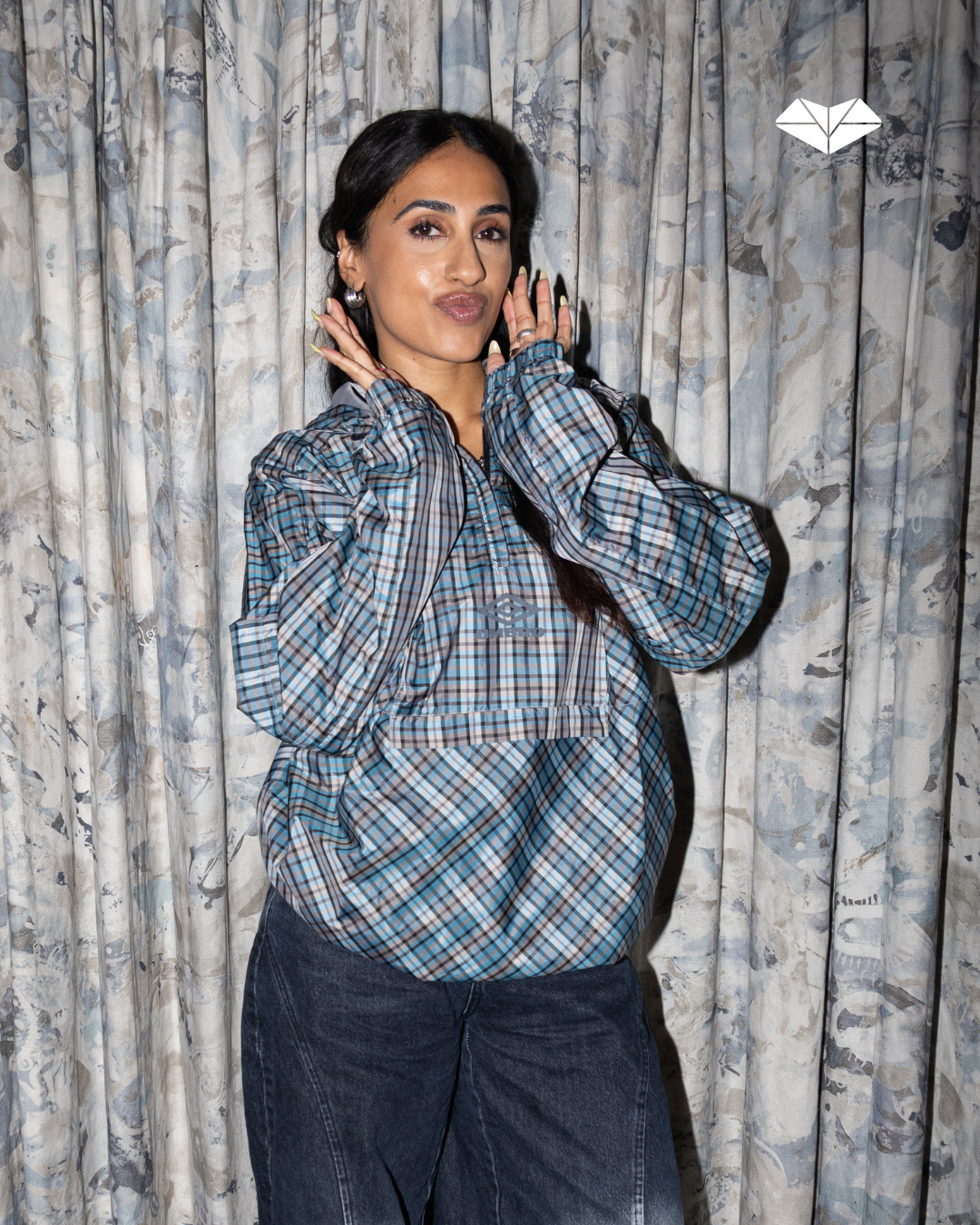
You’ve worked across everything from global club culture to social impact projects. How do you connect those worlds in your work?
At first glance, those worlds might seem completely different, but for me, they share a common foundation: Building authentic cultural connections and communities
My social impact work actually came first. That’s where I realised I could draw on my cultural fluency and people skills - being in different spaces and around diverse communities - to connect with asylum seekers, grassroots chefs, and aspiring entrepreneurs, and make them comfortable sharing their stories. Bringing people in through storytelling is something I’ve naturally carried into club culture spaces, too.
Global club culture is also deeply intersectional. It brings together people from different backgrounds, genres, and countries — sometimes experimentally — and a lot of the magic comes from uniting things that seem disparate. Whether that’s building line-ups across genres, working with diaspora artists at Red Bull, or merging chefs from displaced communities with artists of similar heritage at SUP?, I’ve learned that creativity thrives where worlds collide.
Diversity of background - in taste, culture, worldview - is a strength. It sparks creativity, empathy, and new forms of social engagement. Creativity comes from the margins, from intersectionality, lived experience, and the influence of multiple identities blending into something new.
What do you think makes a brand activation or partnership truly authentic to a music community?
Authenticity usually comes when a brand already has some organic visibility or cultural exchange within a music community, before trying to capitalise on it. Audiences are much smarter now. When a brand doesn’t have that connection, or doesn’t involve the right cultural creators, it shows immediately.
The most forward-thinking brands bring key cultural voices in-house, as advisors, collaborators, or sometimes colleagues. These are the people who can spot nuances others miss, understand the cultural codes, and translate meaningful insights into compelling creative work.
What inspired you to create SUP SUPPER CLUB, and what have you learned about using food and music to build solidarity?
SUP? was inspired by my time living in France, where I worked as a school teacher and used my English and Arabic skills to support young asylum seekers learning French. Hearing their stories and seeing immigration from a French perspective made me realise how little awareness there was in the UK, and when there was awareness, it wasn’t coming from the voices of displaced people themselves.
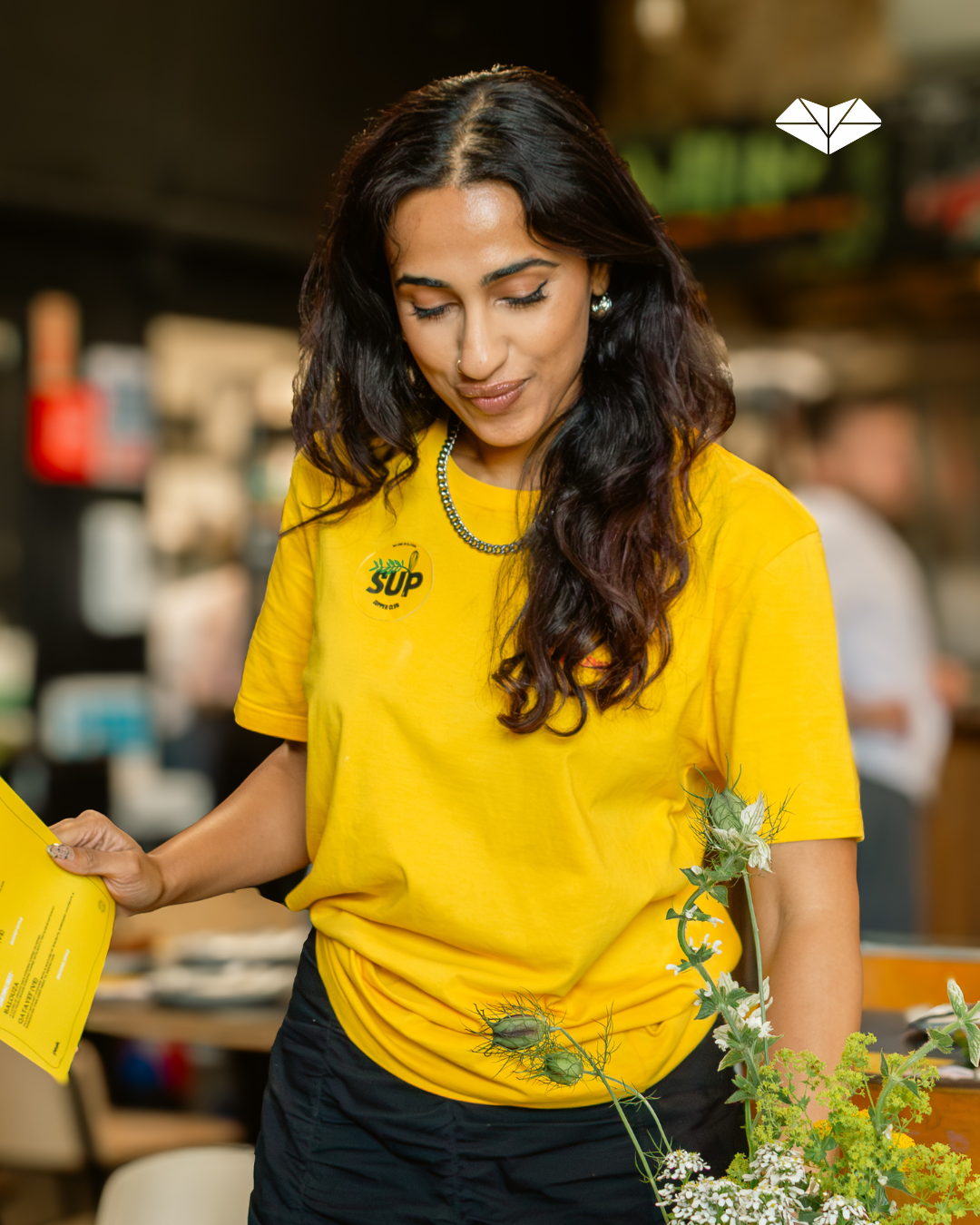
SUP? became a space where people could gather, hear stories directly from displaced communities, and break bread in a welcoming environment. We’ve worked with partners like Ben & Jerry’s and Refugee Week UK, which has helped us support displaced chefs while fundraising for charities I used to work with in France and London. My favourite thing is inviting people from the asylum seeker community to join us; the intimacy of supper clubs creates space for meaningful connection.
Music has always been part of SUP?, from darbuka performances at our Yemeni supper club to Syrian folk singing. I’m constantly thinking about new ways to help people connect with immigration experiences creatively, so I launched Paired by SUP? — pairing refugee chefs with musicians of shared heritage to create one-off menus together. Our first one, with Chef Majeda and Big Zuu, celebrated their Levantine roots and really resonated.
Food and music are incredibly powerful cultural connectors, and I’m excited to keep building on that. The next one is going to be very special, with an artist from South London and a community close to my heart.
You’ve worked on large-scale productions like Red Bull Culture Clash and grassroots events like Dialled In. What’s your approach to creating experiences that feel both high-impact and culturally grounded?
It can be challenging to balance scale and cultural grounding, especially if you don’t have the right people in the room. The first step is defining what “impact” actually means. It’s not just big crowds or flashy production; it’s resonance. It’s cultural integrity.
Scale and cultural nuance aren’t opposites; they’re complementary. You can do both if you’re telling the right stories and working with people who understand the culture you’re representing.
With Red Bull Culture Clash, we had a massive advantage because the entire marketing team was made up of people of colour, many with Caribbean heritage, who’d grown up with soundsystem culture. We understood the cultural playground we were curating. You’d be surprised how many cultural campaigns are built without consulting the communities they centre.
When that knowledge isn’t already in the room, you have to actively seek it out: research, speak to the community, listen, and curate for them rather than creating a simple spectacle. It sometimes means pushing back on global teams — for example, explaining why the “biggest” artist isn’t always the right fit if they don’t resonate with people on the ground.
Spotlighting bigger names alongside emerging talent helps keep things authentic and gives younger artists the amplification they deserve. It’s about crafting the right story, not the loudest one. Long-term cultural impact matters more than a one-off spectacle.
What advice would you give to emerging curators or marketers trying to create inclusive, community-led events?
Come with a collaborative mindset. Learn to navigate differences in opinion respectfully. If you want to create inclusive, community-led events, you need to listen to the community and understand what they genuinely want from a space.
Spaces like DAYTIMERS and Dialled In have allowed me to work with incredible people and build a shared vision — none of it would’ve been possible alone. Collaboration and mutual respect are essential.
When you’re creating inclusive events, you also need to consider people who don’t drink. If an event only works when people are intoxicated, it’s not actually an inclusive experience. The real litmus test is whether the space is fun, connected, and culturally vibrant without alcohol.
Keep your ears to the ground. The cultural landscape shifts quickly. What communities wanted five years ago isn’t necessarily what they need now. For example, when I first started SUP?, people wanted to share their stories and heritage. Now, in a much more hostile climate, many simply want a space where they aren’t othered. You don’t know until you listen.
And finally, community work is rewarding, but it is labour. When you care deeply, it’s easy to burn out. Set clear boundaries from day one. Many community-led projects happen outside your day job, so know your capacity and protect it.
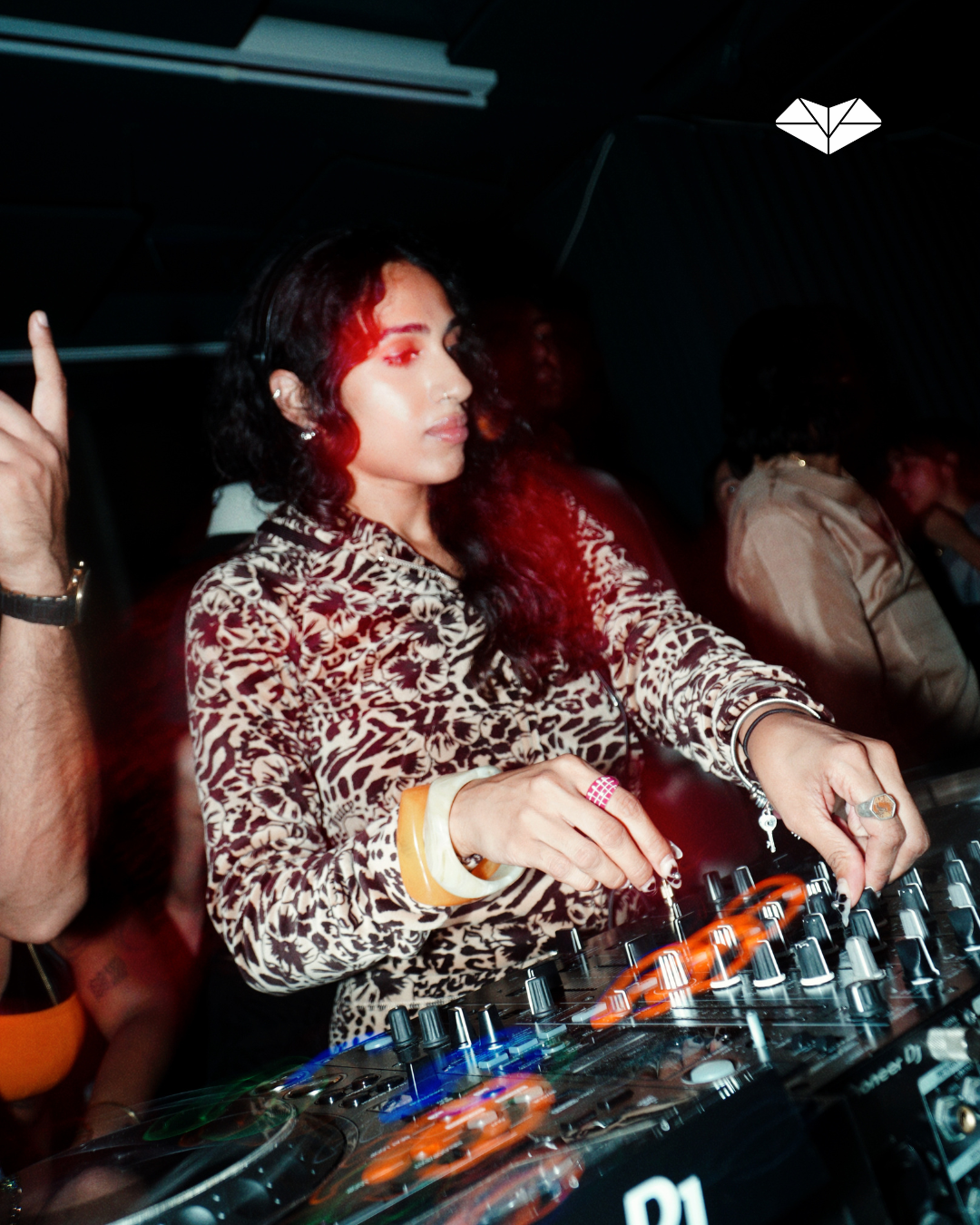
You’ve been vocal about ADHD and women’s experiences in the dance music space. How has that shaped the way you work or lead teams?
I was diagnosed with ADHD at 25, so it’s only in the last few years I’ve properly understood how it affects my work. I’ve become more aware of how my hormonal cycle impacts ADHD symptoms — especially foggy days — and I now plan around that.
When leading teams, empathy is key. One of the women on my team also has ADHD, which makes open communication important. I try to understand people’s working styles so I can manage expectations fairly. In corporate spaces, I used to hide my ADHD, but now I’m upfront about how my brain works. It gives colleagues context.
I also get overstimulated easily, so I often wear headphones or work in a quiet corner. Letting people know why helps, although women with ADHD are still judged harshly, which speaks to how unforgiving society can be toward our symptoms.
I’m still learning, and I wish there were more accessible spaces to learn about ADHD - especially in the dance music world. I want to help create something more approachable than a 50-minute podcast: real-life, interactive sessions where people can take away tangible tools to navigate ADHD in this industry.
What are you listening to at the moment?
I’m loving everything by Amil Raja, especially his new track swings n roundabouts. His sound takes me back to my adolescence but still feels really fresh — very inspired by Mssngno.