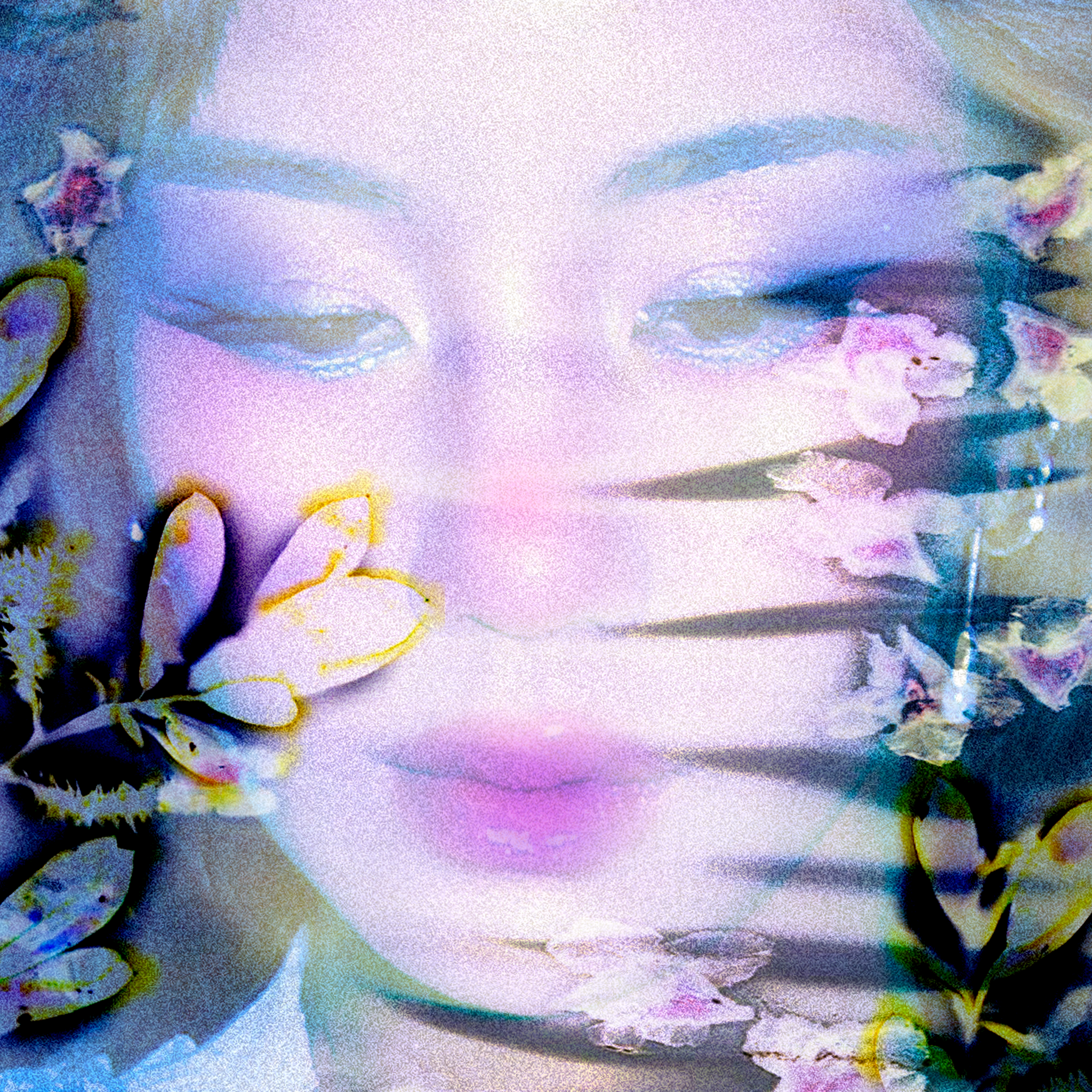

NOTEP is a Thai musician, DJ, producer, and environmentalist working across electronic music and A/V performance, where sound, environment, and process are closely tied. Blending ambient textures, traditional elements, and her voice as an instrument, she builds immersive, multi-sensory sets that move between introspection and physicality.
Her work has extended beyond the studio through collaborations with Louis Vuitton, La Mer, Prada, and Nike, alongside her sustainability initiative “High On Your Own Supply” and projects with Greenpeace Thailand and UNDP. Her debut album Metamorphogenesis (2024) marked a move from ambient, sound-led work into more rhythm-driven territory, while maintaining an experimental edge.
Released on Earth Day, “Radio” is the first track from her upcoming EP PAKARANG—named after the Thai word for coral. The project draws a direct line between the ocean and the human body, grounding its ideas in material and structure rather than metaphor.
The video, filmed on the open ocean in Koh Tao with digital artist Cyrus James Khan, reflects that same approach: self-produced, stripped back, and built from reclaimed materials sourced from the sea.
“Radio” was released on Earth Day. What was the starting point for the track?
It actually started with a conversation I had with Alex, my co-writer and producer. I told him I felt like I was going through a quiet identity shift, so before we even opened the session, I suggested we meditate and ask for guidance.
After that, we entered the studio in a very calm, grounded state. I chose four beats that were completely different from each other, but each reflected a different part of me. We wove them into one track. At its core, “Radio” is about tuning into your inner frequency and reconnecting with a higher sense of self.
The video for “Radio” was filmed on the open ocean in Koh Tao. What was that experience like, and how did it shape the video?
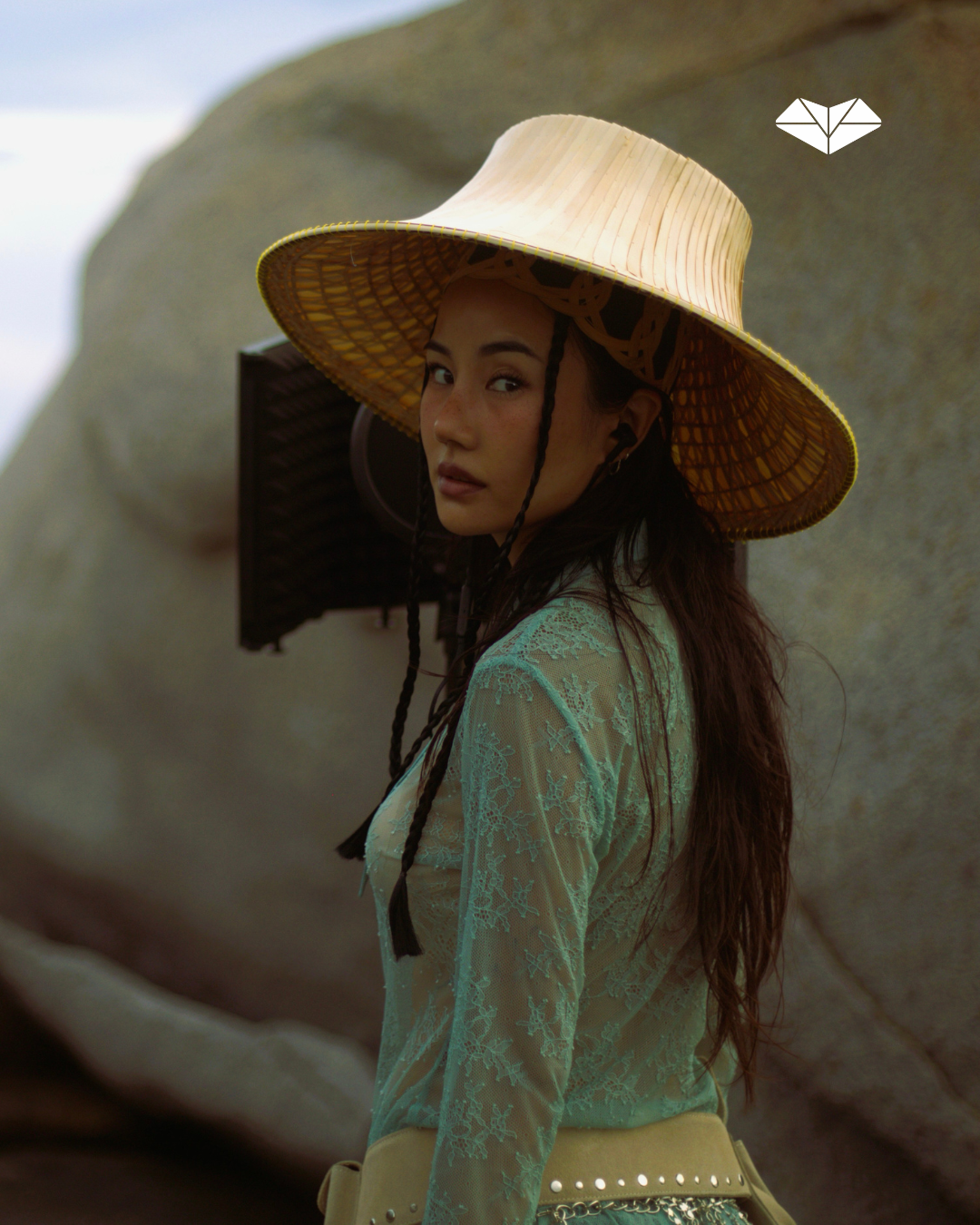
It was a very intimate, two-person production between digital artist Cyrus James Khan and myself. We spent about three hours on a long-tail boat at sunset in the ocean around Koh Tao Island, where he’s based. We did everything ourselves, from concept and sourcing materials to styling, filming, and editing. Working together felt very natural. We balance each other’s strengths and gaps in a way that makes the process flow.
The project was especially meaningful because of our shared connection to Koh Tao and our concern about ocean waste there. That directly shaped the visual concept. My entire outfit was made from reclaimed materials: a dress by Eric Tobua using soda can tops, and a skirt and headpiece I created from ghost nets and ocean debris. It became a physical expression of the message.
You integrate natural soundscapes with electronic production. For artists interested in working this way, where do you begin—field recording, synthesis, or concept?
Start by listening to the things closest to you. Field recording is a powerful entry point because it forces you to pay attention to your environment. Once you begin observing sound more deeply, you naturally learn more about yourself as well. From there, the concept and production choices tend to reveal themselves.
There’s increasing conversation around eco-conscious production in music. Beyond visuals and messaging, what are some tangible ways artists can rethink how they create and present their work?
It starts with awareness. Think about the footprint your work leaves, both physically and psychologically. What materials are you using? What systems are you supporting? And just as important, what kind of mindset are you encouraging in your audience? Shifting perspective can be as impactful as reducing waste.
Environmental messaging in music can sometimes feel didactic or surface-level. How do you avoid that, and instead create something that feels embodied?
I don’t approach it as messaging. It’s more about lived experience. When something is genuinely part of your life, it naturally shows up in the work without needing to be explained.
I focus on translating feeling and connection rather than trying to instruct. That’s what makes it resonate on a deeper level.
What’s one piece of advice you’d give to producers or artists who are just starting out and trying to find their sound?
Set intention before you create. Even something simple like meditating with your collaborator before starting a session can completely shift the outcome.
It aligns your energy, clarifies what you want to express, and builds a deeper connection, which you can hear in the music.
On a challenging day, how do you unwind or reset to get back into a creative headspace?
Sleep helps the most. Beyond that, walking, spending time in water, going to an onsen, or getting a massage. Anything that brings me back into my body instead of my mind.
What’s something small or unexpected that often sparks an idea for you?
Being in nature. Even a small detail, like the texture of sound or light, can open up an entirely new direction.