Photo credit: Johanna Kirsch
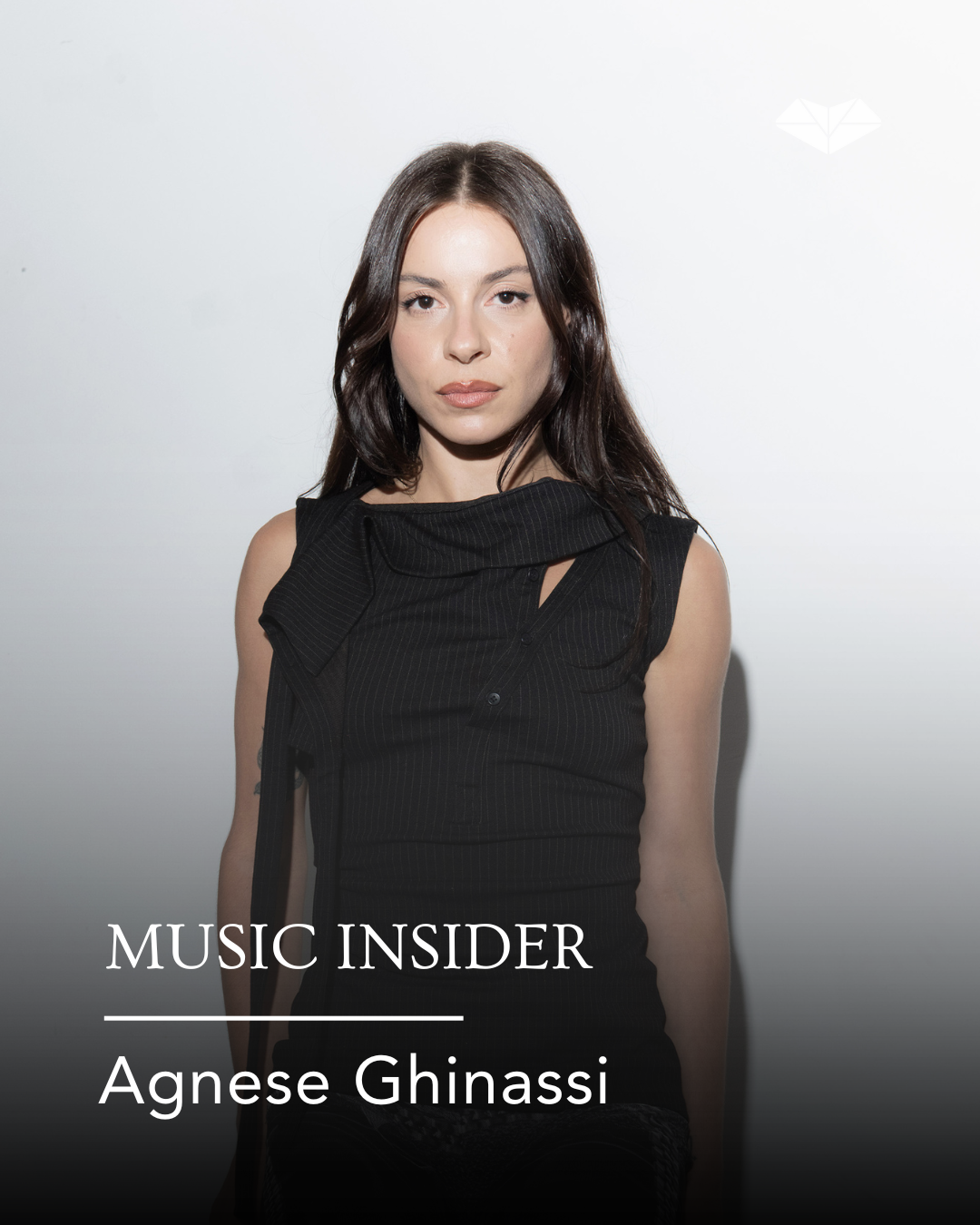
Agnese Ghinassi is part of a new generation of managers whose work moves fluidly across music, fashion, and contemporary art. Based in Berlin and originally from Rome, she launched Newspaces Studio in 2025—a management and creative consulting agency shaped by her experience in artist development, creative strategy, PR, and fine arts project management.
Ghinassi’s professional grounding was formed during her years at Modern Matters, where she progressed from intern to assistant and eventually into a key role as Artist Manager. During this time, she developed a broad operational and strategic skill set spanning artist management, PR and press, project and label management, alongside day-to-day management. Her work included supporting artists such as VTSS and LSDXOXO, handling press for clients ranging from composer Danny Elfman to producer and DJ GiGi FM, and overseeing label management for Klockworks alongside PR for Ben Klock.
Today, Ghinassi manages NYC-based transdisciplinary artist Agnes Questionmark, producer SALOME and Cuban-Spanish DJ TOCCORORO. Ghinassi’s practice also extends into the contemporary art field through her management of Agnes Questionmark — a contemporary artist working across installation, sculpture and performance. In this role she has overseen complex works including the 13-day performance CHM13hTERT & Cyberteratology presented at the 60th Venice Biennale, to name a few. This experience, together with her background in music management, PR and artist development, provided the groundwork for Newspaces Studio, which represents a curated roster of artists whose practices develop across different creative contexts rather than within a single industry lane.
Your background spans artist management, PR, creative consultancy and large-scale art project management. How did you get your start in music?
I started as an intern at Modern Matters during my studies in Berlin. I was about to finish university, and in order to be able to write my thesis, I had to complete six months of practical work “Pflichtpraktikum”. I was studying Media and Business Psychology at the time, in German, (tough one). I’ve always been passionate about music, and one of my mentors, someone I really respect in the industry, suggested a few different companies for me to consider.
I remember telling her that I didn’t want to “just bring coffees or watch from behind” (very 23-year-old me ready-to-take-on-the-world phrase). The truth is, I wanted to actually do the work. That’s when she suggested I look into Modern Matters. I ended up leaving university without finishing my degree and stayed at Modern Matters for five years. I began as an intern, quickly became an assistant, and gradually worked my way up.
Assisting roles are often underestimated, but they’re where you build an incredibly broad and practical skill set. Working closely with my former boss allowed me to define myself early on as a generalist. I was exposed to many different sides of the industry from PR, press and label management, royalties, record deals to more administrative tasks like invoicing, tax systems, artist statements. That hands-on experience helped lay the foundation for what I’m looking to do at Newspaces Studio. I will always cherish that opportunity.
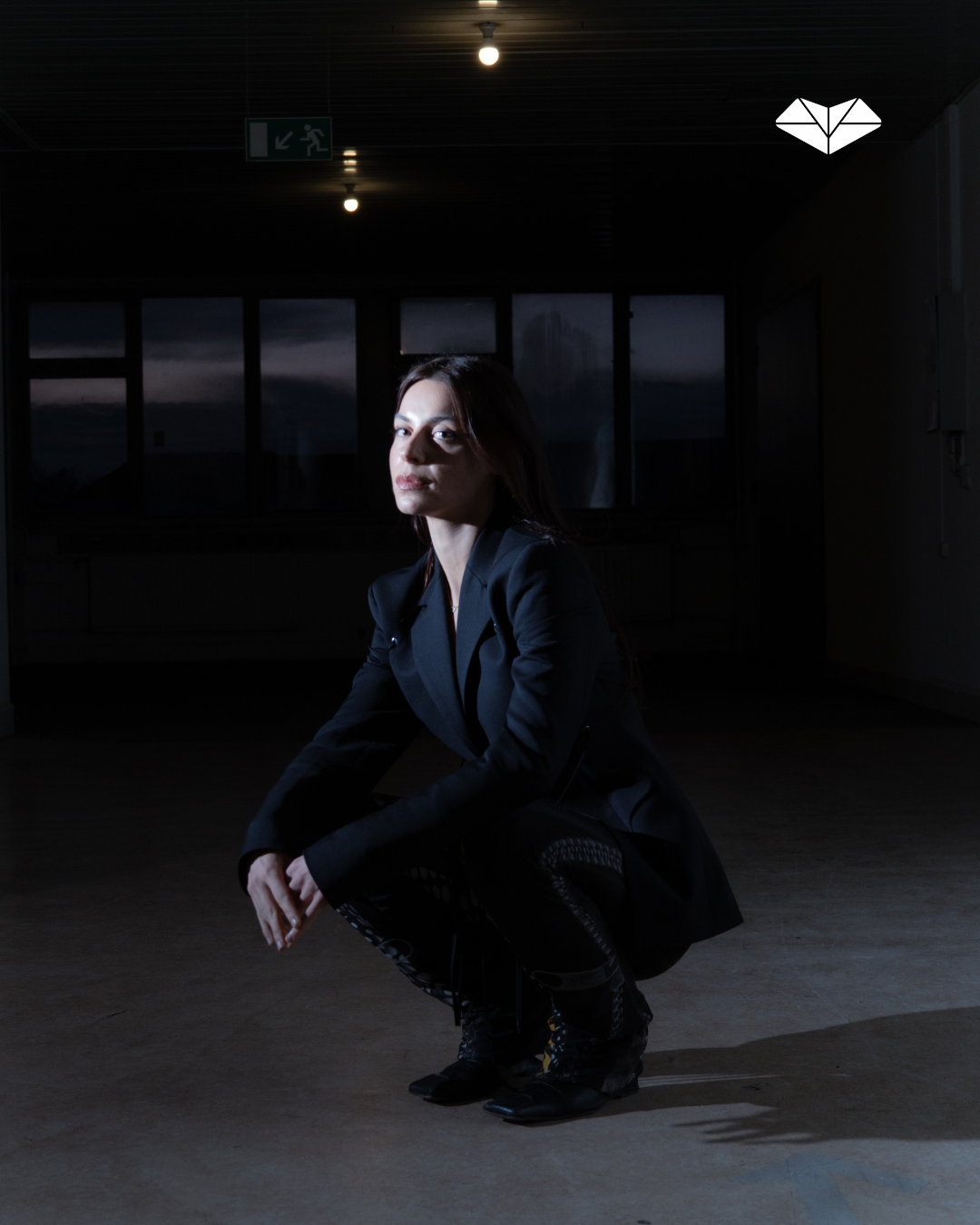
Photo credit: Johanna Kirsch
From intern to founder in just over 6 years is a big achievement. Looking back, what skills or instincts proved most transferable as you moved from assisting to leading, and which ones did you have to actively unlearn?
As wild as it sounds, the biggest skill I had to unlearn was multitasking. When you launch your agency and start working independently, you want to do everything at 100% and feel in control of your business, your tasks, and practically everything around you. But multitasking doesn’t necessarily equal control; more often, it means doing many things at once and delivering them at 60, 70, or 80 percent instead of fully.
In assisting roles, multitasking is a powerful skill because the tasks are less decision-heavy. When you go independent, though, learning when to slow down, prioritize, and focus is what ultimately allows you to lead with clarity and intention. That doesn’t mean I don’t multitask at all, I just aim to execute faster and more efficiently. It’s a learning curve.
The most transferable skill, for me, was learning how to read a room and communicate with people coming from various professional backgrounds, from artists to agents, label owners, creative directors, business managers, and editors, etc. It taught me how to adapt fast, translate ideas across different worlds, and move quickly between creative and business spaces.
You’ve spoken about the importance of understanding an artist’s “message.” Practically speaking, how do you intend to help artists articulate what they stand for when that clarity isn’t there yet?
In my approach, I will aim to give artists a safe space where they feel supported enough to explore what they want to express, without pressure to adapt to a standard.
A lot of that can start with conversations, understanding their references, instincts, and characters, and what feels natural to them. I intend to help them through the process of individualising their strengths and how they want to convey who they are to the world around them. Once that starts to take shape, I work with them to find a structure that feels intentional and purposeful.
I wouldn’t say it has to be a specific “message” , it's more about understanding what differentiates you as an artist from others, what you bring to the table, what you do differently, and leaning into that.
Practical examples of questions I would ask:
– What moves you?
– Why?
– Who inspires you, and who do you see as your peers?
– If you’re thinking big, where would you like to be in five years?
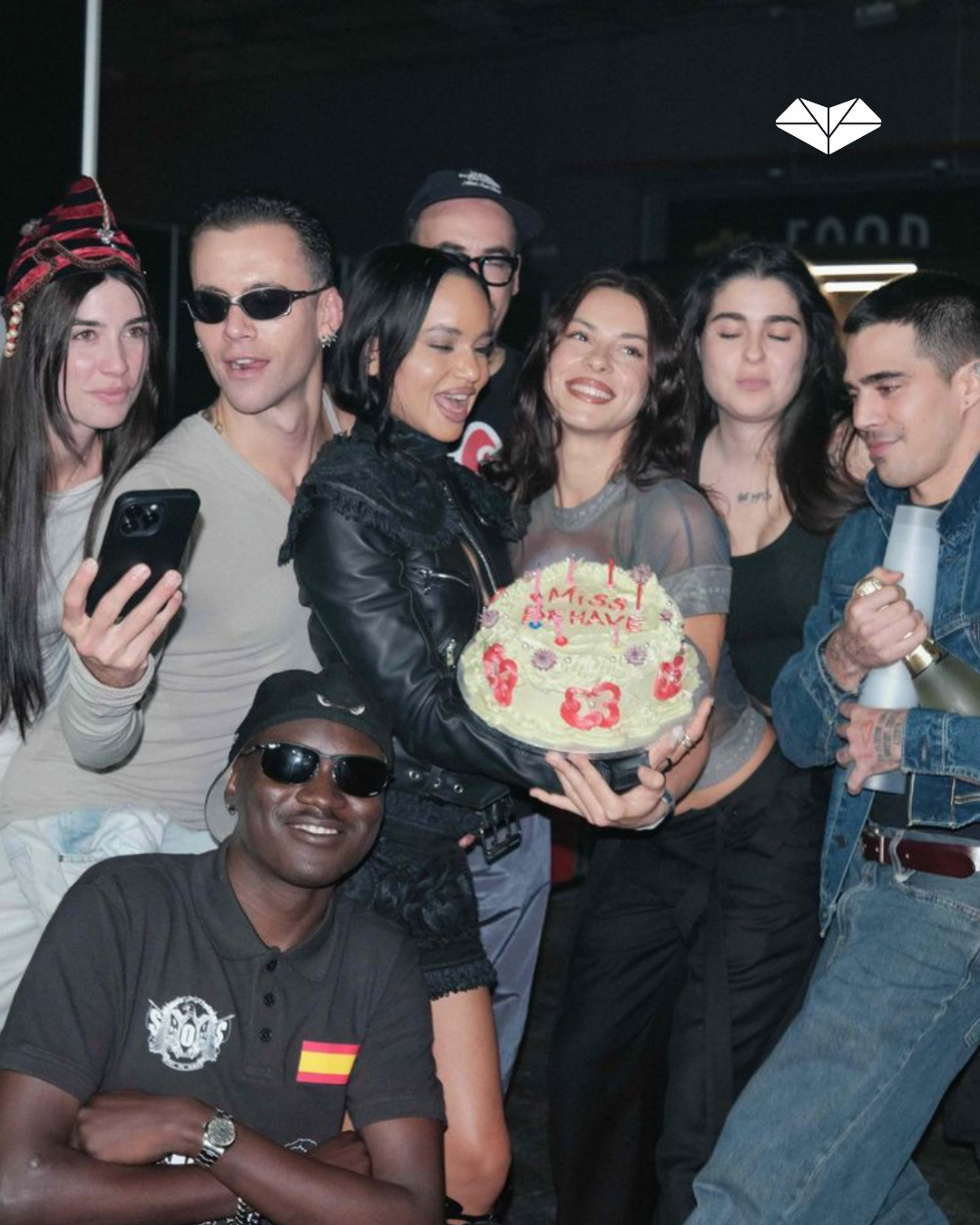
TOCCORORO Birthday During Fred again.. Event
Many artists struggle with brand collaborations for fear of diluting their identity. From a management perspective, how do you evaluate when a brand partnership adds depth to an artist’s profile rather than noise?
From my point of view, a brand collaboration adds depth when it’s genuinely aligned with the artist and develops in an organic way.
One way to ensure this is by building connections with brands the artist is already passionate about, whether that’s clothing brands they already wear or designers they admire, or production tools and platforms they already use in their creative process. The goal is for the collaboration to feel like a natural extension of who the artist already is, what they like, and what they want to represent, rather than something imposed.
Additionally, to make a brand partnership more meaningful and to ensure it feels like a true collaboration rather than just a ‘branded deal’, I always make sure that the teams involved, especially on the brand side, understand that they’re working with a talent who has a clear vision, aesthetic, and personal taste that needs to be respected and conveyed for the collaboration to be successful on both sides.
Newspaces Studio aims to establish itself at the intersection of music, art, and fashion. What do you think sustainable growth looks like in that cross-disciplinary space, especially when visibility can arrive faster than infrastructure?
As I start building my own agency, I’m realizing that sustainable growth often comes from learning, as a manager (together with your artist), when to say “no” to certain opportunities and trusting that the right ones will come back around. There’s so much pressure to move fast and capitalize on momentum, especially when visibility starts picking up and it feels like there’s a clock ticking in the background. But you don’t actually need to do everything at once.
Sometimes it’s more effective to slow things down, be intentional, and focus on what really needs attention at a specific moment in an artist’s journey, especially when working across music, fashion, and art, where opportunities can multiply very quickly.
Something I aim to work toward in my approach is longevity. Doing everything and being everywhere over a short period of time can result in being counterproductive and sometimes, maintaining a sense of exclusivity around an artist’s profile is actually one of the strongest things you can build. The goal I’m aiming for while building artists’ careers alongside them will be to keep things interesting and evolving in the long run.
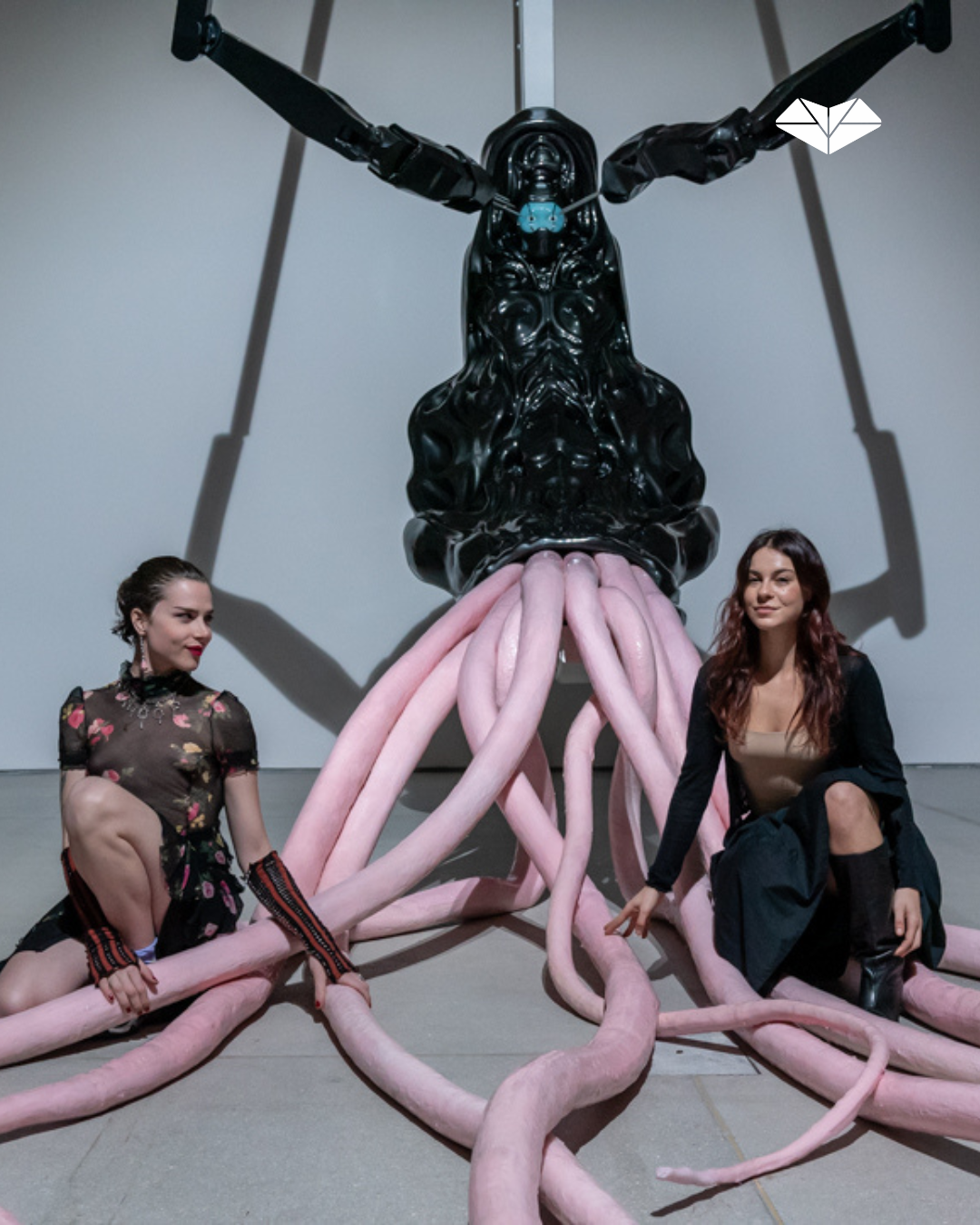
Agnese & Agnes Questionmark
Mental health is often discussed, but less often operationalised. What does care actually looks like inside a working artist–manager relationship, especially during intense touring or production periods?
During intense touring and production periods, it’s all about streamlining communication and setting designated days off so the artist has time to properly rest. We try to organize the calendar in a way that allows for enough time off between work commitments, and if that isn’t possible, we make sure the artist can take a larger break afterward for example, three weekends of stressful touring followed by one week of no communication/deadlines & weekend off from touring.
In general, I usually avoid communicating with my artists on Mondays after a touring weekend. If something is really urgent, I’ll send an email. If it truly can’t wait and is career-changing or there’s a hard deadline, I might text, but Monday is a day off. We also try to lock in catch-ups once a week and avoid unnecessary WhatsApp communication.
It’s very easy to end up talking 24/7, so it’s important to agree on designated times, days, and channels for communication. Not only for them but also for you. The hows and whens however, is also something that needs to be discussed with each artist individually, as everyone is different and requires different kinds of care.
For managers or artists considering going independent, timing is everything. What signals tell you that it’s the right moment to make a structural move, rather than an emotional one?
When you outgrow things and realise that the places you’re in are no longer aligned with your principles or your view on things, that’s when your vision starts to sharpen and you’re ready to take the lead for yourself.
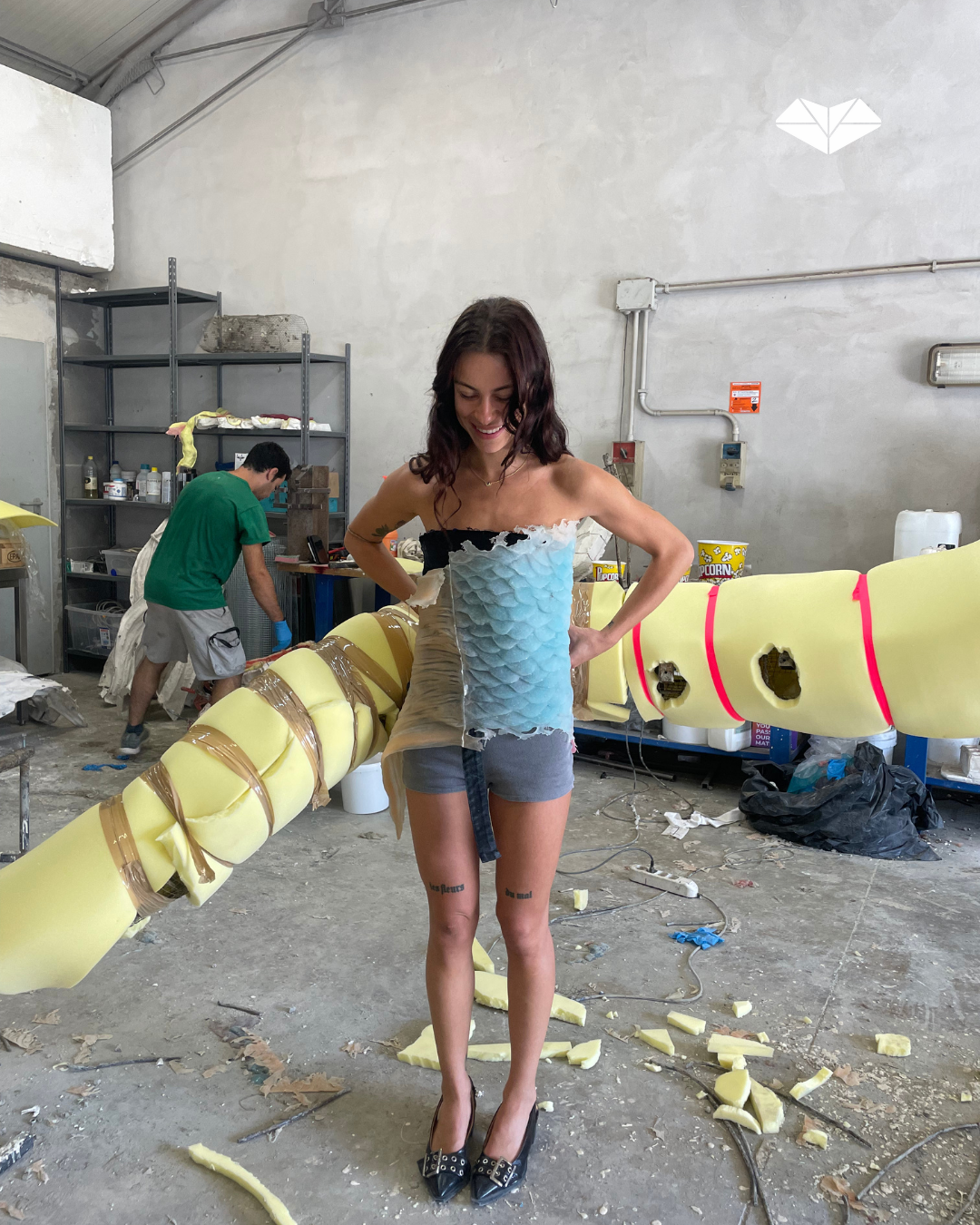
Agnese at Agnes Questionmark studio
In more practical terms, it’s when you realise you’ve learned and taken everything you could from an experience, and are ready to shape your own.
What inspires you at the moment?
Industry: the way marketing has evolved over the past few years has been incredibly impactful. Looking at the campaigns behind albums like Charli XCX’s “Brat” or Doechii’s “Alligator Bites Never Heal”, Rosalia with “Lux” (her hair!!!!!) still stands out to me.
It really shows how powerful thoughtful marketing can be, especially when it’s connected to a clear artistic vision. You can feel when someone knows exactly what they’re doing and there’s something magnetic about it.
Life: the concept of neuroplasticity. I’ve been reading a lot about it, and it’s been particularly relevant for me at this stage of my career. Books like Atomic Habits and podcasts (Huberman Lab) around the topic have genuinely influenced how I think about growth, habits, and long-term development. It has also helped me discover new structures and workflows that I now rely on in my work.
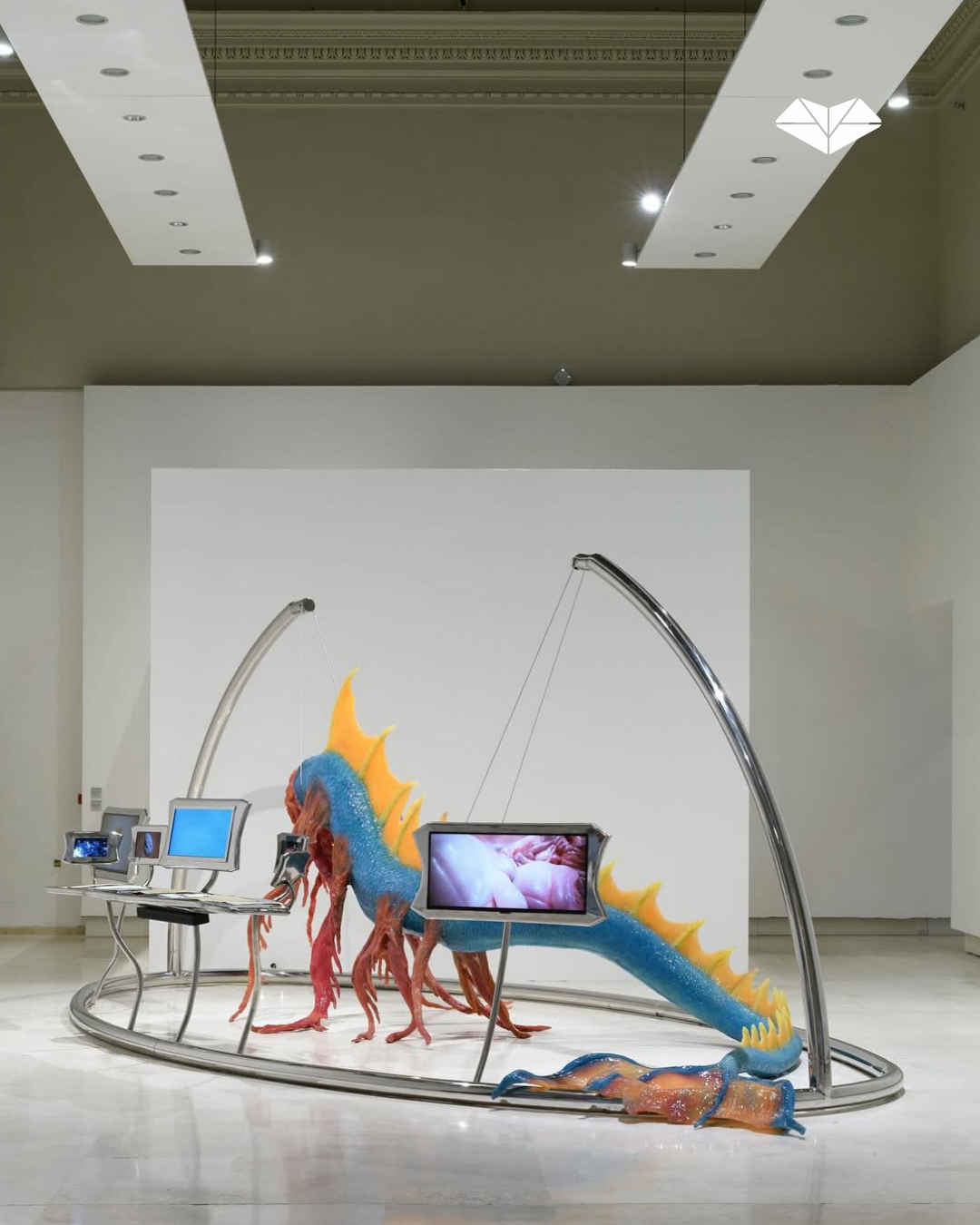
Agnes Questionmark Exhiled in Domestic Life installation