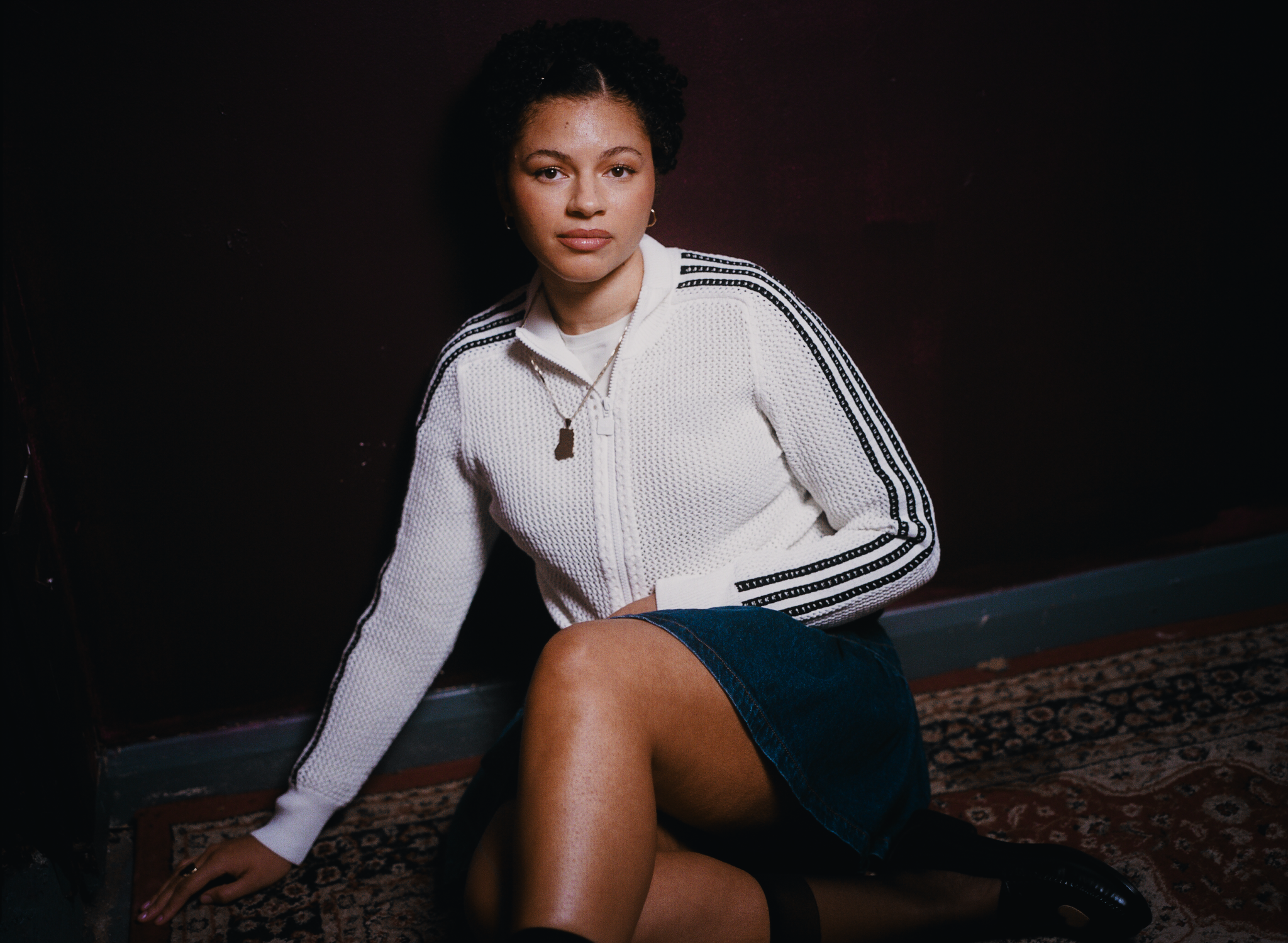
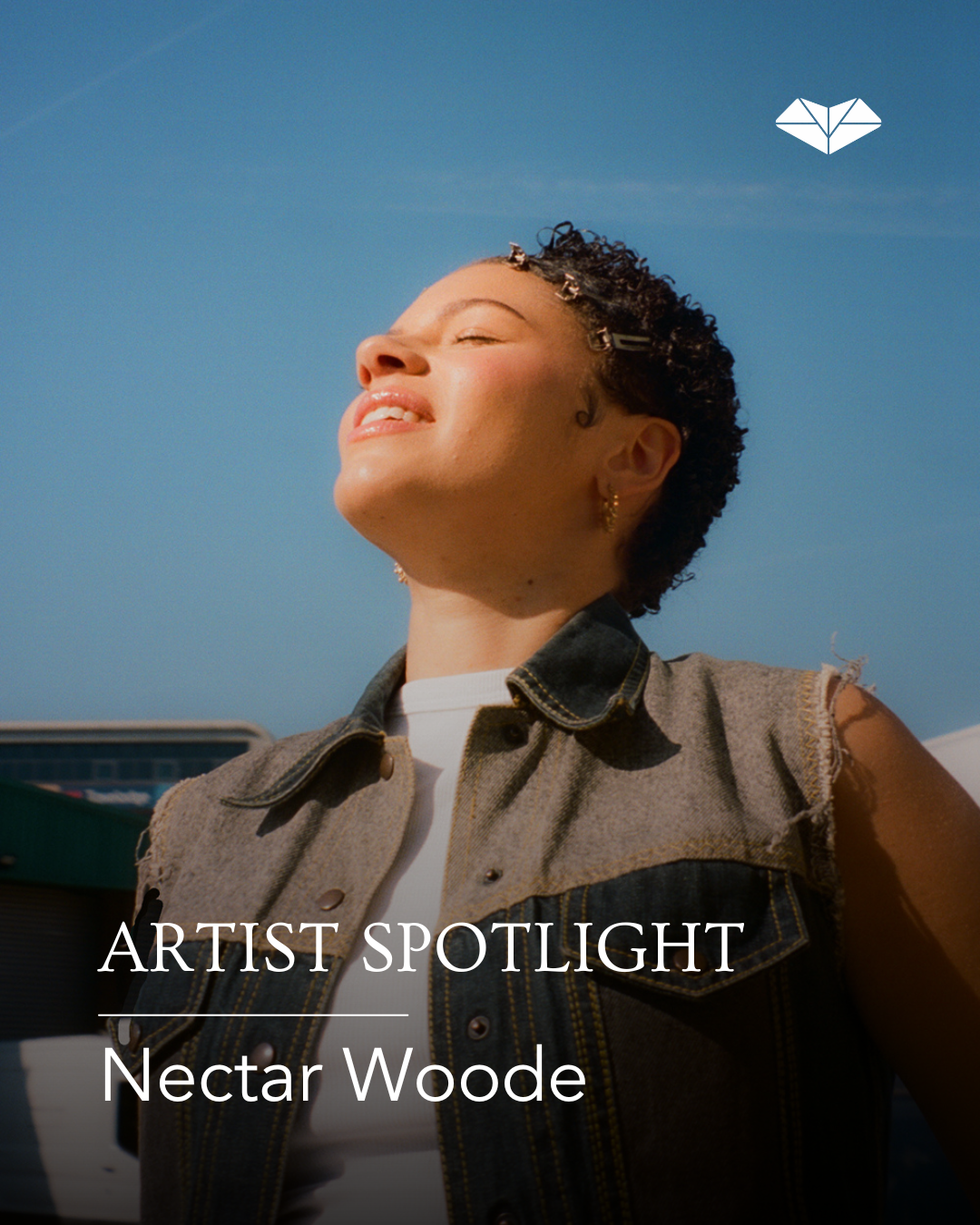
At just 25, British-Ghanaian artist Nectar Woode has carved a distinct place in UK soul and jazz. Raised in Milton Keynes by creatively minded parents, she grew up immersed in gospel, Lauryn Hill, Erykah Badu, and Stevie Wonder, roots that now pulse through her own work. Elton John recently compared her to Nina Simone on his Rocket Hour show, calling out her unmistakable voice and emotional depth.
Her 2022 debut EP Nothing to Lose (Communion) introduced her blend of neo-soul, folk, gospel, and jazz, led by breakout track “Good Vibrations,” which hit 11M streams. The follow-up, Head Above Water (2024), pushed further into jazz and won her a BBC Radio 1 Track of the Week, sold-out London headline shows, and tour slots with Leon Bridges and NAO.
Now signed to Since93/RCA, Woode’s latest project it’s like I never left (2025) deepens her exploration of dual heritage and identity, written partly in Ghana where she collaborated with Joey Turks & Øbed from Accra’s SuperJazzClub and drew on ancestral influence. The record features production from Jordan Rakei and highlights like “Only Happen” and “Lose,” affirming her as both an heir to and an innovator within modern soul.
Alongside her own releases, Woode has become a respected voice in the UK independent scene—hosting a monthly Soho Radio show with Women in Jazz, performing at major festivals, and interviewing artists at Glastonbury for Spotify Fresh Finds. With over 815,000 monthly listeners, sold-out shows, and fans ranging from Elton John to the BBC, Nectar Woode is emerging as one of the most vital young voices in UK music.
Your new EP, it's like I never left is out now, what’s the story behind it? What were you processing or exploring when you wrote it?
The story behind my project is all through my dual heritage identity and the self-discovery of it all. I was lucky enough to go to ghana and finish writing the EP out there and beforehand I had wrote Only Happen which was me sharing my experience of being from dual heritage and not feeling like I belonged on either side and after writing this one it brought a lot of emotions and questions to the surface before going to ghana. Would I be accepted? How would people treat me, even though my heritage lies here. Fast forward me arriving in Ghana and being welcomed with open arms. I wanted to portray this whole journey in my project.