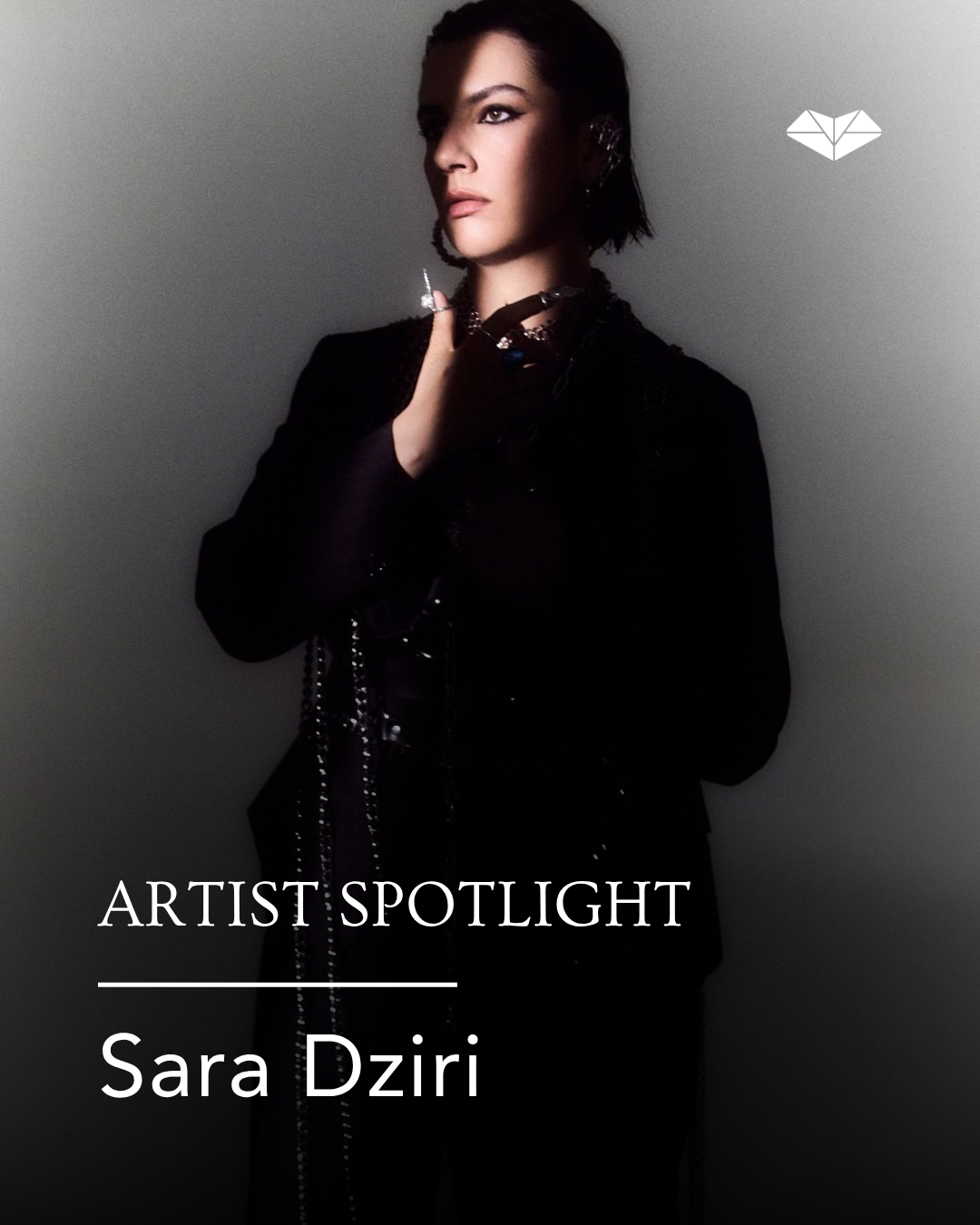
Belgian-Tunisian DJ, composer and performer Sara Dziri has become a distinctive presence in Brussels’ electronic music scene. Her work brings together club music, composition and performance, often drawing on both the city’s underground rave culture and her North African heritage. Following her 2022 debut album, Close to Home, she premiered Black Hole at Kanal Centre Pompidou in 2024, combining sound, choreography and light.
Her new EP, Sacred Disorientations, also marks the launch of her label, SILT. The record grew partly from time spent in Tunis and Cairo, where she met practitioners connected to stambeli, isawaya and zar traditions. Instead of sampling the recordings she made there, Dziri drew on what she learned about repetition, ritual and music’s ability to change how people experience time.
Ahead of the EP’s live premiere at the Jaou Tunis Biennale on 1 October, we spoke to Dziri about the personal experiences behind the record, her research into North African trance traditions, starting SILT and what she has learned from creating her own spaces in music.
Your new EP, Sacred Disorientations, is also the first release on your new label, SILT. What’s the story behind it?
2020–24 profoundly changed me. During that time, I was caring for and eventually lost my father to Alzheimer’s, while living an extremely intense creative life. Looking back, the music I was making became a place where I could process states I couldn’t fully articulate: chaos, grief, release, hope, and the desire to dissolve into something larger than myself.
Close to Home, the album I released on Optimo in 2022, was a first expression of the depth of emotions I was experiencing then. Sacred Disorientations also grew out of that period, but through a newly developing obsession with trance, not just as a musical language, but as a way of thinking about altered states, repetition, ritual and our desire to move beyond the individual self.
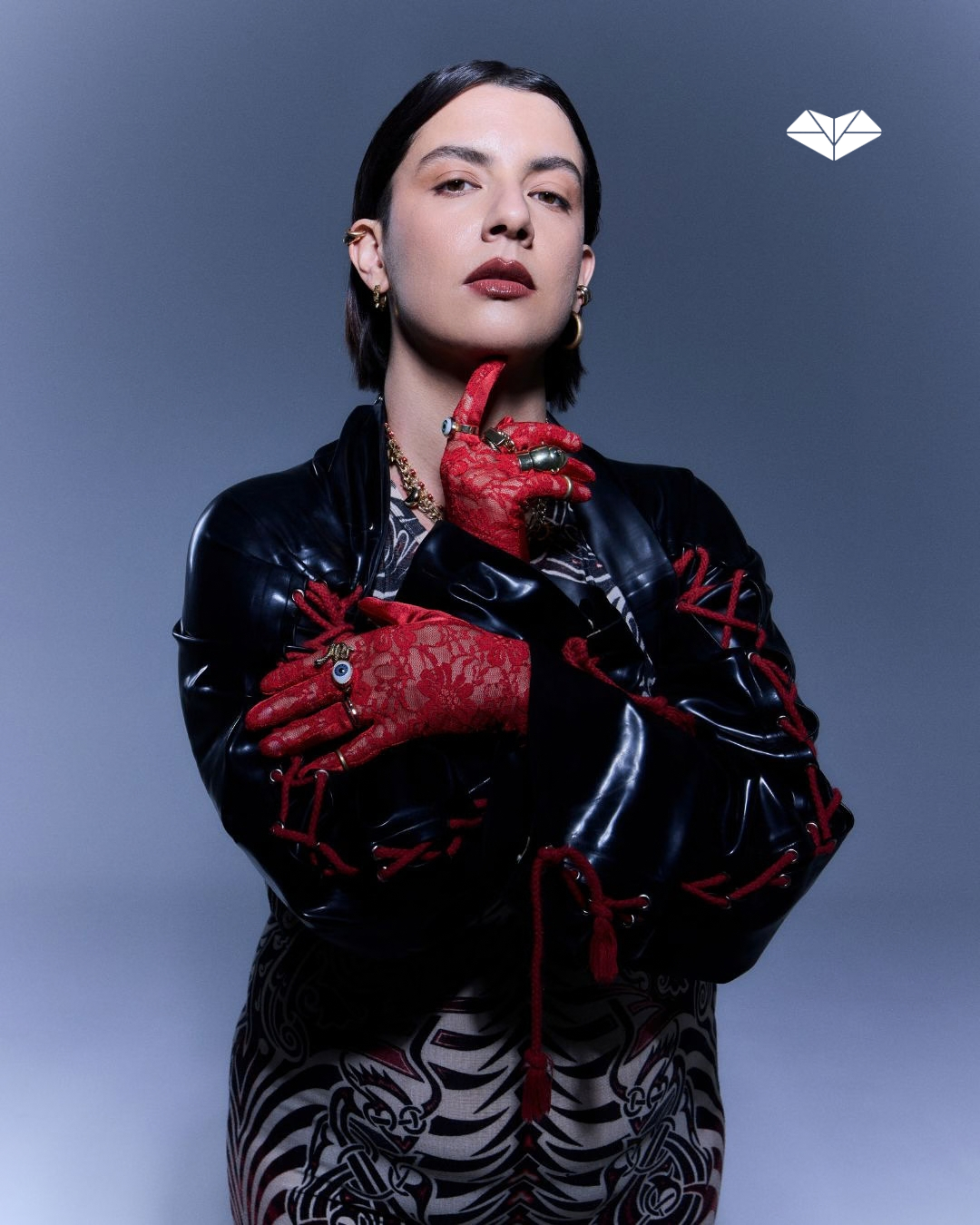
The EP draws from North African trance traditions and research you carried out in Tunis and Cairo. What did that research involve, and how did what you discovered find its way into the music?
I spent time in Tunis and Cairo, where I worked on the music and met several traditional practitioners of different trance traditions, such as stambeli and isawaya in Tunis and zar in Cairo.
Our meetings were exchanges about their practice and the meaning they gave to it. Of course, they also involved musical explorations and recordings, although I decided not to use any of those recordings on the EP. I wanted to understand and translate something of their underlying logic, rather than simply sample their sounds.
What stayed with me most wasn’t necessarily a particular rhythm or sound, but the idea of music as something functional: something that can alter your state, change your perception of time and create a collective experience. That has increasingly shaped how I perform too. During my live shows, especially through singing, I try to enter that state myself rather than simply “perform” it for an audience.
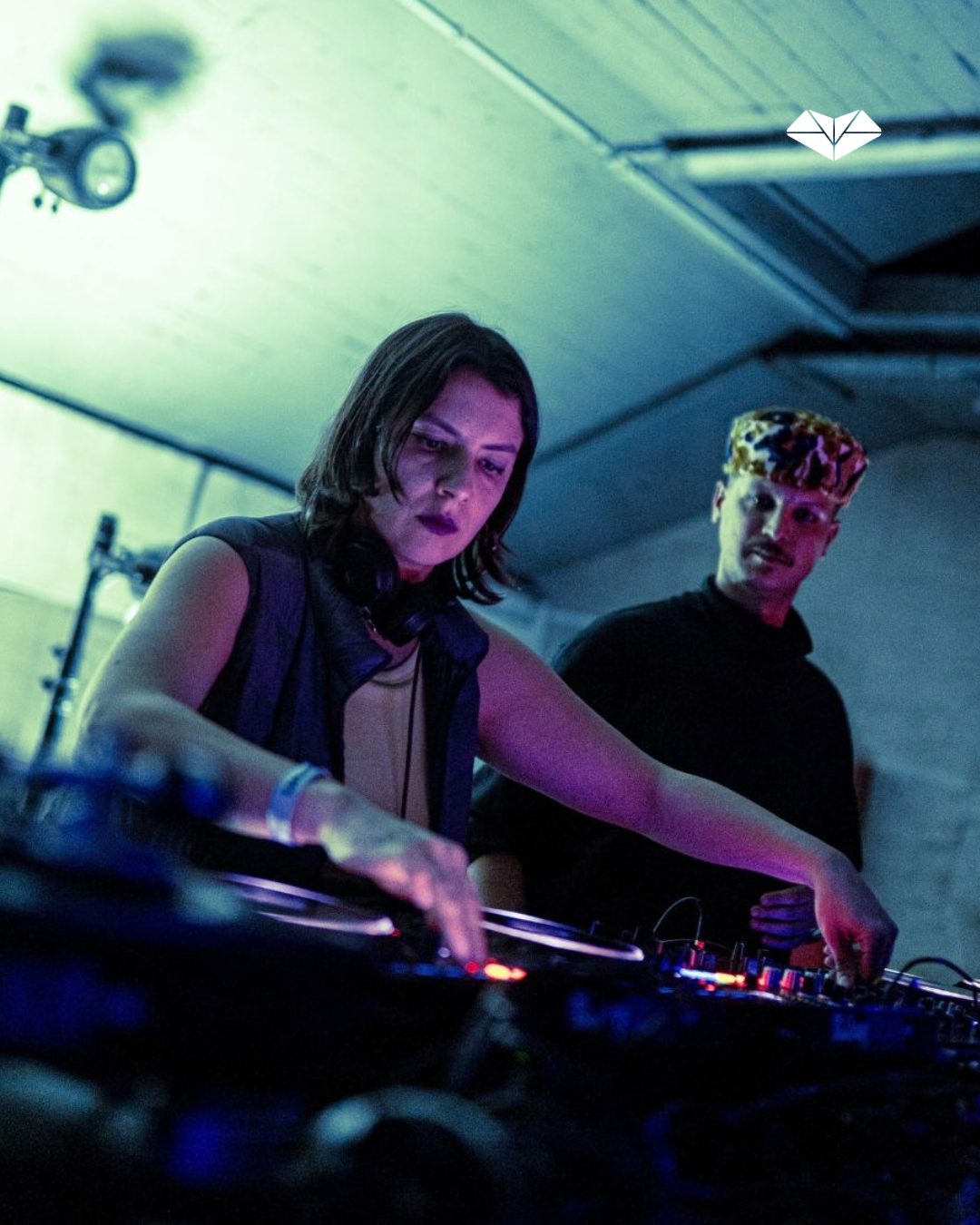
I’ve started thinking about DJing in a similar way: creating a relationship between myself, the machines and the room, and allowing an intensity to build until something shifts. I’m interested in what happens when I can reach a state of ecstasy through performing and whether that feeling can become contagious in the room.
What made you want to start your own label, SILT, and what kind of space do you hope it can become for other artists?
SILT, for me, represents a platform that can bring together all the different strands of my artistic practice, with music at the heart of it. It’s a music label first and foremost, but I also want it to be a structure through which I can experiment with different experiential formats for music, such as listening sessions, installations and performative concerts.
Sound-wise, I’m drawn to music that exists in the in-between: between different musical lineages, between experimental and dancefloor music, and between stillness and intensity. I’m interested in artists who don’t fit neatly into one musical world and whose work can shift the state of the listener in some way.
You co-founded Not Your Techno in 2019 to help create a more intersectional, queer and POC-centred electronic music scene in Brussels. What did building your own platform teach you about creating community in nightlife?
It taught me how important inclusive nightlife formats can be for partygoers and how much freedom, belonging and self-expression those spaces can create. For me, it came out of a necessity to break out of the usual tropes you see in nightlife, to have fresh faces, fresh approaches and just a crazy mix of people coming together and letting go. In a lot of ways, SILT actually stems from the same values: freedom, self-expression and weirdness.
It also taught me how fragile independent community structures can be. Grassroots collectives often create enormous cultural value with very few resources, and larger institutions sometimes benefit from that knowledge, audience and credibility without returning enough resources or recognition. It made me much more conscious of how collaboration should work and what equitable partnership actually means.
What advice would you give to emerging artists who are still trying to find their own voice?
Your voice is often already present in the things you keep returning to before you know how to articulate it. Pay attention to your recurring obsessions. Expose the work to people whose feedback can actually make it better. Don’t isolate yourself, and enjoy the process!
Networking can feel intimidating when you’re starting out in electronic music. What has helped you build genuine relationships and community throughout your career?
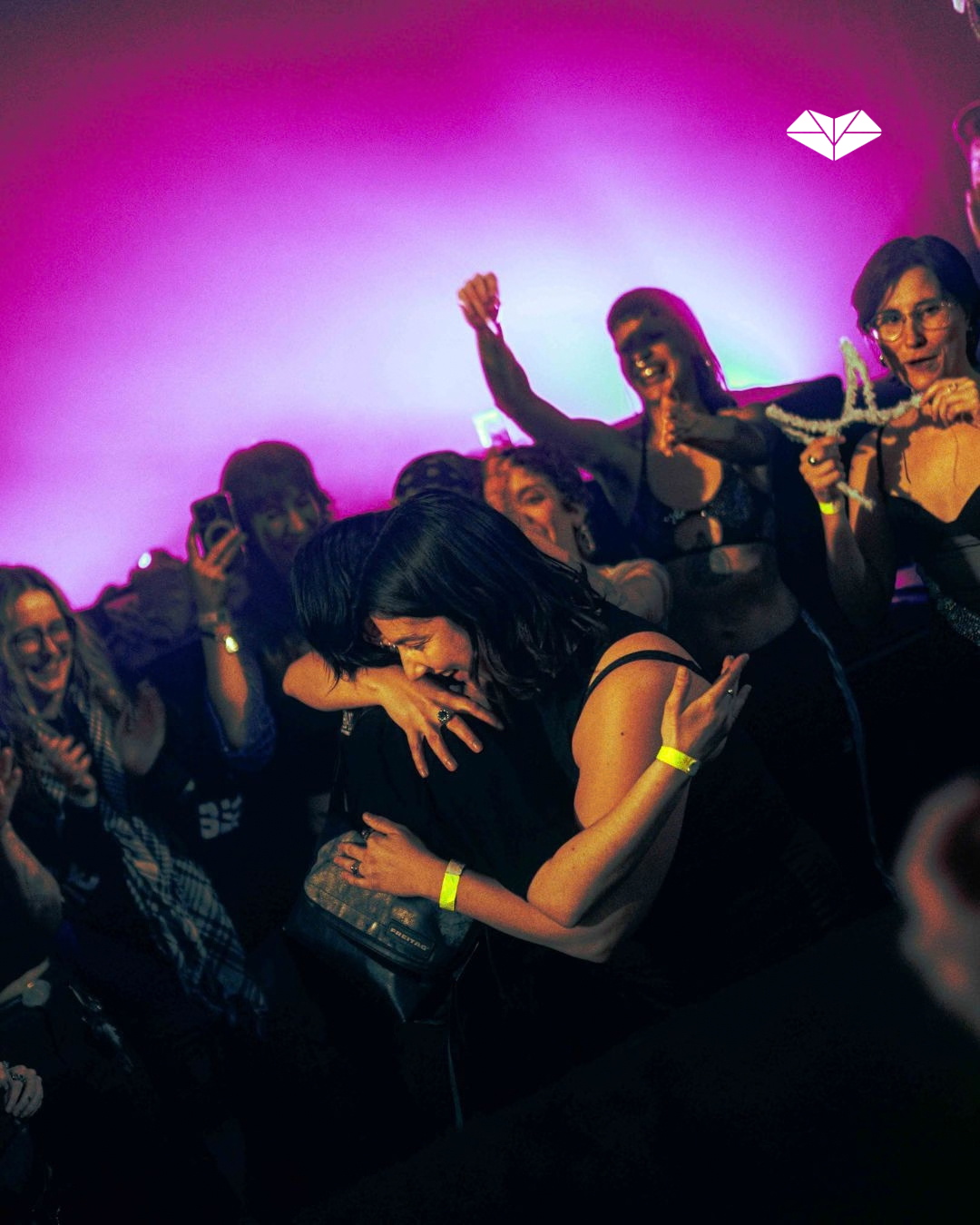
Don’t think of networking as meeting important people. Build relationships around shared interests, curiosity and doing things together. My experience is that the best connections often happen very humanly and through people who champion each other.
What are you listening to at the moment?
Lately, I’ve been returning to some records I have at home: Susumu Yokota’s Acid Mt. Fuji and Muslimgauze’s work. What I love about both is the way they create a very specific sense of space and time through sound. I’ve always been drawn to music that can do that.
What are three things you can’t live without in your bag when you’re touring?
My noise-cancelling headphones because I like to be in my own bubble, my favourite comfy T-shirt to feel at home anywhere, and my Kobo reader with a huge collection of fiction and non-fiction.