Photo Credit: @emilx.w
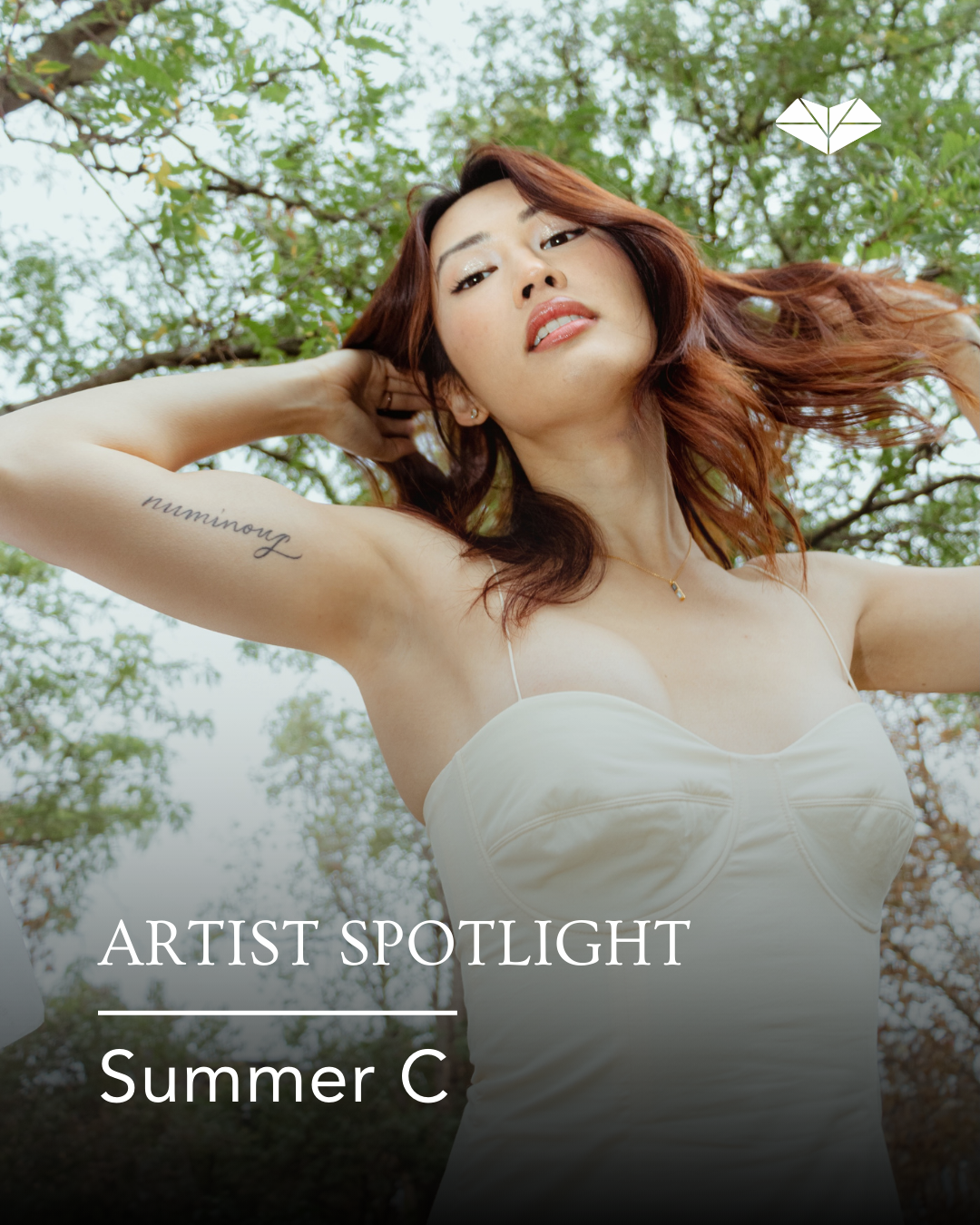
Summer C is a Hong Kong–raised, London-based pop artist and songwriter whose work is defined by emotionally direct, vocal-led songwriting and an intentional approach to storytelling.
After building a social media audience of more than one million followers, she made the rare decision to step away from public visibility to prioritise her mental health and focus on developing her craft away from the pressures of constant output. Rather than chasing viral momentum, she chose to rebuild her creative practice on her own terms—an experience that now shapes both her music and artistic direction.
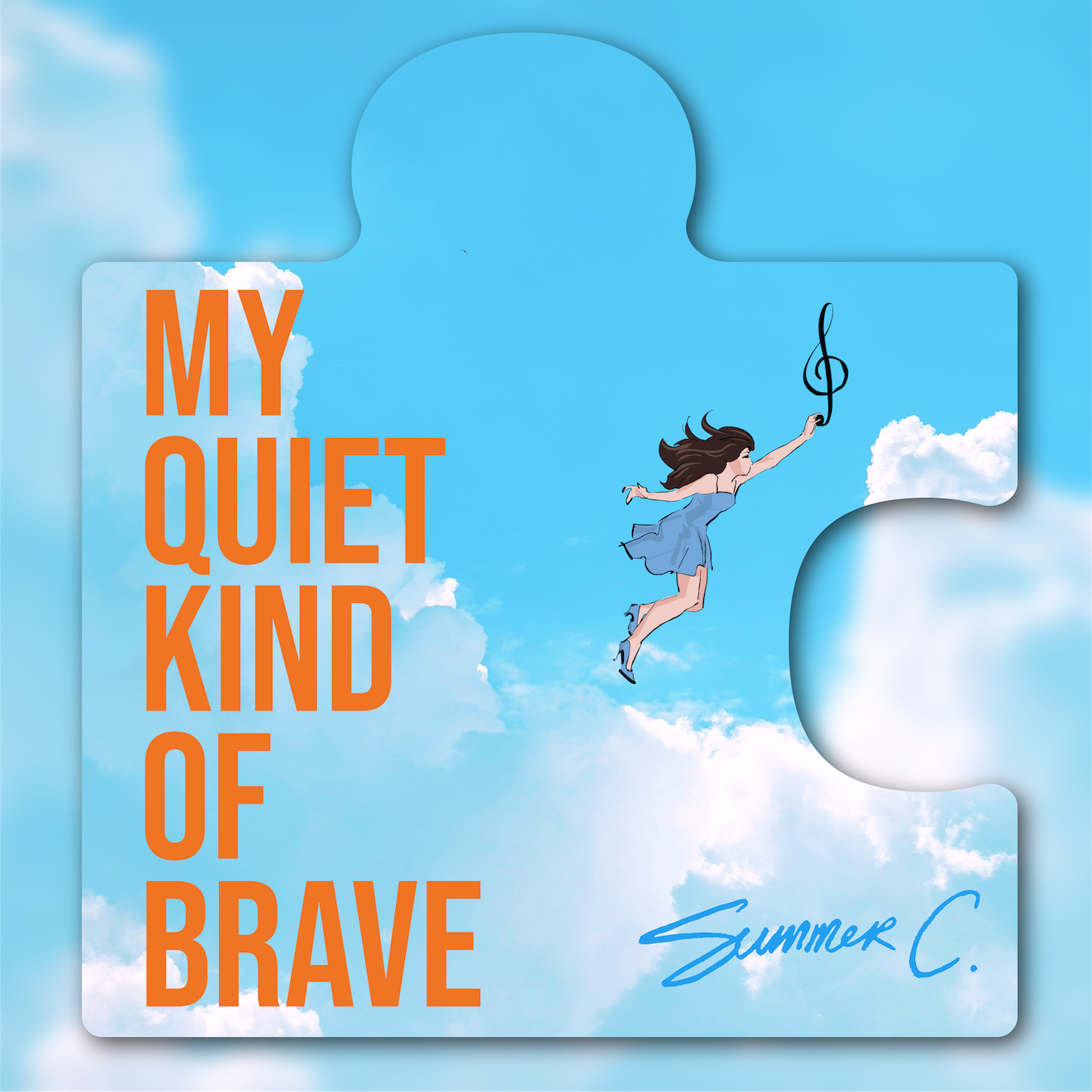
Her return is marked by My Quiet Kind of Brave, her most personal and musically accomplished work to date, produced with Jamie Sellers (Elton John, Ed Sheeran, FLO) and Annie Rew Shaw. First conceived during her time studying in New York and completed in the aftermath of a mental health crisis, the track reframes bravery not as something loud or performative, but as a quiet, internal act of persistence.
Drawing from her Hong Kong upbringing alongside a deep appreciation for precise pop songwriting, Summer creates music rooted in melody, emotional honesty, and resilience. As a proud trans woman, Summer is also committed to improving access to arts education and supporting organisations that provide mental health resources and safe spaces for LGBTQIA+ young people. With My Quiet Kind of Brave, she reintroduces herself with clarity and intention, marking the beginning of a new chapter defined by artistic autonomy, balance, and renewed confidence in her voice.
Your new single “My Quiet Kind of Brave” marks an important personal and artistic return. What is the story behind the track, and what inspired you to write it?
“My Quiet Kind of Brave” represents a new chapter for me, and it was the first song I wanted my audience to hear. I actually began writing the melody over a decade ago when I was a student at New York University. And when I was writing it, the melody gave me goosebumps and I felt there was something special about it. But I never finished it because it sat right at the top of my chest voice, and I kept telling myself I’d complete it when my voice was ‘ready.’
Photo Credit: @emilx.w
A decade later, in the aftermath of a mental health crisis, I finally finished writing the lyrics. And recording this song helped me realise it wasn’t about being ready. It was about showing up. I recorded the lead vocals six times, and each take taught me something new about my voice and my voice was my way back into my body.
When I listen to the track now, I still hear the freedom and joy in it. And I feel a lot of pride with this song. My hope is that the audience will take away that bravery is not something loud or performative, but internal and steady. It’s really about choosing to stay.
You made the difficult decision to step away from a large online following to focus on your mental health and artistic development. Looking back, what did that period teach you?
I think after going through my mental health crisis, it really showed me how unsustainable it is to constantly produce. For the three years that I was active on social media, I was posting daily and at times posting up to five times a day because momentum is everything when you’re growing. But stepping away forced me to face the uncertainty of what would happen if I stopped feeding the algorithm.
What that time gave me was perspective. I realised that I had built my life around being creative when really I should be building creativity into my life. So there’s a lot more balance and coming back now, I feel more aligned with who I am and what I want to say. I’m quite excited and I have a lot more curiosity because I can see how I can do this more sustainably now.
The song reframes bravery as something internal and steady rather than loud or performative. How has your understanding of “bravery” evolved over the past few years?
Over the past few years, my understanding of bravery has shifted a lot. I’ve learned that some of the bravest acts are showing up for yourself, allowing yourself to feel, creating even when it’s uncertain, and choosing honesty over performance.
To help promote this song on social media, I interviewed a lot of people asking about hope, courage, and through them, I’ve learned that being brave is about staying present with your own truth, even when it’s uncomfortable. That you can trust that your voice matters simply because it exists. That has been a huge learning.
What practices or boundaries help you protect your mental health while working in the music industry?
A huge part of protecting my mental health has been about learning how to build boundaries. When you’re posting everyday and multiple times a day you eventually share things before you’re ready to or have fully processed yourself. My brain was trained to constantly look for how to turn what I was going through into an “angle” or “hook”. Unlearning that was the key and it gave me back the power to make the decision to share what it is that I wanted to.
And practically, I prioritise rest, community, and time offline. I have designated time windows for when I post, reply to comments and analyze what went well and what didn’t. Outside of that, I don’t look at the analytics and that has given my brain time off and rest. I’ve learned to give myself permission to create in cycles rather than on constant demand.
What is your favourite part of making music, and what is the most challenging part that audiences rarely see?
I genuinely love the craft of making music. When I stripped the numbers away from the art, I rediscovered that I love the challenge of shaping a vocal, refining a lyric, and finding subtle details that make a song feel alive.
There’s something deeply satisfying about building something from nothing and watching it take form and I love working with people that challenge me or push me to go further. It’s always cool to see how ideas can change or develop depending on the chemistry of the person you’re with.
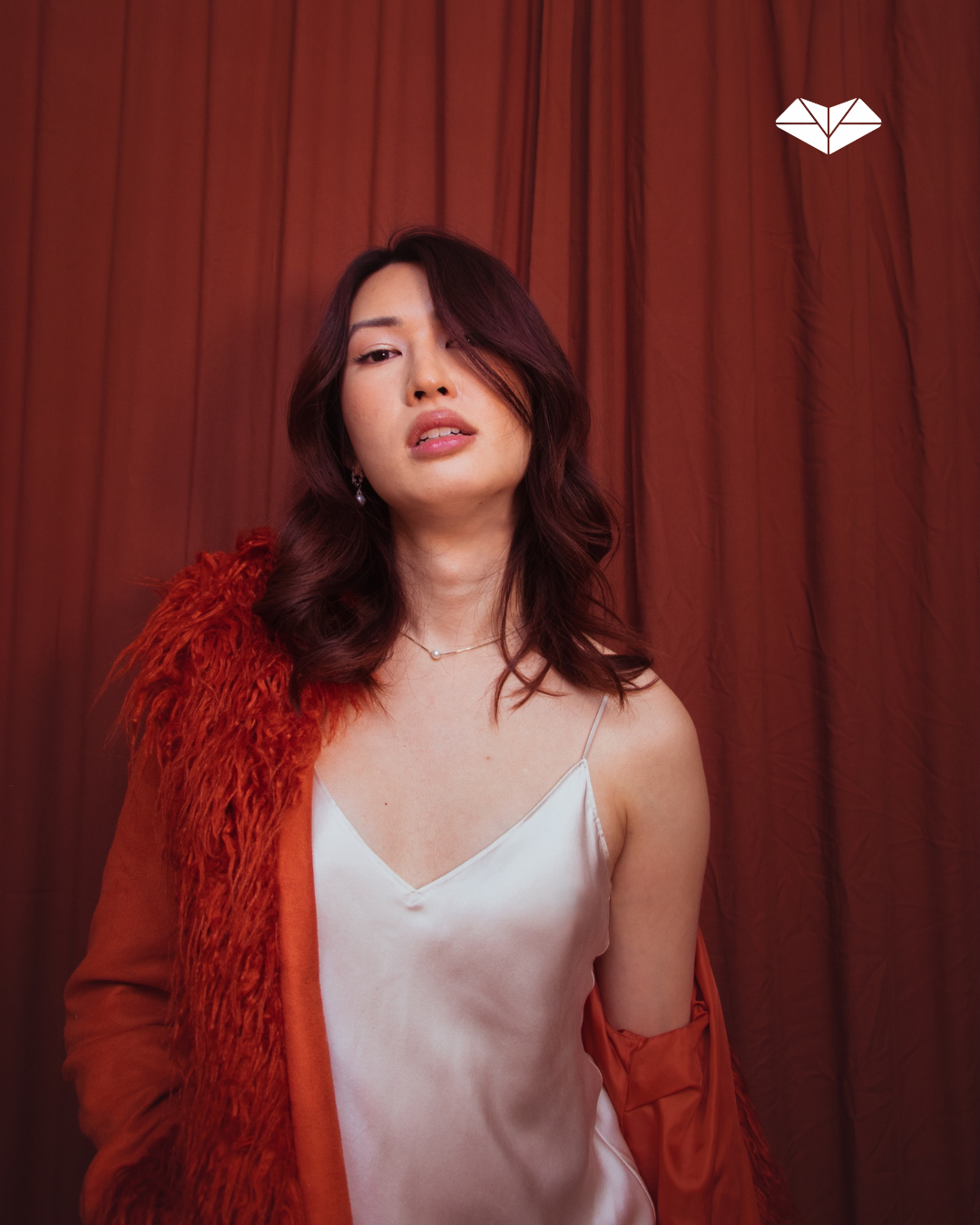
Photo Credit: @emilx.w
I think the most challenging part for most artists is the financial reality. So many of us have these grand visions but practically we all have a budget and limited resources to work with. I’ve found that these restraints force me to be more inventive but I think that’s part of the fun too.
What are you listening to at the moment, and which artists or sounds are currently inspiring your songwriting?
I’ve been reconnecting with the music I grew up with in Hong Kong, and it’s been pretty cool to revisit those songs with fresh ears. One songwriter that keeps popping up is Mark Lui. He’s written hits for all the A-list musicians in Asia and I look at him as Hong Kong’s Max Martin. But outside of that, I naturally gravitate toward Top 40 tracks as a pop girl at heart, so there’s a lot of Olivia Dean and Bruno Mars on my playlist.
With that said I also love Sufjan Stevens. There’s a level of honesty, creativity, and vulnerability in his music that really moves me, and he’s someone I would love to collaborate with one day.