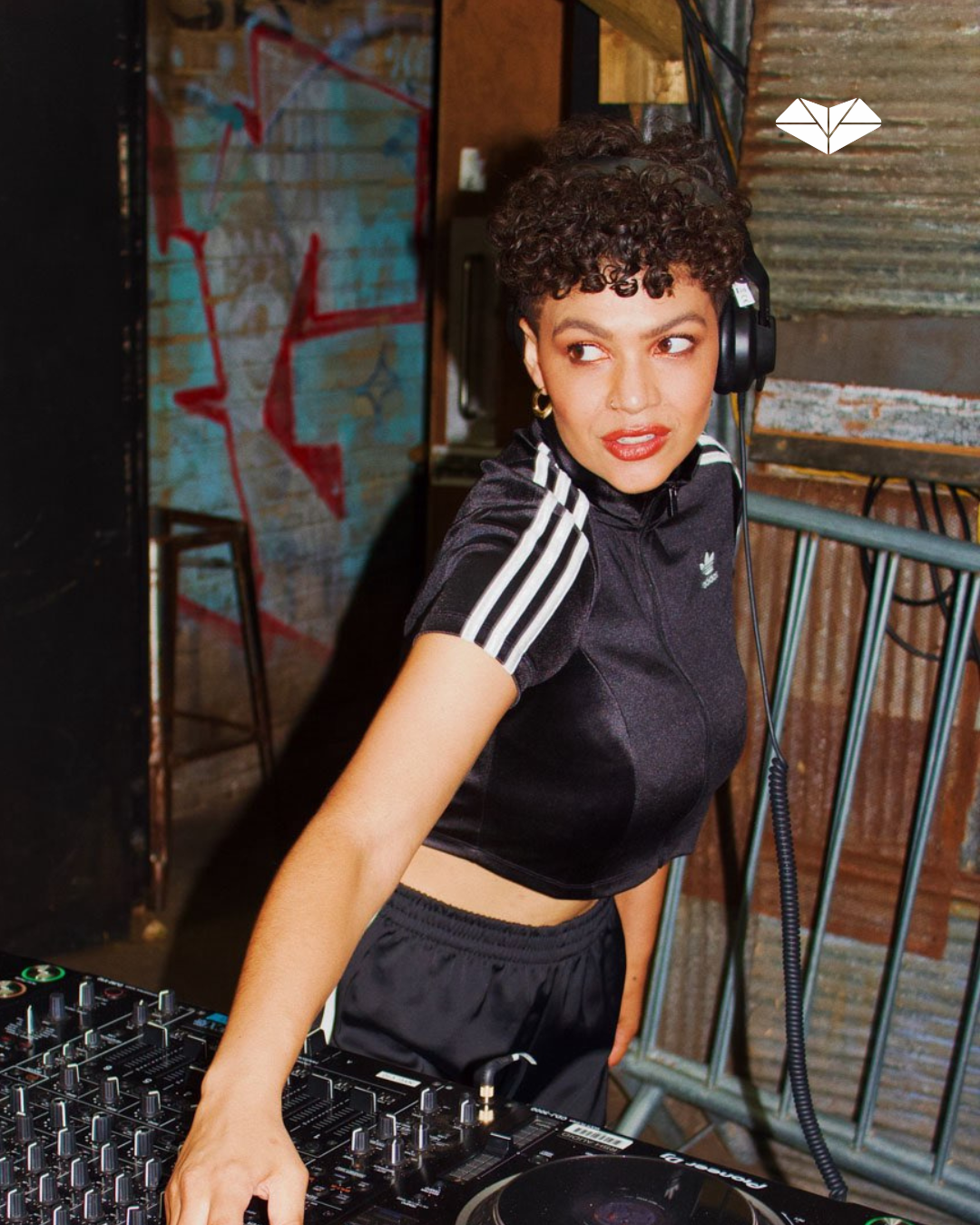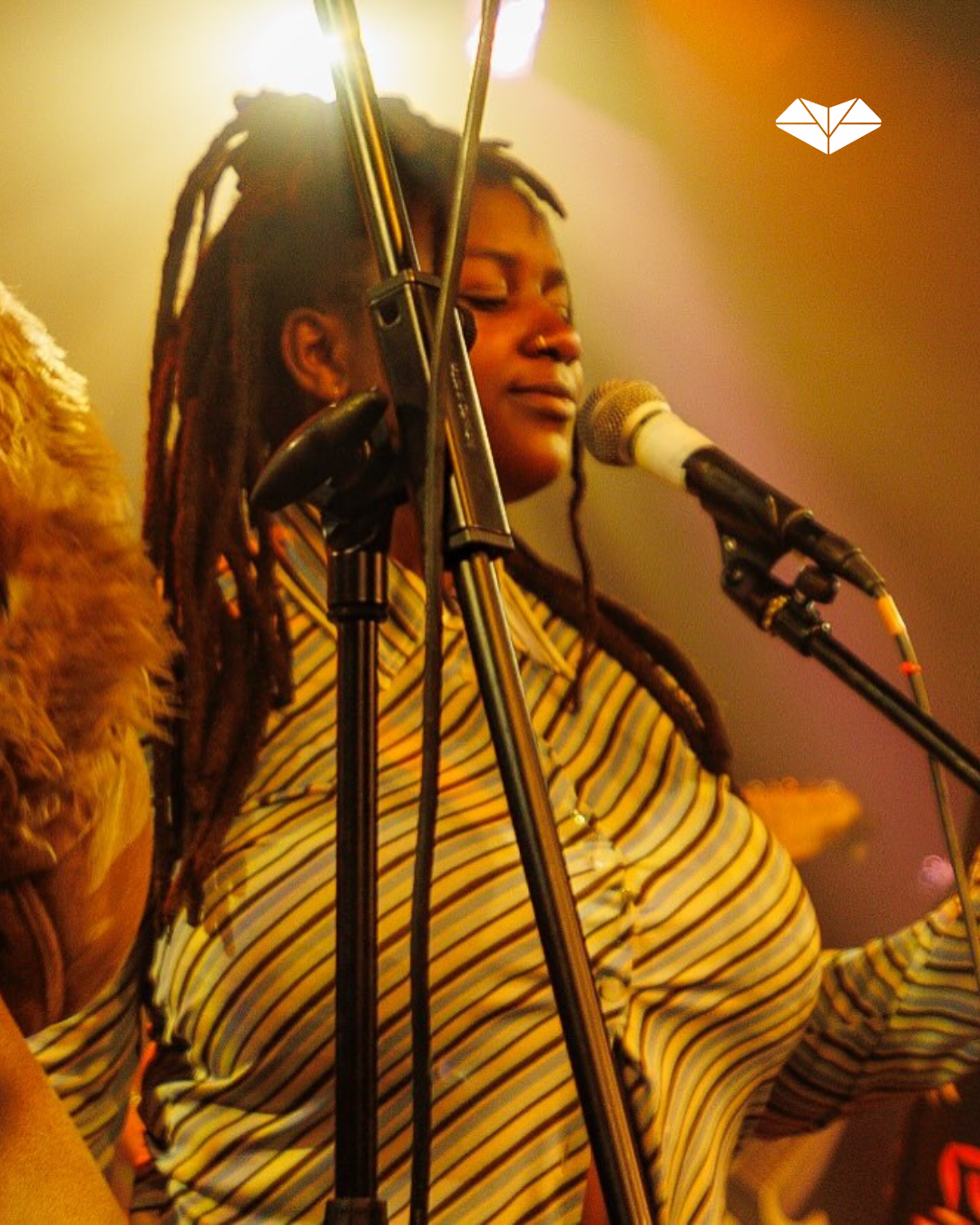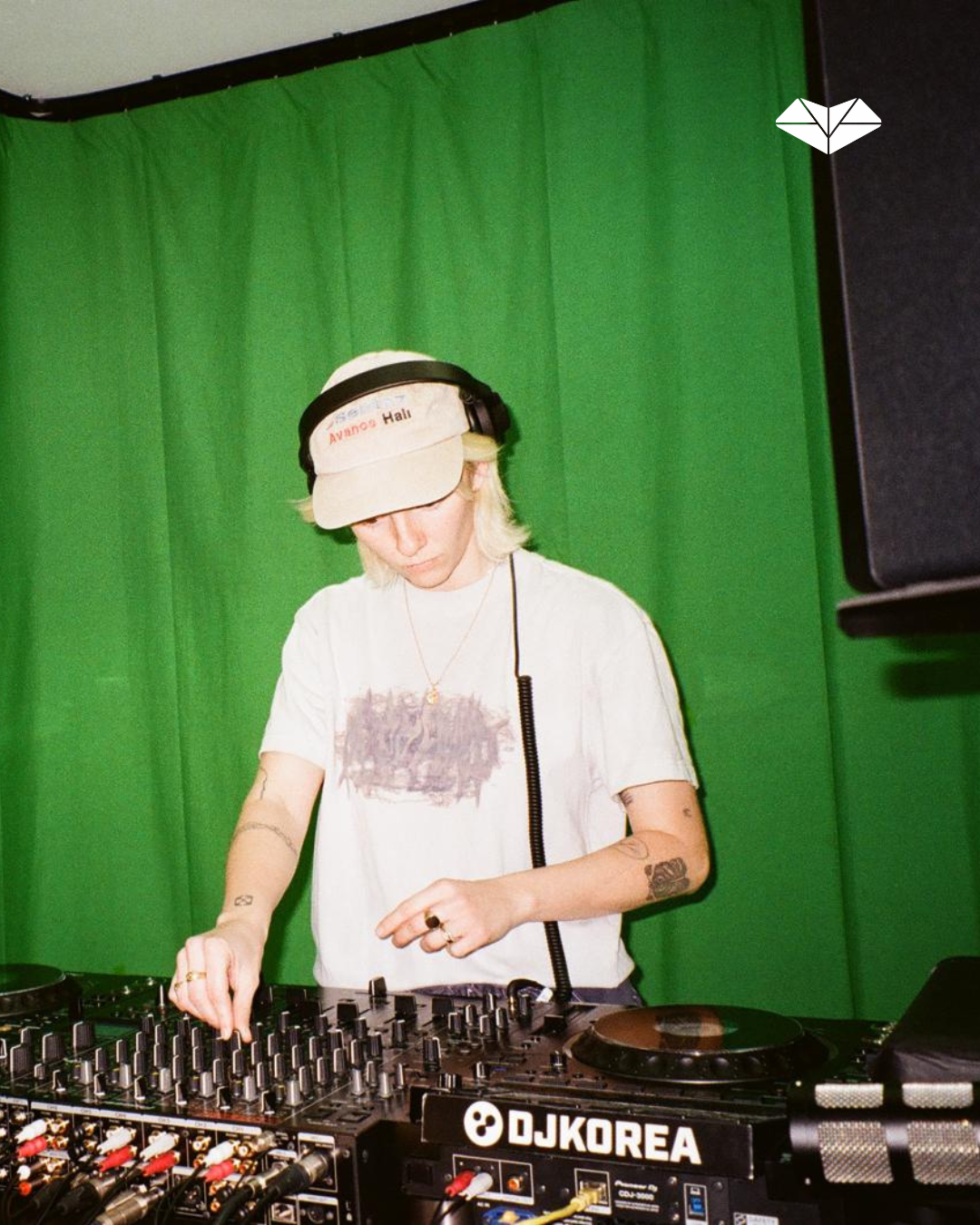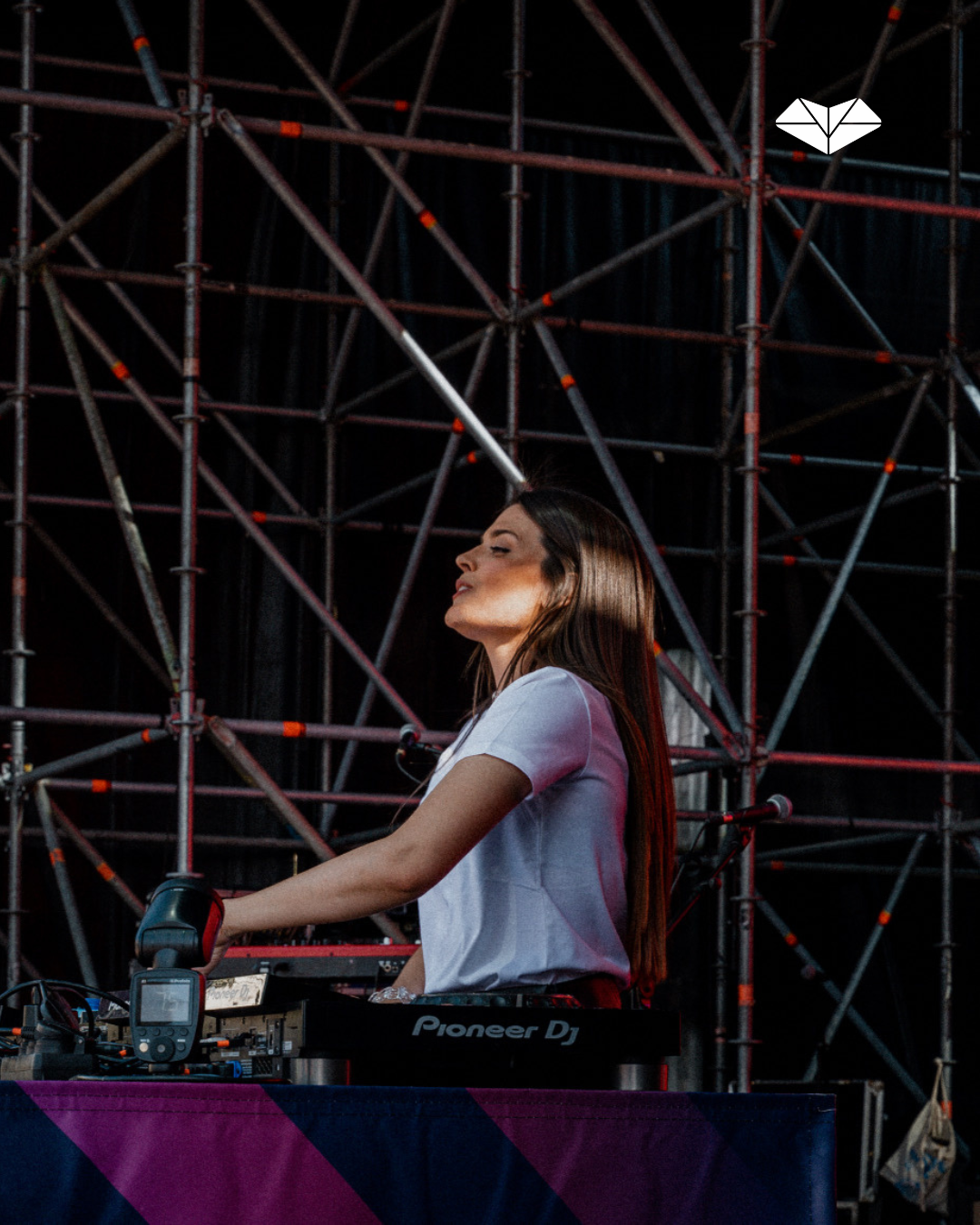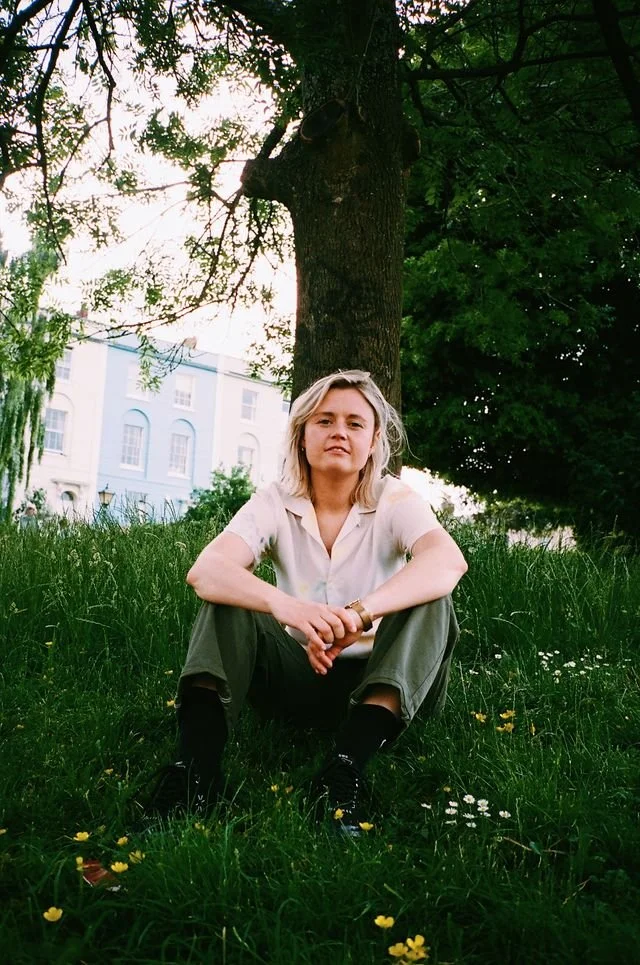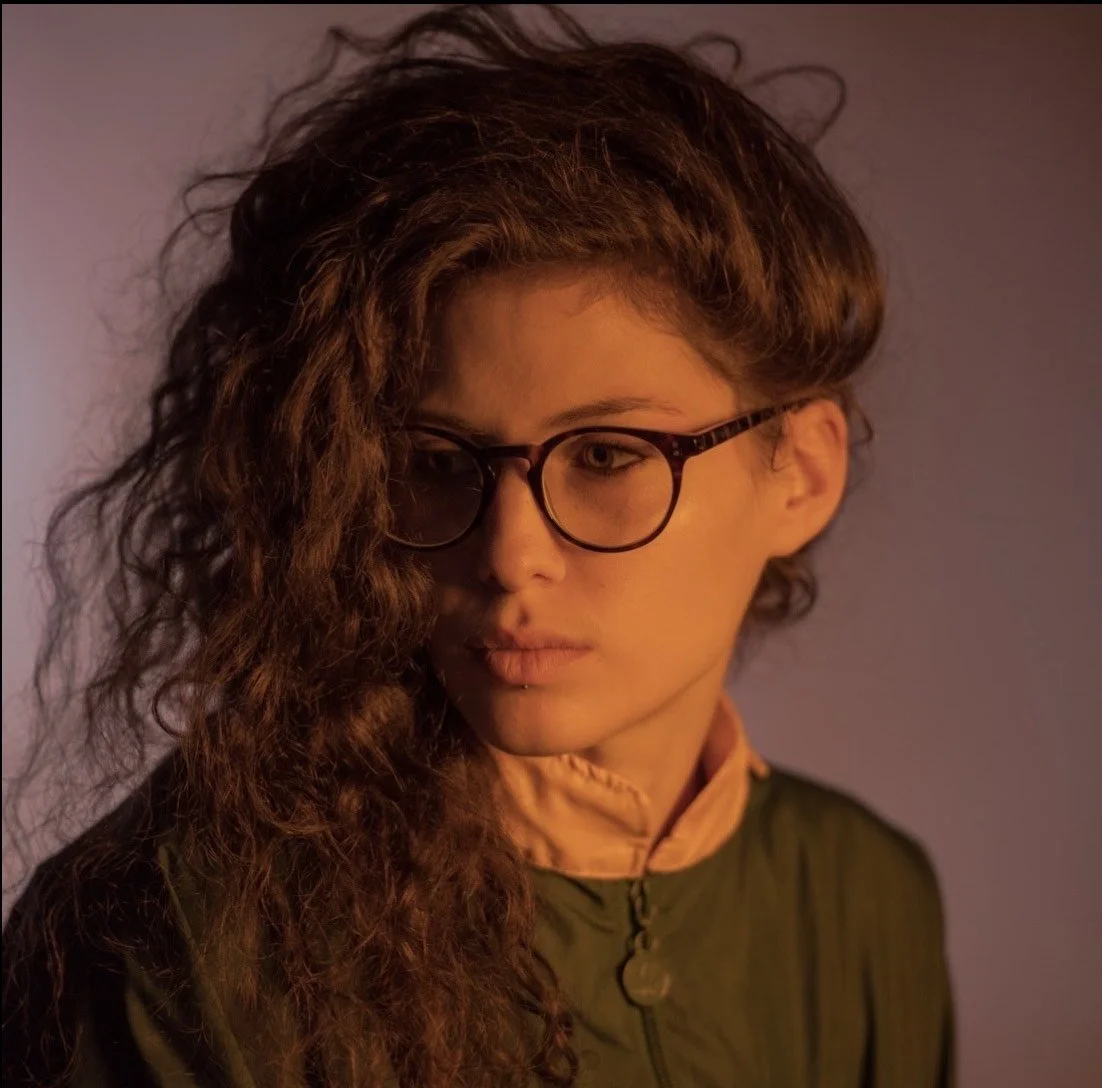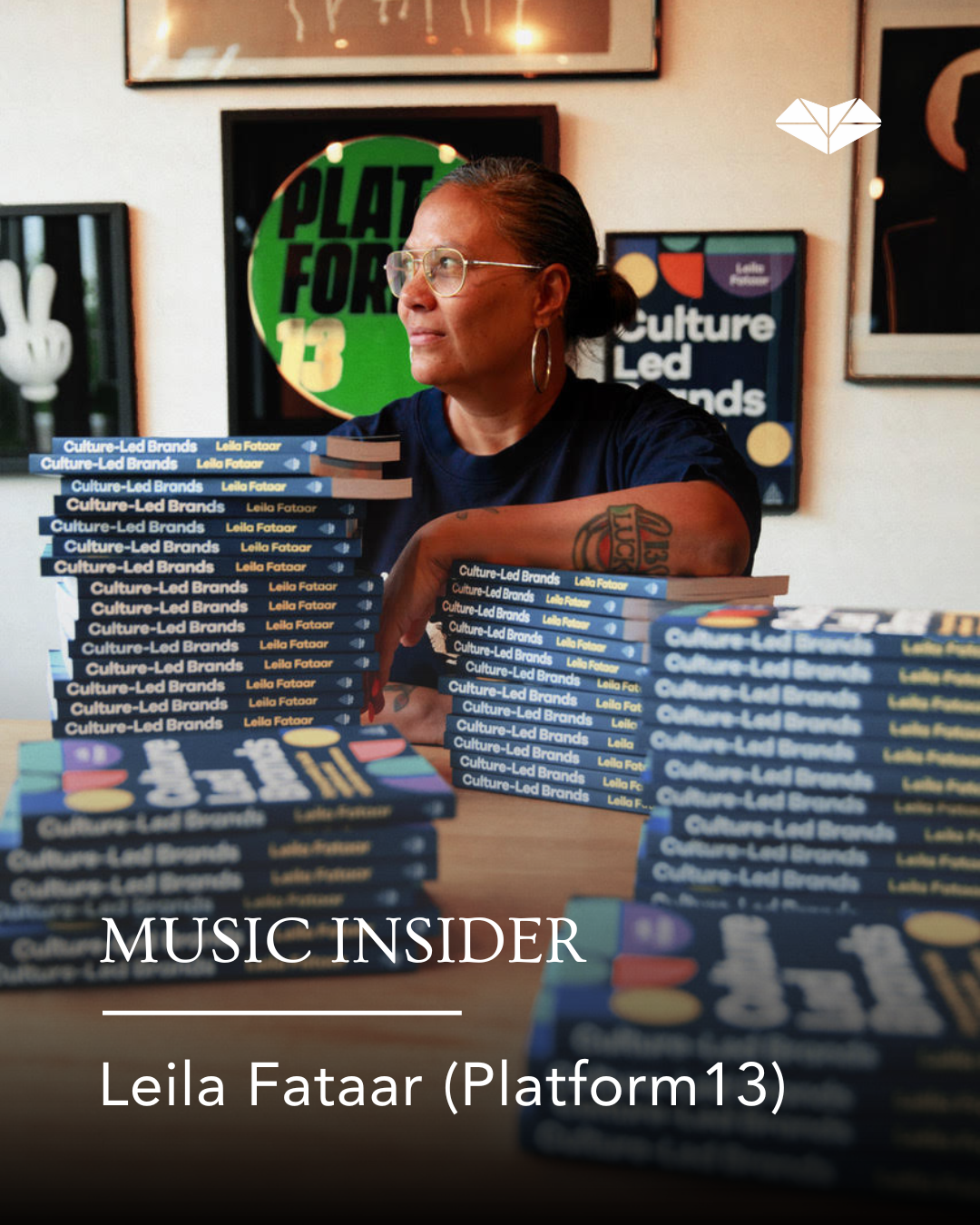
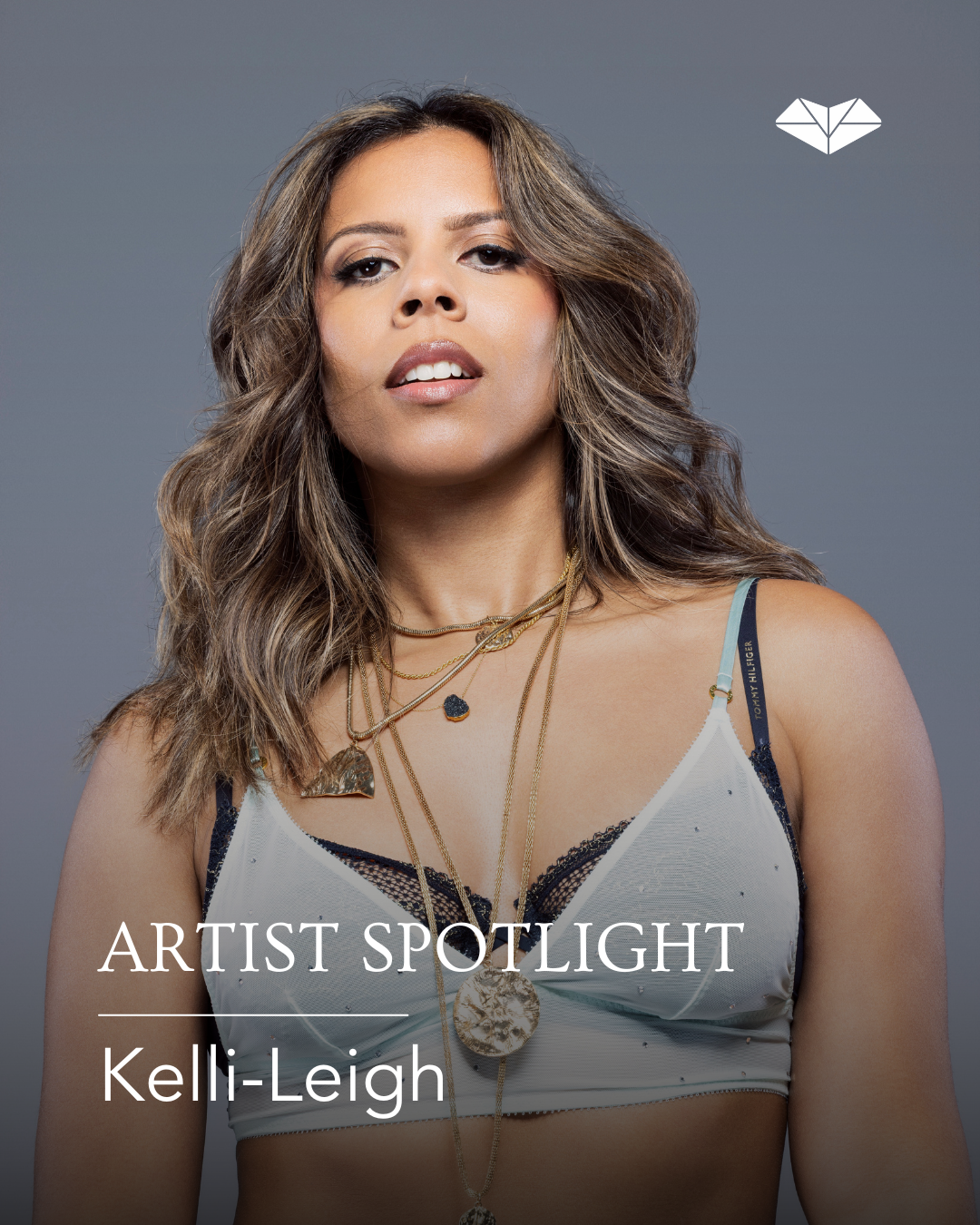
Kelli-Leigh: From Chart-Topping Collaborations to Her Defining Debut Album 'Legacy'

Over 1 billion streams. Two UK No.1s. Three UK Top 10s. Kelli-Leigh’s voice has carried some of the biggest dance tracks of the past decade, from Duke Dumont’s “I Got U” to SecondCity’s “I Wanna Feel.” With the release of her debut album Legacy on 19 September, the Grammy-nominated singer-songwriter takes centre stage as a solo artist in her own right.

On stage, she has performed everywhere from Radio 1 Ibiza and the Capital Jingle Bell Ball to the Eurovision Opening Party and Pride celebrations across Europe. Her collaborations include work with Tiësto, Duke Dumont, Sonny Fodera, Low Steppa and many others. Through her own label Music Core, she has also built a solo catalogue supported by BBC Radio 1, Capital Dance and KISS FM, with singles such as “Unconditional” and “New Chic.”

Alongside her music, Kelli-Leigh is an advocate for artists’ rights. As a board member of the Featured Artists Coalition and host of the You Know My Voice podcast, she continues to push for better recognition and protection for vocalists in electronic music.

Legacy is a 16-track album of dance-pop that reflects her journey so far. From the retro grooves of “Broken Heart” to the uplifting energy of “Love Myself,” it marks a decisive step for an artist who has spent years shaping the sound of UK dance music.

You’ve been the voice behind multiple UK No.1s but often uncredited. What gave you the drive to finally step into the spotlight as Kelli-Leigh the solo artist, and what can other vocalists learn from that journey?

I realised that nothing was going to happen unless I started investing into myself and not waiting for anyone to give me permission or support to be the artist I wanted to be. Other vocalists coming up should definitely have the future vision for themselves at the forefront of their mind. It will be easier to grow a stronger journey without feeling like you’re being pulled in different directions. 

Over 1 billion streams and collaborations with some of the world’s biggest DJs is huge. Looking back, what were the pivotal decisions that helped you sustain longevity in such a fast-changing industry?

I guess consistency and backing myself. I often say I wouldn’t be where I am now had I not decided to start self releasing. Building my own journey and self worth in am industry that now values relevance above all else it was my way of keeping in peoples minds and still growing via my own path. Then the courage to say no to things that didn’t feel right for me or If I felt I was being devalued was a major part. It was loosing the fear mindset of saying yes to anything that came even if it didn’t feel right.

You are running your own label, Music Core, and have taken control of your releases. For artists considering going independent, what’s the biggest challenge and the biggest reward of owning your work?

The biggest challenges are definitely the financial costs associated with releasing records. If you can do as much as yourself as you can (making the artwork, editing/filming video clips, vocal production and production) you’ll save money as you build your team. The biggest rewards have to be having your own music and identity out there.

When someone sings back the lyrics you wrote or tells you they have your song on their playlist as it makes them feel a certain way (motivated, comforted, happy etc) it means so much! That’s the biggest joy from it, self releasing feels like breathing on your own terms.

Through your work with the Featured Artists Coalition and your You Know My Voice podcast, you’ve advocated for vocalists to protect their rights. What are the most common mistakes singers make when it comes to contracts and credits?

Being scared to rock the boat or going into a business situation with lack of knowledge . You never know what may be a hit and you never know when a song may see the light of day. Always take a session bounce home with you so you have a copy of your work. At the end of the day from my experience I believe that good people and people your’re meant to work with will respect you and do things correctly. 

You’ve moved from being a featured voice to building a full body of solo work. How does your creative process shift when writing for yourself versus collaborating on someone else’s track?

You realise you have to unlearn certain things. For example going from BV world to an Artist I had to shake certain session behaviours where you sometimes have to dumb yourself down & keep yourself small (and obviously professional) as at the end of the day you are the ‘backing’ section but an Artist has a competent different mentality and presence from the moment they walk into a room.

The same applies in a session, although the room has a lot more ‘artists' in it in general you are aiming to write something the lead artist will like so lyrically you often have to overthink is that simple enough but cool enough, is it impactful enough but repetitive enough (in case of dance music) writing your own music you get to go…at the end of the day do I love it yes or no? And to be honest with yourself, can you make it better, can you tweak it, can you hone in on sections to make a stronger record, or is this something you need to write for yourself so you can expand and write something better another day. Writing for yourself takes allowing yourself more freedom and trusting in who you are and what you want to say.

With 16 tracks, Legacy feels like a statement album. What story are you telling through this record

I love that! It very much is a statement album. It’s a statement that combines a lot of my last 7 years in the industry of being an independent artist. I started self releasing in 2018 with my first single ‘do you wanna be loved like this?’ Which ended up doing really well in the UAE and I played at Red Fest Festival and supported Fifth Harmony.

I found that I was getting more support abroad for my music then home at first but slowly I kept releasing and re investing in myself and my vision from the records I sang until eventually (after some great spot plays and tracks of the week from various radio stations) I landed my first ever solo play-listed record on BBC R1 with Unconditional.
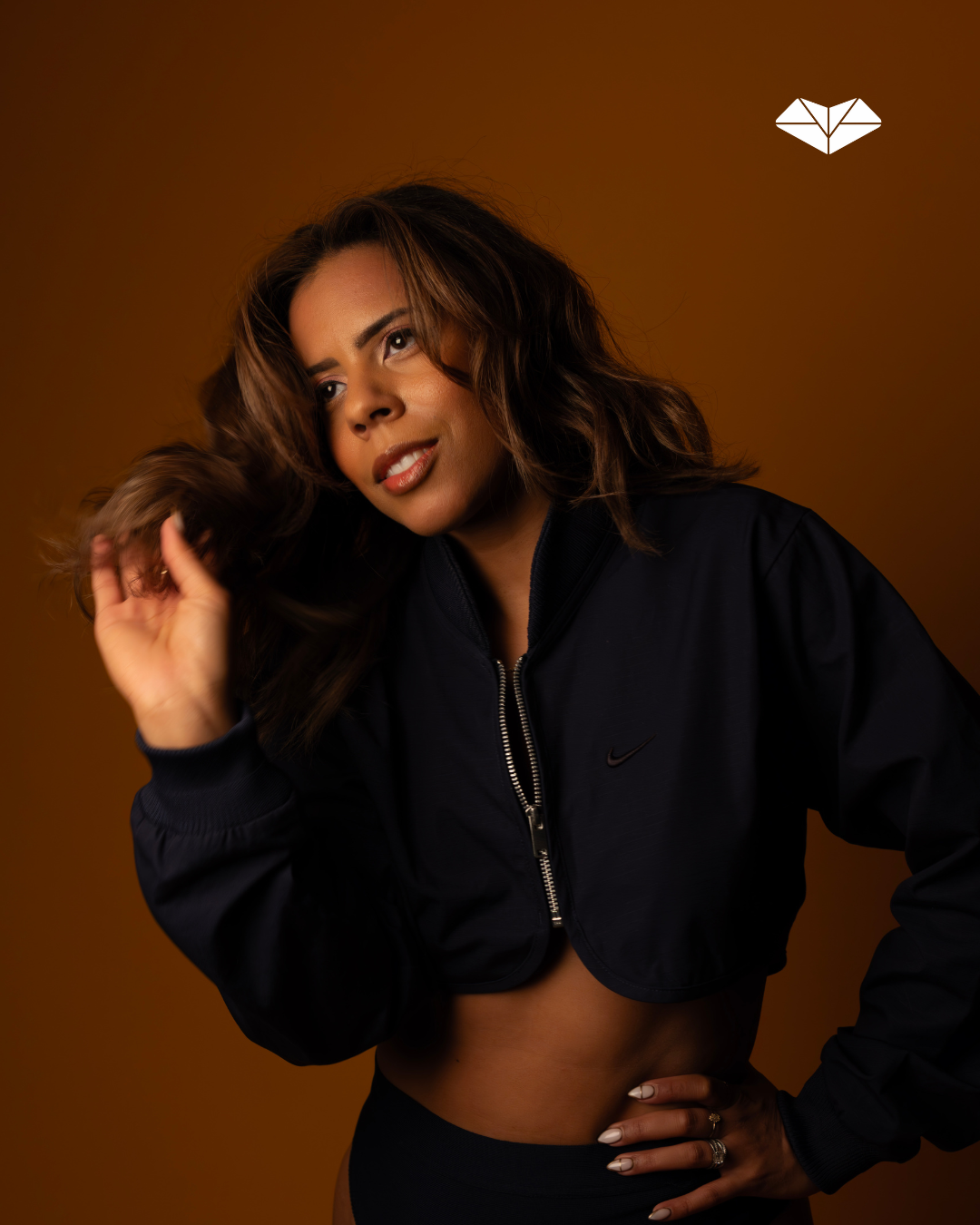
I felt so emotional about it as that playlisting nod landed 10 years after I had sung 2 UK number 1s in 2014. I felt like I had finally cut through even though no label wanted to sign that record when I pitched it out in 2023.

From there I had a great meeting with the label that eventually signed Unconditional and I was really excited, I felt like a I had a team in place to take things to the next level. That then didn’t come to fruition which was followed by another disappointing release on another label which had spoke of exciting things.

I ended up ending what was an excellent year in 2024 feeling flat and that I was constantly so close to something major happening if a label or team could come and really invest properly so I decided it was time to shift my own narrative one again and finish off this last decade of my career and this huge journey I’ve been on by creating my own LEGACY.

With each one of the records on this album and the new ones too they tell a story of my resilience, my love of music and the sonics I’ve created and the fanbase that have discovered me along the way. It’s me claiming my own LEGACY in this industry that has profited off so much of my voice without really investing fully in return.

You’ve been in the industry long enough to experience both major-label and independent models. What advice would you give to younger artists about navigating those two worlds?

Ideally being independent is the way forward however the financial implications of that and the work required can be really full on, rewarding but draining. Signing to a label can be great for someone else taking the financial risk but you may feel frustrated that you can’t move as fast as you’d like to if you don’t have the right team on board. I don’t feel there is a right or wrong answer. I think you can do both self releasing and signing records to labels and build up your catalogue and ultimately you’ll learn which is the right process for you & what option makes you feel like you’re thriving.

Finally, for aspiring vocalists and songwriters reading this, what’s one thing you wish someone had told you at the start of your career?

Don’t wait for other people to give you acceptance for your own career. Start backing and building for yourself now. Start the journey of investing in yourself but learning the business side of the industry as well as the creative side. They all interplay together so the more knowledge you have the more you can set yourself off on a path to success.

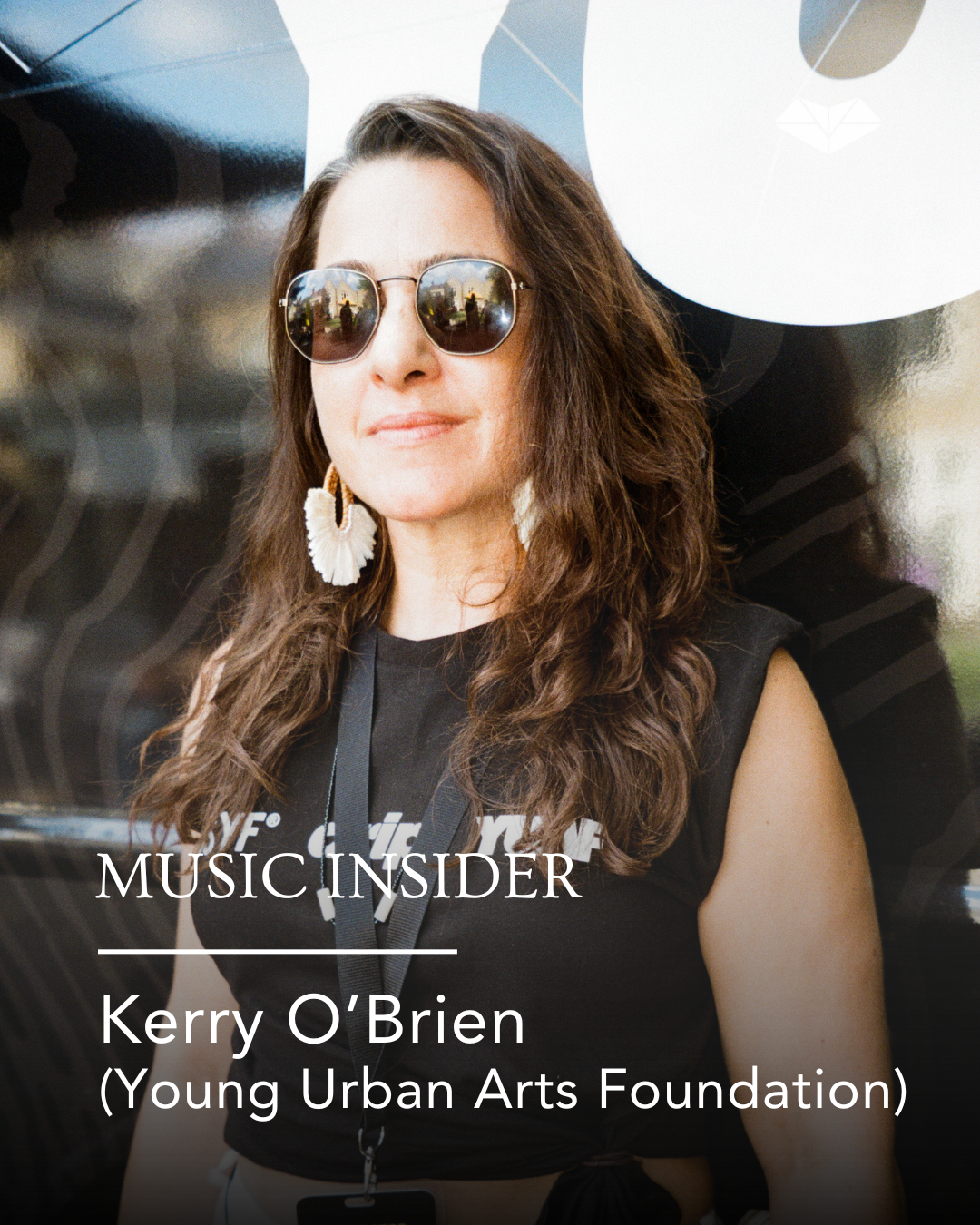
Kerry O’Brien on Founding YUAF and Building a Fairer Music Industry

Photo credit - Elizabeth Lenthall

Kerry O’Brien, BEM, FRSA - artistically known as Indigo Reign - is a visionary creative, changemaker and founder of the Young Urban Arts Foundation (YUAF), an award-winning UK charity that empowers young people through music, creativity, and outreach. Her flagship double-decker studio bus brings access to communities with little or no connection to the arts, acting as a lifeline at a time when youth clubs continue to close across the UK.

An influential figure in the UK’s underground music scene and a multi-award-winning artist, Kerry was also one of the first prominent female MCs under the name Lady MC.

Kerry helped carve space for women in jungle before evolving into Indigo Reign, a project that channels lived experience into lyrical truth while bridging culture, healing, and grassroots empowerment. Alongside YUAF, she has released music on major labels and hosts her own show on Rinse FM.

Through both her artistry and her activism, Kerry O’Brien has built a platform that confronts inequality, exclusion, and mental health stigma head-on, proving that creativity is not just an outlet, but a force for revolution.

What pushed you to move from pursuing your own career to founding YUAF back in 2009?

The truth is, I didn’t plan to start a charity, I kind of fell into it. As one of the few female MCs in jungle, I became a role model without realising it. MC Angel guided me into delivering workshops in schools, and little did I know it was my true calling.

Music had always been my lifeline, it gave me the feelings I never had at home or in school. When I saw myself reflected in the kids we worked with, it set me on my own healing journey. Honestly, for the first five years I didn’t fully see it, I was at the peak of my career and sometimes resented the sacrifice. But when your calling is your calling, you have no choice but to follow it.

Looking back, YUAF saved me as much as it’s saved others. And now, I’m balancing both, I’ve had major label releases this year, I host my own show on Rinse FM, and Im getting ready for a string of East African shows in the winter months.

With so many youth clubs closed, the YUAF bus has become a lifeline. What’s the biggest lesson you’ve learned from taking creative spaces directly into communities?

That creativity saves lives. The bus isn’t just a studio on wheels, it’s a sanctuary. I’ve seen young people step on with anger, pain, or no sense of direction, and within an hour they’re smiling, writing bars, producing beats, and most importantly, being seen.

What I didn’t expect was how much I’d see myself in them. Their stories mirrored mine, growing up feeling different, misunderstood. I thought I was building this for them, but it was also healing me. The bus showed me that talent is everywhere, but opportunity isn’t. When you take the space to them, they flourish.

And honestly, they’ve taught me as much as I’ve taught them, resilience, patience, and the importance of staying connected to your truth.

You began your career in music as Indigo Reign, formerly Lady MC. How did those early experiences shape the way you navigate the industry today?

My start as Lady MC taught me resilience. I was stepping into a male-dominated jungle scene, often the only woman in the room, and I had to fight to be heard. Those years gave me thick skin, but they also gave me purpose,  if I could carve space for myself, I could open doors for others.

Indigo Reign is the evolution of that. It’s not just about proving myself anymore, it’s about owning my craft, protecting my energy, and showing others, especially women and people of colour,  that they can take up space unapologetically.

Networking can feel intimidating for young people. What’s your best advice for building real, lasting relationships in this industry?

Networking was never scary for me, being on stage from a young age gave me confidence to hold my space. But I know for others it can feel intimidating. What I’ve learned is that real relationships aren’t built on business cards, they’re built on energy and authenticity.

Don’t think, *what can I get?* Think, *what can I bring?* Sometimes it’s ideas, sometimes it’s support, sometimes it’s just good energy. That’s what people remember. And for women, especially in industries that test us, the most powerful thing you can do is show up as yourself with confidence and integrity.

You’ve worked with everyone from grassroots community groups to major artists. What qualities do you think make people stand out and get noticed?

Consistency, integrity, and self-belief. Talent gets you in the room, but character keeps you there.

I’ll be real, in my younger years I was rebellious, and it didn’t always serve me. Substances, late nights, pushing limits, it might feel like connection in the moment, but it doesn’t build respect. I wish I’d had a mentor to guide me through that, because being professional, looking after yourself, and knowing how to carry yourself is just as important as the art.

Once I became more conscious, I saw how much that changed how people experienced me and my music. That’s why I put so much into mentoring now, because when you pair talent with discipline and self-awareness, that’s when you truly stand out.

You meet a lot of young people with raw talent. What’s the first step you encourage them to take if they want to turn that spark into a career?

Raw talent is a spark, but to turn it into a career you need discipline and self-awareness. When I started as Lady MC, I thought hype alone would carry me. But without structure, you burn out fast.

The first step is knowing who you are and why you’re doing it,  your ‘why’ carries you through the tough times. Then it’s about consistency: practising, learning, showing up even when no one’s watching. Talent opens the door, but professionalism and character keep you in the room.

I always tell them,  discipline doesn’t kill your creativity, it protects it.

For someone starting out now, what’s the most realistic way to break into music or the creative industries without traditional connections?

When I was starting out as Lady MC, I didn’t really know anyone,. I didn’t come from the industry, so I built my own lane. I put myself out there on pirate radio, I kept showing up at raves, and eventually people couldn’t ignore me.

The blessing for this generation is you don’t need permission anymore. You can build your own audience on TikTok, YouTube, SoundCloud,  whatever feels authentic. The key is consistency and showing up as yourself. Talent gets attention, but community and authenticity create longevity.

If you could give one piece of advice to your younger self about entering the music industry, what would it be?

I’d tell my younger self: *trust your worth and protect your energy.* Back then, I was so focused on proving myself in a male-dominated scene that I ignored my intuition and let other people’s opinions weigh heavier than my own.

I’d remind her that her difference was her power. She didn’t need to fit in, her story and her voice were already enough. I’d tell her to pace herself, to care for her wellbeing as much as she cared for the music, because balance is what brings longevity.

And I’d tell her to never be afraid to ask for help. Mentorship and community are everything. You don’t have to carry it all alone.

Looking ahead, what kind of industry do you hope the next generation of young creatives will inherit, and how do we start building it now?

I want the next generation to inherit an industry that truly reflects the world we live in, diverse, fair, and full of opportunity for everyone, not just a chosen few. An industry where women and people of colour don’t have to fight twice as hard to be heard, where authenticity is valued more than numbers, and where creativity is nurtured instead of exploited.

To build that, we have to invest in grassroots talent and create spaces where young people can experiment, fail, and grow without fear. We need mentors who pass down not just skills but wisdom about how to thrive without losing yourself.

The YUAF bus is one glimpse of that future,  taking creativity straight to communities that are often overlooked, and showing young people their voices matter.

My hope is that in the years ahead, young creatives aren’t trying to squeeze into an industry built on old rules that they’re building a new one. Inclusive, sustainable, and rooted in community. That’s the legacy I want to help create


Connect with Kerry O’Brien

Instagram & LinkedIn | YUAF Website

we.grow at ADE 2025

shesaid.so and ADE Renew Partnership with Return of we.grow Mentoring Program at ADE Lab 2025

shesaid.so is proud to announce the return of its we.grow mentoring program in partnership with Amsterdam Dance Event (ADE), as part of ADE Lab 2025. The initiative supports emerging music industry professionals by connecting them directly with senior leaders from across the international dance and electronic scene.

The we.grow program will pair selected mentees with experienced mentors for a dedicated mentoring lunch on Wednesday, 22 October during ADE. This unique opportunity offers mentees one-on-one career guidance and insights into building sustainable futures in music.


2025 Mentors include:

- Steven Braines/Head of Events at Defected & Glitterbox; Co-founder of HE.SHE.THEY and The Weird & The Wonderful

- Sarah Crane/Director of Marketing, Digital & Operations, Defected Records

- Jenna Dooling/Agent, WME (Electronic; London)

- Rufy Ghazi/Music Tech & Research Executive (Audience Strategies, Fair Play, Abbey Road REDD Mentor)

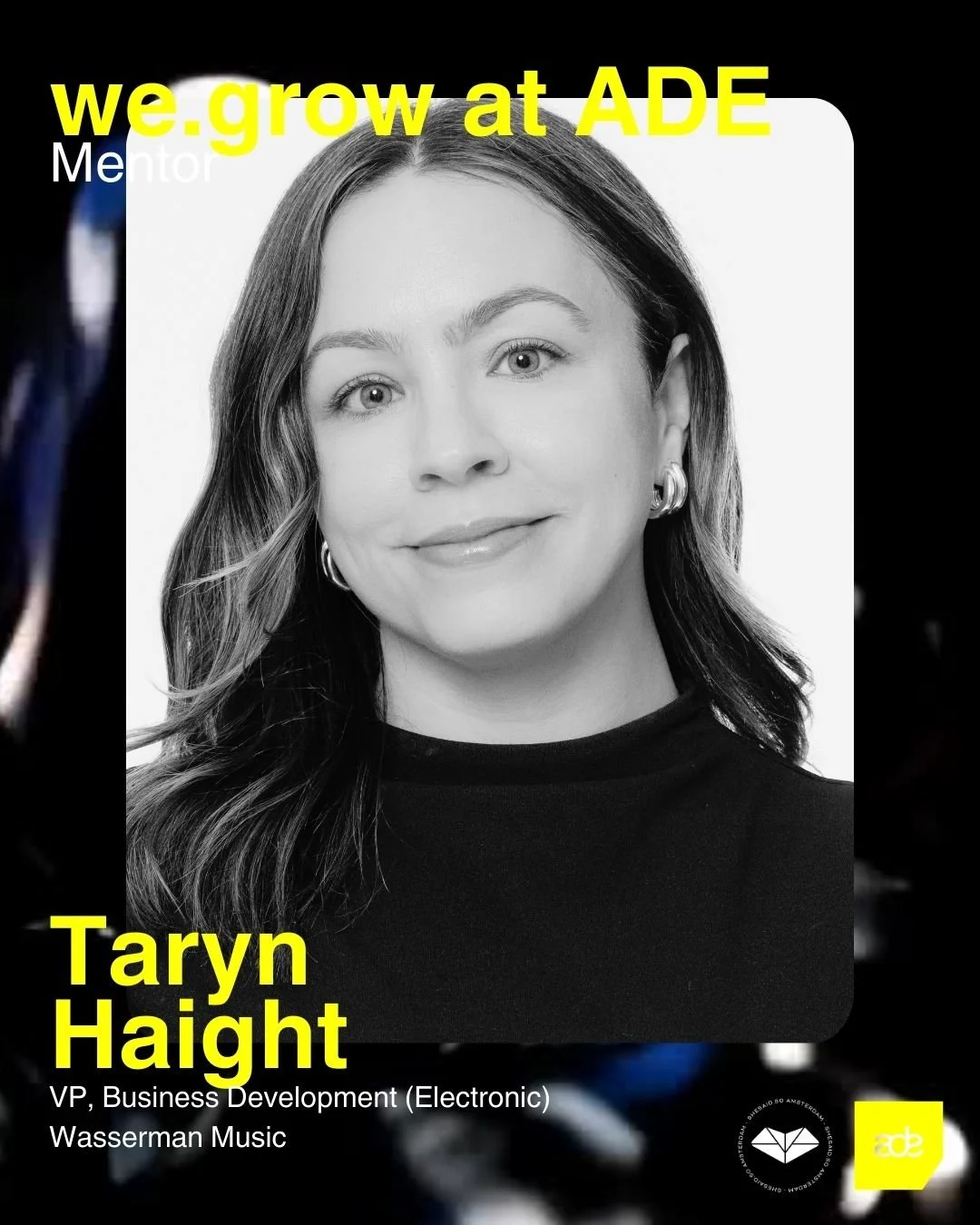
- Taryn Haight/VP, Business Development (Electronic), Wasserman Music

- Ronny Ho/Head of Dance & Electronic Development, Spotify

- Tylie Topdjian/Experiential Marketing Manager, Insomniac Music Group

- Olga Zegers/Music Programmer, Gashouder @ Westergas


How to Apply

Applications are open until 7 October 2025.

To be eligible, applicants must:

- Hold an ADE Lab ticket

- Be in Amsterdam on Wednesday, 22 October

- Be passionate about pursuing a long-term career in the music industry

The program is open to all genders, with priority given to individuals from underrepresented communities and disadvantaged backgrounds.

For more information and to apply, visit: https://www.shesaidso.amsterdam/


Guchi: From Viral Breakthrough to 400M+ Streams and Her New EP 'No Skips Just Feelings'

Nigerian singer-songwriter Guchi has built a reputation on infectious hooks and cross-continental appeal. Born Ugochi Lydia Onuoha in Kaduna State and raised in Abuja, she broke out with 2021’s viral hit “Jennifer”, which later spawned a remix with Tanzanian star Rayvanny.

Her follow-up single “Benzema” climbed to No. 3 on Billboard’s Top Triller Global Chart, cementing her as one of Afropop’s rising exports. Along the way, she’s collaborated with Yemi Alade, Zlatan, Odumodu Blvck, Kuami Eugene and Wendy Shay, while earning nods from AFRIMA, AEAUSA, and The Headies.

Her latest project, the 7-track EP No Skips, Just Feelings, pushes further into her blend of Afropop, R&B, and dancehall. Across songs like the empowering opener “Your Type” and the Afrobeat-driven standout “Tsunami,” Guchi pairs melody-rich production with themes of love, self-worth, and emotional vulnerability. It’s her most cohesive body of work yet, marking another step in a career that shows no signs of slowing.

You’ve earned over 400 million career streams and become one of Nigeria’s most recognisable Afropop voices. How did your journey in music begin, and what helped you stay committed in the early days?

Well, I started music when I was just 7 years old. I started from the choir, and my dad kind of influenced my love for music because he always played music in the morning growing up. He played the likes of Michael Jackson, Osadébé—so I've been listening to music since I was little. And that has helped me stay committed to my passion. I have so much passion for music, and I love music so much.

From Lagos to global stages, you’ve built a strong fanbase and earned nominations at The Headies, AFRIMA, and AEAUSA. What were some of the biggest challenges you faced as an up-and-coming artist, and how did you push through?

My biggest challenge was visibility. But thank God for TikTok. My song went viral on TikTok, and over time, I've gathered lots of fans, and right now, they just keep me going

With over 5.8 million TikTok followers and 910,000 YouTube subscribers, you’ve built a huge digital presence. What are your best tips for independent or emerging artists who want to grow their socials on a tight budget?

My advice would be that they stay consistent, focus on what they can control, take social media very seriously, and believe in themselves.

How did you develop your identity as an artist, and what advice would you give to others trying to stand out?

I did that by telling myself that no one can be like me. I've always wanted to stand out, and one of the things I did was to pick a signature colour for myself. And so, for others trying to stand out, first being yourself and being conscious of who you are will always lead you to f inding your unique style.

Were there any strategies or platforms that really helped boost your visibility when you were still establishing yourself?

Well, social media played a huge role, especially TikTok, and of course, my team played a huge role too.

What keeps you inspired creatively?

I get inspired by things happening around me, daily life experiences, and real-life experiences.

What’s your advice for networking in the music industry, especially for new artists?

Engage before you enter people’s DMs. Consistently show love to other artists, producers, and media people. Comment with real insight, share their work, and make yourself memorable. Play the long game. Don’t overwhelm someone you just met with a bunch of requests. Build trust slowly. One small win can lead to bigger collaborations you didn’t even see coming


Guchi No Skibs Just Feelings Out Now

Guchi on Instagram & YouTube

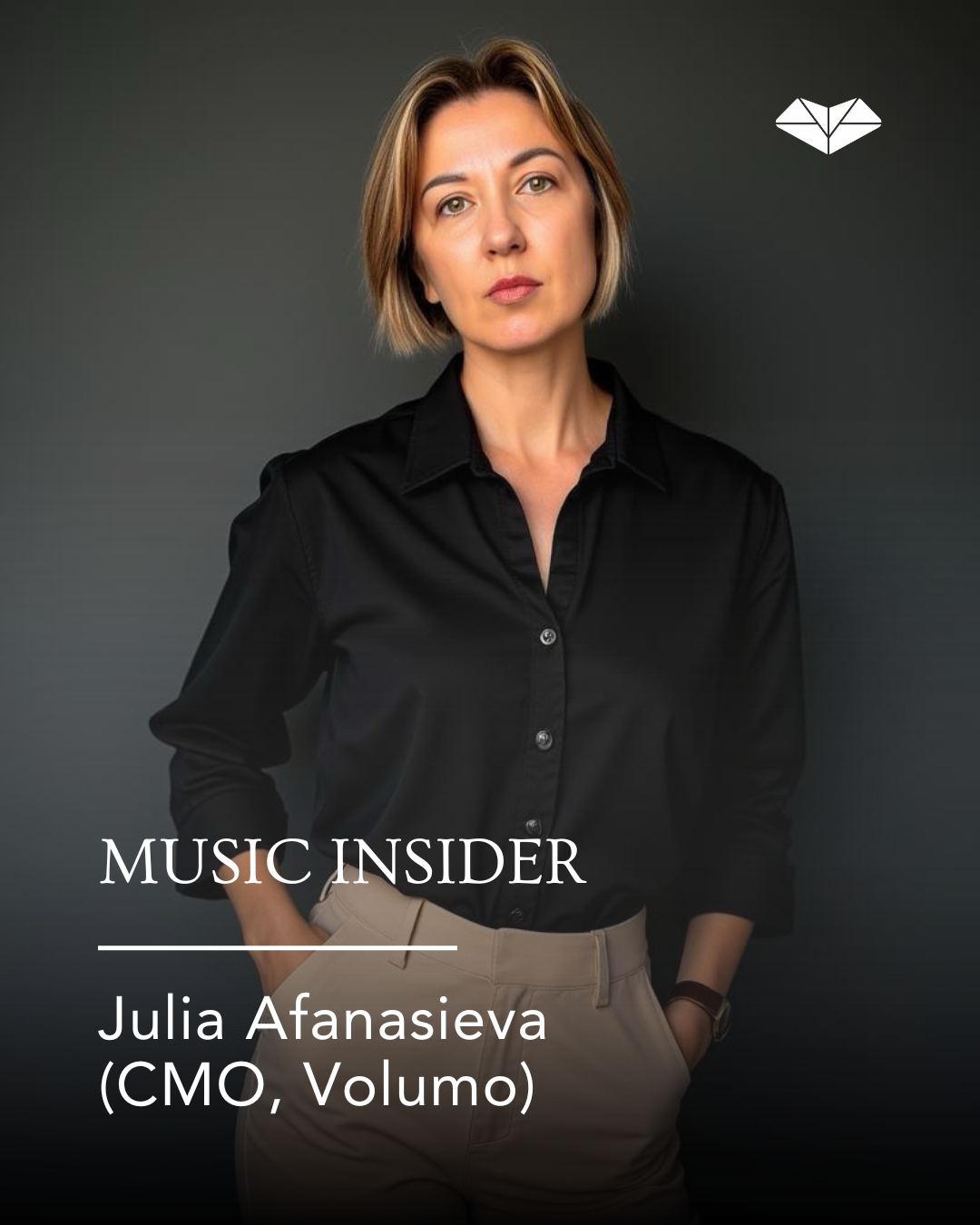
Volumo CMO Julia Afanasieva on Building a Fairer Digital Music Store for Artists

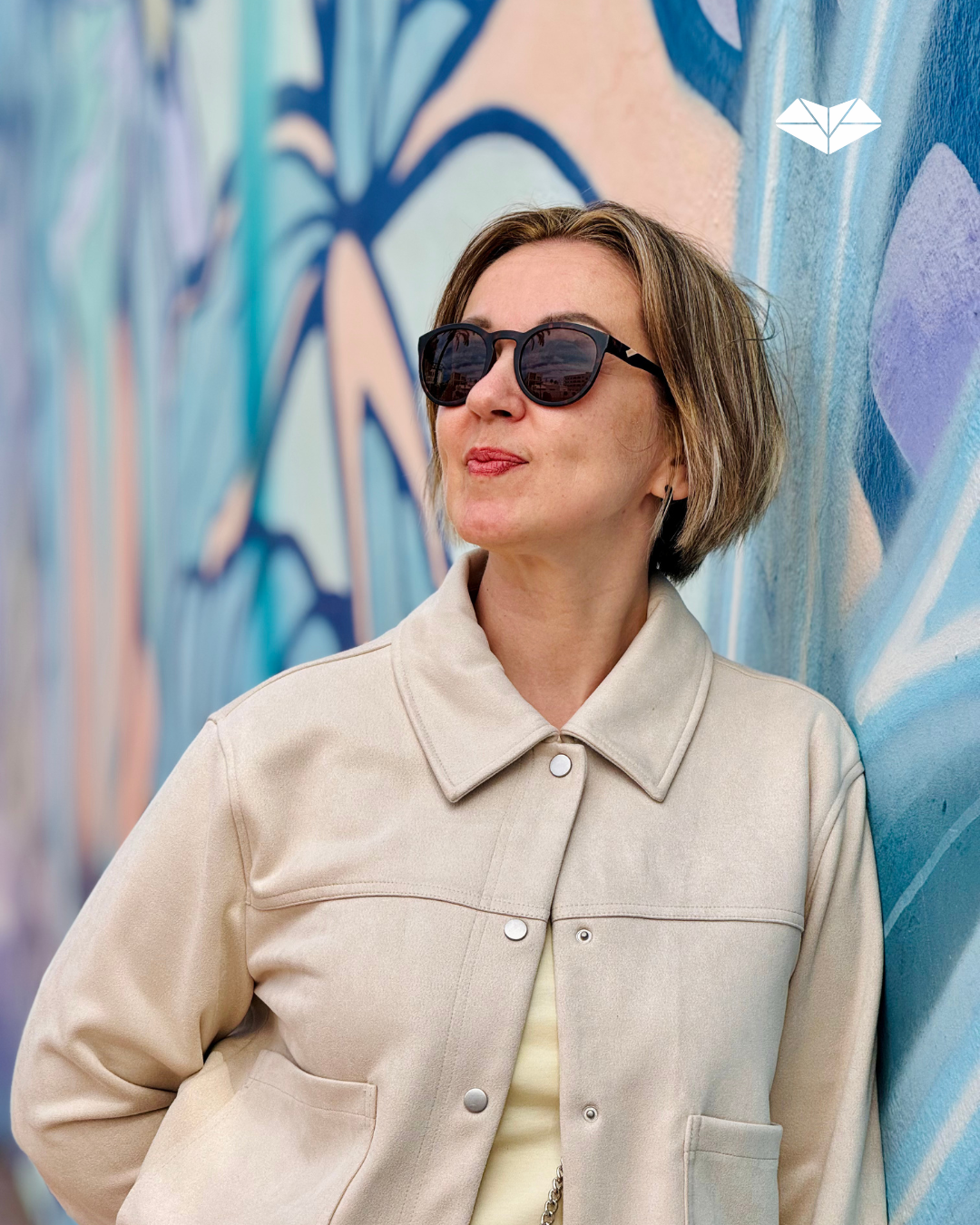
Julia Afanasieva has spent more than a decade shaping digital marketing strategies that cut through the noise, leading global campaigns, managing major budgets, and building teams that deliver results. Today, she’s bringing that playbook to electronic music as Chief Marketing Officer of Volumo, the independent digital store positioning itself as a fairer alternative to Beatport and Traxsource.

Launched in 2022, Volumo puts artists in control of pricing and presentation while offering DJs a curated catalog free of clutter and pay-to-play bias. Under Julia’s watch, the platform has quickly gained traction with both underground talent and established names.

How did your career in marketing and the music industry lead you to your current role at Volumo?

My career has always been about building and scaling digital projects in competitive industries. Over the years I’ve developed a strong mix of data-driven marketing, product thinking, and creative execution. When Volumo came along, it felt like a natural fit: here was a platform that combined culture with technology. What excited me was the chance to use my experience to help shape a fairer, more innovative space for DJs, artists, and labels.

What’s a day in your life like as CMO of Volumo?

Every day is different, but the focus is always the same: growth. I start by diving into analytics campaigns, funnels, conversions  and then shift into strategy: testing new creatives, exploring audiences, and refining positioning. It’s a constant cycle of experimenting, learning, and scaling what works. The fast pace keeps things exciting, because every day we take Volumo one step further in redefining how DJs and artists connect with their audience.

What inspired the creation of Volumo, and which gap in the market were you aiming to address?

It all started when two of the co-founders, both professional DJs. They realized that no single music store could meet everyone’s needs, and there was room for different approaches to finding and purchasing music. Around the same time, they began producing their own tracks and noticed that the industry’s push toward streaming didn’t work well for every artist. Eventually, a third co-founder, the tech guy, joined the team, and that’s when the idea for Volumo truly began to take shape.

In some sense, Volumo was born from a simple question: What if there was a place that treated music not as a product to push, but as something to be genuinely discovered? Most platforms just throw the same popular stuff at you. We thought: what if there was a place where you could actually find music on your own, not what’s being pushed, not what everyone else is listening to, but tracks that really speak to you?

How does Volumo support emerging artists differently from other platforms?

Volumo gives emerging artists both visibility and fair economics. Artists keep 75% of every sale, set their own prices, and aren’t buried under paid placements or algorithmic bias. Our curation team highlights music for its quality, not its marketing budget, while features like DJ Charts let tastemakers push fresh tracks into the spotlight. And because Volumo is download-first, every sale gives artists meaningful income instead of fractions of a cent.

What’s the biggest challenge in building an independent music platform in a market dominated by giants like Beatport and Traxsource?

The biggest challenge is breaking through habits. DJs have been using the same platforms for years  Beatport, Traxsource, Juno Download, Volumo is now starting to join that list for some.

Competing with giants isn’t only about catalog size, it's about trust, visibility, and proving that we offer something truly different.

For us, the solution has been to stay authentic: no pay-to-play visibility, no inflated hype, just a platform that genuinely helps DJs discover music and helps artists get paid fairly. It’s harder to grow this way, but it builds a stronger foundation. Every time a DJ finds a hidden gem on Volumo or an artist sees real income from a track, it confirms that we’re moving in the right direction.

How do you see the role of independent music stores evolving over the next five years?

I believe independent music stores will become even more important as counterbalance to the dominance of a few global platforms. DJs and artists are increasingly looking for authenticity, fair economics, and spaces where discovery isn’t driven by algorithms or advertising budgets.

Over the next five years, independent stores will thrive by focusing on depth rather than scale: curated catalogs, niche genres, and communities that feel personal rather than mass-market. They’ll act as cultural hubs where underground scenes can grow and where artists don’t have to compete with corporate marketing spend to be heard.

For Volumo, that’s exactly the path we’re on: building a platform that puts fairness, identity, and discovery at the center, and proving that independence can be a strength, not a limitation.

What drives you personally to keep innovating in this industry?

What drives me is the belief that platforms shape culture. If discovery is dictated only by algorithms or paid placements, the scene becomes shallow and predictable. But when you create a space where artists can be fairly rewarded and DJs can truly discover new sounds, you’re helping the culture grow in an authentic way.

For me, innovation isn’t about adding shiny features, it's about making sure technology serves creativity instead of replacing it. Every time I see an artist getting real income from their music on Volumo, or a DJ finding a track that transforms their set, it reminds me why this work matters. That’s what keeps me moving forward.

What’s your proudest moment so far?

One of the proudest moments was when Volumo was officially recognized by the Association for Electronic Music as one of the leading DJ music platforms worldwide. For an independent project, standing alongside established industry giants was proof that our vision matters.

Another highlight is the feedback we get from DJs and artists  when someone tells us they discovered tracks they couldn’t find anywhere else, or that their music finally started generating real income through Volumo. Those moments remind us why we built this platform in the first place.

What advice would you give someone who wants to launch their own platform in the music industry or work in the music/tech space? 

Start by making sure you’re solving a real problem. The music industry is full of ideas that sound exciting but don’t actually address what artists, labels, or DJs need. Talk to your audience early, test small, and move fast. The feedback loop is more valuable than a perfect plan.

Second, don’t underestimate how tough this industry is. Passion is essential, but you’ll also need resilience and the ability to measure everything you do. Build with sustainability in mind: think about how artists will benefit, how fans will engage, and how the platform will generate revenue without compromising its values.

Finally, remember that culture comes first. Technology is a tool, but if it doesn’t serve the music community authentically, it won’t last. The projects that succeed are the ones that respect both sides: innovation and the scene itself.

What have you been listening to on repeat at the moment?

Lately, I’ve been vibing to “What I Need” by Naarly, Sickluv & Thabza De Soul. Its groove, soulful chords, and emotional depth create this hypnotic energy, the kind of track that you press replay on without even realizing it.


Connect with Julia Afanasieva on Instagram | Volumo

Nectar Woode on Her Ghana-Inspired EP It’s Like I Never Left

photo by Alexandre Eldoh

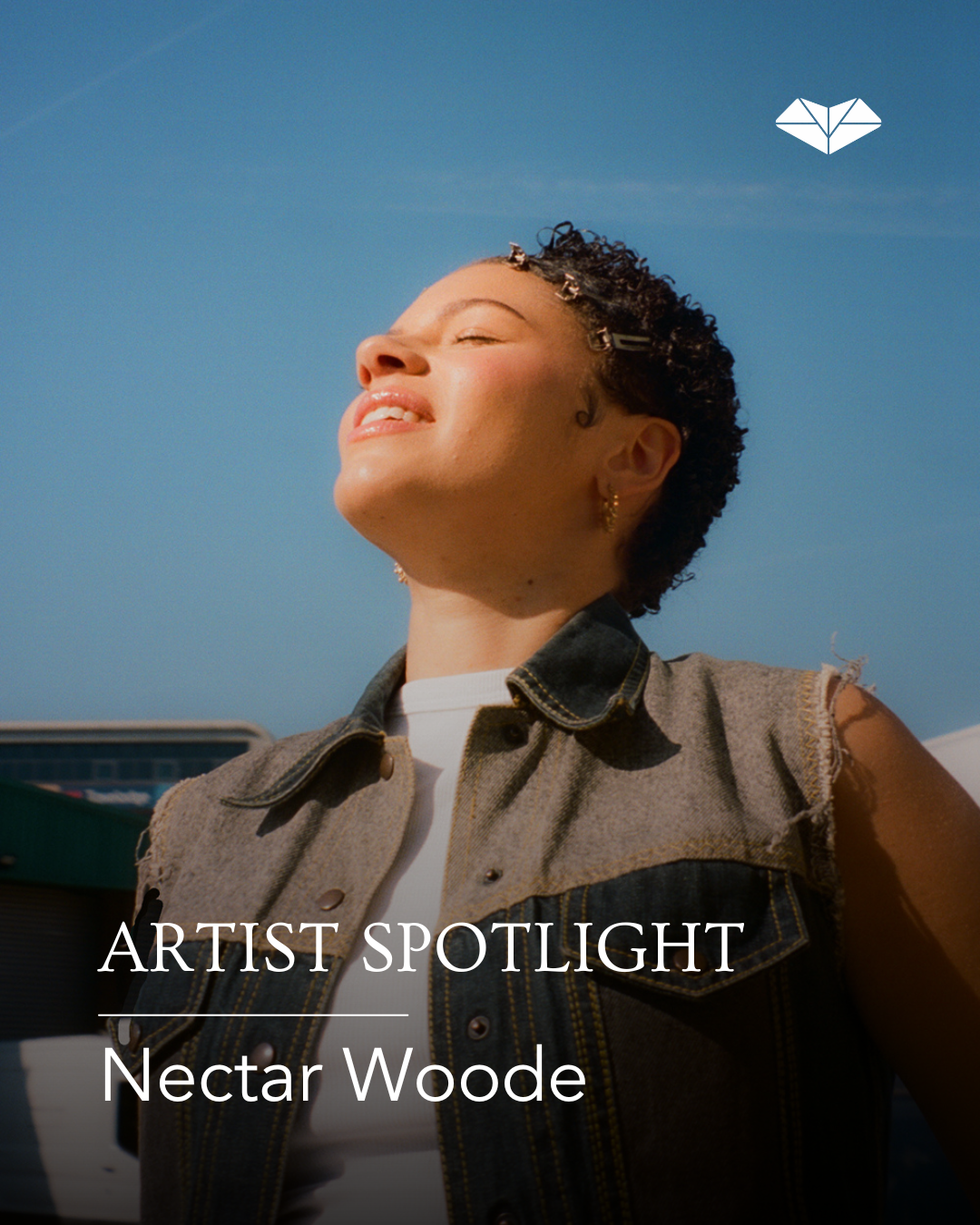
At just 25, British-Ghanaian artist Nectar Woode has carved a distinct place in UK soul and jazz. Raised in Milton Keynes by creatively minded parents, she grew up immersed in gospel, Lauryn Hill, Erykah Badu, and Stevie Wonder, roots that now pulse through her own work. Elton John recently compared her to Nina Simone on his Rocket Hour show, calling out her unmistakable voice and emotional depth.

Her 2022 debut EP Nothing to Lose (Communion) introduced her blend of neo-soul, folk, gospel, and jazz, led by breakout track “Good Vibrations,” which hit 11M streams. The follow-up, Head Above Water (2024), pushed further into jazz and won her a BBC Radio 1 Track of the Week, sold-out London headline shows, and tour slots with Leon Bridges and NAO.

Now signed to Since93/RCA, Woode’s latest project it’s like I never left (2025) deepens her exploration of dual heritage and identity, written partly in Ghana where she collaborated with Joey Turks & Øbed from Accra’s SuperJazzClub and drew on ancestral influence.  The record features production from Jordan Rakei and highlights like “Only Happen” and “Lose,” affirming her as both an heir to and an innovator within modern soul.

Alongside her own releases, Woode has become a respected voice in the UK independent scene—hosting a monthly Soho Radio show with Women in Jazz, performing at major festivals, and interviewing artists at Glastonbury for Spotify Fresh Finds. With over 815,000 monthly listeners, sold-out shows, and fans ranging from Elton John to the BBC, Nectar Woode is emerging as one of the most vital young voices in UK music.

Your new EP, it's like I never left is out now, what’s the story behind it? What were you processing or exploring when you wrote it?

The story behind my project is all through my dual heritage identity and the self-discovery of it all. I was lucky enough to go to ghana and finish writing the EP out there and beforehand I had wrote Only Happen which was me sharing my experience of being from dual heritage and not feeling like I belonged on either side and after writing this one it brought a lot of emotions and questions to the surface before going to ghana. Would I be accepted? How would people treat me, even though my heritage lies here. Fast forward me arriving in Ghana and being welcomed with open arms. I wanted to portray this whole journey in my project. 

Nectar Woode at Jools Holland photo by Alex Bean

What’s one thing every artist should know before stepping into a studio for the first time?

They shouldn’t know anything! Be yourself and in tune with yourself and that is when you create the most authentic music. 

What advice would you give to an artist who’s still playing open mics and figuring out their sound?

Don’t be offended if people talk over your set, that still happens to people that are playing the big boy festivals - it's not a reflection on you or your music - they just don’t know you yet. Also voice note your gigs so you can listen back and really hear how you did - sometimes the gig is different out front to what you hear. 

What’s something that helps you stay grounded when the pressure is high?

Cooking! I love to cook after a gig and during this project launch I found cooking grounded me and made me feel at peace when things became a bit much - I also love cooking in silence sometimes to quiet my mind. 

What’s one thing you wish more people understood about what it takes to grow as an independent artist?

It takes a whole bunch of studio sessions and gigs to discover who you are as an artist before people start to discover you. I know we live in an age of social media being very prominent but don't let that stop you from doing the active work of understanding your craft and your songwriting and identity and people will cling onto that more when you start to post 

3 women in the music industry who inspire you and why.

Carol King - amazing songwriter! Little Simz - challenging the norm/bending genres and an all round beautiful human, Kokoroko (band) - showing as a female musician/composer you can create a whole community 

What are you listening to on repeat right now?

Curiosity - Richie 


Follow Nectar Woode Instagram | More Links

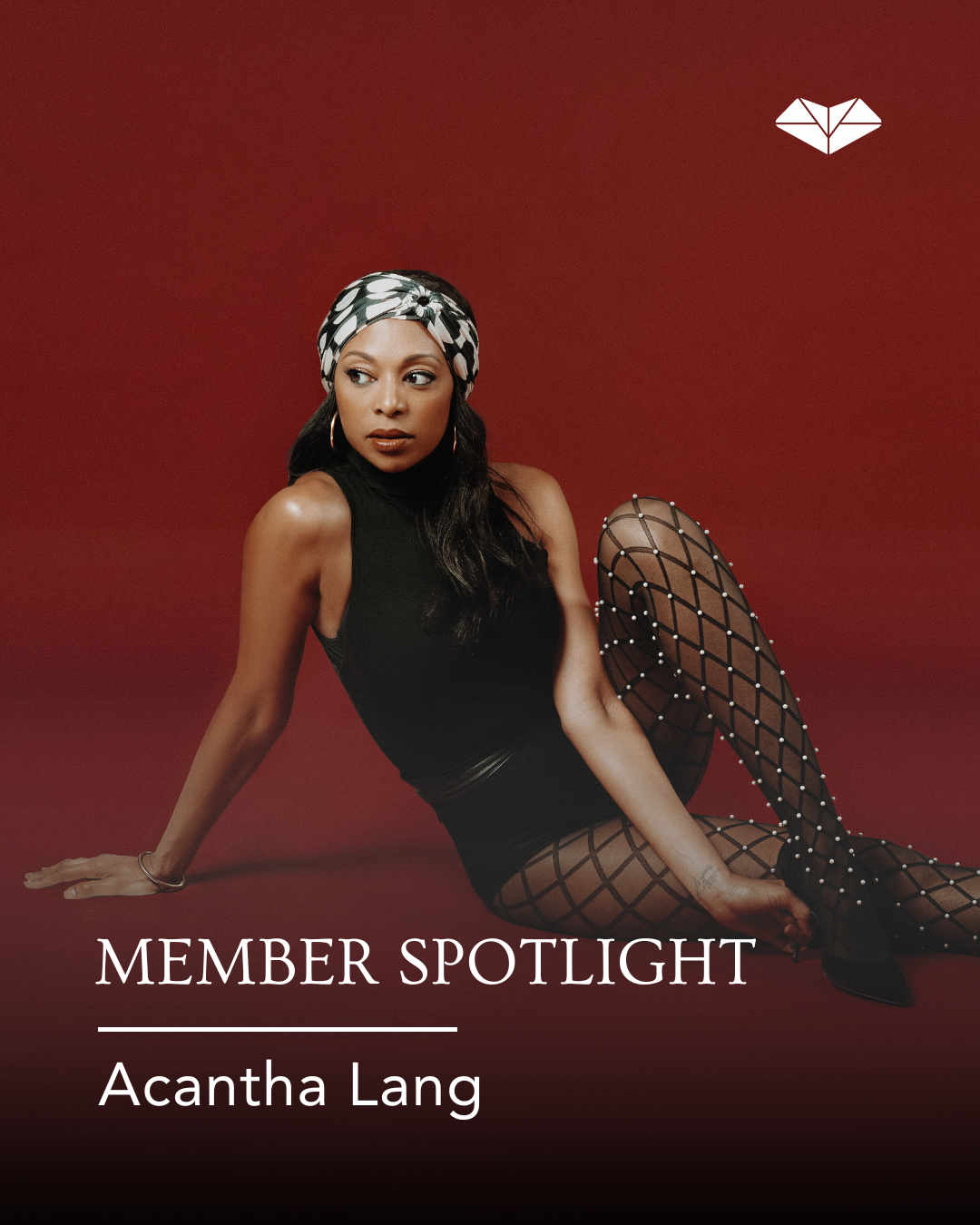
GRAMMY-Nominated Soul Artist Acantha Lang on Building a Sustainable Music Career

Acantha Lang is a New Orleans-born, London-based soul artist whose debut album Beautiful Dreams (2023) reached #3 on the Official UK Jazz & Blues Albums Chart and earned 5-star reviews from Echoes and Soul Bag Magazine (France).

A GRAMMY-nominated songwriter and 2022 Recording Academy member, she contributed to Robert Randolph & The Family Band’s Got Soul. Her music has since earned over 5 million streams worldwide, 1.55 million YouTube views, and 13 million+ video views through her acclaimed Standing On The Shoulders Of Soul Legends series.

Her singles have been featured on top Spotify playlists including All Funked Up and Best Funk Songs of 2023, with strong radio support from BBC Radio 2, BBC 6Music, Jazz FM, and KCRW. Her track “Grandma’s Hands” was selected for Jazz FM’s Breakfast Show and featured on BBC Radio 2’s A-List and Trevor Nelson’s Top Tunes of 2024.

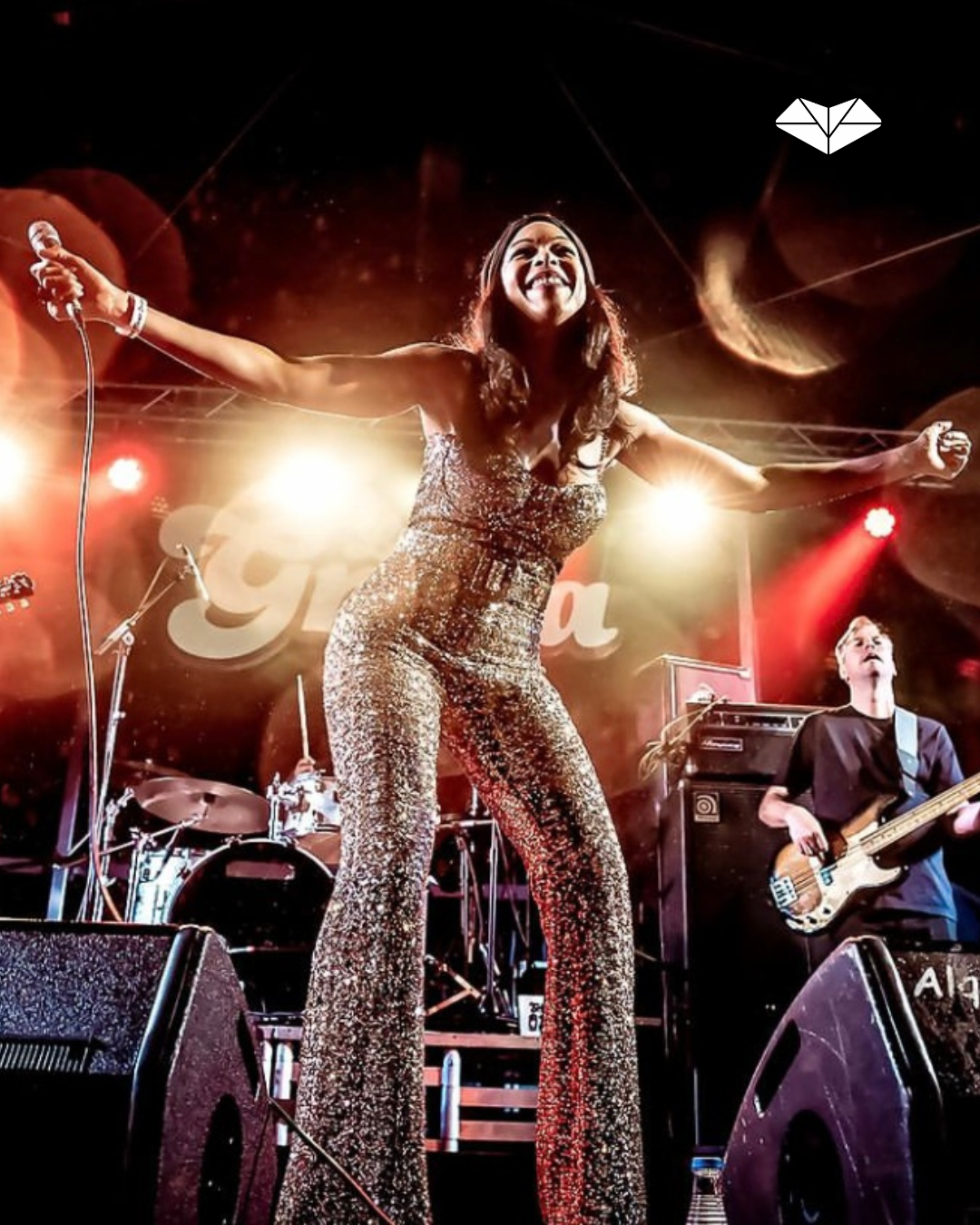
She also appeared on Craig Charles’ Trunk of Funk Vol. 2 compilation. Acantha has appeared on CBS Saturday Morning and performed at major festivals and venues including SXSW, Melkweg (Amsterdam), Bizz’Art (Paris), Jazz Cafe (London), and The House of Blues and Blue Nile (New Orleans).

Her music has been championed by Craig Charles, Trevor Nelson, and Gilles Peterson, while influences such as Gladys Knight, Aretha Franklin, and Mavis Staples continue to shape her artistry. Beyond her original work, she actively celebrates the soul tradition through her tribute performances. She is currently working on her second album, due for release in 2026.

How did you first get your start in music?

My music career really started when I left New Orleans and moved to New York. I put together a Blues show in Harlem, and it was there that I truly found my voice and my love for blues and soul. Around that time, I was booked at Blues festivals in the Caribbean and Africa for some really big audiences. This was all a great experience for me as an up-and-coming singer.

Before launching your solo career, your songwriting was featured on a GRAMMY-nominated album and you were accepted into the Recording Academy’s 2022 member class. What has songwriting for others taught you about developing your own voice as an artist?

Yes, one of my songs ended up on Robert Randolph’s Got Soul album, which went on to be Grammy nominated. Robert is the frontman of Robert Randolph and the Family Band and one of the world’s most celebrated pedal steel guitarists. He had always loved a song I wrote in New York with a wonderful producer called Jimmy Bralower.

The song was originally called It’s Gonna Be Alright, but when Robert decided to record it for his album, we reworked the lyrics and production a bit, gave it a slightly different title, Gonna Be All Right, and it became the closing track. I later recorded my own version, which appears on my debut album Beautiful Dreams. My version of the song sounds like me and Robert’s version sounds like him. What I learned is that the artist will always make the song their own. They’ll transform it so it sounds like them, and that’s exactly how it should be.

What have you learned about networking in the music industry? How do you approach building authentic connections?

I believe that to be a successful artist, networking is crucial. It is about building relationships with the right people, showing up in spaces, reaching out, asking questions, and being open. All of that really makes a difference.

Your reputation and work ethic go hand in hand with those connections too, because you never know when someone you spoke to, or someone who has seen your work, might recommend you for an opportunity.

When it comes to building authentic connections, I try to keep it simple. I show up as myself. I listen and I stay curious.People can feel when you are genuine, and those are the connections that last. One simple conversation can turn into great opportunities and sometimes friendships.

For artists working toward that level of visibility, what does it really take to build a sustainable career in today’s music industry?

I think building a sustainable career in music today takes more than talent. You need persistence, patience, and a real understanding that this is a marathon, not a sprint. It takes consistency, showing up for yourself every day, and being willing to put in the work even when no one is watching. And let’s be real, you’re going to need money to get your project off the ground.

This can be very expensive. Unless you’re starting out with a lot of money or backed by a label with a big budget, you need to get familiar with fundraising, applying for grants, and working to cover all the costs that come with recording, releasing, and marketing your music. It takes time to get to a level of visibility and it takes time before a career in music can sustain itself. It can be challenging, but I believe it can be done. 

You’ve now crossed 3 million Spotify streams and appeared on BBC Radio 2, Jazz FM, and BBC 6Music’s A-List. For artists trying to reach radio and editorial platforms, what are your best tips to stand out in a saturated space?

I’m extremely proud of how my music is being received, but it didn’t happen overnight. I was fortunate that my debut single He Said/She Said was played on BBC 6Music by Craig Charles, but what I quickly learned is that most of the time you do need a radio plugger to get consistent radio play. In a saturated space, the best way to stand out is  creating the best work possible and staying true to myself. I never wanted to chase trends. I wanted to develop my own sound and make music that felt authentic. For me, it’s always been more important to do something uniquely mine than to blend into a crowded lane.

With 1.55 million YouTube views, over 104K TikTok followers and features on high-impact playlists, you’ve created a multi-platform presence. What’s worked best for growing your audience online without relying on viral trends?

On the streaming side, being featured on Spotify’s big editorial playlists isn’t something you can control, so I feel very grateful that some of my songs have landed on a few of them. One of my proudest moments was seeing He Said/She Said included on Spotify’s Best Funk Songs of 2023. Being featured on high-impact playlists has been an amazing way to introduce my music to new listeners.

What’s worked best for me is creating content for YouTube and TikTok that I genuinely enjoy making. I share soul music through tributes, stories, and performance clips, while also highlighting the artists, their journeys, and little-known facts about them. I love digging into the history and putting those stories together, and because it comes from a real place, people connect with it. It’s helped me find others who love soul music as much as I do and build a real sense of community.

You’ve built a loyal fanbase and garnered over 13 million video views with your Standing on the Shoulders of Soul Legends series. What inspired that project, and how did it help grow your community?

I started my Standing on the Shoulders of Soul Legends series during the Covid lockdown because I could not work and I still wanted to sing. At the time, a lot of artists were doing livestreams, but I wanted to do something a little different. I decided to pick a song by one of my favorite soul artists, perform it with my guitarist in my living room, and post it online.

The very first song I covered was Let Me Be The One You Need, as a tribute to Bill Withers after he passed away on March 30, 2020. People loved it, and the response was so encouraging that the next week I chose another soul legend to cover, and then another. There were so many songs I wanted to sing that it naturally turned into a weekly series.

Since starting the series, I’ve posted over 100 episodes on YouTube, covering artists like Gladys Knight, Al Green, Aretha Franklin, Stevie Wonder, Etta James, and Otis Redding, just to name a few. Creating this series has been a reward in itself because I’m so passionate about soul music. But an added reward has been seeing new fans discover me through it, then go on to listen to my own music and become part of my journey.

As a woman in soul and funk today, what’s one lesson you’ve learned that you’d pass on to the next generation of artists trying to carve out their path?

Music will always evolve, but I think it’s important to go back to the source, study the pioneers and learn from them. One thing I’ve taken from the greats of soul and funk is that they didn’t need loads of riffs or vocal acrobatics.They relied on tone and storytelling to get their point across. For me, that has so much more impact than constantly showing off technical skills.

Who are three women in the industry who inspire you right now.

Mavis Staples, Carla Thomas, and Gladys Knight are three women who continue to inspire me. I’ve had the honor of meeting both Mavis and Carla in person, and their encouragement meant so much. I’ve seen Mavis perform several times, and she still has that deep soul that radiates and transforms the audience when you hear her sing. She has carried the torch for soul music for decades and remains a living example of its power.

I also recently met Carla Thomas, the Queen of Memphis Soul, and even performed with her. Her spirit and kindness were so genuine, and knowing she, along with Mavis, was part of historic moments like the legendary Wattstax concert in 1972, and is still out performing today, is awe-inspiring. Gladys Knight has always been one of my biggest inspirations. To me, she represents real soul and true longevity.


Acantha Lang on TikTok & Instagram | Website

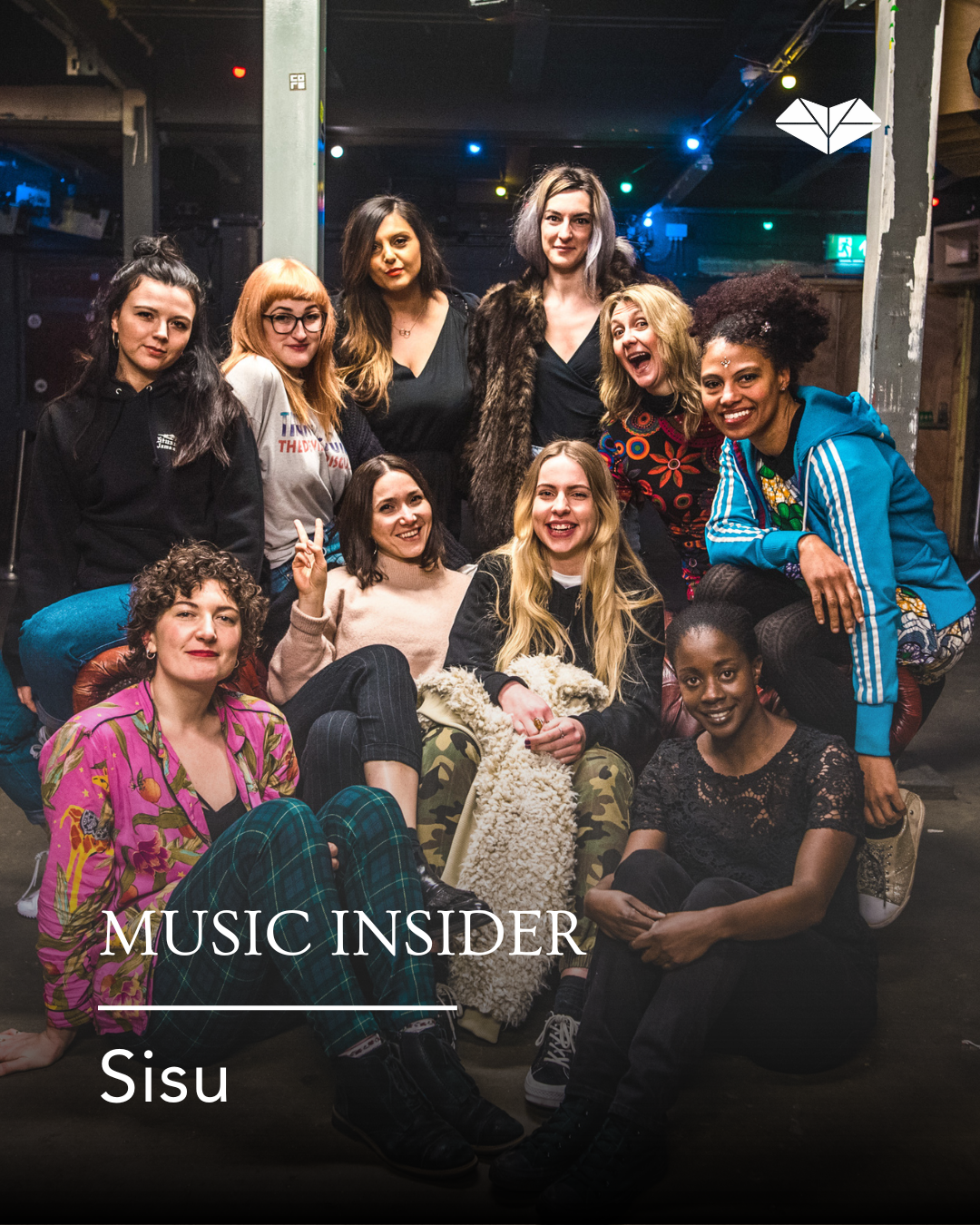
Sisu’s Collective Approach to DJ Culture, Community, and Inclusive Dancefloors

When DJ, producer and promoter Malissa Kains first began learning to mix, it was on borrowed decks at after-parties, snatching a tune or two before being pushed aside. The experience was isolating and frustrating, and it highlighted how few spaces there were for women to practise without judgement.

Out of that gap came Sisu; a platform dedicated to supporting, educating, and showcasing women and non-binary DJs and producers. What started as an idea for peer-to-peer practice sessions has grown into a grassroots network with real impact across the UK and Europe.

Sisu now runs workshops on DJing and production, curates events that put underrepresented artists at the centre, and hosts regular radio shows that give emerging talent space to experiment. Their DJ roster spans genres and identities, reflecting a belief that the value of a community lies not in one sound but in the connections it makes possible.

At the heart of Sisu’s work is a refusal to accept the industry’s old barriers. By creating entry points for new DJs, building mentorship pathways, and holding festivals and promoters accountable, the collective has become both a launchpad for artists and a critical voice within electronic music. The focus is not only on representation but on reshaping structures, pushing for fairer opportunities, greater visibility, and long-term investment in diverse talent.

Nearly a decade on from its beginnings, Sisu has seen its members progress from their first hands-on workshop to festival stages and international bookings. But the ethos remains the same: create spaces where women and non-binary artists can take up space, experiment, and grow together.

Why did you start Sisu? What gap in the music industry were you determined to fill?

Malissa: I found learning to DJ difficult, not having my own equipment I was learning at after parties getting the chance to play one tune before someone else was swiftly wanting to play another tune.

I was always the only girl in a line of boys at the afters, not being able to smoothly mix it was dismissed and so I wanted to create a welcoming space to be able to make mistakes and just practise with no pressure.

Little Hats

Your roster spans so many sounds and identities. What’s your process for curating who joins?

Little Hats: Sisu has never been defined by one sound or aesthetic. We are eclectic and welcoming. What unites us is the eagerness to share the journey, and to lift one another up. Our community is cyclical: we take, and we give back—each at their own pace.

Since launch, many have come through our beginners’ courses, placing their hands on CDJs for the first time. The same people attend our nights, meet like-minded individuals, and see relatable role models behind the decks. Some secure their first gig, radio slot, or collaboration through the community.

Fast-forward: they invite Sisu to support them at their first major booking, or to join a night they themselves are curating. We have seen many such journeys unfold, and we curate for this mindset rather than for any particular sound.

What’s the most rewarding change you’ve seen in the scene since Sisu launched?

((( CLEOPATRA ))): Women taking up space in the DJ scene!! More workshops and people becoming students - it’s great to see a level of jamming and education behind peoples inspiration to start DJ-ing.

Holy C

What’s your best piece of advice for DJs looking to break into the industry?

Holy C: Get to know your sound and DJ style. Figuring out what makes you unique takes time, passion and patience. Enjoy every moment! Having clear goals you’d like to achieve is very helpful.

If there are dream parties I want to be playing, I’ll start curating a set specifically for this, record it and get in touch directly. When looking to break into the industry, it’s important to have a thick skin, and self-belief. Don’t be afraid to cash in a favour if it’s offered! Also, having creative headshots that represent you as a DJ is essential!

Little Hats: Begin with vision. Picture your ideal dancefloor the sound, the crowd, the energy and work towards bringing it to life. Seek out opportunities that fit that vision. Decline those that do not. Grassroots projects often provide the space to have more curatorial agency, and to steer the night into your own vision.

Adapt to the context: the slot you play, who comes before and after, who is in the room. But always find ways to let your own identity shine through. Stay true to your sound while catering to the occasion: the balance is what marks a thoughtful DJ. Find your tribe. Collaborate with those who share or complement your taste, and support each other as DJs and fans alike.

((( CLEOPATRA )))

((( CLEOPATRA ))): Start collecting music!! Create a Bandcamp account! Support and buy music when you can. Don’t be afraid to perform for yourself of one person it’s not about the crowd it’s about the story you’re telling with music!

As a small collective, how do you see your role in challenging festivals and the wider industry to be more accountable for their partnerships and investments?

Dolça van Leeuwen: As a grassroots collective, our strength lies in community, transparency, and values-driven action. We may be small in scale, but we’re deeply connected to the people and ideas that are shaping the future of electronic music. That gives us the power to ask hard questions about who gets platformed, where funding comes from, and how inclusive spaces really are.

We see our role as both a support system for emerging talent and a critical voice that holds institutions to account. By leading with integrity in our own work; from who we collaborate with to how we structure our events — we hope to model alternatives to extractive or performative industry practices. Festivals and larger players need to recognize that true accountability goes beyond optics; it’s about long-term investment in equitable ecosystems. And we’re here to keep that conversation active and loud.

Lucine

If Sisu could make one change to the global music industry overnight, what would it be?

Lucine: A fairer redistribution of resources whether that’s fees, opportunities, or visibility.

Too often the industry is structured to favour the same few, when there’s so much incredible talent everywhere that deserves support.

Little Hats: To make mainstream what we have nurtured at grassroots level.

For years we have worked to:

  • Raise awareness of the gender gap and turn awareness into action.

  • Create entry-level opportunities for new DJs.

  • Build mentorship structures with clear pathways for growth.

  • Become a recognised focal point for promoters who want to diversify line-ups but do not know how.

  • Promote collective collaboration among marginalised groups, rather than competition—curating group line-ups, sharing opportunities, and making decisions together.

  • The effect is a more diverse and inclusive music scene, one that benefits dancers as much as DJs. (Little Hats)

  • Our aim is that these principles should no longer be confined to community movements, but should penetrate the industry at large.

Dolça van Leeuwen

What’s next for Sisu? Any projects or events you’re especially excited about? 

Dolça van Leeuwen: We’re really excited about expanding our showcase series, bringing together DJs, producers, and creatives from across the electronic music scene.

Our focus continues to be on nurturing emerging talent through hands-on skill-sharing, mentorship, and community building. We’re also working on curated events in new cities and a few collaborations we can’t wait to announce. As always, it’s about amplifying diverse perspectives and pushing the culture forward.

What is Sisu listening to on repeat right now?

Dolça van Leeuwen: Right now, Sisu is deep into a mix of hypnotic techno, breakbeat, and experimental club sounds. Artists like VTSS, Anz, and SHERELLE are on heavy rotation, anything with high energy, bold textures, and forward-thinking production.

We’re especially drawn to tracks that blur genre lines and bring fresh perspectives to the dancefloor. Whether it's a driving 4/4 rhythm or a broken beat that catches you off guard, it’s all about sounds that move both body and mind.


Sisu on Instagram | Website

Next Sisu event @ Kapsule, Liverpool - 19th Sept | Tickets

with Ellie Stokes, Malissa, Willow, Ysanne

Cami Bear is the Miami Pop Artist Behind Atlas Lens-Backed ‘matchacoldbrew’

Miami-based R&B/pop singer, songwriter and visual artist Cami Bear is carving out a space of her own in today’s pop landscape.

Fresh off the release of her bold new single matchacoldbrew, and its hyper-stylized 2000s fever-dream video, backed by Atlas Lens Co. (Everything Everywhere All at Once, The Batman), Cami is stepping into what she calls a “new era.” Fusing alt-pop, R&B, glitchy Y2K nostalgia and a touch of Latin flair, her sound is both playful and deeply personal, transforming regret into confidence and chaos into glamour.

With over 4M streams to date, collaborations with Gorgon City and Westend, and global radio support, Cami Bear is quickly proving herself as one of Miami’s most exciting new voices.

Atlas Lens has backed ‘Everything Everywhere All At Once and The Batman’ now they’re behind your 2000s fever dream. How did the partnership come about?

It came through a one-off artist submissions program that Atlas Lens was running in collaboration with LA native director XAMNIL. 

And once it came together what was the experience like working with Atlas Lens and bringing your vision to life?

It was surreal, honestly. Atlas Lens gave me access to gear I never thought I’d touch this early in my career, and it made the whole process feel so legit. I will forever be grateful for that experience and for everyone who was involved in bringing something so special to me to life. A dream! <3 

You refer to your song matchacoldbrew as ‘cnty’. What’s the story behind it?

This song basically wrote itself. I needed to channel whatever spiral I always go down into something more playful. This song came from a place of burnout due to not writing from an honest place. I’d been wanting to romanticize more of the real and darker narratives in my life that I know a lot of girls my age would be able to relate to through songwriting. It just so happened that the first angle I took was the morning after.

How has growing up in Miami shaped your artistic identity from the way you write, to how you perform, to how you move through the industry?

Miami holds a lot of magic, and luckily I’ve been able to channel that through my artistry. By now it’s clear the city has its own glossary, and you can hear a lot of that in my lyrics and brand voice.

My music is also heavily influenced by the mix of sounds I grew up on here, and I see it as a true product of that tension. It’s a pretty unserious city, and if you’ve been to my shows, you’ll see the direct correlation. My Miami roots shape so much of me, but I feel it most in the social element.

Like any big city, Miami makes you grow up quickly, and that’s played a big role in how I carry myself in the industry. Miami breeds a very specific kind of person. Growing up here not only toughened me up, but helped me tap into my soul and charisma. There’s a lot of characters here that have prepared me to deal with a lot of the different kinds of personalities you can come across working in an industry like this. 

You’ve collaborated with Gorgon City, hit 4M+ streams, and your tracks are getting played worldwide. What mindset helped you stay focused as things started to grow?

Remembering why I started doing this in the first place is always very grounding. It’s easy to get caught up in the noise or start chasing trends, but I’ve learned to come back to honesty. If it doesn’t feel like me I don’t do it. As long as I do that, I know I'm focused on the right things. 

Did you ever feel pressure to lean into Latin or the ‘Miami Sound’? How did you stay true to your sound?

Yes, I’ve always felt that pressure- especially coming from a Latin family and being a native speaker. I’ve caught a lot of backlash for not using my fluency more. At times I’ve been insecure about not leaning into it ‘fully,’ but that doesn’t mean I don’t already.

The culture is already woven into my music, just not in the most obvious or typical ways people might expect- it lives in my DNA, in my delivery, and overall in my energy. I definitely see myself exploring that path more in the near future, but I want to do it with intention and work hard to find the right messages and the right cultural approach so it feels true to me, to Cami Bear, and to where I come from.


And in terms of the Miami sound, I think that can mean so many different things. It’s not one genre - it’s the tension of all the influences here. I stayed true to my sound by letting those influences show up naturally in my work.

I see myself as a pioneer of this movement for my generation, helping emphasize this lane of Miami pop and giving it a voice. It’s about building something authentic that reflects the city’s magic without being boxed in. Staying true to my sound means blending my roots into it on my own terms.

What’s one thing about being a pop artist in Miami that people don’t understand until they’re living it?

One thing people don’t realize is how different the landscape is here compared to cities like LA or New York. Miami doesn’t really have an OG built-in infrastructure for pop, so you’re carving your own lane. That makes it harder sometimes, but it also gives you freedom to create something really fresh! You have to hustle harder to get noticed- especially when it comes to bookings, but in return you develop this very strong sense of identity.

What are you listening to at the moment?

So many things but this week: the new Jim Legxacy album, all of Dominic Fike’s discography, and that one minute video SZA posted on a spam account


Connect with cami bear on Instagram & TikTok

Kaitlyn Aurelia Smith on New Album ‘GUSH’, Modular Synths, and Creative Listening

Kaitlyn Aurelia Smith is a classically trained composer, producer, and performer from the Pacific Northwest.

Since self-releasing her debut album Tides in 2012, she has explored the expressive possibilities of modular synthesis, particularly her signature Buchla system, alongside orchestral textures and processed voice. Her music draws on synesthesia and an interest in the relationship between sound, color, shape, and physical sensation.

Her new album GUSH, out August 22nd, follows her 2024 Neptunes EP collaboration with Hot Chip’s Joe Goddard and marks her first solo release since 2022’s Let’s Turn It Into Sound, which was nominated for Best Electronic Album at the LIBERA Awards and praised by NPR Music, Pitchfork, The Guardian, and Bandcamp.

Where previous work leaned into meditative and mesmeric structures, GUSH moves with directness and intensity, focusing on aesthetic experience and moments of connection with people, objects, and the natural world. The album is rooted in Smith’s experience of synesthesia and her long-standing habit of personifying objects. Across its tracks, she draws out the sensuality in everyday interactions and gives form to emotional responses through synths, voice, and rhythm.

Across singles like “Urges,” “Drip,” and “Into Your Eyes,” we get glimpses into the emotional and sensory world of GUSH. What ideas or experiences were guiding you as the album started to take shape?

Love this question! I wanted to make an album that felt like I was falling in love. I wanted to make an album that shared my day to day inner existence with the outer world, that best describes my personality. I love to be in connection and relationship with everything. I interact with and I feel the most like myself, when I get to spend time just being in attention and presence with something.

I wrote these words about the meaning of GUSH: 

Gush - is about those “Look at this” moments…shared between people…

It is about flirtation with objects and the environment…

It is about sensuality and personification…

It is about synesthesia and surrendering to those moments when the senses melt together…

It is about “ the third thing” that is created when 2 things come together…

It is about the way the human form is in service of…

it is about experiencing the genius of everything…  

You’ve said GUSH is about things like personification and connection. How did those ideas influence how you made the music?

This album is a view into how I like to live my life, which is centered around my love of connection and feeling.

I love to imagine everything is a form of intelligence and that it is speaking. It feels like a very poetic way of filtering the world. 

Can you share a piece of advice that helped you develop your confidence as both a producer and performer?

Fall in love with practice, whatever that means to you. I think confidence is KNOWING something and I think that comes through experience and familiarity. Anytime I feel a lack of confidence in my craft - if I spend time with it daily - it subsides for me. 

You’ve worked with modular synths and rare instruments for years. For someone new to electronic music production, where do you recommend they begin?

I mean this in the most earnest way; listening and patience. Continue to develop the practice of knowing your preference.

Keep sitting with each aspect of a sound and find out what do you like, what do you not like. This has been the most valuable practice for me, beyond studying sound engineering, orchestration, technique, etc.

Photo Credit: Tim Saccenti

What’s one piece of gear, software, or even a non-musical object that’s been unexpectedly essential to your workflow lately?

I love non musical objects! I love objects in general! This whole album is about personification and object empathy - so I am going to speak to the object aspect.

My favorite palette cleansing activity is to walk around the world and look for objects that evoke a feeling in me. I dont usually bring them into my studio, but that activity always inspires me. 

What’s your favorite/least favorite thing about making music?

My favorite thing is creating a form of communication for the ineffable.

My least favorite thing about making music is the underbelly of the music industry and the way music is consumed. The amount of energy expenditure that is expected of artists of all mediums.

Top tip for creatives wanting to become singer-songwriters etc.

Fall in love with the “fear” - whether its fear of failure, success, being seen, mistakes. Whatever it is, it’s a bridge to innovation, finding your sound. I also love this statement a teacher said to me; “live a life worth making music about”.

  • Interview by ninakeh


Follow Kaitlyn Aurelia Smith: Instagram | Bandcamp | Website

GUSH out August 22 Pre-save

444 Sounds’ Izzy Parrell on How to Pitch Music That Stands Out on DSPs

Izzy Parrell is the Director of Streaming & Digital Partnerships at 444 Sounds, the boutique management and label services firm founded by industry veteran Joe Aboud. She leads digital strategy across a roster that includes JORDY, ADÉLA, and Michaela Jaé, and works closely with DSPs to build long-term artist growth.

Before joining 444, Parrell spent several years at Apple Music, where she helped shape the platform’s global editorial voice through Viral and Pop playlist curation. She’s also led digital campaigns for artists including 4x GRAMMY-nominated Mickey Guyton and Elijah Blake known for blending authentic storytelling with data to deepen fan connection.

444 Sounds, whose work has been spotlighted by Billboard and Variety, continues to build a reputation for creative digital strategy and artist-first management.

How did you get your start in the music industry, and what led you to focus on streaming and digital strategy?

After graduating from university I moved to Los Angeles in early 2020 to pursue a career in the creative industries. Just two months later, the pandemic hit, and like many others, I found myself job-hunting in a time of major uncertainty. I eventually landed my first industry role through mutual connections at a digital marketing agency, working directly with artists and managers on social media and music rollout strategy. While I’d managed social accounts on the side for years, I knew I didn’t want to stay in that lane long-term. Finding a role that combined music and digital strategy felt like the perfect fit, and about a year later, that path led me to Apple Music.

What does a typical day look like for you as Director of Streaming & Digital Partnerships at 444 Sounds?

Honestly, every day looks a little different, which is what keeps it fun. My job is really about making sure our artists are getting the support they need across all the streaming platforms. That can mean anything from pitching new releases to building timelines, checking in with DSP partners, working with artists, or brainstorming digital ideas with the team.

Some days are super meeting-heavy and I have lots of calls with partners and artists. Other days I’m deep in the weeds on campaign planning, getting assets, or helping shape the narrative around a project. It’s a mix of creative problem-solving, relationship management, and making sure we’re being thoughtful about how and when we show up. I’m always bouncing between the small details and the bigger picture, and that balance is something I really enjoy! 

You’ve worked on campaigns that blend storytelling with data. What does that process look like in practice?

Storytelling is a huge part of pitching music. I spend a lot of time crafting narratives around our artists so partners can understand who they are, what drives them, and why their music matters. I think stories help break down the barrier between audiences and artists, making people’s connection to the music feel much deeper.

When I pitch, I always start with the story,  a hook that draws people in and gives context to the music. Then I look for data that supports it. That might be streaming numbers showing growth, fan engagement in certain territories, or insights about specific listener groups in different places. Using data this way makes the story feel real and shows that there are people and fans behind the music. The story brings the music to life, and the data shows that the timing is right.

How can independent artists build strong relationships with streaming platforms without a major label behind them?

I think being authentic is one of the most important things when you’re trying to build relationships with streaming platforms. Without a major label backing you, you don’t have all those big resources, so what really makes you stand out is just being real about your music, your story, and your connection with your fans. I often find myself drawn to artists who have a clear sense of who they are and an energy that actually fits the music they make. That kind of authenticity just sticks with you.

What are some common mistakes you see artists or teams make when pitching to DSPs or playlist editors?

Having worked on both sides of the industry, I’ve come to really appreciate how important the little details are when pitching to DSPs. Editors get SO much music every day. It’s a full time job just to sift through it all. Anything you can do to make your song accessible and quick to listen to goes a long way.

They’re often listening to hundreds of songs, so making sure your pitch has clear info, simple listening links, and any useful data can really make the difference between your track getting noticed or getting lost in the shuffle. 

3 Values that guide your life

Connection, Compassion, and Authenticity :)


Connect with Izzy Parrell on LinkedIn | 444 Sounds Website

Leah Cleaver: Taking Up Space Through Feminist Alt-Pop

Leah Cleaver is a London-based artist and activist whose music blends alt-pop with funk, hip hop, electro, and soul.

A former frontwoman of the neo-soul group Zebede, she’s performed at British Summer Time festival, recorded a session for Jamz Supernova, and now beginning her journey as a solo artist.

Her debut single ‘Last Time’ (released via PACE) captured late-night chaos and romantic tension over a shape-shifting production of keys, synths, and rattling drums. It was followed by ‘Have You Ever’, which Cleaver describes as the sunny morning-after to its predecessor’s dimly-lit cab ride.

Drawing influence from artists like Nina Simone, Channel Tres, Jungle, and Little Simz, she developed her signature alto vocal style during a period of vocal strain, learning to lean into grit and control over affectation.

Beyond her musical work, Cleaver co-founded U Gd, Girl?, a London-based intersectional feminist collective running monthly workshops and discussion circles for women and non-binary people. Her music is dedicated to the queer and trans community that continues to nurture her, and she prefers a literal approach over metaphor to communicate openly and with urgency.

‘Last Time’ introduced us to your sound and your story. With ‘Have You Ever’ coming next, where are you taking us now and how do the two songs connect?

Last time feels like 2am on a saturday night buzzing round through london in a cab and have you ever is 2pm on Sunday and you’re laying in the grass in the park with your friends in the sunshine absolutely GIGGLING and gossiping about the night before, it’s a nod to those  that sometimes put their foot in their mouths (like me!) and do cheeky things with gorgeous people but it’s all okay because their friends hold space and love for them. 

You started gigging around London early on. What’s one thing that helped you grow a buzz at the grassroots level?

I started going to jam nights, especially ones that made me nervous and my beautiful friends  would champion me, and i’d watch other amazing artists and see their authenticness and rawness to perform, so then I started to as well and I would tell those people who I was and I kept coming back, and I think that’s how you build community within grassroots organisations, you just keep going back.

What’s one tip you’d give to another artist who feels like they don’t fit into the industry’s boxes?

People will always try to ‘re-create what you do, rebrand it, manufacture it, mass produce it, water it down, claim it as their own (eventually) - so you may as well be the source! It might take time but you need to exist in the knowledge that your people will find you and will notice what you’re doing, keep your blinkers on and keep going

What’s something you’ve figured out about being an artist that no one told you?

I figured out that there are amazing people doing the same thing as you that will, and can pull you up alongside them so generously and without motive. Sometimes we focus so much on the competition of numbers and who’s  the ‘favourite’ right now that we forget that as artists we are our community, and especially as a black woman I know when one of us win we all win, so i’m hear to raise up others voices and I know people have been raising mine so I feel grateful. 

What’s your favorite/least favorite thing about making music?

My favourite thing is when you know you’ve written a bop and you come home and show the people you love (100 times)

Least favourite thing is having to wait to show it to everyone!

3 artists that influence you right now.

DAMEDAME*, Lil Simz, BINA.


Follow Leah Cleaver:

Instagram | U Gd, Girl?

Stream ‘Have You Ever

Rufy Ghazi: Designing the Future of Music Tech with Product, Data and Integrity at its Core

Photo by Nishant Gita

Rufy Ghazi is a seasoned music business professional with deep experience in product management, digital operations, and research. A Tech Nation alumna and Abbey Road REDD mentor, she has held key roles at companies like ByteDance (TikTok) and Amra (Kobalt Music Group), alongside fractional roles at several music tech startups.

She is the co-author of PROMPT for Musicians, a practical guide to AI language models for artists and industry professionals. Her research work includes the "Third UK Electronic Music Industry Report" for NTIA and "Sound Investments", the first in-depth mapping of the UK music tech ecosystem for Music Technology UK.

Rufy has written for publications like Billboard, where she explores AI’s role in music production, marketing, and operations, and Attack Magazine, where she tackled the economic realities facing DJs today.

Her recent speaking engagements include Slush, Eurosonic, IMS, and WISE, where she continues to advocate for ethical innovation and a more sustainable, equitable music industry. Passionate about the intersection of music, technology, and innovation, Rufy’s work is driven by a commitment to meaningful change.

You’ve worked across major platforms like TikTok and Kobalt, as well as early-stage music tech startups. What’s one key difference in how innovation happens at each level?

In bigger companies, innovation is about scale. They have the money, the talent, and the market recognition but innovation is often shaped by pre-existing infrastructure and is hence slow. Startups, on the other hand, are where the edge lives. Bootstrapping, tough conditions, but huge ambition. Their reach exceeds their resources, which forces creativity. Ironically, the smaller the company, the bigger the ideas. And that’s where real disruption begins.

You co-authored PROMPT for Musicians. What’s the most practical way artists can start using AI tools like ChatGPT in their day-to-day right now?

My mentor, David Boyle, with whom I co-authored the book, makes a great analogy. He says LLMs are like an electric bike for your mind. You still steer, but you get to your destination faster.

Artists can use AI where it lightens the cognitive load, drafting press releases, generating promo ideas, writing emails, or even sketching a track layout. They can explore tools such as Just 4 Noise, DAACI, and Delphos AI (from saving artists from doom scrolling through sample packs to providing compositional support). Tools like these exemplify how AI is being deployed to enhance creativity. The magic happens when you treat AI as a collaborator, not a replacement; something you iterate with, not offload to.

For teams working on AI-powered music tools, what ethical questions should they be thinking about from day one?

Rufy Ghazi at WISE 2025

Two questions and both pertain to how the models have been trained. Firstly, whose voices does this model amplify, and who does it erase? Bias exists in code and we can’t let AI undo years of work on diversity, equity, and inclusion. Secondly, are creators fairly credited and compensated if their work is used to train the system? 

Ethics isn’t a box to tick; it’s a design principle. We need to make sure we're using tools that follow these basic ethical guidelines.

I encourage you to do the research and pick the companies that have taken the right approach, especially when choosing generative AI creation tools. Fairly Trained is one such organisation that certifies AI companies for the fair sourcing of training data.

You led research on the Third UK Electronic Music Industry Report. What’s one key takeaway from the findings that more music professionals need to hear?

What struck me most is how innovative this scene already is, even the live sector, which is often the last to evolve. From curation to tech adoption, artists, promoters, and venues are doing the work. 

The sector has always been deeply DIY, resourceful, and entrepreneurial, but unfortunately, underfunded compared to other creative industries; it lacks the structural support. Diversification of revenue streams is the strategy for sustaining and thriving in this climate. Promoters need to think beyond ticket sales, and DJs need to think beyond just playing a few shows

How can data and research more directly support things like funding, policy, and equity in the music industry?

Data is a bridge; it connects lived experience with action. Research gives legitimacy to what marginalised voices have been saying for years, but lacked the resources to prove. A great example is The Jaguar Foundation’s report on gender representation in UK dance music.

Whether it’s analysing user behaviour to prove the effectiveness of the product or highlighting the economic impact of electronic music on the UK economy, good data turns anecdote into advocacy. But it also has to be accessible not just for policymakers and company CEOs, but for the communities and all stakeholders involved. Data should empower, not gatekeep.

What advice would you give music tech founders trying to solve real problems for artists and rights-holders?

Two things: First, start with listening, not coding. I can’t stress this enough: the best tools in this space come from founders who treat artists as co-creators, not “end users.”

Second, we need more product thinking in this space. Coming from a product background, it genuinely pains me when founders say they don’t have a dedicated product manager in the team. Fundraising, marketing, PR, none of that matters if the product doesn’t solve a problem grounded in reality and can’t scale sustainably. Focus on building something useful, not just fundable.

Photo by Cxrryboi x DnBIndia BLRMassive

Outside of your strategy work, you’re also a DJ. How does DJing influence your perspective on product?

There’s a direct link. DJing teaches you to be present, reading energy shifts, trying things out live and responding in real time. That’s also how one can approach product. You build, observe, and iterate.

Whether you’re planning a timely drop or building a new feature, if it doesn’t move someone even metaphorically, it’s not doing its job (damnnn, I should trademark this!!).

We remember how passionate you are about drum & bass and it’s been amazing to see the genre’s global resurgence. Why do you think it’s connecting so strongly with new audiences right now?

Honestly, I don’t think drum & bass ever left. But yes, it’s having a moment and rightly so. I recently researched the genre for BPI, and some of those insights were included in the 2025 IMS report. 

It’s incredible to see a UK-born genre become truly global. People connect with it because it is unapologetically intense. In a world where everything’s filtered and flattened, D&B feels raw, real, complex and emotional. And sonically, it’s flexible—there’s space for jazz, soul and more. I think D&B will always resonate with people. 

In your article for Attack Magazine you discovered that only 1.6% of DJs have five or more gigs lined up. That stat really challenges how we think about success in electronic music. What patterns stood out to you while analysing this data? What do you think artists and industry professionals need to take from it?

What stood out was the disconnect between the visibility of electronic music as a booming industry and the lived experience of most DJs. The numbers show it clearly: success is hyper-concentrated. Technology has made it easier than ever to enter, but the number of opportunities hasn’t grown at the same rate. So while more people can call themselves DJs, only a tiny percentage are working consistently.

That said, we are also seeing a shift in mindset. Many DJs aren’t waiting for gatekeepers; they’re throwing their own parties, building collectives, and creating new paths entirely. The takeaway? Success today isn’t about who books you, it’s about how you create and convert your own momentum. Think like an entrepreneur, not just a performer.

What are you listening to at the moment, and name three things you never leave the house without?

Currently obsessed with Paranoid London, I’ve rinsed their discography. Also deep in a 909 rabbit hole: Larry Heard, Frankie Knuckles, Inner City. And, I never leave without my earbuds and earplugs (obviously!), the book I’m currently reading, and my favourite lip colour!


Connect with Rufy Ghazi on LinkedIn & Instagram

Portfolio | PROMPT for Musicians

Leila Fataar on Culture-Led Brands and Business Transformation

Few brand strategists can claim a 30-year career that spans global giants like adidas and Diageo, the launch of two independent companies, and a pioneering role in shaping how brands connect with culture. Leila Fataar is one of them.

As the founder of Platform13, a London-based cultural communications and creative production studio, she helps brands unlock cultural relevance through fandoms, communities, and storytelling, translating business objectives into real-world resonance.

Her book, Culture-Led Brands: Drive Growth, Build Resilience and Cultivate Resonance (Kogan Page, June 2025), distills decades of international experience into a practical guide for leaders navigating today’s volatile business and cultural landscape.

Drawing on real-world work with adidas Originals, Guinness, YouTube and more, the book lays out why cultural relevance isn’t a marketing trend but a strategic imperative—and how brands can embed it across everything from innovation and internal operations to storytelling and trust-building.

What does a typical day look like at Platform13?

No day is ever the same… and that’s how I like it! Within a day, I can be hosting a Cultural Voices POD, running to be on a panel, doing a business talk around my book, Culture-Led Brands, delivering a global campaign or cultural insights for big brands and going for dinner with a client or contact. Or some days, I could also be updating our website, commenting in a trade publication, writing our newsletter as well as planning and creating content for our socials. And these mix and match. 

Your book Culture-led Brands spans everything from marketing and innovation to politics, tech, and inclusion. What connects all of that under a culture-led approach and why does it matter right now?

Culture has always been impacted by politics, the media and technology and brands can no longer ignore that if they want to be relevant. But knowing how to analyse and read the RIGHT shifts that impact a brand's audience, and then for that brand / business to act accordingly, is why it's necessary for brands to thrive… or even survive this era. 

For someone picking up Culture-led Brands for the first time, what’s the key idea or shift in thinking you hope they take away from it?

A brand’s culture-led strategy is an input that must be brought upstream as part of your business strategy. This means the right behaviours and decisions run through your business and reflects in the work that your consumers see. What it’s not, is a marketing channel output like a trending topic on social media.

For CEOs, CMOs, and growth leaders navigating constant change, what’s one principle from Culture-led Brands they should be applying right now but often overlook?

I’ll give you two: Break your internal silos, break your marketing formulas.

What do the most culturally fluent brands consistently get right? Where do others go wrong?

They ensure they have the right voices in the room, not only in their marketing output. They ensure those voices are in the ideation and decision making process too. This is where inclusivity plays a big role and where there is still a ton of work to do in big brands.

What’s one thing you wish more leaders in music or branding understood about building trust with communities?

It is the only way to drive resonance with your audiences. Building trust means adding value to those communities, not just extracting from those communities for commercial gain.


Connect with Leila Fataar: Website | LinkedIn & Instagram | Platform 13 | Culture Led Brands

Charlotte Dowsson Is Claiming Her Space in a New Era of R&B

Charlotte Dowsson is part of a new wave of R&B artists building momentum with little more than instinct, honesty, and a strong sense of self. Raised on ‘70s soul and early 2000s vocalists, her sound blends soft sax lines and sultry harmonies with the emotional clarity of someone who’s lived through what she’s writing about.

With just a handful of independent releases, she’s already earned more than 1.6 million streams, 75,000 TikTok creations using her songs, and support from BBC Introducing and the PPL x Trench Incubator programme.

Her latest single, “Slightest Change,” traces the emotional drift of a relationship with layered vocals, lap steel guitar, and a deep sense of restraint. We caught up with her to talk about where the track came from, how she’s building her audience in real time, and what she’s learning from the current R&B scene.

What’s the story behind Slightest Change? Did it start with the lyrics or the music?

It was me reflecting on not so great past relationship. I think I’m very good at realising things after the fact with love and romance but in the moment I get quite caught up in my lover girl feelings, but the song is about the sudden realisation that you get when you draw to the end of a toxic relationship and you realise that you deserve better.

It explores a range of emotions from frustration, doubt, pleading & confusion and love in relation to the other person. I wanted to show the inner conflict you feel when you know you should leave the situation but how hard it is so allow yourself to come to that conclusion. 

The current R&B scene is full of exciting voices right now. What are you enjoying about it, and where do you see yourself in it?

What I’m really loving about the current UK R&B seen is that there is there is so much diversity everyone is doing something different in this big umbrella of a genre & killing it.

I love the KWN and Natanya, I love Odeal I love Summer Banton I love Sasha Kebal I love FLO.

I think where I place myself in this renaissance of R&B is brining my love of 70s/80s soul and jazz and mixing that with the contemporary women of R&B that I love. My sonic signature right now is saxophone and strings definitely influenced by Sade, but I blend more contemporary sounds that are a homage to artists like Brandy and Aaliyah to create Charlotte Dowsson.

What’s one thing that’s helped you meet the right people in music, whether that’s collaborators, producers, or mentors?

I definitely think it’s been taking full advantage of the fact that I live in London. I feel incredibly grateful to live in one of the biggest centres of art and creativity and music in the world and I don’t I take that lightly.

There’s always an event, there’s always a jam there’s always something to go to, so I definitely think that was a big help for me and also reaching out to people online like shooting my shot and not really caring if I got a reply reply back. I have made such great connections & met such amazing creatives from doing that & I think I’m an age and a time that navigating a healthy relationship with social media can feel tricky using it and seeing it as a space to make new connections I think it really cool.

What advice would you give to someone trying to grow as an artist without a big team behind them?

I think realise the value you hold as the musician & artist because it’s immense. Without artist there are no managers, without artists there are no labels, without artist there isn’t a music industry to begin with.

When I first started out, I definitely felt that feeling of you know a big separation within myself and the infrastructure, but when I stopped thinking about trying to get a team and just focused on my over of doing music the perfect people entered my life AND I have faith that if I continue trying my best and creating things I’m proud of more of the right people will come.

Who are you listening to right now that’s inspiring you?

 I’ve got quite an eclectic music taste so my playlists can look a little crazy at times, you never really know what’s gonna come next. I love vocal stacking so I listen to lots of Boyz II Men, Brandy Mariah Carey and Beyoncé. But I’ve also been really banging out Odeal and Jim legacy and I think both of their recent tapes are crazy, I think their ability to keep growing as artists and not allowing themselves to be boxed in but still have a distinct sound is really inspiring. My voice can go quite low, so I love listening to Toni Braxton and definitely think she’s influenced my more sultry songs & as mentioned before Sade will always be on rotation. Most recently I’ve been re falling in love with is it a crime.


Charlotte Dowsson

Instagram | TikTok |

New single Slightest Change

Meet Girl Group, the DIY Feminist Pop Act Backed by Elton John

Meet Girl Group, five close friends who met at college, bonded over feminist rants in their kitchen, and ended up forming one of the most exciting new DIY pop acts.

Their shared home quickly became the backdrop for creative chaos, late-night writing sessions, and the start of something bigger; a band built on friendship, frustration, and a desire to take up space.

After feeling sidelined in male-dominated studio spaces, they decided to take control and build something of their own. The result? Girl Group, a band that’s as much about catchy brat-pop bangers as it is about community, collaboration, and making space for women in music.

Their debut EP Think They’re Looking, Let’s Perform was out 20th June via Boys Boys Boys, the new Polydor imprint. It’s a self-written and self-produced release that blends sharp social commentary with slick, infectious hooks.

Lead single “Yay! Saturday” has gained early support from Elton John, who said “It’s a wonderful single”, scored a 10/10, won BBC Radio 6’s Roundtable and landed them playlist spots on BBC Radio 1, Apple Music, Spotify, and Norway’s P3.

Girl Group have thrown DIY launch parties in Dalston basements, hosted mock-press conferences at art galleries, and this summer they’re stepping onto their first UK festival stages (from Liverpool’s Sound City to by:Larm in Oslo) with their all-female team behind the scenes.

We caught up with the band ahead of the EP drop to talk about flink pike syndrome, friendship-fuelled creativity, and the joys (and chaos) of finishing a track when five people have five different opinions.

How did Girl Group come together?

What made you want to start creating music as a collective? We often credit the feminist rants we routinely had in first year with the creation of Girl Group.

One night while having pre’s in our kitchen, we’d started talking about how there seemed to be a bit of a ‘boys club’ at our uni.

There was a distinct culture amongst the boys of going to the studio and collaborating, whereas that culture didn’t seem to exist among the girls. Girls would rarely be invited to sessions with the boys too. If they were, it was on a guest-only basis, rather than as a collaborator/an equal.

It was from there that we decided to go to the studio ourselves and try to create that culture between ourselves and other women… but then we started writing Life Is Dumb and said, “Why don’t we be a girl group?”.

“Flink Pike” is such a standout track can you talk a bit more about that term and how the song came together?

The Norwegian term ‘flink pike’ (meaning ‘good girl’) relates to a phenomenon and medical syndrome caused by perfectionism, particularly in young girls. Women are taught from a young age that they must be everything to everyone, all at once. You must be the party girl who isn’t afraid to have fun but also get straight As, as well as being a kind friend, girlfriend, and family member.

This had been a song idea for us for some time, as it was something we all felt we related to and cared about addressing. It was Katya that had started writing Flink Pike; she had actually written about 5 different versions of each section when we saw the shared note she’d been working in we were all like “Wow, you are fascinating”. Thing is, that’s flink pike syndrome at its finest!

You’ve built a real sense of community around Girl Group. How do you keep that energy going?

Building community and making people who listen to our music or come see our gigs feel like they are part of Girl Group has been super important for us from the beginning. That sense of community most likely comes from the fact that we’re all such good friends. We were friends before we were band mates, which we feel does a lot for the dynamic of the group.

We’ve lived together for years, studied together, and now worked full time alongside each other, so we’re incredibly close. If the friendship we have for each other can exude beyond us to our audience members, then we’re incredibly happy.

What’s your favourite/least favourite thing about making music? 

We love being in the studio writing new stuff, and being on stage, singing and dancing around. They’re the bits that really make us feel like we’re living our childhood dreams. There is of course a lot of tedium in the creation process. Finishing songs is always the worst. Plus, as we’re all equal writers on every song, it can sometimes take forever to land on the smallest decision.
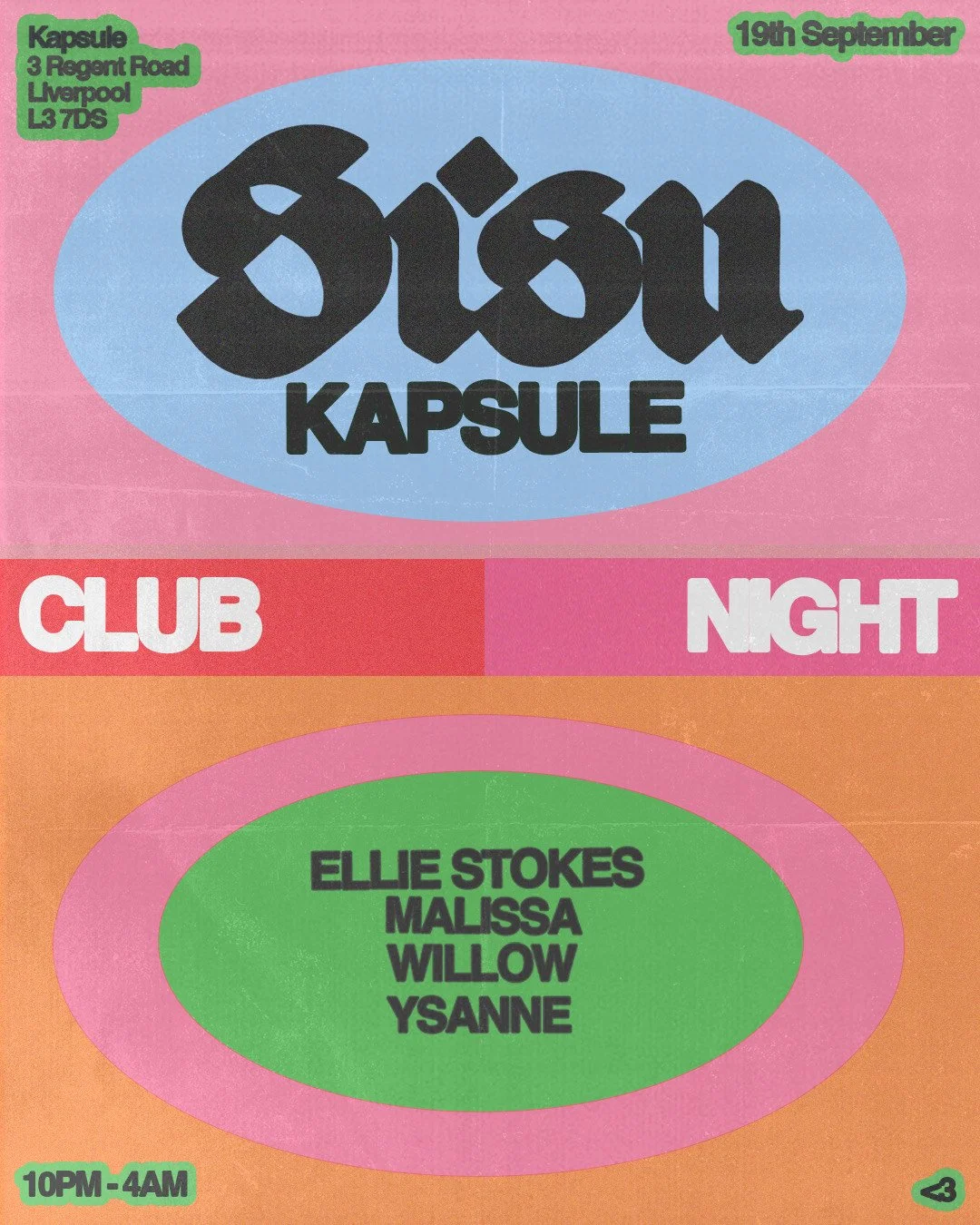
We’re also all extremely opinionated and different from one another, so we can spend hours dissecting one line. In some of these sessions, we can find ourselves sat around thinking “How the hell is this ever going to sound good?”, but then all of a sudden it clicks, and we all start to love it.

Any songs or artists you have on repeat? 

ADDISON RAE’S NEW ALBUM! We think she’s incredible. The sexy, unapologetic attitude that punches through her songs, that are all about longing for fame and money, is a beautiful reclamation of the ‘gold-digging, media-whore’ that we’ve been trained to see in women in the public eye. It also has such a nostalgic sound, reminding us of our favourite girlypop tunes from the early 00s. Love her.


Listen to Girl Group’s Debut EP Think They're Looking, Let's Perform

Follow Girl Group: Instagram | Tiktok

Dina LaPolt’s ‘Street Smart’ Lessons for Women in Music

Dina LaPolt is one of the most influential attorneys in the entertainment industry and the founder of LaPolt Law, P.C., the only major law firm of its kind founded by a sole female lawyer. Since opening her firm in 2001, she’s built a powerhouse roster of recording artists, catalogues, film and TV talent, and entrepreneurs across music, fashion, and beauty.

LaPolt is widely known for her work at the intersection of law, policy, and artist advocacy. She was helpful in moving the Music Modernization Act (2018) through Congress and securing COVID relief for creators through the CARES Act (2020).

She co-founded SONA, successfully sued the U.S. Department of Justice to protect songwriter rights, and continues to advise U.S. lawmakers on legislation like the RAP Act and the No Fakes Act, fighting for protections around artistic expression and AI.

One of her first clients was the estate of Tupac Shakur and she co-produced the Oscar-nominated documentary Tupac: Resurrection.  

A longtime educator and fierce advocate for equity and sobriety, LaPolt has earned top industry honors including Billboard’s Power 100, Variety’s Power of Law, and the Recording Academy’s Service Award. Her debut book, Street Smart: Tips for Succeeding in a Man’s World, is out in October 2025.

You’ve been called fearless, a real boss, and “street smart” in every sense. What does being ‘street smart’ mean to you and when did you first realize you had it?

To me, being street smart means knowing how to hustle, how to read people, and how to survive, especially when there’s no safety net and no one coming to save you. It’s about trusting your instincts and learning how to move through the world with awareness and adaptability.

I think I first realized I had that in me when I packed up my car, left everything I knew behind, and drove across the country to California. No job lined up, no real connections just a music degree, a head full of dreams, and a gut feeling that I had to go. I wasn’t sober yet (that journey came later) but even then, I was already leaning on my instincts. I figured out how to connect with people, spot opportunity, and make myself useful, even if I didn’t have the résumé yet. That’s what street smarts are about: surviving, adapting, and knowing how to move forward even when the path isn’t clear.

You move between boardrooms, Congress, courtrooms, and creative circles. What does a typical day look like for you if there even is one?

Honestly, there’s no such thing as a typical day and I wouldn’t have it any other way. I thrive in the chaos, but I anchor it with structure where it counts. My mornings start early. I need that first hour to myself; to have my coffee, meditate, and check emails and messages. It’s how I get centered before the whirlwind begins.

After that, I usually squeeze in a workout, and then the day takes off. I might be on the phone with a member of Congress or a lobbyist in D.C., then jumping into calls with my law partners to strategize across multiple deals. A few times a week, I will have a lunch meeting with a colleague, and afternoons are typically stacked with Zooms, calls, and in-person meetings.

But no matter how busy things get, I always carve out time for my twin boys and for my recovery meetings. My kids and my sobriety that’s my foundation. Everything else runs on what I call controlled chaos. And I always begin my day with a gratitude check-in. It’s my way of remembering what really matters before the world starts pulling in every direction.

Street Smart drops October 6, 2025. What’s one chapter or lesson you think every young woman entering the music business should read first and why?

Honestly? Every single chapter. Street Smart is designed like a toolkit and each of the ten chapters holds a different key. The lessons come straight from my own journey; raw, unfiltered, and hard-earned. From being diagnosed with dyslexia, to navigating alcoholism, to not going to the “right” law school, I’ve faced my fair share of setbacks. But I turned every one of them into fuel.

This book is for the young person who walks into the room feeling underestimated and walks out owning it. It teaches you how to navigate high-pressure environments, whether you're in a studio, a boardroom, or a negotiation table. It’s about learning to trust your instincts, sharpen your emotional intelligence, and lead with both heart and strategy.

Throughout the book, I discuss the importance of doing the grunt work and building your foundation, because without a strong sense of self, it’s easy to get knocked off course especially in business.  Chapter six dives into how to build a core skill set while also honoring your values. Any high stakes business can be chaotic and cutthroat, but if you know who you are and what you bring to the table, that’s your superpower.

This book isn’t just about survival; it’s about standing tall in your own voice and learning how to play the game without losing yourself in it.

The book’s subtitle is ‘Succeeding in a Man’s World'. What’s the most common mistake women make when trying to navigate power structures in this industry?

One of the most common mistakes I see women make when navigating power structures (especially in male-dominated industries) is believing they have to emulate the same behaviors that have traditionally held power.

There’s this pressure to “play the game” as it’s been defined by men: to be aggressive, to suppress emotion, to sacrifice authenticity for acceptance. But the truth is, our power doesn’t come from mimicking that model it comes from challenging it.

In my own work, whether it's pushing for legislation like the Music Modernization Act or all the COVID Relief legislation, I've seen the most progress happen when we lead with authenticity, collaboration, and persistence.

Women often underestimate the power of their unique perspective, or they’re told it's a liability. But when we lean into who we are, instead of who we think we’re supposed to be, that’s when we actually shift the culture not just survive it.

You’ve built a firm from the ground up and stayed independent. How much of the book is memoir, and how much is playbook?

Great question, it’s actually a mix of both. Street Smart: Succeeding in a Man’s World blends personal storytelling with practical, actionable advice. The structure was inspired by a book I’ve always loved: Never Wrestle with a Pig by Mark McCormack.

That book is packed with no-nonsense insights drawn from his experience in sports and celebrity management, and I wanted to create something similar—but through the lens of a woman who’s had to fight her way into rooms, build something from scratch, and stay independent in industries not built for us.

So while Street Smart does include pieces of my own journey what I’ve overcome, what I’ve learned, the heart of the book is about giving women tools they can use, no matter what field they’re in. Each chapter delivers real-world lessons, the kind you usually only get from lived experience. It’s part memoir, part playbook and 100% designed to help women not just survive, but lead and thrive on their own terms.

You write about defusing emotional triggers and sharpening instincts. What’s one high-stakes moment in your career where that mindset made all the difference?

One that really stands out is when a client and I set out to help get a privacy law passed in Hawaii to protect high-profile individuals from aggressive paparazzi tactics. At the time, it felt like a total David versus Goliath moment. I’d never been involved in the legislative process before, let alone lobbied for something this public and yet, the issue was incredibly personal to me. In California, we have statutory protections in place, but Hawaii didn’t. And what the paparazzi were doing wasn’t just invasive it was dangerous.

We’ve seen the tragic consequences of that kind of behavior, like what happened to Princess Diana. The stakes were sky-high professionally, emotionally, and reputationally. There was a lot of media attention, and I knew I couldn’t let fear or self-doubt take the wheel. That was one of those moments where staying grounded, defusing emotional triggers, and trusting my instincts made all the difference. I treated it like any other negotiation: stay prepared, listen more than you speak, and never let your emotions do the talking in the room.

My firm actually ended up drafting the legislation, and I worked side by side with local lawmakers, pushing through a lot of resistance. It didn’t pass the first time which was heartbreaking but we stayed at the table, built relationships, and kept showing up. And that persistence ultimately helped shape how future privacy laws were developed.

That experience taught me that real progress isn’t always quick but when you pair emotional clarity with purpose-driven action, you become unstoppable.

Negotiation is at the heart of Street Smart. What’s your #1 rule for walking into a negotiation and walking out with what you want?

Be the most prepared person in the room. That’s my golden rule. Know the deal backwards and forwards, every variable, every possible outcome, every piece of leverage.

When you walk in with that level of preparation, you carry a quiet confidence that changes the energy in the room. You’re not reactive, you’re strategic. You can stay cool when things get tense, because you’ve already anticipated the pressure points.

And here’s something people often overlook: silence is powerful. Don’t rush to fill it. When you leave space after making a point or an ask, you force the other side to sit with it and that’s when the real movement often happens. Negotiation isn’t about being the loudest voice. It’s about being the calmest, the sharpest, and the most grounded person at the table.

What’s your non-negotiable for staying grounded?

My recovery. I’ve been sober since 1998, and that’s the foundation for everything I do. Without my sobriety, I wouldn’t have my career, my children, or even my emotional peace. When I start feeling overwhelmed, frustrated, or self-doubting, I pause and ask myself, What’s right in my life? That simple question helps me reset and gain perspective.

Another non-negotiable for me is acts of kindness. Helping someone else whether it’s a friend, a colleague, or even a stranger helps me get out of my own head and back into alignment. It’s a constant reminder that my purpose goes beyond myself, and that keeps me grounded, no matter what else is happening.

You helped shape the Music Modernization Act and fought for independent creators under the CARES Act. What’s the next policy battle the industry should be preparing for?

I’m currently involved in two major legislative initiatives that I believe are pivotal for the future of the industry. The first focuses on protecting creative expression from being unfairly used as evidence in criminal cases. Specifically, the practice of using song lyrics as evidence of guilt disproportionately targets Black men and that’s something that absolutely needs to be addressed.
Along with the Black Music Action Coalition, California Assemblymember Reggie Jones-Sawyer, and Governor Gavin Newsom, we helped pass the Decriminalizing Artistic Expression Act in California. This legislation has now been adopted in several states including, surprisingly, Louisiana and Missouri. When we frame the issue through the lens of the First Amendment and freedom of speech, it becomes a bipartisan issue, which gives it real momentum. We’re now working on a federal version of this bill, called the Restoring Artistic Protections (RAP) Act, in partnership with U.S. Congressman Hank Johnson.

The second initiative I’m heavily involved in is the creation of a federal right of publicity, which is crucial in today’s digital landscape. This year, our Human Artistry Campaign comprising the Recording Academy, Songwriters of North America, the Black Music Action Coalition and many other organizations worked to reintroduce the No Fakes Act. This bipartisan bill, when passed, would establish a federal right to control one’s voice and likeness. It’s especially urgent with the rise of AI and deepfakes, as it would provide essential protections not just for public figures, but for everyday people too.

These legislative efforts will fundamentally reshape how we protect creativity and identity in the digital age. I think the industry should be preparing for these conversations to ramp up, as these issues are only becoming more urgent as technology evolves.


Connect with Dina LaPolt on Instagram | Website

Pre-order Street Smart

Jayda G and Annie Mac on Motherhood, DJing and Club Culture

Two iconic names from the dance music space, Annie Mac and Jayda G, sat down at AVA London Conference 2025 for an honest conversation about music, motherhood, the challenges of working in the industry, and going against expectations.

Jayda G opened the discussion by sharing that this was her first public event since becoming a mother, speaking openly about sleep deprivation, “mama brain,” and the physical and emotional demands of DJing while pregnant. She reflected on the lack of visibility for mothers in club culture and the importance of working in ways that feel safe and intentional.

Annie Mac spoke about how the pandemic shifted her relationship with touring, leading her to step back from late-night DJ sets and eventually launch Before Midnight (her early-ending club concept), designed for people who still love clubbing but can’t do 4 a.m. finishes.

Together, they explored how motherhood has reshaped their identities, the pressures of visibility in a male-dominated scene, and what it means to build a career that works on your own terms.

Listen to the full conversation to learn how they’re finding new ways to make it all work.


Nat Oaks on Finding Her Voice in Alternative Hip-Hop

London-based singer-songwriter Nat Oaks is gaining recognition across the alternative hip-hop and indie pop scenes. Her latest single, ‘The Way You Want Me’, released during Pride Month 2025, marks a new chapter in her sound, moving away from people-pleasing and toward self-acceptance.

Following standout performances on the Main Stage at Love Saves The Day, Little Simz’s Meltdown Festival at the Southbank Centre, and her Glastonbury debut after placing second in the 2025 Glastonbury Emerging Talent Competition, Nat is making her mark on some of the UK’s most celebrated stages.

Influenced by artists like Loyle Carner, Arlo Parks, and Little Simz, she blends alternative hip-hop, R&B, and indie pop into a distinctive, emotionally honest style. Her live shows have led to support slots with Jelani Blackman, Pip Millett, and Master Peace, while her identity as a queer artist continues to shape her work and perspective.

We caught up with Nat as she enters a pivotal summer to talk new music, live shows, and letting go of expectations.

What’s the story behind your new single The Way You Want Me’?

The Way You Want Me came during one of the last mornings of a songwriting camp in the Cotswolds. My producer MSTRY had come up with a beat from the couch, and I mumbled over it coming up with a theme pretty quickly. I found myself reflecting on the position I was currently in – just wanting to enjoy the moment and not take things too seriously. I’m always cautious of not wanting to just make love songs, so this was a fun way to approach the topic.

How do you build trust and chemistry in a songwriting session, especially when time is limited, like at a camp?

I like to dedicate good time to get to know the other writers. It’s sets an important basis which allows us to open up and be more vulnerable. It’s generally a supporting environment because everyone comes wanting to make great music. I love getting to know them because it also gives you good insight to how they come up with lyrics, which helps me to adapt my own style and be more creative.

You’ve hit some huge stages this year at Love Saves The Day, Meltdown with Little Simz, and Glastonbury. What have those live moments taught you about performance, confidence, or connecting with a crowd?

I’ve been performing for five years now, since I was 18. It’s been really fulfilling to feel my confidence grow with every live show. With each show, I get a really warm response and it solidifies in my mind that I’m good at what I do. Once I had that realisation, which only really came about this year, it’s made it so much easier to get on the stage. I now know that the crowd is rooting for you to do well and give them a good show.

Nat Oaks - The Way You Want Me (2025 Glastonbury ETC Runner Up)

Your top tip to artists trying to find their own voice

Firstly, realise that it takes time. The type of songs I wrote and recorded when I was 18 are very different to the ones I make 5 years later. You have to trust yourself that your confidence will build, with each studio session and each show, until the point you know exactly who you are. I’m still on that journey, but feel a lot closer since I give myself the space to try new things and put them out there, no matter how successful they’d end up.

Your top tip to network with the right people in the industry.

Get creative! Remember, you’re your own brand. Be excited about what you have to offer, and take advantage of opportunities to get in the room. This can be attending events, whether industry or live shows, and being open to meeting all types of people. You never know where a conversation could take you. I had a funny experience at The Great Escape three years ago, where I got up on stage to dance (horrifically) with Ants Live. Through this, I met Dellessa James, who leads the exciting black music strategy at Amazon Music with +44.

What’s your favorite/least favorite thing about making music?

When I get the time to make music, I often surprise myself with the lyrics I can come up with. I’ve always known myself as a creative person, even at school writing stories was my favourite thing. Being able to write a song that others can in some way connect to, and able to put on if they’re having a bad day, is really fulfilling. And the best thing about music is the endless possibilities of songwriting. It’s exciting to always feel like you’re yet to make your best song.

What are you listening to at the moment?

I’m listening to Little Simz’s new album Lotus. My favourite songs on there are Enough and Young. Sasha Keble is also filling up my playlist as I’m loving more soulful music at the moment. I’ve been lucky enough to see both of them live recently which brought the songs to life.


Connect with Nat Oaks on Instagram

Gabriella Bongo on 'Breathe', Mentorship, and the Emotional Core of Drum & Bass

Gabriella Bongo is a writer, producer, and DJ from South London blending melodic depth with the soulful edges of drum & bass. A self-taught pianist who began producing at age nine using GarageBand, she honed her technical skills while studying sound engineering at ICMP London, where she recently graduated.

Influenced by artists like Dogger, Hybrid Minds, Rudimental, and Chase & Status, Gabriella’s music pairs sharp production with honest, lived experience. Since her debut in 2020, she’s gained early recognition through BBC 1Xtra and was selected as Hospital Records’ Women In Drum & Bass mentee in 2024. Her progress and production style stood out so strongly that Hospital offered her a full signing in March 2025.

Following her feature on Degs’ album (Spacesuit), she now makes her solo debut on the label with Breathe — the first of three upcoming singles exploring the more soulful and liquid side of the genre. With past performances at O2 Academy Islington and Hospitality In The Woods, and an appearance at Hospitality On The Beach in Croatia slated for July, Gabriella is proudly flying the flag for a new generation of drum & bass artists.

What’s the story behind your new single – ‘Breathe’ out on Hospital Records?

I think for a lot of musicians, music is an outlet - you end up expressing yourself unconsciously. Breathe was written at a time in my life where I was in a bit of a rough patch. I was having lots of panic attacks and the only way you’re taught to get through them is to breathe. I didn’t go into the session with the intention of writing about that - it just happened. I was in the studio with this amazing singer-songwriter called Sienna and without her I don’t think I’d have tapped into that.

Drum & bass rose from underground roots to a global audience, and lately we’ve seen a surge in vocal-led and more soulful cuts gaining traction. Why do you think it’s striking a chord?  How do you see your own sound contributing to that evolution?

I think people want to feel a bit more. The world is currently very fast paced and a lot of music today feels quite disposable to be honest. I think people want lyrics they can relate to and chords that make them feel sad or happy. I think my sound is for listeners across a multitude of genres. 

As someone who started producing from a very young age and now studies sound engineering, what’s one production trick or tool that totally changed the game for you?

Probably auxiliary sends. I love sidechaining my delay on vocals, doing some weird stuff to my parallel drum bus or even using a vocoder. I like how creative you can get with auxiliary channels/sends all whilst having the ability to keep a dry or less interesting version.

What’s your approach to collaborating with singers across different genres, and how do you make those pairings feel authentic?

I have to be a fan of their voice and they have to be up for trying something new - that’s the only criteria! These pairings often work and feel authentic because all they need to do is bring themselves and just do what they do best.

I never use reference tracks or try to alter their sound too much because I want it to be as original as possible - a piece of music that we’re both proud of. 

What’s one thing you wish more people understood about the work behind the scenes as a DnB producer?

I think all producers can relate to this but the session isn’t over for us once we leave the studio. I’ve been putting vocals through Melodyne in bed before, sending revisions of mixes while I’m on the go - the work is constant and sometimes not the most convenient.

What’s your favorite/least favorite thing about making music?

My favourite thing would probably be that moment in a session where you think this is the best song you’ve ever made and you’ve outdone yourself. 

My least favourite thing would be writer's block.

3 things you can’t live without in your bag. 

Chewing Gum

Candy Kittens or Honey Roasted Peanuts

Water

What are you listening to at the moment?

Recently I’ve been listening to a lot of Florence + The Machine and Post Malone, very different artists.


Gabriella Bongo x TJ - Breathe (feat. Jo) - Artwork

Connect with Gabriella Bongo

Instagram | TikTok