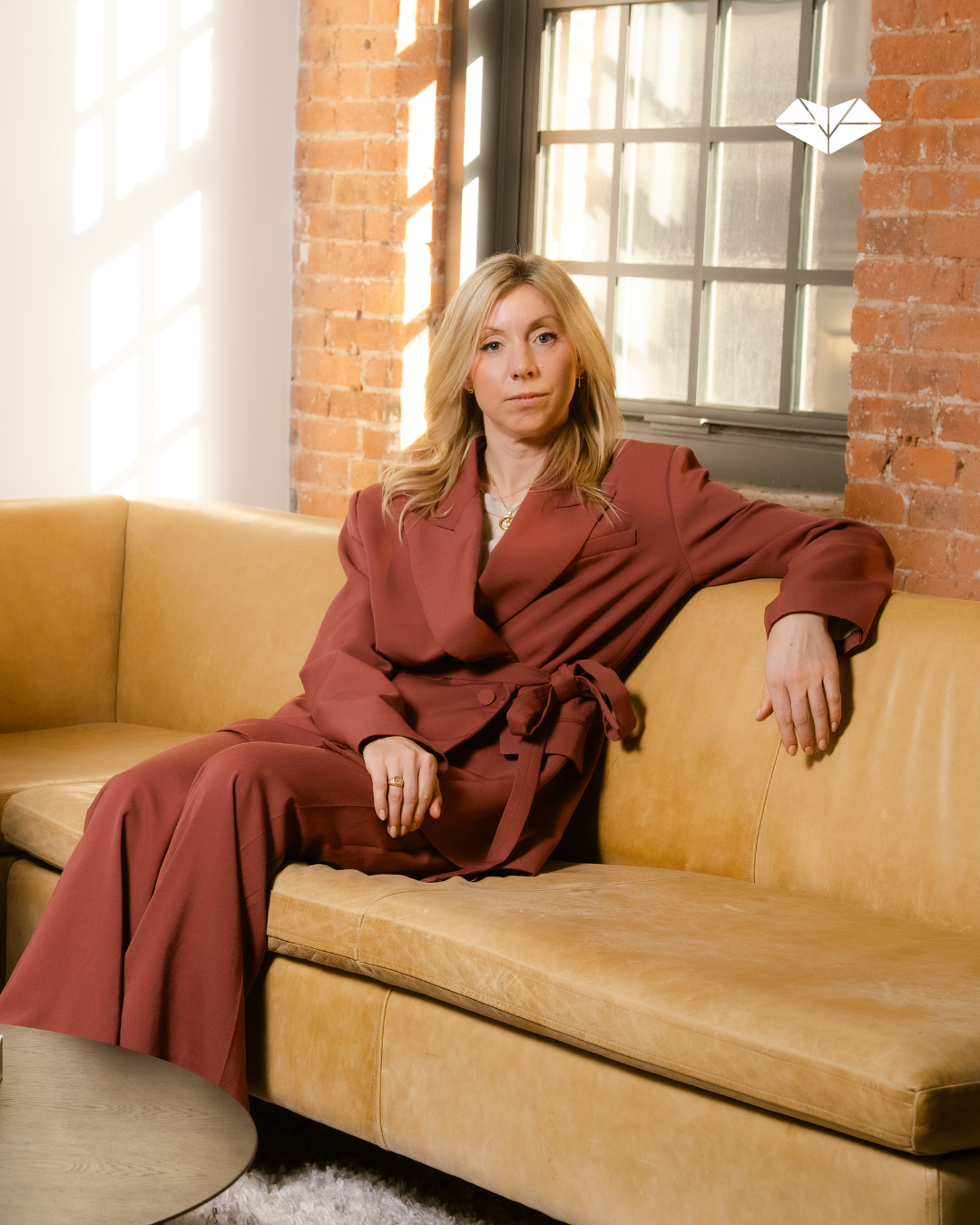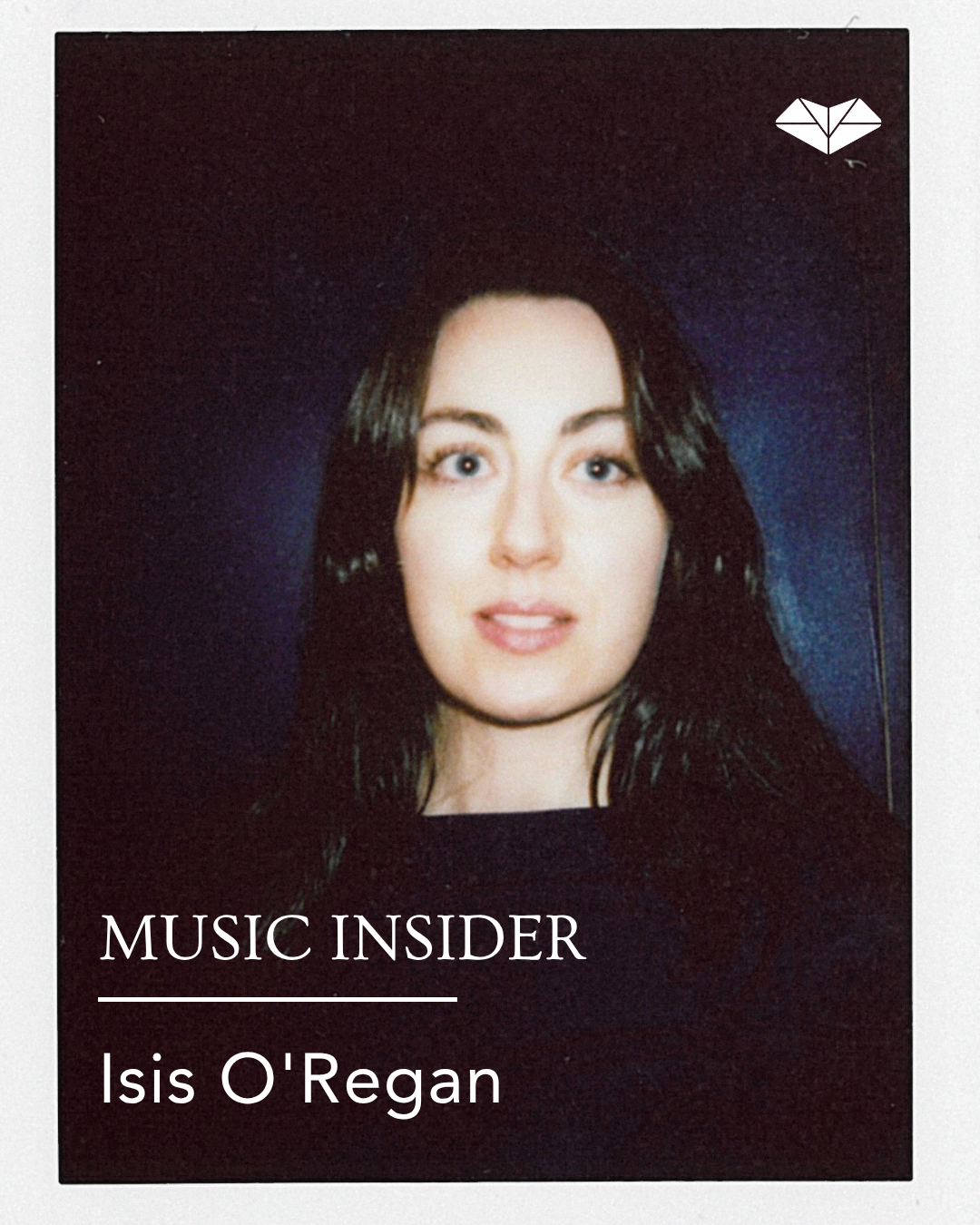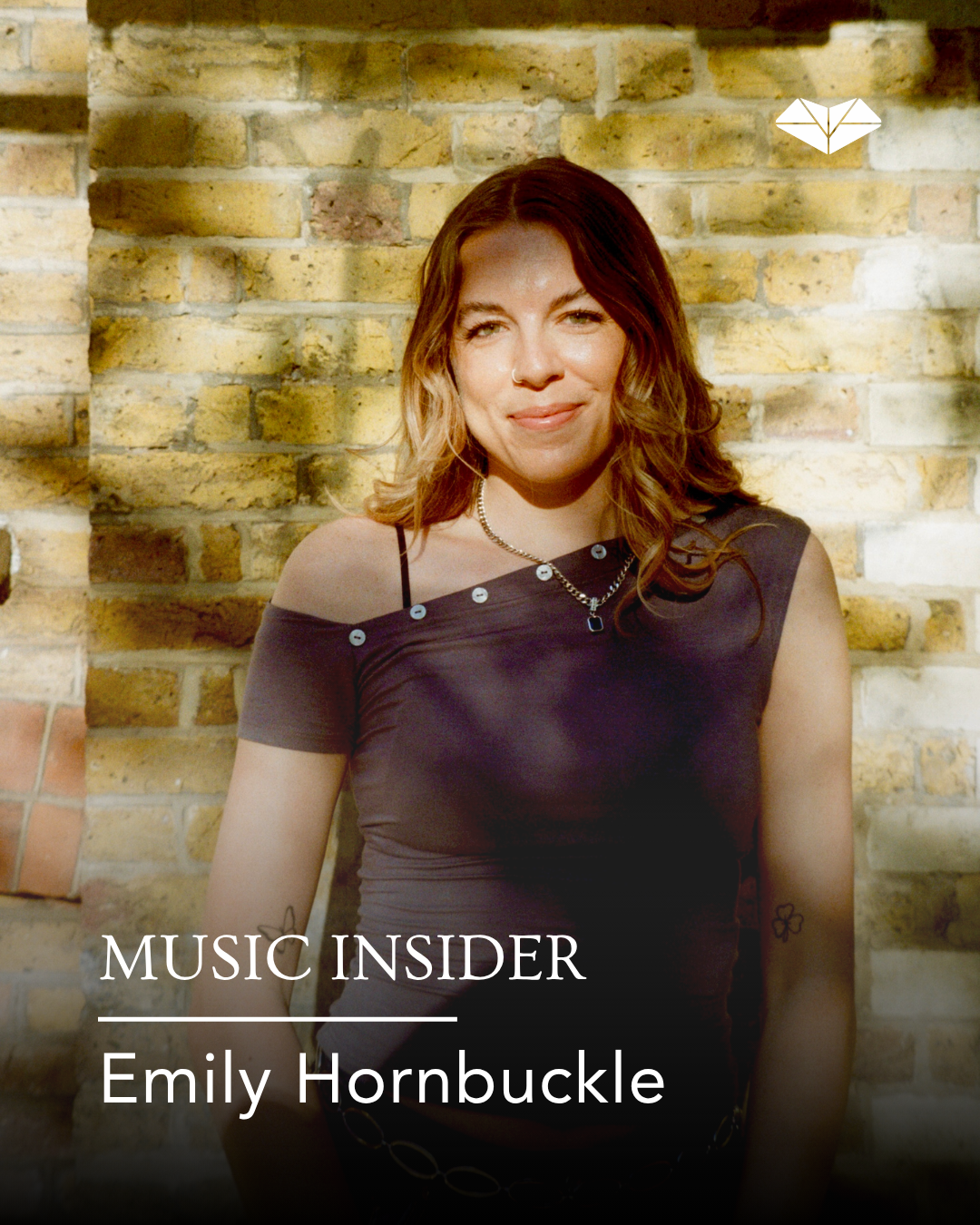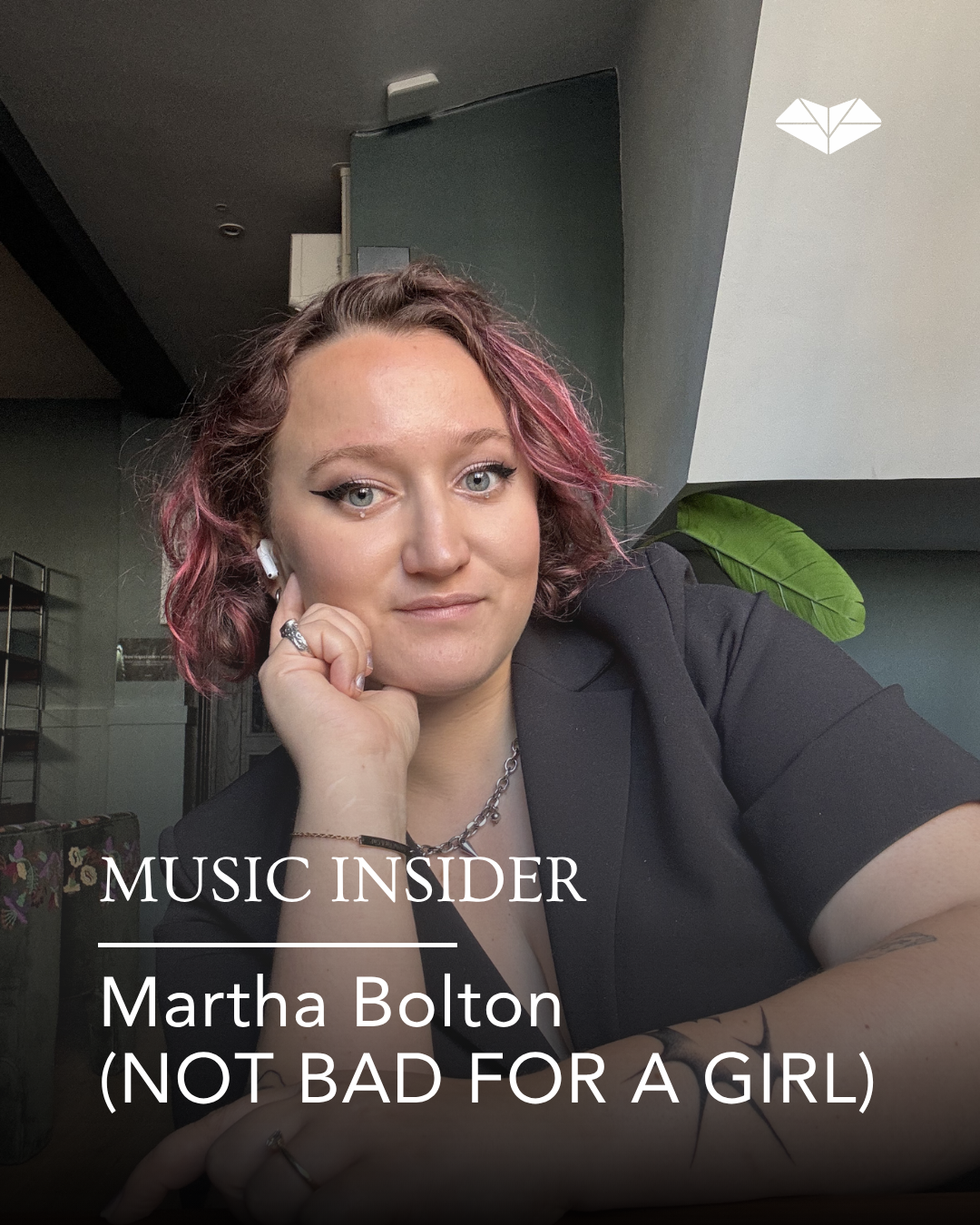
Music Insider

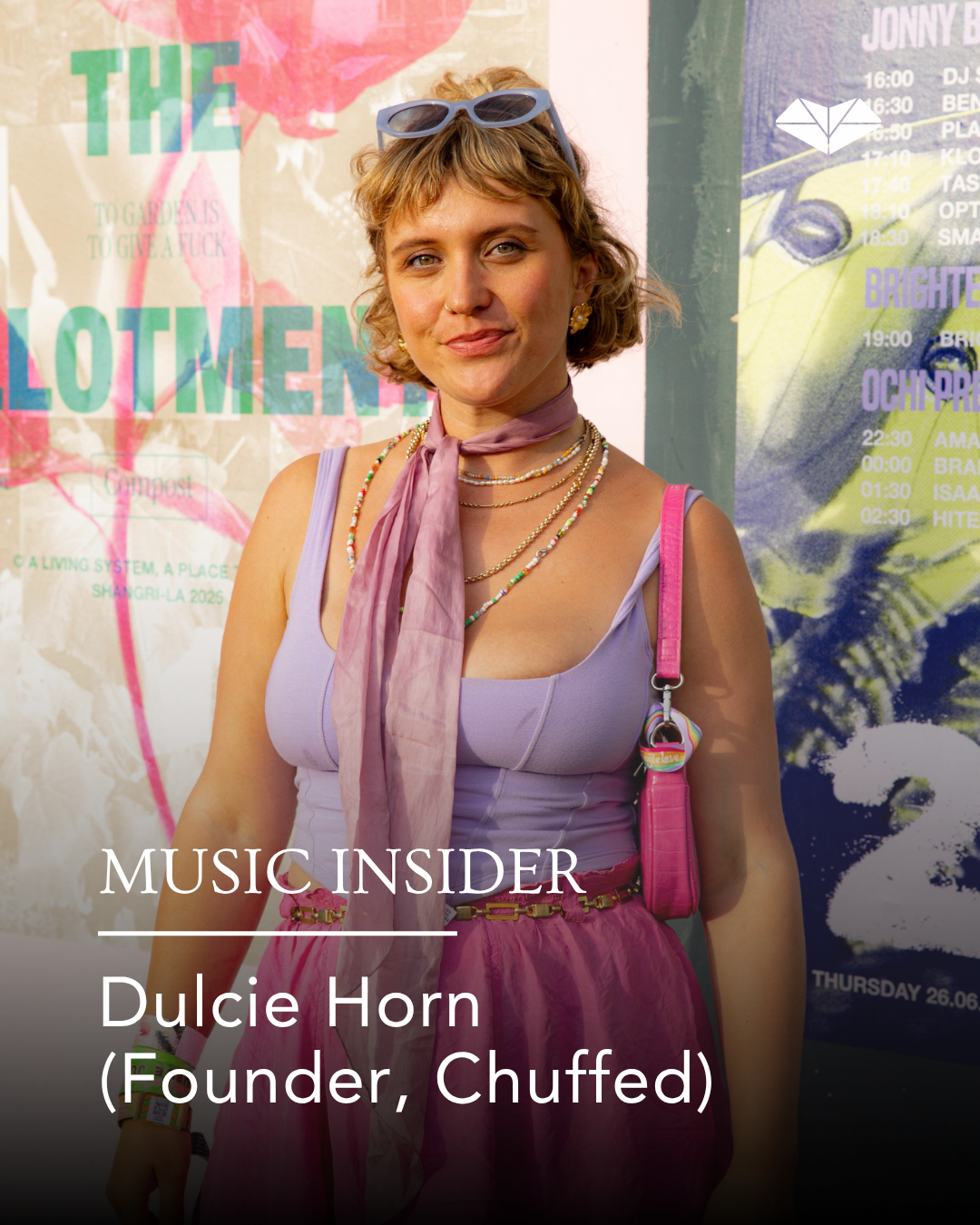
Chuffed Founder Dulcie Horn on Festival Storytelling and the Business Behind It

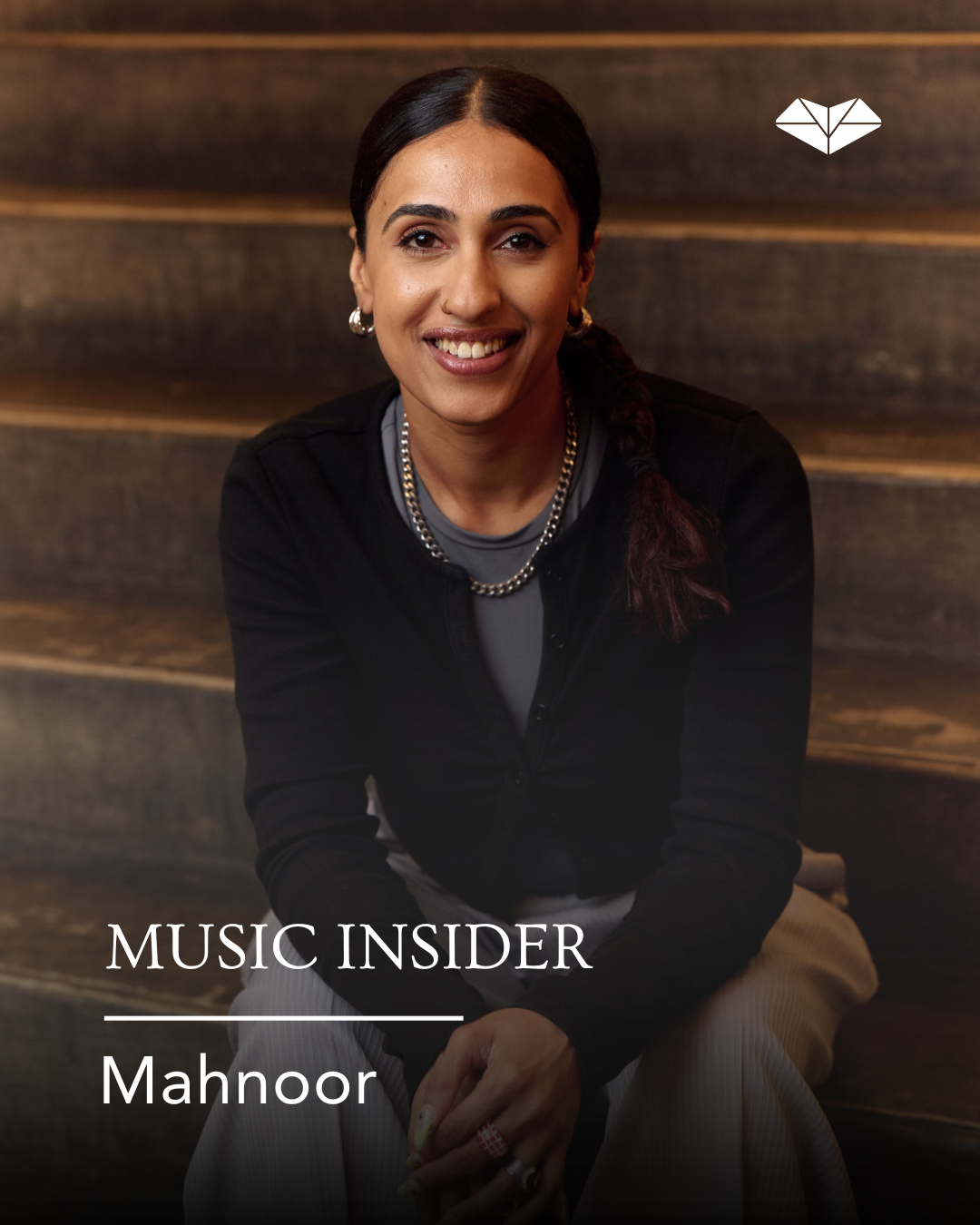
Photo credit: Amy Fern

Dulcie Horn is the founder of Chuffed, a creative strategy studio working across festivals and cultural events, with a focus on brand strategy and social storytelling.

Her work centres on how festivals are experienced and communicated in real time — from leading on-site media teams to shaping the way audiences engage with events beyond the physical space. Operating internationally, Chuffed has built a reputation for delivering social-first coverage that reflects the culture on the ground rather than simply documenting it.

Alongside this, Horn has been vocal about the need for greater gender representation within festival media spaces, an area that continues to lag behind other parts of the industry.

How was your journey into music and what inspired you to launch Chuffed?

I have been lucky enough to be attending festivals since I was 11 and have always been massively passionate about them, working full seasons since I was 18 and just keen to do anything that allowed me to go to more! I think they’re incredibly important cultural spaces and one of the things that the UK does amazingly well - I think they’re more important than they’ve ever been. 

I’ve always been pretty online and creative. I originally wanted to work in magazines (RIP!), so marketing felt like a pretty natural path. I landed a job at Boomtown doing a mix of customer service and digital marketing and from there became the digital marketing manager. I picked up more clients along the way, and became known for doing strong live social coverage at festivals before that was really much of a thing. Eventually, I stepped out and started Chuffed because I wanted the freedom to work with more of the people, brands and events I believed in.

When establishing Chuffed, what proved most difficult -e.g. building the right team, securing clients, or defining the studio’s creative positioning? What helped you navigate that phase?

Scaling, absolutely. Getting the right amount of work in, and charging enough for it, has probably been the hardest part. The bigger the team gets, the bigger the risk gets too… I’ve had some pretty spicy years with five people on the team, low resilience in the business, and the reality of me not actually earning any more money for carrying all of that. The business side has definitely been a huge learning curve, and the festival industry is its own beast as well, seasonal, fast-moving, and often quite unpredictable. I think we came into it quite naively, and a lot of that phase was about learning in real time how to build something sustainable, not just exciting. 

What helped, unfortunately, was not very sexy! It was experience earned the hard way, learning to be more realistic about capacity, more confident on pricing, and more honest with myself. 

For anyone hoping to work in your field - e.g. festival production, marketing, or cultural strategy -  what skills should they focus on developing early in their careers?

For anyone wanting to get into marketing, brand strategy or this world more broadly, my biggest advice is just to get stuck in. I had a couple of my own little businesses in my early 20s that I marketed on Facebook and Instagram, I offered to help with socials for employers I was working for, and volunteered with charities and other projects wherever I could. 

There is also so much free information online now that you can teach yourself a huge amount. But beyond that, I think one of the most valuable things you can do early on is develop your eye, really pay attention to what makes people care, what builds trust, what creates a feeling, what makes someone want to be part of something. That’s the bit that moves you beyond just posting content and into understanding brand and audience properly.

The beauty of marketing and social media is that you do not need to wait for permission to start. You can build something, grow an audience, experiment with ideas and learn by doing, even if you do not have a product to sell yet. So much of what I know has come from passion projects over the years, from running a festival blog to posting silly videos online, because all of it teaches you how people connect.

What’s your best networking tip to connect with the right people in the industry? 

Go out!!!! A huge part of my network came from clubbing a lot in my early 20s and bopping around the festival scene. So much of this industry is built on real relationships, and those tend to grow from shared spaces, shared interests and just being around.

Say yes to events that interest you, be part of your community, join the WhatsApp groups, and get involved in what’s happening around you. And don’t just think about networking in terms of what other people can do for you - recommend people to each other, connect others, be generous. One of my greatest joys in life is introducing people who should know each other, and that always comes back around in some form.

Many people enter the industry through short-term or freelance work. How can early-career professionals turn those opportunities into sustainable careers?

There’s a lot of opportunity out there for content creators and creative marketing freelancers, and it’s a brilliant space to build a sustainable career because, unlike a lot of festival work, it exists year-round!! For me, taste is everything in this kind of role - you need to keep tuning it, practising, and sharpening your skills, because the platforms and the culture are always moving.

The real magic is when creative ability comes with organisation, reliability and strategic thinking. That’s the killer combo. Plenty of people can make nice things, but the people who build lasting careers are the ones who can also deliver consistently, communicate well, and understand the bigger picture.

Photo credit: Amy Fern

Who are some women who have inspired your approach to work and leadership?

So many!! I’ve been lucky enough to work with some real powerhouses over the years. I’ve spent plenty of time in Event Control at festivals and always loved watching brilliant operation leads in action - people like Judy, Poppy and Lou from my Boomtown days all taught me a lot about how comms and marketing intersects with what’s actually happening on the ground. 

The fantastic Anna Wade, who I worked under at Boomtown and who pushed some really important boundary-breaking work around harm reduction and more. Penny Warner at Team Love, who is leading in such an ethical and values-led way. And I always love seeing the rare female festival directors doing their thing - Vicky Fenton from Wild Wood Disco, Elle Beattie from Field Maneuvers and Marjana Jaidi from Oasis Festival. 

What is one of the most important leadership lessons you’ve learned?

Go on holiday. Having no time off and being really stressed is counter-productive. In the long run, you get less done, your judgement gets worse, you become reactive and just a bit of an arsehole! I really struggle working with people when I can tell they’re not looking after themselves properly, because it always seeps into how they lead.

It felt impossible to take proper time off in the early years of Chuffed, but now it’s a non-negotiable. I will always do better, more creative work and be a better person to work with when I’ve had a break. 


Dulcie Horn Instagram | Chuffed

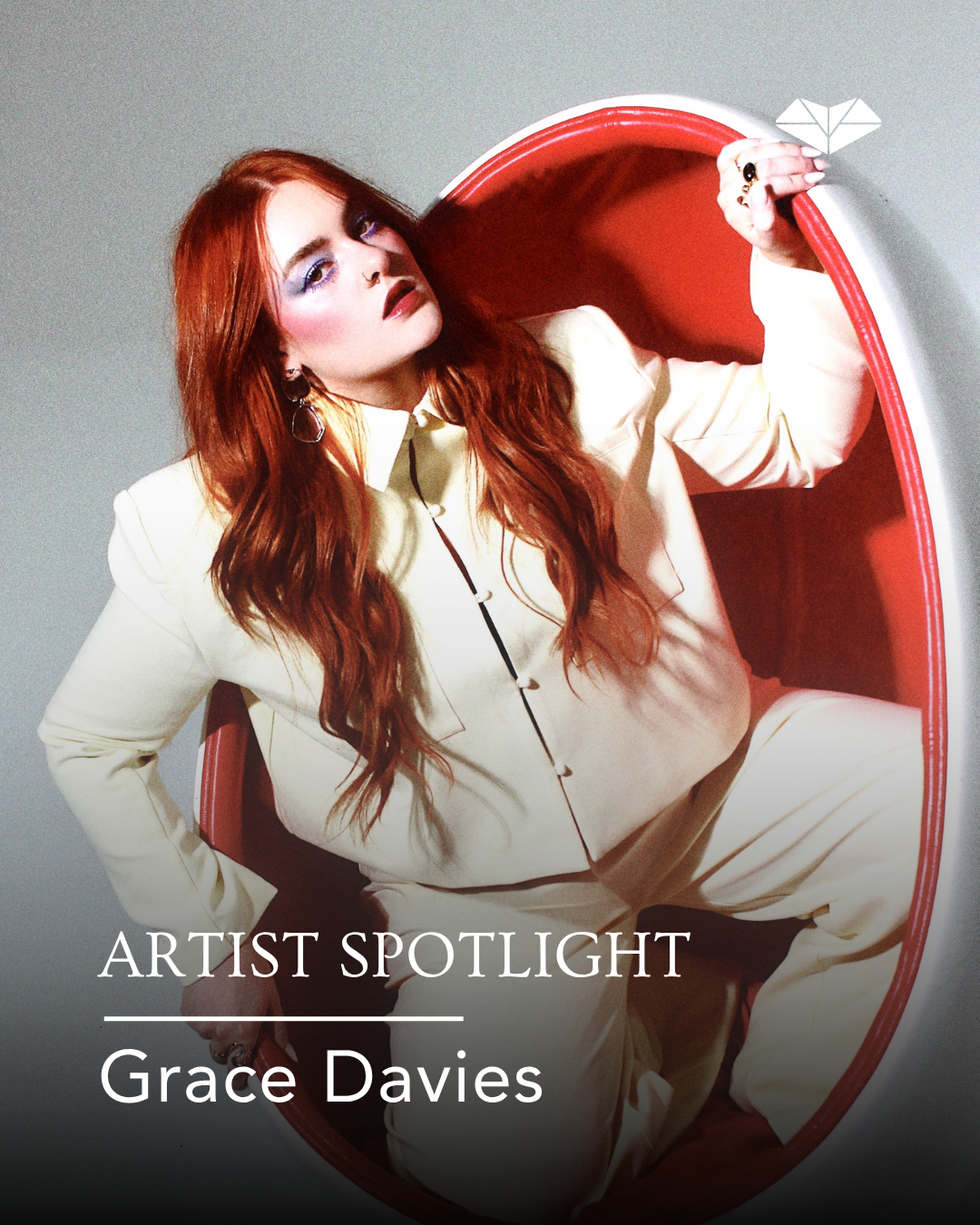
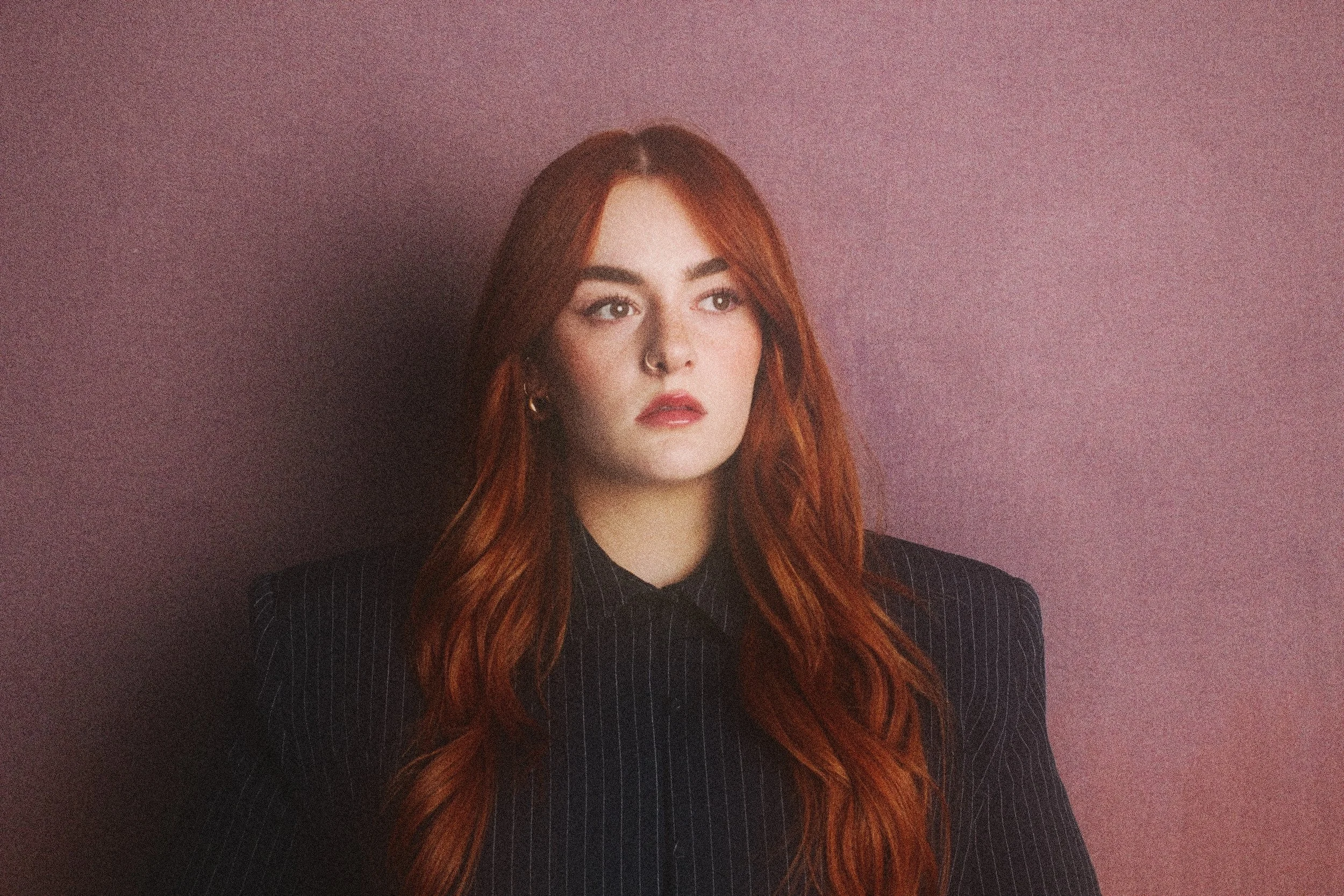
Grace Davies, the Independent Artist Behind 100 Million Streams, on Building an Independent Music Career

Grace Davies has spent the past decade steadily building a career defined by independence, persistence and creative control. The Blackburn-born singer, songwriter and producer first gained national attention through BBC Introducing before reaching a wider audience in 2017, when her original song Roots went viral during her appearance on The X Factor. Rather than following the traditional path of covering other artists, Davies stood out for performing her own material throughout the competition, a rare move that helped establish her reputation as a songwriter first and foremost.

Since then, she has continued to carve out her own lane in the industry. With more than 100 million streams across her catalogue and consistent radio support from BBC Radio 1, Radio 2 and major commercial stations, Davies has built a growing audience while navigating the realities of an evolving music business. Following the closure of her former label SYCO, she moved fully into independence, self-releasing projects and taking greater control over everything from songwriting to production and catalogue ownership.

Her long-awaited debut album, The Wrong Side of 25, marks a defining chapter in that journey. Written and produced on her own terms, the record reflects years of creative development and hard-earned industry experience.

Your debut album The Wrong Side of 25 was years in the making. How did you decide when the right time was to release it, and what did you learn from that rollout?

I actually don’t think I’ve ever decided when the right time to release something was. It feels like my whole career has just been waiting to be either contractually or financially allowed to put things out. I’d have loved to make an album 8 years ago - but I truly believe everything happens for a reason and my debut album would be nowhere near as spectacular as it is now had I done it back then.

It’s taken a lot of placing trust in the universe and, as frustrating as being an indie artist can be, it does make you appreciate the big milestones that bit more after you’ve worked so hard to make it to them. 

You produce your own music, which still remains rare in mainstream pop. How has producing your own work changed your creative control, business decisions, and long-term ownership of your catalogue?

I genuinely think it just made me realise who I am as an artist. I started out by writing songs by myself and making demos in my room, so when I started being put in writing sessions with another top liner and a producer, I just got lost.

I felt inferior and like these are the professionals and I should let them take the lead - but as soon as I learnt and understood production properly, I felt like I was able to take the reins a bit more and find a sound that felt genuine to me rather than the producer’s “go to” sound.

I think on the business side it’s meant that I’m not automatically giving that role - and the rights that come with it - to someone else for the sake of it. It’s made me much more conscious financially as the master holder (than when I was with a major label, for example) but also conscious of how credits, royalties and ownership are structured and making sure I have a stake in those things long term.

Your releases have accumulated over 100 million streams and significant radio support. What were the most effective steps you took early on to build momentum and reach new audiences?

With things like radio, I banged down the doors of gatekeepers until, I think, they played me just to shut me up. In terms of streams and building momentum, I do think consistency is key. Consistently delivering high quality music and delivering it often enough that you don’t slip out of view really helped.

As soon as I became an independent artist, I was able to do that. I stopped treating songs like precious things that had to sit on a hard drive waiting for the ‘perfect’ moment - and while moving back in with my parents in my mid-twenties wasn’t glamorous, it meant that money I would’ve been spending on London rent went into making and releasing music consistently.

That decision gave me the momentum I needed. Social media also allowed me to take songs straight to listeners without waiting for permission. I’ve always tried to be really honest in my songwriting and in how I connect with people online. If someone finds a song and feels like it genuinely reflects their own experience, they’re much more likely to stick around and share it.

You recently performed a sold-out show at The Jazz Cafe. What did that night represent for you creatively, and how did it shape your connection to this new chapter of your music?

Playing The Jazz Cafe is one of those things you always hope you’ll get to do as an artist, it’s such an iconic venue, so the fact that it sold out felt really special. It was the first time I was able to perform the whole album, many of them for the first time.

I think sometimes when you release a song or project it can feel like shouting into a dark void - you’re never really sure if anyone is there or listening - so to hear an audience singing back the lyrics you put blood sweat and many, many pennies into makes it entirely worth it. That night really made the whole album feel real to me and I’ve honestly never felt more like an artist than I did on that stage

You’ve re-released “Butterflies” with Sonny Tennet. What factors influence your decision to revisit or rework an existing song?

I think when songs are released as part of a project they can get lost. The core fans will know and love them, but let’s be honest, releasing 13 songs in one day is overwhelming for any listener and most people listen to them once - so giving those songs the chance to stand out is always exciting. You also get the opportunity to reimagine them, which is such a fun process.

Suddenly you can ask things like: who would be my dream collaborator, or what would I change if I could revisit the song now? Working on “Butterflies” again with Sonny was a really nice example of that, because it allowed the song to take on a slightly different life.

If I’m completely honest, streaming platforms (potentially) giving songs a chance in playlists really influences a decision. If you don’t treat a song like a single you don’t get those (potential) opportunities, so it’s so worth a shot just in case - because that can really help you reach new audiences and build a bigger platform than the one you can give yourself. 

Streaming has transformed how artists build careers. Beyond streaming numbers, what metrics or signals do you personally consider meaningful indicators?

Streams are obviously important because they show that people are finding the music, but I don’t think they tell the whole story. For me, the most meaningful indicators are the things that show a genuine connection with listeners. If people are coming to shows, singing the words back, messaging me about what a song means to them, buying physical copies of the music, or choosing to follow along with each new release - that means far more than a number on a screen.

I also think it’s so easy with streams to get obsessed with following the numbers and wondering why they’re not the same as last week or last month or the artist who just played the same venue as you - it can be such an unhealthy mindset. I pay attention to whether the audience is growing in a sustainable way. Are people sticking around? Are they coming back for the next song, the next tour, the next chapter?

Those are the signals that tell me the music is actually resonating for the long term rather than just having a fleeting moment. At the end of the day, a healthy career is built on real fans, not just big numbers, so those are the things I try to focus on.

For artists trying to build sustainable careers independently or semi-independently, what practical steps would you recommend focusing on first?

Be as self-sufficient as you possibly can. To be an independent artist, especially at a ‘starting out’ level, is to be constantly paying everyone around you and never yourself.

Learn how to play an instrument so you can support yourself live, learn how to produce, learn how to be your own graphic designer and video editor. Write your own press-releases, reach out to radio gatekeepers yourself.

Make contacts. It’s fucking hard but it truly is the only way to shove your face in other peoples faces without bankrupting yourself. 


Follow Grace Davies: 

Instagram| YouTube| Spotify| TikTok| Facebook

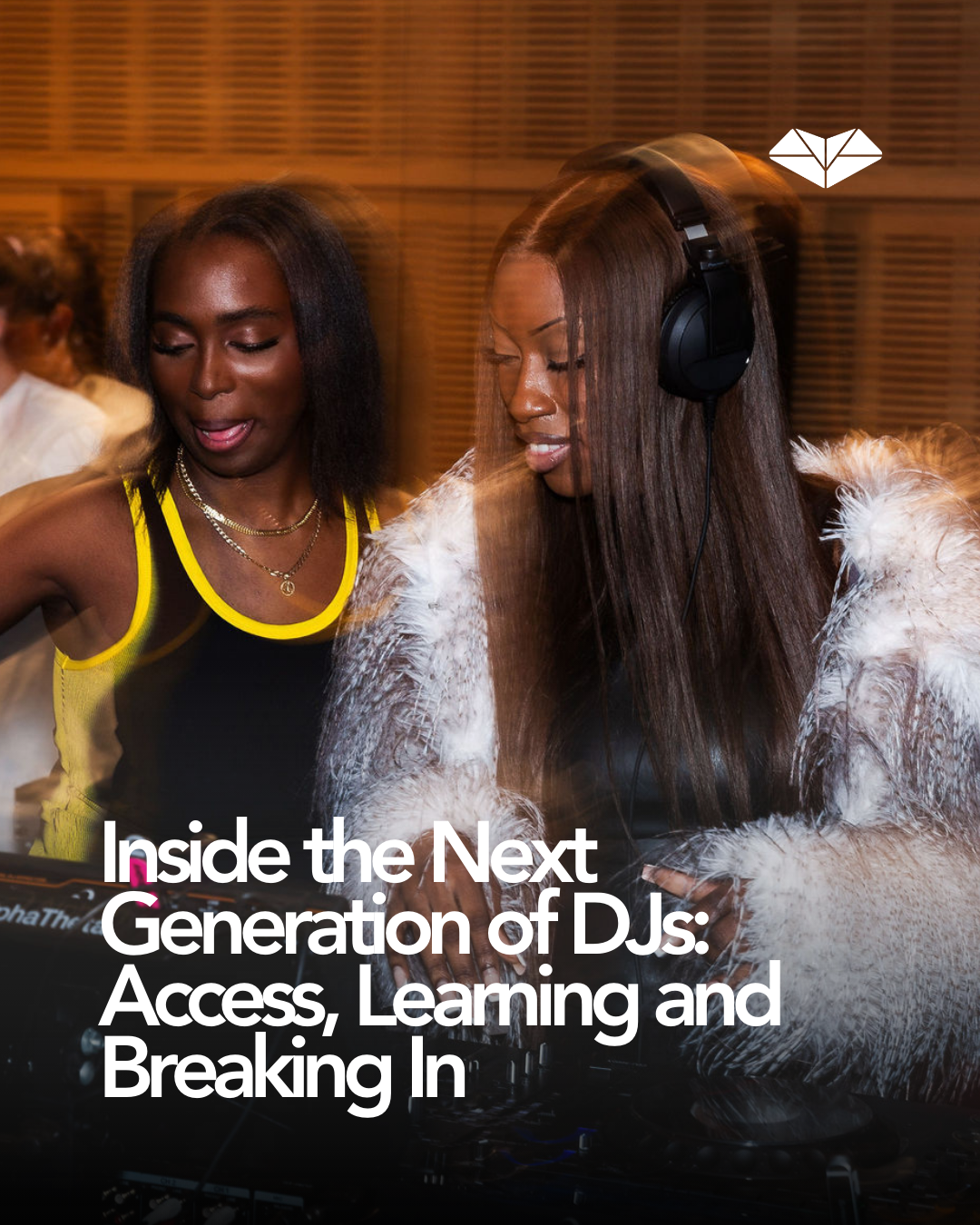
Inside the Next Generation of DJs: Access, Learning and Breaking In with with Amy Francesca and Charisse C

Credit: Leanne Dixon

In a culture that still often presents DJing as open and accessible, the reality for many emerging artists tells a different story. Access to equipment, music libraries, networks, and physical space continues to shape who gets to participate and who progresses.

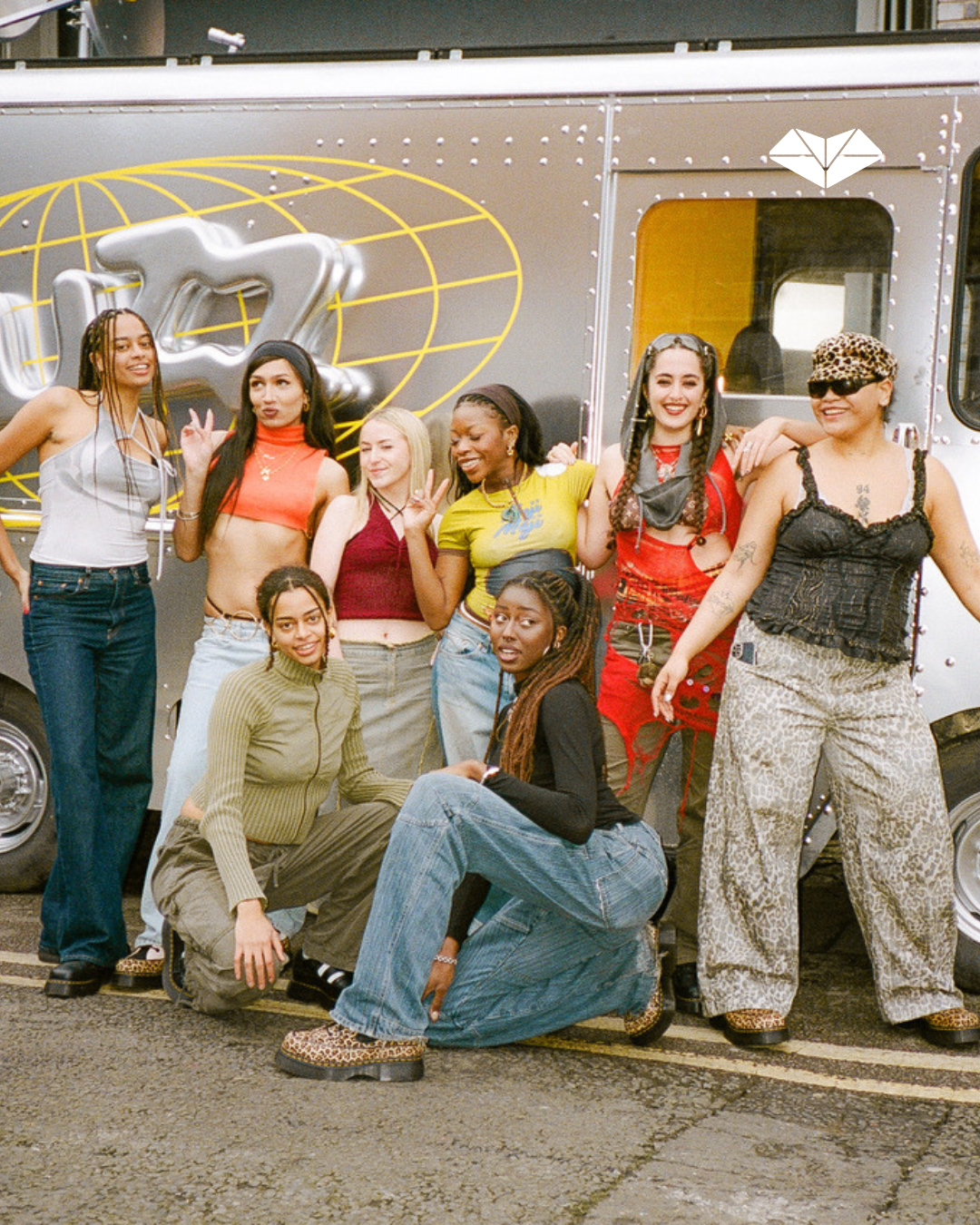
Set against this backdrop, Foundation FM delivered a hands-on DJ workshop in London in partnership with Apple Music, Platoon, and AlphaTheta bringing together emerging women and non-binary DJs inside a professional studio environment to learn, experiment, and connect.

Founded to challenge the structural barriers that shape access to the industry, Foundation FM has built a reputation as one of London’s most important platforms for emerging DJs, offering not just airtime but long-term support, community, and infrastructure for underrepresented talent.

The workshop opened up wider conversations around what it actually takes to build a career today; from developing a sound and navigating bookings, to understanding the role of community, mentorship, and infrastructure.

In this Q&A, AlphaTheta’s Amy Francesca and DJ, producer and Platoon artist Charisse C reflect on the session; from the importance of hands-on learning and the barriers new DJs still face, to how technology, community platforms, and shared spaces can reshape access for the next generation.

Foundation FM has built a reputation as a platform for emerging DJs. Why are community spaces and radio stations still such an important entry point for new talent?

AF (Amy Francesca): Radio is a really powerful space for DJs. It quietly motivates them to experiment, showcase their sound, and put in their practice hours. You also meet a lot of like minded people through radio. It becomes a space where you can be seen, share ideas, and grow your confidence. Many radio stations also have a full club setup available, which means DJs can practice on professional equipment that they might not otherwise have access to. 

CC (Charisse C): It was amazing to see how diverse each participant was in taste and perspective; it truly speaks to the incredible work Foundation FM has done in cultivating a roster of incredible women DJs from all walks of life. Community radio will always be an important stepping stone for new talent to quite literally find community, start building an audience, and curate an archive of mixes that showcase their talent.

Foundation FM

What kinds of questions or challenges did participants raise during the session about entering the DJ world today?

AF: A few people asked about becoming more confident and knowledgeable when using DJ decks. There were also questions about how to move things forward career wise, such as connecting with management or booking agents.

What I found interesting was that the Foundation FM DJs were already very comfortable with their sound and the music they play. The questions were more about what the next step looks like and how they can build on what they’ve already started. 

CC: A lot of the questions were around how to establish their own sound, narrative, and identity, acquiring new bookings, and building relationships with bookers and promoters. The business side of DJing came up a lot; understanding the role of a manager and or an agent, and knowing the right time to build a professional team.

What surprised you most about the participants during the workshop?

AF: At one point we spontaneously did a back-to-back where everyone mixed three songs from a shared Apple Music playlist. It became a moment where everyone could showcase their taste in music, but what surprised me the most was how many different genres came up and how naturally they blended together. It ended up being a really warm and memorable moment in the session. We honestly could’ve started our own club night. 

CC: It was amazing to see how diverse each participant was in taste and perspective; it truly speaks to the incredible work Foundation FM has done in cultivating a roster of incredible women DJs from all walks of life.

Is it important to create hands-on learning environments like this workshop for people who are starting out in DJing?

AF: In-person workshops are really important because people learn in different ways. Some people learn by seeing, some by listening, and others by actually doing something themselves. Being in the room allows all of that to happen at once. But beyond that, workshops offer something the internet can’t always provide, which is confidence and reassurance. When someone is standing next to you showing you something and encouraging you to try it yourself, it helps remove that fear of getting started. 

CC: Experience truly is the best teacher, especially with something like DJing that is a social practice. Once you get to the stage of playing for other people, learning to read rooms, and skill-sharing with other DJs, hands-on learning is the only way.

One of the themes of the workshop was access; from equipment to music libraries. From your perspective, what are the biggest practical barriers new DJs still face?

AF: I think the biggest barrier is knowledge. There are actually a lot of different DJ decks designed for different stages of learning, but many people don’t realise that. Most new DJs only see the standard club setup in studios or venues and assume that’s the only option available to them. In reality, there are more tailored setups that can make learning much easier whether you’re starting out or at the height of your career. An AlphaTheta FLX2 or FLX4 or Omnis-Duo is designed for beginners, while an AlphaTheta FLX6 or FLX10 or GRV6 suits intermediate DJs. Seasoned DJs, on the other hand, might opt for an AlphaTheta XDJ-AZ. 

CC: Space to practice is a major barrier. Pirate Studios once filled this gap but has now become quite expensive. Community radio is one of the few accessible spaces where DJs can practice with club-standard CDJs, often live in front of listeners. Living outside of London also presents a barrier, as opportunities are heavily concentrated in the capital and travel costs can be prohibitive.

How does the integration between Apple Music and rekordbox change the way new DJs can practice, experiment and build their first sets?

AF: For me it comes down to access and ease. Apple Music gives DJs access to over 100 million songs, which means they can explore a huge amount of music while learning. What’s great is that they can also use the playlists they already listen to every day and start experimenting with them straight away. It’s a really simple way for someone to bring their own taste and personality into DJing from the very beginning. 

CC: The Apple Music integration is great for DJs who don’t have a library of music and are still figuring out their sound. There is a cost commitment to buying music to build a library, which many budding DJs may not be able to afford early on. It allows for more freedom in testing out transition ideas and exploring genres outside of their norm.

For someone just starting out, what are the most important skills to develop early on, beyond simply learning how to mix? And for emerging DJs who want to start getting booked, what are some realistic first steps they should focus on?

AF: When I teach new DJs, I always start with music structure. Understanding the four count and phrasing is the real foundation of DJing, because that’s what allows you to mix songs together seamlessly. Once someone has that down, they can start developing their creativity, whether that’s using FX or learning how to read and control a crowd.

Credit: Leanne Dixon

Those things are what really help a DJ stand out within their scene. For DJs who want to start getting booked, I always suggest starting locally. Ask venues if you can play an early one hour slot or attend open deck nights. Those spaces are great for networking with promoters and collectives, and they often lead you naturally toward the communities that suit your sound. 

CC: DJ etiquette is super important, for example knowing the difference between an opening set, a headline set and a closing set. Being intentional about the types of spaces you want to play in and what your sound is helps with establishing your lane and communicating clearly with bookers.

What advice would you give to someone who wants to start DJing but feels intimidated by the technical or financial barriers?

AF: When I first started DJing, I only wanted to mix songs by women who rap, artists like Latto, Megan Thee Stallion, and Nicki Minaj. It began with something very simple that I loved. DJing is a freeing experience, if you want to start out, play what you love listening to.

Have a look around for your closest free workshop or pick up a second hand controller so you can experiment without spending too much money. Give yourself the time and space to explore and see if it’s something you truly enjoy. 


CC: Start wherever and however you can. As long as you’re doing it for the love of the music, you will find your way.

SoundSisters on Building a DJ and Production Community in Morocco

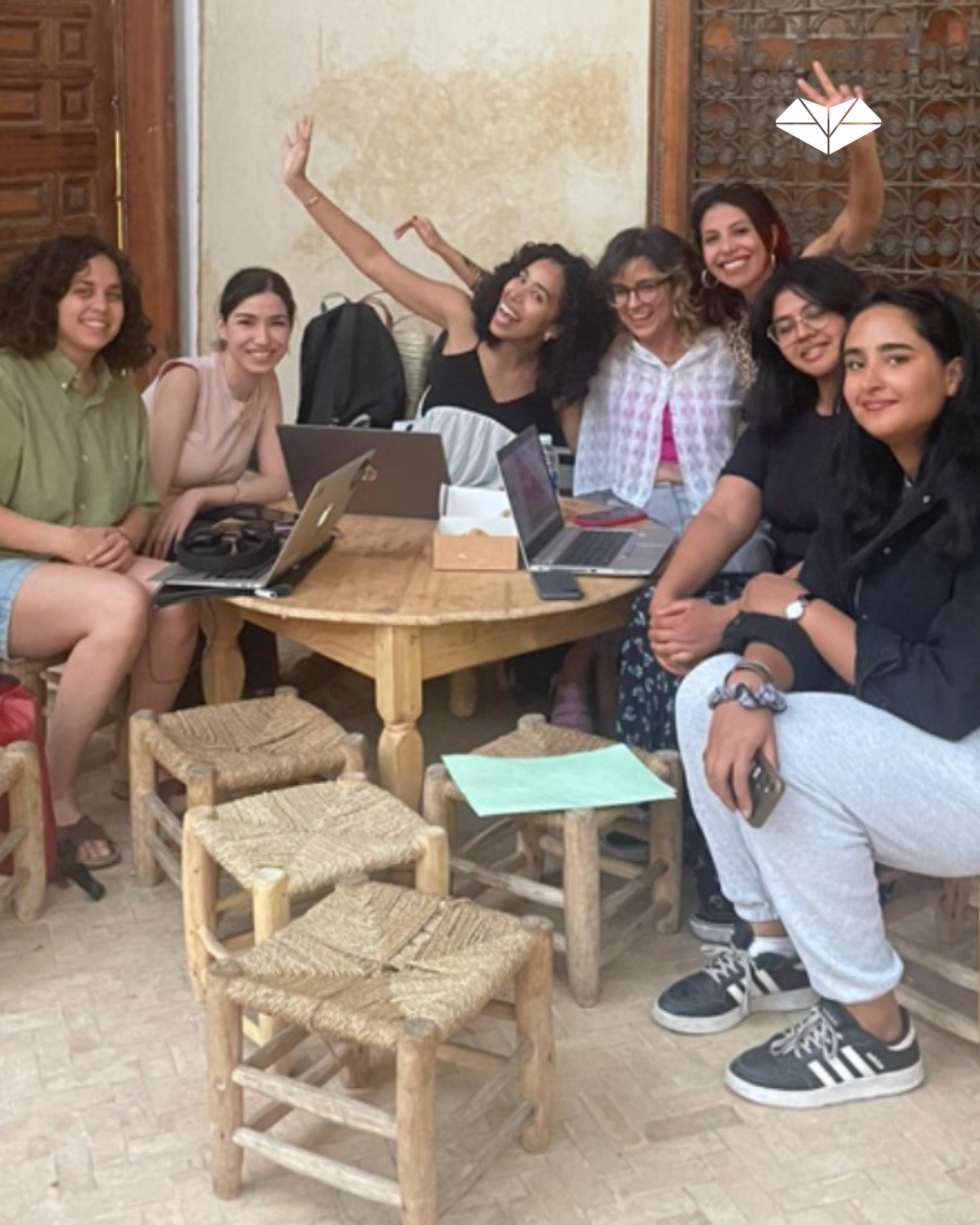
SoundSisters Morocco is a women-led music initiative based in Marrakech, created in 2022 to support women in DJing and electronic music production through hands-on education, mentorship, and community-building.

Over the past decade, Morocco has seen a growing electronic music ecosystem, with cities like Marrakech and Casablanca hosting international festivals and local DJ communities. Events such as MOGA Festival and Oasis Festival have helped connect Moroccan artists with global audiences, while grassroots initiatives and collectives are creating new opportunities for learning and collaboration. Within this landscape, SoundSisters Morocco are opening new entry points for women to access DJing and music production.

Since launching, SoundSisters Morocco has delivered workshops across multiple cities, and also in other countries as Brazil, Portugal, Spain, Switzerland and developed a growing ecosystem of artists, students, and collaborators.

With support from the Ballantine’s True Music Fund and shesaid.so they are expanding their impact through a dedicated production studio and new learning programs that connect local musical heritage with contemporary electronic expression.

Why did you start SoundSisters? What gap were you determined to fill?

I learned in women-led spaces and I’ve always been close to initiatives that create real entry points for women in electronic music.

Before SoundSisters Morocco existed, I was shaped by a chain of women who were already doing that work in different places. In Brazil, I learned in an environment led by women, and I think it’s worth mentioning DJ Flavya, who ran a DJ and production school for women. Later, I met DJ Fátima from Sisters in Sound in Mexico. In Barcelona, I also took classes with Pity Vacari through Fiesta Wacha and her project for women and gender-diverse people. Along the way, I connected with other women doing similar work, like Nina Jacarandá from Sin Sync. I kept gravitating toward these spaces because they felt like both learning and belonging, at the same time.

At a certain point, I felt it was time to continue the chain. I began gathering women interested in DJing and production first in Panamá, when I was living in Bocas del Toro, and later in Morocco when I arrived in Taghazout/Tamraght to surf. It started in a very natural, intuitive way, simply bringing people together to practice, share knowledge, and support each other, without a name, project or organization.

The industry still has a real gender imbalance, and the best way we knew to respond was to create practical opportunities. We felt the same gap we’ve seen everywhere: fewer opportunities, fewer safe spaces to learn, and fewer pathways to grow. So we moved to create a  room, a community, and a consistent invitation: come learn, make mistakes, grow, and support each other and SoundSisters became our way of creating those pathways for ourselves and for any women who want to build alongside us.

SoundSisters started in 2022. What has that growth looked like in practice, and what have you learned along the way?

The growth has been very hands-on and step-by-step. It looks like workshops, practice sessions, mentoring, and a lot of behind-the-scenes work to build something stable enough that we can trust it. Over time, it also became about creating continuity: not just one workshop, but pathways. Not just a moment, but a community people can return to.

One of the biggest lessons has been that confidence grows through repetition and real access. We just keep going, keep doing what we believe.

When someone touches the equipment, understands the basics, and then comes back again, something changes. Another lesson is that community is built through care and consistency, not hype. We’ve tried to keep the project grounded, welcoming, and real.

What role does the studio play in your overall mission?

For us, the studio is a place where learning becomes regular, where experimentation is possible, and where women can take their time developing skills that usually require access, patience, and support. It is the place to make mistakes without being judged, our safe place.

It also helps us shift from “first steps” to “next steps”. DJing can be the entry point, but production opens another door: creating your own music, shaping your own sound, collaborating, and building longer-term artistic independence. The studio is where that becomes more realistic, because the access is shared and structured.

How has the True Music Fund supported your development and impact?

From our very first meetings, when we started talking about turning this initiative into something real, we kept coming back to one dream: having our own space. A home where the equipment could be stored safely, where everyone in the group could have access, and where women outside the group could also come to learn, practise, and feel welcome.

But building that is not simple. Having equipment is expensive, keeping it safe requires structure, and having a physical space takes planning, money, and people who are genuinely committed to taking care of it. The True Music Fund and shesaid.so made that dream possible. It helped us invest in the foundations: a stable setup, a dedicated space, and the conditions to plan with continuity instead of always relying on temporary or borrowed solutions.

It also allowed us to go deeper in our educational work. With this support, we were able to run a 45-hour music production course and hire Moroccan mentors to share their knowledge with us. That created access for women who wanted to learn production but couldn’t afford paid courses, and it connected learning to practice in a real way.

Because there’s a big difference between learning alone online at home and learning in a fully equipped studio where you can test, listen, experiment, make mistakes, and exchange with others. That shared space changes everything: it turns curiosity into practice, and practice into real growth.

What’s the most meaningful change you’ve seen since SoundSisters began?

The most meaningful change has been seeing women take up space with less hesitation, including ourselves. We’ve watched beginners move from “I’m not sure I can do this” to practising regularly, experimenting, playing their first sets, collaborating, and feeling genuinely proud of their progress.

And it hasn’t been only about DJing. We’ve also seen growth in event production, partnerships, organisation, and creative direction. Women started making their own music, recording, sharing their work, and stepping into new projects they might not have imagined for themselves before. We see each person progressing artistically, but also in leadership, professionally, and even in other parts of life where confidence and structure matter.

At the same time, we’ve seen SoundSisters become more solid as an initiative. Over time, it has grown into something with clearer goals, stronger values, and more collective strength. And maybe most importantly, we’ve seen what happens when we decide to go after something together: when we plan, ask, learn, work, and insist. It reminds us that dreams can become real,  not magically, but through commitment, care, and consistency.


Follow SoundSisters on Instagram | Website | YouTube

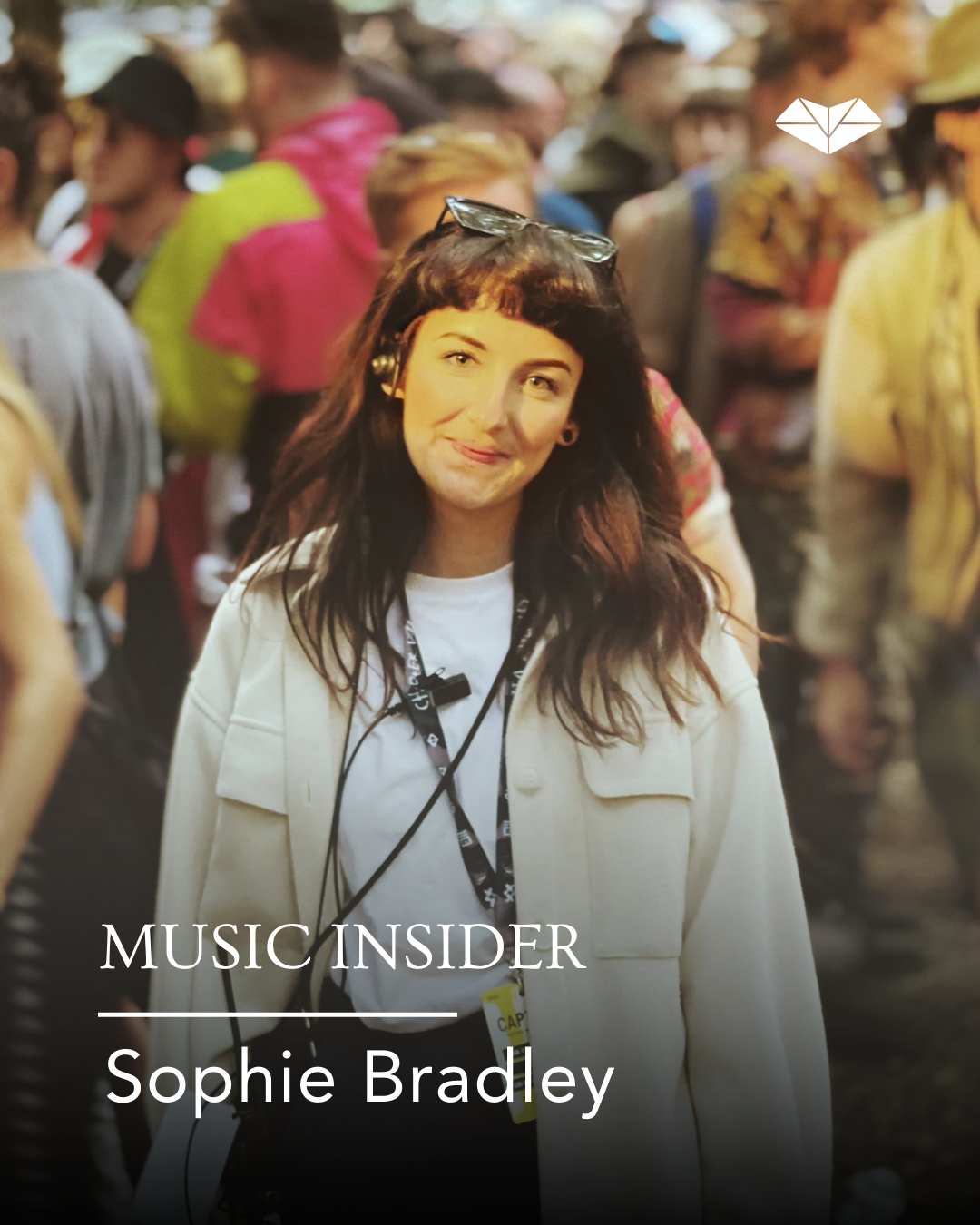
Lost Village’s Sophie Bradley on Curating Artists and Shaping Festival Culture

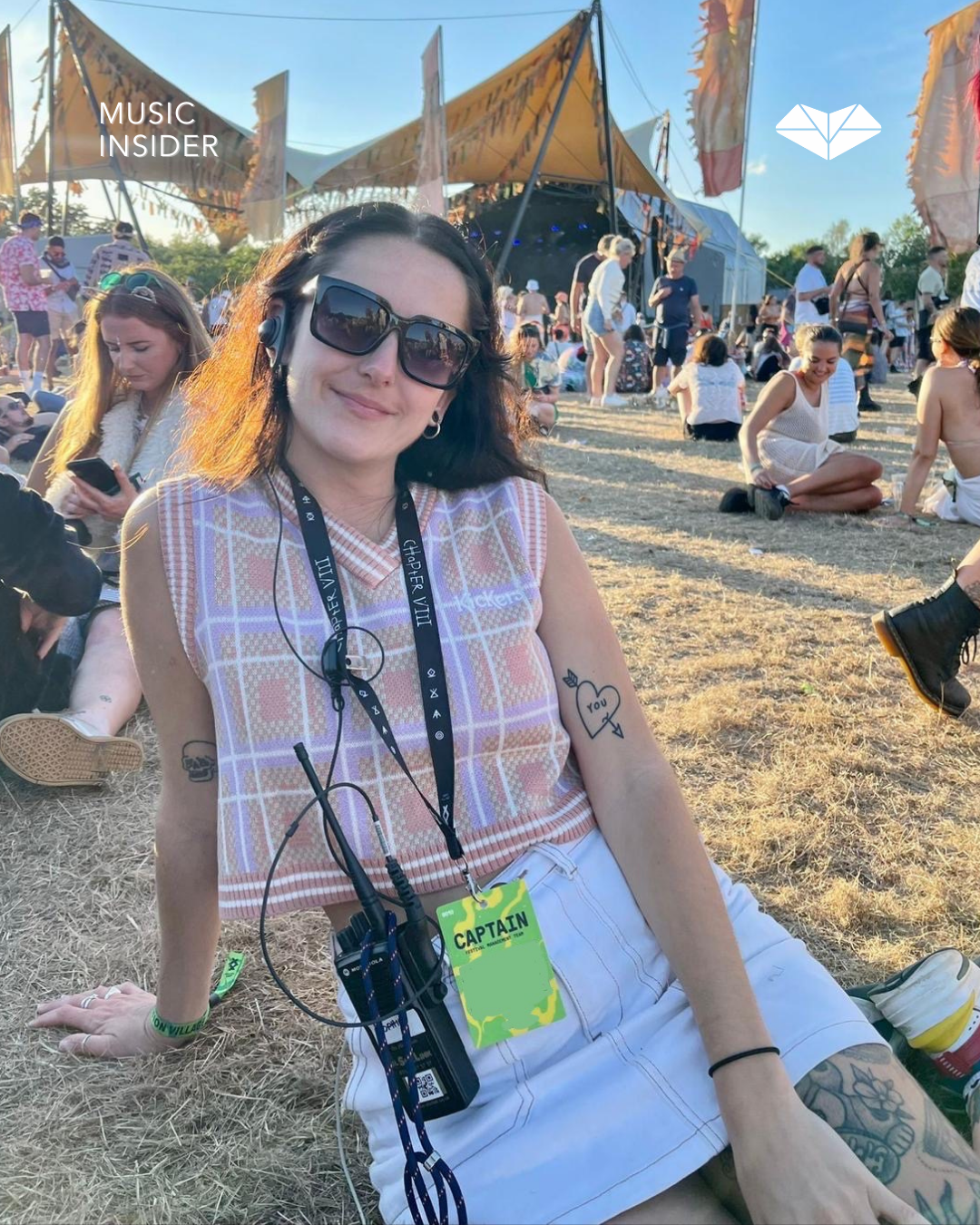
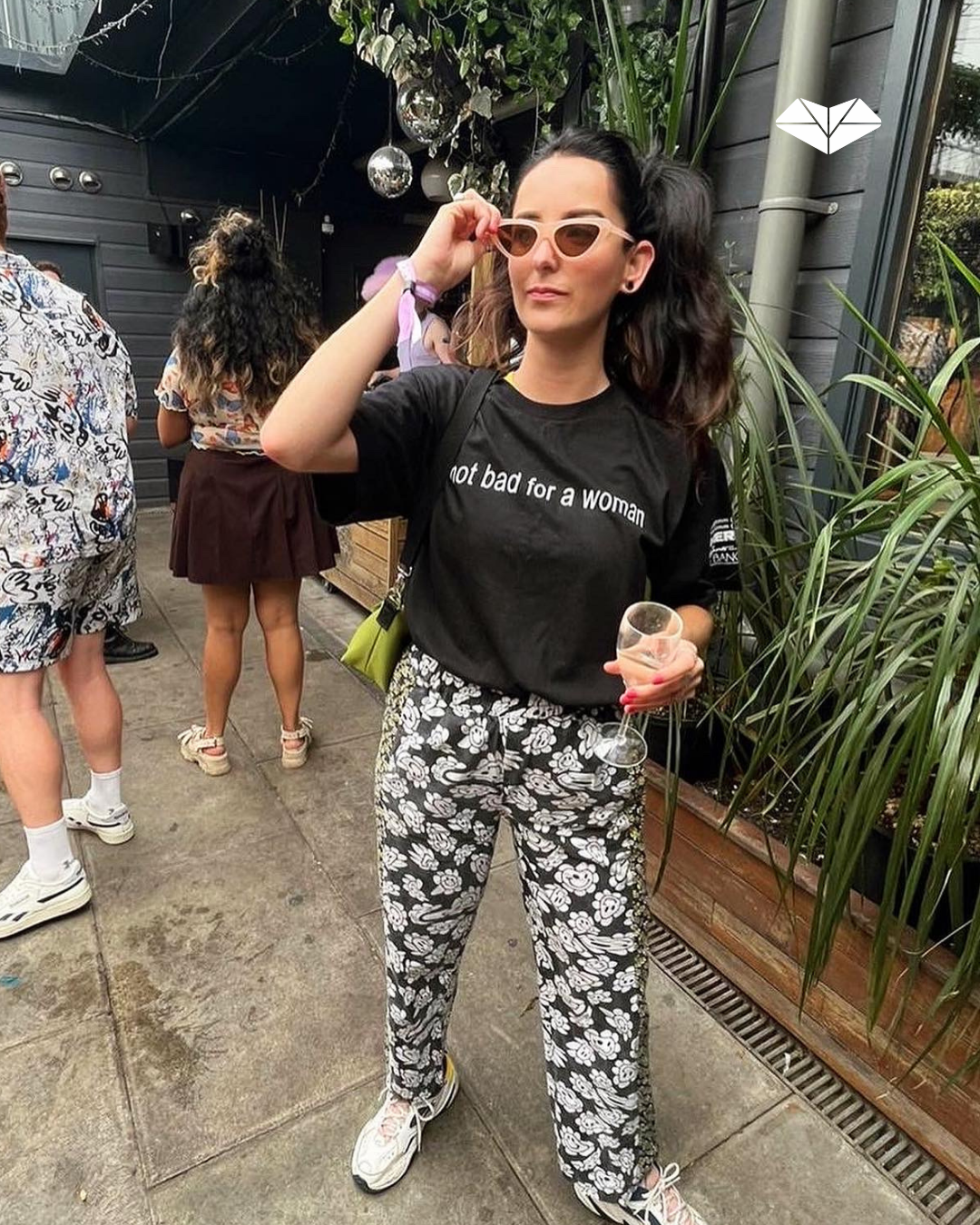
Sophie Bradley is a senior programmer and event producer working at the intersection of music, culture and live events. As Senior Booker at Lost Village, she plays a central role in shaping one of the UK’s most distinctive festivals, overseeing artist programming, cultural curation and the complex logistics that sit behind large-scale productions.

Her path into festival programming began in touring, where early experiences on the road offered an unfiltered view of the realities artists and crews face. That perspective continues to inform her approach today — one grounded not only in musical instinct but in an awareness of the human and logistical dimensions that underpin live performance.

Since joining Lost Village in its inaugural year, Sophie has helped develop a programming ethos centred on discovery, representation and long-term relationships with artists and collectives shaping progressive dance music culture. Alongside her work with the festival, her experience spans major events and venues including Glastonbury, Labyrinth Events and Printworks, as well as programming for NME and producing sold-out London shows for artists such as Olivia Dean.

Now navigating senior leadership in the music industry alongside new motherhood, Sophie brings a thoughtful, people-first perspective to her work — balancing ambition, care and creativity while continuing to shape spaces where culture and community can thrive.

You started your career in touring before moving into festival programming. What did life on the road teach you that still shapes how you book artists and build lineups today?

Starting out in touring gave me a real, unfiltered glimpse into what life on the road looks like — the long days, crazy working hours, constant travel and the physical and emotional toll that can take. I gained a super strong work ethic, but it also showed me that the industry can ask way too much of people.

Because I’ve worked shows from an artist/tour manager perspective, I’ve seen firsthand how backstage operations, hospitality, and communication can directly affect the artist’s experience. That knowledge stays at the forefront of my mind now that I’m on the other side.

I’m always thinking about how decisions land logistically — from set times, to travel, to level of care and comfort on site. For me, it's shaped a more considered, humane approach to my role where I value the artist's experience just as much as anything else.

Lost Village has grown into one of the UK’s most distinctive festivals. Looking back, what decisions were most defining in shaping its identity?

It goes without saying that the creative set design, production, décor, theatrics, storytelling and immersive experiences at Lost Village are second to none. But when I think about my role and the impact I’ve had in shaping its identity, there are a few things that I’m particularly proud of.

First and foremost, one of the most important decisions was committing to at least a 50/50 balance of female and male artists across the lineup — something we’ve maintained since 2019. When I first began programming, my main aim was to equalise lineups and create more space to platform talent from marginalised communities. That focus continues today and remains front of mind when I’m working with new artists and collectives.

Our booking ethos is one of the things I believe truly sets us apart. Alongside a conscious commitment to diversity and representation, we actively champion emerging talent — something Lost Village has become known for. Discovering, nurturing and propelling new artists is central to how we programme.

Beyond the lineup, I was keen for these values to reflect in the wider festival culture. When I first entered the live events world, I was tired of going out and feeling unsafe and underrepresented. I wanted to be part of something that celebrates people equally, in a way that’s genuinely inclusive and open-minded. That’s why building long-lasting partnerships with allied collectives like HE.SHE.THEY. has been so important to me.

The same mentality led me to help launch the Village Guardian movement at Lost Village — a roaming taskforce - now fronted by UN Women, there for anyone who feels uneasy in any way. Prioritising audience care felt like a natural extension of everything else we were building. It is incredibly important to me that everyone feels welcomed, free to be themselves and truly at home in the Village.

And these aren’t projects in their own little silo; they’ve become bricks in the wall of the wider festival culture. As a team, we are constantly pushing each other and sharing our perspectives, always looking at how we can improve, and that creates a butterfly effect throughout everything we do. 

Balancing senior leadership with new motherhood brings a different set of pressures. Has that shifted how you approach your work or leadership style?

Motherhood has completely shifted my perspective on work. The endurance you need to balance a full-time role while raising a child, running a household, commuting back and forth to London and juggling freelance projects on top — all while recovering from childbirth — is next level!! It’s forced me to become more focused, more intentional, more productive and a master at time management.

Above all, it’s shown me just how strong and resilient I am. I didn’t fully realise that before. Now, I lead with confidence and clarity, knowing that if I can navigate this chapter, I really can achieve anything.

Beyond streaming numbers/socials etc, what tells you an artist is ready for a platform like Lost Village?

Stats do play a part in the process, but it’s not the be-all and end-all for us. As a team, we’re constantly listening to music. We listen to everything that’s sent to us, and we go on our own discovery journeys too. If we like what we hear and feel passionate about it, then we’ll make space for it on the lineup.

You’re known for building long-term, values-aligned relationships with artists and collectives. What does a healthy artist–festival relationship look like in practice?

For me, a healthy artist–festival relationship is built on mutual respect and support, not transactions. It’s about backing one another as you evolve and grow, working collaboratively, investing time in each other, bouncing ideas back and forth and never cookie-cutting the same thing. 

What’s the most useful networking advice you’ve learned that goes beyond visibility or chasing contacts?

Be yourself — as cliché as it sounds! It’s easy to feel like you need to act or think a certain way in the music industry - maybe be more hard-nosed than you are naturally - but if you’re mimicking other people, there’s nothing that truly sets you apart.

We can learn from each other, of course, but backing yourself and your personality is what makes people remember and respect you. That’s what lays the foundation for real, lasting relationships in my eyes.

Equally important is listening. Remember people, their stories, insights and small details. It always works in your favour. I work hard to make meaningful, professional relationships in the industry, which over time has blossomed into reciprocal friendships & genuine interests in one another.

And above all, be kind and honest. We don’t need to play poker games; being upfront and genuine, not wasting each other's time, goes a long way in my opinion!

On a difficult or high-pressure day, how do you unwind, and what helps you reset?

We took the leap out of London and moved to Margate last year, and living by the sea has been a real reset for me. It makes me feel cut off from the rest of the world — in the best possible way. After a day in the London office, I’ll read a book on the commute back to the coast, using that time to decompress and switch off from devices. Stepping off the train and taking a deep breath of fresh sea air helps me properly reset and reminds me there’s a world beyond the laptop screen.


Sophie Bradley on Instagram | Lost Village

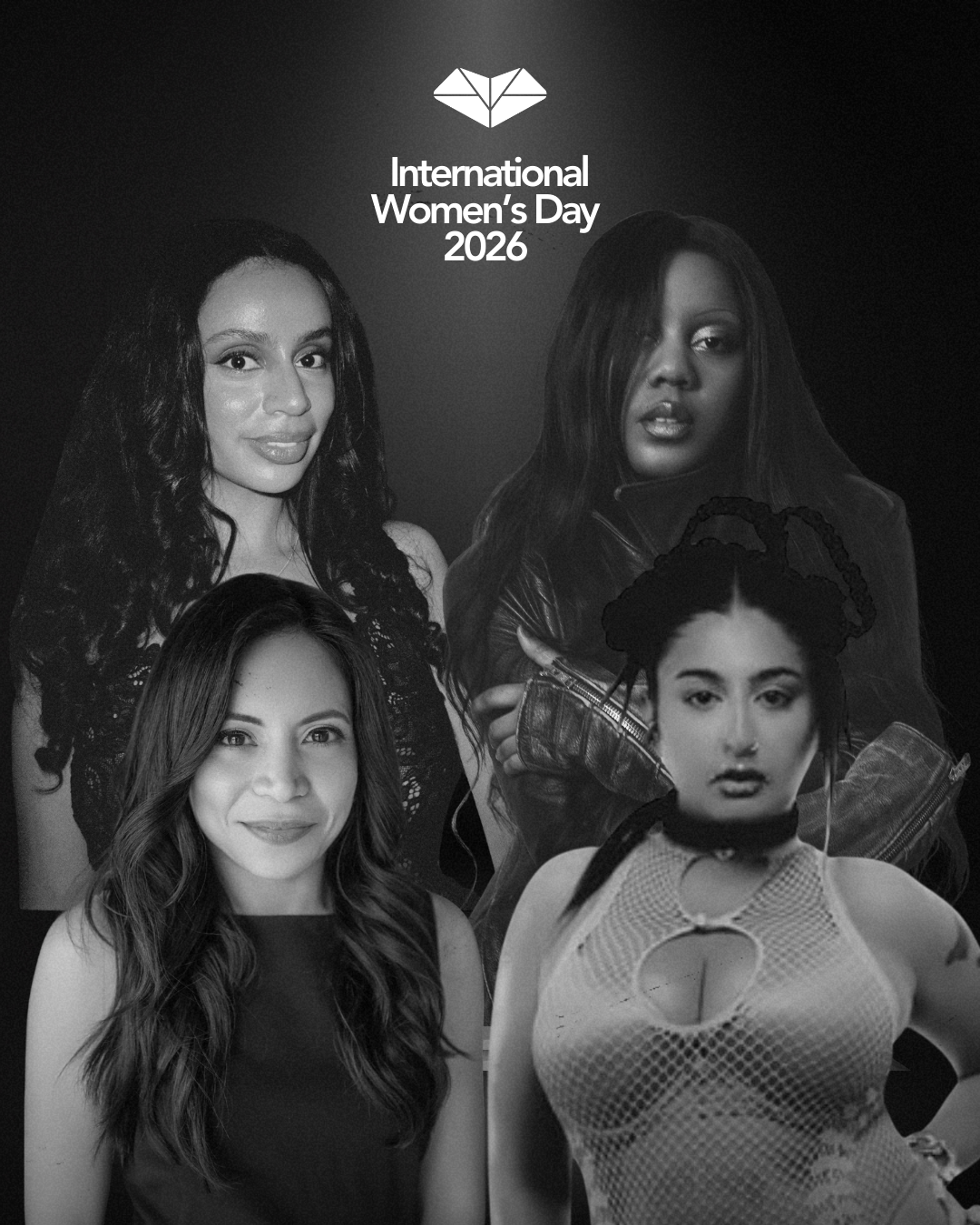
International Women’s Day 2026: Celebrating Creatives and Professionals Across the Music Industry

Each year for International Women’s Day, shesaid.so highlights a group of women and gender-expansive voices working across the music industry.

Selected through recommendations from our global community, this feature brings together artists, journalists, organisers and industry professionals whose work is making a meaningful impact across culture and the wider ecosystem.

For the 2026 edition, we invited a few of them to reflect on their journeys in music and share advice from their experiences so far — from protecting your vision to staying focused on your own path.


Chippy Nonstop

Chippy Nonstop got her name for a reason. She is an audacious, undeniable party starter with a penchant for travelling the world and always bringing her unique energy. As a sound selector she makes the dance floor shake, but there’s much more to the story. Chippy is a DJ, rapper, songwriter, writer, producer, activist and organizer of community events. She is of Indian descent, but is more of a cultural nomad; she was born in Dubai, grew up in Zambia, has citizenship in Canada, lived in Los Angeles, Oakland, New York, and currently resides in Toronto after a very public deportation.

Chippy Nonstop is currently working on new music-related endeavors such as new music, touring globally, a party rave series called Pep Rally and a project called ‘Intersessions’, a sound initiative curated by and for women & the LGBTQ+ community. Chippy strives for balanced representation in music by producing these global workshops and her curation of Pep Rally events.

A piece of advice would you give to someone just entering the music industry?

Make a clear vision board of what you want and what you want to put out there into the world. Protect your vision, don't sell yourself short and make compromises of your ideals for the sake of getting ahead, everyone's journey is different so don't compare yourself to anyone else.

What piece of advice has kept you going during challenging times in your career?

if u CAN envision seeing yourself doing anything else you aren’t meant to do it .

CHIPPY NONSTOP on Instagram | Website


Heran Mamo

Heran Mamo is an award-winning Ethiopian American music and culture journalist. She recently served as the Senior R&B/Hip-Hop/Afrobeats Writer at Billboard, where she worked for six years. Heran believes in amplifying the voices of underserved and overlooked communities within the industry through authentic, diverse reporting on Black music and culture for the diaspora.

She's written cover stories on The Weeknd, Burna Boy, SZA, Ice Spice, Metro Boomin, PARTYNEXTDOOR, Tyla and Tems. She's moderated panels at AFRICON and the Grammy Museum in Los Angeles, California; Billboard MusicCon in Las Vegas, Nevada; SXSW in Austin, Texas; and Reeperbahn Festival in Hamburg, Germany. And Heran has made appearances on Good Morning America, CBS News, Entertainment Tonight and NPR.

What has been your proudest moment in your career so far? 

I made the Forbes 30 Under 30 list this year! That was a professional dream come true. 

What piece of advice has kept you going during challenging times in your career?

Comparison is the thief of joy. It's so hard to be proud of what you've accomplished or feel motivated to keep going because you're constantly looking at this person's success or what that person is doing. Put your blinders on and stay focused on your own career path because no one else can replicate it. 

Heran Mamo on Instagram | Website


LYZZA

LYZZA is a multidisciplinary artist and cultural organiser working across sound, film and performance, treating sound as a tool for transformation, collective experience and radical expression. Emerging as a self-made teenage DJ and producer, her 2017 debut EP Powerplay came to be recognised as a foundational release in what became known as deconstructed club, helping shape a sound that gained wider visibility nearly a decade later. That same year she founded XXX Network (f.k.a. X3), the Netherlands’ first safe(-r) space club platform and educational initiative, eventually helping lawmakers and other organisers within the Dutch festival and club landscape formulate new visions and influence nationwide policy on night culture.

LYZZA and her collective were inducted into the Amsterdam City Archives for their contributions to the city’s nightlife. Her work has drawn collaborations and support from artists including SOPHIE, Nicolas Jaar, and the estate of Lee “Scratch” Perry. Her critically acclaimed mixtape MOSQUITO was accompanied by a self-written and scored film now archived by The Criterion Collection. In recent years she composed the score for Third World: The Bottom Dimension, an award-winning interactive video game and touring exhibition at Serpentine Galleries, where her audio work made her the youngest artist exhibited. In 2024, she was named Mixmag’s Producer of the Year, recognizing her ability to shape sound into something immediate, intimate, and massive all at once.

A piece of advice would you give to someone just entering the music industry?

Music is not something you casually choose. It chooses you. If you feel called, treat it as a real extension of yourself and answer it fully.There will be moments when you feel lost. The industry can be exhausting, confusing, and sometimes disappointing. You may question everything and wonder if you should walk away.

But if music is truly yours, you stay almost irrationally and delusionally because you know the connection is real. Commit to giving it your time, your patience, and your belief. The longer you stay devoted, the more you will experience moments of true resonance and moments where everything aligns and reminds you why you began. Over time, those moments grow and they begin to shape your life and everything will feel like it's worth it. 

LYZZA on Instagram | Tiktok | Connect with LYZZA


Sam Mobarek

Sam Mobarek is a marketing leader and brand expert with over two decades of success in gaining cultural recognition for her clients through a bespoke approach to building loyal communities and lasting legacies.

Most recently serving as Head of Major Recordings — Warner Records' flagship dance label and home to artists including Sam Gellaitry, PARISI, TSHA, 33 Below, J. Worra, and The Blessed Madonna — Sam is now evolving Mob Creative, her full-service marketing agency, into a new chapter dedicated to closing the gap between independent artists and the resources, strategy, and brand-building infrastructure that move careers forward. Mob

Creative has previously worked with renowned brands including BMG, Disney, Atari, Unidisc Records, MK, and Maya Jane Coles.

What has been your proudest moment in your career so far?

Honestly it's less one moment and more a feeling I keep finding. 'White raver rafting' at Steve Aoki's Hammerstein Ballroom show in 2013. Hearing Kenya Grace's "Strangers" in a grocery store, a liquor store, and a clothing store all in the same day. Watching PARISI and Sam Gellaitry's live shows evolve and reveal just how uniquely talented they are. And now relaunching Mob Creative on my own terms, staying true to the culture first, artist first approach I've always believed in and held to when I built Major Recordings at Warner. It's a proud moment every time you bet on great art and get to watch it find its people.


A piece of advice you'd give to someone just entering the music industry?

Never forget that your product is a person who took a real risk on something vulnerable. They didn't have to do this. Getting to the beating heart of why an artist makes their art is the actual job, and when you treat it that way, you'll be rewarded in your career and as a person. But don't forget to extend that same grace to yourself.

Sam Mobarek on Instagram | LinkedIn


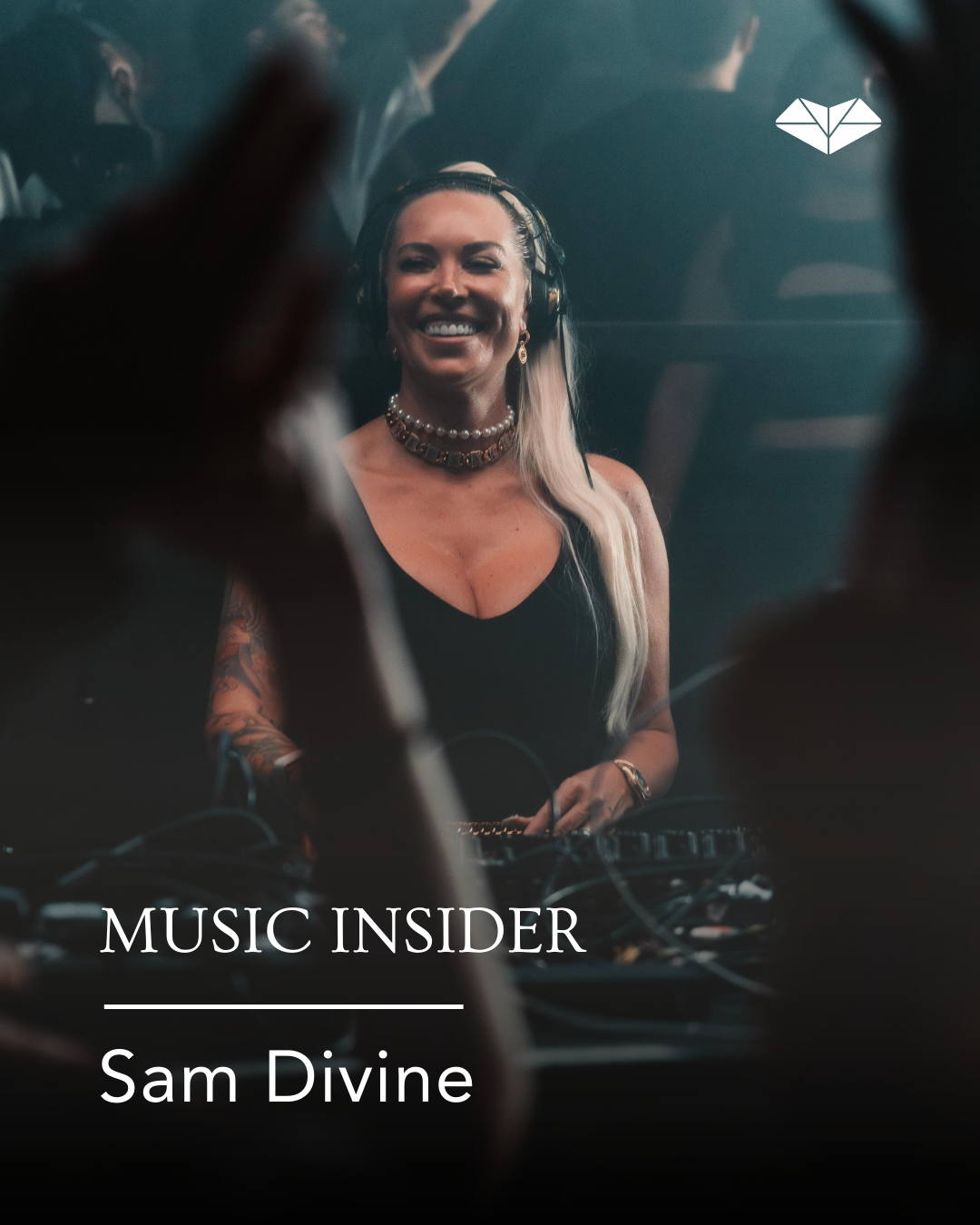
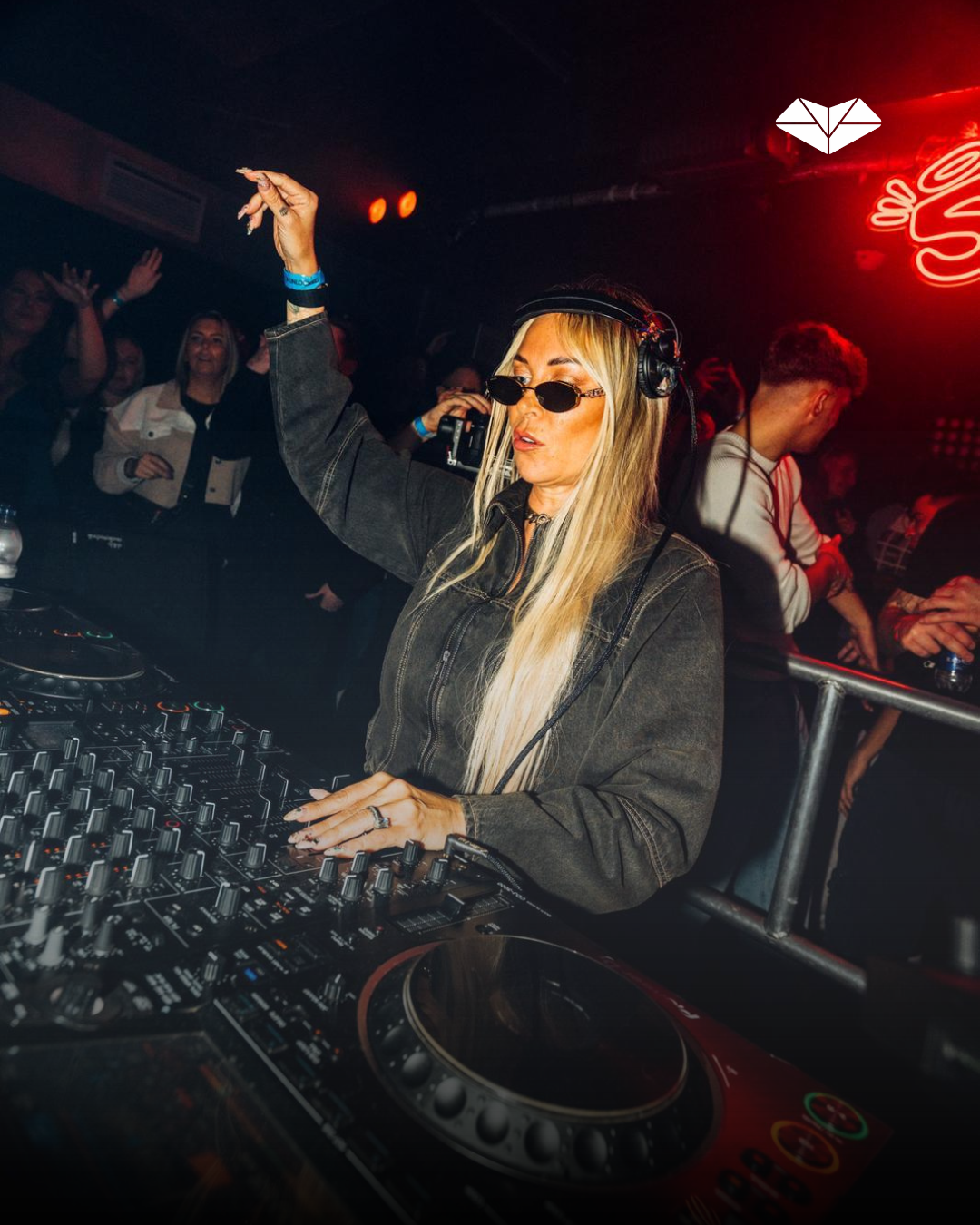
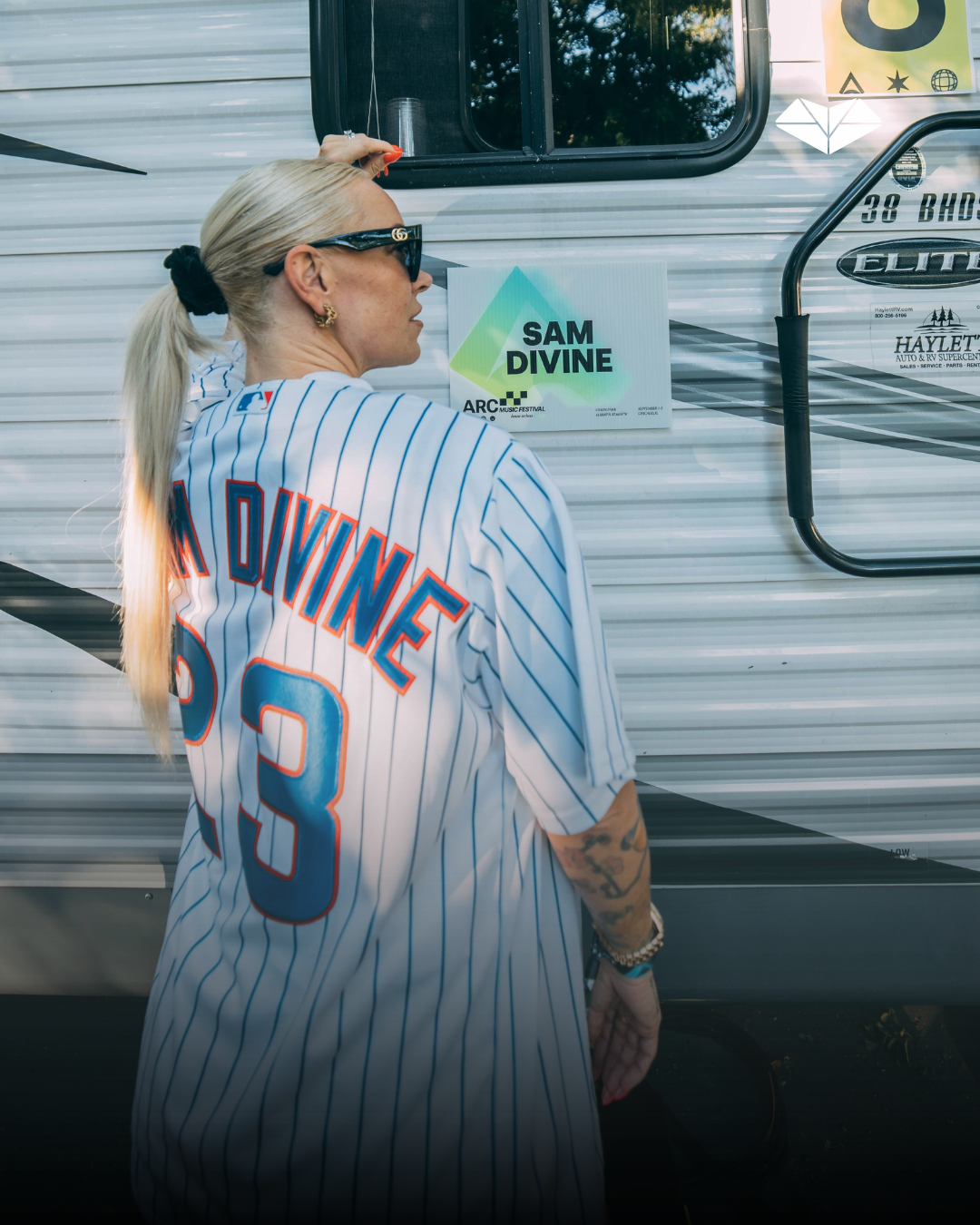
“We Must Protect These Spaces”: Sam Divine on Grassroots Clubs and the 555 Tour

At a time when UK club culture is facing one of its most fragile periods in decades, Sam Divine is returning to the small rooms that first shaped her. More than 400 nightclubs have closed across the UK in the past five years, with grassroots venues among the hardest hit, eroding the spaces where local scenes form, artists develop, and communities gather. In response, Divine launched her 555 Tour, a series of five-hour, open-to-close sets in intimate venues across Liverpool, Bristol, Brighton, Exeter and Manchester, created in partnership with Save Our Scene.

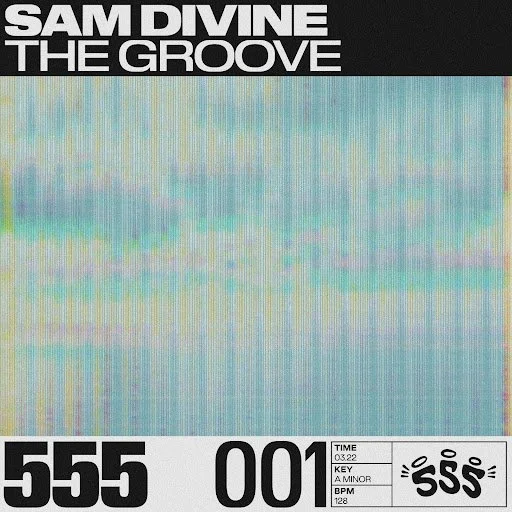
The tour arrives alongside “The Groove,” her new single and the first release on her newly launched imprint, 555. Stripped-back and built for the floor, the track reflects the instincts of a DJ shaped by decades inside dark rooms rather than festival spectacle. First introduced during her Tomorrowland main stage set in 2025, it has since become a recurring centrepiece in her performances, bridging the scale of global stages with the intimacy of grassroots dancefloors.

Framed as both a personal and political gesture, the 555 project marks a full-circle moment in Divine’s 25-year career. With £5 early-bird tickets and a strict no-phone policy, the shows prioritise immersion, accessibility, and presence—reviving the long-form DJ set as a space for storytelling and experimentation. The project also coincides with a period of personal transformation she describes as “Sam 2.0,” shaped by sobriety, wellbeing, and a renewed relationship to nightlife.

As the 555 Tour continues through March, Divine reflects on what grassroots venues made possible in her early career, what is at stake as they disappear, and how returning to these spaces has reshaped her understanding of the dancefloor today.

The 555 Tour brings you back to intimate venues for five-hour open-to-close sets. Why was it important to build the concept around duration and depth rather than scale? 

I’ve always been big on storytelling in my career, and I’ve approached my 5 hours sets in the same way. Starting off low and slow around 119 bpm and building it throughout the night peaking to around 135 bpm. That takes a lot of skill, experience, and knowledge. I wanted to challenge myself whilst giving back to grassroots venues. 

Being in the industry for 25 years I think it’s easy to forget why you fell in love with DJ’ing in the first place and I wanted to take myself back to when I was a resident warm up DJ . I was so carefree . I didn’t care too much if I made mistakes , I was really experimental.

There wasn’t as much pressure as there is now as a headline DJ and everything that comes with that. Selling out big venues is amazing and I’ve worked really hard to get here. This grassroots tour is about giving back to the very clubs that gave me a chance when I first started out . 

Looking back at the early grassroots clubs that shaped you, what did those spaces give you that bigger stages can’t?

Taking people on a journey is really important to me. Creatively there’s only so much you can do of that in a 2-hour set. A set can go in so many different directions depending on the energy of the dance floor.

This way I get to set the tone from early doors leaning into my 25 years of knowledge and experience. Revisiting tracks that I never get to play anymore that I wouldn’t necessarily play on a bigger stage. I also learnt DJ etiquette.

Really appreciating the headline DJ. I always wanted to do a ‘good job’ warming up. This is how I earned respect from my peers.   

In practical terms, what does a five-hour journey allow you to explore musically that shorter sets don’t?

Trust. My audience trusting me but also trusting my intuition. Around hour 3 I find myself reaching for records that sonically shouldn’t go together but using my skill to make them work.

Taking the dance floor in different directions seamlessly because I already know where I want or need to get to . Bringing the vibe down for a couple of records so you can take the energy back up again . Longer sets should feel like a full body workout.

Leaving people guessing where you are going to go next, so they don’t want to leave the dance floor. Longer sets are such a joy. 

Touring at your level can be relentless. What does a typical day on the road look like for you now and how do you consciously unwind after a show?

I’m still to nail the winding bit down. It typically takes me 2 hours to fall asleep from the moment I plug out to the minute my eyes shut. I do have rituals before I play though. I like to sage and clean the energy of my space and say a prayer. Whether that’s a green room or lately the whole club before a 5-hour set. Touring abroad consistently is just in my blood now.

Sam Divine sets the pace for 555 with new single ‘The Groove’
The first release on her new 555 imprint lands as the UK tour kicks off with a call to protect independent venues.

The days leading up to the weekend are more important than on the actual day. Making sure I am going to bed early, self-care, packing, checking in for flights, social media for the show and prepping music is all done in the days leading up to the show now. Sobriety has unlocked a new superpower of being organised so on the day of the shows all I have to do is catch a plane and play music.

That can be disrupted sometimes with delays etc but keeping myself calm and not stressed in those situations is paramount so I don’t bring that energy to the decks. 

You’ve been open about your sobriety and recovery. How has that shifted your relationship with club culture and the dancefloor?

Sobriety has been such a huge blessing in my life. I feel hyper focused and really In-tune with the dance floor. Things you might miss when you are under the influence of alcohol.

In addiction you feel numb a lot of the time. You remember places and experiences and how you felt but you are never truly present and now I feel more present than ever. The club is my church, and the dance floor is my saviour.

With more than 400 UK nightclubs closing in the last five years, what do you think is misunderstood about what we lose when a grassroots venue disappears?

The statistics are shocking and I’m saddened by this as I had no clue how bad it was and is the whole reason for doing this 555 tour.  Some of my favourite clubs have shut down. I met some of my best friends in those clubs. They hold so many memories.

When these grassroots venues disappear, we’re losing the very foundations of what our culture is built from.

Scenes are born in these spaces; headline DJs are born from these spaces. When they close, the loss ripples outward. Fewer entry points for emerging artists. Communities are shattered . These smaller spaces are the very heartbeat of our cities.

If we opened your record bag right now for a 555 set, what are three records/tracks that would almost definitely be in there?

Frankie Knuckles - Tears 

Sam Divine - The Groove 

Sade - Smooth Operator 

Name three women in music who have inspired or influenced you?

My mum. I lost her 2 years ago and she’s still inspiring me with music. I just collaborated on a record with Capri using the sample of Billy Ocean - Caribbean Queen. It was one of her favourite songs. From an early age my mum always had music playing and it’s inspired me a lot in my sets over the years. 

Lisa Lashes. Lisa was a huge influence on me in my early days. I loved that she had her own record label as well as being a badass DJ. She was breaking the norm and flying the flag for female DJs over 2 decades ago and she’s still crushing it today. This game is all about longevity. 

Annie Mac. I was listening to her radio shows for as long as I can remember, I found so much new music and new artists from her BBCR1 show . I love her before midnight concepts. Bringing wellness into the music space. Annie has inspired me that there’s no limits you can do as a mom in the music industry.


SAM DIVINE’S 555 TOUR: Tickets

TOUR DATES

6th Mar – Move, Exeter

14th Mar – Joshua Brooks, Manchester

30th - Ministry Of Sound , London (new)

Follow Sam Divine 

Instagram | TikTok | Facebook | Spotify | Soundcloud

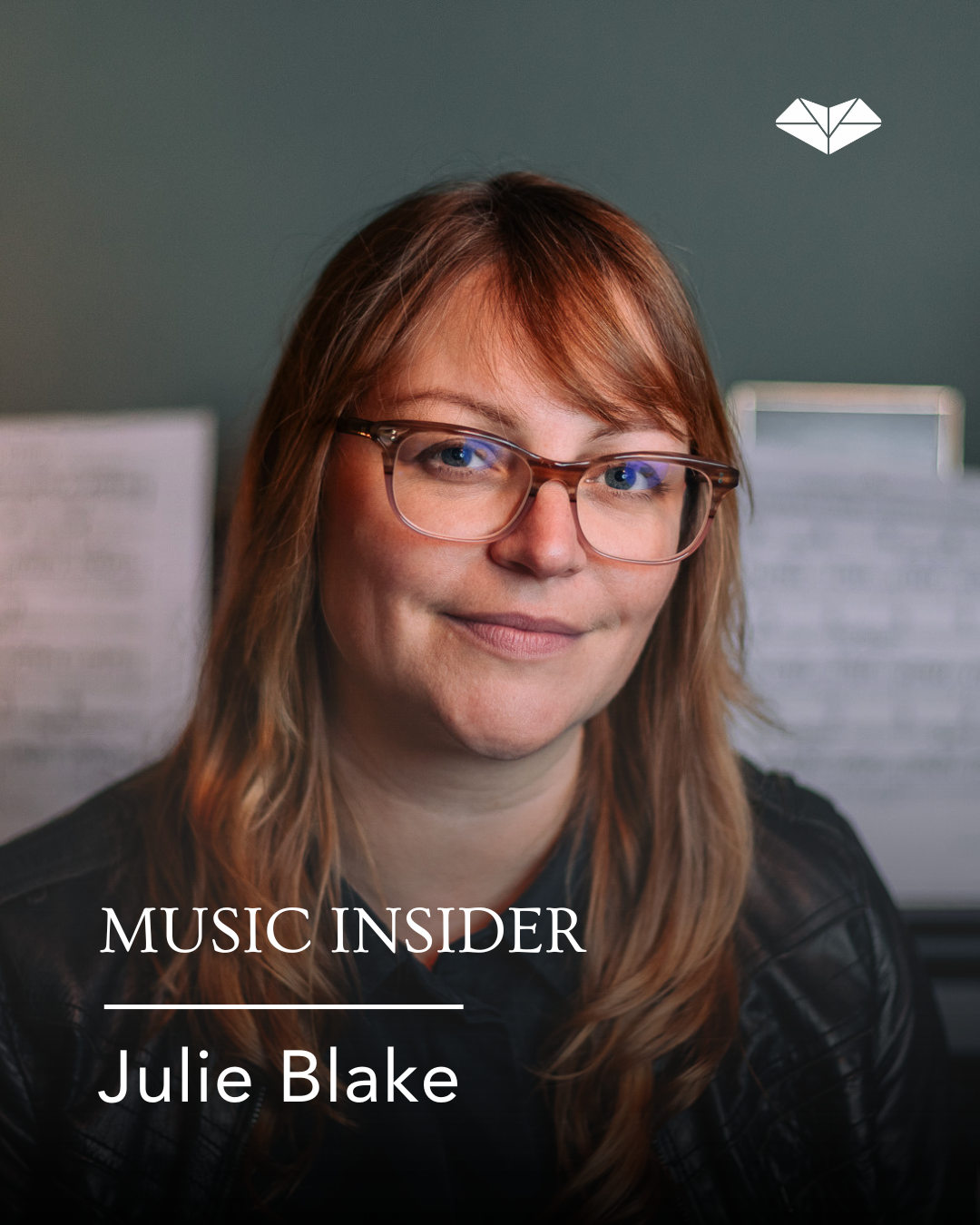
Music Supervisor Julie Blake on Building AURA and What Artists Should Know About Music Licensing

Photo credit: Joe Watson

With more than two decades shaping how music meets moving image, Julie Blake has built a reputation as a leading creative voice in music supervision, working across film, television, theatre, and immersive projects. She was previously a partner at Third Side Music and led the sync and publishing operations for influential independent organisations including Ninja Tune and Erased Tapes, building a career at the intersection of creative storytelling, catalogue strategy, and sync licensing.

At the centre of her current work is AURA, the UK-based music agency she founded to bring a more curator-led approach to music supervision and licensing. Working closely with a roster of contemporary composers, AURA pairs distinctive musical identities with screen and stage projects while ensuring streamlined rights clearance and tailored creative direction. The agency’s newly announced independent sync collective further expands this vision, assembling hand-picked catalogues from leading independent labels and composers across Europe and North America to provide music supervisors with deeply curated, sync-ready repertoires.

Following the announcement, we spoke with Julie Blake about her path into music supervision, building AURA’s supervisor-first model, and what artists should understand today about preparing their music for sync opportunities.

What does a typical day look like for you at the moment?

My day always starts with a massive cup of tea. I have a saying: “no decisions before tea”. I like to ease into the morning and strategize, identifying my top two or three priorities for the day before the outside world sets the pace. I try to tackle those immediately, which usually involves creative work like reviewing artists’ new mixes, demos, or upcoming releases.

The rest of the day involves playlisting, searching for interesting tracks for particular scenes or projects, and then I try to reserve any meetings and admin (like reviewing contracts) for the afternoon. Because I work across timezones from GMT to PST, I have the odd video call in the evening, but I’m pretty strict about my schedule and “life/work” balance is really important to me. There are way too many burnt-out leaders out there, and you can’t captain a ship if there’s no gas in the tank. 

Can you tell us how you first started working in music and the key early experiences that shaped your career path?

My career began in the '90s record store era. It was a nostalgic time when shops were the true gatekeepers of new music discovery. I managed both a record store and a musical instrument retailer early on, which gave me a broad knowledge of genres, gear, and experience managing teams. I also learned a lot about listeners and musicians - how to genuinely connect with them and fuel their curiosity to check out that new album or effects pedal.

A major turning point in my career was when I moved to Montreal in 2004 and became an intern at the record label Ninja Tune. That role evolved into leading the startup of their new publishing venture (Third Side Music) in 2006.

Helping to build that company from the ground up set the tone for all of my future work in business development. Looking back, it taught me the value of learning through observation, being highly agile, and that a determined, hardworking attitude is the foundation of success.

Vox-Ton Studios - Photo credit: Claudia Goedke

From your perspective, what practical steps can artists take now to make their music easier to license, both creatively and administratively?

There are a few basics that you need to get right if you’re pitching music for sync. Make sure the music has good production value (i.e. is properly mixed and mastered, broadcast quality is usually 24-bit 48 kHz WAV), provide lyrics, instrumentals (and clean versions for anything explicit), have stems ready, and ensure that audio files are tagged with metadata like mood keywords, contact information and ownership details.

Think about how many mp3s a music supervisor might have in their music library - you don’t want yours to be “track 1” by “unknown”.

Don’t pitch music you don’t own, control, or that contains uncleared samples from someone else’s work. It makes a music supervisor’s work much more difficult if they have to go to more than 2 or 3 rightsholders to clear your music. They have to really like that track and have ample budget and time to want to do that.

So if you’re working with a variety of collaborators or partners, try to make an internal agreement that allows you to offer streamlined sync approvals. Any publisher or label you work with should be your proactive partner, helping secure opportunities, and responding quickly to licensing requests. Ask about their track record.

Creatively, my top tip when writing music for sync is to make sure the song has a very clear mood and vibe. It should give you an immediate feeling and sense of place - we’re on a beach sipping cocktails, we’re in an industrial nightclub on a big night out. Songs that build are fine, but a sudden shift, like a song that starts off sad and becomes happy, or a song that is too short (less than 2 minutes) can make it difficult to place within the context of a scene. 

For people hoping to enter the music industry today, what is the most important piece of advice you would give them? 

Music is a creative industry, but it’s still a business. I think people starting out in music get impatient and want to skip right to the “glamourous” roles like A&R, producing, or music supervision. I’ve also found a lot of musicians in junior roles who then got frustrated to be supporting creatives rather than creating music themselves.

Be clear about why you want to work in the music business, and appreciate that there is a lot of administration and marketing work to do, especially in entry-level positions.

I highly recommend interning before applying at a company to see what roles are available, and which ones genuinely appeal to you. Be an avid listener of all kinds of music, a hard worker, and keep up to date on relevant trends which are constantly changing the landscape of how listeners connect to our product.

Photo & Styling credit: Meriana Crespo @streetsugar

What is one habit or mindset that has helped you sustain a long-term career in the industry?

I think my brutal honesty has been what has allowed me to create both very high quality relationships and music over the years.

You can’t be afraid to mention it when a violin is slightly out of tune, even if it’s on a recording that has already been mastered… Or to say a song just isn’t good enough (yet, or ever). Or to fight for one that you believe is too good to cut from a project. When people aren’t being fair, good, or trying hard enough, I’m also not afraid to call that out and/or stop working with them. I’ve had to let go of some talented people and partners over the years.

There’s a bit of tough love that has to happen to create high value work, and to constantly push boundaries, or people’s capabilities. Honesty for me is also just about being an authentic, genuine person.

When I walk into meetings with clients, I’m the one asking about their kids, dogs and what matters most to them in life right now, before diving into the project. Once I know where they’re truly at, I can meet them there, and I’m much better positioned to offer something of true value. 

What are you currently listening to?

Just for fun, I’ve been doing a deep dive into all of the music released in 1999. It was a mind-bogglingly huge year in pop and electronic music, with Moby Play, Genie In A Bottle, Hit Me Baby One More Time, Backstreet’s Back, Slim Shady, Livin’ La Vida Loca, Say My Name, and tons of amazing hip-hop releases.

That exercise lead me to rediscover Sakura by Susumu Yokota which has been on repeat this month. I’ve also been listening to a lot of music by a harpist I work with, Nailah Hunter. Her albums ‘The Pavilion Of Dreams’, ‘Sleeping Sea’ and ‘IYUN’ are a wonderfully relaxing way to start or finish the day.


Julie Blake on LinkedIn | Podcast

AURA on Instagram | Website

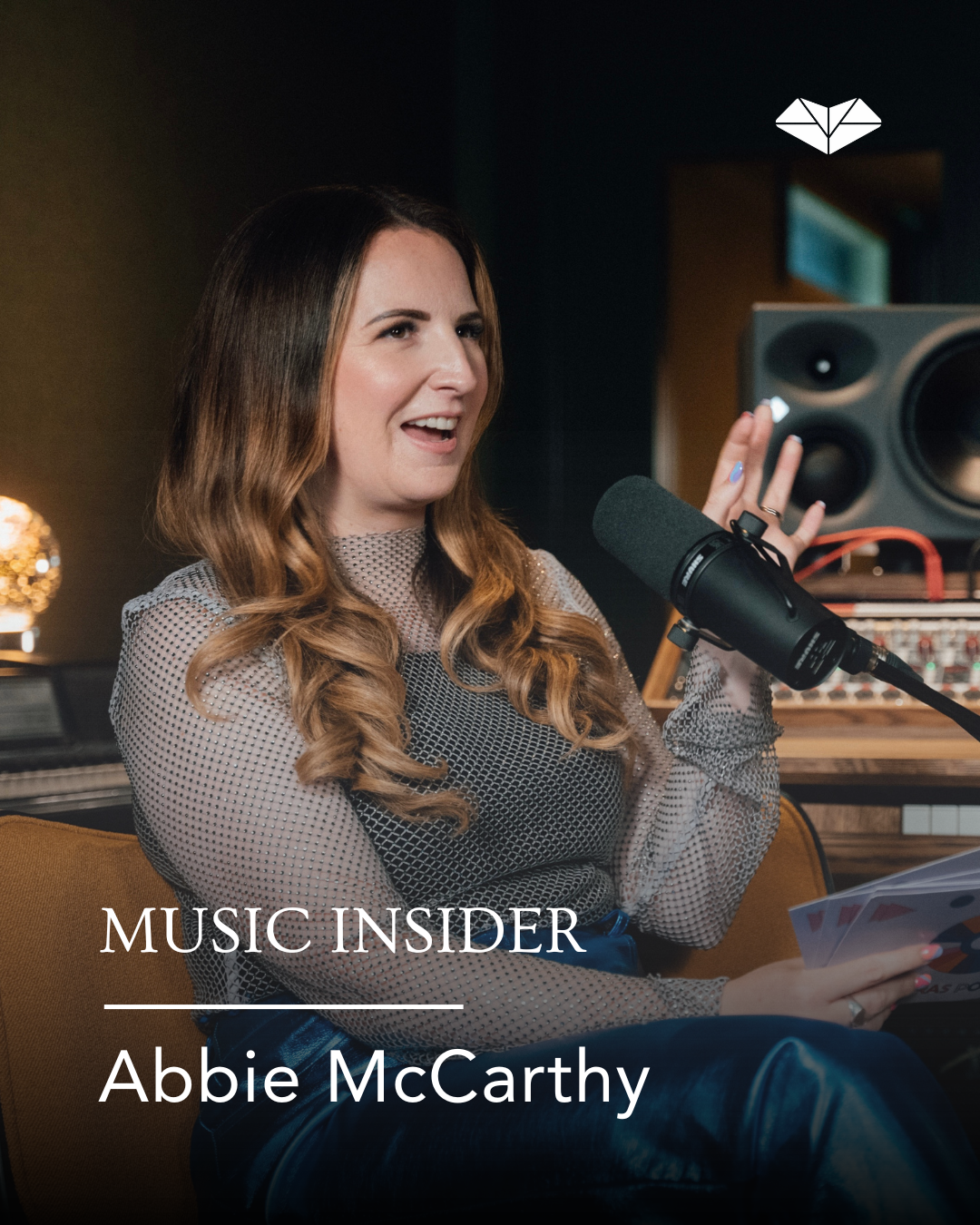
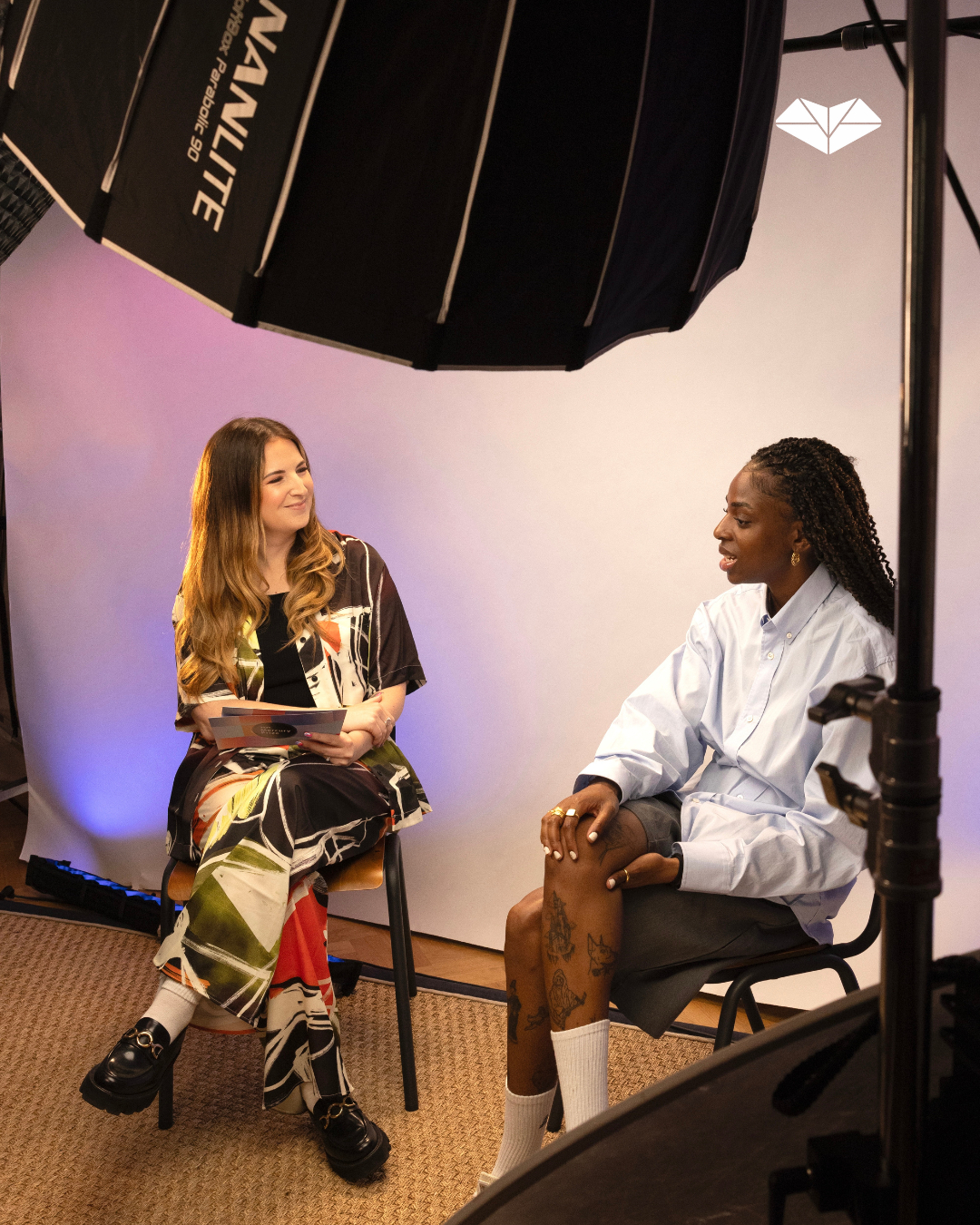
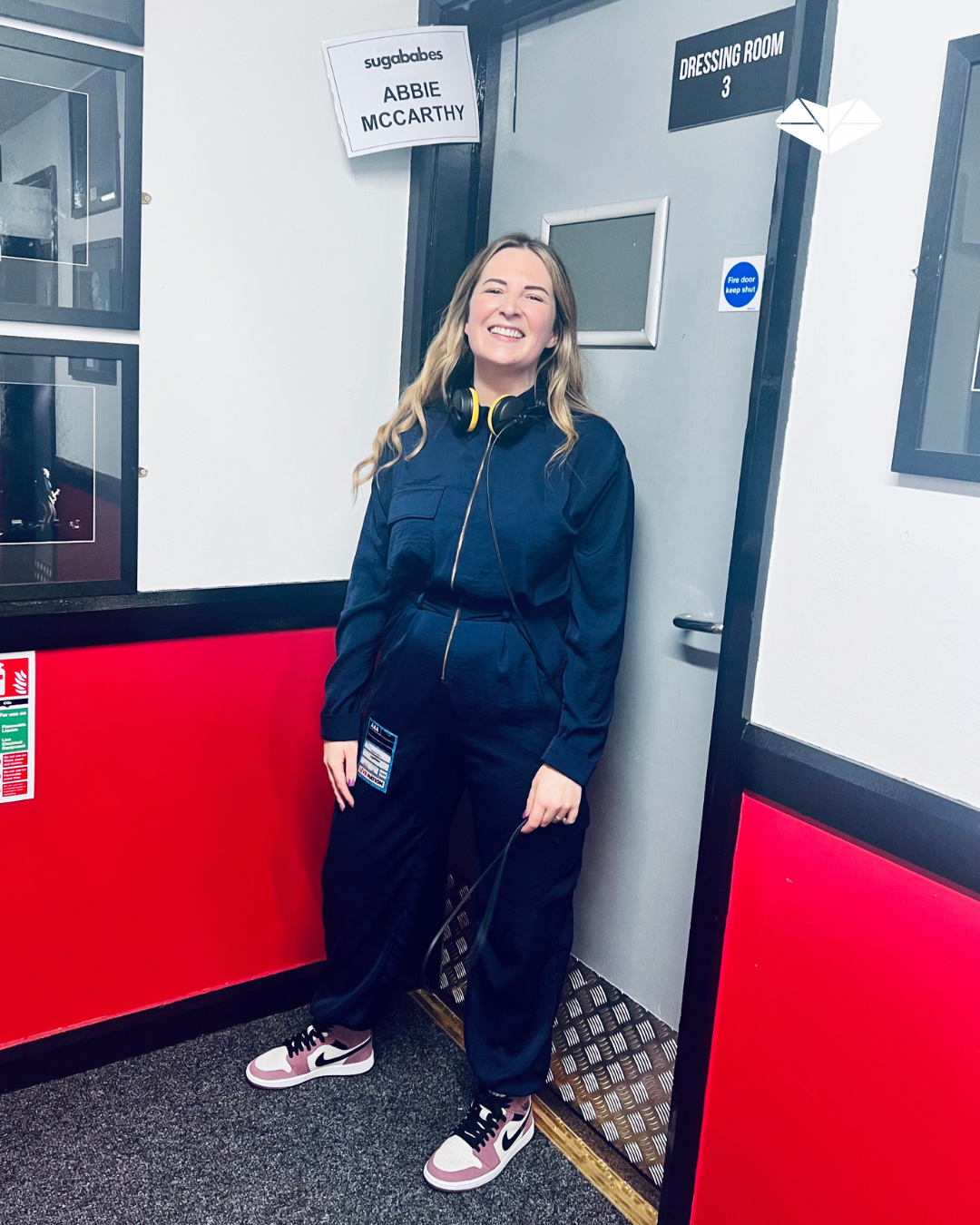
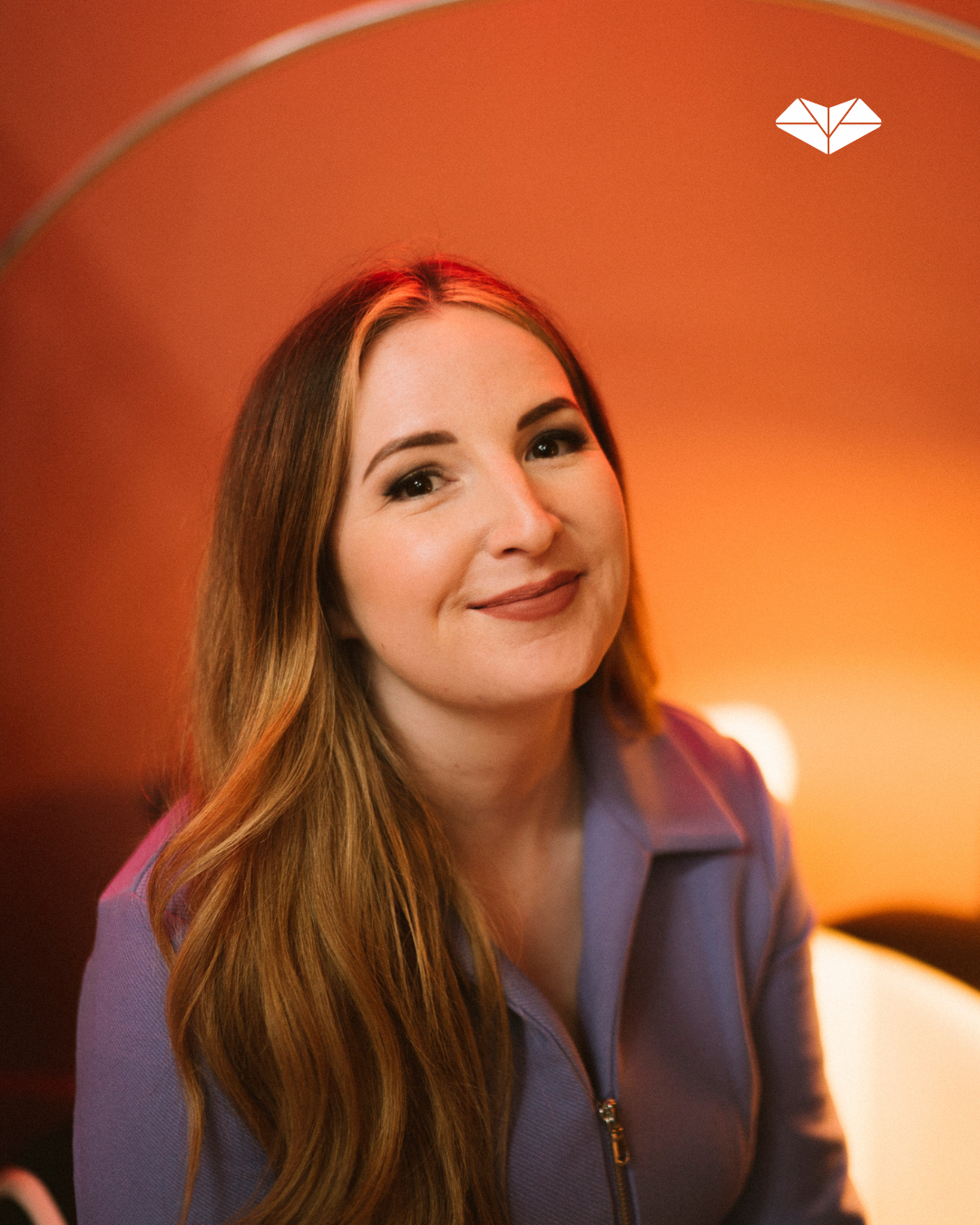
Award-Winning Presenter Abbie McCarthy on Good Karma Club and Building a Career in Music Media

Award-winning presenter, DJ and tastemaker Abbie McCarthy sits at the centre of the UK’s new-music ecosystem, with a career built on trust, curiosity and long-term artist development rather than hype. Best known for her work on BBC Introducing, McCarthy has been instrumental in discovering and championing emerging talent, earning a reputation as a reliable first listen for artists on the cusp of wider recognition.

Her impact has been recognised across the industry, including induction into the Roll of Honour at Music Week Women In Music Awards and a Silver ARIA for Best Music Presenter.

Alongside radio, McCarthy has become a familiar face on some of the UK’s biggest stages, making history as the first woman to host the main stage at Reading Festival and fronting coverage from Glastonbury, Abbey Road Studios and major red-carpet events. A sharp, instinctive interviewer, she brings the same depth to The Eras Podcast, where she explores the creative turning points that shape artists’ careers, with guests ranging from rising stars to established international acts.

McCarthy is also the founder of Good Karma Club, a critically respected live platform now celebrating its tenth year, known for championing artists early and pushing back against pay-to-play culture.

Beyond music, her work extends into sport and culture through presenting roles with BBC Sport, Chelsea TV and major live events, reflecting a broader approach to broadcasting rooted in personality, credibility and genuine connection. In this Q&A, McCarthy reflects on how it all began—and the values that continue to shape how she works today.

How did you first get your start in music and radio, and what helped you find your path early on?

My very first show was on student radio while I was at Warwick Uni. Presenting immediately made sense - I’m obsessed with new music, I’m a big talker and I love getting to know people. Realising I could combine all of that into one job lit a proper fire in my belly and I started applying for work experience at the BBC and volunteering at both community and hospital radio.

I got to intern at BBC Radio 6 Music for a month and loved it so much - I helped with show notes, I got to see Haim play in the Live Room and be in the studio observing some of the absolute best in the business. My cups of tea must have been top tier because when my placement came to an end, I was offered the opportunity to work as a freelance Assistant Producer across the network. Quite soon after that I was on air presenting music news and covering my local BBC Introducing show too. 

What does a typical day in your life look like?

No two days are ever the same, which is honestly one of my favourite things. There’s usually lots of listening to new music, then there’s deep research for upcoming guests on my music interview series The Eras Podcast, curating lineups for my gig night Good Karma Club, calls / meetings, going to gigs, DJ sets and of course, some real life & silliness with friends and family in between. 

BTS photos - Mercury Prize interview - Cat Burns

What’s one lesson you learned early in your career that still shapes how you work today?

I was lucky enough to work with some of my favourite broadcasters as a producer before fully pursuing presenting myself, and they showed me two things that have really stuck - the importance of being a genuinely nice person and to always be authentic.

We’re in an era now where people are constantly looking for shortcuts, quick wins and overnight virality, but as hard as it can be, be patient! You’re learning so much along the way and when that dream opportunity arrives you’ll be more than ready for it and true authenticity always wins out. 

When you’re choosing which new artists to support, what makes you stop and pay attention?

Artistry. I want to feel something - whether that’s vulnerability, escapism or joy. It’s less about polish and way more about personality and intent. If it feels like an artist really knows who they are, I’m listening. A strong song will always cut through, but great artistry, world building and true fan connection is what keeps me invested. 

What inspired you to start Good Karma Club, and what have you learned about spotting potential in new artists?

Experiencing live music is one of the best things ever and I wanted to find a way to further support the new artists I was playing on the radio. When I was breaking into the industry, there were so many nights in London where artists had to pay to play, which is so wrong! I wanted to create opportunities open to everyone. 

Intimate shows are where real artists shine. They’re not hiding on a massive stage with epic production but showing up and riding the feeling that this could be the start of something. Honing their craft, building that confidence and road testing their music. 

The nights where you spot real potential and songs connecting in real time are such a rush, wish you could bottle up that feeling! I remember Olivia Dean playing at Colours in Hoxton for us and performing ‘OK, Love You Bye’ live for the first time and everyone in the crowd just looking at each other like ‘wow’.  

This year we’re celebrating 10 years of Good Karma Club! I’m SO proud of the night and the community that we’ve built & am excited to see where it goes next… 

Tips for anyone who wants to get into your industry… 

Don’t wait for permission, start! If you want to be a presenter, launch your own online radio show or youtube channel and learn as you go. If you want to be an artist, start recording videos of you playing your songs at home. Don’t wait around for someone to give you an opportunity when you can create those first sparks yourself. 

Honestly, shoot your shot babes! Everyone remembers what it’s like to be at the very beginning, and more often than not people are happy to reply to your message, share advice and help where they can. 

The most important one - never be anything other than yourself. Trends change, platforms come and go, the industry is always chasing the next thing, but if you lead with authenticity and integrity, you’ll always win. The moment you try to mould yourself into what you think people want, you lose the thing that makes you unique. 

3 things that you can’t live without in your bag. 

Headphones (obvs)

A notebook - so my ADHD brain never forgets an idea ! 

A lil snack - must keep the hanger at bay… 


Abbie McCarthy on Instagram

Good Karma Club | LinkedIn

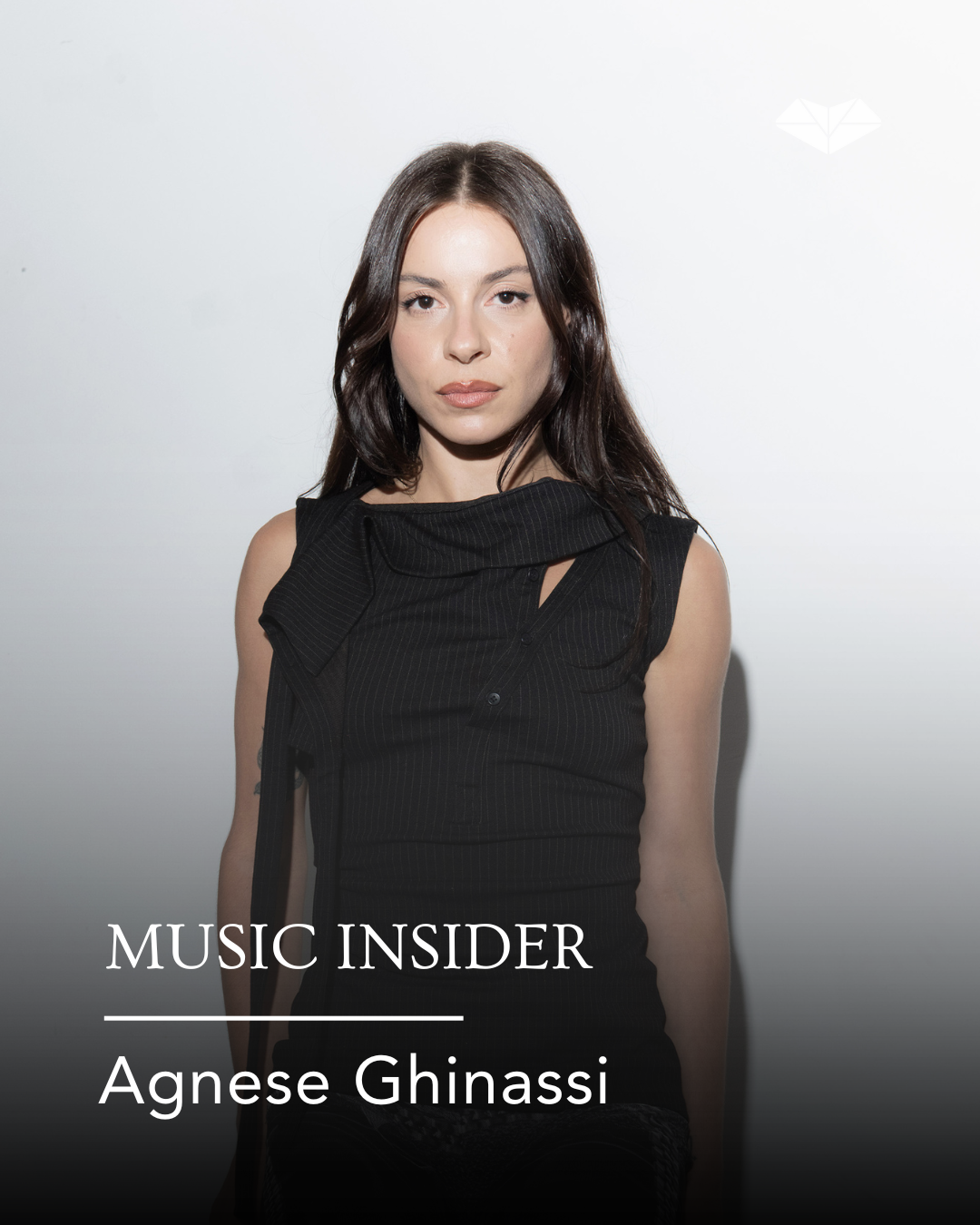
Artist Manager and Newspaces Studio Founder Agnese Ghinassi on Aiming to Build Longevity in Artist Careers

Photo credit: Johanna Kirsch

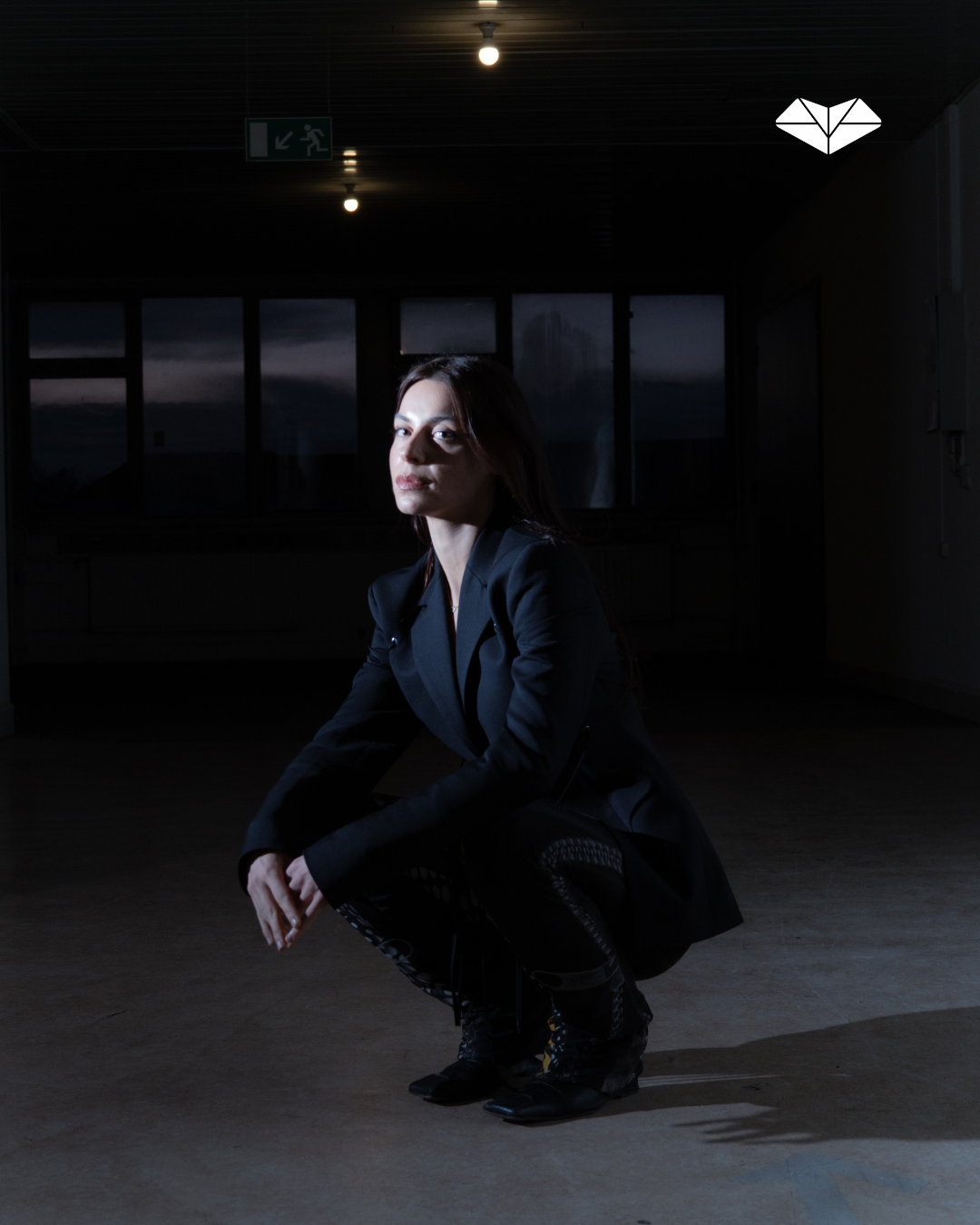
Agnese Ghinassi is part of a new generation of managers whose work moves fluidly across music, fashion, and contemporary art.  Based in Berlin and originally from Rome, she launched Newspaces Studio in 2025—a management and creative consulting agency shaped by her experience in artist development, creative strategy, PR, and fine arts project management. 

Ghinassi’s professional grounding was formed during her years at Modern Matters, where she progressed from intern to assistant and eventually into a key role as Artist Manager. During this time, she developed a broad operational and strategic skill set spanning artist management, PR and press, project and label management, alongside day-to-day management. Her work included supporting artists such as VTSS and LSDXOXO, handling press for clients ranging from composer Danny Elfman to producer and DJ GiGi FM, and overseeing label management for Klockworks alongside PR for Ben Klock.

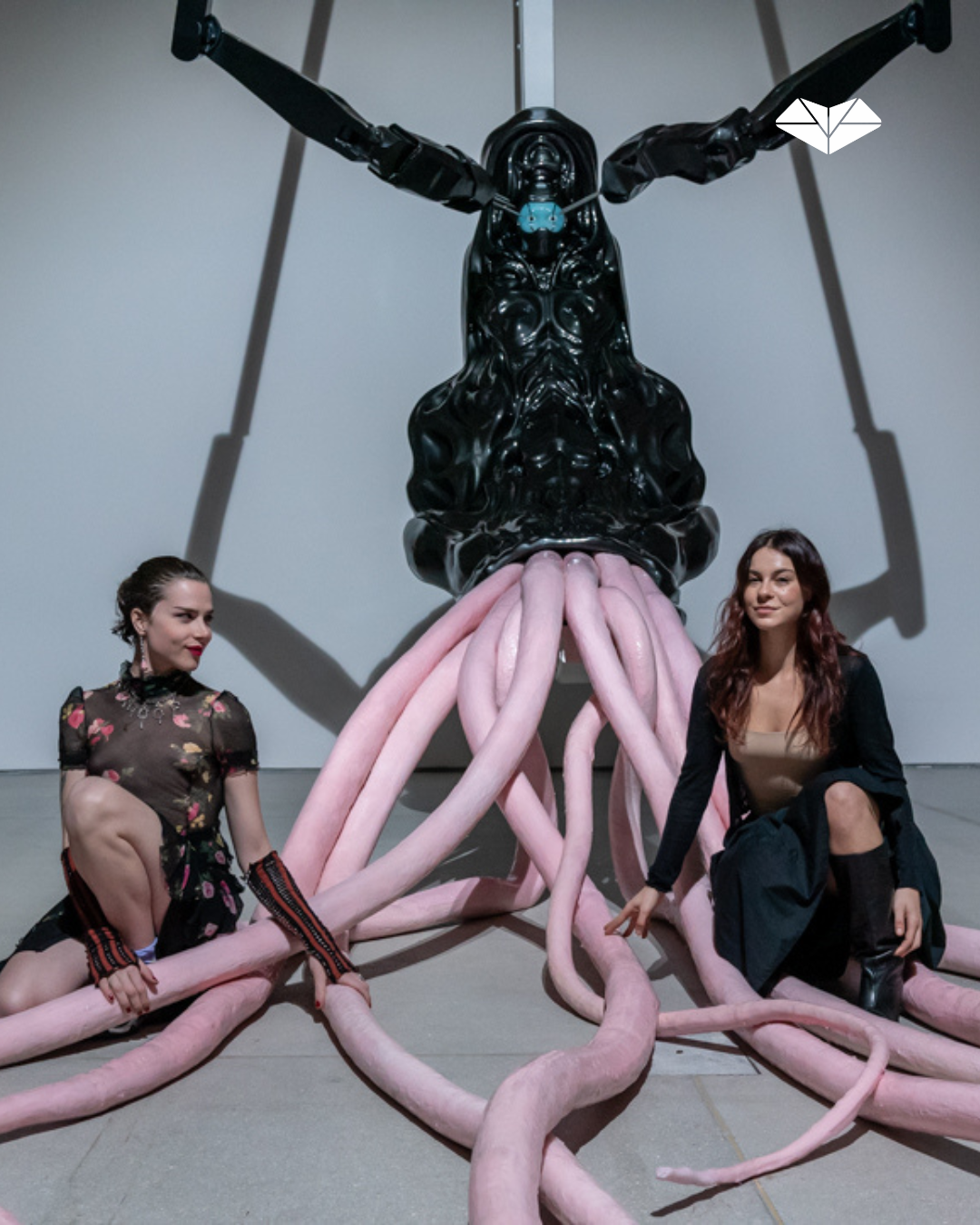
Today, Ghinassi manages NYC-based transdisciplinary artist Agnes Questionmark, producer SALOME and Cuban-Spanish DJ TOCCORORO. Ghinassi’s practice also extends into the contemporary art field through her management of Agnes Questionmark — a contemporary artist working across installation, sculpture and performance. In this role she has overseen complex works including the 13-day performance CHM13hTERT & Cyberteratology presented at the 60th Venice Biennale, to name a few. This experience, together with her background in music management, PR and artist development, provided the groundwork for Newspaces Studio, which represents a curated roster of artists whose practices develop across different creative contexts rather than within a single industry lane. 

Your background spans artist management, PR, creative consultancy and large-scale art project management. How did you get your start in music?

I started as an intern at Modern Matters during my studies in Berlin. I was about to finish university, and in order to be able to write my thesis, I had to complete six months of practical work “Pflichtpraktikum”. I was studying Media and Business Psychology at the time, in German, (tough one). I’ve always been passionate about music, and one of my mentors, someone I really respect in the industry, suggested a few different companies for me to consider.

I remember telling her that I didn’t want to “just bring coffees or watch from behind” (very 23-year-old me ready-to-take-on-the-world phrase). The truth is, I wanted to actually do the work. That’s when she suggested I look into Modern Matters. I ended up leaving university without finishing my degree and stayed at Modern Matters for five years. I began as an intern, quickly became an assistant, and gradually worked my way up.

Assisting roles are often underestimated, but they’re where you build an incredibly broad and practical skill set. Working closely with my former boss allowed me to define myself early on as a generalist. I was exposed to many different sides of the industry from PR, press and label management, royalties, record deals to more administrative tasks like invoicing, tax systems, artist statements. That hands-on experience helped lay the foundation for what I’m looking to do at Newspaces Studio. I will always cherish that opportunity. 

Photo credit: Johanna Kirsch

From intern to founder in just over 6 years is a big achievement. Looking back, what skills or instincts proved most transferable as you moved from assisting to leading, and which ones did you have to actively unlearn?

As wild as it sounds, the biggest skill I had to unlearn was multitasking. When you launch your agency and start working independently, you want to do everything at 100% and feel in control of your business, your tasks, and practically everything around you. But multitasking doesn’t necessarily equal control; more often, it means doing many things at once and delivering them at 60, 70, or 80 percent instead of fully.

In assisting roles, multitasking is a powerful skill because the tasks are less decision-heavy. When you go independent, though, learning when to slow down, prioritize, and focus is what ultimately allows you to lead with clarity and intention. That doesn’t mean I don’t multitask at all, I just aim to execute faster and more efficiently. It’s a learning curve.

The most transferable skill, for me, was learning how to read a room and communicate with people coming from various professional backgrounds, from artists to agents, label owners, creative directors, business managers, and editors, etc. It taught me how to adapt fast, translate ideas across different worlds, and move quickly between creative and business spaces.

You’ve spoken about the importance of understanding an artist’s “message.” Practically speaking, how do you intend to help artists articulate what they stand for when that clarity isn’t there yet?

In my approach, I will aim to give artists a safe space where they feel supported enough to explore what they want to express, without pressure to adapt to a standard.

A lot of that can start with conversations, understanding their references, instincts, and characters, and what feels natural to them. I intend to help them through the process of individualising their strengths and how they want to convey who they are to the world around them. Once that starts to take shape, I work with them to find a structure that feels intentional and purposeful. 

I wouldn’t say it has to be a specific “message” , it's more about understanding what differentiates you as an artist from others, what you bring to the table, what you do differently, and leaning into that.

Practical examples of questions I would ask:

– What moves you?

– Why?

– Who inspires you, and who do you see as your peers?

– If you’re thinking big, where would you like to be in five years?

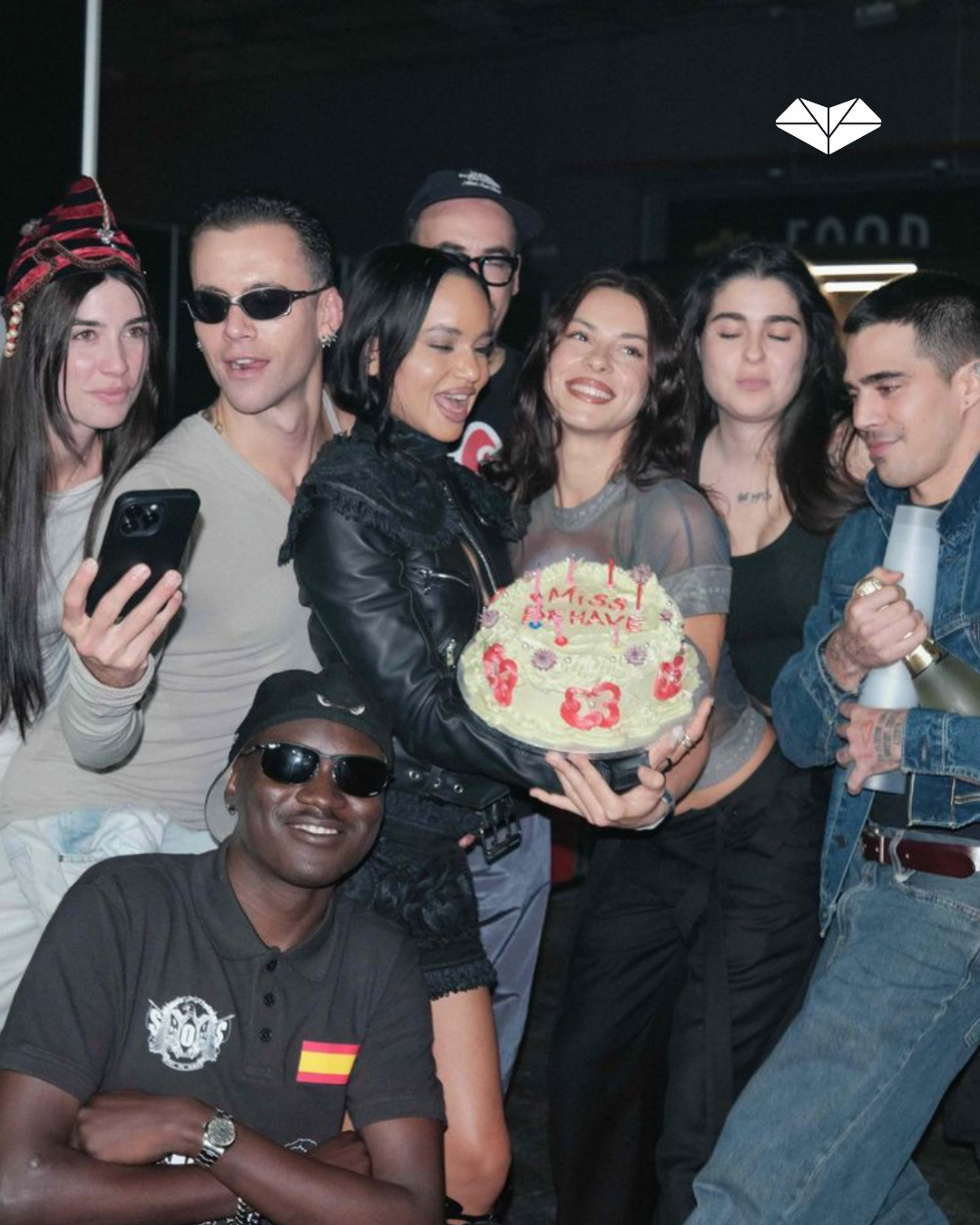
TOCCORORO Birthday During Fred again.. Event

Many artists struggle with brand collaborations for fear of diluting their identity. From a management perspective, how do you evaluate when a brand partnership adds depth to an artist’s profile rather than noise?

From my point of view, a brand collaboration adds depth when it’s genuinely aligned with the artist and develops in an organic way.

One way to ensure this is by building connections with brands the artist is already passionate about, whether that’s clothing brands they already wear or designers they admire, or production tools and platforms they already use in their creative process. The goal is for the collaboration to feel like a natural extension of who the artist already is, what they like, and what they want to represent, rather than something imposed.

Additionally, to make a brand partnership more meaningful and to ensure it feels like a true collaboration rather than just a ‘branded deal’, I always make sure that the teams involved, especially on the brand side, understand that they’re working with a talent who has a clear vision, aesthetic, and personal taste that needs to be respected and conveyed for the collaboration to be successful on both sides.

Newspaces Studio aims to establish itself at the intersection of music, art, and fashion. What do you think sustainable growth looks like in that cross-disciplinary space, especially when visibility can arrive faster than infrastructure?

As I start building my own agency, I’m realizing that sustainable growth often comes from learning, as a manager (together with your artist), when to say “no” to certain opportunities and trusting that the right ones will come back around. There’s so much pressure to move fast and capitalize on momentum, especially when visibility starts picking up and it feels like there’s a clock ticking in the background. But you don’t actually need to do everything at once.

Sometimes it’s more effective to slow things down, be intentional, and focus on what really needs attention at a specific moment in an artist’s journey, especially when working across music, fashion, and art, where opportunities can multiply very quickly.

Something I aim to work toward in my approach is longevity. Doing everything and being everywhere over a short period of time can result in being counterproductive and sometimes, maintaining a sense of exclusivity around an artist’s profile is actually one of the strongest things you can build. The goal I’m aiming for while building artists’ careers alongside them will be to keep things interesting and evolving in the long run.

Agnese & Agnes Questionmark

Mental health is often discussed, but less often operationalised. What does care actually looks like inside a working artist–manager relationship, especially during intense touring or production periods?

During intense touring and production periods, it’s all about streamlining communication and setting designated days off so the artist has time to properly rest. We try to organize the calendar in a way that allows for enough time off between work commitments, and if that isn’t possible, we make sure the artist can take a larger break afterward for example, three weekends of stressful touring followed by one week of no communication/deadlines & weekend off from touring.

In general, I usually avoid communicating with my artists on Mondays after a touring weekend. If something is really urgent, I’ll send an email. If it truly can’t wait and is career-changing or there’s a hard deadline, I might text, but Monday is a day off. We also try to lock in catch-ups once a week and avoid unnecessary WhatsApp communication.

It’s very easy to end up talking 24/7, so it’s important to agree on designated times, days, and channels for communication. Not only for them but also for you. The hows and whens however, is also something that needs to be discussed with each artist individually, as everyone is different and requires different kinds of care.

For managers or artists considering going independent, timing is everything. What signals tell you that it’s the right moment to make a structural move, rather than an emotional one?

When you outgrow things and realise that the places you’re in are no longer aligned with your principles or your view on things, that’s when your vision starts to sharpen and you’re ready to take the lead for yourself.

Agnese at Agnes Questionmark studio

In more practical terms, it’s when you realise you’ve learned and taken everything you could from an experience, and are ready to shape your own. 

What inspires you at the moment?

Industry: the way marketing has evolved over the past few years has been incredibly impactful. Looking at the campaigns behind albums like Charli XCX’s “Brat” or Doechii’s “Alligator Bites Never Heal”, Rosalia with “Lux” (her hair!!!!!) still stands out to me.

It really shows how powerful thoughtful marketing can be, especially when it’s connected to a clear artistic vision. You can feel when someone knows exactly what they’re doing and there’s something magnetic about it. 

Life: the concept of neuroplasticity. I’ve been reading a lot about it, and it’s been particularly relevant for me at this stage of my career. Books like Atomic Habits and podcasts (Huberman Lab) around the topic have genuinely influenced how I think about growth, habits, and long-term development. It has also helped me discover new structures and workflows that I now rely on in my work.


Agnes Questionmark Exhiled in Domestic Life installation

Connect with Agnese Ghinassi on LinkedIn

Newspaces Studio | Agnes Questionmark

TOCCORORO | SALOME

Dialled In’s Mahnoor on Building Lasting Culture Led Brand Partnerships Through Authentic Connections

Mahnoor Hussain is a culture marketing strategist, DJ and the founder of SUP SUPPER CLUB, a non-profit platform using food and music to support displaced communities through storytelling, solidarity and cultural exchange.

Mahnoor’s cross-functional career spans music, social impact, travel, live events, lifestyle and night-time hospitality. She has held roles across major cultural institutions including Ministry of Sound, where she worked on global club culture campaigns, and most recently on the 2025 edition of Red Bull Culture Clash at London’s Drumsheds.

She is currently Head of Marketing at Dialled In, where she leads culturally rooted experiences centred on South Asian identity while developing brand partnerships that prioritise authenticity, community and long-term cultural value. Alongside her commercial work, she is increasingly focused on advocacy around ADHD, particularly for women working in dance music.

How did you first find your way into music and culture marketing?

I was always doing music bits on the side while working full-time in travel marketing. I loved being able to tell fun stories about exploring new worlds through a global lens. It felt really fresh at the time. But then Covid hit just as I became more senior in that career, which tanked things a bit.

When I pivoted into corporate marketing, I just wasn’t enthused by it. I struggled to stay motivated because the creative alignment wasn’t there. After being diagnosed with ADHD, I realised this made sense. People with ADHD are usually highly motivated when they’re genuinely passionate about something. So I decided to redirect my skills into something that felt purposeful to me: cultural marketing.

I self-funded my Marketing Week Mini MBA in Brand Management, applied for a couple of jobs, and landed my first brand manager role at one of London’s most iconic venues. That’s where I combined my traditional experience with my “creative lens” to help rebuild the venue’s cultural resonance. I didn’t initially think of it as culture marketing specifically - for me, it was about making campaigns as effective as possible by applying solid marketing and branding principles in ways that resonated culturally, made people care about our stories, and built a real connection with the brand.

What experiences shaped the way you now approach brand partnerships and creative strategy?

A lot of my foundational knowledge around partnerships comes from my time in a very corporate role at American Express, working on multi-million-pound airline partnerships. It taught me the value of strong relationships and having proper data and proof of concept behind proposals. It sounds elementary, but since crossing into the creative industries, I’ve realised we often prioritise “vibes-based” proposals over data.

My time working on airline and travel partnerships showed me how important data actually is. It helps brand partners sell the proposition internally, and with brand budgets becoming more competitive, that’s essential. You can then use that data alongside other audience research to build a creative strategy that genuinely responds to your audience’s or your partner’s needs.

My broader approach to creative strategy stems from a kind of cultural symbiosis: my experiences, my perspective, and my desire to try new things, hoping they will inspire me in return.

You’ve worked across everything from global club culture to social impact projects. How do you connect those worlds in your work?

At first glance, those worlds might seem completely different, but for me, they share a common foundation: Building authentic cultural connections and communities

My social impact work actually came first. That’s where I realised I could draw on my cultural fluency and people skills - being in different spaces and around diverse communities - to connect with asylum seekers, grassroots chefs, and aspiring entrepreneurs, and make them comfortable sharing their stories. Bringing people in through storytelling is something I’ve naturally carried into club culture spaces, too.

Global club culture is also deeply intersectional. It brings together people from different backgrounds, genres, and countries — sometimes experimentally — and a lot of the magic comes from uniting things that seem disparate. Whether that’s building line-ups across genres, working with diaspora artists at Red Bull, or merging chefs from displaced communities with artists of similar heritage at SUP?, I’ve learned that creativity thrives where worlds collide.

Diversity of background - in taste, culture, worldview - is a strength. It sparks creativity, empathy, and new forms of social engagement. Creativity comes from the margins, from intersectionality, lived experience, and the influence of multiple identities blending into something new.

What do you think makes a brand activation or partnership truly authentic to a music community?

Authenticity usually comes when a brand already has some organic visibility or cultural exchange within a music community, before trying to capitalise on it. Audiences are much smarter now. When a brand doesn’t have that connection, or doesn’t involve the right cultural creators, it shows immediately.

The most forward-thinking brands bring key cultural voices in-house, as advisors, collaborators, or sometimes colleagues. These are the people who can spot nuances others miss, understand the cultural codes, and translate meaningful insights into compelling creative work.

What inspired you to create SUP SUPPER CLUB, and what have you learned about using food and music to build solidarity?

SUP? was inspired by my time living in France, where I worked as a school teacher and used my English and Arabic skills to support young asylum seekers learning French. Hearing their stories and seeing immigration from a French perspective made me realise how little awareness there was in the UK, and when there was awareness, it wasn’t coming from the voices of displaced people themselves.

SUP? became a space where people could gather, hear stories directly from displaced communities, and break bread in a welcoming environment. We’ve worked with partners like Ben & Jerry’s and Refugee Week UK, which has helped us support displaced chefs while fundraising for charities I used to work with in France and London. My favourite thing is inviting people from the asylum seeker community to join us; the intimacy of supper clubs creates space for meaningful connection.

Music has always been part of SUP?, from darbuka performances at our Yemeni supper club to Syrian folk singing. I’m constantly thinking about new ways to help people connect with immigration experiences creatively, so I launched Paired by SUP? — pairing refugee chefs with musicians of shared heritage to create one-off menus together. Our first one, with Chef Majeda and Big Zuu, celebrated their Levantine roots and really resonated.

Food and music are incredibly powerful cultural connectors, and I’m excited to keep building on that. The next one is going to be very special, with an artist from South London and a community close to my heart.

You’ve worked on large-scale productions like Red Bull Culture Clash and grassroots events like Dialled In. What’s your approach to creating experiences that feel both high-impact and culturally grounded?

It can be challenging to balance scale and cultural grounding, especially if you don’t have the right people in the room. The first step is defining what “impact” actually means. It’s not just big crowds or flashy production; it’s resonance. It’s cultural integrity.

Scale and cultural nuance aren’t opposites; they’re complementary. You can do both if you’re telling the right stories and working with people who understand the culture you’re representing.

With Red Bull Culture Clash, we had a massive advantage because the entire marketing team was made up of people of colour, many with Caribbean heritage, who’d grown up with soundsystem culture. We understood the cultural playground we were curating. You’d be surprised how many cultural campaigns are built without consulting the communities they centre.

When that knowledge isn’t already in the room, you have to actively seek it out: research, speak to the community, listen, and curate for them rather than creating a simple spectacle. It sometimes means pushing back on global teams — for example, explaining why the “biggest” artist isn’t always the right fit if they don’t resonate with people on the ground.

Spotlighting bigger names alongside emerging talent helps keep things authentic and gives younger artists the amplification they deserve. It’s about crafting the right story, not the loudest one. Long-term cultural impact matters more than a one-off spectacle.

What advice would you give to emerging curators or marketers trying to create inclusive, community-led events?

Come with a collaborative mindset. Learn to navigate differences in opinion respectfully. If you want to create inclusive, community-led events, you need to listen to the community and understand what they genuinely want from a space.

Spaces like DAYTIMERS and Dialled In have allowed me to work with incredible people and build a shared vision — none of it would’ve been possible alone. Collaboration and mutual respect are essential.

When you’re creating inclusive events, you also need to consider people who don’t drink. If an event only works when people are intoxicated, it’s not actually an inclusive experience. The real litmus test is whether the space is fun, connected, and culturally vibrant without alcohol.

Keep your ears to the ground. The cultural landscape shifts quickly. What communities wanted five years ago isn’t necessarily what they need now. For example, when I first started SUP?, people wanted to share their stories and heritage. Now, in a much more hostile climate, many simply want a space where they aren’t othered. You don’t know until you listen.

And finally, community work is rewarding, but it is labour. When you care deeply, it’s easy to burn out. Set clear boundaries from day one. Many community-led projects happen outside your day job, so know your capacity and protect it.

You’ve been vocal about ADHD and women’s experiences in the dance music space. How has that shaped the way you work or lead teams?

I was diagnosed with ADHD at 25, so it’s only in the last few years I’ve properly understood how it affects my work. I’ve become more aware of how my hormonal cycle impacts ADHD symptoms — especially foggy days — and I now plan around that.

When leading teams, empathy is key. One of the women on my team also has ADHD, which makes open communication important. I try to understand people’s working styles so I can manage expectations fairly. In corporate spaces, I used to hide my ADHD, but now I’m upfront about how my brain works. It gives colleagues context.

I also get overstimulated easily, so I often wear headphones or work in a quiet corner. Letting people know why helps, although women with ADHD are still judged harshly, which speaks to how unforgiving society can be toward our symptoms.

I’m still learning, and I wish there were more accessible spaces to learn about ADHD - especially in the dance music world. I want to help create something more approachable than a 50-minute podcast: real-life, interactive sessions where people can take away tangible tools to navigate ADHD in this industry.

What are you listening to at the moment?

I’m loving everything by Amil Raja, especially his new track swings n roundabouts. His sound takes me back to my adolescence but still feels really fresh — very inspired by Mssngno.


Daphne Oram Centenary: The Overlooked Pioneer Who Shaped Electronic Music and the BBC Radiophonic Workshop

Daphne Oram giving a presentation at East Surrey College. Red Hill in 1980 - Photo Credit Keith Harding

2025 marks the centenary of Daphne Oram, the electronic music pioneer who co-founded the BBC Radiophonic Workshop and invented the Oramics system, one of the earliest graphic sound technologies.

To honour her legacy, nonclassical has partnered with the Oram Trust and the Oram Awards on vari/ations – Ode To Oram, a new compilation built entirely from Oram’s archive: more than 280 tapes recorded between 1956 and 1974, including material that has never been publicly heard before.

The release brings together leading and emerging electronic artists—TAAHLIAH, Marta Salogni, Deena Abdelwahed, Arushi Jain, Nwando Ebizie, Lola de la Mata, xname, afromerm & abi asisa, among others to create new works shaped directly by Oram’s sounds, processes and ideas.

Alongside the album, a live performance at the Barbican on 4 December, where composers worked with Oram’s original reel-to-reel tapes, custom-built instruments and the Mini Oramics machine. The centenary programme has also included a UK grassroots tour produced by the Oram Awards, supporting women and gender-expansive artists and expanding access to electronic and experimental practice.

For this Q&A, shesaid.so speaks with The Oram Trust as well as contributing artists Nwando Ebizie, Lola de la Mata and afromerm, to explore the archive, the creative processes behind the compilation, and what the “next step” for Oram’s legacy looks like in 2025 and beyond.

When you revisit Oram’s archive today, what aspects of her thinking or methodology feel most radical or forward-looking?

Her music continues to sound unique in terms of pure timbre - no one else sounds like her. I think this underscores the fact that Oram wanted to create new sounds as well as new ways to compose with them.

his is a tendency that lies at the heart of late 20th century music making, both avant-garde and popular, and something first made possible with post-war tape recording technology. 

Several recordings in the archive are being heard publicly for the first time through this project. Can you share which specific tapes or sound materials have been newly opened up?

In terms of the archive, Sarah Angliss and Ian Stonehouse sifted through a huge range of material for this project, including source tapes that were used to make final mixes. So, a lot of what you are hearing are individual component sounds used to create finished pieces, both commercial commissions and her own experimental explorations.

These sounds haven't been heard before in this form, whether it be a test recording of a theme played on the Oramics machine or a sound effect for a headache tablet.

The compilation brings together established and emerging electronic artists interpreting Oram’s archive. From the Foundation’s perspective, what feels significant about the range of voices involved in this centenary release? 

These radical, experimental and electronic artists have all approached Oram's archive  from different directions, often bringing their own lineage in electronic and electroacoustic music into conversation with Daphne's archive, offering fresh approaches to her work. Their variety of approaches reflects the curiosity, lateral thinking, inventiveness, and the polymath aspect of Daphne's work.

The Trust wants to continue this lineage and legacy, as it remains relevant – we are looking after her part in the conversation now, and maintaining her legacy into the future.

Daphne Oram and the Oramics Machine - Photo Credit: Fred Wood

The Oramics system was radical in its vision of drawing sound. How would you describe its significance today in the lineage of sound synthesis, digital interfaces and graphic composition tools?

You can read about its significance relating to other technologies here.

Many of the artists on the compilation speak about Oram’s philosophical approach to listening, perception and the body. How central is this dimension to how the Foundation positions her legacy today?

Listening and perception, and to some extent the body, are central to her legacy, yes.  

** Responses from The Oram Trust and the Awards, answered by Jennifer Lucy Allen, Ian Stonehouse and Karen Sutton.


Photo credit: Joby Catto

Nwando Ebizie

Nwando Ebizie is a multidisciplinary artist whose work spans experimental performance, music, neuroscience and African diasporic ritual. Drawing on her own neurodiversity, she explores perception, Afrofuturism and speculative worlds through research-led, immersive practice.

Her projects include the sensory environment Distorted Constellations, her pop-performance persona Lady Vendredi, and the long-term operatic work Hildegard: Visions. Her work has toured internationally, with performances in Tokyo (Bonobo), Rio de Janeiro (Tempo Festival), Berlin (Chalet), Latvia (Baltais Fligelis Concert Hall), Zurich (Blok), and major UK venues such as HOME Manchester, the Barbican and the Southbank Centre.

Working across media and genre, she creates interconnected mythic and scientific narratives that invite audiences to consider alternate realities and expanded states of perception.

When you revisit Oram’s archive today, what aspects of her thinking or methodology feel most radical or forward-looking?

The first most exciting element for me was engaging with her essay - An Individual Note. 

I was inspired not only by Oram's music, but by the way she lived, the way she dreamt and thought and drew together a theory of sound, electronics and what it is to be human. I wanted to draw all of these elements together into a sonic reality. 

I feel very at home with her conception of sound - she talks about not wanting to create an ‘inhuman sound with a clinical quality, lacking the possibility of subtlety and nuance’. For her electronic music should be alive and breathing. Listening to her sound palette - this really struck me - that everything was constantly moving, exploratory. 

Oram’s archive contains both highly refined compositions and fragments of pure experimentation. How did artists navigate the tension between honouring her sonic language and pushing it into entirely new aesthetic spaces?

I wanted to create a finished piece that was its own island in the world of Oram's Archive. So I wanted it to reflect the sounds and feelings whilst being its own piece of music. I was guided by these worlds from An Individual Note:

To visualise a human being in this way we would need a most wonderful mixture of fundamentals, harmonics and overtones, all subtly changing from moment to moment… a whole spectrum of resonate frequencies which are never at rest, never in a steady state, but are vibrant with pulsating tension.’

I structured the piece around this quotation - trying to capture the feelings within her words. Oram posed the question “What is the next step?” in An Individual Note. Looking ahead, what does the Foundation see as the “next step” for the Oram legacy creatively, technologically, or institutionally?

The next step continues on in her vision - drawing together modes of thinking and practice so that practitioners can better understand perception and creativity. Drawing together neuroscience, philosophy, engineering and art into new forms. Reaching into the future whilst reaching backwards into lost forms of knowledge.


Lola de la Mata

Lola de la Mata is a conceptual sound artist, composer and musician (theremin/violin/voice) based in Liverpool. She takes the anarchic being - the ear, as her muse, while tinnitus and aural diversity are at the core of her research practice, her quiet, teetering on the inaudible and imagined sounds emanate from self-made glass and metal instruments.

In 2024 Lola won an Oram Award and a Sound of the Year Award for her experimental debut album ‘Oceans on Azimuth’ released to much acclaim (The Quietus, Electronic Sound Magazine, New Scientist, BBC Radio 6, Crack Magazine), with broadcast on BBC 3, BBC 6, NTS and Resonance FM.

She has received commissions from the Riot Ensemble, Lisson Gallery, Zubin Kanga, Spitalfields Music Festival, and crafted soundtracks for experimental film, documentary and the award winning feature film STOPMOTION (2024) by Robert Morgan.

What kind of creative challenges or discoveries emerged from engaging with Daphne Oram’s material? 

At first I instantly recognised Oram’s signature, and although I knew I wanted to find a way to duet with her and meet her in her own sounds, I also didn’t want to ‘remix’ one of her tracks. I was after her in-between sounds, or samples which surprised me were made by her hand. The biggest discovery? Her echoing spring bass beats!

Oram’s archive contains both highly refined compositions and fragments of pure experimentation. How did you navigate the tension between honouring her sonic language and pushing it into entirely new aesthetic spaces?

I am often told my work is intense, I guess I tend to look in, sink into my body - but my aim is to be joyous, not make anything ‘too’ serious. In Oram’s archive I found a similar humour emerging from her playful approach to the iterative process and so the character of the piece emerged quite organically. Perhaps somewhat uncanny…dark pools, ghosty sounds - punctuated by Oram’s upbeat, bright voice and unexpected beats.

Oram posed the question “What is the next step?” in An Individual Note. Looking ahead, what do you see the “next step” of the Oram legacy, creatively or technologically?

More women and gender non-conforming artists developing technology perhaps?  Let's be honest, we're rebellious innovators at heart! By that I mean new instruments, be it analogue or digital - more tools as well. Plug-in companies and studio houses almost exclusively have men at the helm.

Wouldn’t it be fantastic to see the industry expand? I’m so grateful to Nonclassical for working with mastering engineer Katie Tavini (Weird Jungle). This is the way forward. 


afromerm

afromerm is the solo project of Oram award-winning composer and sound artist, Cecilia Morgan.

Her work draws from contemporary, jazz, and experimental disciplines, blending electronic elements with live instrumentation, field recordings, spoken and sung vocalisations, and her self-built motion-reactive instrument, Juniper, to create electroacoustic soundscapes that immerse us in the elemental mythology of her project. afromerm has been platformed by BBC Radio 1 (described as a ‘sonic innovator’), BBC Radio 3, NTS Radio and The Line of Best Fit.

Her live work has found audiences at the likes of Le Guess Who? Festival, London Jazz Festival, ICA and Cafe OTO. Composition credits under Cecilia Morgan span independent film, contemporary dance, theatre and fine art media, with notable clients including Tate and The Fitzwilliam Museum.

Working directly with Oram’s tapes, instruments and sonic gestures can be an intensely tactile experience. what kinds of creative challenges or discoveries emerged from engaging with her material in such a hands-on way?


Visiting Oram's archives was fascinating; the sheer volume of material was overwhelming. I was struck by her beautiful construction of language in her letters. Her description of 12-tone equal temperament as a "rectangular.

grid, imposed on an uncharted continent as a makeshift means of administration and surveying”, alongside the mountainous curvature of her hand-drawn Oramics slides, informed our approaches to pitch and form.

Oram’s archive contains both highly refined compositions and fragments of pure experimentation. How did you navigate the tension between honouring her sonic language and pushing it into entirely new aesthetic spaces?

We did a great deal of listening, but rather than sampling Oram's archive, abi asisa and I chose to interpret two Oramics slides as graphic scores, so our honouring of Orams sonic language was rooted more in process than material. Emulating the analogue uncertainty of Oram's work in a digital environment was a challenge that I addressed through the liveness/immediacy of my audio processing.

Oram posed the question “What is the next step?” in An Individual Note. Looking ahead, what does the Foundation see as the “next step” for the Oram legacy  creatively, technologically, or institutionally?

Daphne Oram interrogated what it meant to be a composer and foresaw what a huge impact technology would have on composition. The Oram Awards specifically is helping to both document and create a largely overlooked part of sound/music history, and like many of my fellow Awardees, my composition practice has been shaped heavily by the increasing accessibility of audio technology. I'm curious to witness how this might evolve throughout my lifetime.


Centenary Celebrations

The 31st December 2025 is Daphne Oram’s 100th birthday. This is a great opportunity to celebrate her unique contributions in lots of different ways. We hope that you will have an opportunity to hear some of her music live at various events of listen to recordings on some of the new releases out this year. In response to this Centenary year composers from the electronic music community are also producing exciting new compositions and performances that draw on the influence of Daphne Oram.

vari/ations - Ode to Oram by Various Artists / Daphne Oram is out now


Oram/100 Tour

Vari/ations – An Ode to Oram Thu 4 Dec 2025, 19:30, The Barbican Hall

There will be a free pre-concert talk with Arushi Jain, Lola de la Mata and Jennifer Lucy Allan at 6:00pm in the Fountain Room. Due to illness, Cosey Fanni Tutti is unable to speak at tonight’s pre-concert talk. Arushi Jain will be replacing her. Please note that the capacity is limited and seating will be available on a first-come, first-served basis. 

Stick around after the show for ClubStage performances from Lola de la Mata and afromerm + abi asisa.

Stage times:

6.00pm - Pre-concert talk in the Fountain Room
7.30pm - First Half
8.20pm - Interval
8.40pm - Second Half
9.45pm - Aftershow Clubstage performances

Info & Tickets


12 Dec 2025, St Vincent’s Church / Stockbridge / Edinburgh

Workshop & Performance Tickets via Hecate

Workshop: Improvised Music Tech Jam - Hosted by Luci Holland & Tinderbox Labmore info to follow.

Performances: The Silver Field / Vocifer / Justyna Jablonska / Aurora Engine / Bell Lungs / SLY DIG
Panel Discussion: Luci Holland (Tinderbox Lab), Karen Sutton (Oram Awards), Dr John Hailes (Napier University) + more


Founder & CEO of EBONIX Danielle Udogaranya Presents Black Lines of Code

Photo Credit: Ayo Oduniyi (A&O Studios)

For nearly a decade, Danielle Udogaranya — Founder and CEO of EBONIX — has reshaped how Black identity is seen, coded, and experienced across gaming and digital culture. Her work first took root in 2015, when her Afrocentric custom content for The Sims 4 offered Black players something they had rarely encountered in virtual worlds: themselves, fully and accurately represented.

What began as a community-led practice has since grown into a global creative-tech force, marked by partnerships with The Sims, Dark & Lovely, Samsung, Meta, Xbox, Sky, and Farfetch; recognition as an HSBC Top 25 Black Entrepreneur to Watch (2024); and invitations to speak or judge at SXSW, Afrotech, London Games Festival, BAFTA, D&AD, and more.

Danielle’s latest project, Black Lines of Code, expands that mission. The exhibition marks ten years of EBONIX and examines what happens when digital systems fail to reflect the full spectrum of Black identity and what becomes possible when Black creators rewrite the visual language of those systems themselves. Through immersive installations, playable experiences, and mixed-reality works, the exhibition spotlights the artists and technologists who have embedded Blackness directly into the architecture of digital space.

What is the core concept that Black Lines of Code aims to achieve?

Black Lines of Code aims to interrogate and reframe the presence of Blackness within digital worlds and culture, spotlighting the creatives who have challenged systemic absences in virtual representation.

By centering the work of creatives who have both imagined and enacted new possibilities, the exhibition seeks to expand the cultural lexicon embedded in algorithms, code, and immersive environments. It offers a critical space for reflection, celebration, and dialogue, bridging art, technology, and cultural identity to address the historic and ongoing erasure of Black narratives in digital worlds.

Black Lines of Code is a decade-long view of digital identity. For music executives focused on digital rights and artist IP, what is the most important commercial takeaway the exhibition offers regarding the long-term value of culturally specific digital assets?

I have a question for them. What transpires when the very mediums we consume fail to equip us with the means to author our own image, or to recognise ourselves in any substantive or affirming way? Identity becomes fractured.

It is so essential to provide meaningful, nuanced and intentional representation across all mediums, whether it be gaming, music, literature, film, in order to reaffirm the value a person builds around their sense of self as they establish their identity.

Thinking back to the early days, before EBONIX was formalised, how did you initially go about getting your start in this intersection of gaming and cultural technology? What was the first major industry door you had to kick open?

Interestingly enough, kicking down industry doors was never part of the plan. The key route I took was establishing a meaningful connection and relationship with my community. The people who EBONIX was created for.

I started out in 2015 with posting my mods on Tumblr, which gained a lot of traction within the Sims community, who finally felt seen because they had access to assets that were relatable to their lived experiences! It wasn’t until 2019 that I went full-time to pursue filling this gap, and started to live stream on Twitch.

By 2020,  I was the first Black British Woman in the UK to become a Twitch Partner and by 2021 the first Black British Woman in the UK to become a Twitch Ambassador. It happened extremely naturally and quickly, because I’d already established a community. The livestreaming space for BB women was (and still is) a sparse and aggressive place, but that definitely felt like my first introduction to an “industry door” that was kicked down, that did not allow us visibility to thrive.

Your work has fundamentally changed the landscape of Black representation in gaming. For music industry professionals, what is the most crucial, practical lesson they can draw from your experience?

Remain so unapologetically rooted to your “why”. I have referenced the woman in my community who approached me about what my work meant to her 10 year old niece. Noone can ever call to question what is important to me, because I make it so clear at every opportunity what my why is.

My why came before my what and how. It’s rooted in every opportunity I’ve taken. In every collaboration or brand deal I’ve done.

I never took a ‘no’ as a reason to stop. You’ll come to realise that  some no’s are blessings in disguise, because they redirect you towards what you’re actually supposed to be doing.

You operate at a high level, collaborating with global brands and judging major awards. What is your most effective strategy for networking?

Believe it or not, I was once one of the shyest people I knew. I had a friend who I’d call my “hype woman” because she’d big me up and I’d try to shy away from my truth. That I’m really someone making a difference. So, my most effective strategy for networking was walking in and owning my truth.

Once I took off the mask that I was trying to hide behind, that was a humbling version of myself, who was riddled with imposter syndrome, networking became second-nature. I’m my most authentic self when I talk to people.

But you have to also remember that, you’re networking with people that you align and have synergy with. Don’t waste time or energy if that isn’t there.

3 people that inspire you. 

Doechii, Murjoni (@mvrjoni) and… Black children who need reminders that their skin, hair and features are the most beautiful things in the world.

What are you listening to at the moment?

In preparation for the exhibition, I’ve been listening to a lot of jungle! When you really look into the history of some of the older music in games, it’s inspired by UK Jungle! So I’ve been listening to a lot of Natty Congo, Roni Size, Shy FX, Goldie etc. Most of the posts I’ve made around the exhibition will have that junglist sound to it!

And also, to calm my spirit, a bit of gospel. In particular No Greater Love – Rudy Currence, Chrisette Michele


Exhibition Details:

Dates: 11th – 20th December 2025

Location: Copeland Gallery, Peckham, London

Curated by: Danielle Udogaranya (CEO & Founder, EBONIX)

Presented by: EBONIX in collaboration with Electronic Arts, British Council, Ubisoft, XBOX UK and other partners from art, gaming, and creative tech industries

Info & Ticket Link HERE


Doe Paoro on New Album ‘Living Through Collapse’ Owning Her Masters and Building a Sustainable Artist Career

Sonia Kreitzer, the visionary multidisciplinary artist known to the world as Doe Paoro, is fundamentally guided by a profound belief: that music is a "wisdom technology." This philosophy, rooted in her study of Lhamo, Tibetan Opera singing, defines a career that spans five full-length records, collaborations with artists like Justin Vernon, and a mastery of ritual facilitation and sound healing.

In an era where many artists struggle for control, Doe Paoro is a model for sustainable artistry, having achieved critical recognition from NPR to Pitchfork and prioritizing her creative autonomy. The true masterclass for fellow musicians lies in how she's structured her business: by fiercely maintaining creative control and owning her masters after navigating the major-label system.

Her highly anticipated new album, Living Through Collapse, arrives after a seven-year gap as a profound work of reckoning. Bolstering this release is the single, ‘Teach Us of Endings’, a track that channels a sublime energy, backed by a cinematic video directed by AnAkA (FKA Twigs, Janelle Monae) and filmed in Costa Rica.

Your new album Living Through Collapse is your first full-length release in seven years. What story were you hoping to tell with it?

This is a record about tending to the sacred calling of grief and sitting with the question of what it means to become a conscious ancestor. The embryo of this album is miscarriage. When I miscarried two years ago, the most shocking part was having an experience of feeling life and death simultaneously pulse, within the framework of my body.

It was such a profound deepening in expanding my own capacity to hold multiple truths at the same time, which has been serious medicine, given the polarity of the times we are living through. These songs are my learning from this time. They’re an invitation to honor the complexity of our era: holding grief for all the suffering in one hand and a radical commitment to creating a more life-affirming world in the other.

At its heart, the album tells the story of my body over these past years, navigating illness, loss, and identity dissolution, a journey that mirrors what I see unfolding collectively, as we reckon with unprecedented climate consequence as the result of an extractive mindset that has objectified both the Earth and each other. Things are composting structurally and existentially on a massive scale right now. My hope is that this music helps us turn toward that awareness, to be with the unraveling, and to listen for how each of us might be of service to the calling and the crisis of this moment.

You’ve previously released music through major and independent channels. What have you learned about navigating release strategies and maintaining creative control?

Maintaining creative control and owning my masters is how I have been able to have a sustainable career. My time at a label showed me how doable it was to be independent - it broke down the fantasy that being on a label was going to do anything for me that I couldn’t do for myself, which was extremely useful. On a practical side, I have learned the importance of having a plan and releasing singles and finding ecosystems for each song to seed and grow in.

What advice would you give to independent artists trying to build sustainable careers while staying true to their creative vision?

Trust that each artist’s path is uniquely their own, full of strange miracles and timing that is completely unpredictable, so there is no use in comparing your path to anyone else’s because it could never be the same.

Continue to make good art that you respect and own your masters. Making money from ways other than music is nothing to be ashamed of - in fact, this can take a lot of heat off the idea that your music has to be a success financially, which can corrupt the purity of what you’re making.

I worked so many jobs before I got to the point where my music could sustain itself and creating a big body of work in that time while I was working other jobs is what allows me to be full time with my art now.

As someone who’s worked across both artistic and wellness spaces, what have you learned about the business side of building a community around your work?

The people who are going to resonate with your music are likely in the same spaces that you already enjoying spending time in; that’s how resonance works. For me, it was such a massive gift to realise how appreciated my music was in various healing and ceremonial spaces because this is where I loved being and had devoted so much time apprenticing in, outside of my career as an artist. When I share my music in these contexts, they become embedded in a community and the music becomes part of a context, a family, and a memory.

Find the groups you are naturally gathering with and share your music with them. I had a big unlock during the pandemic when I shared a video on TikTok that went viral, and at the end of it I had mentioned I was holding a free virtual healing circle online. About 2,500 signed up to join that Zoom though an Eventbrite link I had put in my bio; I had to upgrade my Zoom subscription!

Suddenly, I had a whole new email list. Because Eventbrite shares all the emails of folks who sign up for any event with the organiser, I find it a great platform for building out community. Consider offering some free events to build your mailing list that way and share your music locally.

How do you approach networking in a way that feels genuine and long-lasting?

I’ve never really resonated with the idea of networking, it feels transactional and disconnected from the heart of why I make music; I have really done my best to opt out of that way of relating. I’m lucky to have an incredible community of friends and collaborators, many of whom I’ve worked with for years. For me, relationships grow out of shared values, curiosity, and devotion to the work itself.

When I need to connect with someone new, like recently when I was looking for a graphic designer and a new lawyer for my record, I tend to trust the mycelial nature of my community. I’ll reach out to my close circle, and somehow the right person always seems to be within a couple of phone calls.

What do you think artists often overlook when it comes to the business side of their careers?

The music industry is very confusing, by design. The truth is, the friends I have seen rise to stardom were always very savvy business-wise, from their early days - it was not coincidence or sheer talent that those folks made quantum jumps in their career; they made a series of informed, well-measured and strategic business decisions that scaffolded a path to success.

It can be very empowering to learn the business side of music and also extremely boring so if you don’t have the motivation to do that, make sure you partner with a great lawyer or manager whose guidance you can trust. It’s so important to have mentors too. Also, this is such a simple thing but share your chords! Make it easy for folks to play and cover your music.

You recently wrote about navigating endometriosis while releasing your record. How did that experience shape your relationship with your work and your pace as an artist?

Thank you so much for this question. 5 days after I released Living Through Collapse, I went in for surgery to remove endometriosis on 5 of my organs. It has honestly been very sad….this was a time that I thought I would be celebrating and touring my record, but instead it has been a period of grief, reflection and healing. And at the same time, I wrote a record called Living Through Collapse, and I accept that there is some poetic architecture to this period of collapse being how the release went; I really do trust the workings of the great mystery.

My illness has forced me to finally learn how to put my health first after years of bypassing my body to meet the demands of my work, touring and teaching all over the world and ignoring my own exhaustion, etc. Surgery is so violating; the body doesn’t necessarily understand that it has consented to the process, and I think a lot came up that I wasn’t expecting. It has really slowed me down, but I think that has been corrective. The world is speeding up, and I am finding a quiet recalibration in this sacred pause.

Your upcoming retreat Activating the Voice blends music, embodiment, and community. What inspired this idea, and what do you hope people take away from it?

The gathering is based on my insights from my years as a singer and as a mentor and coach of the voice to others and the recognition that much of what creates disempowerment in the voice is the unacknowledged personal, cultural, political and ancestral landscape, as well as the stories that have been cast as spells over a lifetime (stories like “you’re not a good singer” or “children should be seen, not heard.”) I love this work and helping others tap into the joy and power of their voice; it lights me up.

My wish is that the folks who are joining will leave feeling more liberated and brave in their self-expression, and more in touch with their own inner-song, because we all have so much music inside of us and sharing that music is a gift to both your ancestors and to the world.

What are three values that guide your life and creative work?

Seek truth, be of service, be compassionate.

Connect with Doe Paoro Instagram | Substack | Website

Grammy-Nominated Engineer and Artist The BLK LT$ on Building Confidence in the Studio

The BLK LT$ is a Grammy-nominated engineer and artist described by Flaunt as “one of hip-hop’s secret weapons.” Her technical and creative fingerprints can be found across collaborations with Drake, Future, French Montana, Kodak Black, Saweetie, DMX, and more.

A rare female presence in hip-hop recording rooms, The BLK LT$ built her career through relentless self-education, locking herself away for weeks to master new gear and production techniques. That dedication eventually caught the attention of one of hip-hop’s most influential architects, RZA, who signed her to his 36 Chambers imprint.

Now stepping out from behind the console, she is preparing to release her forthcoming album Honey: The BLK LT$ Meets The Killa Beez (out now). The project marks a full-circle moment for her: as a seven-year-old, she copied Return to the 36 Chambers by ODB onto cassette and listened obsessively.

Now based in Atlanta, she continues to expand her creative universe producing for other artists, scoring documentaries, directing under her BLK LT$ Media Group imprint and releasing her own work through 36 Chambers.

How did you get your start in music?

My parents are true music lovers and used to play music all the time. They were both dancers on a disco TV show in Canada in the late ’70s, so music always filled our house. My father was also in a reggae band, and we used to hear them practice with so many amazing talents. That energy always made me feel something unlike anything else, and I knew music was the path I would take. I started playing piano at three years old, and it all grew from there.

Honey: The BLK LT$ Meets The Killa Beez is reimagining Wu-Tang classics you grew up on. What was the creative or emotional spark behind this project?

The emotional spark came during the COVID lockdown. The world felt so dark and uninspired, and I just wanted to create something fun to keep my mind off things. Once I started, it took on a life of its own. I’ve always been inspired by Wu-Tang and wanted to express how their music influenced me both lyrically and musically, something I hadn’t done with their sound before.

The Wu-Tang influence runs deep in your work. Beyond nostalgia, what lessons from that golden era of hip-hop still matter for new generations of artists?
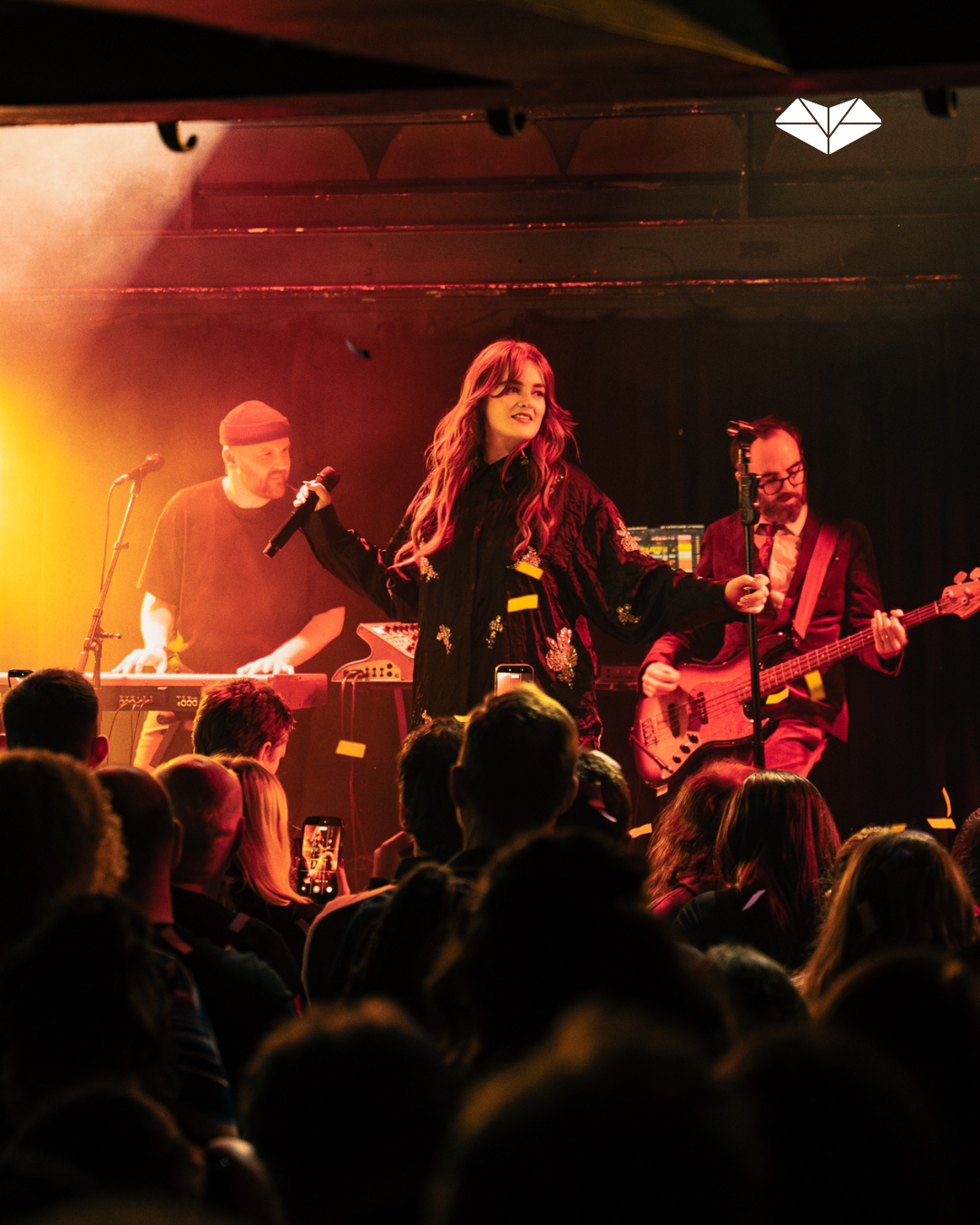
I feel that raw, vulnerable expression is something hip-hop truly embodies, and I always want to apply that to what I create. There was a time in hip-hop when much of the focus was on materialistic or shallow themes, and not everyone can relate to that. I hope hip-hop continues to open up to real stories and genuine perspectives on life, ones that fans can truly connect with.

Working with artists like Drake, Future, and RZA puts you in some of the most competitive creative spaces in hip-hop. What are some of the top lessons you’ve learned?

Oh man, first and foremost, be yourself. Stick to the vision you have until you get your point across. These guys created molds that didn’t exist and that’s the wave I’m on. I try my best to bring my authentic self to the forefront every time I turn on my equipment.

Being one of the few women in hip-hop recording rooms, how have you navigated those dynamics and built confidence in your own sound and decisions?

Sometimes it’s hard, at the beginning, it was even harder, but I think being down to earth and showing my expertise has always helped people feel at ease when working with me, whether they’re men or women. Times have definitely changed over the years, and it’s funny because now, it’s often the men asking the women in the room if what they’re saying connects with them, since they’re creating for us, you know? Lol. I give them the edge they might be missing when it’s needed on a song.

You’re self-taught and spend weeks mastering gear and engineering techniques on your own. What would you say to young producers who feel overwhelmed by the technical side of music creation?

I say take it day by day and try to learn something new every day. Technology and techniques are expanding every year, especially with the rise of AI. It’s important to know the basics and master your own sound and craft, but there are now so many more platforms and people to learn from.

What's one piece of advice you wish someone had given you when you began?

Trust your gut!!! Especially in the beginning. When I started professionally around the age of 11, I had a lot of people in my ear, which is understandable, but there were times I knew what I wanted and got talked out of it, only to see a bigger artist do the same thing months later and have those same people call it amazing. I eventually learned the lesson, but it took a lot of growing pains to get there.

How important is it for artists today to understand production and engineering, even if they don’t plan to do it themselves?

I think it’s important for artists to have an understanding of music creation so they can clearly communicate their creative ideas to engineers or producers. When you can’t explain what you want, it takes so much longer to get there. Knowing the names of different effects or BPMs, or having references and influences ready, makes it easier for both parties to reach the final result smoothly.

3 things you can’t live without in your bag. 

My Fenty lip gloss, hand lotion, and mini Gucci perfumes are always in my bag.


Follow The BLK LT$ on Instagram | YouTube

12B Streams, Co-Writing for Britney and One Direction: GRAMMY-Nominated Hitmaker RuthAnne Unveils "The Moment" and her First Book

Dublin-born songwriter, artist, mother, and now author, RuthAnne has spent two decades shaping the sound of modern pop. At 17, she penned JoJo’s Too Little, Too Late, a Top 5 US and UK hit that launched her into the global songwriting spotlight. Since then, she has written era-defining tracks for Britney Spears (Work Bitch), One Direction (No Control, Where Do Broken Hearts Go), Martin Garrix and Bebe Rexha (In The Name of Love, 1.5B streams), and many more.

As an artist, RuthAnne’s debut single The Vow (2018) has become a modern classic, hitting No.1 in Ireland, entering the UK Top 40, and soundtracking weddings and celebrations worldwide. In 2025, she returns with her second album The Moment—a deeply personal record exploring love, loss, motherhood, resilience, and womanhood. Its lead single, The Way I’m Wired, tackles her lived experience with endometriosis, a cause she also champions as an ambassador for Endometriosis Ireland and through her schools project, Endo&ME.

This year also sees RuthAnne publish her first book, It’s Not Just a Song, a candid guide for young artists navigating the music industry. Balancing life as a mother of two with her work as a hitmaker and advocate, RuthAnne continues to create music and stories rooted in truth, connection, and the human condition.

You’ve been writing hits since you were 17. Looking back, what do you know now about songwriting that you wish you’d known then?

I think the main thing I wish I’d known back then was how important the dynamic of the writing room is. It can really make or break the song on any given day, and learning how to navigate those dynamics is key.

You’re a singer, songwriter, author, advocate, and mother of two. What advice would you give to creatives trying to juggle multiple roles without losing their artistic core?

My biggest advice would be to trust the process and stay true to yourself. Don’t  compare yourself to others. Lean into your passions, focus on your own journey, and trust that process. Take one thing at a time, one day at a time, and it’ll all work out in the end if you put the work in  

Your book It’s Not Just a Song includes conversations with writers like Amy Allen, Emily Warren, and Dan Wilson. What are the biggest common threads you noticed in how great songwriters approach their craft?

I guess the biggest common thread through interviewing the biggest songwriters was understanding that the best songs usually come from the conversations in the room that day. They stem from the real things that the creatives are experiencing. The key is to embrace that, to talk, to hang out, then the song will come. 

What’s one lesson about the music business you feel every emerging artist should learn early, even if it’s tough to hear?

That it’s a game. Those who know how to play the game smartly usually are the most successful. At the end of the day, it’s a business, and that can be hard for creatives because we make art. Art and business don’t mix well, so it’s learning how to navigate that and thrive in it. And remembering, talent alone is not enough. You need determination, a great work ethic, and to be able to play the game.

With over 12 billion streams across your catalogue, what do you think separates songs that quietly come and go from those that travel the world and keep resurfacing, like The Vow?

I think it’s anything that has a universal sentiment. Songs that have that will always resurface and have impact. With ‘The Vow’, the lyrics have an emotional impact for a lot of different types of love - love between couples, between parent and child, or between best friends. It makes people feel something they’ll always remember. If a song is empty, it won’t last. The songs that last are the ones that mean a lot to people, people will carry those songs with them throughout their lives.

Mentorship is a strong theme in your work. For artists who don’t yet have access to mentors, what practical ways can they create their own “support system”?
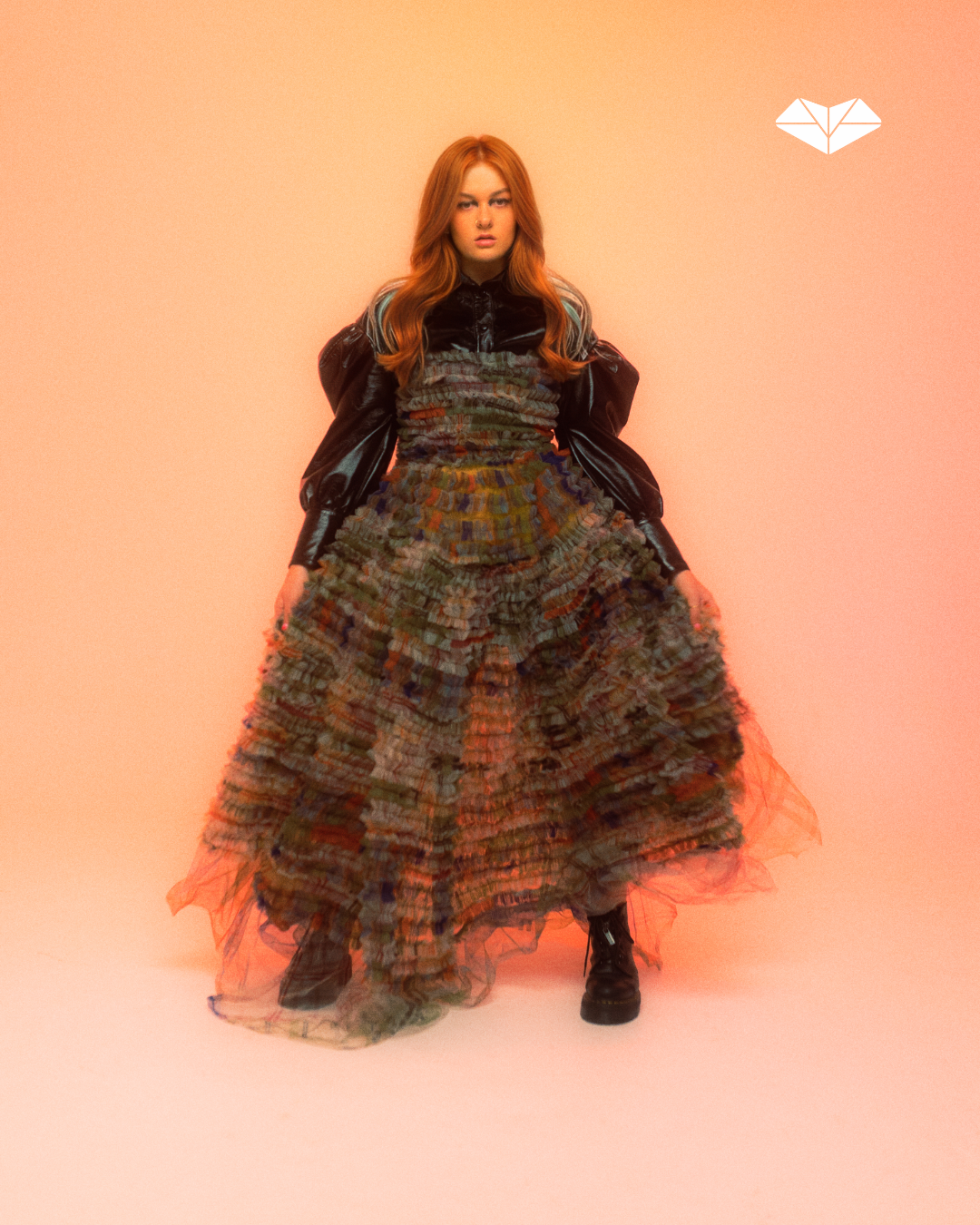
I think being a part of the music community. Get yourself and your music out there. Create that support system around you and really be a part of the community in whatever way you can. It’s going to open mic nights, finding collaborators, going to music events, joining the music societies that have panels, talks, and resources.   

Your upcoming album The Moment was written in the most personal corners of daily life: breastfeeding, commuting, acupuncture tables. How did writing in those “in-between moments” change the way you see creativity?

Writing the album this way reminded me that you truly can write, be inspired, and create anywhere. You don’t need big budgets or fancy recording studios, you can literally write anywhere at any time. It brought me back to being a teenager in my bedroom, just writing because it was my passion.

You’ve written across so many genres for other artists. How do you decide what’s a “RuthAnne song” versus one you’d give away?

It used to be hard deciphering what song is for me versus what songs to give away because in my earlier years I was still figuring myself out as an artist. But now it’s very clear. When I go in with an artist, I’m writing for their project and helping them tell their stories, and I love doing that. Then I write a lot of my own songs either alone or with producers where the lyrics and melodies are very much my story. The time I spend on my records is intentional, focused time where I’m writing for myself, so it’s easy to separate the two. I get creative fulfillment doing both. One can’t really exist without the other.


New Album THE MOMENT Out October 10

Debut Book It’s Not Just a Song & Book Playlist

Kerry O’Brien on Founding YUAF and Building a Fairer Music Industry

Photo credit - Elizabeth Lenthall

Kerry O’Brien, BEM, FRSA - artistically known as Indigo Reign - is a visionary creative, changemaker and founder of the Young Urban Arts Foundation (YUAF), an award-winning UK charity that empowers young people through music, creativity, and outreach. Her flagship double-decker studio bus brings access to communities with little or no connection to the arts, acting as a lifeline at a time when youth clubs continue to close across the UK.

An influential figure in the UK’s underground music scene and a multi-award-winning artist, Kerry was also one of the first prominent female MCs under the name Lady MC.

Kerry helped carve space for women in jungle before evolving into Indigo Reign, a project that channels lived experience into lyrical truth while bridging culture, healing, and grassroots empowerment. Alongside YUAF, she has released music on major labels and hosts her own show on Rinse FM.

Through both her artistry and her activism, Kerry O’Brien has built a platform that confronts inequality, exclusion, and mental health stigma head-on, proving that creativity is not just an outlet, but a force for revolution.

What pushed you to move from pursuing your own career to founding YUAF back in 2009?

The truth is, I didn’t plan to start a charity, I kind of fell into it. As one of the few female MCs in jungle, I became a role model without realising it. MC Angel guided me into delivering workshops in schools, and little did I know it was my true calling.

Music had always been my lifeline, it gave me the feelings I never had at home or in school. When I saw myself reflected in the kids we worked with, it set me on my own healing journey. Honestly, for the first five years I didn’t fully see it, I was at the peak of my career and sometimes resented the sacrifice. But when your calling is your calling, you have no choice but to follow it.

Looking back, YUAF saved me as much as it’s saved others. And now, I’m balancing both, I’ve had major label releases this year, I host my own show on Rinse FM, and Im getting ready for a string of East African shows in the winter months.

With so many youth clubs closed, the YUAF bus has become a lifeline. What’s the biggest lesson you’ve learned from taking creative spaces directly into communities?

That creativity saves lives. The bus isn’t just a studio on wheels, it’s a sanctuary. I’ve seen young people step on with anger, pain, or no sense of direction, and within an hour they’re smiling, writing bars, producing beats, and most importantly, being seen.

What I didn’t expect was how much I’d see myself in them. Their stories mirrored mine, growing up feeling different, misunderstood. I thought I was building this for them, but it was also healing me. The bus showed me that talent is everywhere, but opportunity isn’t. When you take the space to them, they flourish.

And honestly, they’ve taught me as much as I’ve taught them, resilience, patience, and the importance of staying connected to your truth.

You began your career in music as Indigo Reign, formerly Lady MC. How did those early experiences shape the way you navigate the industry today?

My start as Lady MC taught me resilience. I was stepping into a male-dominated jungle scene, often the only woman in the room, and I had to fight to be heard. Those years gave me thick skin, but they also gave me purpose,  if I could carve space for myself, I could open doors for others.

Indigo Reign is the evolution of that. It’s not just about proving myself anymore, it’s about owning my craft, protecting my energy, and showing others, especially women and people of colour,  that they can take up space unapologetically.

Networking can feel intimidating for young people. What’s your best advice for building real, lasting relationships in this industry?

Networking was never scary for me, being on stage from a young age gave me confidence to hold my space. But I know for others it can feel intimidating. What I’ve learned is that real relationships aren’t built on business cards, they’re built on energy and authenticity.

Don’t think, *what can I get?* Think, *what can I bring?* Sometimes it’s ideas, sometimes it’s support, sometimes it’s just good energy. That’s what people remember. And for women, especially in industries that test us, the most powerful thing you can do is show up as yourself with confidence and integrity.

You’ve worked with everyone from grassroots community groups to major artists. What qualities do you think make people stand out and get noticed?

Consistency, integrity, and self-belief. Talent gets you in the room, but character keeps you there.

I’ll be real, in my younger years I was rebellious, and it didn’t always serve me. Substances, late nights, pushing limits, it might feel like connection in the moment, but it doesn’t build respect. I wish I’d had a mentor to guide me through that, because being professional, looking after yourself, and knowing how to carry yourself is just as important as the art.

Once I became more conscious, I saw how much that changed how people experienced me and my music. That’s why I put so much into mentoring now, because when you pair talent with discipline and self-awareness, that’s when you truly stand out.

You meet a lot of young people with raw talent. What’s the first step you encourage them to take if they want to turn that spark into a career?

Raw talent is a spark, but to turn it into a career you need discipline and self-awareness. When I started as Lady MC, I thought hype alone would carry me. But without structure, you burn out fast.

The first step is knowing who you are and why you’re doing it,  your ‘why’ carries you through the tough times. Then it’s about consistency: practising, learning, showing up even when no one’s watching. Talent opens the door, but professionalism and character keep you in the room.

I always tell them,  discipline doesn’t kill your creativity, it protects it.

For someone starting out now, what’s the most realistic way to break into music or the creative industries without traditional connections?

When I was starting out as Lady MC, I didn’t really know anyone,. I didn’t come from the industry, so I built my own lane. I put myself out there on pirate radio, I kept showing up at raves, and eventually people couldn’t ignore me.

The blessing for this generation is you don’t need permission anymore. You can build your own audience on TikTok, YouTube, SoundCloud,  whatever feels authentic. The key is consistency and showing up as yourself. Talent gets attention, but community and authenticity create longevity.

If you could give one piece of advice to your younger self about entering the music industry, what would it be?

I’d tell my younger self: *trust your worth and protect your energy.* Back then, I was so focused on proving myself in a male-dominated scene that I ignored my intuition and let other people’s opinions weigh heavier than my own.

I’d remind her that her difference was her power. She didn’t need to fit in, her story and her voice were already enough. I’d tell her to pace herself, to care for her wellbeing as much as she cared for the music, because balance is what brings longevity.

And I’d tell her to never be afraid to ask for help. Mentorship and community are everything. You don’t have to carry it all alone.

Looking ahead, what kind of industry do you hope the next generation of young creatives will inherit, and how do we start building it now?

I want the next generation to inherit an industry that truly reflects the world we live in, diverse, fair, and full of opportunity for everyone, not just a chosen few. An industry where women and people of colour don’t have to fight twice as hard to be heard, where authenticity is valued more than numbers, and where creativity is nurtured instead of exploited.

To build that, we have to invest in grassroots talent and create spaces where young people can experiment, fail, and grow without fear. We need mentors who pass down not just skills but wisdom about how to thrive without losing yourself.

The YUAF bus is one glimpse of that future,  taking creativity straight to communities that are often overlooked, and showing young people their voices matter.

My hope is that in the years ahead, young creatives aren’t trying to squeeze into an industry built on old rules that they’re building a new one. Inclusive, sustainable, and rooted in community. That’s the legacy I want to help create


Connect with Kerry O’Brien

Instagram & LinkedIn | YUAF Website

Volumo CMO Julia Afanasieva on Building a Fairer Digital Music Store for Artists

Julia Afanasieva has spent more than a decade shaping digital marketing strategies that cut through the noise, leading global campaigns, managing major budgets, and building teams that deliver results. Today, she’s bringing that playbook to electronic music as Chief Marketing Officer of Volumo, the independent digital store positioning itself as a fairer alternative to Beatport and Traxsource.

Launched in 2022, Volumo puts artists in control of pricing and presentation while offering DJs a curated catalog free of clutter and pay-to-play bias. Under Julia’s watch, the platform has quickly gained traction with both underground talent and established names.

How did your career in marketing and the music industry lead you to your current role at Volumo?

My career has always been about building and scaling digital projects in competitive industries. Over the years I’ve developed a strong mix of data-driven marketing, product thinking, and creative execution. When Volumo came along, it felt like a natural fit: here was a platform that combined culture with technology. What excited me was the chance to use my experience to help shape a fairer, more innovative space for DJs, artists, and labels.

What’s a day in your life like as CMO of Volumo?

Every day is different, but the focus is always the same: growth. I start by diving into analytics campaigns, funnels, conversions  and then shift into strategy: testing new creatives, exploring audiences, and refining positioning. It’s a constant cycle of experimenting, learning, and scaling what works. The fast pace keeps things exciting, because every day we take Volumo one step further in redefining how DJs and artists connect with their audience.

What inspired the creation of Volumo, and which gap in the market were you aiming to address?

It all started when two of the co-founders, both professional DJs. They realized that no single music store could meet everyone’s needs, and there was room for different approaches to finding and purchasing music. Around the same time, they began producing their own tracks and noticed that the industry’s push toward streaming didn’t work well for every artist. Eventually, a third co-founder, the tech guy, joined the team, and that’s when the idea for Volumo truly began to take shape.

In some sense, Volumo was born from a simple question: What if there was a place that treated music not as a product to push, but as something to be genuinely discovered? Most platforms just throw the same popular stuff at you. We thought: what if there was a place where you could actually find music on your own, not what’s being pushed, not what everyone else is listening to, but tracks that really speak to you?

How does Volumo support emerging artists differently from other platforms?

Volumo gives emerging artists both visibility and fair economics. Artists keep 75% of every sale, set their own prices, and aren’t buried under paid placements or algorithmic bias. Our curation team highlights music for its quality, not its marketing budget, while features like DJ Charts let tastemakers push fresh tracks into the spotlight. And because Volumo is download-first, every sale gives artists meaningful income instead of fractions of a cent.

What’s the biggest challenge in building an independent music platform in a market dominated by giants like Beatport and Traxsource?

The biggest challenge is breaking through habits. DJs have been using the same platforms for years  Beatport, Traxsource, Juno Download, Volumo is now starting to join that list for some.

Competing with giants isn’t only about catalog size, it's about trust, visibility, and proving that we offer something truly different.

For us, the solution has been to stay authentic: no pay-to-play visibility, no inflated hype, just a platform that genuinely helps DJs discover music and helps artists get paid fairly. It’s harder to grow this way, but it builds a stronger foundation. Every time a DJ finds a hidden gem on Volumo or an artist sees real income from a track, it confirms that we’re moving in the right direction.

How do you see the role of independent music stores evolving over the next five years?

I believe independent music stores will become even more important as counterbalance to the dominance of a few global platforms. DJs and artists are increasingly looking for authenticity, fair economics, and spaces where discovery isn’t driven by algorithms or advertising budgets.

Over the next five years, independent stores will thrive by focusing on depth rather than scale: curated catalogs, niche genres, and communities that feel personal rather than mass-market. They’ll act as cultural hubs where underground scenes can grow and where artists don’t have to compete with corporate marketing spend to be heard.

For Volumo, that’s exactly the path we’re on: building a platform that puts fairness, identity, and discovery at the center, and proving that independence can be a strength, not a limitation.

What drives you personally to keep innovating in this industry?

What drives me is the belief that platforms shape culture. If discovery is dictated only by algorithms or paid placements, the scene becomes shallow and predictable. But when you create a space where artists can be fairly rewarded and DJs can truly discover new sounds, you’re helping the culture grow in an authentic way.

For me, innovation isn’t about adding shiny features, it's about making sure technology serves creativity instead of replacing it. Every time I see an artist getting real income from their music on Volumo, or a DJ finding a track that transforms their set, it reminds me why this work matters. That’s what keeps me moving forward.

What’s your proudest moment so far?

One of the proudest moments was when Volumo was officially recognized by the Association for Electronic Music as one of the leading DJ music platforms worldwide. For an independent project, standing alongside established industry giants was proof that our vision matters.

Another highlight is the feedback we get from DJs and artists  when someone tells us they discovered tracks they couldn’t find anywhere else, or that their music finally started generating real income through Volumo. Those moments remind us why we built this platform in the first place.

What advice would you give someone who wants to launch their own platform in the music industry or work in the music/tech space? 

Start by making sure you’re solving a real problem. The music industry is full of ideas that sound exciting but don’t actually address what artists, labels, or DJs need. Talk to your audience early, test small, and move fast. The feedback loop is more valuable than a perfect plan.

Second, don’t underestimate how tough this industry is. Passion is essential, but you’ll also need resilience and the ability to measure everything you do. Build with sustainability in mind: think about how artists will benefit, how fans will engage, and how the platform will generate revenue without compromising its values.

Finally, remember that culture comes first. Technology is a tool, but if it doesn’t serve the music community authentically, it won’t last. The projects that succeed are the ones that respect both sides: innovation and the scene itself.

What have you been listening to on repeat at the moment?

Lately, I’ve been vibing to “What I Need” by Naarly, Sickluv & Thabza De Soul. Its groove, soulful chords, and emotional depth create this hypnotic energy, the kind of track that you press replay on without even realizing it.


Connect with Julia Afanasieva on Instagram | Volumo

Sisu’s Collective Approach to DJ Culture, Community, and Inclusive Dancefloors

When DJ, producer and promoter Malissa Kains first began learning to mix, it was on borrowed decks at after-parties, snatching a tune or two before being pushed aside. The experience was isolating and frustrating, and it highlighted how few spaces there were for women to practise without judgement.

Out of that gap came Sisu; a platform dedicated to supporting, educating, and showcasing women and non-binary DJs and producers. What started as an idea for peer-to-peer practice sessions has grown into a grassroots network with real impact across the UK and Europe.

Sisu now runs workshops on DJing and production, curates events that put underrepresented artists at the centre, and hosts regular radio shows that give emerging talent space to experiment. Their DJ roster spans genres and identities, reflecting a belief that the value of a community lies not in one sound but in the connections it makes possible.

At the heart of Sisu’s work is a refusal to accept the industry’s old barriers. By creating entry points for new DJs, building mentorship pathways, and holding festivals and promoters accountable, the collective has become both a launchpad for artists and a critical voice within electronic music. The focus is not only on representation but on reshaping structures, pushing for fairer opportunities, greater visibility, and long-term investment in diverse talent.

Nearly a decade on from its beginnings, Sisu has seen its members progress from their first hands-on workshop to festival stages and international bookings. But the ethos remains the same: create spaces where women and non-binary artists can take up space, experiment, and grow together.

Why did you start Sisu? What gap in the music industry were you determined to fill?

Malissa: I found learning to DJ difficult, not having my own equipment I was learning at after parties getting the chance to play one tune before someone else was swiftly wanting to play another tune.

I was always the only girl in a line of boys at the afters, not being able to smoothly mix it was dismissed and so I wanted to create a welcoming space to be able to make mistakes and just practise with no pressure.

Little Hats

Your roster spans so many sounds and identities. What’s your process for curating who joins?

Little Hats: Sisu has never been defined by one sound or aesthetic. We are eclectic and welcoming. What unites us is the eagerness to share the journey, and to lift one another up. Our community is cyclical: we take, and we give back—each at their own pace.

Since launch, many have come through our beginners’ courses, placing their hands on CDJs for the first time. The same people attend our nights, meet like-minded individuals, and see relatable role models behind the decks. Some secure their first gig, radio slot, or collaboration through the community.

Fast-forward: they invite Sisu to support them at their first major booking, or to join a night they themselves are curating. We have seen many such journeys unfold, and we curate for this mindset rather than for any particular sound.

What’s the most rewarding change you’ve seen in the scene since Sisu launched?

((( CLEOPATRA ))): Women taking up space in the DJ scene!! More workshops and people becoming students - it’s great to see a level of jamming and education behind peoples inspiration to start DJ-ing.

Holy C

What’s your best piece of advice for DJs looking to break into the industry?

Holy C: Get to know your sound and DJ style. Figuring out what makes you unique takes time, passion and patience. Enjoy every moment! Having clear goals you’d like to achieve is very helpful.

If there are dream parties I want to be playing, I’ll start curating a set specifically for this, record it and get in touch directly. When looking to break into the industry, it’s important to have a thick skin, and self-belief. Don’t be afraid to cash in a favour if it’s offered! Also, having creative headshots that represent you as a DJ is essential!

Little Hats: Begin with vision. Picture your ideal dancefloor the sound, the crowd, the energy and work towards bringing it to life. Seek out opportunities that fit that vision. Decline those that do not. Grassroots projects often provide the space to have more curatorial agency, and to steer the night into your own vision.

Adapt to the context: the slot you play, who comes before and after, who is in the room. But always find ways to let your own identity shine through. Stay true to your sound while catering to the occasion: the balance is what marks a thoughtful DJ. Find your tribe. Collaborate with those who share or complement your taste, and support each other as DJs and fans alike.

((( CLEOPATRA )))

((( CLEOPATRA ))): Start collecting music!! Create a Bandcamp account! Support and buy music when you can. Don’t be afraid to perform for yourself of one person it’s not about the crowd it’s about the story you’re telling with music!

As a small collective, how do you see your role in challenging festivals and the wider industry to be more accountable for their partnerships and investments?

Dolça van Leeuwen: As a grassroots collective, our strength lies in community, transparency, and values-driven action. We may be small in scale, but we’re deeply connected to the people and ideas that are shaping the future of electronic music. That gives us the power to ask hard questions about who gets platformed, where funding comes from, and how inclusive spaces really are.

We see our role as both a support system for emerging talent and a critical voice that holds institutions to account. By leading with integrity in our own work; from who we collaborate with to how we structure our events — we hope to model alternatives to extractive or performative industry practices. Festivals and larger players need to recognize that true accountability goes beyond optics; it’s about long-term investment in equitable ecosystems. And we’re here to keep that conversation active and loud.

Lucine

If Sisu could make one change to the global music industry overnight, what would it be?

Lucine: A fairer redistribution of resources whether that’s fees, opportunities, or visibility.

Too often the industry is structured to favour the same few, when there’s so much incredible talent everywhere that deserves support.

Little Hats: To make mainstream what we have nurtured at grassroots level.

For years we have worked to:

  • Raise awareness of the gender gap and turn awareness into action.

  • Create entry-level opportunities for new DJs.

  • Build mentorship structures with clear pathways for growth.

  • Become a recognised focal point for promoters who want to diversify line-ups but do not know how.

  • Promote collective collaboration among marginalised groups, rather than competition—curating group line-ups, sharing opportunities, and making decisions together.

  • The effect is a more diverse and inclusive music scene, one that benefits dancers as much as DJs. (Little Hats)

  • Our aim is that these principles should no longer be confined to community movements, but should penetrate the industry at large.

Dolça van Leeuwen

What’s next for Sisu? Any projects or events you’re especially excited about? 

Dolça van Leeuwen: We’re really excited about expanding our showcase series, bringing together DJs, producers, and creatives from across the electronic music scene.

Our focus continues to be on nurturing emerging talent through hands-on skill-sharing, mentorship, and community building. We’re also working on curated events in new cities and a few collaborations we can’t wait to announce. As always, it’s about amplifying diverse perspectives and pushing the culture forward.

What is Sisu listening to on repeat right now?

Dolça van Leeuwen: Right now, Sisu is deep into a mix of hypnotic techno, breakbeat, and experimental club sounds. Artists like VTSS, Anz, and SHERELLE are on heavy rotation, anything with high energy, bold textures, and forward-thinking production.

We’re especially drawn to tracks that blur genre lines and bring fresh perspectives to the dancefloor. Whether it's a driving 4/4 rhythm or a broken beat that catches you off guard, it’s all about sounds that move both body and mind.


Sisu on Instagram | Website

Next Sisu event @ Kapsule, Liverpool - 19th Sept | Tickets

with Ellie Stokes, Malissa, Willow, Ysanne

444 Sounds’ Izzy Parrell on How to Pitch Music That Stands Out on DSPs

Izzy Parrell is the Director of Streaming & Digital Partnerships at 444 Sounds, the boutique management and label services firm founded by industry veteran Joe Aboud. She leads digital strategy across a roster that includes JORDY, ADÉLA, and Michaela Jaé, and works closely with DSPs to build long-term artist growth.

Before joining 444, Parrell spent several years at Apple Music, where she helped shape the platform’s global editorial voice through Viral and Pop playlist curation. She’s also led digital campaigns for artists including 4x GRAMMY-nominated Mickey Guyton and Elijah Blake known for blending authentic storytelling with data to deepen fan connection.

444 Sounds, whose work has been spotlighted by Billboard and Variety, continues to build a reputation for creative digital strategy and artist-first management.

How did you get your start in the music industry, and what led you to focus on streaming and digital strategy?

After graduating from university I moved to Los Angeles in early 2020 to pursue a career in the creative industries. Just two months later, the pandemic hit, and like many others, I found myself job-hunting in a time of major uncertainty. I eventually landed my first industry role through mutual connections at a digital marketing agency, working directly with artists and managers on social media and music rollout strategy. While I’d managed social accounts on the side for years, I knew I didn’t want to stay in that lane long-term. Finding a role that combined music and digital strategy felt like the perfect fit, and about a year later, that path led me to Apple Music.

What does a typical day look like for you as Director of Streaming & Digital Partnerships at 444 Sounds?

Honestly, every day looks a little different, which is what keeps it fun. My job is really about making sure our artists are getting the support they need across all the streaming platforms. That can mean anything from pitching new releases to building timelines, checking in with DSP partners, working with artists, or brainstorming digital ideas with the team.

Some days are super meeting-heavy and I have lots of calls with partners and artists. Other days I’m deep in the weeds on campaign planning, getting assets, or helping shape the narrative around a project. It’s a mix of creative problem-solving, relationship management, and making sure we’re being thoughtful about how and when we show up. I’m always bouncing between the small details and the bigger picture, and that balance is something I really enjoy! 

You’ve worked on campaigns that blend storytelling with data. What does that process look like in practice?

Storytelling is a huge part of pitching music. I spend a lot of time crafting narratives around our artists so partners can understand who they are, what drives them, and why their music matters. I think stories help break down the barrier between audiences and artists, making people’s connection to the music feel much deeper.

When I pitch, I always start with the story,  a hook that draws people in and gives context to the music. Then I look for data that supports it. That might be streaming numbers showing growth, fan engagement in certain territories, or insights about specific listener groups in different places. Using data this way makes the story feel real and shows that there are people and fans behind the music. The story brings the music to life, and the data shows that the timing is right.

How can independent artists build strong relationships with streaming platforms without a major label behind them?

I think being authentic is one of the most important things when you’re trying to build relationships with streaming platforms. Without a major label backing you, you don’t have all those big resources, so what really makes you stand out is just being real about your music, your story, and your connection with your fans. I often find myself drawn to artists who have a clear sense of who they are and an energy that actually fits the music they make. That kind of authenticity just sticks with you.

What are some common mistakes you see artists or teams make when pitching to DSPs or playlist editors?

Having worked on both sides of the industry, I’ve come to really appreciate how important the little details are when pitching to DSPs. Editors get SO much music every day. It’s a full time job just to sift through it all. Anything you can do to make your song accessible and quick to listen to goes a long way.

They’re often listening to hundreds of songs, so making sure your pitch has clear info, simple listening links, and any useful data can really make the difference between your track getting noticed or getting lost in the shuffle. 

3 Values that guide your life

Connection, Compassion, and Authenticity :)


Connect with Izzy Parrell on LinkedIn | 444 Sounds Website