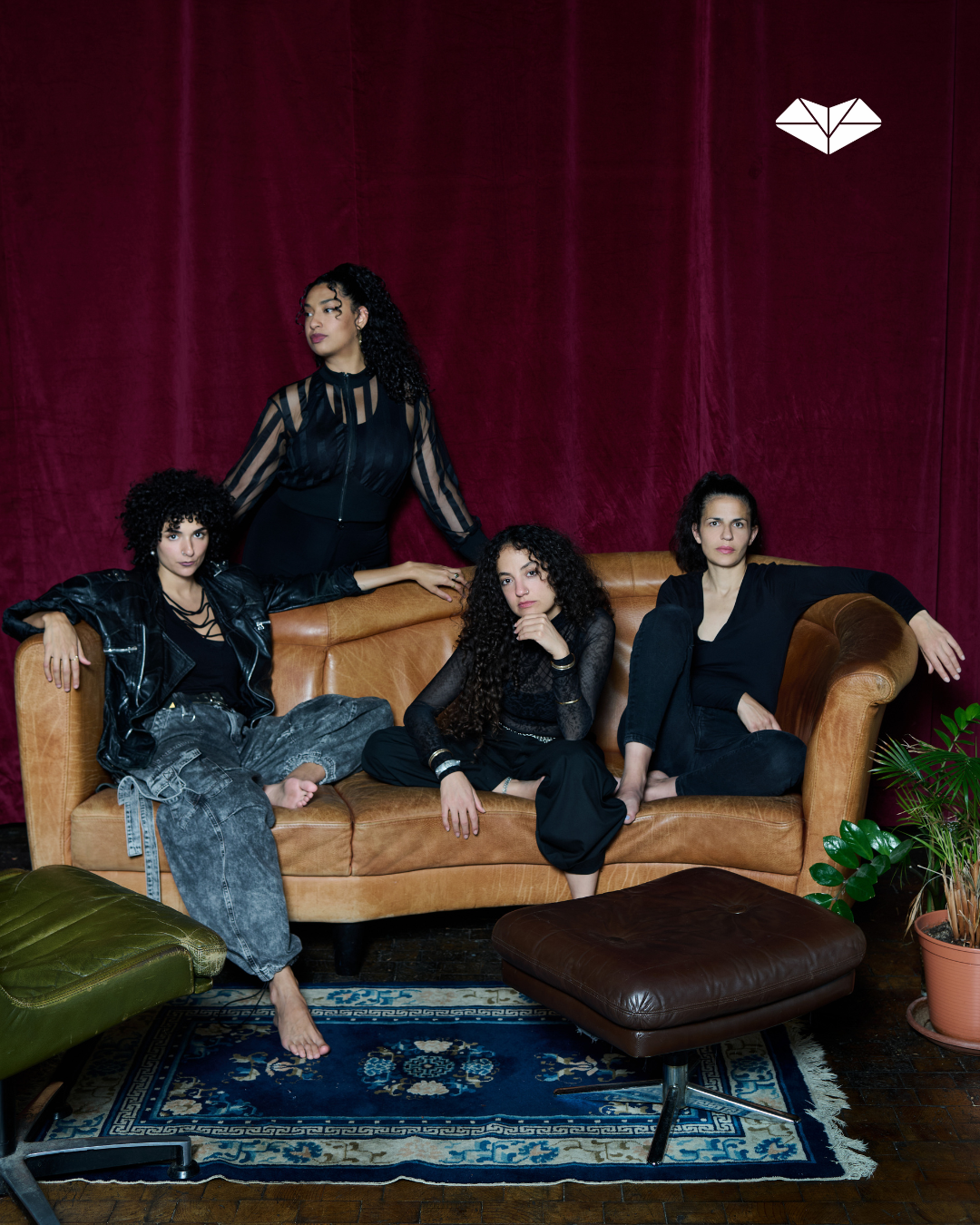
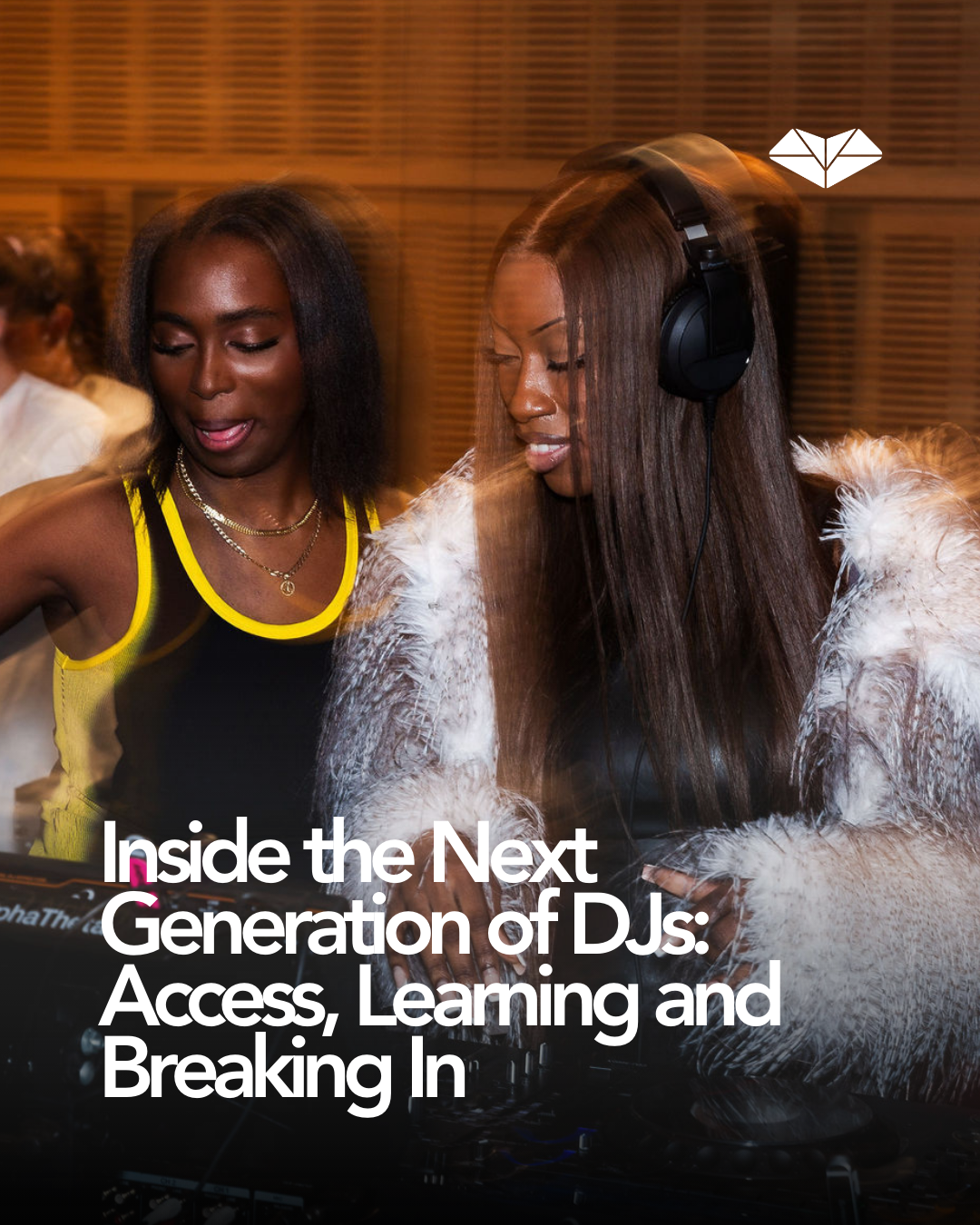
Inside the Next Generation of DJs: Access, Learning and Breaking In with with Amy Francesca and Charisse C

Credit: Leanne Dixon

In a culture that still often presents DJing as open and accessible, the reality for many emerging artists tells a different story. Access to equipment, music libraries, networks, and physical space continues to shape who gets to participate and who progresses.

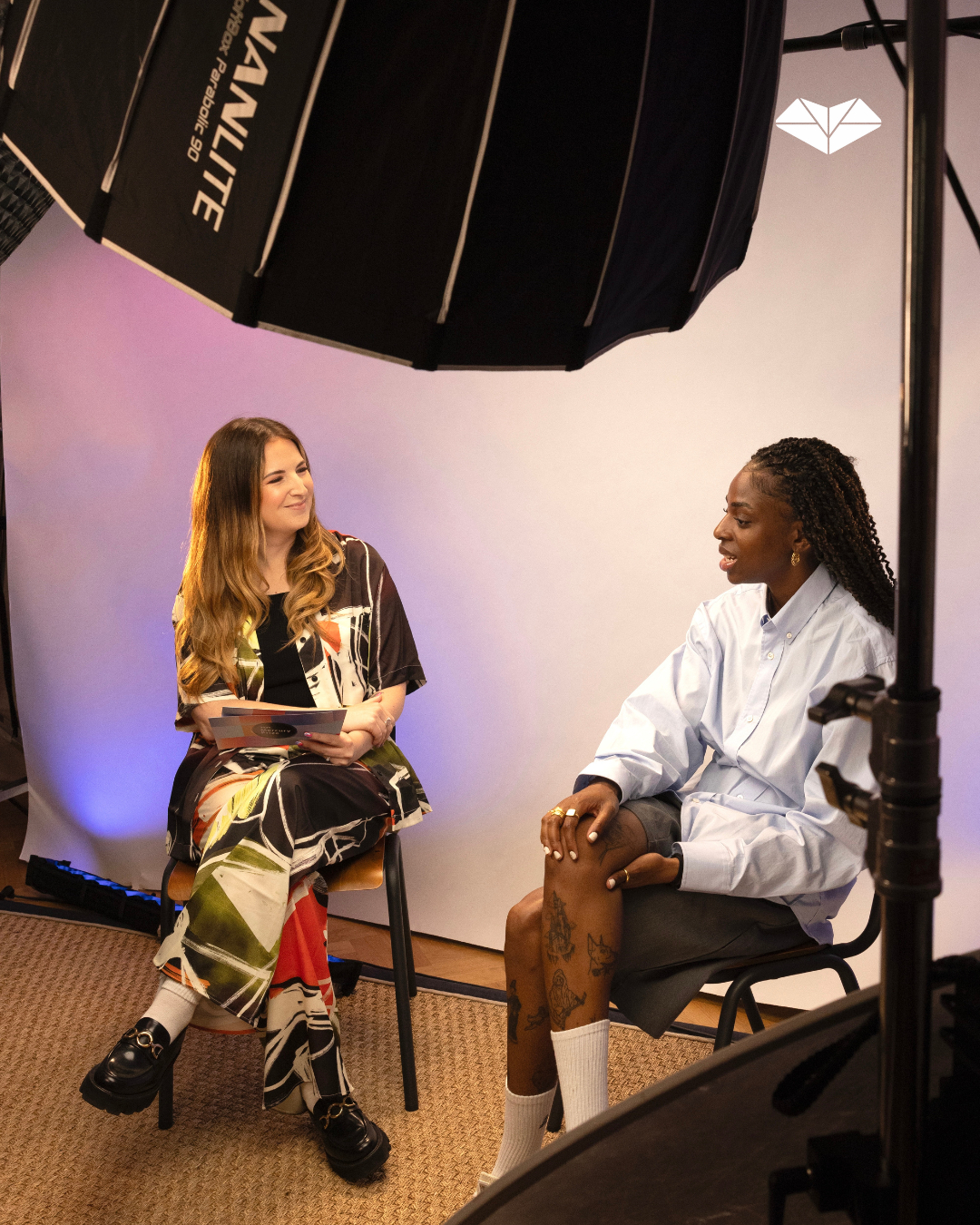
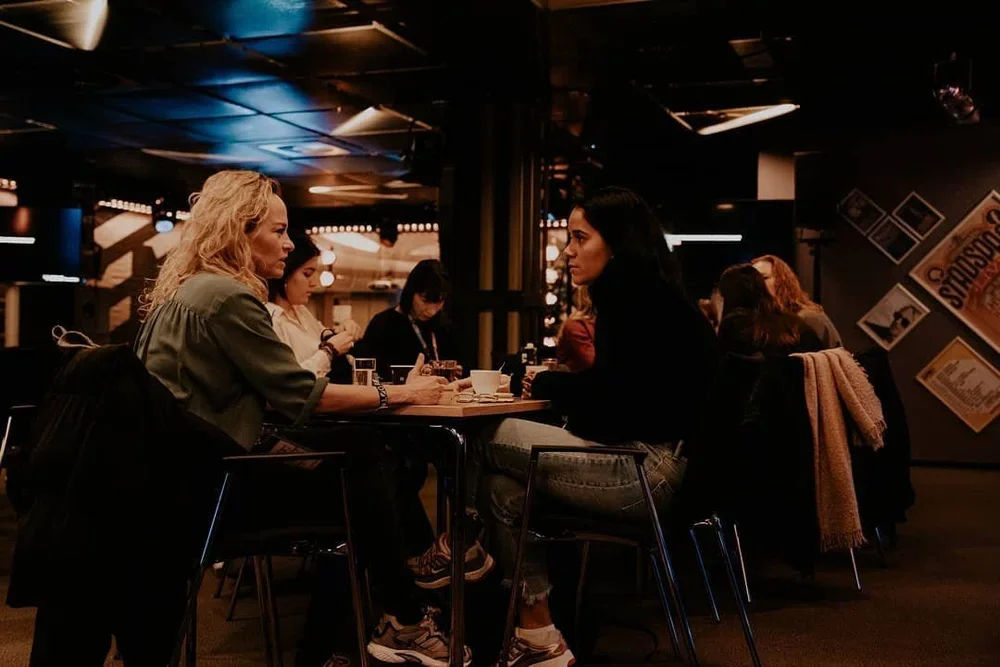
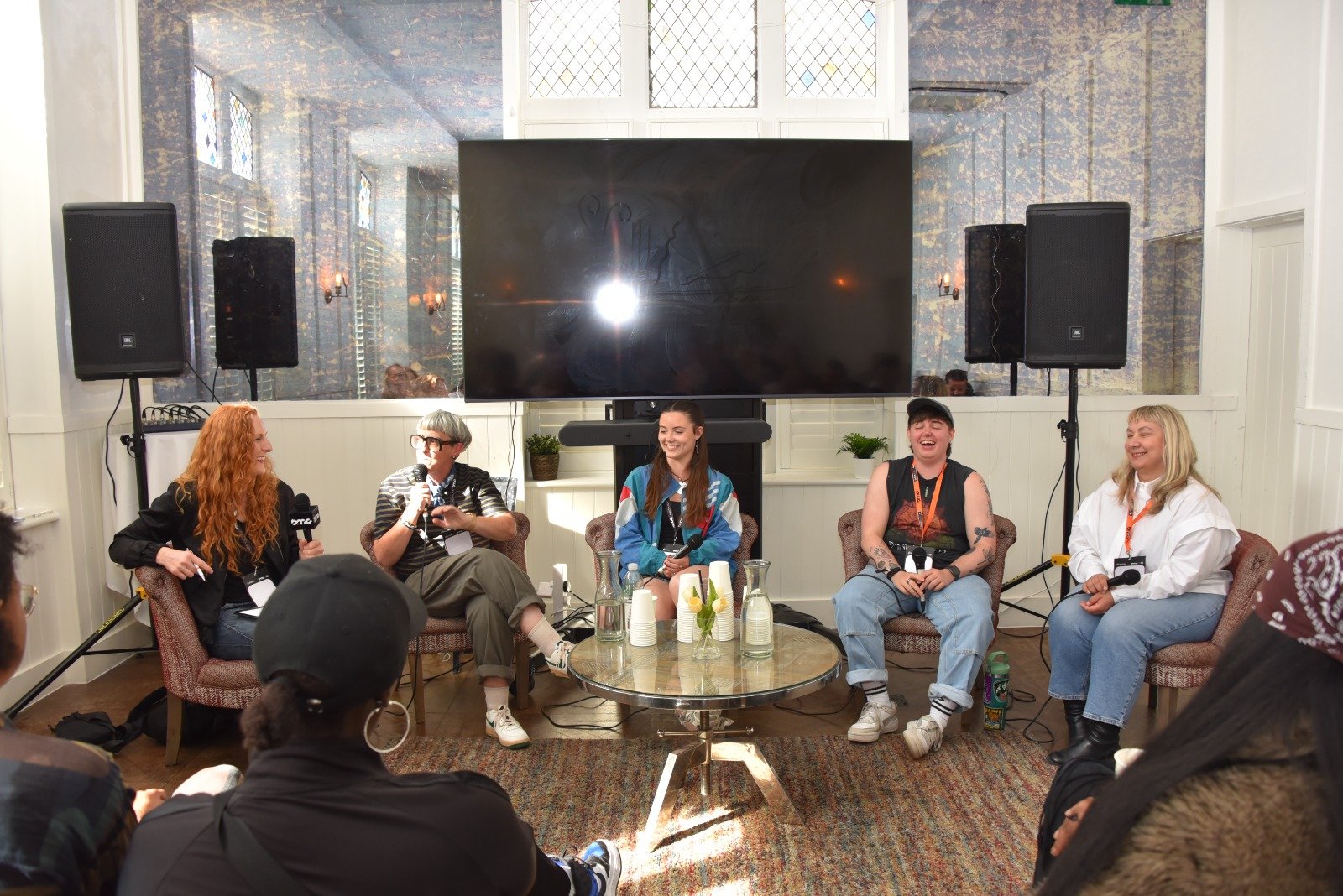
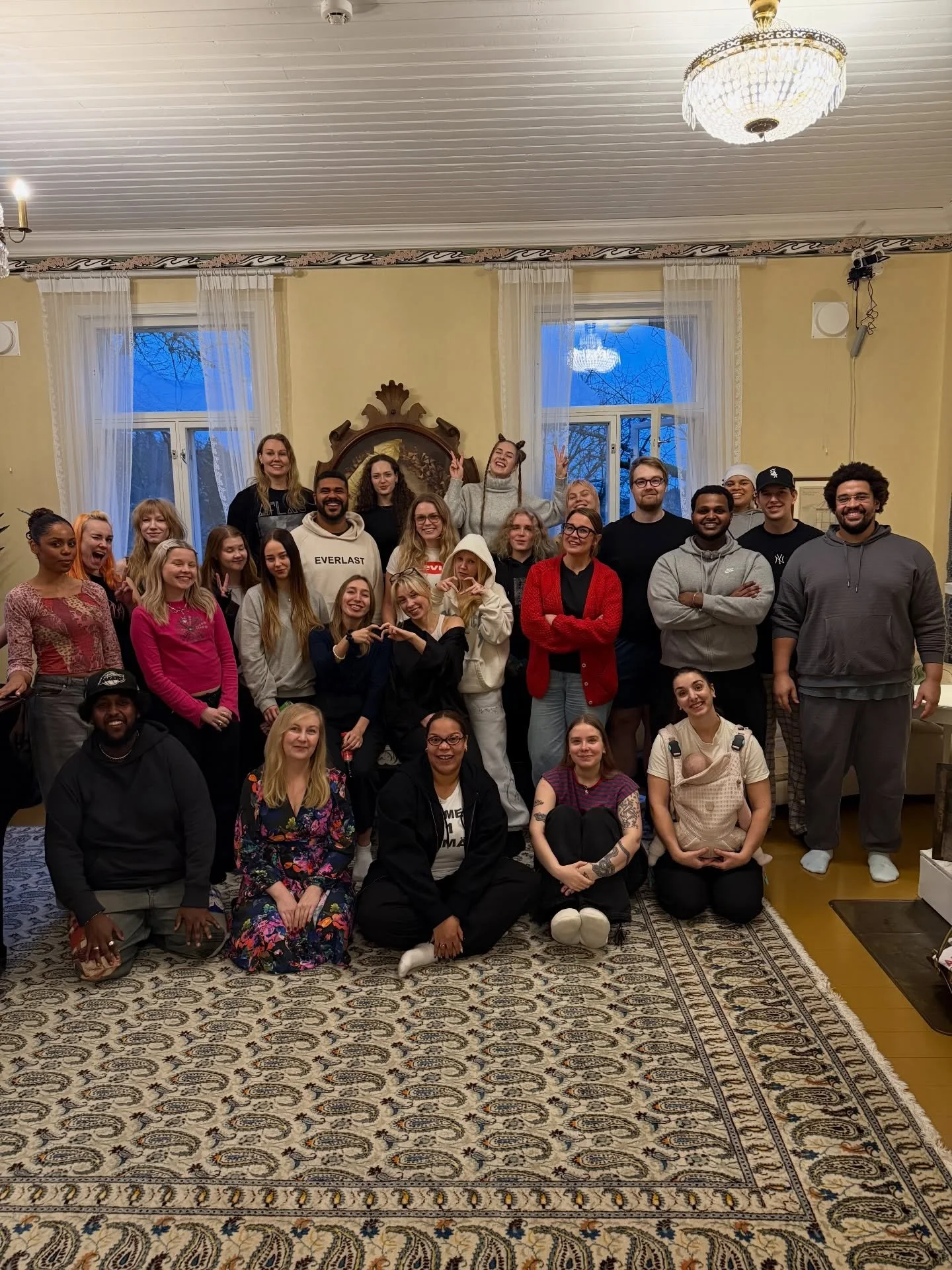
Set against this backdrop, Foundation FM delivered a hands-on DJ workshop in London in partnership with Apple Music, Platoon, and AlphaTheta bringing together emerging women and non-binary DJs inside a professional studio environment to learn, experiment, and connect.

Founded to challenge the structural barriers that shape access to the industry, Foundation FM has built a reputation as one of London’s most important platforms for emerging DJs, offering not just airtime but long-term support, community, and infrastructure for underrepresented talent.

The workshop opened up wider conversations around what it actually takes to build a career today; from developing a sound and navigating bookings, to understanding the role of community, mentorship, and infrastructure.

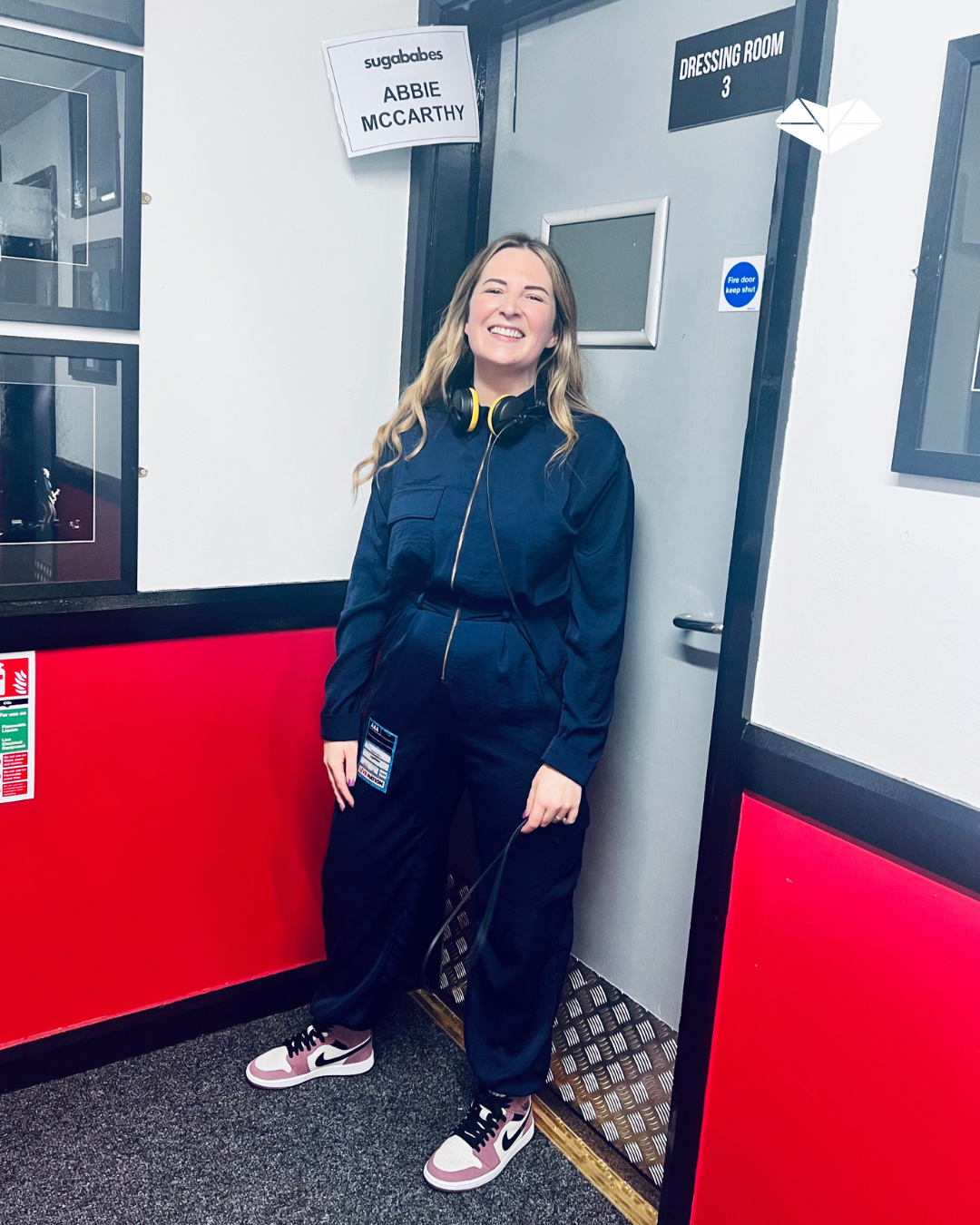
In this Q&A, AlphaTheta’s Amy Francesca and DJ, producer and Platoon artist Charisse C reflect on the session; from the importance of hands-on learning and the barriers new DJs still face, to how technology, community platforms, and shared spaces can reshape access for the next generation.

Foundation FM has built a reputation as a platform for emerging DJs. Why are community spaces and radio stations still such an important entry point for new talent?

AF (Amy Francesca): Radio is a really powerful space for DJs. It quietly motivates them to experiment, showcase their sound, and put in their practice hours. You also meet a lot of like minded people through radio. It becomes a space where you can be seen, share ideas, and grow your confidence. Many radio stations also have a full club setup available, which means DJs can practice on professional equipment that they might not otherwise have access to. 

CC (Charisse C): It was amazing to see how diverse each participant was in taste and perspective; it truly speaks to the incredible work Foundation FM has done in cultivating a roster of incredible women DJs from all walks of life. Community radio will always be an important stepping stone for new talent to quite literally find community, start building an audience, and curate an archive of mixes that showcase their talent.
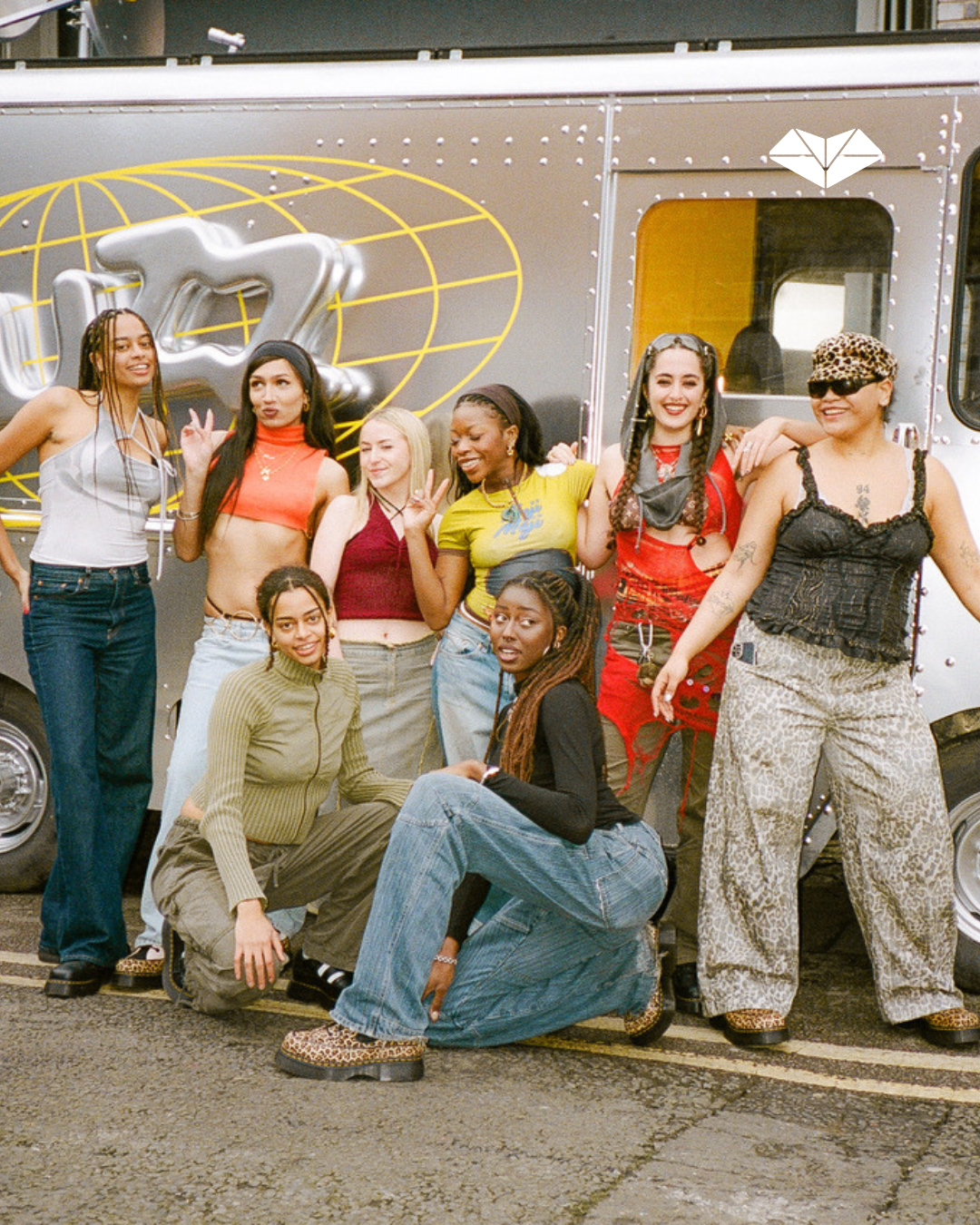
Foundation FM

What kinds of questions or challenges did participants raise during the session about entering the DJ world today?

AF: A few people asked about becoming more confident and knowledgeable when using DJ decks. There were also questions about how to move things forward career wise, such as connecting with management or booking agents.

What I found interesting was that the Foundation FM DJs were already very comfortable with their sound and the music they play. The questions were more about what the next step looks like and how they can build on what they’ve already started. 

CC: A lot of the questions were around how to establish their own sound, narrative, and identity, acquiring new bookings, and building relationships with bookers and promoters. The business side of DJing came up a lot; understanding the role of a manager and or an agent, and knowing the right time to build a professional team.

What surprised you most about the participants during the workshop?

AF: At one point we spontaneously did a back-to-back where everyone mixed three songs from a shared Apple Music playlist. It became a moment where everyone could showcase their taste in music, but what surprised me the most was how many different genres came up and how naturally they blended together. It ended up being a really warm and memorable moment in the session. We honestly could’ve started our own club night. 

CC: It was amazing to see how diverse each participant was in taste and perspective; it truly speaks to the incredible work Foundation FM has done in cultivating a roster of incredible women DJs from all walks of life.

Is it important to create hands-on learning environments like this workshop for people who are starting out in DJing?

AF: In-person workshops are really important because people learn in different ways. Some people learn by seeing, some by listening, and others by actually doing something themselves. Being in the room allows all of that to happen at once. But beyond that, workshops offer something the internet can’t always provide, which is confidence and reassurance. When someone is standing next to you showing you something and encouraging you to try it yourself, it helps remove that fear of getting started. 

CC: Experience truly is the best teacher, especially with something like DJing that is a social practice. Once you get to the stage of playing for other people, learning to read rooms, and skill-sharing with other DJs, hands-on learning is the only way.

One of the themes of the workshop was access; from equipment to music libraries. From your perspective, what are the biggest practical barriers new DJs still face?

AF: I think the biggest barrier is knowledge. There are actually a lot of different DJ decks designed for different stages of learning, but many people don’t realise that. Most new DJs only see the standard club setup in studios or venues and assume that’s the only option available to them. In reality, there are more tailored setups that can make learning much easier whether you’re starting out or at the height of your career. An AlphaTheta FLX2 or FLX4 or Omnis-Duo is designed for beginners, while an AlphaTheta FLX6 or FLX10 or GRV6 suits intermediate DJs. Seasoned DJs, on the other hand, might opt for an AlphaTheta XDJ-AZ. 

CC: Space to practice is a major barrier. Pirate Studios once filled this gap but has now become quite expensive. Community radio is one of the few accessible spaces where DJs can practice with club-standard CDJs, often live in front of listeners. Living outside of London also presents a barrier, as opportunities are heavily concentrated in the capital and travel costs can be prohibitive.
How does the integration between Apple Music and rekordbox change the way new DJs can practice, experiment and build their first sets?

AF: For me it comes down to access and ease. Apple Music gives DJs access to over 100 million songs, which means they can explore a huge amount of music while learning. What’s great is that they can also use the playlists they already listen to every day and start experimenting with them straight away. It’s a really simple way for someone to bring their own taste and personality into DJing from the very beginning. 

CC: The Apple Music integration is great for DJs who don’t have a library of music and are still figuring out their sound. There is a cost commitment to buying music to build a library, which many budding DJs may not be able to afford early on. It allows for more freedom in testing out transition ideas and exploring genres outside of their norm.

For someone just starting out, what are the most important skills to develop early on, beyond simply learning how to mix? And for emerging DJs who want to start getting booked, what are some realistic first steps they should focus on?

AF: When I teach new DJs, I always start with music structure. Understanding the four count and phrasing is the real foundation of DJing, because that’s what allows you to mix songs together seamlessly. Once someone has that down, they can start developing their creativity, whether that’s using FX or learning how to read and control a crowd.
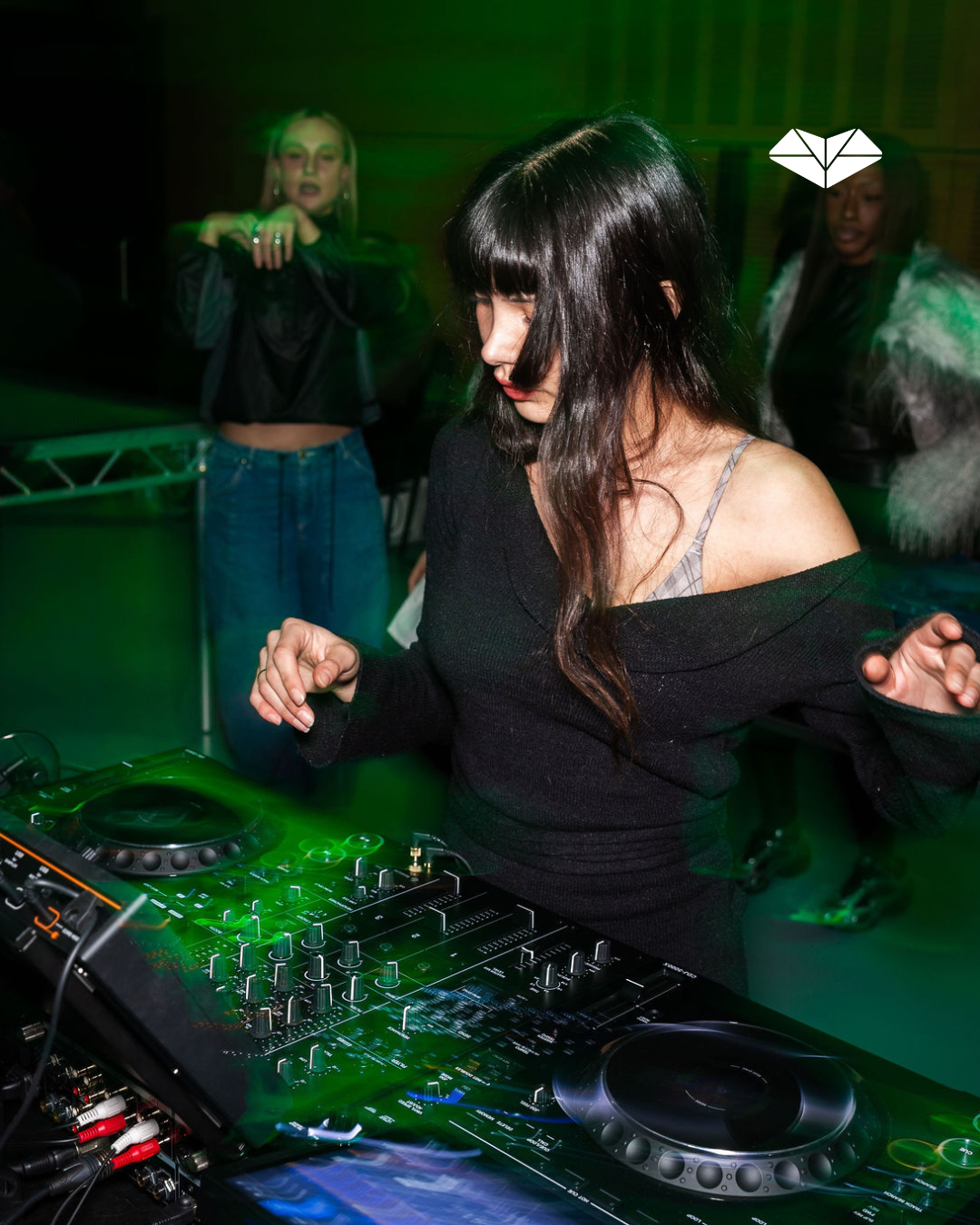
Credit: Leanne Dixon

Those things are what really help a DJ stand out within their scene. For DJs who want to start getting booked, I always suggest starting locally. Ask venues if you can play an early one hour slot or attend open deck nights. Those spaces are great for networking with promoters and collectives, and they often lead you naturally toward the communities that suit your sound. 

CC: DJ etiquette is super important, for example knowing the difference between an opening set, a headline set and a closing set. Being intentional about the types of spaces you want to play in and what your sound is helps with establishing your lane and communicating clearly with bookers.

What advice would you give to someone who wants to start DJing but feels intimidated by the technical or financial barriers?

AF: When I first started DJing, I only wanted to mix songs by women who rap, artists like Latto, Megan Thee Stallion, and Nicki Minaj. It began with something very simple that I loved. DJing is a freeing experience, if you want to start out, play what you love listening to.

Have a look around for your closest free workshop or pick up a second hand controller so you can experiment without spending too much money. Give yourself the time and space to explore and see if it’s something you truly enjoy. 


CC: Start wherever and however you can. As long as you’re doing it for the love of the music, you will find your way.
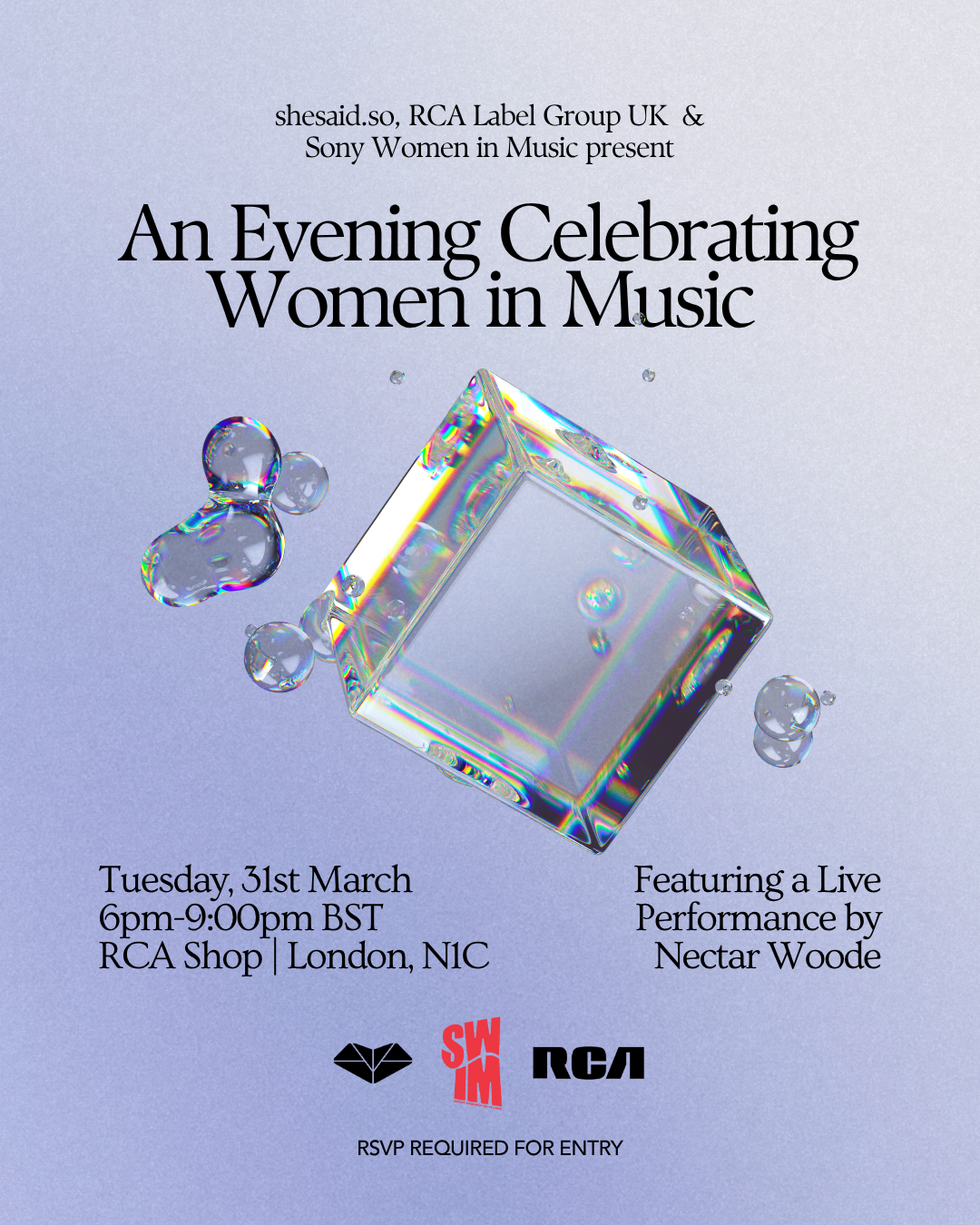
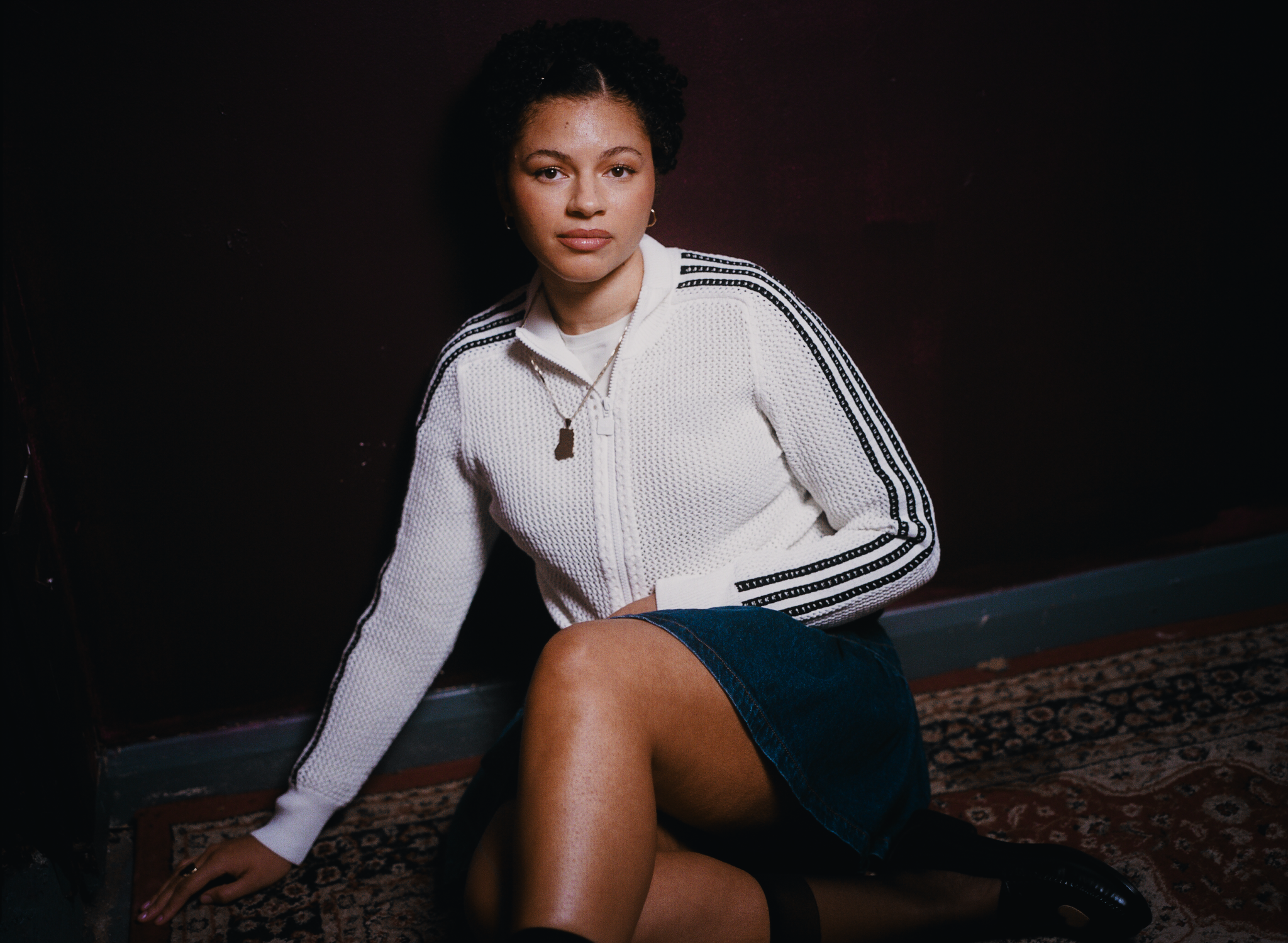
shesaid.so, RCA Label Group UK & Sony Women in Music Present: an Evening Celebrating Women in Music with Nectar Woode

shesaid.so, RCA Label Group UK & Sony Women in Music present an evening of live music, conversation and connection, celebrating women across the music industry.

The event will feature a live performance from rising British-Ghanaian artist Nectar Woode, marking the release of her new single ‘Lights Off’ and the beginning of a new chapter ahead of her upcoming European headline tour.

Marking her first release of the year, the track sets the tone for what promises to be an incredible year for the British-Ghanaian artist, who yesterday supported Olivia Dean for a special BRITs Week performance in aid of War Child.

This spring will see Nectar embark on a four-date European headline tour powered by NOTION and dollop. The tour will kick off at the notable Jazz Cafe, London, before heading to Paris, Amsterdam, and Berlin.

Alongside the performance, the evening will bring together artists and industry professionals for networking and informal exchange, creating space to connect, share experiences and build community.

This event is exclusively for shesaid.so members. Limited capacity — RSVP required via the Community Hub.


Tuesday 31 March 2026

6:00 – 9:00pm BST

Follow Nectar Woode

Instagram | TikTok | YouTube

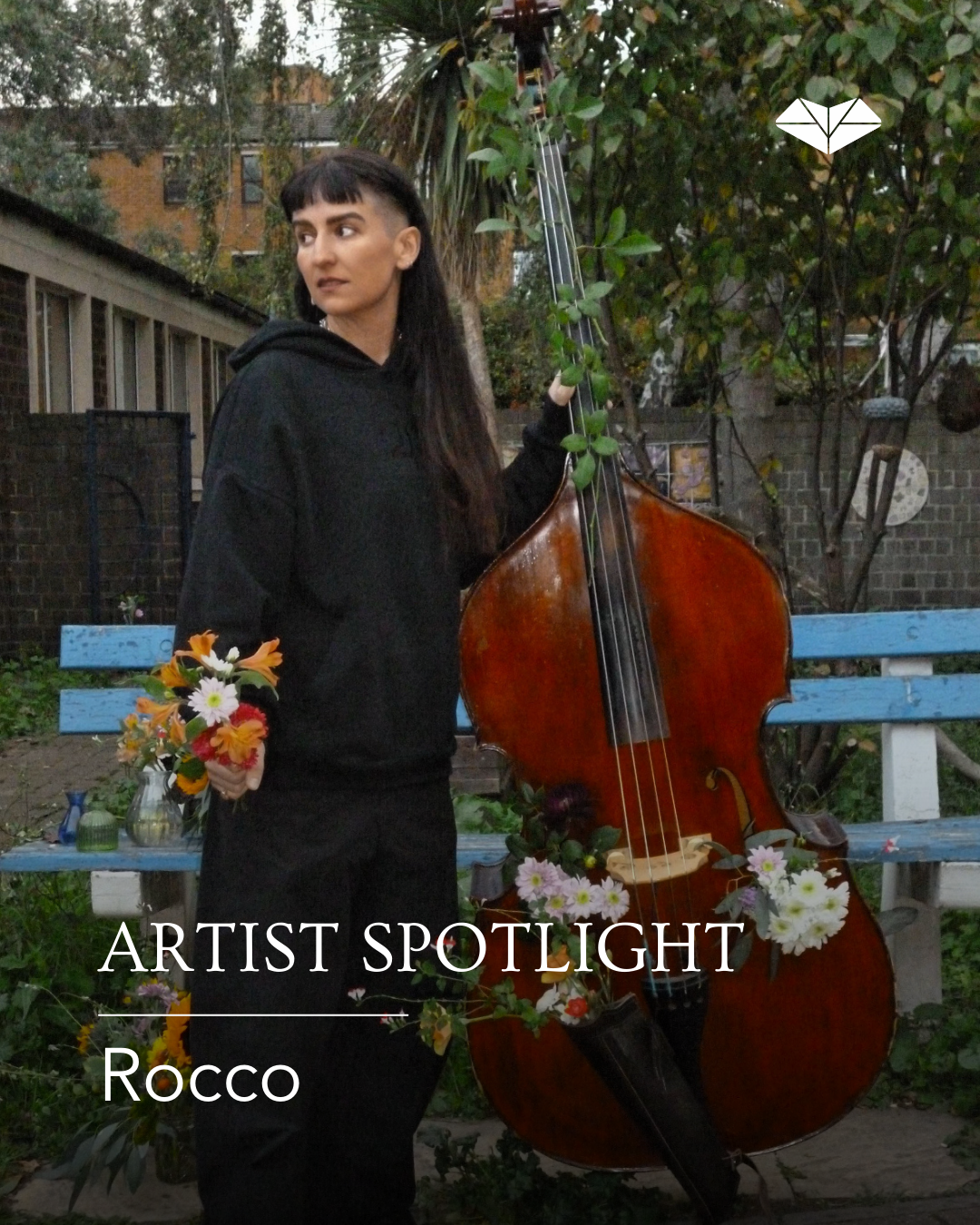
Rocco on “Surely”, Viral Momentum and Building a DIY Music Career

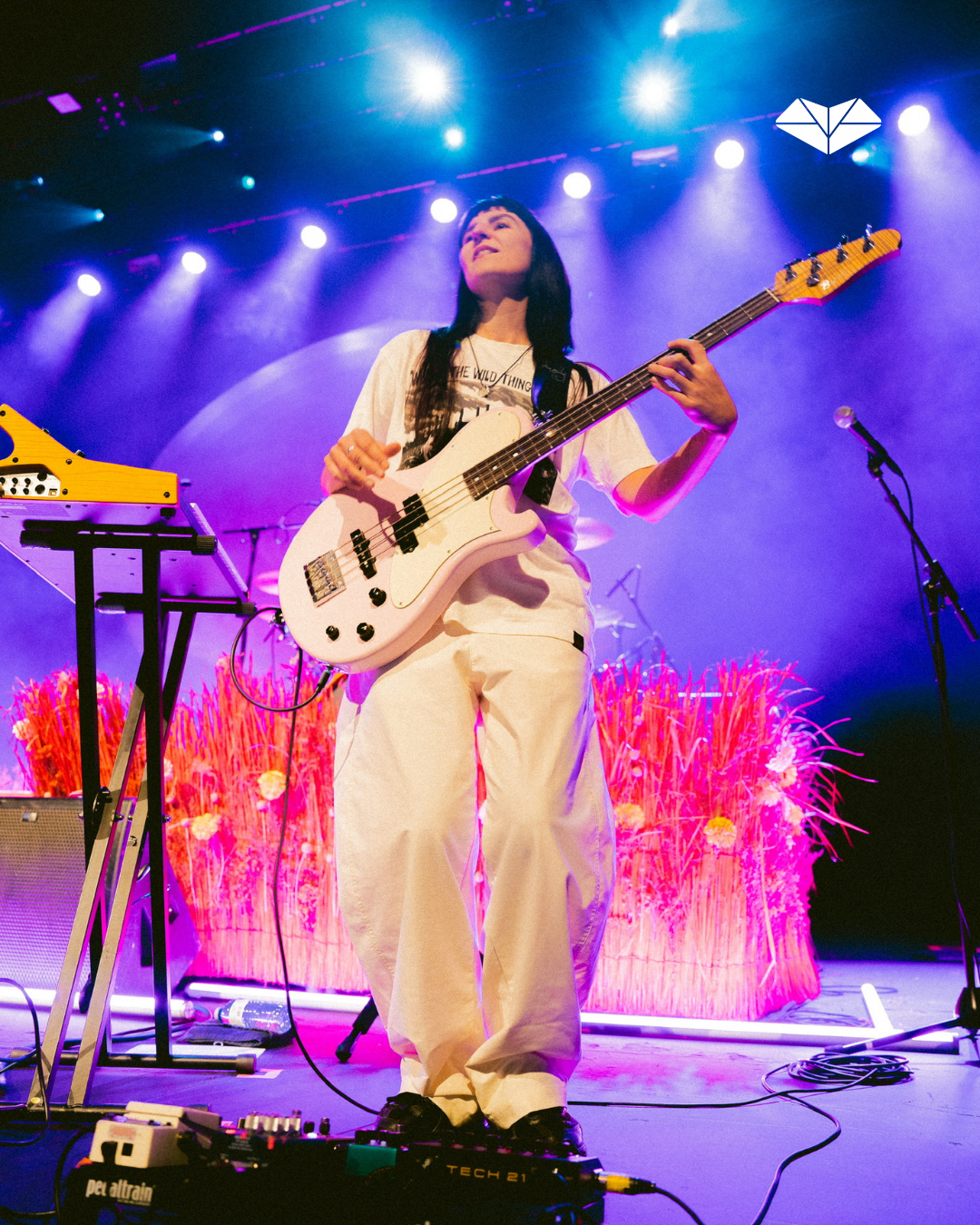
Rocco is a bassist, singer, producer and world champion beatboxer, moving between technical precision and instinct-led creativity.

After a year touring internationally with Grammy-nominated artist NAO, they step into their solo project with “Surely” — a debut that didn’t follow a traditional rollout, but grew out of a moment. A 15-second jam — layering voice, beatboxing and double bass — unexpectedly took off online, building a level of demand that shifted the direction of the release.

Rather than rushing to meet it, Rocco took their time. The track was developed slowly, in a DIY way, across a year shaped by recovery, reflection and a return to performing. Along the way, the process was shared openly, with a growing audience following in real time. What emerges is a track that feels both intimate and expansive — somewhere between indie, trip-hop and experimental soul.

Drawing on influences ranging from Radiohead and Massive Attack to Nina Simone and Charles Mingus, Rocco’s work resists easy categorisation. It’s shaped by improvisation, multi-instrumentalism and a willingness to let things unfold — even within an industry that often pushes for clarity and consistency.

Your debut single “Surely” grew out of a viral 15-second jam. What is the story behind how the track evolved from that spontaneous moment into the final release?

I actually wasn’t planning to embark on a solo project at this point - I had just come out the other side of a debilitating experience with long covid and was returning to work again. At the time I was on tour playing bass for NAO, savouring every moment of my first big job since my health collapsed.

Going viral almost felt like a spanner in my plan, because I knew I had to respond to it (I’m semi joking here - I was also excited and grateful!).

The process was very DIY - everything was home recorded, and my priority was to keep it fun, easy and stress free. I did what I could with the resources available, and galvanised my audience for moral support. I learned a tonne, with the biggest lesson probably being that I can actually do it. It was really empowering and I’m pleased with how it all went!

You are a multi-instrumentalist who sings, produces, beatboxes, and performs live arrangements. How does working across multiple instruments shape the way you write and produce songs?

I think the personality of the different instruments gives a different flavour to whatever idea is coming through. It means I have a broad palette to work from and when left to my own devices I will make some pretty wildly varied sounding pieces of music.

I know this could potentially be a challenge for me in a world that likes putting people in boxes and an industry that expects a consistent sound from artists. I’m still figuring out how much I care about these types of rules because I understand their function. I guess I’ll figure it out as I go along and maybe I’ll end up with 10 different pseudonyms

Many artists experience sudden viral attention but struggle to convert it into a sustainable release strategy. What did that experience teach you about timing, audience demand, and momentum?

I really experienced this struggle myself - it took me a year to make the song because I was so overwhelmed by the pressure of living up to the expectations of all the people who loved my viral clip.

When I finally started making the song, I brought them into my process, sharing the highs and the lows with a lot of BTS. In the end it was the relentless encouragement of my following that carried me - it genuinely felt like this song belonged to all of us, and I think they feel ownership over it too. I think the lesson for myself was that this is about the relationship I share with my community. When we’re plugged in, the ship sails and everyone seems delighted to be on board!

What is your favourite part of making music, and what is the most challenging part that listeners rarely see?

I love just playing. Exploring, improvising, trying things out. Flow state is induced for me when I’m making for no reason. The inner critic is asleep because it doesn’t matter what comes out. Then there’s a point when the ideas have spilled themselves out and need to be refined. This requires more discipline for me, and is where my inner critic starts to get involved. Sometimes when I’m trying to achieve something specific, I can hit a wall and go round in circles getting very frustrated.

As opposed to when I trust the process and allow the work to create itself through me. Another challenge listeners rarely see is resources reality. Unless we have significant f inancial backing (which I don’t), we are finding time to make our music in amongst working our paid jobs, then spending our earned cash to record and release, which we’re expected to do constantly to keep up momentum. It’s not just our creative energy that goes into our music it’s our literal life blood.

For emerging artists trying to build real connections in the industry, what is your best networking or collaboration tip?


I used to get really stressed out about networking - other than the fact that I am (surprisingly) an introvert, the idea of talking to someone because I wanted something from them felt uncomfortable. At some point I realised that isn’t what networking actually is.

You’re just making friends and connecting with other people in your orbit. When you see it through that lens then it’s just about connecting with other humans, and maybe some of those will lead to collaborations.

You have performed as part of other artists’ bands as well as your own project. What have those different roles taught you about musicianship and stage presence?

I’ve spent a lot of time on stage over the years, working as a session musician or a collaborating artist across different projects. I’m so grateful for this because it’s where I really cut my teeth. I feel very comfortable on stage now. There are certain somatic aspects of performance you simply can’t replicate in a rehearsal room.

My body recognises adrenaline and knows how to stay present within that heightened state. I’m accustomed to how live sound shifts from space to space, and sometimes not being able to hear yourself properly at all, but still staying anchored in the energy of the music and performance.

What are you listening to most at the moment?

My listening habits are quite chaotic TBH I’m not sure what the thread is! I really love so much music that is wildly different from the next thing I’ll listen to.

The last 4 artists I listened to were Radiohead, Nina Simone, Aphex Twin and Alabama Shakes. I actually have a monthly radio show on Soho Radio where I play a genre fluid selection of tunes that I enjoy - old and new. So if you fancy it, come and have a listen!


Rocco on Instagram | More Links

SoundSisters on Building a DJ and Production Community in Morocco

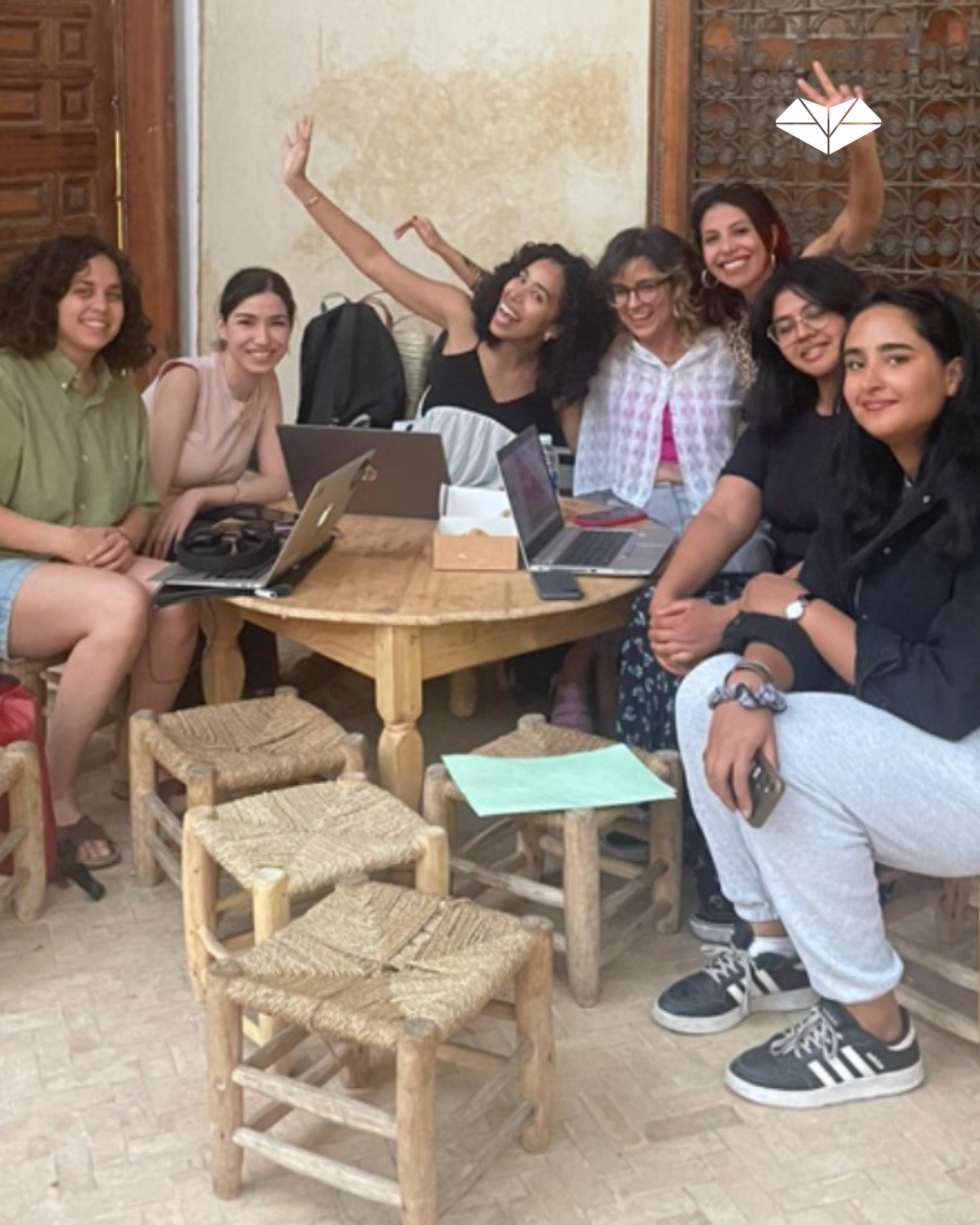
SoundSisters Morocco is a women-led music initiative based in Marrakech, created in 2022 to support women in DJing and electronic music production through hands-on education, mentorship, and community-building.

Over the past decade, Morocco has seen a growing electronic music ecosystem, with cities like Marrakech and Casablanca hosting international festivals and local DJ communities. Events such as MOGA Festival and Oasis Festival have helped connect Moroccan artists with global audiences, while grassroots initiatives and collectives are creating new opportunities for learning and collaboration. Within this landscape, SoundSisters Morocco are opening new entry points for women to access DJing and music production.

Since launching, SoundSisters Morocco has delivered workshops across multiple cities, and also in other countries as Brazil, Portugal, Spain, Switzerland and developed a growing ecosystem of artists, students, and collaborators.

With support from the Ballantine’s True Music Fund and shesaid.so they are expanding their impact through a dedicated production studio and new learning programs that connect local musical heritage with contemporary electronic expression.

Why did you start SoundSisters? What gap were you determined to fill?

I learned in women-led spaces and I’ve always been close to initiatives that create real entry points for women in electronic music.

Before SoundSisters Morocco existed, I was shaped by a chain of women who were already doing that work in different places. In Brazil, I learned in an environment led by women, and I think it’s worth mentioning DJ Flavya, who ran a DJ and production school for women. Later, I met DJ Fátima from Sisters in Sound in Mexico. In Barcelona, I also took classes with Pity Vacari through Fiesta Wacha and her project for women and gender-diverse people. Along the way, I connected with other women doing similar work, like Nina Jacarandá from Sin Sync. I kept gravitating toward these spaces because they felt like both learning and belonging, at the same time.

At a certain point, I felt it was time to continue the chain. I began gathering women interested in DJing and production first in Panamá, when I was living in Bocas del Toro, and later in Morocco when I arrived in Taghazout/Tamraght to surf. It started in a very natural, intuitive way, simply bringing people together to practice, share knowledge, and support each other, without a name, project or organization.

The industry still has a real gender imbalance, and the best way we knew to respond was to create practical opportunities. We felt the same gap we’ve seen everywhere: fewer opportunities, fewer safe spaces to learn, and fewer pathways to grow. So we moved to create a  room, a community, and a consistent invitation: come learn, make mistakes, grow, and support each other and SoundSisters became our way of creating those pathways for ourselves and for any women who want to build alongside us.

SoundSisters started in 2022. What has that growth looked like in practice, and what have you learned along the way?

The growth has been very hands-on and step-by-step. It looks like workshops, practice sessions, mentoring, and a lot of behind-the-scenes work to build something stable enough that we can trust it. Over time, it also became about creating continuity: not just one workshop, but pathways. Not just a moment, but a community people can return to.

One of the biggest lessons has been that confidence grows through repetition and real access. We just keep going, keep doing what we believe.

When someone touches the equipment, understands the basics, and then comes back again, something changes. Another lesson is that community is built through care and consistency, not hype. We’ve tried to keep the project grounded, welcoming, and real.

What role does the studio play in your overall mission?

For us, the studio is a place where learning becomes regular, where experimentation is possible, and where women can take their time developing skills that usually require access, patience, and support. It is the place to make mistakes without being judged, our safe place.

It also helps us shift from “first steps” to “next steps”. DJing can be the entry point, but production opens another door: creating your own music, shaping your own sound, collaborating, and building longer-term artistic independence. The studio is where that becomes more realistic, because the access is shared and structured.

How has the True Music Fund supported your development and impact?

From our very first meetings, when we started talking about turning this initiative into something real, we kept coming back to one dream: having our own space. A home where the equipment could be stored safely, where everyone in the group could have access, and where women outside the group could also come to learn, practise, and feel welcome.

But building that is not simple. Having equipment is expensive, keeping it safe requires structure, and having a physical space takes planning, money, and people who are genuinely committed to taking care of it. The True Music Fund and shesaid.so made that dream possible. It helped us invest in the foundations: a stable setup, a dedicated space, and the conditions to plan with continuity instead of always relying on temporary or borrowed solutions.

It also allowed us to go deeper in our educational work. With this support, we were able to run a 45-hour music production course and hire Moroccan mentors to share their knowledge with us. That created access for women who wanted to learn production but couldn’t afford paid courses, and it connected learning to practice in a real way.
Because there’s a big difference between learning alone online at home and learning in a fully equipped studio where you can test, listen, experiment, make mistakes, and exchange with others. That shared space changes everything: it turns curiosity into practice, and practice into real growth.

What’s the most meaningful change you’ve seen since SoundSisters began?

The most meaningful change has been seeing women take up space with less hesitation, including ourselves. We’ve watched beginners move from “I’m not sure I can do this” to practising regularly, experimenting, playing their first sets, collaborating, and feeling genuinely proud of their progress.

And it hasn’t been only about DJing. We’ve also seen growth in event production, partnerships, organisation, and creative direction. Women started making their own music, recording, sharing their work, and stepping into new projects they might not have imagined for themselves before. We see each person progressing artistically, but also in leadership, professionally, and even in other parts of life where confidence and structure matter.

At the same time, we’ve seen SoundSisters become more solid as an initiative. Over time, it has grown into something with clearer goals, stronger values, and more collective strength. And maybe most importantly, we’ve seen what happens when we decide to go after something together: when we plan, ask, learn, work, and insist. It reminds us that dreams can become real,  not magically, but through commitment, care, and consistency.


Follow SoundSisters on Instagram | Website | YouTube

Roland & [PIAS] Panel at Roland Store London & Raffle Supporting shesaid.so Featuring Signed Vinyl from RAYE, Arlo Parks and Olivia Dean

Roland, [PIAS] and shesaid.so present Women Shaping Sounds, an evening of conversation, community and live music celebrating women and gender minorities in the music industry.

Following the success of last year’s edition, the event returns to Roland Store London with a programme that combines a panel discussion, live performance and a special charity raffle in support of shesaid.so.

As part of the evening, Roland will also announce the winners of the Women Shaping Sounds Raffle, a fundraising initiative supporting shesaid.so.

The raffle gives participants the chance to win exclusive signed vinyl records donated by three artists:

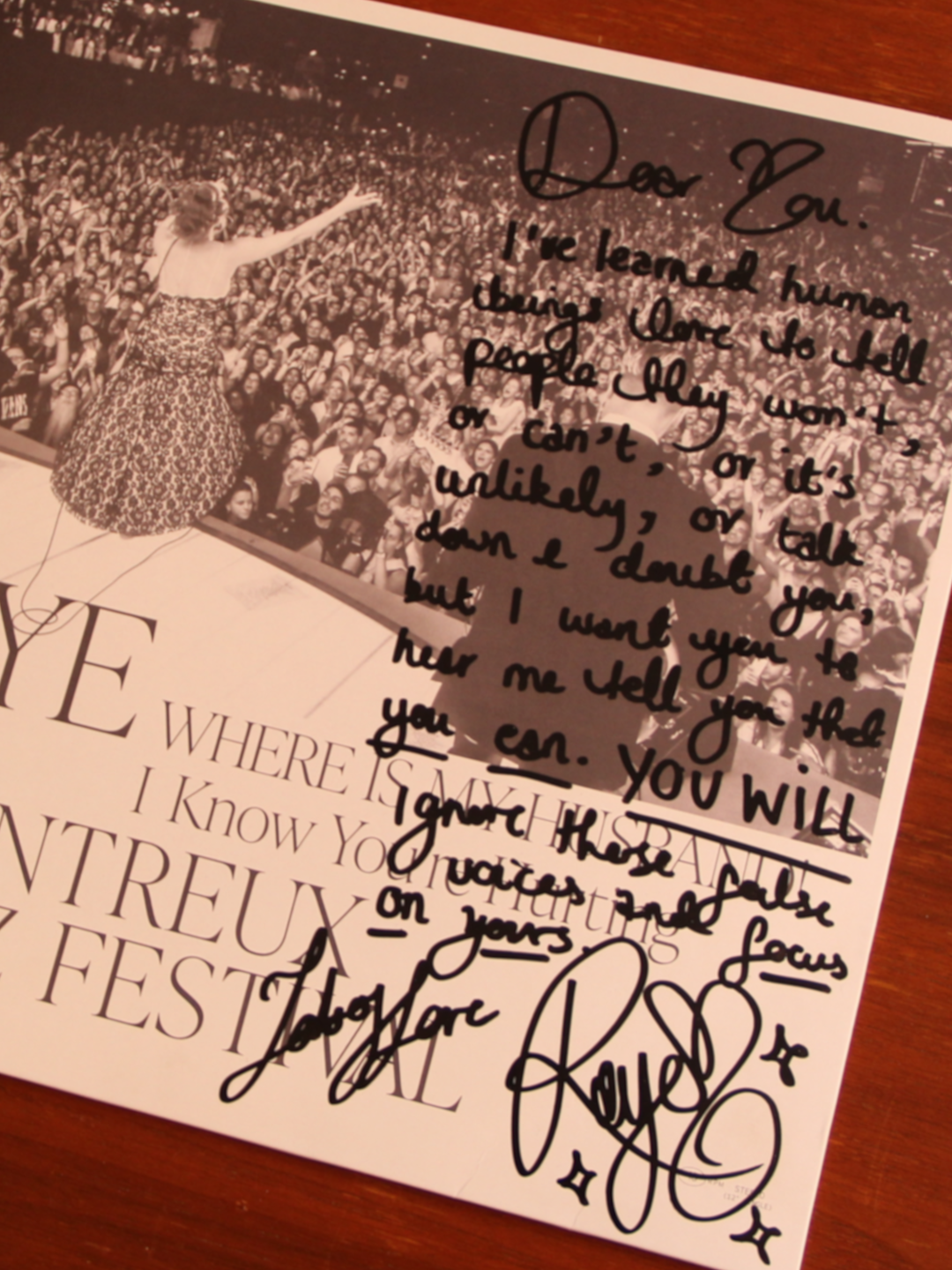
RAYEWhere Is My Husband! & I Know You’re Hurting – Live at Montreux

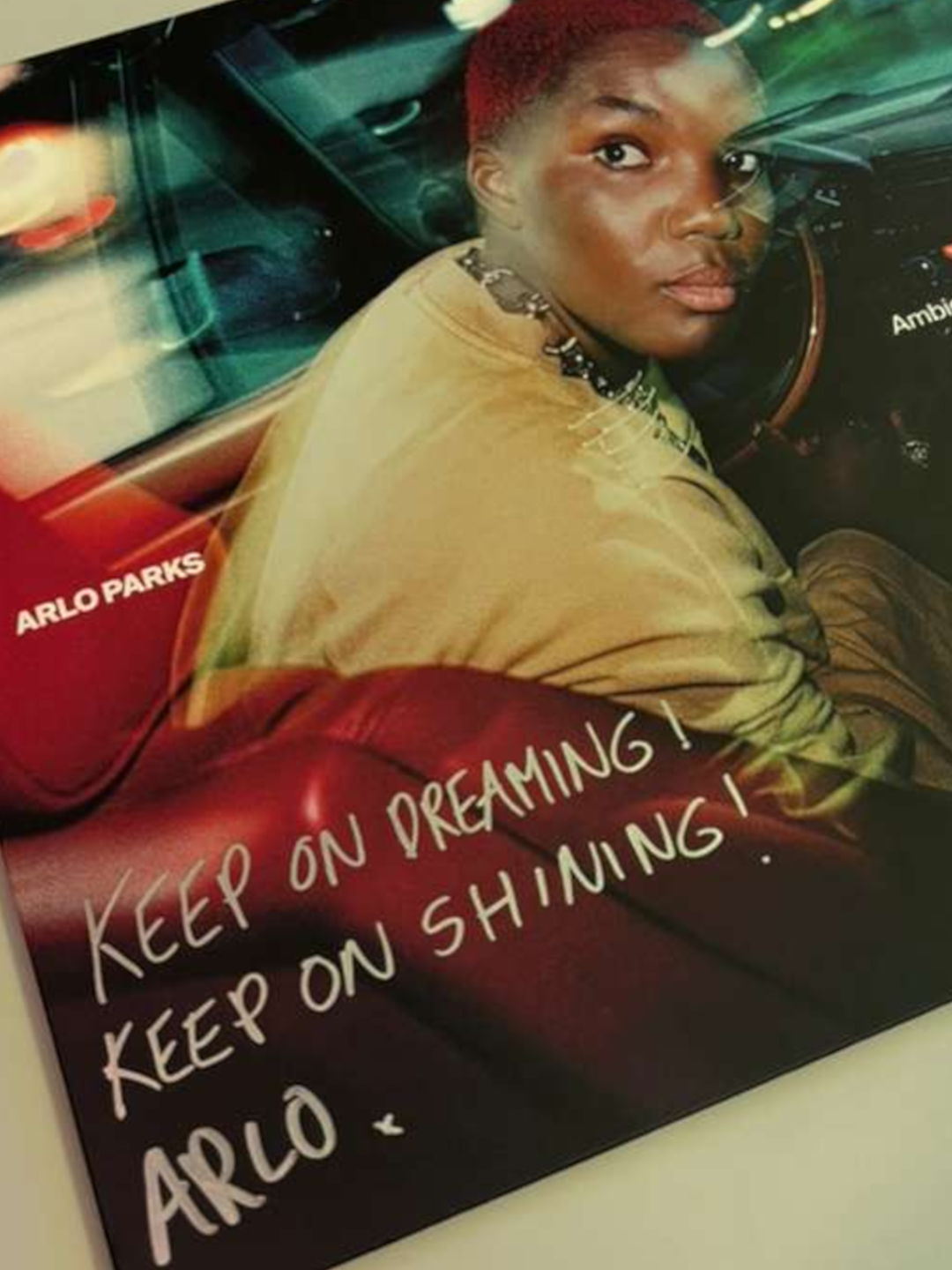
Arlo ParksAmbiguous Desire (signed copy of her upcoming album)

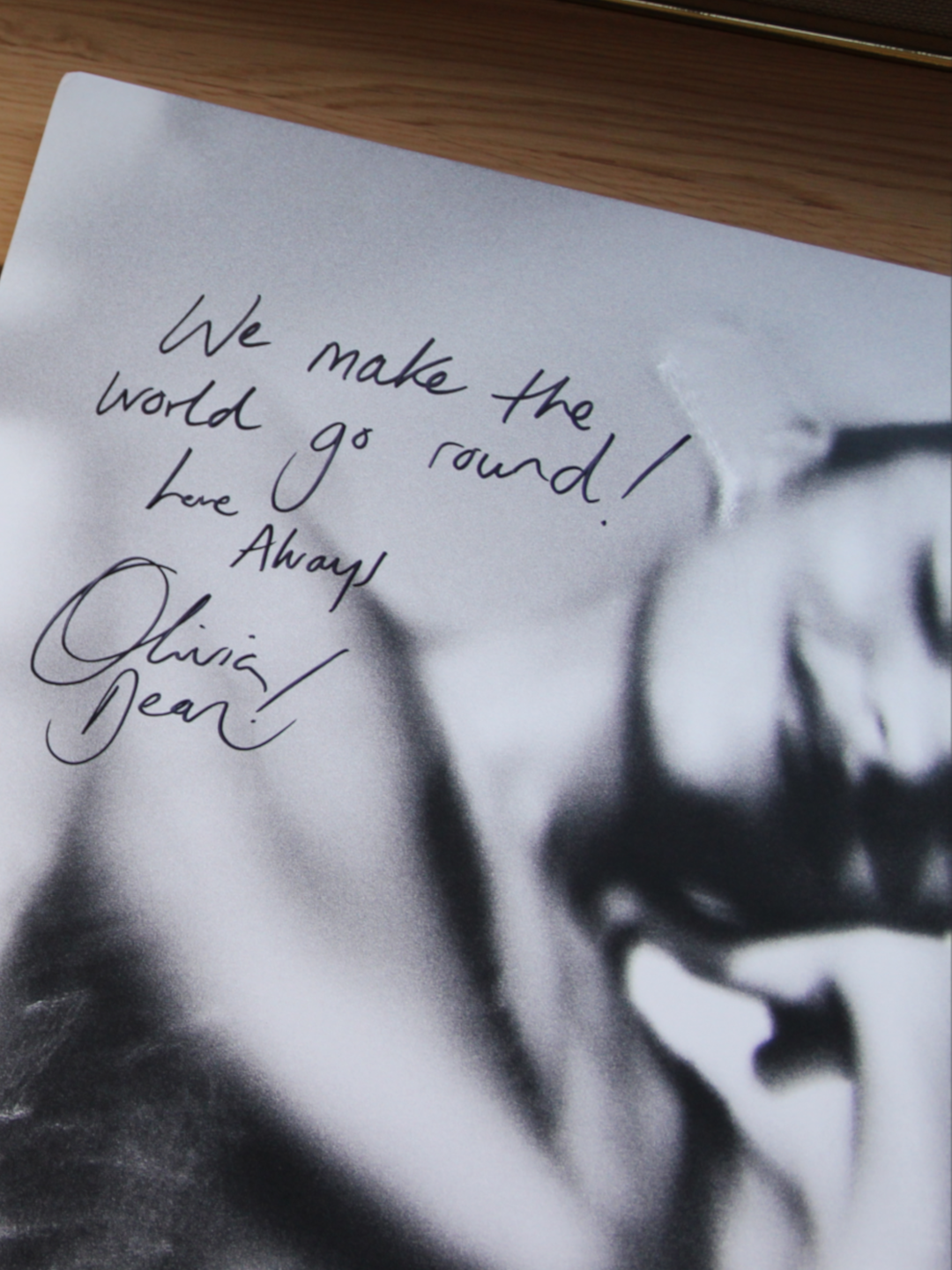
Olivia DeanThe Art of Loving, winner of the BRIT Awards 2026 Mastercard Album of the Year

Raffle details HERE

** Entries are open to UK residents aged 18+, with a minimum £5 donation per entry. All proceeds go directly to shesaid.so to support its work creating community, education programmes and opportunities for women and gender minorities across the music industry.

** The raffle runs from 8 March until 8 April 2026, with winners drawn live during the event.

The event is free to attend and open to everyone.


The evening will centre around a panel discussion exploring this year’s International Women’s Day theme: Give to Gain.

Bringing together artists and industry professionals, the conversation will focus on how sharing knowledge, guidance and opportunities can create a more inclusive and supportive music ecosystem.

The panel will be hosted by Amy Sheldon, part of Roland’s Artist Relations team, whose work centres on connecting artists, labels and organisations across music culture.

Joining the panel are:

Nissi Ogulu — A multidisciplinary creative working across music, visual art and entrepreneurship. As co-founder of Kemet Automotive, Ogulu explores themes of sustainability, empowerment and African innovation while maintaining an active artistic practice.

Anis Marks — Head of Marketing at Mute, with over 16 years of experience across label and management roles. Marks has worked with a wide range of artists including HAAi, Apparat, Yann Tiersen, Underworld, Greentea Peng and Beth Orton.

Vix Brand — Community & Operations lead at shesaid.so, as well as a life coach and events professional with more than a decade of experience across live music and cultural projects. Brand focuses on building supportive communities for creatives and advocates for greater visibility and care for LGBTQ+ people within the music industry.

Miso Extra — A Japanese-British artist whose genre-fluid work blends rap, R&B, hyperpop and electronic music. Following breakthrough EPs Great Taste and MSG, her debut album Earcandy (2025) was created at Damon Albarn’s Studio 13 and features collaborators including Metronomy, DJ Boring and AK Paul.

The discussion will also open up to audience questions, offering attendees the opportunity to join the conversation.

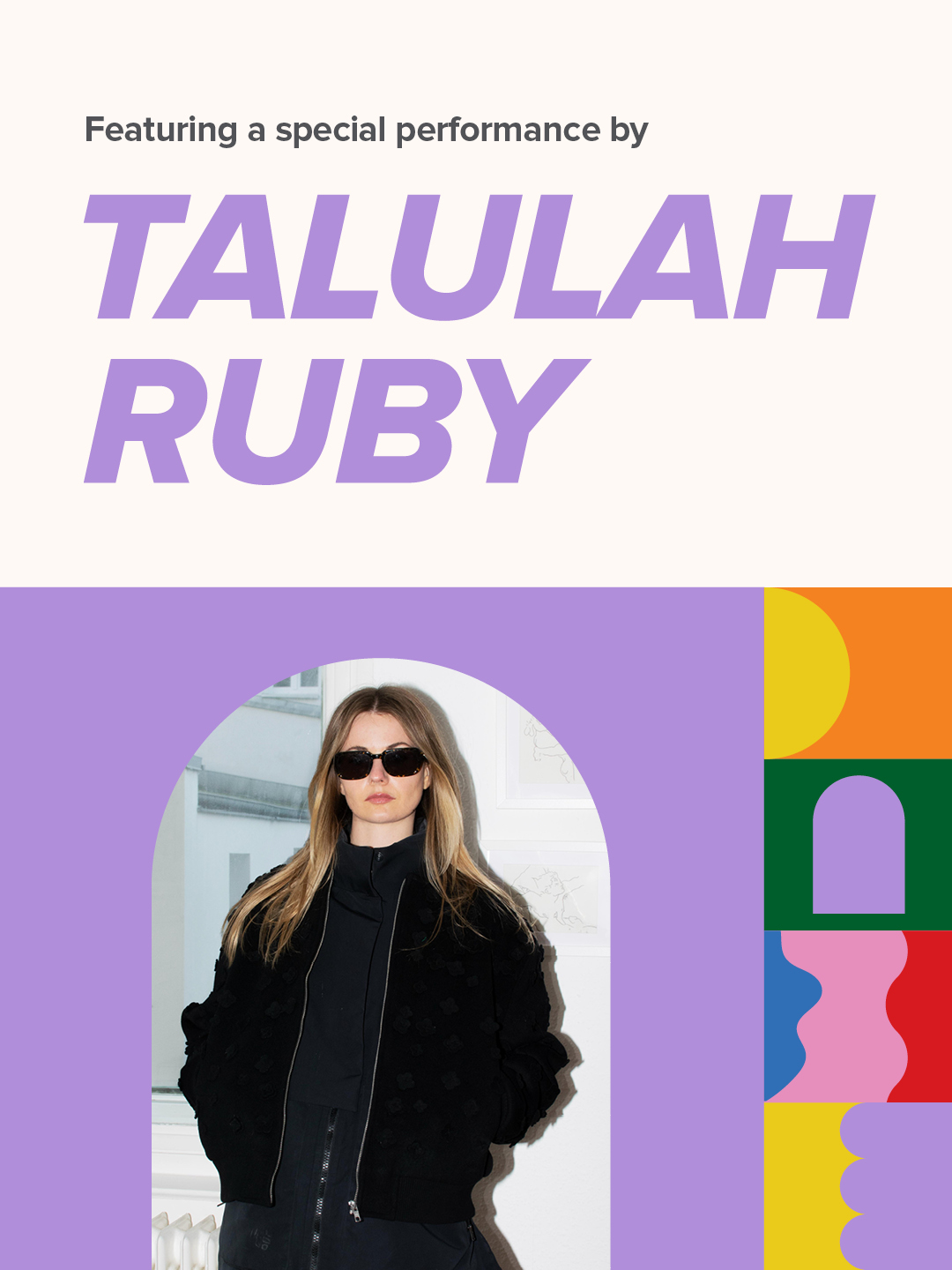
Following the panel, Talulah Ruby will perform live.

Born in Lanzarote and now based in London, Ruby is a vocalist, writer and producer whose work moves between recorded music, live performance and collaborative projects. Drawing influence from trip hop, soul, jazz, folk and electronic music, her sound is shaped by artists such as Radiohead, Fela Kuti, Etta James and Billie Holiday.

Her work explores emotional depth and sonic atmosphere, creating music that invites stillness, reflection and connection.

RSVP and more info HERE.


Event details

Roland, [PIAS] & shesaid.so Present: Women Shaping Sounds 2026
Location: Roland Store London
Free entry (RSVP required) HERE

The evening will conclude with the announcement of the Women Shaping Sounds Raffle winners, bringing the community together in support of shesaid.so.

Raffle details HERE


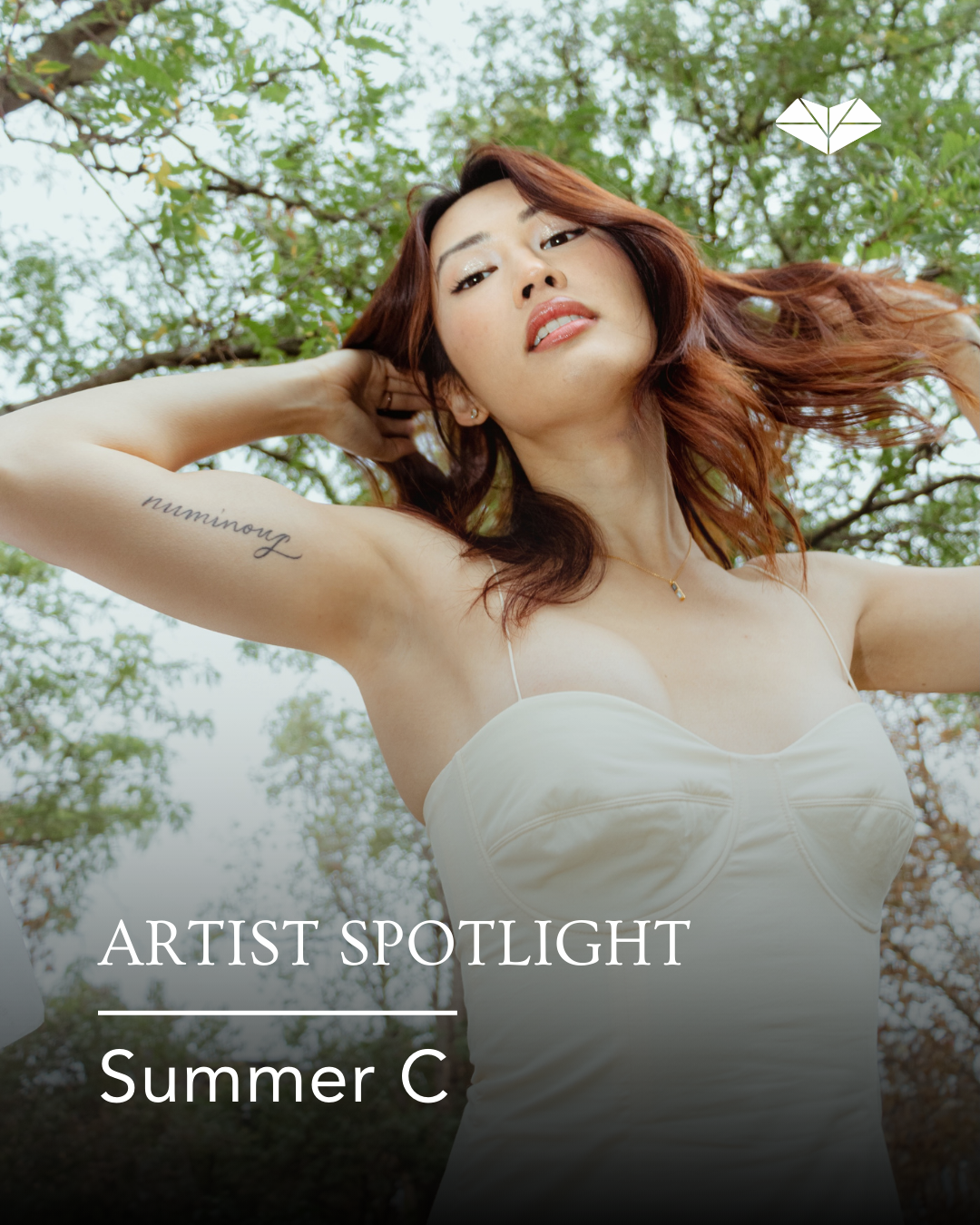
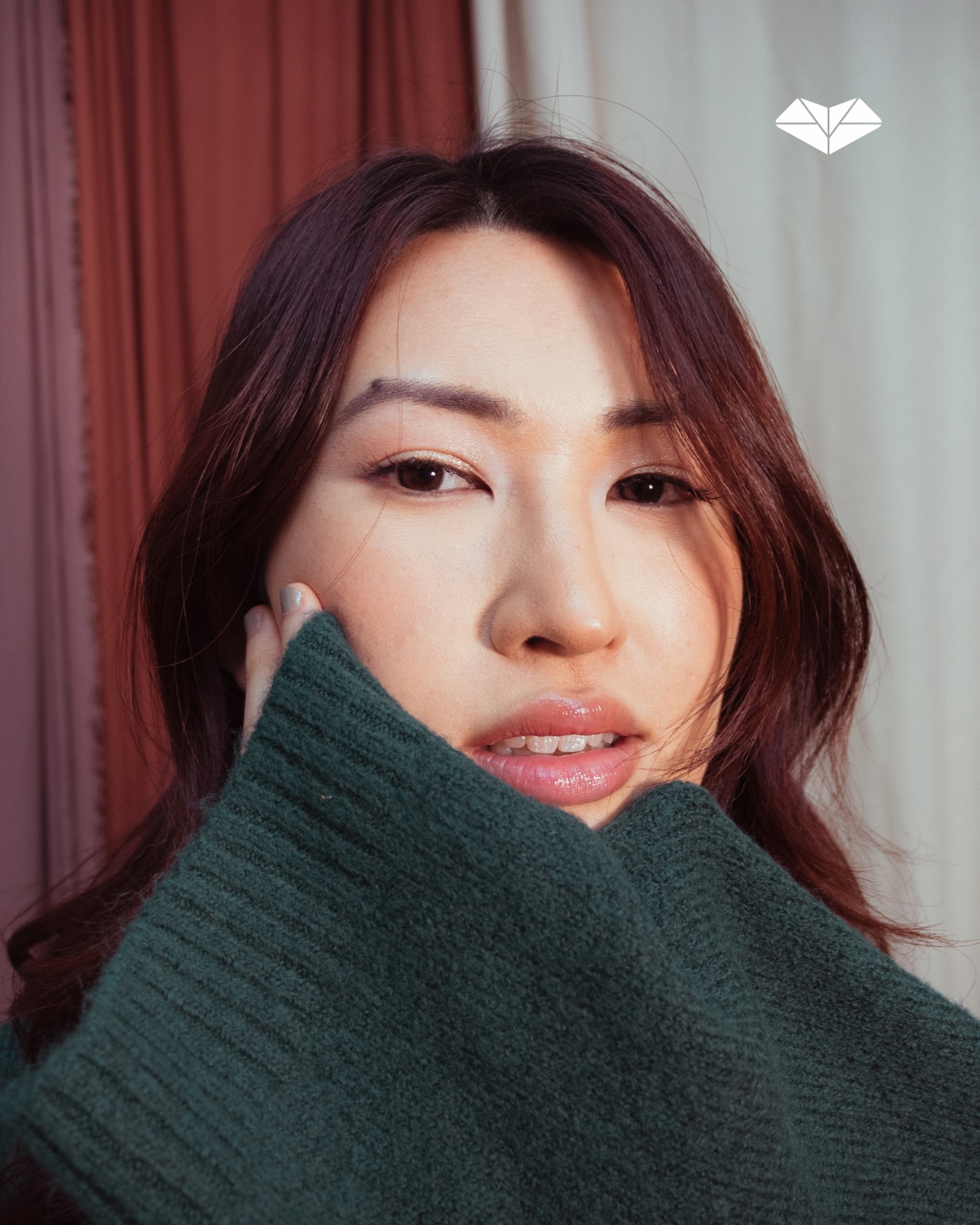
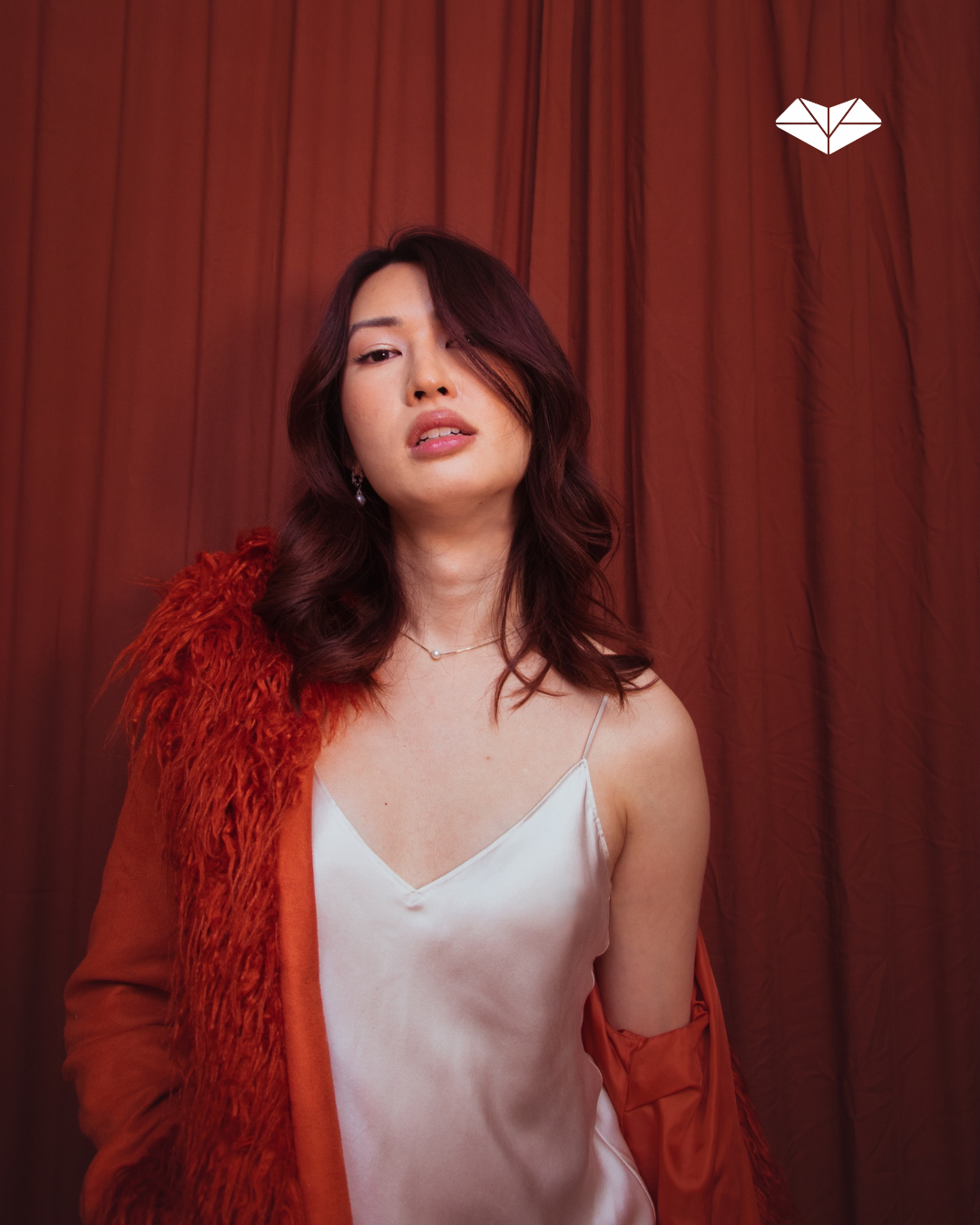
Summer C Stepped Away From 1 Million Followers to Focus on Her Mental Health. Now She Returns With New Single “My Quiet Kind of Brave”

Photo Credit: @emilx.w

Summer C is a Hong Kong–raised, London-based pop artist and songwriter whose work is defined by emotionally direct, vocal-led songwriting and an intentional approach to storytelling.

After building a social media audience of more than one million followers, she made the rare decision to step away from public visibility to prioritise her mental health and focus on developing her craft away from the pressures of constant output. Rather than chasing viral momentum, she chose to rebuild her creative practice on her own terms—an experience that now shapes both her music and artistic direction.

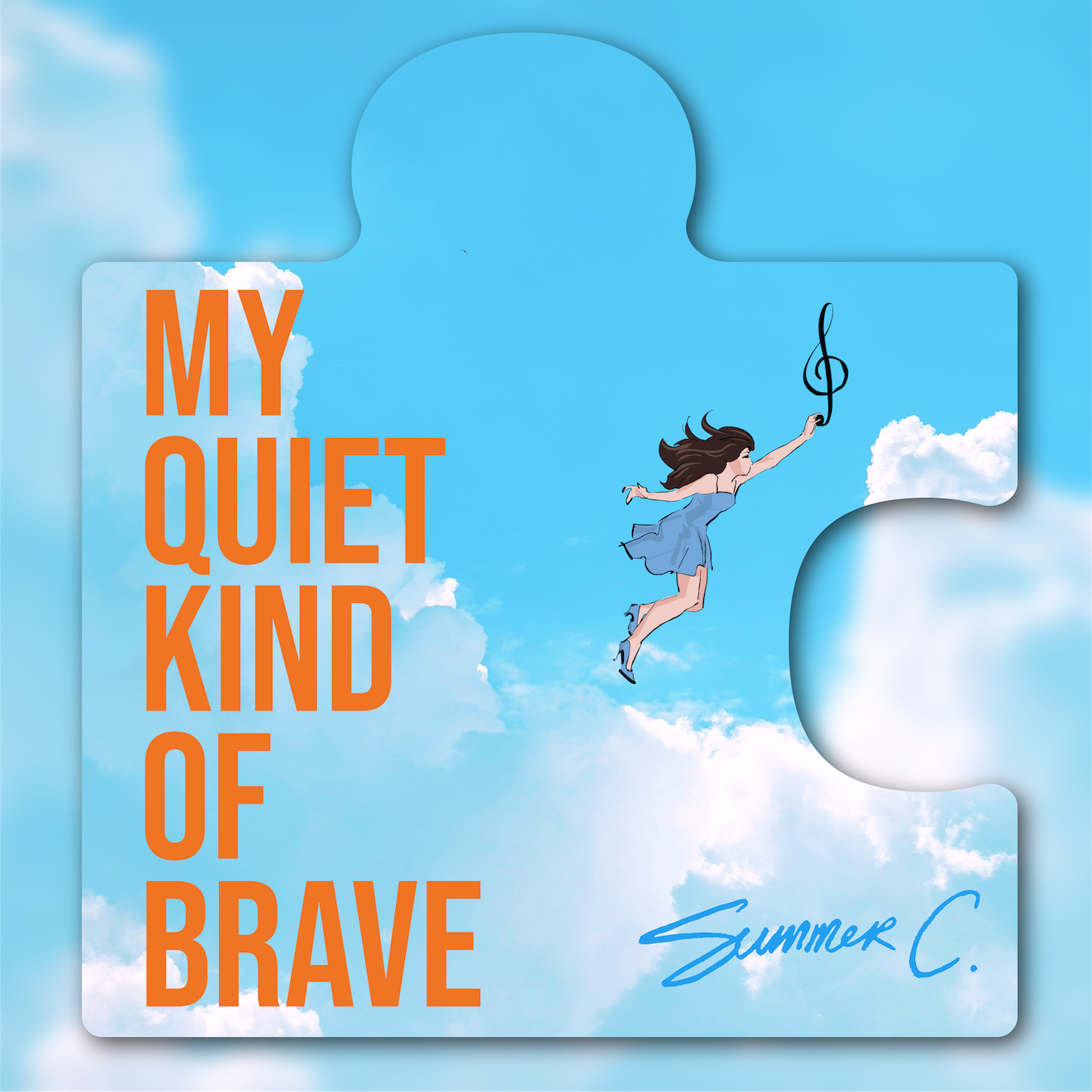
Her return is marked by My Quiet Kind of Brave, her most personal and musically accomplished work to date, produced with Jamie Sellers (Elton John, Ed Sheeran, FLO) and Annie Rew Shaw. First conceived during her time studying in New York and completed in the aftermath of a mental health crisis, the track reframes bravery not as something loud or performative, but as a quiet, internal act of persistence.

Drawing from her Hong Kong upbringing alongside a deep appreciation for precise pop songwriting, Summer creates music rooted in melody, emotional honesty, and resilience. As a proud trans woman, Summer is also committed to improving access to arts education and supporting organisations that provide mental health resources and safe spaces for LGBTQIA+ young people. With My Quiet Kind of Brave, she reintroduces herself with clarity and intention, marking the beginning of a new chapter defined by artistic autonomy, balance, and renewed confidence in her voice.

Your new single “My Quiet Kind of Brave” marks an important personal and artistic return. What is the story behind the track, and what inspired you to write it?

“My Quiet Kind of Brave” represents a new chapter for me, and it was the first song I wanted my audience to hear. I actually began writing the melody over a decade ago when I was a student at New York University. And when I was writing it, the melody gave me goosebumps and I felt there was something special about it. But I never finished it because it sat right at the top of my chest voice, and I kept telling myself I’d complete it when my voice was ‘ready.’ 

Photo Credit: @emilx.w

A decade later, in the aftermath of a mental health crisis, I finally finished writing the lyrics. And recording this song helped me realise it wasn’t about being ready. It was about showing up. I recorded the lead vocals six times, and each take taught me something new about my voice and my voice was my way back into my body.

When I listen to the track now, I still hear the freedom and joy in it. And I feel a lot of pride with this song. My hope is that the audience will take away that bravery is not something loud or performative, but internal and steady. It’s really about choosing to stay.

You made the difficult decision to step away from a large online following to focus on your mental health and artistic development. Looking back, what did that period teach you?

I think after going through my mental health crisis, it really showed me how unsustainable it is to constantly produce. For the three years that I was active on social media, I was posting daily and at times posting up to five times a day because momentum is everything when you’re growing. But stepping away forced me to face the uncertainty of what would happen if I stopped feeding the algorithm.

What that time gave me was perspective. I realised that I had built my life around being creative when really I should be building creativity into my life. So there’s a lot more balance and coming back now, I feel more aligned with who I am and what I want to say. I’m quite excited and I have a lot more curiosity because I can see how I can do this more sustainably now.

The song reframes bravery as something internal and steady rather than loud or performative. How has your understanding of “bravery” evolved over the past few years?

Over the past few years, my understanding of bravery has shifted a lot. I’ve learned that some of the bravest acts are showing up for yourself, allowing yourself to feel, creating even when it’s uncertain, and choosing honesty over performance.

To help promote this song on social media, I interviewed a lot of people asking about hope, courage, and through them, I’ve learned that being brave is about staying present with your own truth, even when it’s uncomfortable. That you can trust that your voice matters simply because it exists. That has been a huge learning.

What practices or boundaries help you protect your mental health while working in the music industry?

A huge part of protecting my mental health has been about learning how to build boundaries. When you’re posting everyday and multiple times a day you eventually share things before you’re ready to or have fully processed yourself. My brain was trained to constantly look for how to turn what I was going through into an “angle” or “hook”. Unlearning that was the key and it gave me back the power to make the decision to share what it is that I wanted to. 

And practically, I prioritise rest, community, and time offline. I have designated time windows for when I post, reply to comments and analyze what went well and what didn’t. Outside of that, I don’t look at the analytics and that has given my brain time off and rest. I’ve learned to give myself permission to create in cycles rather than on constant demand.

What is your favourite part of making music, and what is the most challenging part that audiences rarely see?

I genuinely love the craft of making music. When I stripped the numbers away from the art, I rediscovered that I love the challenge of shaping a vocal, refining a lyric, and finding subtle details that make a song feel alive.

There’s something deeply satisfying about building something from nothing and watching it take form and I love working with people that challenge me or push me to go further. It’s always cool to see how ideas can change or develop depending on the chemistry of the person you’re with.

Photo Credit: @emilx.w

I think the most challenging part for most artists is the financial reality. So many of us have these grand visions but practically we all have a budget and limited resources to work with. I’ve found that these restraints force me to be more inventive but I think that’s part of the fun too.

What are you listening to at the moment, and which artists or sounds are currently inspiring your songwriting?

I’ve been reconnecting with the music I grew up with in Hong Kong, and it’s been pretty cool to revisit those songs with fresh ears. One songwriter that keeps popping up is Mark Lui. He’s written hits for all the A-list musicians in Asia and I look at him as Hong Kong’s Max Martin. But outside of that, I naturally gravitate toward Top 40 tracks as a pop girl at heart, so there’s a lot of  Olivia Dean and Bruno Mars on my playlist.

With that said I also love Sufjan Stevens. There’s a level of honesty, creativity, and vulnerability in his music that really moves me, and he’s someone I would love to collaborate with one day. 


Listen to 'My Quiet Kind of Brave' HERE

Follow Summer C on TikTok & Instagram 

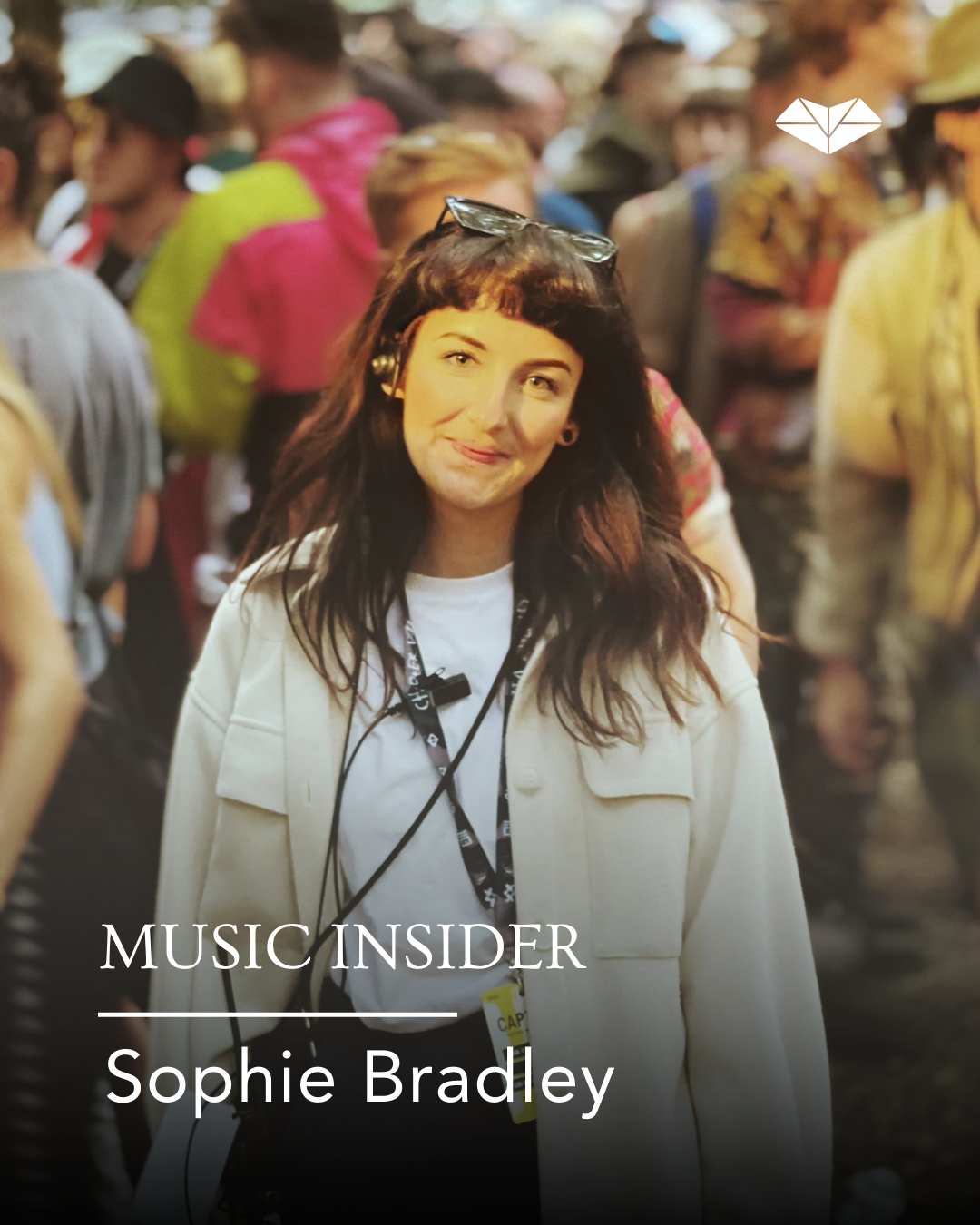
Lost Village’s Sophie Bradley on Curating Artists and Shaping Festival Culture

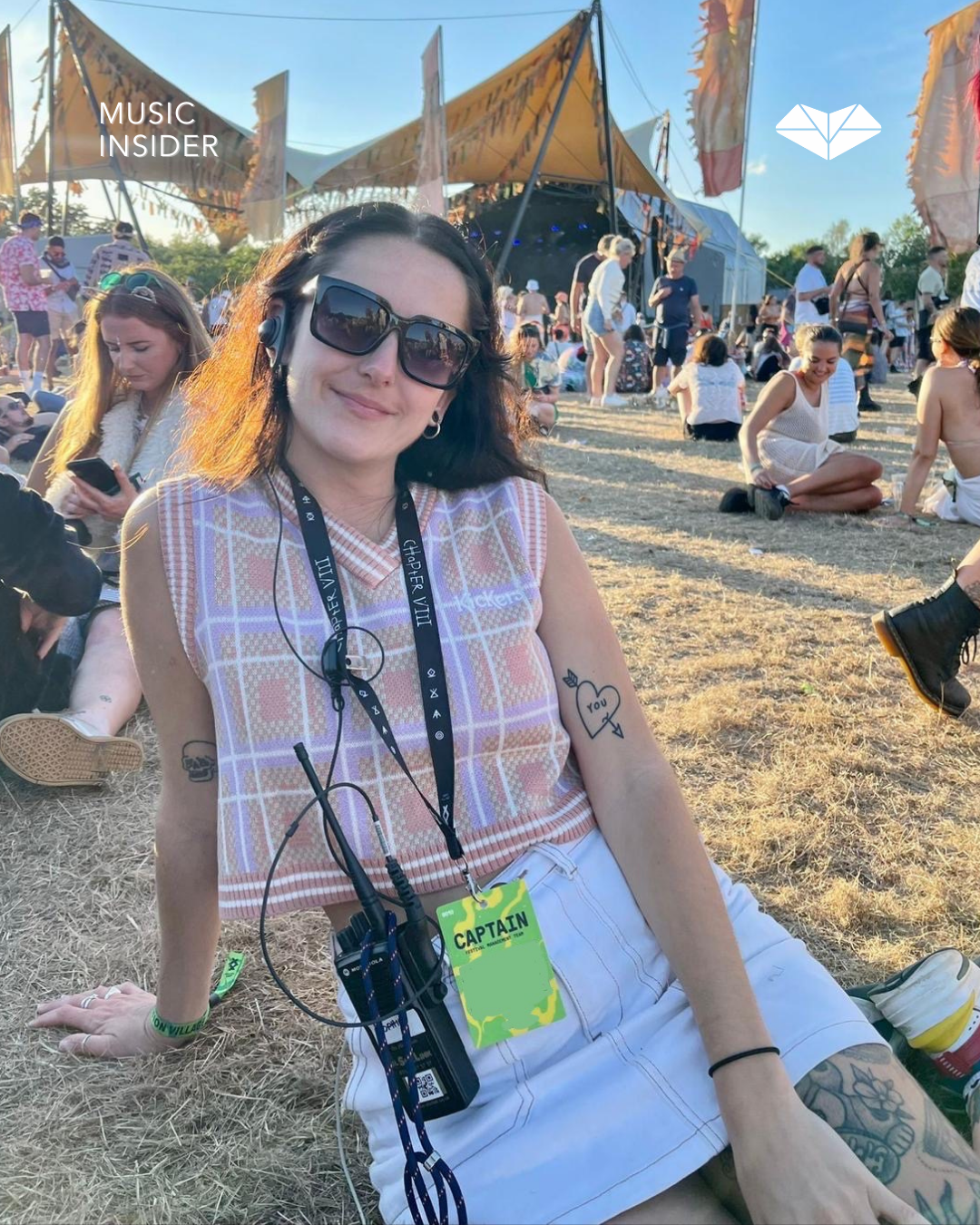
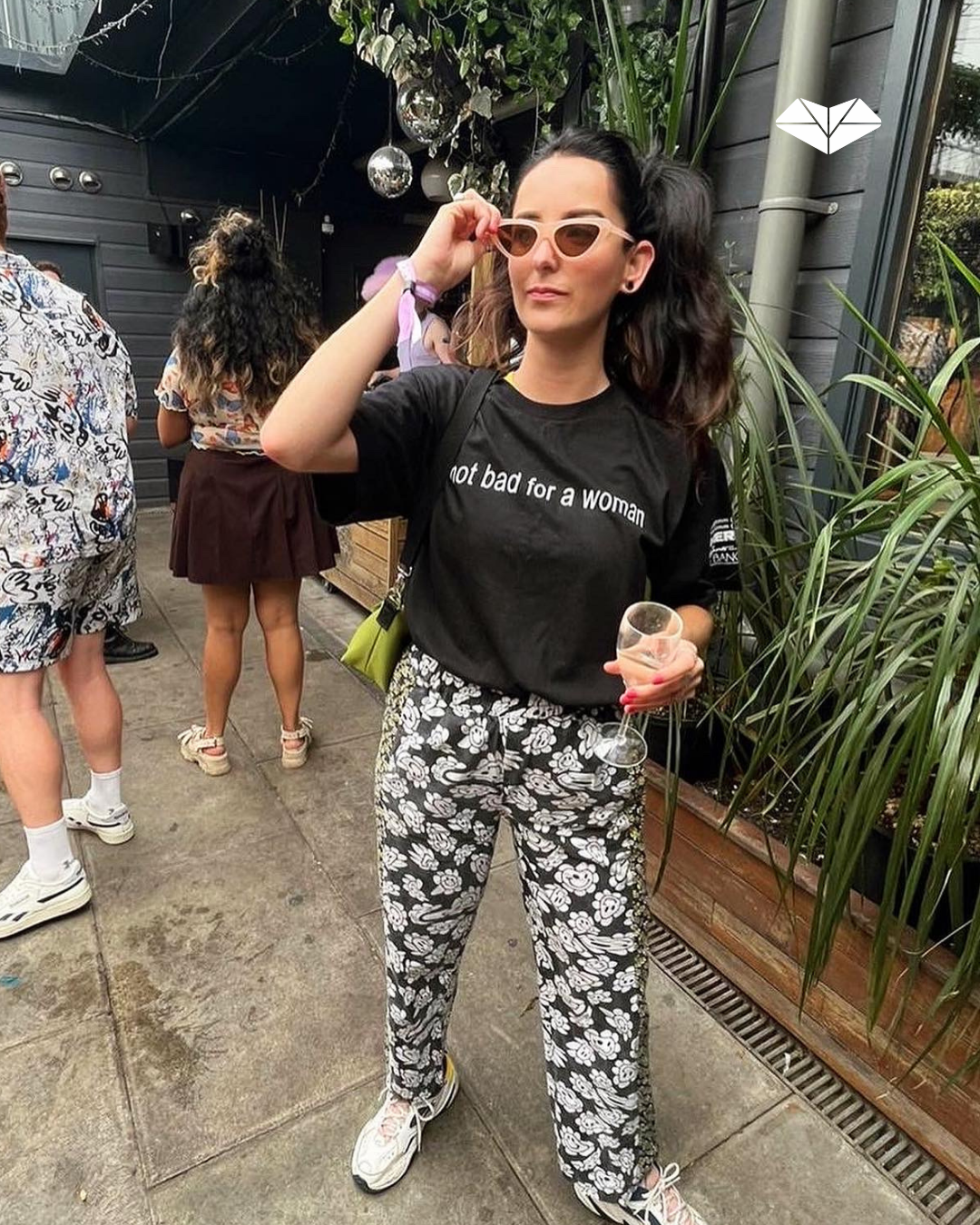
Sophie Bradley is a senior programmer and event producer working at the intersection of music, culture and live events. As Senior Booker at Lost Village, she plays a central role in shaping one of the UK’s most distinctive festivals, overseeing artist programming, cultural curation and the complex logistics that sit behind large-scale productions.

Her path into festival programming began in touring, where early experiences on the road offered an unfiltered view of the realities artists and crews face. That perspective continues to inform her approach today — one grounded not only in musical instinct but in an awareness of the human and logistical dimensions that underpin live performance.

Since joining Lost Village in its inaugural year, Sophie has helped develop a programming ethos centred on discovery, representation and long-term relationships with artists and collectives shaping progressive dance music culture. Alongside her work with the festival, her experience spans major events and venues including Glastonbury, Labyrinth Events and Printworks, as well as programming for NME and producing sold-out London shows for artists such as Olivia Dean.

Now navigating senior leadership in the music industry alongside new motherhood, Sophie brings a thoughtful, people-first perspective to her work — balancing ambition, care and creativity while continuing to shape spaces where culture and community can thrive.

You started your career in touring before moving into festival programming. What did life on the road teach you that still shapes how you book artists and build lineups today?

Starting out in touring gave me a real, unfiltered glimpse into what life on the road looks like — the long days, crazy working hours, constant travel and the physical and emotional toll that can take. I gained a super strong work ethic, but it also showed me that the industry can ask way too much of people.

Because I’ve worked shows from an artist/tour manager perspective, I’ve seen firsthand how backstage operations, hospitality, and communication can directly affect the artist’s experience. That knowledge stays at the forefront of my mind now that I’m on the other side.

I’m always thinking about how decisions land logistically — from set times, to travel, to level of care and comfort on site. For me, it's shaped a more considered, humane approach to my role where I value the artist's experience just as much as anything else.

Lost Village has grown into one of the UK’s most distinctive festivals. Looking back, what decisions were most defining in shaping its identity?

It goes without saying that the creative set design, production, décor, theatrics, storytelling and immersive experiences at Lost Village are second to none. But when I think about my role and the impact I’ve had in shaping its identity, there are a few things that I’m particularly proud of.

First and foremost, one of the most important decisions was committing to at least a 50/50 balance of female and male artists across the lineup — something we’ve maintained since 2019. When I first began programming, my main aim was to equalise lineups and create more space to platform talent from marginalised communities. That focus continues today and remains front of mind when I’m working with new artists and collectives.

Our booking ethos is one of the things I believe truly sets us apart. Alongside a conscious commitment to diversity and representation, we actively champion emerging talent — something Lost Village has become known for. Discovering, nurturing and propelling new artists is central to how we programme.

Beyond the lineup, I was keen for these values to reflect in the wider festival culture. When I first entered the live events world, I was tired of going out and feeling unsafe and underrepresented. I wanted to be part of something that celebrates people equally, in a way that’s genuinely inclusive and open-minded. That’s why building long-lasting partnerships with allied collectives like HE.SHE.THEY. has been so important to me.

The same mentality led me to help launch the Village Guardian movement at Lost Village — a roaming taskforce - now fronted by UN Women, there for anyone who feels uneasy in any way. Prioritising audience care felt like a natural extension of everything else we were building. It is incredibly important to me that everyone feels welcomed, free to be themselves and truly at home in the Village.
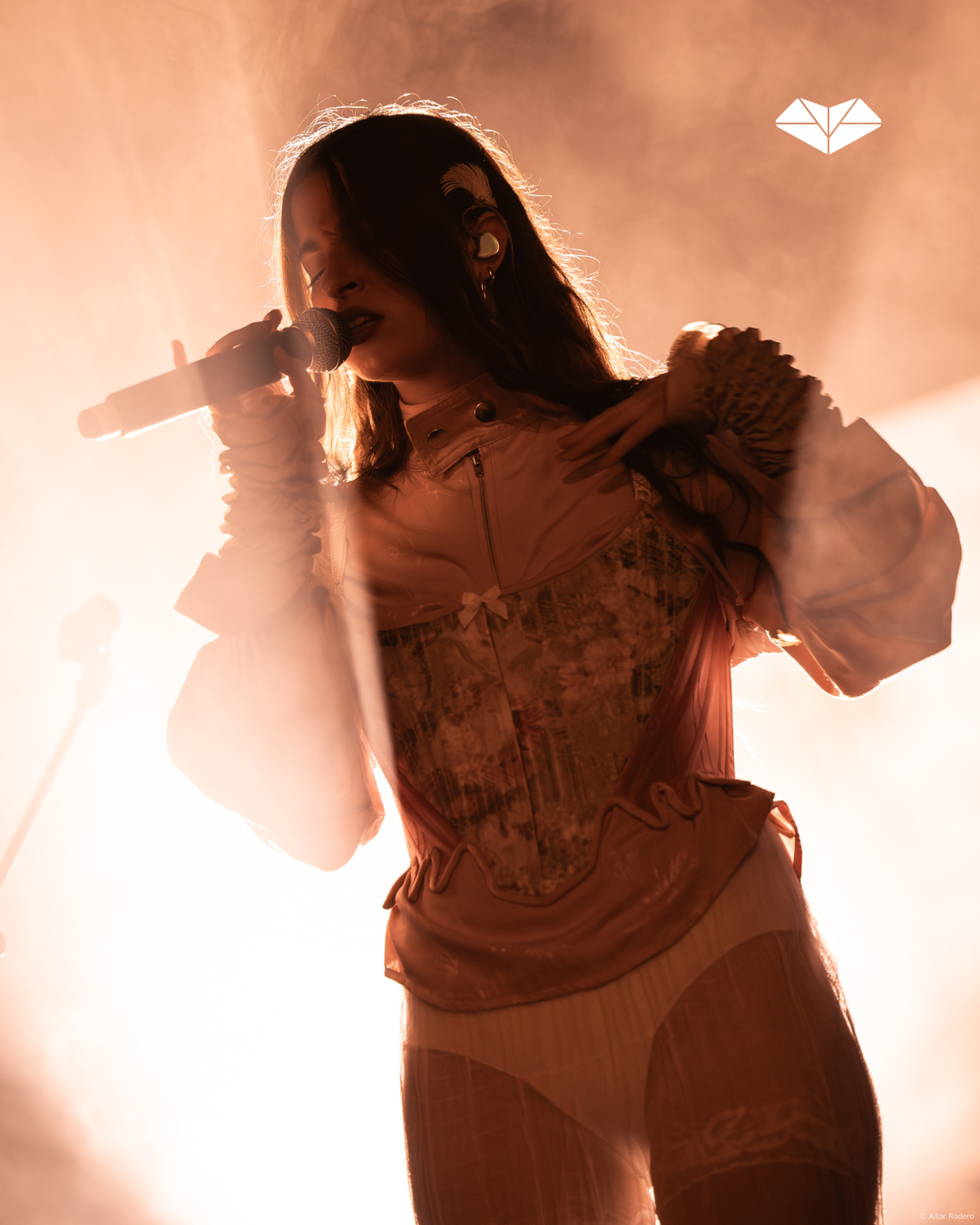
And these aren’t projects in their own little silo; they’ve become bricks in the wall of the wider festival culture. As a team, we are constantly pushing each other and sharing our perspectives, always looking at how we can improve, and that creates a butterfly effect throughout everything we do. 

Balancing senior leadership with new motherhood brings a different set of pressures. Has that shifted how you approach your work or leadership style?

Motherhood has completely shifted my perspective on work. The endurance you need to balance a full-time role while raising a child, running a household, commuting back and forth to London and juggling freelance projects on top — all while recovering from childbirth — is next level!! It’s forced me to become more focused, more intentional, more productive and a master at time management.

Above all, it’s shown me just how strong and resilient I am. I didn’t fully realise that before. Now, I lead with confidence and clarity, knowing that if I can navigate this chapter, I really can achieve anything.

Beyond streaming numbers/socials etc, what tells you an artist is ready for a platform like Lost Village?

Stats do play a part in the process, but it’s not the be-all and end-all for us. As a team, we’re constantly listening to music. We listen to everything that’s sent to us, and we go on our own discovery journeys too. If we like what we hear and feel passionate about it, then we’ll make space for it on the lineup.

You’re known for building long-term, values-aligned relationships with artists and collectives. What does a healthy artist–festival relationship look like in practice?

For me, a healthy artist–festival relationship is built on mutual respect and support, not transactions. It’s about backing one another as you evolve and grow, working collaboratively, investing time in each other, bouncing ideas back and forth and never cookie-cutting the same thing. 

What’s the most useful networking advice you’ve learned that goes beyond visibility or chasing contacts?

Be yourself — as cliché as it sounds! It’s easy to feel like you need to act or think a certain way in the music industry - maybe be more hard-nosed than you are naturally - but if you’re mimicking other people, there’s nothing that truly sets you apart.

We can learn from each other, of course, but backing yourself and your personality is what makes people remember and respect you. That’s what lays the foundation for real, lasting relationships in my eyes.

Equally important is listening. Remember people, their stories, insights and small details. It always works in your favour. I work hard to make meaningful, professional relationships in the industry, which over time has blossomed into reciprocal friendships & genuine interests in one another.

And above all, be kind and honest. We don’t need to play poker games; being upfront and genuine, not wasting each other's time, goes a long way in my opinion!

On a difficult or high-pressure day, how do you unwind, and what helps you reset?

We took the leap out of London and moved to Margate last year, and living by the sea has been a real reset for me. It makes me feel cut off from the rest of the world — in the best possible way. After a day in the London office, I’ll read a book on the commute back to the coast, using that time to decompress and switch off from devices. Stepping off the train and taking a deep breath of fresh sea air helps me properly reset and reminds me there’s a world beyond the laptop screen.
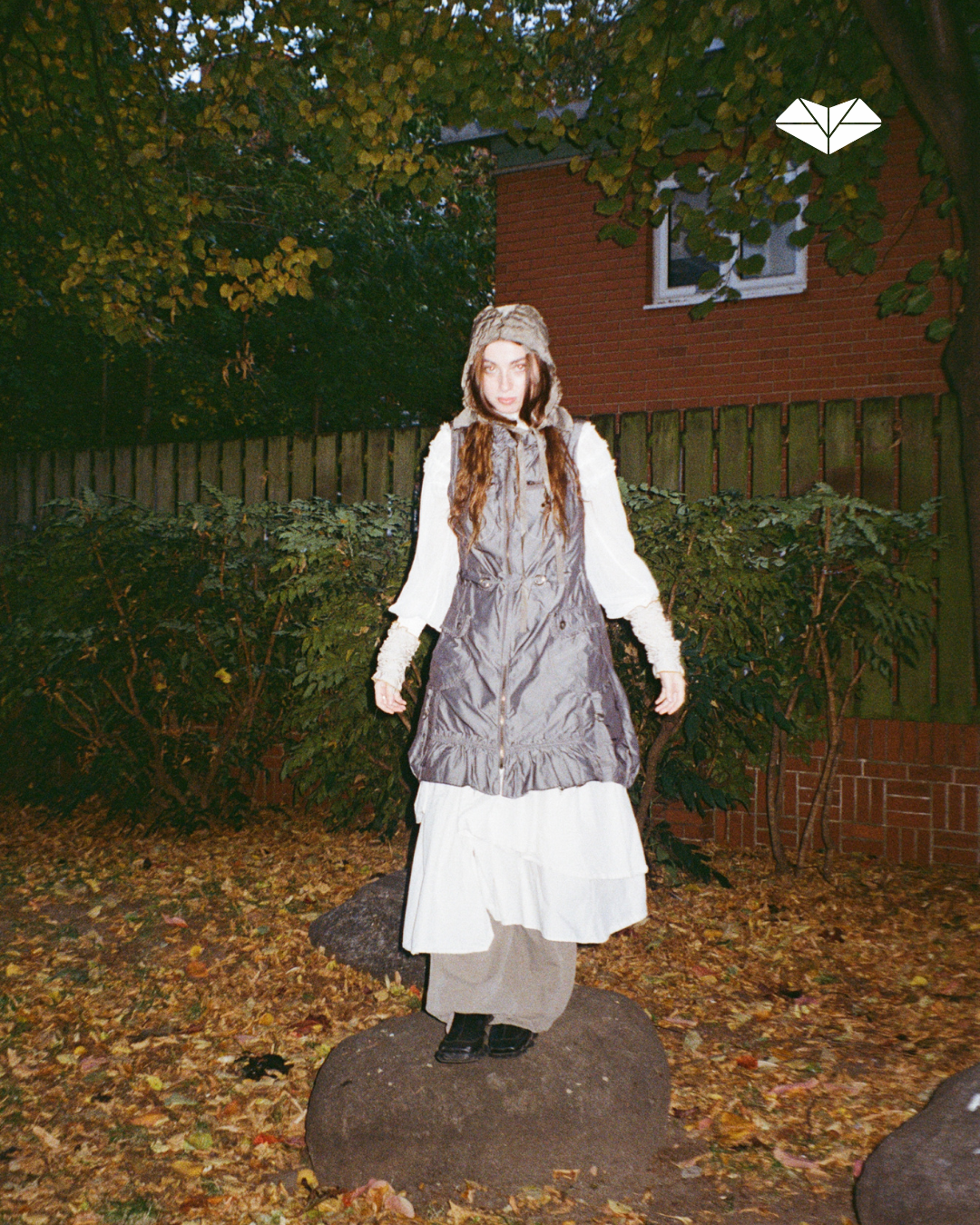

Sophie Bradley on Instagram | Lost Village

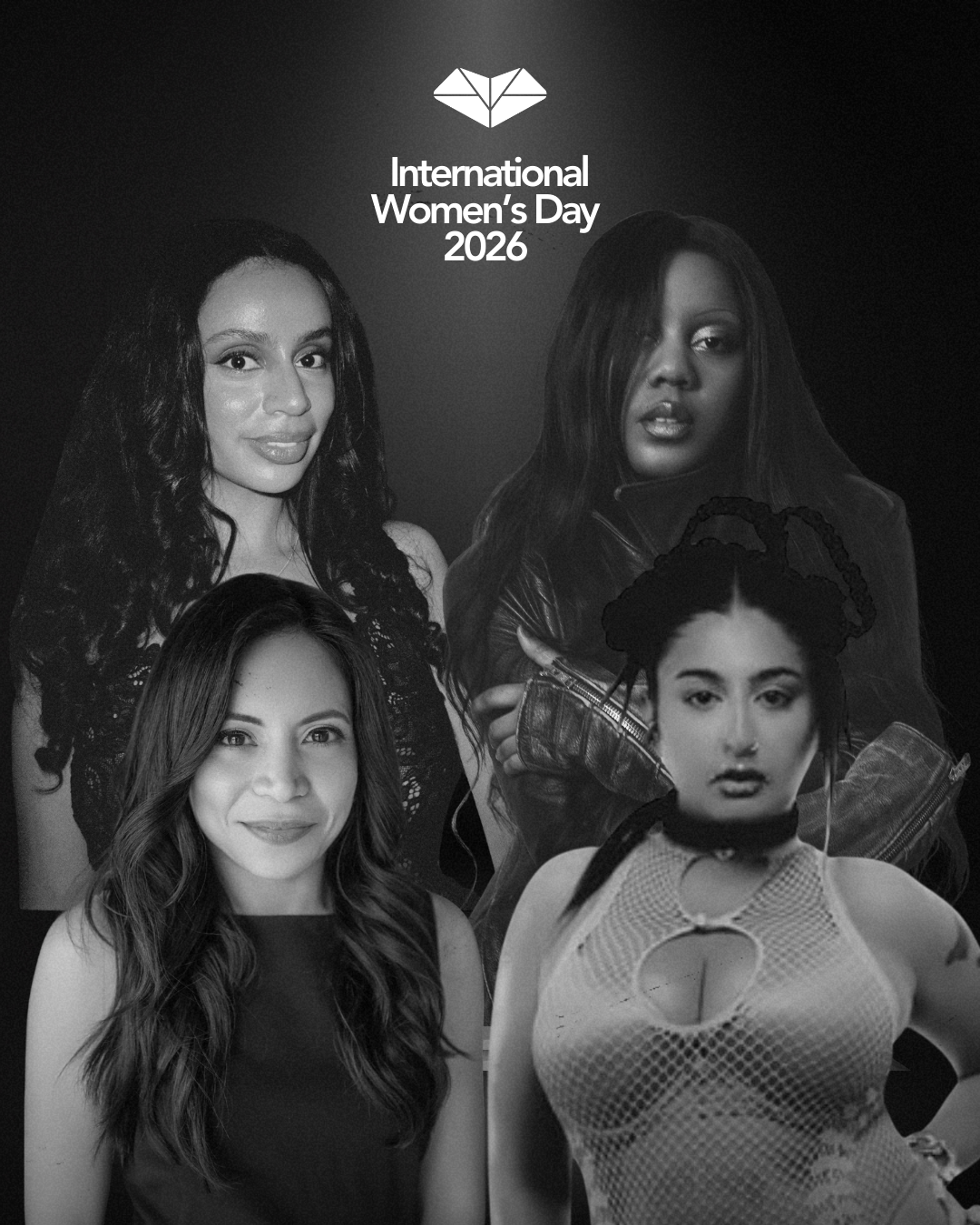
International Women’s Day 2026: Celebrating Creatives and Professionals Across the Music Industry

Each year for International Women’s Day, shesaid.so highlights a group of women and gender-expansive voices working across the music industry.
Selected through recommendations from our global community, this feature brings together artists, journalists, organisers and industry professionals whose work is making a meaningful impact across culture and the wider ecosystem.
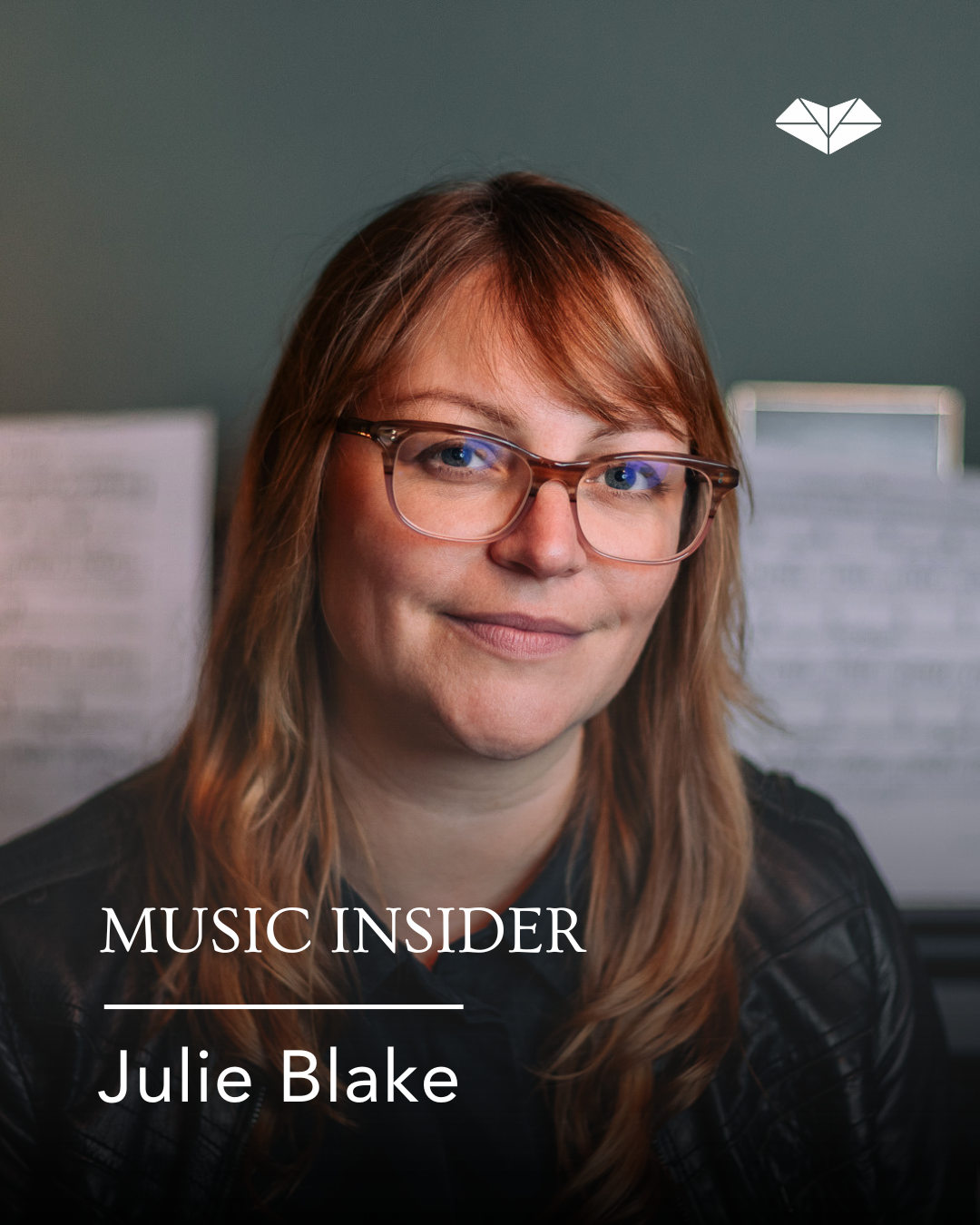
For the 2026 edition, we invited a few of them to reflect on their journeys in music and share advice from their experiences so far — from protecting your vision to staying focused on your own path.


Chippy Nonstop

Chippy Nonstop got her name for a reason. She is an audacious, undeniable party starter with a penchant for travelling the world and always bringing her unique energy. As a sound selector she makes the dance floor shake, but there’s much more to the story. Chippy is a DJ, rapper, songwriter, writer, producer, activist and organizer of community events. She is of Indian descent, but is more of a cultural nomad; she was born in Dubai, grew up in Zambia, has citizenship in Canada, lived in Los Angeles, Oakland, New York, and currently resides in Toronto after a very public deportation.

Chippy Nonstop is currently working on new music-related endeavors such as new music, touring globally, a party rave series called Pep Rally and a project called ‘Intersessions’, a sound initiative curated by and for women & the LGBTQ+ community. Chippy strives for balanced representation in music by producing these global workshops and her curation of Pep Rally events.

A piece of advice would you give to someone just entering the music industry?

Make a clear vision board of what you want and what you want to put out there into the world. Protect your vision, don't sell yourself short and make compromises of your ideals for the sake of getting ahead, everyone's journey is different so don't compare yourself to anyone else.

What piece of advice has kept you going during challenging times in your career?

if u CAN envision seeing yourself doing anything else you aren’t meant to do it .

CHIPPY NONSTOP on Instagram | Website


Heran Mamo

Heran Mamo is an award-winning Ethiopian American music and culture journalist. She recently served as the Senior R&B/Hip-Hop/Afrobeats Writer at Billboard, where she worked for six years. Heran believes in amplifying the voices of underserved and overlooked communities within the industry through authentic, diverse reporting on Black music and culture for the diaspora.

She's written cover stories on The Weeknd, Burna Boy, SZA, Ice Spice, Metro Boomin, PARTYNEXTDOOR, Tyla and Tems. She's moderated panels at AFRICON and the Grammy Museum in Los Angeles, California; Billboard MusicCon in Las Vegas, Nevada; SXSW in Austin, Texas; and Reeperbahn Festival in Hamburg, Germany. And Heran has made appearances on Good Morning America, CBS News, Entertainment Tonight and NPR.

What has been your proudest moment in your career so far? 

I made the Forbes 30 Under 30 list this year! That was a professional dream come true. 

What piece of advice has kept you going during challenging times in your career?

Comparison is the thief of joy. It's so hard to be proud of what you've accomplished or feel motivated to keep going because you're constantly looking at this person's success or what that person is doing. Put your blinders on and stay focused on your own career path because no one else can replicate it. 

Heran Mamo on Instagram | Website


LYZZA

LYZZA is a multidisciplinary artist and cultural organiser working across sound, film and performance, treating sound as a tool for transformation, collective experience and radical expression. Emerging as a self-made teenage DJ and producer, her 2017 debut EP Powerplay came to be recognised as a foundational release in what became known as deconstructed club, helping shape a sound that gained wider visibility nearly a decade later. That same year she founded XXX Network (f.k.a. X3), the Netherlands’ first safe(-r) space club platform and educational initiative, eventually helping lawmakers and other organisers within the Dutch festival and club landscape formulate new visions and influence nationwide policy on night culture.

LYZZA and her collective were inducted into the Amsterdam City Archives for their contributions to the city’s nightlife. Her work has drawn collaborations and support from artists including SOPHIE, Nicolas Jaar, and the estate of Lee “Scratch” Perry. Her critically acclaimed mixtape MOSQUITO was accompanied by a self-written and scored film now archived by The Criterion Collection. In recent years she composed the score for Third World: The Bottom Dimension, an award-winning interactive video game and touring exhibition at Serpentine Galleries, where her audio work made her the youngest artist exhibited. In 2024, she was named Mixmag’s Producer of the Year, recognizing her ability to shape sound into something immediate, intimate, and massive all at once.

A piece of advice would you give to someone just entering the music industry?

Music is not something you casually choose. It chooses you. If you feel called, treat it as a real extension of yourself and answer it fully.There will be moments when you feel lost. The industry can be exhausting, confusing, and sometimes disappointing. You may question everything and wonder if you should walk away.

But if music is truly yours, you stay almost irrationally and delusionally because you know the connection is real. Commit to giving it your time, your patience, and your belief. The longer you stay devoted, the more you will experience moments of true resonance and moments where everything aligns and reminds you why you began. Over time, those moments grow and they begin to shape your life and everything will feel like it's worth it. 

LYZZA on Instagram | Tiktok | Connect with LYZZA


Sam Mobarek

Sam Mobarek is a marketing leader and brand expert with over two decades of success in gaining cultural recognition for her clients through a bespoke approach to building loyal communities and lasting legacies.

Most recently serving as Head of Major Recordings — Warner Records' flagship dance label and home to artists including Sam Gellaitry, PARISI, TSHA, 33 Below, J. Worra, and The Blessed Madonna — Sam is now evolving Mob Creative, her full-service marketing agency, into a new chapter dedicated to closing the gap between independent artists and the resources, strategy, and brand-building infrastructure that move careers forward. Mob

Creative has previously worked with renowned brands including BMG, Disney, Atari, Unidisc Records, MK, and Maya Jane Coles.

What has been your proudest moment in your career so far?

Honestly it's less one moment and more a feeling I keep finding. 'White raver rafting' at Steve Aoki's Hammerstein Ballroom show in 2013. Hearing Kenya Grace's "Strangers" in a grocery store, a liquor store, and a clothing store all in the same day. Watching PARISI and Sam Gellaitry's live shows evolve and reveal just how uniquely talented they are. And now relaunching Mob Creative on my own terms, staying true to the culture first, artist first approach I've always believed in and held to when I built Major Recordings at Warner. It's a proud moment every time you bet on great art and get to watch it find its people.


A piece of advice you'd give to someone just entering the music industry?

Never forget that your product is a person who took a real risk on something vulnerable. They didn't have to do this. Getting to the beating heart of why an artist makes their art is the actual job, and when you treat it that way, you'll be rewarded in your career and as a person. But don't forget to extend that same grace to yourself.

Sam Mobarek on Instagram | LinkedIn


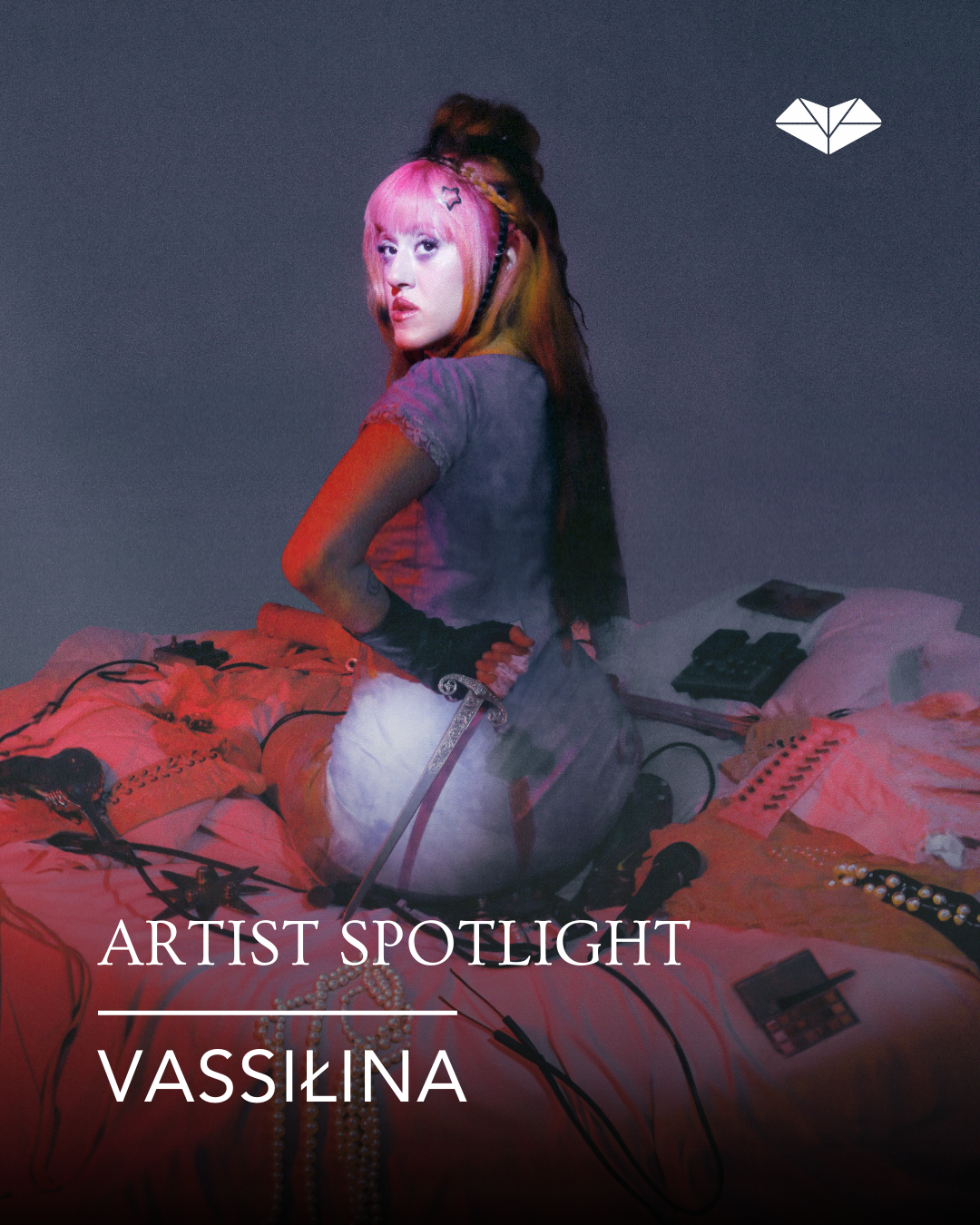
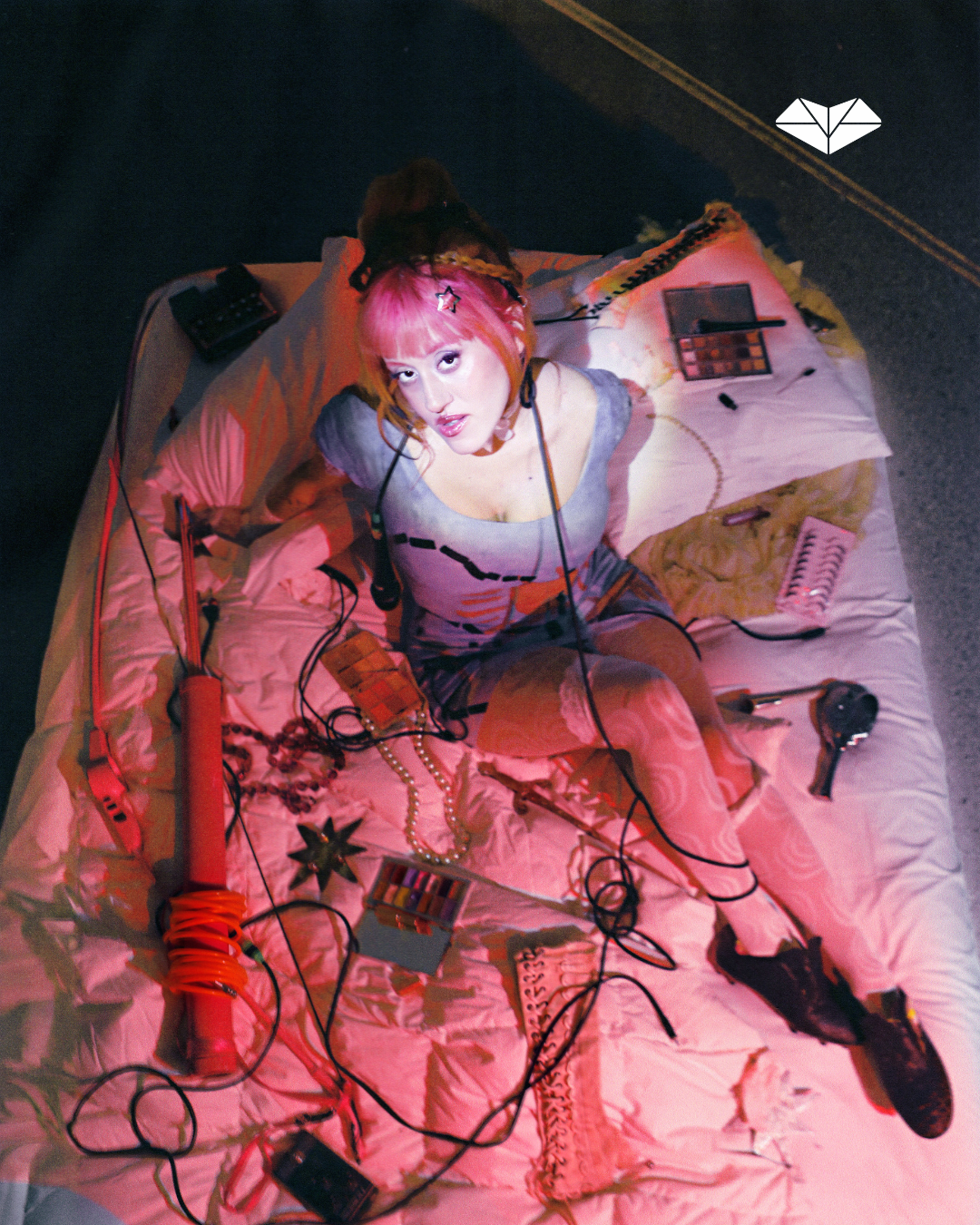
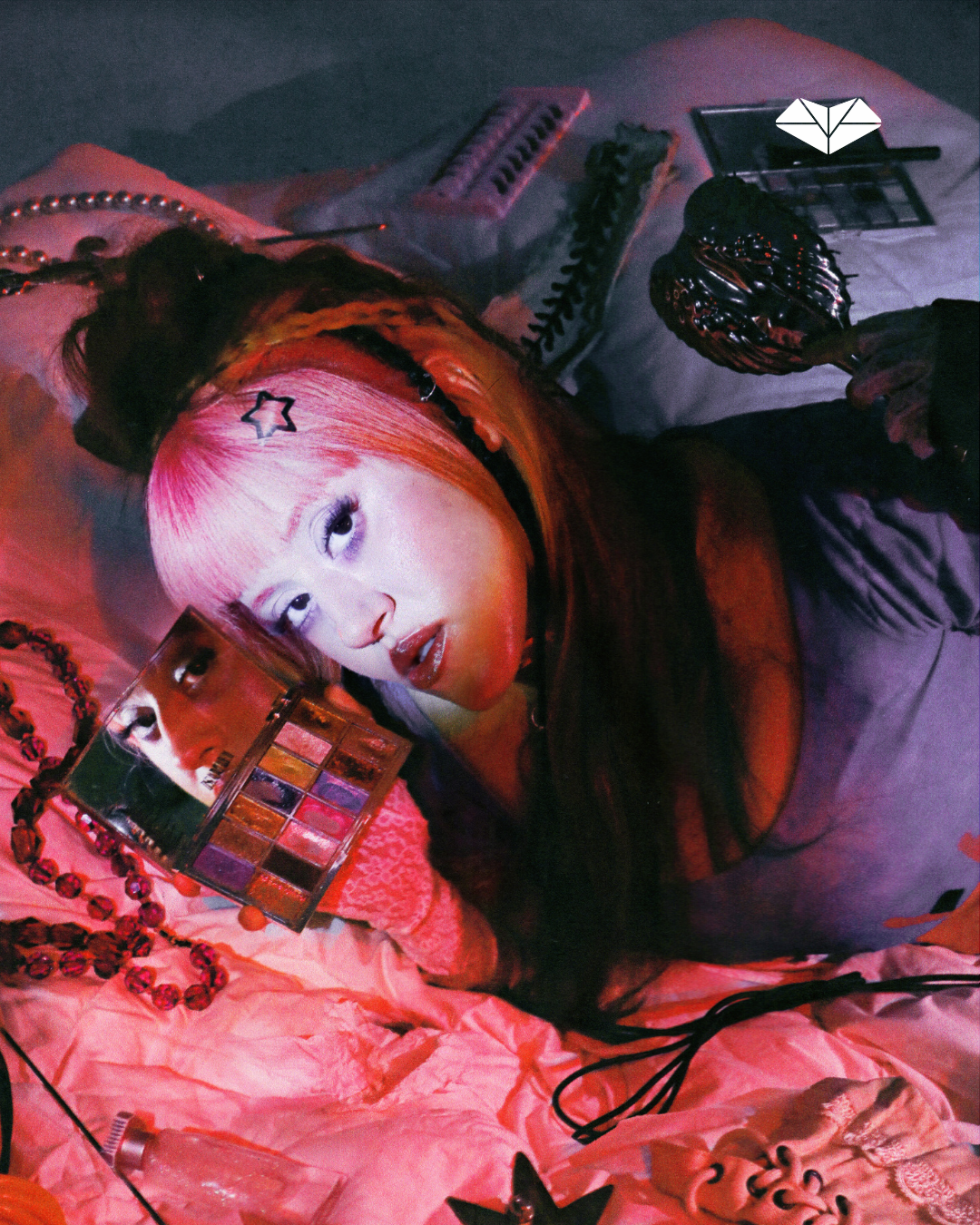
VASSIŁINA Discusses Her Existential Avant-Pop Album ‘i.par.ksia.ko’ and Creating Between London and Athens

Vassilina x Lissyelle

Athens-born, London-based avant-pop artist VASSIŁINA returns with i.par.ksia.ko, her second album and first written entirely in Greek. Released via Kiki Music, the record was developed between London and Athens with producer TOTALWERK (Tom Wright), building on the dark electronic and electro-pop foundations of her 2021 debut Fragments while moving into more personal territory shaped by migration, identity, and family.

The project began as a collaborative EP with Greek indie and alt-pop artists before evolving into a full-length album. Its title—Greek for “existential”—reflects the experience of living between places and versions of yourself. Tracks including “Dolini,” “Red Flag,” and “Katadiki” explore belonging, emotional inheritance, and the uncertainty of entering a new phase of adulthood, while an interlude featuring a recorded conversation with her mother brings these themes into direct focus.

Inspired in part by Alice in Wonderland, the album incorporates AI-processed vocal excerpts alongside field recordings and layered vocal arrangements, reflecting shifts in voice, language, and identity. Since releasing Fragments, VASSIŁINA has performed across Greece, the UK, and Germany, including shows at the Athens Digital Arts Festival and London’s Shacklewell Arms, and has opened for artists such as Miss Kittin and Kadebostany.

In this conversation, she discusses the personal experiences behind i.par.ksia.ko, her approach to voice and technology, and the realities of building an artistic practice between cities.

Vassilina x Lissyelle

Your album i.par.ksia.ko explores identity, belonging, and existential transitions. What is the story behind the project?

i.par.ksia.ko /“existentia” was written during a time of constant movement between London and Athens. It was a period of intense questioning: where do I belong and who am I in the process ? When you migrate between cities and countries, your identity doesn’t feel stable, it adjusts depending on the language you’re speaking, the room you’re in, the version of yourself that environment expects.

The album became a map of those parallel lives: the small-town girl, the city girl, the Greek girl in London, the ex-orthodox Christian girl, the daughter, the immigrant, the girl in therapy, the artist vs the girl in depression .It captures the sensation of living on unstable ground,  as if the ground could collapse at any moment and choosing to remain present rather than escape

After years of therapy and taking SNRIs, I kept confronting the same question: why do I have this need to radically change my life? Is it a pattern of self-sabotage or is it evolving and curing your trauma?

The record also explores inherited guilt, shaped by growing up within an Orthodox Christian Environment and the emotional legacy that passes quietly between mothers and daughters. Constant shame that is rarely spoken but deeply rooted .

It’s the first time I’ve written entirely in my mother tongue. That choice made the process more exposed and more truthful and weirdly it became my most extroverted work so far.

The record incorporates AI-processed voice excerpts and conceptual storytelling. How did you approach using AI as part of the creative process? What did it allow you to explore sonically or conceptually?

I didn’t use AI as a replacement for humanity.  I wanted to reflect exactly the feeling that we’re constantly being asked to adapt, accelerate, and reshape ourselves in order to survive within late capitalism. The pressure to produce more, to optimise, to become more “efficient” versions of ourselves , more westernize.  It reshapes our confidence and identity.

We move countries for opportunities. We shift accents to be accepted more. We fragment who we are to fit systems that were not built for us.

So using AI on my voice just to alter my accent was about exaggerating that fragmentation. It became a sonic metaphor for how we are already being altered by technology and music industry by the demand to constantly reinvent ourselves and how awkward and unreal that actual make us sound.

What is your favourite part of making music, and what is the most challenging part that audiences rarely see?

The best part is the creation itself, that raw, unfiltered moment of inspiration. It feels almost like a drug. A creative rush that takes over your whole body. It’s like stepping into a deep emotional retreat or an intense, non-verbal therapy session. You access parts of yourself you didn’t even know were there. That state is addictive. It’s one of the few spaces where I feel completely aligned instinctive, present, untamed.

The most challenging part is everything that follows that goes beyond the music itself. The waiting. The planning. The endless emails. The rejections.

You pour your whole self into something vulnerable and then, suddenly, you’re expected to become the manager, the strategist, the content creator, the producer, the negotiator, the art director everything except the musician. You’re asked to package and promote something deeply personal within systems that often ignore or dismiss it.

There’s also a subtle pressure to reshape yourself in order to make that personal work more “marketable.” So you find yourself altering parts of who you are just to amplify something real inside you. And when the results are slow or invisible which they often are, it can be deeply disheartening. It takes enormous emotional stamina to continue creating when recognition isn’t immediate.

For emerging artists trying to build meaningful connections, what is your best networking tip?

I think we hear so many tips and stories  but realistically Is very subjective. Most of the times is all about luck. Of course, if you are staying back home and not talking to anyone You will rarely see results.  For me, I can only do what works best with my ethics. I freak out when I have to network. I still do it but My social anxiety peaks. I prefer real connections and to be honest that where I see actual results. I love collaborating with other creators. 

Collaboration should feel aligned, not transactional. Show up consistently. Support others genuinely.  Don’t be competitive with others. You are you and they are them. The right people stay and will support you when there’s mutual respect and support.

Which three women in music have inspired you the most?

Bjork; for building entire ecosystems around her work and never compromising her artistic language.

SOPHIE; she didn’t just contribute to hyperpop, she reshaped the sound of contemporary pop altogether.

Kate Bush; for theatrical Performativity and fearless experimentation long before it was safe to do so.

Vassilina x Lissyelle

What is your best advice for young people who want to become producers, singers, or songwriters today?

Do your research and talk to other artists. Stay open. As women especially, we believe that we have to struggle alone in order to prove our worth by doing everything the hard way. That process is so isolating.

My perspective shifted completely when I started connecting with other femme artists while studying at Goldsmiths in London. I attended a female and non-binary music technology group called Omnii and for the first time I felt genuinely empowered in production spaces. Community changes everything.

Understand production at least to the level of building strong demos. Learn the basics of the music industry, contracts, publishing rights, booking etc. Observe how other artists made it. Talent alone is not enough. At the same time, don’t let the industry take away the reason you started creating in the first place. If you have a vision stay true to it. Be patient with your timing.

And build a team. No meaningful vision is built entirely alone. Collaboration doesn’t weaken your voice ,it strengthens it. You can create much more powerful worlds when you allow others to contribute to them. I keep on saying how my stylist and co-art director is now essential part of my band. I grew up so much and evolved as an artist and a person  since I started collaborating with Vinyl Face. 

What are you listening to most at the moment?

I go through phases but It’s been almost two years that I can’t stop listening to Oklou. So I’d say Oklou’s music . it’s not a phase for me. I also love the new album of A Greek artist and a friend of mine Olina and I love to explore new artists.


Follow on Instagram | More Links

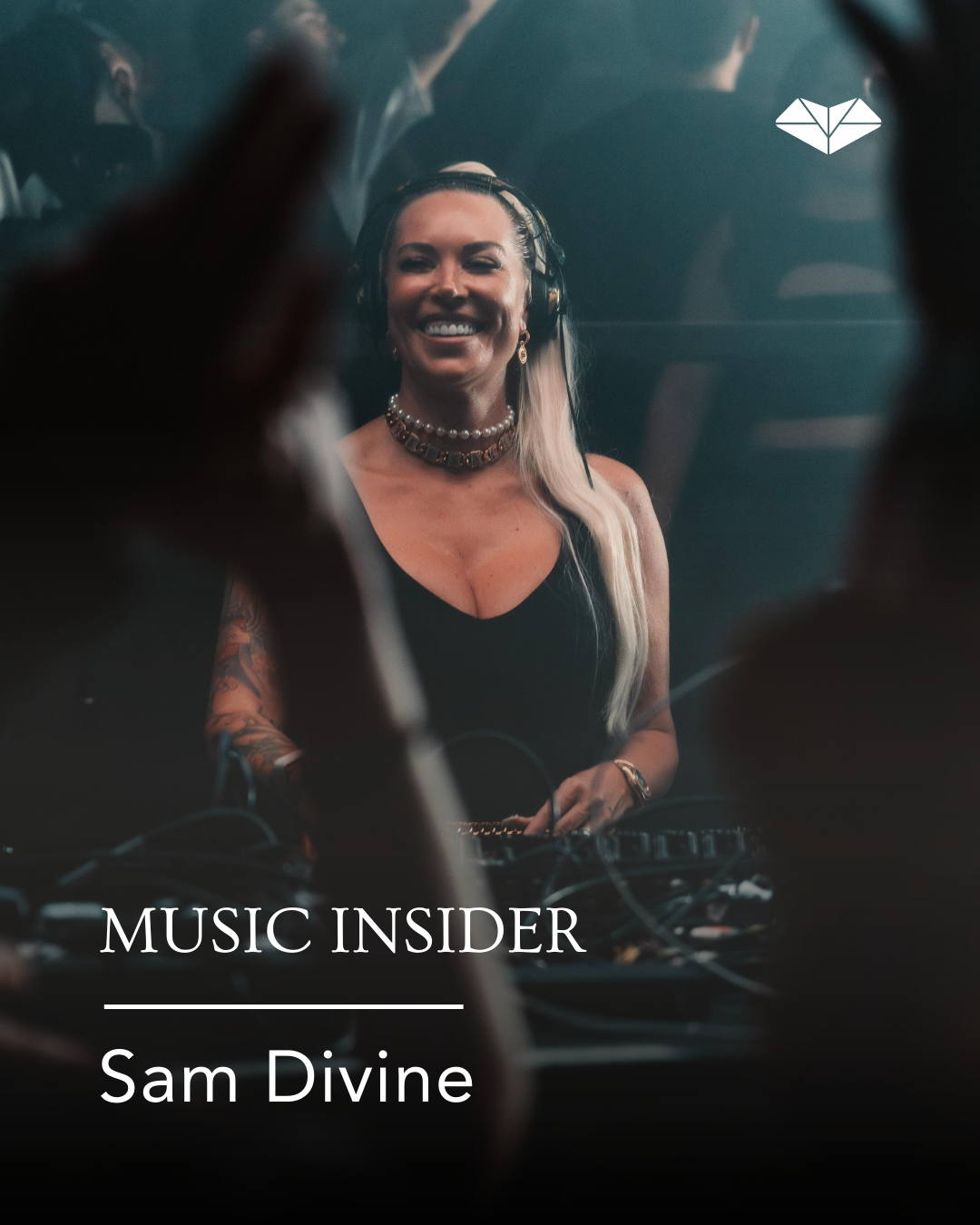
“We Must Protect These Spaces”: Sam Divine on Grassroots Clubs and the 555 Tour

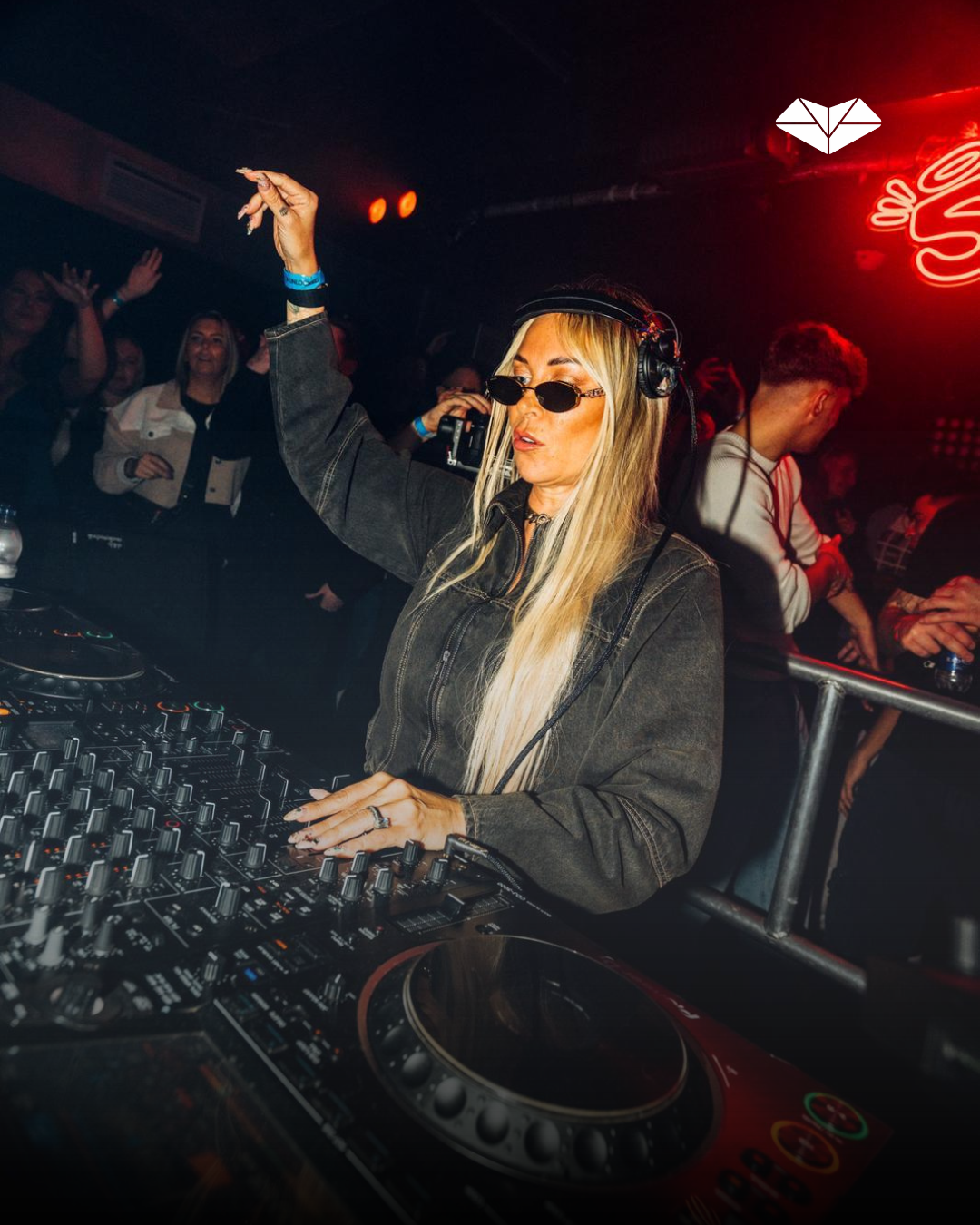
At a time when UK club culture is facing one of its most fragile periods in decades, Sam Divine is returning to the small rooms that first shaped her. More than 400 nightclubs have closed across the UK in the past five years, with grassroots venues among the hardest hit, eroding the spaces where local scenes form, artists develop, and communities gather. In response, Divine launched her 555 Tour, a series of five-hour, open-to-close sets in intimate venues across Liverpool, Bristol, Brighton, Exeter and Manchester, created in partnership with Save Our Scene.

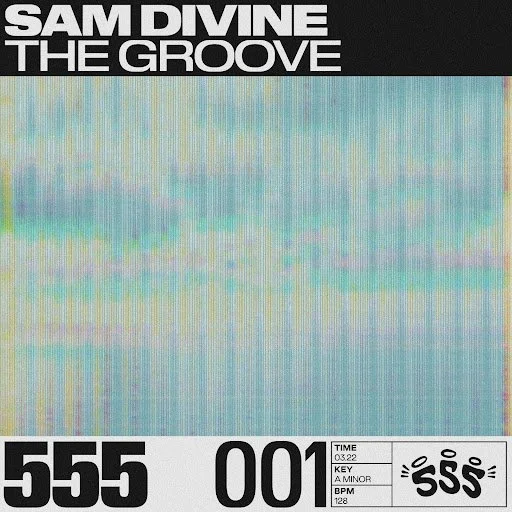
The tour arrives alongside “The Groove,” her new single and the first release on her newly launched imprint, 555. Stripped-back and built for the floor, the track reflects the instincts of a DJ shaped by decades inside dark rooms rather than festival spectacle. First introduced during her Tomorrowland main stage set in 2025, it has since become a recurring centrepiece in her performances, bridging the scale of global stages with the intimacy of grassroots dancefloors.

Framed as both a personal and political gesture, the 555 project marks a full-circle moment in Divine’s 25-year career. With £5 early-bird tickets and a strict no-phone policy, the shows prioritise immersion, accessibility, and presence—reviving the long-form DJ set as a space for storytelling and experimentation. The project also coincides with a period of personal transformation she describes as “Sam 2.0,” shaped by sobriety, wellbeing, and a renewed relationship to nightlife.

As the 555 Tour continues through March, Divine reflects on what grassroots venues made possible in her early career, what is at stake as they disappear, and how returning to these spaces has reshaped her understanding of the dancefloor today.

The 555 Tour brings you back to intimate venues for five-hour open-to-close sets. Why was it important to build the concept around duration and depth rather than scale? 

I’ve always been big on storytelling in my career, and I’ve approached my 5 hours sets in the same way. Starting off low and slow around 119 bpm and building it throughout the night peaking to around 135 bpm. That takes a lot of skill, experience, and knowledge. I wanted to challenge myself whilst giving back to grassroots venues. 

Being in the industry for 25 years I think it’s easy to forget why you fell in love with DJ’ing in the first place and I wanted to take myself back to when I was a resident warm up DJ . I was so carefree . I didn’t care too much if I made mistakes , I was really experimental.

There wasn’t as much pressure as there is now as a headline DJ and everything that comes with that. Selling out big venues is amazing and I’ve worked really hard to get here. This grassroots tour is about giving back to the very clubs that gave me a chance when I first started out . 

Looking back at the early grassroots clubs that shaped you, what did those spaces give you that bigger stages can’t?

Taking people on a journey is really important to me. Creatively there’s only so much you can do of that in a 2-hour set. A set can go in so many different directions depending on the energy of the dance floor.

This way I get to set the tone from early doors leaning into my 25 years of knowledge and experience. Revisiting tracks that I never get to play anymore that I wouldn’t necessarily play on a bigger stage. I also learnt DJ etiquette.

Really appreciating the headline DJ. I always wanted to do a ‘good job’ warming up. This is how I earned respect from my peers.   

In practical terms, what does a five-hour journey allow you to explore musically that shorter sets don’t?

Trust. My audience trusting me but also trusting my intuition. Around hour 3 I find myself reaching for records that sonically shouldn’t go together but using my skill to make them work.

Taking the dance floor in different directions seamlessly because I already know where I want or need to get to . Bringing the vibe down for a couple of records so you can take the energy back up again . Longer sets should feel like a full body workout.

Leaving people guessing where you are going to go next, so they don’t want to leave the dance floor. Longer sets are such a joy. 

Touring at your level can be relentless. What does a typical day on the road look like for you now and how do you consciously unwind after a show?

I’m still to nail the winding bit down. It typically takes me 2 hours to fall asleep from the moment I plug out to the minute my eyes shut. I do have rituals before I play though. I like to sage and clean the energy of my space and say a prayer. Whether that’s a green room or lately the whole club before a 5-hour set. Touring abroad consistently is just in my blood now.

Sam Divine sets the pace for 555 with new single ‘The Groove’
The first release on her new 555 imprint lands as the UK tour kicks off with a call to protect independent venues.

The days leading up to the weekend are more important than on the actual day. Making sure I am going to bed early, self-care, packing, checking in for flights, social media for the show and prepping music is all done in the days leading up to the show now. Sobriety has unlocked a new superpower of being organised so on the day of the shows all I have to do is catch a plane and play music.

That can be disrupted sometimes with delays etc but keeping myself calm and not stressed in those situations is paramount so I don’t bring that energy to the decks. 

You’ve been open about your sobriety and recovery. How has that shifted your relationship with club culture and the dancefloor?

Sobriety has been such a huge blessing in my life. I feel hyper focused and really In-tune with the dance floor. Things you might miss when you are under the influence of alcohol.

In addiction you feel numb a lot of the time. You remember places and experiences and how you felt but you are never truly present and now I feel more present than ever. The club is my church, and the dance floor is my saviour.

With more than 400 UK nightclubs closing in the last five years, what do you think is misunderstood about what we lose when a grassroots venue disappears?

The statistics are shocking and I’m saddened by this as I had no clue how bad it was and is the whole reason for doing this 555 tour.  Some of my favourite clubs have shut down. I met some of my best friends in those clubs. They hold so many memories.

When these grassroots venues disappear, we’re losing the very foundations of what our culture is built from.

Scenes are born in these spaces; headline DJs are born from these spaces. When they close, the loss ripples outward. Fewer entry points for emerging artists. Communities are shattered . These smaller spaces are the very heartbeat of our cities.

If we opened your record bag right now for a 555 set, what are three records/tracks that would almost definitely be in there?

Frankie Knuckles - Tears 

Sam Divine - The Groove 

Sade - Smooth Operator 

Name three women in music who have inspired or influenced you?

My mum. I lost her 2 years ago and she’s still inspiring me with music. I just collaborated on a record with Capri using the sample of Billy Ocean - Caribbean Queen. It was one of her favourite songs. From an early age my mum always had music playing and it’s inspired me a lot in my sets over the years. 

Lisa Lashes. Lisa was a huge influence on me in my early days. I loved that she had her own record label as well as being a badass DJ. She was breaking the norm and flying the flag for female DJs over 2 decades ago and she’s still crushing it today. This game is all about longevity. 

Annie Mac. I was listening to her radio shows for as long as I can remember, I found so much new music and new artists from her BBCR1 show . I love her before midnight concepts. Bringing wellness into the music space. Annie has inspired me that there’s no limits you can do as a mom in the music industry.


SAM DIVINE’S 555 TOUR: Tickets

TOUR DATES

6th Mar – Move, Exeter

14th Mar – Joshua Brooks, Manchester

30th - Ministry Of Sound , London (new)

Follow Sam Divine 

Instagram | TikTok | Facebook | Spotify | Soundcloud

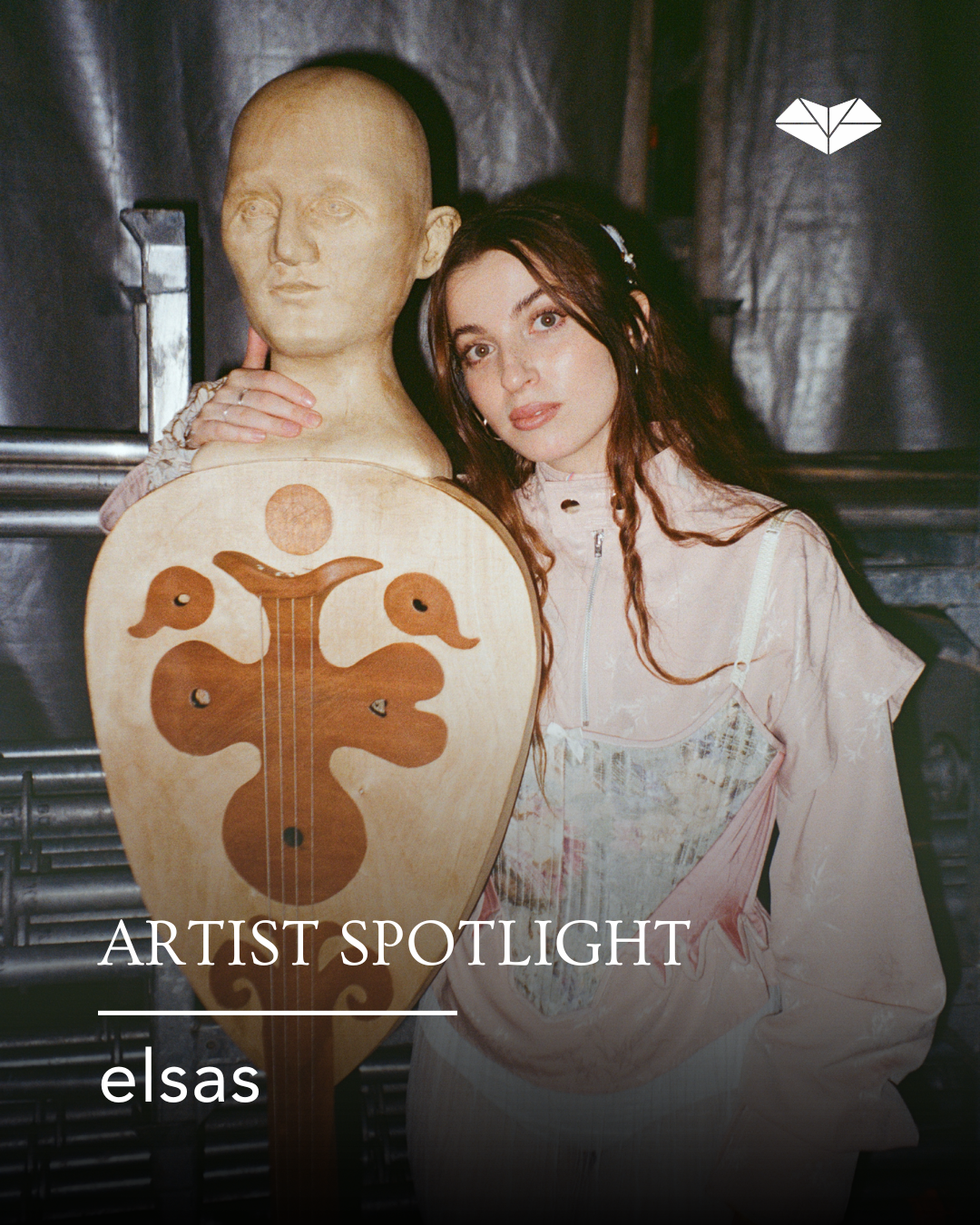
Producer, Composer and Sampha Collaborator elsas on Her Creative Process and the Making of Her EP APORIAMOR

Barcelona-born and now based in London, producer, composer and vocalist elsas has quietly become one of the most distinctive voices operating between the UK’s alternative music landscape and a wider experimental pop continuum. Her work moves fluidly across disciplines and scenes, shaped as much by her classical foundations as by years spent collaborating with artists including Sampha, Florence + the Machine, Little Simz, Jockstrap and Duval Timothy. Those exchanges, particularly her ongoing creative relationship with Sampha over the past three years, have played a formative role in refining her approach to songwriting, production and sonic storytelling.

Her new EP, APORIAMOR (out now) released via Barcelona’s Lapsus Records, marks a decisive moment of artistic consolidation. Largely self-produced over four years and developed across multiple geographies—from her childhood home in the Spanish countryside to stages across the United States while touring—APORIAMOR reflects a more distilled and intentional evolution of her sound. Drawing on both her Mediterranean heritage and the textures of UK alternative music, the record explores love, heartbreak and emotional transformation through a deeply personal lens, building a language that embraces vulnerability rather than closure.

If her debut EP The Art of the Concrete introduced an expansive and exploratory artistic identity, APORIAMOR signals a clearer articulation of that vision. Conceived as both archive and release, the project captures a period of personal and creative becoming, positioning elsas as an artist concerned not only with experimentation, but with legacy, memory and emotional authorship.

APORIAMOR is framed as “the death of love’s contradiction.” At what point did you realise this record needed to exist, and what emotional or conceptual shift set it in motion?

I must’ve come up with this word during a very inventive late night etymological rabbit-hole. I was in romantic turmoil, trying to invision a type of love that would be freed from all contradictions, all logical dysjunctions. I was wondering if pure clear and peaceful love existed, even as a reaching point, an asymptote. Needing to repeatedly process and overcome heartache was the catalyst to creating these songs and grouping them under this project.

Photo by: Aitor Rodero. Outfit: Bebé Espinosa

Compared to The Art of the Concrete, this EP feels more distilled yet emotionally expansive. What did you consciously decide to leave behind in order to arrive at this new sonic language?

If a record was a stim, that’s what The Art of the Concrete was for me. It was my way of learning how to produce, and in the process I was equally overexcited and overwhelmed by the vastness of possibility (hence the irony of the title).

I had to become some sort of sound hoarder before I could understand how I really wanted to articulate myself musically. It’s an experimental record in the full sense of the word, enveloped in the high-frequency energy of my early twenties, and I love it for that. 

Since then, I gave myself the time to be in music, but without the agenda of being an artist to the world - just keeping my input antennae open. I had to reconnect with the heart of it, and deconstruct the trained musician within (call it ‘conservatoire syndrome’). I started listening to my intuition, keeping only the essences, enjoying my own company, and building my world from that place. I also spent time developing my skills as a producer, becoming more intentional in my choices. And, most importantly, I eventually understood my gift, started prioiritizing my voice, and stopped hiding behind my ideas. And there’s still a long way to go!

You’ve described this project as part of building your own archive, a documentation of becoming. When you imagine listening back to these recordings ten years from now, what do you hope they will remind you of?

I hope I still feel proud of the work, and that it reminds me of my commitment to my artistry. I hope it makes me hold my past self tenderly and appreciate the hard work she put in to get me ‘here’. Maybe I’ll have destilled and deconstructed so hard that I’ll be making exclusively drone-based ambient music, smoking a pipe and thinking to myself ‘wow that girl was really working through some s***’.

You often describe songs as organisms that respond to their surroundings. How do different environments (e.g. touring, cities, solitude) practically shape the way a track evolves for you?

They are very much alive and pulsating. I enjoy letting the music breathe in real-time before making it permanent. This EP shape-shifted while I was touring it.

I performed the songs on APORIAMOR while supporting Sampha in the US in early 2024, and it became a kind of testing ground. It helped me see what felt aligned and what didn’t - what needed changing and what needed deepening. Exposing myself in that no-strings-attached way became a real incentive to finish the music.

Going back to the drawing board tends to be easier for me when its prompted by the inercia of external living. Solitude can result either in my thoughts jamming in a loop whilst I drift in a limbo of in-between activities, or I enter a state of hyper-focus and forget I have a body. It is in the latter where the magic tends to happen.

Collaboration seems central to your artistic ecosystem, from long-term work with Sampha to exchanges with artists across very different scenes. What makes a collaboration feel creatively “right” for you?

I’ve been very lucky to have worked with some extraordinary musical minds. I’d say a collaboration is right when everyone is showing up in their truth and working in the service of music (the muse, the craft), and mantaining a sense of mutual respect whilst exercising freedom.

I usually trust that the conspiring forces that lead us to be sharing a room in the first place can be enough to make it worthwhile, or “right”. Of course, like in any collaboration, there’s more or less personal and creative affinity that can unfold. But at the end of the day, making art for a living is a huge privilege.

What is your favourite part of the music-making process and the part you struggle with the most?

My favourite part is the initial spark and the throb of or vision that follows, whether it’s the maturing of a long-time mulling idea or a spontaneous manifestation. The creative infatuation phase. Usually these early ideas arise with energetic bounce and in collaboration.

I just love jamming. I love those moments of lucidity (who doesn’t!). I struggle more with moments of diffuse intention and indecision, when there’s an inner wall that stalls progress and it’s hard to locate and break down. And like most artists, I can find it hard to know when a song is finished, almost to a pathological level.

But so far, more often than not, I’ve proven myself right when I persevere until the end, however torturous it might feel at times…

Photo by Connie Keane | Headpiece by: Annika Thiems

For emerging artists trying to build meaningful relationships rather than transactional networks, what has been your most effective way of connecting with the right collaborators and communities?

I think the key is overcoming the fear of reaching out to people whose work moves you, sparks curiosity or familiarity, because you never know what might come from it!

Creative work can be emotionally intense, especially when projects are rooted in personal experience. On difficult days, what helps you step back, reset, and return to the work with clarity?

Honestly, on those days I get really good at replying to all my emails. I get all my admin done, probably clean the house and get on the phone to my close friends for hours. Most of them are musicians or artists, so they understand and share the underknitting of my daily struggles.


APORIAMOR by elsas is out now | Listen & Download

elsas on Instagram

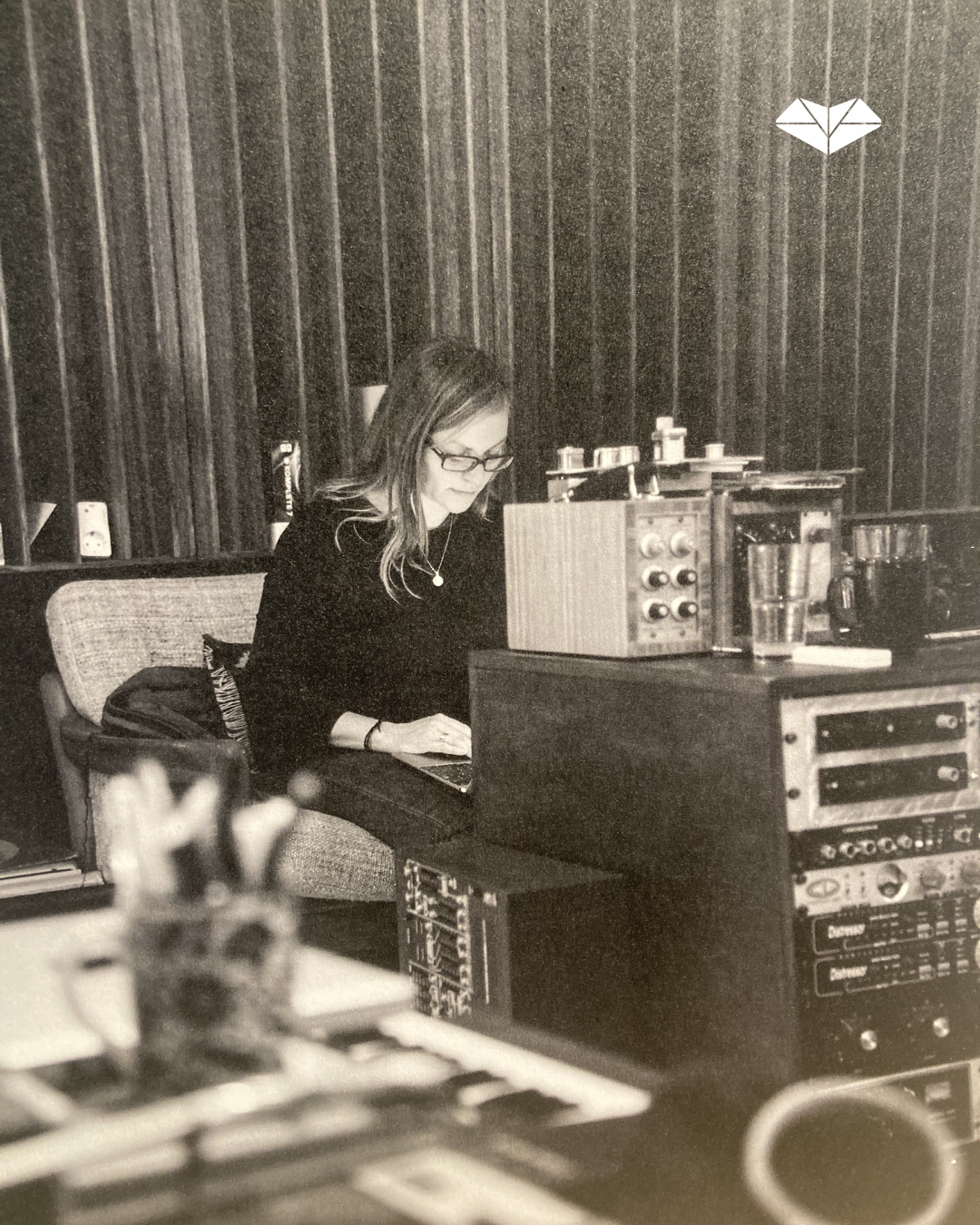
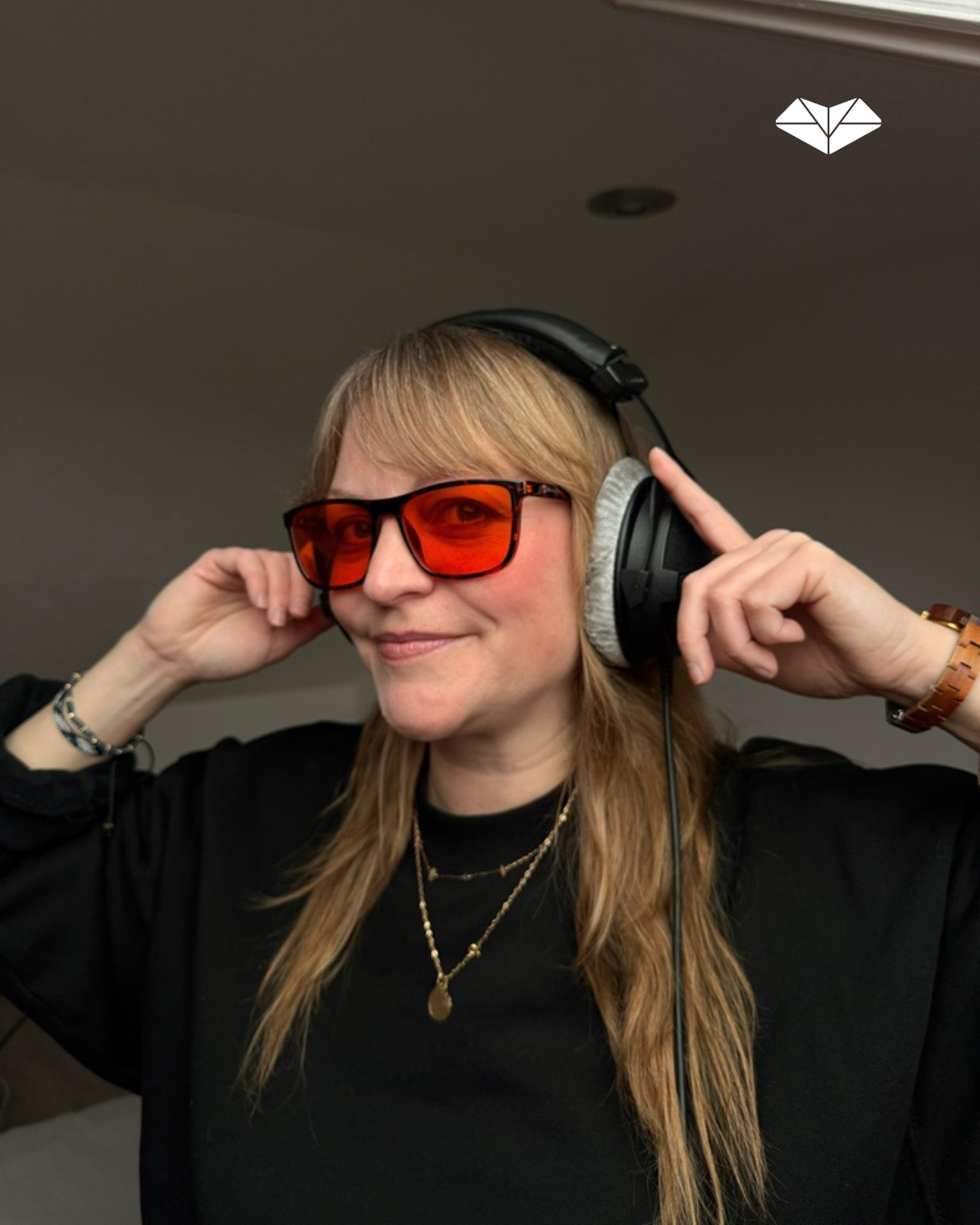
Music Supervisor Julie Blake on Building AURA and What Artists Should Know About Music Licensing

Photo credit: Joe Watson

With more than two decades shaping how music meets moving image, Julie Blake has built a reputation as a leading creative voice in music supervision, working across film, television, theatre, and immersive projects. She was previously a partner at Third Side Music and led the sync and publishing operations for influential independent organisations including Ninja Tune and Erased Tapes, building a career at the intersection of creative storytelling, catalogue strategy, and sync licensing.

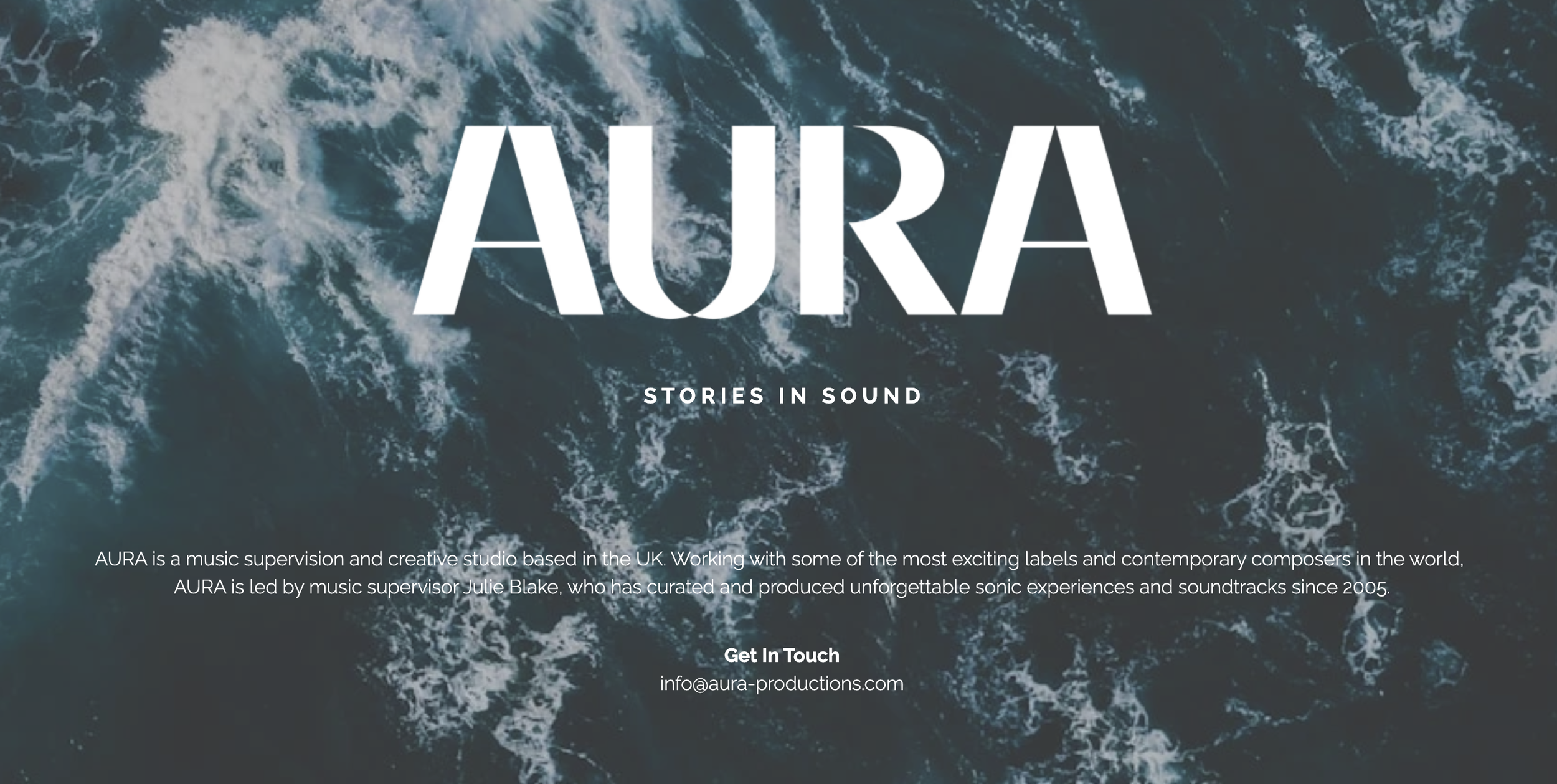
At the centre of her current work is AURA, the UK-based music agency she founded to bring a more curator-led approach to music supervision and licensing. Working closely with a roster of contemporary composers, AURA pairs distinctive musical identities with screen and stage projects while ensuring streamlined rights clearance and tailored creative direction. The agency’s newly announced independent sync collective further expands this vision, assembling hand-picked catalogues from leading independent labels and composers across Europe and North America to provide music supervisors with deeply curated, sync-ready repertoires.

Following the announcement, we spoke with Julie Blake about her path into music supervision, building AURA’s supervisor-first model, and what artists should understand today about preparing their music for sync opportunities.

What does a typical day look like for you at the moment?

My day always starts with a massive cup of tea. I have a saying: “no decisions before tea”. I like to ease into the morning and strategize, identifying my top two or three priorities for the day before the outside world sets the pace. I try to tackle those immediately, which usually involves creative work like reviewing artists’ new mixes, demos, or upcoming releases.

The rest of the day involves playlisting, searching for interesting tracks for particular scenes or projects, and then I try to reserve any meetings and admin (like reviewing contracts) for the afternoon. Because I work across timezones from GMT to PST, I have the odd video call in the evening, but I’m pretty strict about my schedule and “life/work” balance is really important to me. There are way too many burnt-out leaders out there, and you can’t captain a ship if there’s no gas in the tank. 

Can you tell us how you first started working in music and the key early experiences that shaped your career path?

My career began in the '90s record store era. It was a nostalgic time when shops were the true gatekeepers of new music discovery. I managed both a record store and a musical instrument retailer early on, which gave me a broad knowledge of genres, gear, and experience managing teams. I also learned a lot about listeners and musicians - how to genuinely connect with them and fuel their curiosity to check out that new album or effects pedal.

A major turning point in my career was when I moved to Montreal in 2004 and became an intern at the record label Ninja Tune. That role evolved into leading the startup of their new publishing venture (Third Side Music) in 2006.

Helping to build that company from the ground up set the tone for all of my future work in business development. Looking back, it taught me the value of learning through observation, being highly agile, and that a determined, hardworking attitude is the foundation of success.

Vox-Ton Studios - Photo credit: Claudia Goedke

From your perspective, what practical steps can artists take now to make their music easier to license, both creatively and administratively?

There are a few basics that you need to get right if you’re pitching music for sync. Make sure the music has good production value (i.e. is properly mixed and mastered, broadcast quality is usually 24-bit 48 kHz WAV), provide lyrics, instrumentals (and clean versions for anything explicit), have stems ready, and ensure that audio files are tagged with metadata like mood keywords, contact information and ownership details.

Think about how many mp3s a music supervisor might have in their music library - you don’t want yours to be “track 1” by “unknown”.

Don’t pitch music you don’t own, control, or that contains uncleared samples from someone else’s work. It makes a music supervisor’s work much more difficult if they have to go to more than 2 or 3 rightsholders to clear your music. They have to really like that track and have ample budget and time to want to do that.

So if you’re working with a variety of collaborators or partners, try to make an internal agreement that allows you to offer streamlined sync approvals. Any publisher or label you work with should be your proactive partner, helping secure opportunities, and responding quickly to licensing requests. Ask about their track record.

Creatively, my top tip when writing music for sync is to make sure the song has a very clear mood and vibe. It should give you an immediate feeling and sense of place - we’re on a beach sipping cocktails, we’re in an industrial nightclub on a big night out. Songs that build are fine, but a sudden shift, like a song that starts off sad and becomes happy, or a song that is too short (less than 2 minutes) can make it difficult to place within the context of a scene. 

For people hoping to enter the music industry today, what is the most important piece of advice you would give them? 

Music is a creative industry, but it’s still a business. I think people starting out in music get impatient and want to skip right to the “glamourous” roles like A&R, producing, or music supervision. I’ve also found a lot of musicians in junior roles who then got frustrated to be supporting creatives rather than creating music themselves.

Be clear about why you want to work in the music business, and appreciate that there is a lot of administration and marketing work to do, especially in entry-level positions.

I highly recommend interning before applying at a company to see what roles are available, and which ones genuinely appeal to you. Be an avid listener of all kinds of music, a hard worker, and keep up to date on relevant trends which are constantly changing the landscape of how listeners connect to our product.

Photo & Styling credit: Meriana Crespo @streetsugar

What is one habit or mindset that has helped you sustain a long-term career in the industry?

I think my brutal honesty has been what has allowed me to create both very high quality relationships and music over the years.

You can’t be afraid to mention it when a violin is slightly out of tune, even if it’s on a recording that has already been mastered… Or to say a song just isn’t good enough (yet, or ever). Or to fight for one that you believe is too good to cut from a project. When people aren’t being fair, good, or trying hard enough, I’m also not afraid to call that out and/or stop working with them. I’ve had to let go of some talented people and partners over the years.

There’s a bit of tough love that has to happen to create high value work, and to constantly push boundaries, or people’s capabilities. Honesty for me is also just about being an authentic, genuine person.

When I walk into meetings with clients, I’m the one asking about their kids, dogs and what matters most to them in life right now, before diving into the project. Once I know where they’re truly at, I can meet them there, and I’m much better positioned to offer something of true value. 

What are you currently listening to?

Just for fun, I’ve been doing a deep dive into all of the music released in 1999. It was a mind-bogglingly huge year in pop and electronic music, with Moby Play, Genie In A Bottle, Hit Me Baby One More Time, Backstreet’s Back, Slim Shady, Livin’ La Vida Loca, Say My Name, and tons of amazing hip-hop releases.

That exercise lead me to rediscover Sakura by Susumu Yokota which has been on repeat this month. I’ve also been listening to a lot of music by a harpist I work with, Nailah Hunter. Her albums ‘The Pavilion Of Dreams’, ‘Sleeping Sea’ and ‘IYUN’ are a wonderfully relaxing way to start or finish the day.


Julie Blake on LinkedIn | Podcast

AURA on Instagram | Website

Award-Winning Presenter Abbie McCarthy on Good Karma Club and Building a Career in Music Media

Award-winning presenter, DJ and tastemaker Abbie McCarthy sits at the centre of the UK’s new-music ecosystem, with a career built on trust, curiosity and long-term artist development rather than hype. Best known for her work on BBC Introducing, McCarthy has been instrumental in discovering and championing emerging talent, earning a reputation as a reliable first listen for artists on the cusp of wider recognition.

Her impact has been recognised across the industry, including induction into the Roll of Honour at Music Week Women In Music Awards and a Silver ARIA for Best Music Presenter.

Alongside radio, McCarthy has become a familiar face on some of the UK’s biggest stages, making history as the first woman to host the main stage at Reading Festival and fronting coverage from Glastonbury, Abbey Road Studios and major red-carpet events. A sharp, instinctive interviewer, she brings the same depth to The Eras Podcast, where she explores the creative turning points that shape artists’ careers, with guests ranging from rising stars to established international acts.

McCarthy is also the founder of Good Karma Club, a critically respected live platform now celebrating its tenth year, known for championing artists early and pushing back against pay-to-play culture.

Beyond music, her work extends into sport and culture through presenting roles with BBC Sport, Chelsea TV and major live events, reflecting a broader approach to broadcasting rooted in personality, credibility and genuine connection. In this Q&A, McCarthy reflects on how it all began—and the values that continue to shape how she works today.

How did you first get your start in music and radio, and what helped you find your path early on?

My very first show was on student radio while I was at Warwick Uni. Presenting immediately made sense - I’m obsessed with new music, I’m a big talker and I love getting to know people. Realising I could combine all of that into one job lit a proper fire in my belly and I started applying for work experience at the BBC and volunteering at both community and hospital radio.

I got to intern at BBC Radio 6 Music for a month and loved it so much - I helped with show notes, I got to see Haim play in the Live Room and be in the studio observing some of the absolute best in the business. My cups of tea must have been top tier because when my placement came to an end, I was offered the opportunity to work as a freelance Assistant Producer across the network. Quite soon after that I was on air presenting music news and covering my local BBC Introducing show too. 

What does a typical day in your life look like?

No two days are ever the same, which is honestly one of my favourite things. There’s usually lots of listening to new music, then there’s deep research for upcoming guests on my music interview series The Eras Podcast, curating lineups for my gig night Good Karma Club, calls / meetings, going to gigs, DJ sets and of course, some real life & silliness with friends and family in between. 

BTS photos - Mercury Prize interview - Cat Burns

What’s one lesson you learned early in your career that still shapes how you work today?

I was lucky enough to work with some of my favourite broadcasters as a producer before fully pursuing presenting myself, and they showed me two things that have really stuck - the importance of being a genuinely nice person and to always be authentic.

We’re in an era now where people are constantly looking for shortcuts, quick wins and overnight virality, but as hard as it can be, be patient! You’re learning so much along the way and when that dream opportunity arrives you’ll be more than ready for it and true authenticity always wins out. 

When you’re choosing which new artists to support, what makes you stop and pay attention?

Artistry. I want to feel something - whether that’s vulnerability, escapism or joy. It’s less about polish and way more about personality and intent. If it feels like an artist really knows who they are, I’m listening. A strong song will always cut through, but great artistry, world building and true fan connection is what keeps me invested. 

What inspired you to start Good Karma Club, and what have you learned about spotting potential in new artists?

Experiencing live music is one of the best things ever and I wanted to find a way to further support the new artists I was playing on the radio. When I was breaking into the industry, there were so many nights in London where artists had to pay to play, which is so wrong! I wanted to create opportunities open to everyone. 

Intimate shows are where real artists shine. They’re not hiding on a massive stage with epic production but showing up and riding the feeling that this could be the start of something. Honing their craft, building that confidence and road testing their music. 

The nights where you spot real potential and songs connecting in real time are such a rush, wish you could bottle up that feeling! I remember Olivia Dean playing at Colours in Hoxton for us and performing ‘OK, Love You Bye’ live for the first time and everyone in the crowd just looking at each other like ‘wow’.  

This year we’re celebrating 10 years of Good Karma Club! I’m SO proud of the night and the community that we’ve built & am excited to see where it goes next… 

Tips for anyone who wants to get into your industry… 

Don’t wait for permission, start! If you want to be a presenter, launch your own online radio show or youtube channel and learn as you go. If you want to be an artist, start recording videos of you playing your songs at home. Don’t wait around for someone to give you an opportunity when you can create those first sparks yourself. 

Honestly, shoot your shot babes! Everyone remembers what it’s like to be at the very beginning, and more often than not people are happy to reply to your message, share advice and help where they can. 

The most important one - never be anything other than yourself. Trends change, platforms come and go, the industry is always chasing the next thing, but if you lead with authenticity and integrity, you’ll always win. The moment you try to mould yourself into what you think people want, you lose the thing that makes you unique. 

3 things that you can’t live without in your bag. 

Headphones (obvs)

A notebook - so my ADHD brain never forgets an idea ! 

A lil snack - must keep the hanger at bay… 


Abbie McCarthy on Instagram

Good Karma Club | LinkedIn

Kallemi: An Ounternational Transcultural Ensemble Rooted in Migration and Musical Exchange

Photo credit: Alessandra Leimer

Kallemi (Arabic for “Speak” in the feminine voice) is a transnational musical project formed by Jasmin Albash, La Nefera, Maysa Daw, and Rasha Nahas — four artists whose individual practices span electronic music, hip hop, rock, and experimental songwriting.

What began as a short-term exchange through Kaserne Basel during Palestine Music Expo quickly became something deeper. Rooted in shared experiences of migration, ancestry, and the search for home, Kallemi’s music is shaped as much by friendship and trust as it is by sound. Since their first performance, the project has grown organically through live shows across Europe, the UK, Canada, and Palestine, long before any official release.

Their debut single ‘One Day’, written during their first residency in Ramallah, marked the project’s first release and was followed by ‘Where Is Your Home’. A new single and their debut EP — produced by Aaron Ahrens and recorded in Berlin — are set for release on January 30, continuing to expand Kallemi’s evolving collective body of work.

How did Kallemi first come together, and what made you realise this wasn’t just a one-off project?

We met through an exchange initiated by Kaserne Basel (Switzerland) during Palestine Music Expo. During the 10 days that we had to work, the songwriting process was flowing very organically and in addition to the music flourished a genuine connection and friendship. After getting off the stage from our  first show in Basel, noticing the energy that we felt between us as band, as well the exchange with the audience we realised that this is bigger than us.

You met during Palestine Music Expo in Ramallah. What do you remember most clearly from that first period of working together?

It was a combination of different experiences: we lived and rehearsed in an almost empty flat and Maysa packed the car with gear from Haifa. Each of us brought their instrument and we just jammed, explored the city, ate amazing food, talked for hours and wrote almost all of  the songs we have during that time.

What’s your favourite part of making music as a collective and what’s the hardest part of sharing creative space?

The hardest part for sure is the physical distance between us. In order to tour, rehearse or write music it requires a lot of organisation and resources, which forces us to be more strategic which is good, but not always simple. 

Plus decision making and distribution of tasks, for example in our individual projects we are used to deciding for our own but making decisions collectively can be hard but also freeing and opening horizons at the same time.

Definitely magic is when we finally all meet in one room and the music is happening between us and  there are these moments where we know that everything is falling into place.

Each of you brings a distinct sound and skillset. What’s one concrete rule or habit you’ve developed to make collaboration work smoothly?

There is no actual rule. When we are making music, we do not force anything to happen, we trust each other’s creativity and skills and we let things happen naturally. when one of us has an idea, we take that idea and explore it to the max. at times we go back to songs and change parts of them, but we keep them flowing.

On the technical\logitsic side, we each have her strength and skills, and we divide the behind the scenes work accordingly.

Before any official releases, you were already touring internationally. What did playing live teach you about the project early on?

From playing live we love each others energies on stage, its a fit! Even though its not the easiest setup as a long distant band, this understanding keeps us committed and resilient to make it work.

Photo credit: Alessandra Leimer

For emerging artists trying to connect with the right people in the industry: what’s one networking tip that actually works for you?

Always trust your gut. If anything feels off, it probably is.

What’s one mistake you made that taught you something useful about building a sustainable music project?

It took us time to distribute the tasks and to do’s between us, but once we figured that out the workflow became much more sustainable.

What are you listening to at the moment?

Ino Casablanca, Maria Basel, Stevie Nicks, Dina El Wedidi


Follow Kallemi on Instagram

Artist Manager and Newspaces Studio Founder Agnese Ghinassi on Aiming to Build Longevity in Artist Careers

Photo credit: Johanna Kirsch

Agnese Ghinassi is part of a new generation of managers whose work moves fluidly across music, fashion, and contemporary art.  Based in Berlin and originally from Rome, she launched Newspaces Studio in 2025—a management and creative consulting agency shaped by her experience in artist development, creative strategy, PR, and fine arts project management. 

Ghinassi’s professional grounding was formed during her years at Modern Matters, where she progressed from intern to assistant and eventually into a key role as Artist Manager. During this time, she developed a broad operational and strategic skill set spanning artist management, PR and press, project and label management, alongside day-to-day management. Her work included supporting artists such as VTSS and LSDXOXO, handling press for clients ranging from composer Danny Elfman to producer and DJ GiGi FM, and overseeing label management for Klockworks alongside PR for Ben Klock.

Today, Ghinassi manages NYC-based transdisciplinary artist Agnes Questionmark, producer SALOME and Cuban-Spanish DJ TOCCORORO. Ghinassi’s practice also extends into the contemporary art field through her management of Agnes Questionmark — a contemporary artist working across installation, sculpture and performance. In this role she has overseen complex works including the 13-day performance CHM13hTERT & Cyberteratology presented at the 60th Venice Biennale, to name a few. This experience, together with her background in music management, PR and artist development, provided the groundwork for Newspaces Studio, which represents a curated roster of artists whose practices develop across different creative contexts rather than within a single industry lane. 

Your background spans artist management, PR, creative consultancy and large-scale art project management. How did you get your start in music?

I started as an intern at Modern Matters during my studies in Berlin. I was about to finish university, and in order to be able to write my thesis, I had to complete six months of practical work “Pflichtpraktikum”. I was studying Media and Business Psychology at the time, in German, (tough one). I’ve always been passionate about music, and one of my mentors, someone I really respect in the industry, suggested a few different companies for me to consider.

I remember telling her that I didn’t want to “just bring coffees or watch from behind” (very 23-year-old me ready-to-take-on-the-world phrase). The truth is, I wanted to actually do the work. That’s when she suggested I look into Modern Matters. I ended up leaving university without finishing my degree and stayed at Modern Matters for five years. I began as an intern, quickly became an assistant, and gradually worked my way up.

Assisting roles are often underestimated, but they’re where you build an incredibly broad and practical skill set. Working closely with my former boss allowed me to define myself early on as a generalist. I was exposed to many different sides of the industry from PR, press and label management, royalties, record deals to more administrative tasks like invoicing, tax systems, artist statements. That hands-on experience helped lay the foundation for what I’m looking to do at Newspaces Studio. I will always cherish that opportunity. 

Photo credit: Johanna Kirsch

From intern to founder in just over 6 years is a big achievement. Looking back, what skills or instincts proved most transferable as you moved from assisting to leading, and which ones did you have to actively unlearn?

As wild as it sounds, the biggest skill I had to unlearn was multitasking. When you launch your agency and start working independently, you want to do everything at 100% and feel in control of your business, your tasks, and practically everything around you. But multitasking doesn’t necessarily equal control; more often, it means doing many things at once and delivering them at 60, 70, or 80 percent instead of fully.

In assisting roles, multitasking is a powerful skill because the tasks are less decision-heavy. When you go independent, though, learning when to slow down, prioritize, and focus is what ultimately allows you to lead with clarity and intention. That doesn’t mean I don’t multitask at all, I just aim to execute faster and more efficiently. It’s a learning curve.

The most transferable skill, for me, was learning how to read a room and communicate with people coming from various professional backgrounds, from artists to agents, label owners, creative directors, business managers, and editors, etc. It taught me how to adapt fast, translate ideas across different worlds, and move quickly between creative and business spaces.

You’ve spoken about the importance of understanding an artist’s “message.” Practically speaking, how do you intend to help artists articulate what they stand for when that clarity isn’t there yet?

In my approach, I will aim to give artists a safe space where they feel supported enough to explore what they want to express, without pressure to adapt to a standard.

A lot of that can start with conversations, understanding their references, instincts, and characters, and what feels natural to them. I intend to help them through the process of individualising their strengths and how they want to convey who they are to the world around them. Once that starts to take shape, I work with them to find a structure that feels intentional and purposeful. 

I wouldn’t say it has to be a specific “message” , it's more about understanding what differentiates you as an artist from others, what you bring to the table, what you do differently, and leaning into that.

Practical examples of questions I would ask:

– What moves you?

– Why?

– Who inspires you, and who do you see as your peers?

– If you’re thinking big, where would you like to be in five years?

TOCCORORO Birthday During Fred again.. Event

Many artists struggle with brand collaborations for fear of diluting their identity. From a management perspective, how do you evaluate when a brand partnership adds depth to an artist’s profile rather than noise?

From my point of view, a brand collaboration adds depth when it’s genuinely aligned with the artist and develops in an organic way.

One way to ensure this is by building connections with brands the artist is already passionate about, whether that’s clothing brands they already wear or designers they admire, or production tools and platforms they already use in their creative process. The goal is for the collaboration to feel like a natural extension of who the artist already is, what they like, and what they want to represent, rather than something imposed.

Additionally, to make a brand partnership more meaningful and to ensure it feels like a true collaboration rather than just a ‘branded deal’, I always make sure that the teams involved, especially on the brand side, understand that they’re working with a talent who has a clear vision, aesthetic, and personal taste that needs to be respected and conveyed for the collaboration to be successful on both sides.

Newspaces Studio aims to establish itself at the intersection of music, art, and fashion. What do you think sustainable growth looks like in that cross-disciplinary space, especially when visibility can arrive faster than infrastructure?

As I start building my own agency, I’m realizing that sustainable growth often comes from learning, as a manager (together with your artist), when to say “no” to certain opportunities and trusting that the right ones will come back around. There’s so much pressure to move fast and capitalize on momentum, especially when visibility starts picking up and it feels like there’s a clock ticking in the background. But you don’t actually need to do everything at once.

Sometimes it’s more effective to slow things down, be intentional, and focus on what really needs attention at a specific moment in an artist’s journey, especially when working across music, fashion, and art, where opportunities can multiply very quickly.

Something I aim to work toward in my approach is longevity. Doing everything and being everywhere over a short period of time can result in being counterproductive and sometimes, maintaining a sense of exclusivity around an artist’s profile is actually one of the strongest things you can build. The goal I’m aiming for while building artists’ careers alongside them will be to keep things interesting and evolving in the long run.

Agnese & Agnes Questionmark

Mental health is often discussed, but less often operationalised. What does care actually looks like inside a working artist–manager relationship, especially during intense touring or production periods?

During intense touring and production periods, it’s all about streamlining communication and setting designated days off so the artist has time to properly rest. We try to organize the calendar in a way that allows for enough time off between work commitments, and if that isn’t possible, we make sure the artist can take a larger break afterward for example, three weekends of stressful touring followed by one week of no communication/deadlines & weekend off from touring.

In general, I usually avoid communicating with my artists on Mondays after a touring weekend. If something is really urgent, I’ll send an email. If it truly can’t wait and is career-changing or there’s a hard deadline, I might text, but Monday is a day off. We also try to lock in catch-ups once a week and avoid unnecessary WhatsApp communication.

It’s very easy to end up talking 24/7, so it’s important to agree on designated times, days, and channels for communication. Not only for them but also for you. The hows and whens however, is also something that needs to be discussed with each artist individually, as everyone is different and requires different kinds of care.

For managers or artists considering going independent, timing is everything. What signals tell you that it’s the right moment to make a structural move, rather than an emotional one?

When you outgrow things and realise that the places you’re in are no longer aligned with your principles or your view on things, that’s when your vision starts to sharpen and you’re ready to take the lead for yourself.

Agnese at Agnes Questionmark studio

In more practical terms, it’s when you realise you’ve learned and taken everything you could from an experience, and are ready to shape your own. 

What inspires you at the moment?

Industry: the way marketing has evolved over the past few years has been incredibly impactful. Looking at the campaigns behind albums like Charli XCX’s “Brat” or Doechii’s “Alligator Bites Never Heal”, Rosalia with “Lux” (her hair!!!!!) still stands out to me.

It really shows how powerful thoughtful marketing can be, especially when it’s connected to a clear artistic vision. You can feel when someone knows exactly what they’re doing and there’s something magnetic about it. 

Life: the concept of neuroplasticity. I’ve been reading a lot about it, and it’s been particularly relevant for me at this stage of my career. Books like Atomic Habits and podcasts (Huberman Lab) around the topic have genuinely influenced how I think about growth, habits, and long-term development. It has also helped me discover new structures and workflows that I now rely on in my work.


Agnes Questionmark Exhiled in Domestic Life installation

Connect with Agnese Ghinassi on LinkedIn

Newspaces Studio | Agnes Questionmark

TOCCORORO | SALOME

SABRI on Sustainable Growth as an Artist, What I Feel Now and Performing on COLORS

Amsterdam-raised singer-songwriter SABRI grew up in a Moroccan-Algerian household where R&B, soul and hip-hop shaped her earliest musical language. Influenced from a young age by artists such as Lauryn Hill, Aaliyah and Mary J. Blige, she began writing songs as a way of understanding her emotions and building a voice of her own, one that now moves fluently between vulnerability, strength and introspection.

Over the past few years she has explored a broad palette of sounds across collaborations with Full Crate, Yung Bleu and Olamide, while steadily developing a songwriting style rooted in honesty and emotional clarity.

Following her debut EP Actually, I Can and a widely-received COLORS performance of Sold Myself For Love earlier this year, SABRI continues to deepen that narrative with What I Feel Now, a project centred on presence, self-awareness andthe complexity of relationships.

What is the story behind What I Feel Now?

‘What I Feel Now’ is really about owning your emotions and being fully present. The EP is rooted in honesty, feminine strength and clarity. It’s not about over-explaining or justifying anything but it’s about feeling something, naming it and letting it move through the music and lyrics. Each track explores a different part of that journey, from desire and release to anger, clarity and self-worth. It’s me being unapologetically me, in real-time.

Your COLORS performance of Sold Myself For Love placed the song in a stripped-back, highly visible context. How was that experience?

Performing on COLORS was intense in the best way. There’s no room to hide — it’s just you and the song. I loved how raw and exposed it felt because it forced me to really focus on the emotion behind the lyrics. It reminded me why I make music in the first place: to feel and to connect.

For artists trying to build sustainable careers, what is one misconception about growth or visibility you had to unlearn yourself?

I used to think that growth meant constant numbers, constant attention. But I realized real growth happens quietly. Learning your craft, figuring out the business side, protecting your energy. You can’t just show up and hope for it; you have to build it from the inside out.

Networking is often discussed in abstract terms. In practical terms, what has actually helped you build meaningful professional relationships?

For me it’s all about being real and showing up consistently. The best connections happen naturally. In the studio, at shows or even just in conversations. Not from forced “networking moments.” Listening, following through and genuinely caring about people goes way further than trying to impress them.

What part of the music-making process do you find most essential to protect, and which part challenges you the most?

I protect the writing stage the most. That’s where the song’s heart is. The part that challenges me is the business side: timing releases, strategizing, making decisions about what to put out. It’s tricky to stay true to the emotion while juggling all the practical stuff.

When you feel stuck creatively, what do you do first to move forward in a practical way, like changing your environment, switching tasks, voice notes, rewriting, or stepping away?

I usually try to change my environment. Going outside, cooking, walking around. Sometimes I record rough voice notes or switch to a different task. And if nothing works, I step away completely. Giving myself space almost always brings new ideas.

What is one decision you made behind the scenes that had a bigger impact on your career than any release or performance?

Back in 2019, I decided to take control of my music and share it on my own terms. I stopped waiting for someone else to validate me or guide me and started putting out music independently that felt true to me. That approach gave me a lot of confidence and clarity, and it eventually led to getting signed in 2024.

What are you listening to right now?

Recently, I’ve been listening a lot to rock classics like songs from Led Zeppelin and The Cranberries and also a lot of blues. More modern artists I listen to on a daily basis are BLK ODYSSY and Leon Thomas.


Connect with SABRI on Instagram

What I Feel Now

shesaid.so 2025 Recap

In 2025, shesaid.so brought together editorial features, educational sessions, live gatherings and artist-focused opportunities that supported music creators and professionals across different stages of their careers. Much of our work focused on opening up industry knowledge; breaking down music-business topics, highlighting emerging trends and sharing practical tools for artist visibility. This ran alongside our weekly industry roundups and bi-weekly newsletter, which continued to spotlight career resources, funding opportunities, events and wider community news.

Our Ask Me Anything series remained a central part of this work. Across 11 sessions, we hosted guests from UMG, Sony Music Publishing, Splice, the Music Managers Forum, PRS Foundation, terrible* merch, Platform13 and Epidemic Sound, offering direct insight into different areas of the industry and opening selected sessions to wider audiences.

Ballantine’s True Music Fund powered by shesaid.so supported artists and organisers internationally through grants, mentorship and visibility, with this year’s fund distributing £100,000 across eight recipients.

We also delivered two editions of (micro) MEETSSS in Bucharest and London, presented with the Vans Checkerboard Fund at Tides Foundation and supported by AlphaTheta, Native Instruments and local partners. Designed as a cultural exchange between the Romanian and UK music communities, each edition combined live events with studio visits, conversations and creative sessions, creating space for knowledge sharing and cross-scene collaboration.


shesaid.so Chapters

shesaid.so Amsterdam

The chapter focused on creating space for people working in music to connect, learn and slow down — without pressure, hierarchy or gatekeeping. Across panels, trainings, mentorship moments and informal drinks, the aim stayed consistent: practical support, honest conversations and access.

January:

The year opened by addressing the realities of working in music.

  • How to Create Healthier Habits in Nutrition, Sleep, Exercise & Relaxation focused on burnout prevention and sustainable routines.

  • At ESNS, Confident and How the FemTech Movement is Shaping the Music Business explored confidence, bias and innovation from lived, professional perspectives rather than theory.

February:

  • Borrel & Headshots offered something simple but useful: space to meet, talk and leave with a professional headshot.

  • With support from Downtown Music, events stayed free — a deliberate choice to keep access open.

Spring:

  • Safety Net (May) created room for honest discussion around safer spaces in music, grounded in real experiences rather than surface-level policy talk.

  • Later in the year, Unconscious Bias Training paired participants across genders, shifting the focus from individual intention to shared responsibility.

Summer: Staying Connected

  • Summer Solstice Drinks were exactly that — a chance to step out of work mode, reconnect and remind ourselves that community doesn’t always need an agenda.

Autumn: ADE 2025

October centred around Amsterdam Dance Event.

  • we.grow at ADE continued the mentorship programme in collaboration with ADE Lab.

  • On 22 October, shesaid.so hosted a full day at ADE Lab Village (Mossel & Gin), bringing together:

    • A clear breakdown of music rights with Laura van Dam & VE/RA

    • A practical session on freelance sustainability with The Art of the Hustle

    • A panel on balancing creativity and business without losing yourself

    • A content hub for real-time storytelling

    • Networking drinks that actually felt welcoming

  • The day closed with ADE Networking Drinks, connecting local and international members in a relaxed setting.

December:

  • End of Year Drinks


shesaid.so Brighton

In 2025, shesaid.so Brighton focused on a small number of well-paced, in-person moments centred on connection, reflection and practical exchange.

The year began in January with the return of the Vision Board Session at Brighton Beach House. The session offered members time and space to think through goals and intentions for the year ahead, while meeting other local music professionals in a relaxed setting.

In May, the Brighton chapter joined Brighton Music Conference with two key activations. The annual Breakfast Club took place at The Lazy Fin on Brighton seafront, bringing together shesaid.so members, BMC delegates and local industry workers for informal networking. Free professional headshots were available on site, supported by Downtown Music.

The following day, shesaid.so hosted the panel “Beyond the Buzzword: Why Community is Essential in the Music Industry”, focusing on what community actually looks like beyond marketing language, and how meaningful connections are built and sustained in today’s music industry.

Across the year, the Brighton chapter kept things intentional, local and people-led.


shesaid.so Finland

Panels, conferences & public conversations

MARS Festival / MARS Conference (Seinäjoki, Finland in February 2025)

shesaid.so Finland hosted a panel titled EpicFail, focusing on making mistakes, learning from failure, vulnerability and growth in music industry careers.

Workshops & community events

• Women Behind the Mics x Sony Music Finland

Held at Sony Music Finland’s offices. A large-scale workshop with approximately 60 participants from across the music industry, focused on women and non-binary professionals.

The event included a big workshop (Vision board: Music industry in 2035), a catering sponsor from Joe & Juice, drinks from Vitamin Well, and career talks from:

– Jannika Nykvist, A&R Manager, Sony Music Finland

– Annika Oksanen, Head of Agency/Promoter, Live Nation Finland 

Music x Media Conference (Tampere, Finland in September 2025)

Panel titled “Rules of Equality in the Music Industry: Who Gets Access, Who Is Excluded?”, discussing power, power dynamics and allyship in the music industry, and how to actively work towards more equitable structures.

• Music x Media: Industry Awards (Tampere, Finland in September 2025)

Enjoyed drinks and got together with our community Members before the gala.

shesaid.so Finland x Moninainen Musiikkiala Retreat

A retreat at Villa Vikan (Raasepori) focused on wellbeing, sustainability, peer support and long-term careers in the music industry, bringing together music creators and professionals from diverse backgrounds. We got a grant of 3000€ from MES (Musiikin edistämmisäätiö in the end of Spring 2025 that we used for this for example.)

End-of-year gathering

shesaid.so Finland Holiday / Christmas Mingle

A relaxed community event with drinks, pizza and gingerbread. Guests were invited to share their wishes for the music industry in 2026, collected symbolically during the evening.

DJ set by Reenz, who was also part of the Flotilla group (Finland, 2025).

International & advocacy work

Music Ambassadors Tour 2025 – Ukraine

Maiju Talvisto represented shesaid.so Finland in the Music Ambassadors Tour 2025, visiting Kyiv and engaging with Ukrainian music industry professionals, cultural initiatives, radio stations, art and technology spaces, as well as an art school.


January 2025

  • 30 JanVision Board Session
    Format: Workshop
    Location: Brighton Beach House (Rock Room), Brighton

February 2025

  • 19 Feb, 19:30Meet-up shesaid.so France x Rappeuses en liberté
    Format: Meet-up + speed-meeting
    Location: FGO-Barbara
    Partners: Rappeuses en liberté, Fédérap
    Notes:

    • Speed-meeting with rap artists (including artists from the programme)

    • Informal networking

    • In mixité choisie

    • Free, registration required

  • February (date TBC)Masterclass #1 – Gagnons du pouvoir, parlons de légitimité
    Format: Online masterclass
    Location: Online (visio / Discord)

March 2025

  • 13 Mar, 12:30–13:30Masterclass #2 avec Camille Jamet (@camille.music.coach)
    Format: Online masterclass
    Location: Online (Discord)
    Theme: Accompagnement des artistes et sentiment de légitimité
    Access: Free, members only, mixité choisie

  • 31 Mar, 19:00–20:00Masterclass #3 avec Sharouh
    Format: Online masterclass
    Location: Online (Discord)

April 2025

  • 14 Apr, 19:00–20:00Masterclass #4 avec Pauline Le Caignec (@pauline_kcidy)
    Format: Online masterclass
    Location: Online (Discord)

May 2025

  • 6 May, 18:30Meet-up shesaid.so Lyon
    Format: Meet-up (apéritif)
    Location: Le Périscope, Lyon

  • 24 May, from 14:00Majeur·e·s fête ses 3 ans
    Format: Celebration / workshops
    Location: Pannonica, Nantes
    Notes:

    • Matri Music Party

    • Participatory workshop on musical matrimony

    • Blind test + karaoke

  • 27 May, 17:30Session Majeur·e·s IRL
    Format: Networking session
    Location: La Grenze, Strasbourg
    Access: Free (with pass / concert ticket)

  • 28 May, 09:30Workshop: Générations au travail
    Format: Workshop
    Location: Espace K, Strasbourg

June 2025

  • 2 JunTable ronde SHINE: Sexisme et Racismes
    Format: Panel discussion
    Location: La Cité Audacieuse, Paris
    Partners: La Petite Égalité, HF Île-de-France

  • 17 JunMeet-up shesaid.so Angers
    Format: Meet-up
    Location: Angers
    Notes: Organised by the Nantes antenna, mixité choisie

  • 19 JunMasterclass #5
    Format: Online masterclass
    Location: Online
    Notes: Part of the 2025 masterclass programme

  • 20 JunMeet-up Saint-Leu
    Format: Meet-up
    Location: Saint-Leu, La Réunion

September 2025

  • 6 SepLa Réunion — Rencontre shesaid.so France
    Format: Meet-up
    Location: La Réunion

  • 16 SepCongrès du SMA
    Format: Conference participation
    Location: Rouen
    Notes: shesaid.so France presence

  • 20 SepPlus jamais silencieuses
    Format: Table ronde
    Location: Paris
    Notes: Linked to equality and feminist programming themes

October 2025

  • 9 OctMasterclass #7 avec Mélanie Gourvès
    Format: Online masterclass
    Location: Online
    Theme: Féminisme et industrie musicale

  • 10 OctMeet-up shesaid.so Lyon
    Format: Meet-up
    Location: Lyon

  • 17 OctSpeed-meeting: Métiers qui recrutent
    Format: Speed-meeting
    Location: MaMA Music & Convention

November 2025

  • 13 Nov, 12:30Masterclass avec Chloé Nataf
    Format: Online masterclass
    Location: Online
    Theme: Légitimité

  • 18 NovTable ronde: Les addictions dans le secteur musical
    Format: Panel discussion
    Location: Pan Piper, Paris
    Partner: Fédéchanson

  • 21 Nov, 15:00–23:00Artistes, gagnons du pouvoir, parlons de légitimité
    Format: Full-day event
    Location: Canal 93, Bobigny
    Partners: MaAD93, Canal 93

December 2025

  • 10 DecMeet-up shesaid.so Lyon
    Format: Meet-up
    Location: Lyon

  • 17 Dec, 18:30Table ronde: Quels outils pour davantage d’égalité sur les plateaux ?
    Format: Panel discussion
    Location: FGO-Barbara, Paris
    Partner: RIF


shesaid.so Portugal

In 2025, our mission evolved beyond visibility to focus on the sustainable transformation of the music industry. By centering female and gender-dissident voices on global stages and prioritizing the mental well-being of our community, amplifying education opportunities, presence at international festivals, and safe spaces for connection through intentional visibility and structural support.

Key Impact Pillars

  • Educational Foundation: Our ongoing scholarship partnership with Arda Academy for the 2025/2026 term continues to bridge the technical gap, ensuring that gender-fluid and female participants have the mastery required to dominate the technical side of the industry.

  • Industry Leadership & Thought: highlighting the participation at Boom Festival's Liminal Village, we integrated dedicated panels and workshops focused on mental health and creative processes. By providing tools for resilience and emotional regulation, we moved the conversation from "grind culture" toward a healthier, more sustainable career model for marginalized creators

  • Community & Safer Spaces: Our presence at MIL Festival with Axé Festival (CA/BR) focused on the power of the collective. Through the "Affinity Circle," we established a sanctuary for union and strength, proving that professional growth in the music business is linked to emotional support and communal solidarity.

Outcome

The result of these combined efforts is a more interconnected and resilient network of non-conforming professionals (±260 community members). We have successfully moved the needle from simple representation toward a model of sustained empowerment, ensuring that our community is not just present in the industry, but leading it.


shesaid.so Sweden

  • 30 Jan – 23 FebAnnele-stipendiet 2025: Open Call
    Format: Grant / scholarship application
    Target group: Women creatives aged 18–35 (songwriters, producers, musicians, vocalists)
    Amount: 50,000 SEK
    Website: annelestipendiet.se

  • 6–8 FebFolk & Kultur
    Format: Conference participation / exhibition stand
    Location: Eskilstuna
    Notes:

    • shesaid.so Sweden present as part of N.O.R.M – Nätverket Organisationer för en Rättvis Musikbransch

    • On site with organisations including Keychange, Musikcentrum Öst, Musikerförbundets Kvinnokommitté

    • Focus on equality, safety and working conditions in the music industry

March 2025

  • 1 Mar, 18:00Debaser Alternative: Saga Faye & Venus Anon
    Format: Concert recommendation / member guest list
    Location: Bar Brooklyn, Stockholm

  • 11 Apr, 10:00–12:00Musiksverige Online Seminar: Inkluderande musikbransch
    Format: Online seminar
    Location: Online
    Notes:

    • Presentation of Musiksveriges perspective survey on equality and inclusion

    • Speakers and panellists from IFPI Sweden, SAMI, STIM, Sony Music Publishing, CMDS

    • Moderator: Elisabet Widlund Fornelius (Noi PR)

  • 8 MaySpring Mingle & Networking Morning
    Format: Networking workshop + inspiration talk
    Location: STIM Music Room, Stockholm
    Programme:

    • Networking workshop with Undulate Lee (shesaid.so Sweden)

    • Talk on authentic leadership with Cecilia Falk (Falkflow)
      Notes: Morning event, RSVP via bio

Ongoing / Online (2025)

  • Webinar recommendation: “How to Produce like Sabrina Carpenter”
    Format: Online beginner production workshop
    Part of: Female Songwriters Day 2025
    Led by: Xylo Aria (Music Production for Women)
    Platform: femalesongwritersday.com

Network & Partnerships (2025)

  • shesaid.so Sweden is part of N.O.R.M – För en rättvis musikbransch

  • Ongoing collaboration and presence alongside Swedish music-industry organisations working on equality, inclusion and structural change


shesaid.so Global

January 2025

Editorials

Artist Spotlight: BINA
A cinematic introduction to BINA’s soulful world and creative journey.
Read more

Music Insider: Iona Thomas
Sharing careers and opportunities in electronic music with Doors Open and Resident Advisor.
Read more

Artist Spotlight: Fi McCluskey
Raising awareness around postnatal depression through music.
Read more

Short Video: Suzi Analogue
A visual feature with the artist, songwriter and producer.
Watch here

Music Insider: Lucy Micheal
Breaking into music PR and promotion at Tru Thoughts.
Read more

Music Insider: Nikki Silva
From film to music: NYC multidisciplinary artist and producer Nikki Silva.
Read more

Day in the Life: Chinese American Bear
Inside the world of the American-Chinese Mando-English pop duo.
Watch here

Up Next: TRACE
Entering TRACE’s transgressive pop universe and upcoming album T4TEARS.
Read more

Grants/Mentoring

Ballantine’s True Music Fund ‘25 powered by shesaid.so
8 grants between £5k-30k
Explore here


February 2025

Editorials

Artist Spotlight (Video): Winny
A visual introduction to the artist’s sonic world.
Watch here

Day in the Life: Jazzie Young
Inside the daily rhythm of artist and songwriter Jazzie Young.
Watch here

Artist Spotlight: Gayance
On her new project and signing to Tru Thoughts.
Read more

Member Spotlight: Lucki Price
Artist and Global Copyright Coordinator at Sony Music Publishing.
Read more

Ballantine’s True Music Fund: Feminine Hi-Fi
Past winners share application and success tips.
Read more

ADE 2024 Throwback: Phiona Okumu
Spotify’s Head of Music for Sub-Saharan Africa.
Watch here

AMA

Ask Me Anything: Music Managers Forum
Learn more


March 2025

AMA

Ask Me Anything: Epidemic Sound
With the Epidemic Sound team and board members.
Register here

Editorials

International Women’s Day 2025
Featuring Alba Blasi, BISHI, Dalia Ganz, Nada Alhelabi and Yewi Omo.
Read more

Music Insider: Olivia Shalhoup
Building artist visibility through Amethyst Collab.
Read more

Artist Spotlight: Empara Mi
From film scores to new album Monsters & Masochists.
Read more

Day in the Life: Dinna Summer
Artist, singer and promoter at work.
Watch here

Music Insider: Mariesa Stevens & Emma Hoser
Inside Liaison Artists with the Partner & VP and Senior Agent.
Read more

Member Spotlight: Eb Rebel
From law school to independent artist.
Read more

Artist Spotlight: MiDi KwaKwa
Read more

Music Insider: Saskhia Menendez
Founder of The Trans Charter for the Music Industry.
Read more

Queer Capita Pledge
Explore here


April 2025

AMA

AMA About Sync with Angela Mastronardi (Sony Music Publishing)

Editorials

Artist Spotlight: NYX
London-based vocal electronic collective.
Read more

Artist Spotlight: Ray Lozano
Read more

Artist Spotlight: Nadia Struiwigh
Tresor Berlin resident DJ and producer.
Read more

Trans & Ally Resource Hub
Explore here

Music Insider: Amanda Barker
Day-to-day and tour manager for Becky Hill.
Read more

Up Next: Neva Demure
Read more

Artist Spotlight: KARABA
Read more

Breaking Down the Track: 98 Poly
DIY sound breakdown and Q&A.
Read more

Member Spotlight: Camille Guitteau
Co-founder of Bye Bye Plastic Foundation.
Read more

Artist Spotlight: ILĀ
Read more

Music Insider: Stacey “Hotwaxx” Hale
Read more


May 2025

Editorials

Artist Spotlight: MYCHELLE
From busking to 25m streams and debut album Good Day.
Read more

Music Insider: Ana Marković
International Marketing Manager at EXIT Festival.
Read more

Up Next: Cydnee With a C
Read more

Music Insider: Ebonie Smith
Producer, engineer and Gender Amplified co-founder.
Read more

Artist Spotlight: Nia Chennai
Read more

Artist Spotlight: Dornika
Iranian-American pop artist turning heads with Baggy Jeans.
Read more

Video Q&A: Dinamiin
Palestinian artist in conversation.
Watch here

Member Spotlight: Lois Hayes
From global campaigns to sustainable creativity.
Read more


June 2025

AMA

Ask Me Anything: Getting Your First Job at a Major
With Emma Brazeau (Verve Label Group – UMG).

In-Person Events

Editorials

Video Q&A: Karma Barghothi
Jerusalem-based artist.
Watch here

Music Insider: Ms Mavy
Founder of Afroplug.
Read more

shesaid.so Pride Guide 2025
Read more

Refugee Week 2025
Spotlighting artists with refugee and migrant roots.
Read more

Music Insider: Neijah Lanae & Arniesha Williams
Read more

Artist Spotlight: Iris Gold
Read more

Member Spotlight: Ruth Daniel
CEO & Artistic Director, In Place of War.
Read more


July 2025

AMA

  • Ask Me Anything: PRS Foundation Grants With Tilly Fletcher.

  • Ask Me Anything: Diversifying Artist Revenue with Merch
    With Tersha Willis (terrible*).

Editorials

Artist Spotlight: Gabriella Bongo
Hospital Records artist on Breathe and mentorship.
Read more

Artist Spotlight: Nat Oaks
Read more

Music Insider: Dina LaPolt
Street-smart lessons from the entertainment lawyer.
Read more

Up Next: Girl Group
DIY feminist pop backed by Elton John.
Read more

Music Insider: Leila Fataar
Culture-led brands and business transformation.
Read more

Member Spotlight: Rufy Ghazi
Designing the future of music tech.
Read more

Music Insider: Annie Mac & Jayda G
Motherhood, DJing and club culture.
Read more


August 2025

Editorials

Artist Spotlight: Leah Cleaver
Feminist alt-pop and taking up space.
Read more

Music Insider: Izzy Parrell
How to pitch music that stands out on DSPs.
Read more

Artist Spotlight: Kaitlyn Aurelia Smith
On modular synths and creative listening.
Read more

Day in the Life + Q&A: cami bear
Read more

Sisu Collective
Inclusive DJ culture and community-driven dancefloors.
Read more

Member Spotlight: Acantha Lang
Grammy-nominated soul artist on sustainability.
Read more

Video Q&A: Linda Ayoola
Global Head of Music, Platoon (Apple).
Watch here


September 2025

AMA

  • Ask Me Anything: Creative Consistency & Partnerships
    With Tasya Rifalia (Splice).

Editorials

Artist Spotlight: Nectar Woode
Read more

Music Insider: Julia Afanasieva
Building a fairer digital music store with Volumo.
Read more

Artist Spotlight: Guchi
From viral breakthrough to 400m streams.
Read more

Video Q&A: Yewi Omo
Watch here

Music Insider: Kerry O’Brien
Founder of the Young Urban Arts Foundation.
Read more

Artist Spotlight: Kelli-Leigh
Read more

Member Spotlight: Johanna Pustoc’h
Senior Manager, Streaming International at BMG.
Read more


October 2025

AMA

  • Ask Me Anything: The Business of Brand Partnerships
    With Leila Fataar.

In-Person Event

  • (micro) MEETSSS London 2025
    With DJ MĂ-TA, Admina & Evelina.
    Explore Here

Editorials

Artist Spotlight: MEGA
Read more

Artist Spotlight: Hatis Noit
Read more

Music Insider: RuthAnne
Read more

Artist Spotlight: Perera Elsewhere
Read more

Day in the Life + Q&A: Marieme
Read more

Member Spotlight: A Vibe Called B
Read more


November 2025

AMA

  • Ask Me Anything: The MENA Music Evolution
    With Nada Alhelabi (MDLBEAST Foundation).

Editorials

Video Q&A: Lisa Young In
Watch here

Music Insider: The BLK LT$
Read more

Artist Spotlight: Kah-Lo
Read more

Music Insider: Doe Paoro
Read more

Artist Spotlight: Sophia Thakur
Read more

Member Spotlight: Jenn Barker
Read more


December 2025

Online Workshop

  • Intro to Orchestral Instruments for Electronic Artists
    With composer and producer Helen Noir.

Editorials

Music Insider: Danielle Udogaranya
Founder & CEO of EBONIX.
Read more

Music Insider: Daphne Oram’s Centenary with Oram Trust, Nwando Ebizie, Lola de la Mata & afromerm
Read more

Artist Spotlight: BODUR
Read more

Music Insider: Mahnoor Hussain
On culture-led brand partnerships and SUP SUPPER CLUB.
Read more

Artist Spotlight: Stacey Ryan

500M-Stream Breakthrough, Debut Album ‘Blessing in Disguise’ and Her Advice for Emerging Artists

Read more

Up Next: FACTORY

The Brooklyn Collective Built on Friendship and a DIY Ethos

Read more

39 Alpha, 39 Bravo: The Sound of Detention’s Economies

Interview with Anna De Mutiis and Pilo Moreno

Trigger warning: This interview discusses immigration detention, mental health distress, psychological abuse, and systemic violence.

39 Alpha, 39 Bravo – The Sound of Detention’s Economies is an audio work by Earrational Measures, co-created by artist-researcher Anna De Mutiis and musician and expert-by-experience Pilo Moreno. The piece uses data sonification to trace the economies of profit and exploitation inside Campsfield House Immigration Removal Centre across a single 24-hour cycle in 2016, the year Moreno was detained there for over five months.

Built from financial data, first-person narration, and sound design, the work renders audible the daily income of three actors within the detention system: a company director, a custody officer, and a detained worker. By compressing one day into a four-minute loop, the track exposes extreme income disparities while reflecting the monotony, disorientation, and loss of agency that define life in indefinite immigration detention. Sound choices are led by lived experience, transforming statistics into rhythm, texture, and repetition.

The project emerges from a long-term collaboration between De Mutiis and Moreno, rooted in music workshops, research, and prior audio work addressing detention, mental health, and migration. It also responds to the opacity surrounding the financial structures of privately run immigration removal centres, where commercial confidentiality often shields profit from scrutiny. 39 Alpha, 39 Bravo proposes sound as a political and analytical tool: one that centres experts by experience and invites listeners to engage emotionally and critically with data that is usually abstracted or obscured.

Following a £70 million refurbishment, Campsfield House reopened on 3 December 2025 under a new six-year contract awarded to MITIE Care & Custody, the same company that managed the centre prior to its closure. The interview below accompanies the release of 39 Alpha, 39 Bravo and appears exactly as provided by the artists, without edits or paraphrasing.

How did your respective backgrounds and lived experiences shape the conception of 39 Alpha, 39 Bravo?

Pilo and I met inside an Immigration Removal Centre (IRC), in Campsfield House in 2016. I was delivering a music workshop and he was in the workshop, steady hands moving on the frets of a bass guitar I just brought in the room a few minutes earlier.

Pilo has always been playing different instruments since childhood and he moved across continents thanks to music and music projects; I have always been interested in how music shapes identities and understanding of the world and, after dedicating a few years of my studies to anthropology of music, I went back to playing live and I started working as a music workshop facilitator.

Anna De Mutiis

We can then say that music, migration and social justice issues have been constants in our friendship and artistic collaboration, as well as part of our life trajectories. Once released from Campsfield House, Pilo and I explored different ways of addressing the topic of detention through music and sound (resulting in a live music band, and the creation of a podcast about life in detention with its lasting mental health impacts on post-detention life).

Over the years, we kept returning to an overlooked topic: the financial gains that private corporations extract from people's detention.

This is why we embarked on this new project based on data-sonification.

Having spent five months detained, Pilo witnessed firsthand the economies governing these centres, but getting a clear picture with evidence proved difficult. He wanted to expose both the complexities of life inside and the inhumane treatment enabled by profit-driven companies with state complicity.

For Pilo, talking about his detention has always been difficult yet necessary—a way to make sense of such a traumatic experience. This new project offered him a way to engage people in this conversation while also transforming his experience into something meaningful and creative through an artform he masters: music.

My background in Migration and Diaspora Studies made me aware of how academic and journalistic language often fails to centre the perspectives of experts by experience when addressing social justice issues. My time leading music workshops in detention centres left me equally frustrated with mainstream media's decades-old habit of framing migrants as either criminals or objects of pity. We experimented with sound as a way to transform sterile statistics and technical jargon into something engaging and accessible. This approach allows people with lived experience to become the data analysts and commentators themselves—a powerful shift from mainstream media's reliance on external experts.

The piece follows a single day inside Campsfield House IRC. Why was it important to focus on a 24-hour cycle, and what does that repetition say about daily life in detention?

Once we selected our data—comparing the income of three different actors within the centre—and settled on a four-minute track for focused listening, we faced a challenge. The director's income was so much higher than the others that we needed to find the right timeframe (a day, a month, a year?) to make the disparity audible and comprehensible. One day condensed in four minutes was the best choice for us to be able to hear this disparity, with £1 earned by the director occurring every 0.3 seconds. Ultimately, in the first step of the composition, we let the data drive the music rather than imposing our own artistic preferences.

However, the choice of a 24-hour cycle served multiple purposes beyond the practical. It allowed us to capture the repetitiveness and lack of agency that defines life in detention—a monotony that takes an extreme toll on mental health and contributes to the wider process of dehumanisation that’s intrinsic in this place. The four-minute piece can be played in an infinite loop, with listeners able to enter at any point, mirroring how each day in detention bleeds into the next. This reflects the warped sense of time generated by dull repetition, which can lead to profound disorientation and hopelessness, making it nearly impossible to maintain a sense of self or envision a future beyond those walls.

The UK is the only country in Europe, and one of the few worldwide, that permits indefinite immigration detention. Waiting becomes a form of control designed to break down people's capacity and willingness to fight their cases. Detainees often feel powerless—stuck in limbo—not knowing when their lawyer will respond, whether they'll get a bail hearing, or if a deportation order will arrive first. Daily activities repeat at identical times, marking an endless loop where, as the track's ending lyrics state, “you don't know if it's the same day or a different day.”

You use the daily income of people working and detained at Campsfield House as a sonic element in the piece. How did you choose those figures, and how did they become sound?

Why these figures:

Given the extensive data we had collected in our research, we wanted to shed some light on the different layers of exploitation at stake in IRCs and the narratives and processes that enable this exploitation to happen, both at a macro and micro level. We noticed that, in the year Pilo was detained—2016—the income of the highest paid director of the company managing the IRC was extremely high. We thought that the best way to show how this profit is generated was to compare the income of three different roles within the detention centre's hierarchy, revealing how a process of accumulation by dispossession occurs on a systemic level.

Hearing the inequalities of income between the company’s director and a working detainee (roughly £700 vs £7 in one day) serves as a background for stories of profit generated through inadequate basic provisions (the 5 cm mattress, the iron bed, the unhealthy blue juice), as well as stories of detainees paid better rates while exploited by illegal syndicates operating outside detention.

Moreover, we wanted to also include custody officers in this exploitative system. Custody officers employed by private corporations are often paid very low wages and operate with insufficient training to deal with the diverse population and the acute mental health distress episodes that can occur inside IRCs. They are thus caught in between this system of exploitation, on one hand serving it, while on the other being underpaid and thus exploited by the same system they are serving.

We hoped that these stark numerical contrasts would speak for themselves through the sound chosen.

How they became specific sounds:

Given his personal experience and relation with the context of detention, Pilo took on the task of choosing which sounds he would consider more appropriate to associate with certain data. The sound associated with the custody officer making £1 is a sound that evokes the sound of videogame’s character Mario Bros when collecting a coin. This is a reference to the custody officer being part of a system for which you must work hard to get just one coin (a low wage), while at the same time having to comply with the rules of the game.

The sound associated with a detainee earning £1 (corresponding to 1 hour of work) is the sound of chains moving on the floor. Pilo chose this sound because this sound can be very similar to the sound of a bunch of coins falling on the ground. He argues that, in his experience, as you don’t know your release or deportation date, you might try to get a job to make some money inside the centre, but in this way the work chains you to that place, to that whole system. This choice of sound is for him a way to ask the question: when you earn £1 inside an IRC after one hour of menial duties work, is it money or is it chains?

Finally, given that the sound of the earning of the company director occurs too often to keep track of it (becoming the hammering kick drum sound persistent throughout the whole track), we decided to add a reminder every time the director would make £100. Pilo chose the sound of a whip with a long reverb tail. Hinting at the idea of a recurring and ever-evolving form of modern-day slavery, this clearly addresses issues of racial capitalism and accumulation by dispossession that informs the border control industry.

Pilo Moreno

What do you hope listeners take away from hearing exploitation rendered this way, rather than explained through words or statistics?

Statistics can be pretty dry, and words often come loaded with complicated baggage. Using sound and music to address this issue engages the more emotional, visceral side of the listener.

Music and sound design allowed us to convey emotions from our conversations about life inside detention that would be impossible to express in words. We used specific effects such as noises, delays, and echoes to evoke these haunting emotions.

Borrowing from sociologist Avery Gordon’s concept of haunting as “the screaming presence of that which appears not to be present”, these effects aim to sonically include all those presences that cannot be grasped, fully understood, or explained, yet linger and influence our past, present, and futures—both individually and collectively.

The tail of a scattered echo of a pigeon’s flapping wings on a roof, inhabiting unfamiliar frequencies, can sonically testify to all those ‘leftovers’ never accounted for in reports, statistics, or narrative stories. In a way, our experiment was to allow the audience to listen to these ghosts and include them in the conversation.

In a recent listening session, someone mentioned they had read many reports on exploitation inside detention, but it was only when hearing the stark income disparity juxtaposed with stories of detainees paid better by illegal syndicates outside detention than by the system inside, that it truly hit them. The music spoke to their gut in a way the reports never had—bypassing rational analysis to land somewhere deeper.


After a £70 million refurbishment, Campsfield House has been reopened on the 3rd of December 2025 by the current government, who awarded a six-year contract to the same company that was managing the centre when it closed, MITIE Care & Custody.

For more info and to support its closure visit the Coalition to close Campsfield website HERE.

To support people detained in IRCs please consider endorsing the work of Bail for Immigration

Detainees.


The 10 minutes track, released under the collective name ‘Earrational Measures’ and available to listen HERE, is accompanied by a short introduction explaining the data-sonification process, as well as the rationale behind the sound design.

For further discussion or to enquire about possible collaborations, please get in touch at earrationalmeasures@protonmail.com.

Credits

- Pilo Moreno: voice, bass, data sound assignment, additional synths

- Arturo Moreno: synths

- Anna De Mutiis: data-sonification, production, arrangements, sound design, initial narration

- Mixed by Anna De Mutiis

- Mastered by Ahmed Rezaie

- Cover art: Anna De Mutiis

- Visual Identity: Benedeserap

Pilo Moreno on Instagram & Earrational Measures

FACTORY: The Brooklyn Collective Built on Friendship and a DIY Ethos

FACTORY is a self-produced, self-written, self-engineered collective formed by Halima, Von, Murielle, and Sophie Hintze; four artists who met at NYU’s Clive Davis Institute and turned nearly a decade of friendship into a creative engine. What began as weekly DIY workshops in their Brooklyn apartments evolved into a shared practice rooted in autonomy, experimentation, and community.

Their first songs emerged organically from those sessions, revealing a chemistry that cuts across their distinct solo careers.

Today, FACTORY operates as a boundary-pushing unit making club-ready music shaped by personal storytelling, collaboration, and a refusal to follow industry rules.

FACTORY is self-produced, self-managed, self-engineered. What made you want to form FACTORY together?

Years ago we would meet every Monday for a self run workshop where we acted as interchangeable parts of each other’s teams for our solo artist projects. Whether it was mixing notes, PR outreach or photo edits, we would show up to help each other, and called those sessions FACTORY.

As four completely different artists with really different sonic identities, we hadn’t considered making music as one unit. But after writing together on a whim it was too undeniable for us not to lean in. That was 3 years ago. Now FACTORY has really become its own name as one collective. 

What tools, platforms, or systems have been game-changers for you in keeping FACTORY running smoothly?

Good comms!!! Being able to communicate directly or attune to different types communication has been so key for us since we're all just really different people with different processes. We have so many group chats to keep all of our conversations and assets organized and use a lot of different organizational/file management tools, but really without good communication none of that solves anything anyways. 

 
Each of your first three releases shows a different side of FACTORY. Which track do you think best introduces who you are as a collective?

Honestly they all kind of encompass our collective breadth, which is important to us. BLOODLINE is a more chill, driving with the windows down kind of song. STICKY TONGUE is more of a charged anthem and BBH is a deep, sexy club track. They all introduce us as what we are: 4 multi hyphenates navigating friendship, career, love and the future. 

What’s one mistake you see new artists make again and again, and how would you avoid it?

Not trusting yourself. Right now especially the comparison game is so tempting. It’s easy to judge yourself or judge whatever’s happening next to you but that’s not actually ever productive. It sounds so simple but it’s so important to really just trust yourself and trust your own timing. Everyone’s lane is their own, everyone’s journey is their own. There’s actually a lot of peace and stability in that. 

What’s one overlooked skill that every artist should learn early on?

How to self regulate. Taking care of yourself, physically & mentally, isn’t overrated. It’s actually vital to having any type of sustainable career in this industry. Drink water, lean on your friends, go dancing, journal, take time for yourself. Learning how to regulate and care for yourself is never a waste of time, it’s a necessity. 

What are you listening to at the moment?

New releases by Halima & Sophie Hintze.


Follow FACTORY Spotify | YouTube | Instagram 

Stacey Ryan’s 500M-Stream Breakthrough, Debut Album 'Blessing in Disguise' and Her Advice for Emerging Artists

Stacey Ryan has spent the past few years reshaping the edges of pop-soul, weaving her jazz training into a catalogue that first took shape online and has since grown far beyond it. She broke through in 2022 with “Don’t Text Me When You’re Drunk,” the collaboration with Zai1k that became one of TikTok’s biggest trends of the year. “Fall in Love Alone” followed, turning into a major hit across Southeast Asia (reaching No.1 in Indonesia, charting in the Top 5 across the region, and crossing half a billion global streams) while Ryan built an audience that now spans more than two million combined followers and over 1.8 million monthly listeners on Spotify.

A classically trained jazz pianist who also plays guitar, bass, ukulele, and trumpet, Ryan has leaned into that musical grounding as her work has evolved. Her debut EP, I Don’t Know What Love Is (2023), signalled a shift toward more nuanced songwriting, drawing attention for its melodic unpredictability and understated emotional clarity. Live, she spent 2023 and 2024 on the road across the US, Europe, and Asia, performing at festivals including Montreux Jazz Festival, Montreal Jazz Festival, Jakarta Jazz Festival, and MAD Cool.

Ryan released her debut album, Blessing in Disguise, in August 2025, an unguarded collection of songs shaped around the “painful lessons” that ultimately defined her early twenties. The album marked a period where she also began foregrounding her French-Canadian identity, experimenting more openly with bilingual writing and performance. She followed the release with her first North American headline tour in September and October 2025, closing out the year with a clearer sense of artistic direction and a growing international fanbase.

What’s the story behind Blessing In Disguise? If you want to introduce someone to listen to one track from Blessing In Disguise which should it be and why?

The story behind blessing in disguise was kind of built as we were completing the album. I went in just writing music that felt super honest to me and when I sat back and looked at all the songs, there was this common thread that tied them all together. They were all painful lessons I had to learn to grow as a person. And now, I know they were blessings in disguise because I came out stronger on the other side!

How do you keep consistency on socials without feeling like you’re performing for the algorithm?

The most important thing is loving and relating to every piece of content you make. As soon as that passion and creativity starts to get replaced with “I need to post this to go viral” it’s really hard to leave that mindset. But there also needs to be a balance.

What’s your go-to way of connecting with people in the industry without it feeling transactional?

I really have found myself in a group of people, who I met through industry or network events, that have become really important friends of mine and that almost takes the “work” element right out of it. Music is such a personal business that human connection goes hand in hand with it and that makes it feel less transactional for sure.

What’s your favourite/least favourite thing about making music?

My favourite thing is how much smaller it seems to make the world. You know people through social media and word of mouth and then meet them out at an event or show and connect and become friends and collaborators. My least favourite part is probably that it is so competitive and, especially with social media, everyone now gets a shot to get seen and discovered, which in itself is a good thing. Just so many of us out here.

What’s a mistake you wish more emerging artists would avoid early on?

Thinking your initial viral moment or success will carry you through your whole career.

It is the best jumping point and will give you so many amazing connections but the hard work and consistency has to stay to be able to continue it and become a true artist.

What are you listening to right now?

I’m obsessed with Olivia Dean’s album The Art of Loving. It captures so perfectly what it’s like to live and love in your twenties and she just words feelings so perfectly.


Stacey Ryan on Instagram | YouTube | TikTok

Apple Music / Website