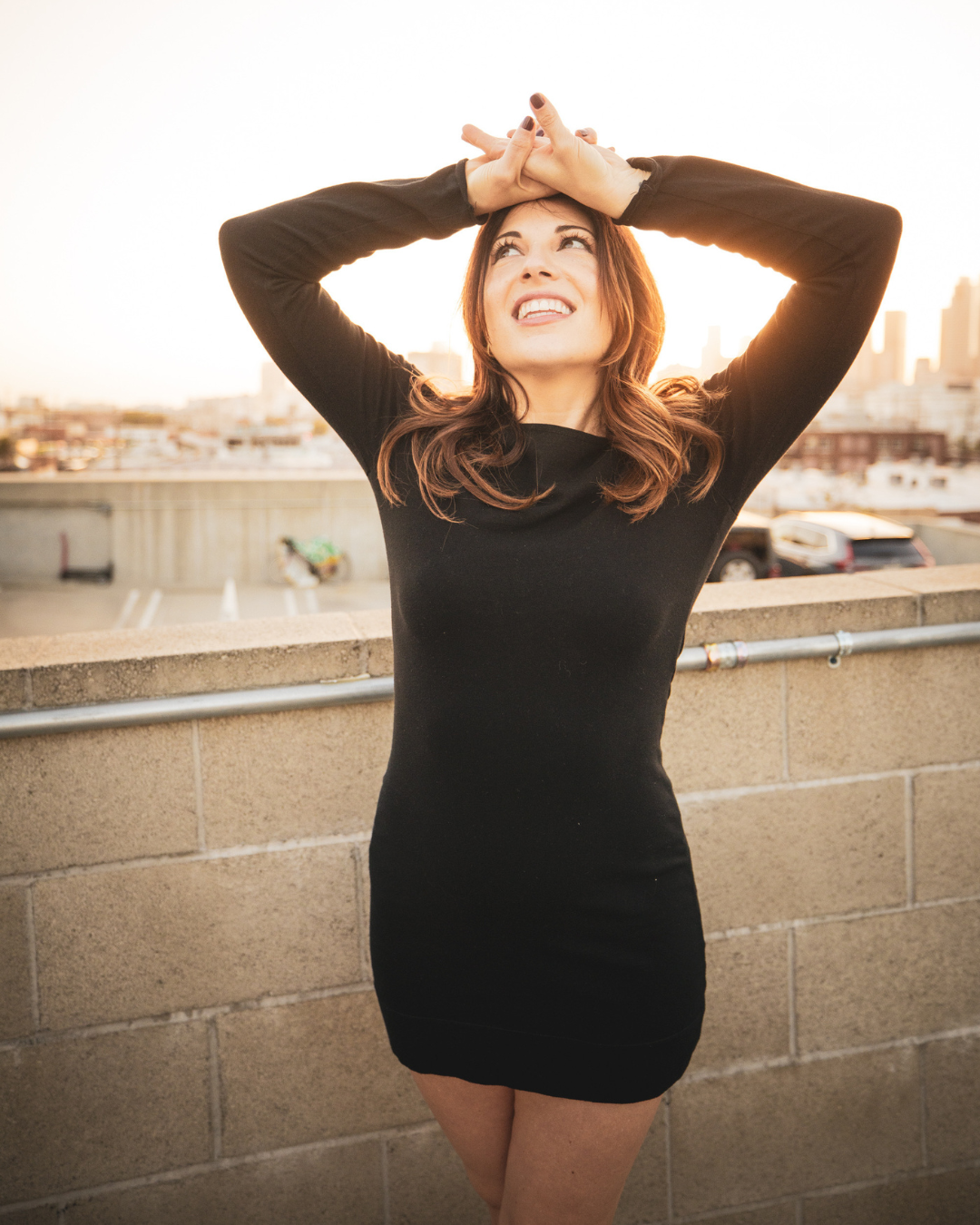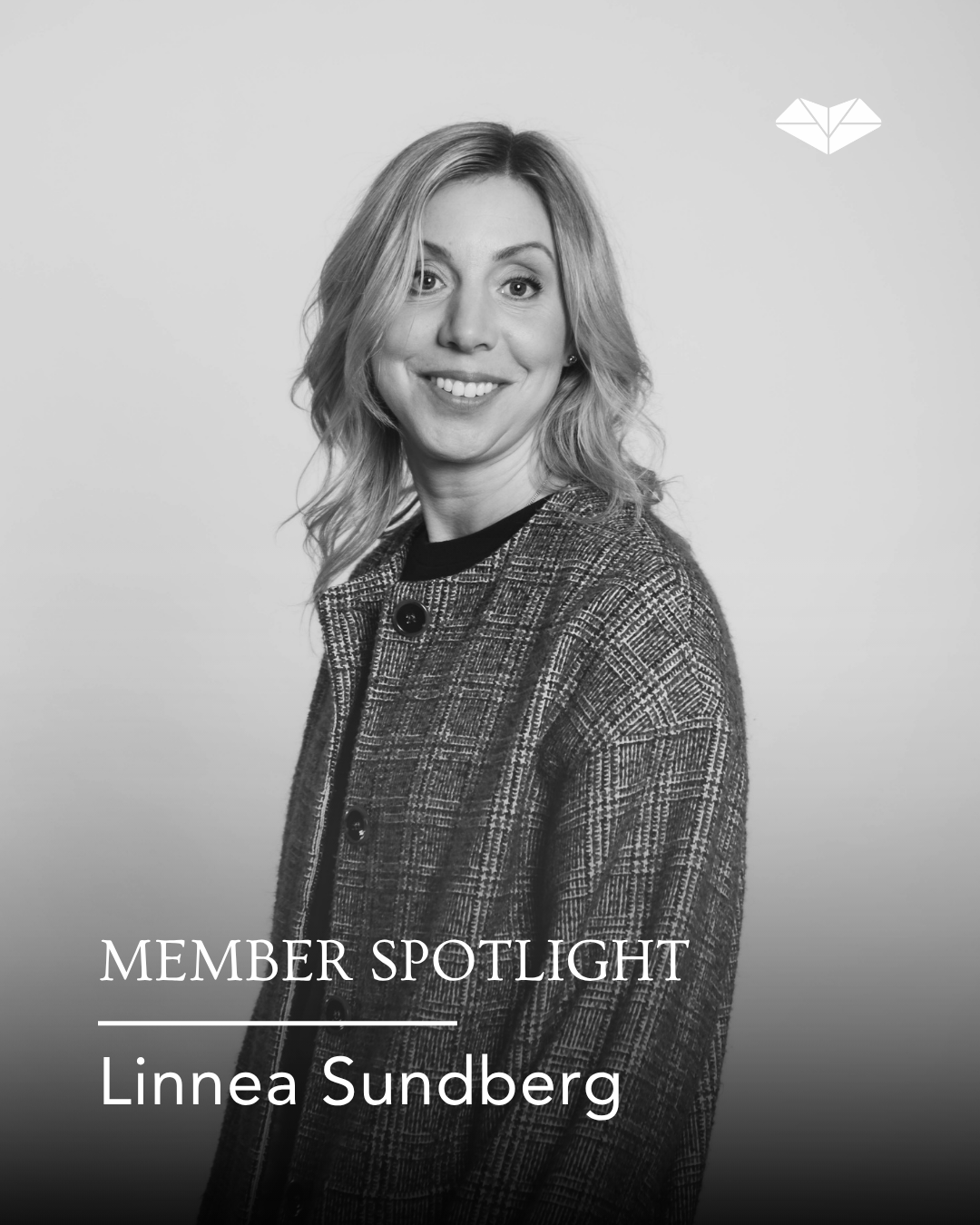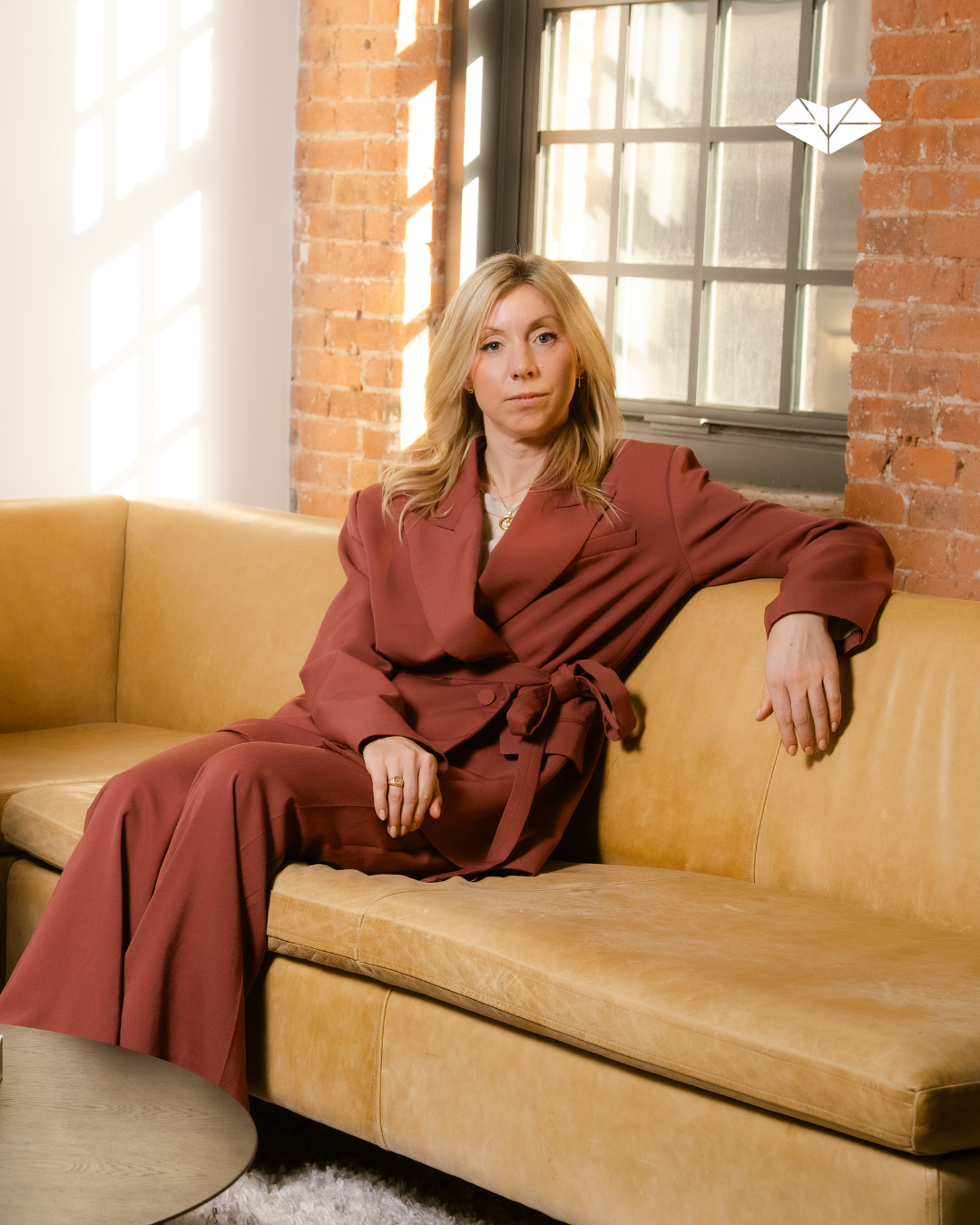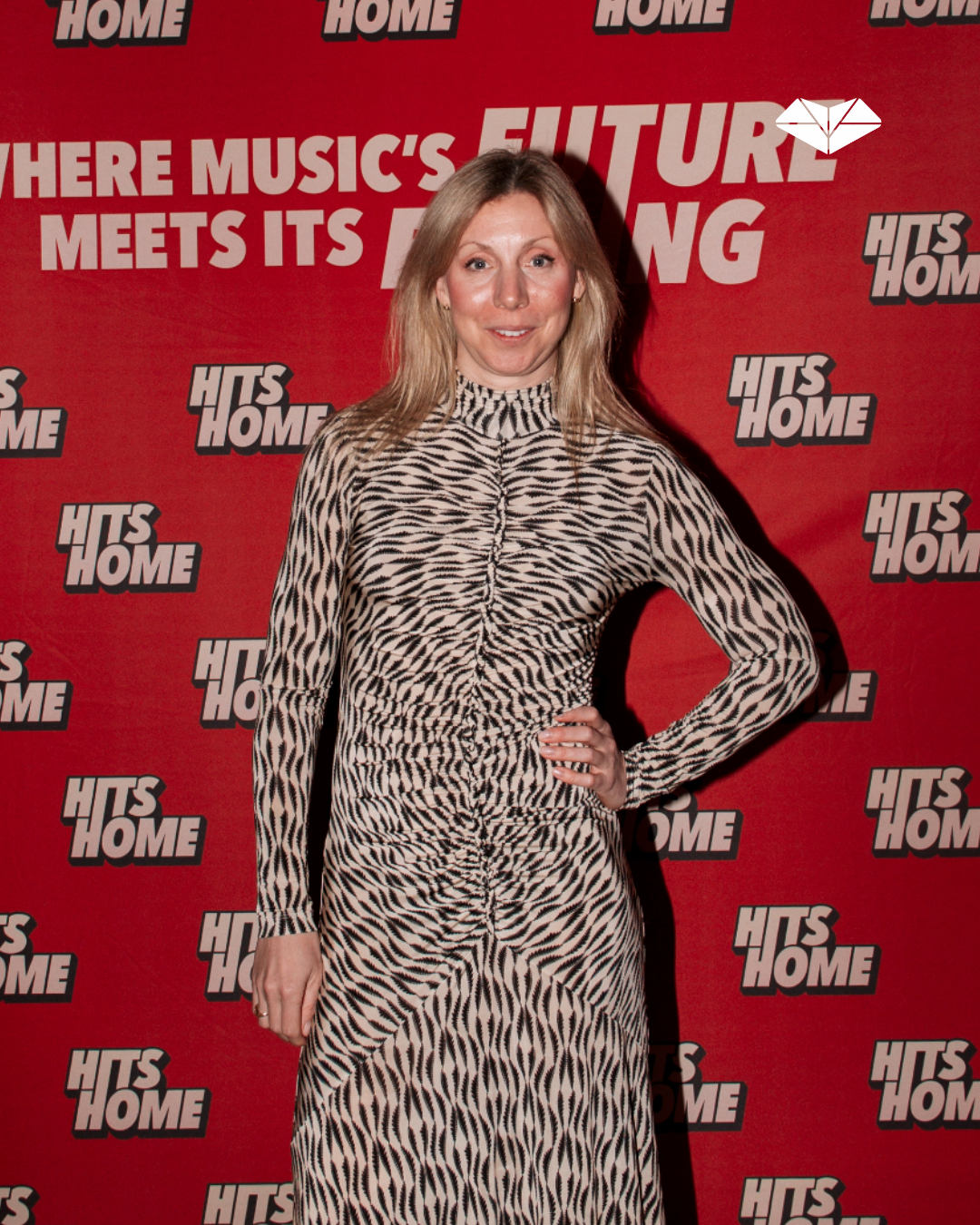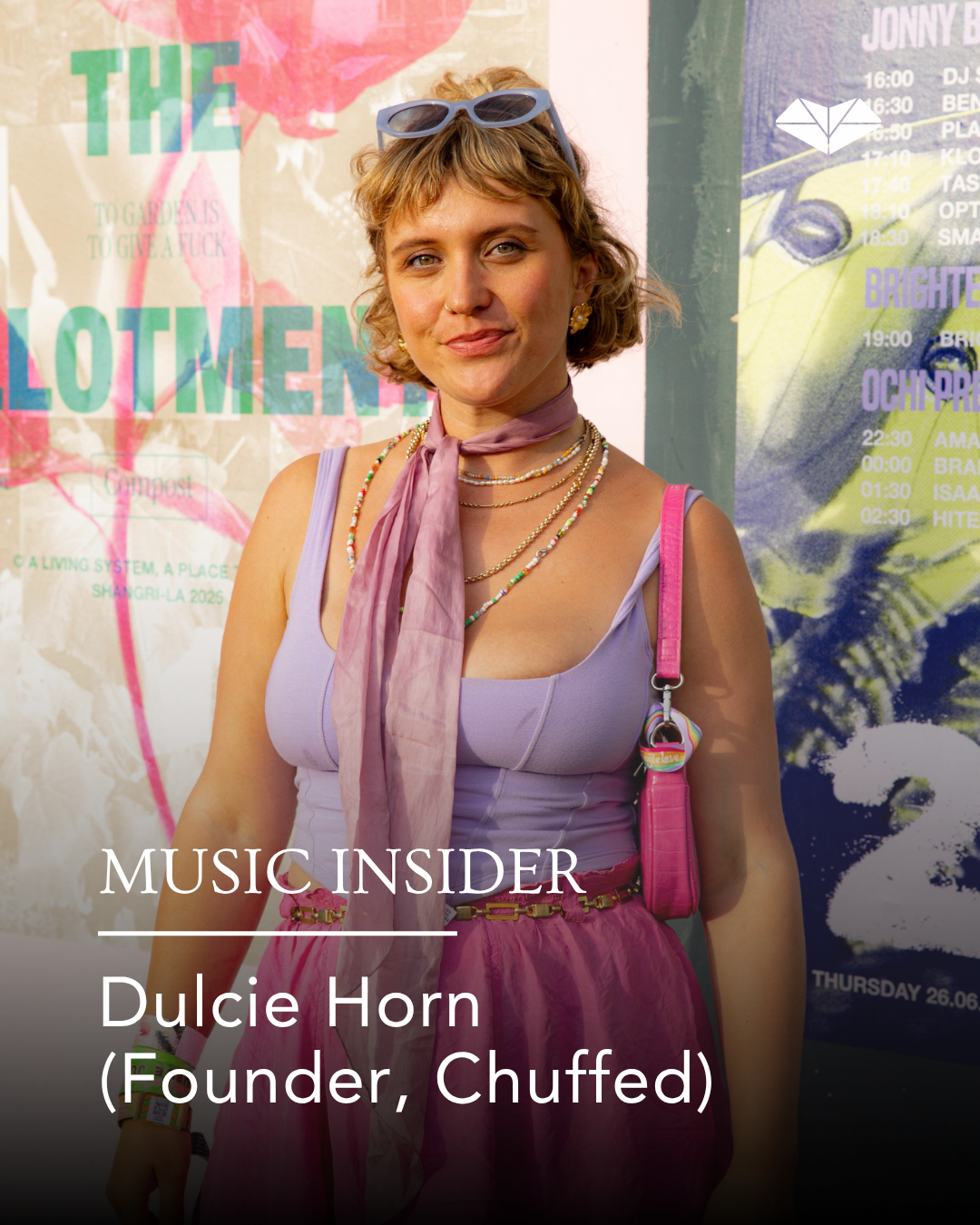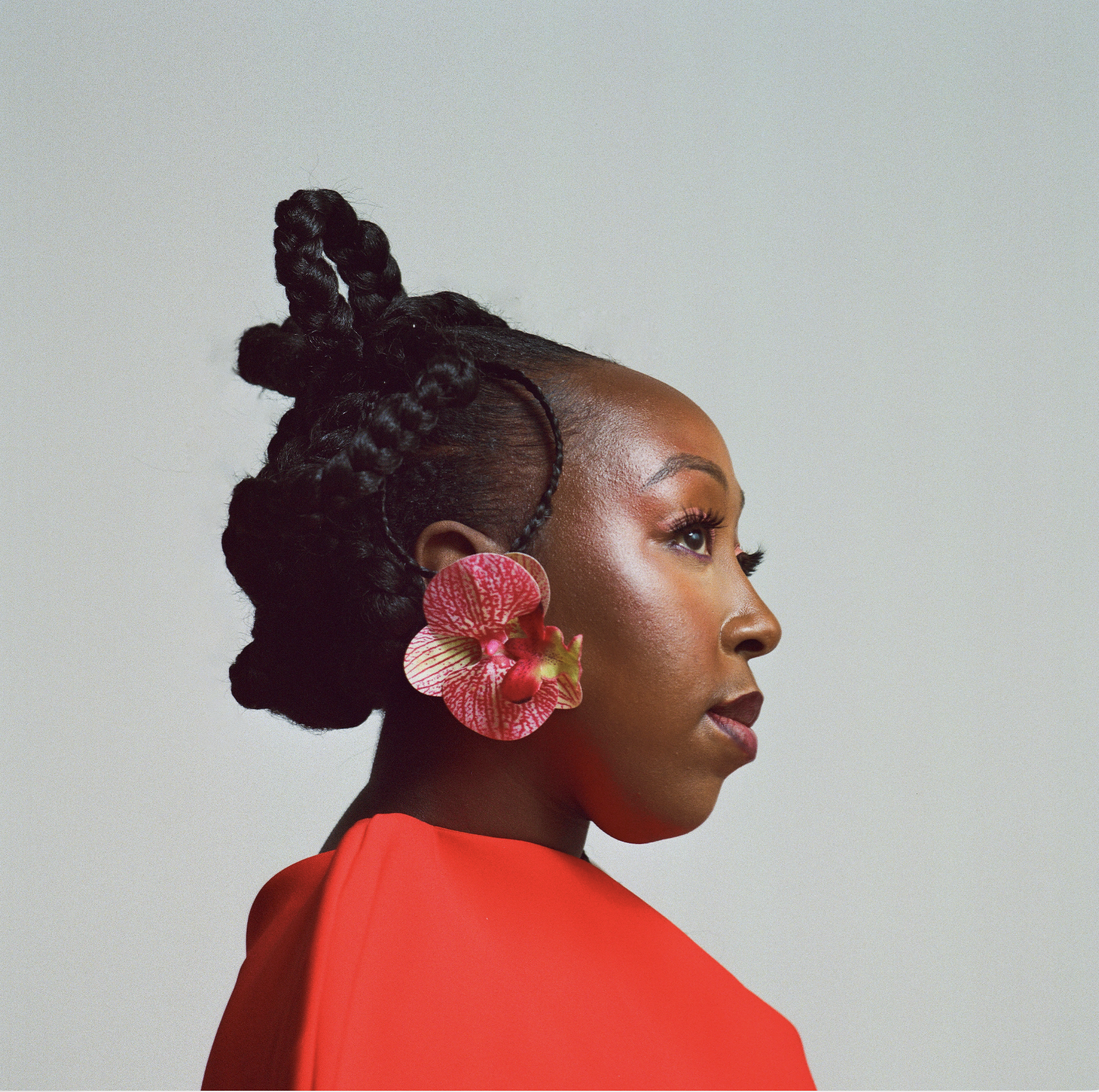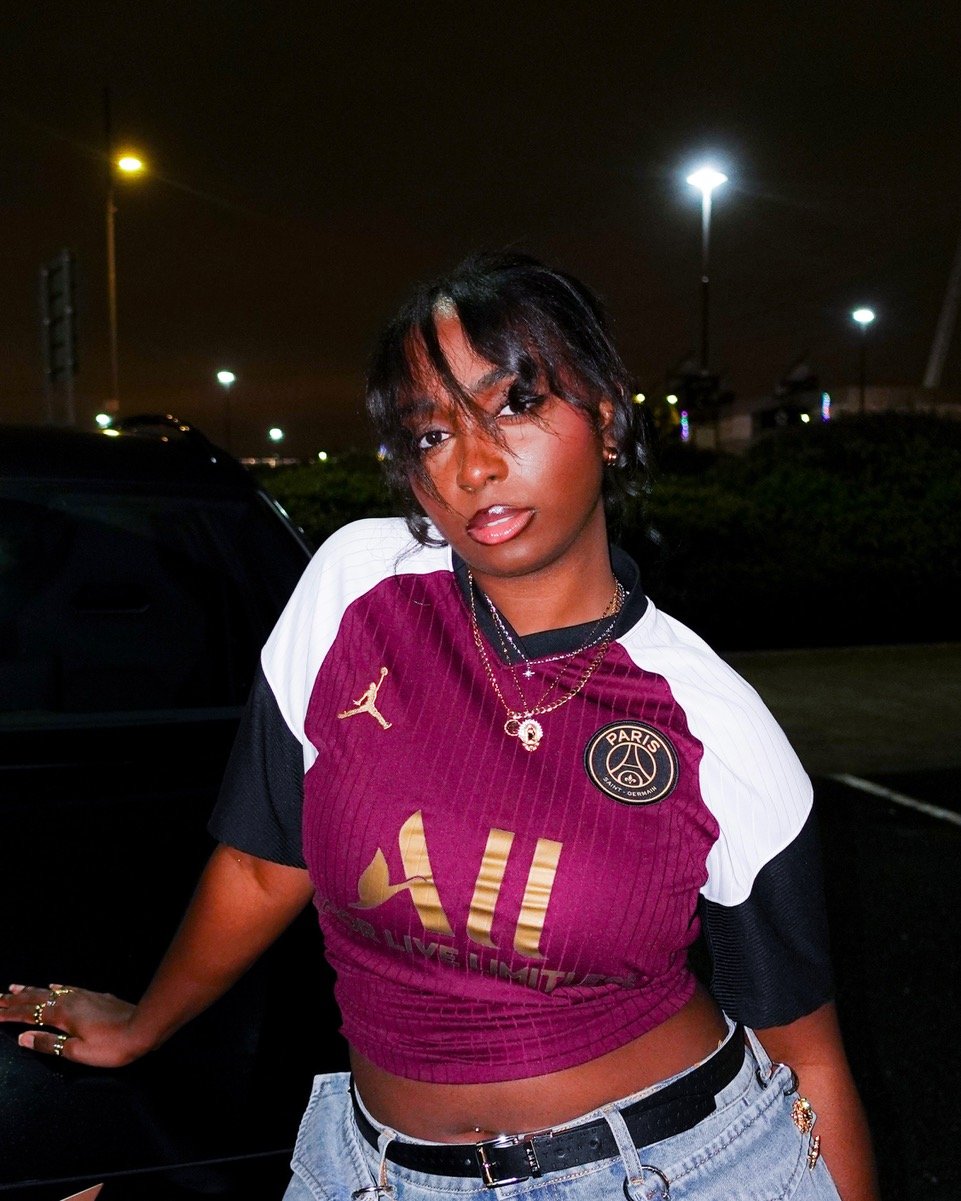
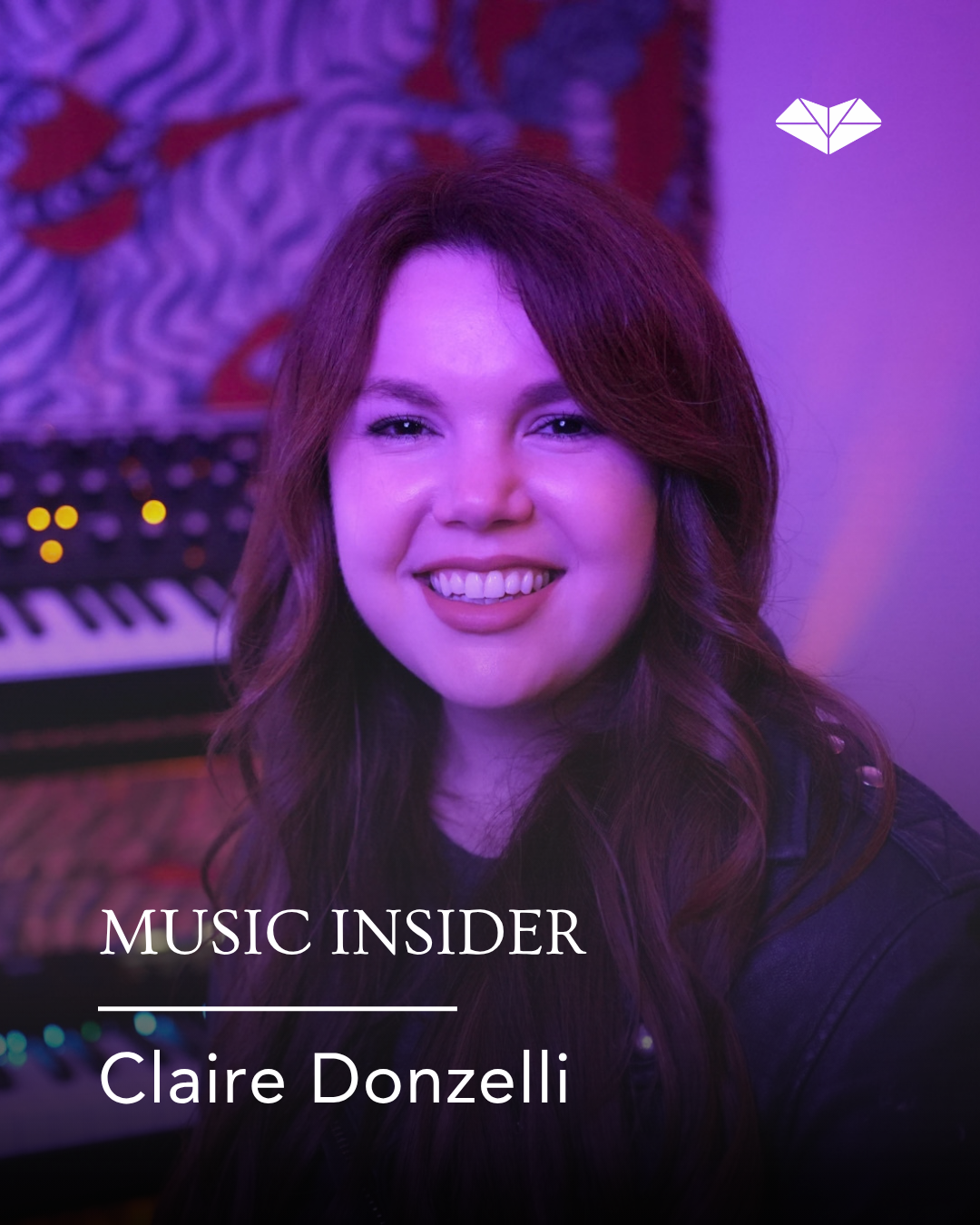
Claire Donzelli started out as a singer-songwriter before discovering that the creative spark she felt making music also carried into marketing. A graduate of Berklee College of Music, she began her industry career working the door at a Boston venue, where helping with its social media led to a role as marketing manager. After working at agencies and building her own roster of freelance clients, she founded Clarity Music Marketing.
Now based in Los Angeles, Claire supports artists, labels and creative brands with release strategy, storytelling and audience development. Alongside her agency work, she curates a playlist network with more than 50,000 followers and created Clarity Indie 50, which pairs emerging independent music with editorial coverage exploring the stories behind it.
How did you first get your start in music?
I started off as a singer-songwriter. When I first got to Berklee, I didn't know exactly what I wanted to major in, but I told myself, "Definitely not music business." Then, in my first semester, I tested out of the music production class and was put in an intro to music business class. Somehow, I found myself looking forward to it every week.
When I started releasing my own music, I was having vocal issues and wasn't sure I'd be able to record again. I put everything I had into marketing the music I’d already recorded and accidentally discovered how much I loved it. I realized that the creative spark I felt when making music carried through into marketing, too. I started helping other artists at Berklee with their marketing, and things grew from there.
My first job in the music industry came from striking up a conversation with a talent buyer at a venue about their sound system. I worked the door until they found out I did marketing, and then I became their marketing manager.
I worked at other agencies for a while and freelanced on the side. Over several years, my freelance work with artists grew so much that I didn't have time to work for anyone else. I'd also seen what worked and what didn't, and I wanted to take everything I'd learned and build an agency where I could truly focus my creative and strategic energy on each artist.
You’ve built a playlist network of more than 50K followers and launched Clarity Indie 50. What makes an emerging artist or release stand out to you when you’re discovering new music?
I've received thousands of submissions to my playlists and the Clarity Indie 50, and what makes a release stand out to me is when the artist is in touch with their story and willing to share it. Plenty of the songs I've been sent are outside what I'd normally listen to, but when I read the story on the submission, it made me stop and go, "Oh wow."
Great songwriting, production, and performance matter too, and sometimes we're moved by a song and find our own meaning in it, but I always want to hear what the artist has to say. The shared experience, the why behind a song, is really powerful to me. It's also why I chose to write an editorial alongside the Clarity Indie 50 playlist, even though a playlist on its own would be much faster and easier.
With so much emphasis on streams and follower counts, which metrics do you think artists should actually be paying attention to when trying to understand whether their audience is growing?
The most important metrics are the ones that show you're building real relationships with your fans. Streams and views can tell you how many people your music is reaching, but they don't necessarily tell you how many of those people are becoming fans.
I pay attention to things like repeat listeners, saves, and secondary actions like signing up for an artist's mailing list or coming to their show. Comments can also tell you a lot, especially when people are sharing how a song made them feel or what it means to them.
We sometimes get too caught up in the numbers that look impressive on paper instead of thinking about what we're actually trying to accomplish. I've had LinkedIn posts that only got a couple of likes, but then an artist's manager would reach out about working together and specifically mention one of those posts. It always surprised me because I didn't think the posts had performed particularly well, but they had reached the right people, and that's what mattered.
Artists are constantly told they need to create content. How can they promote their music consistently without feeling like they have to become full-time content creators?
The best social media plan is one you can realistically follow with your lifestyle and everything else you have going on. It's easy to tell artists they should post five times a week, but if once a week is more realistic for you, start there. Mix higher-effort content, like filming videos, with easier-to-make content.
Some artists like to batch content and film it all in one day. For one of my singles, I created enough content for a month in a single day, and that's what works for me. Other artists like to film in the moment when inspiration hits them. Find your own rhythm, and know there's no one path to success.
Some artists' music does really well on playlists, and that's where they find their audience. Others love touring. You don't have to be the best at every type of promotion. The key is picking what feels most frictionless for you to get your music out there, or delegating the rest.
On challenging days, how do you switch off and reset outside of work?
I volunteer at the Westside German Shepherd Rescue on the weekends. I've written bios for new dogs that need to get adopted and even created some TikTok videos for them, so I can't fully escape marketing, but mostly I walk the dogs because I love animals.
As much as I love music and marketing, I think it's important to have hobbies that have nothing to do with either. I live in LA, and both of my siblings are in Northern California, so I also recently started a book club with them (hopefully they see this and finish reading The Honjin Murders).
Three things you can’t live without in your bag?
Noise-canceling headphones, my phone or laptop so I can work on the go, and a great book.